Table of Contents
Three Key Takeaways
- Dylan Powers merges first-person video game immersion with found footage filmmaking, crafting a unique storytelling experience in Observer.
- The film’s sound design plays a pivotal role in maintaining atmosphere and viewer immersion, highlighting an often-underestimated creative dimension.
- Powers embraces independent filmmaking’s creative freedom to explore environmental storytelling, leaving much of the film’s mystery up to audience interpretation.
Writer-director Dylan Powers from Asheboro, North Carolina, brings an innovative sci-fi thriller, Observer, to FilmQuest 2025.
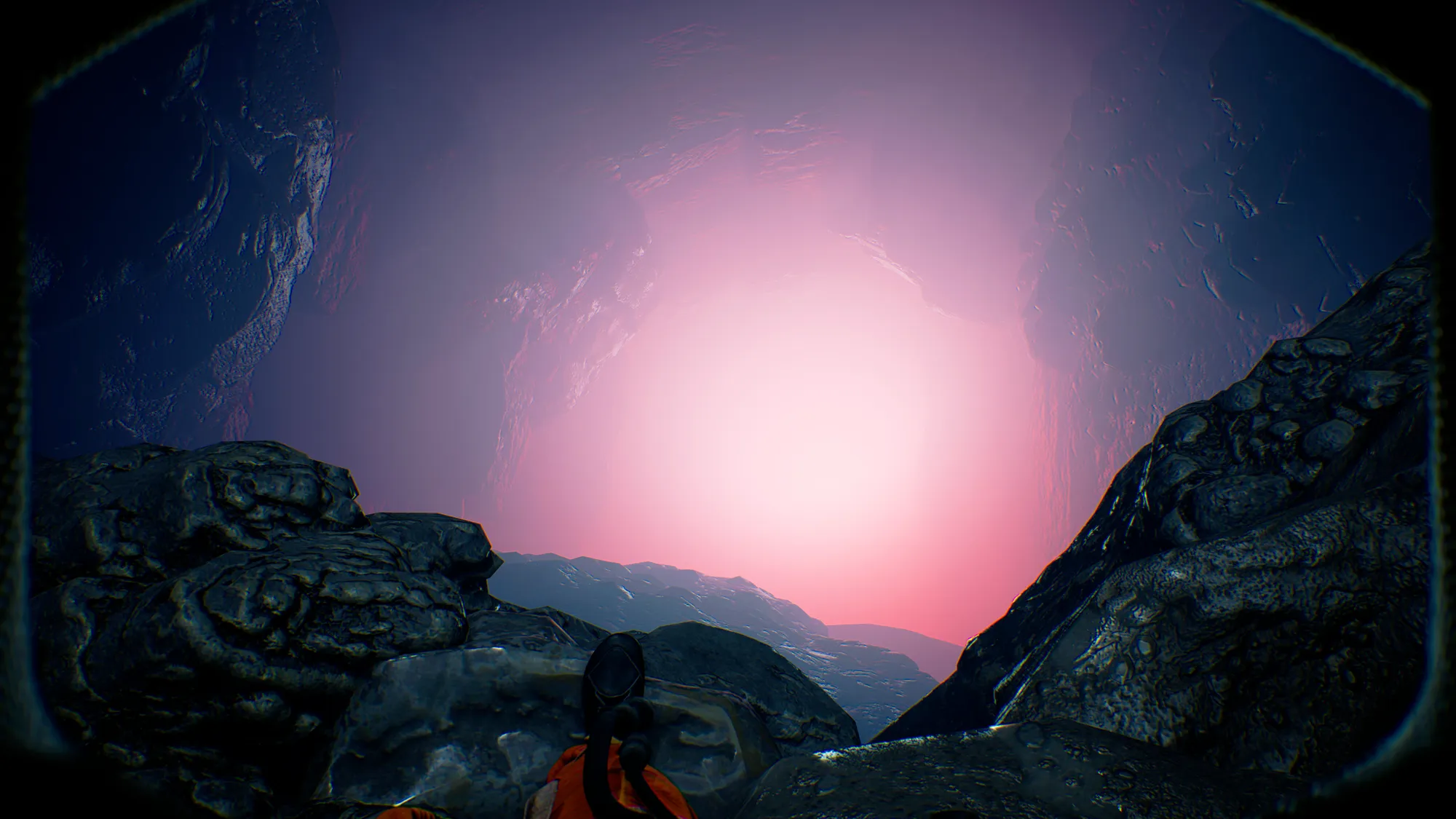
With a key collaboration alongside composer Marschawn Howard, Powers delivers a film that invites audiences inside the mind and memories of an astronaut lost on an alien planet.
Observer blends the immersive qualities of first-person video games with the found footage style beloved by genre fans, resulting in a distinct cinematic atmosphere.

What drew you to make Observer? Why this story, and why now?
I wanted to make something that took what I love about certain first person video games (heightened immersion, large focus on environmental storytelling, minimal dialogue) and blend that with the found footage style of filmmaking seen in The Backrooms and Blair Witch. I felt like I hadn't seen a found footage film where the "footage" was actually visuals pulled straight from someone's eyes before, so I started creating a story around the desire to make something like this.
Specifically though, the moment I knew I had to get into gear and start making this next film was after I finished the game "Outer Wilds." I was so blown away by the way I felt and my experiences playing that game that it inspired me to get started on this project. I wanted to make viewers feel similar things to what I felt playing that game.
What surprised you most about the filmmaking process this time—creatively or logistically? Was there a moment on set or in post that completely changed how you saw the story?
What surprised me the most was just how important the sound design was for this project. Sound Design is always incredibly important in any creative work, but for Observer specifically, without the sound design, so much of the vibe just gets completely lost, and the viewer's immersion goes out the window. Obviously, I knew it would be important, but actually digging into realizing the sound design the way this project needed was a level of work on that front that I had never experienced. It was so worth it in the end and I learned a lot. Sound is a tool to communicate the story just like the visuals, and I was deeply reminded of its importance through doing this.
Is there a moment in the film that feels the most you—something only you could have made?
Yes! I believe the moment where the protagonist discovers the origin of the signal he was sent to find, the orchestration of everything in the film to lead up to that moment and how it feels is something I am personally really proud of. I feel that what I love most about storytelling is felt in that scene, I hope at least.

What was the hardest creative decision you made while making this film?
Committing to the level of environmental storytelling that's currently seen in the film. There are details in the environment that, when noticed, will help the viewer better piece together an idea of what happened on the planet and to its inhabitants, BUT this was a difficult balance to find. Sometimes I would make things too obvious and be holding the viewer's hand, so to speak, and that didn't feel right. Then on the flip side, sometimes things would be too obtuse and I'd have viewers coming away clueless, or just very far off in their interpretation of what they had just watched. Finding what felt right for the execution of this in the film was definitely the biggest struggle, but I'm pleased with the final result! I think it strikes a good balance and isn't afraid to leave certain details completely up to the audience to figure out on their own.
"Without the sound design, so much of the vibe just gets completely lost, and the viewer's immersion goes out the window."
What do you hope audiences take away from your film?
I just hope they feel immersed in the world, and for a brief period of time, experience what it might feel like to be lost, and powerless in a place where you do not belong.
How has this film shaped or shifted the kind of stories you want to tell next?
I had an absolute blast crafting this narrative, and also learned a ton about what not to do. I tend to jump around between genres, so my next film that I'm already working on is tonally and stylistically nothing like Observer, but it does take all of my learnings from this project and use them to its benefit. I'd like to return to tell the full story of Observer one day, but in the foreseeable future, I'm enjoying working on something on the complete opposite end of the spectrum.
What’s a tool, technique, or resource that really helped you during production?
This entire film was created in Unreal Engine 5, using assets purchased from the Unreal Marketplace and the FAB Marketplace, and I had an incredible time working with it. I simply could not have told this story in the way that I did without the tools available to me in Unreal.

Independent filmmakers often rewrite the rules out of necessity. What do you think is the greatest strength of independent filmmaking, and how did you lean into that on this project? Is there a lesson or breakthrough you’d share with others navigating this path?
I think the greatest strength of independent filmmaking is that you have a chance to make a film that tells a story the exact way that you want it to be told, with little creative oversight from a company, or shareholders, or anything that could muddy a creative vision. This isn't to say that any of those things are inherently bad, but there's a millions stories out there of how they can be when it comes to the creation and productization of art. So, even though it is extremely difficult because of the constraints you have to work in, that kind of freedom is important. You have a solid chance to break the mold and show people something they've never seen before, or something they have seen before, but not with your twist on it, so go for it with everything you've got. The resiliency and perseverance you'll gain from making it will benefit you in the end, and you'll become a better storyteller at the very least.

"I think the greatest strength of independent filmmaking is that you have a chance to make a film that tells a story the exact way that you want it to be told."
What does it mean to you to have your film selected for FilmQuest, one of the world’s top reviewed genre film festivals?
I'm absolutely thrilled about it! I'm honored to be in their lineup this year with so many other incredible looking films. I was truly blown away when I got the official selection email, so I'm looking forward to being there this year!
FilmQuest celebrates the majesty and might of genre filmmaking across fantasy, horror, sci-fi, action, thriller, western, kung-fu, and beyond. How does your film fit within—or push the boundaries of—genre storytelling?
Observer isn't just another found footage horror film. It isn't trying to reinvent the wheel or anything, but I do think you will experience something you haven't seen before in a film like this when you watch it. Its immersive atmosphere, the slow unraveling of what happened on the planet, and the sense of discovery to the viewer sets this film apart from the rest, in my opinion.

Where do you see this film going next?
Once the festival run is eventually complete, my current plan is to release Observer online for free, then move on to the next project. I believe I'll return to tell the full story of what's going on in the world of this film one day. Not sure when that'll be, or what the circumstances will be, but it's something I'd love to pursue when I see an opportunity for those stars to align.
"At the core of all my work is a desire to make the viewer feel something."