Table of Contents
The Phantom Carriage (1921)
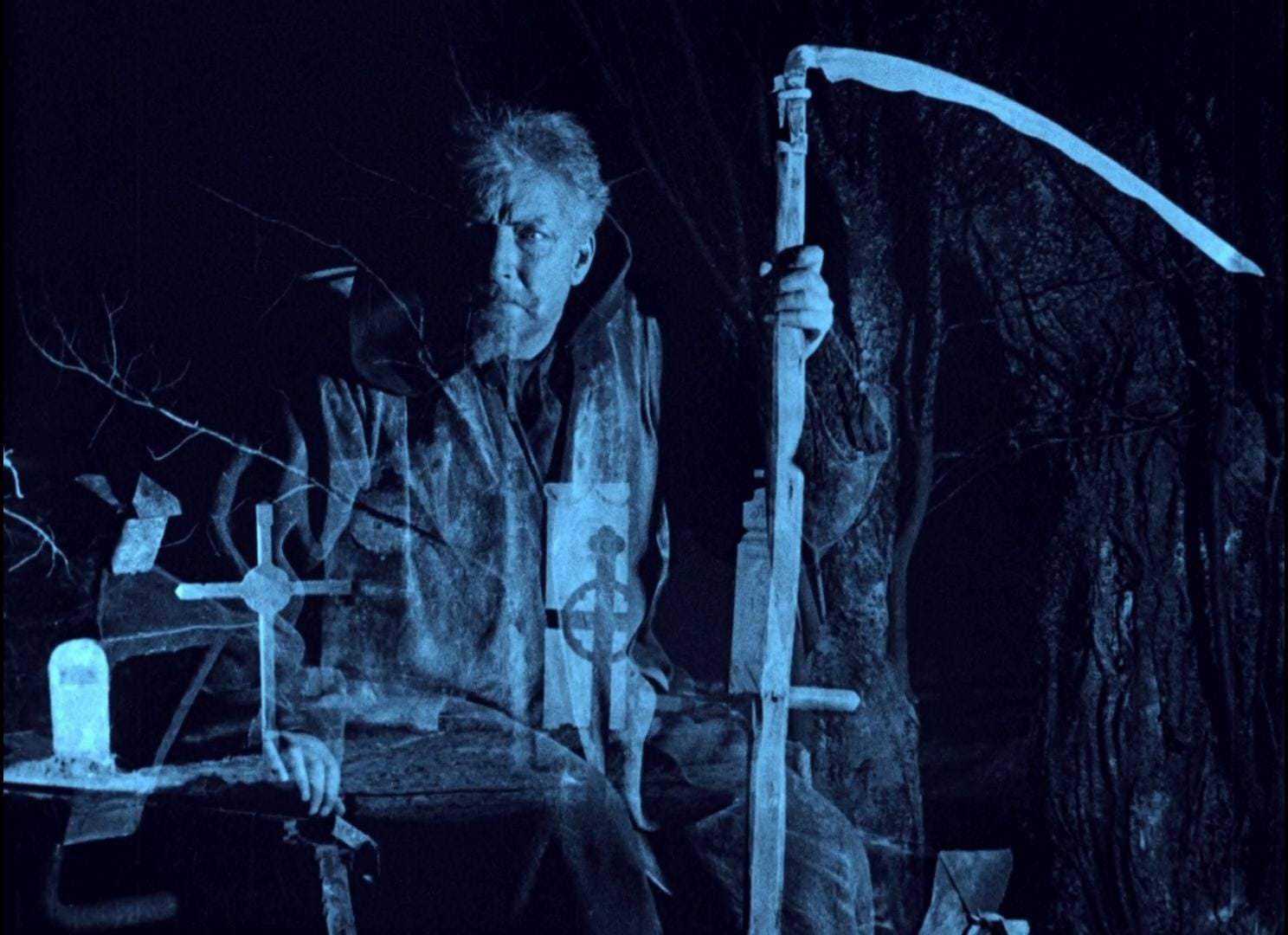
Without relying on dialogue or extensive intertitles, director Victor Sjöström managed to craft one of Sweden's most renowned cinematic works during the silent era. Drenched in Gothic imagery and introspective drama, The Phantom Carriage functions as a modern spin on the formula which Charles Dickens had established nearly eighty years earlier in A Christmas Carol. The film develops a fascinating mythos regarding the rituals of death, proclaiming that the last person to die each year is forced to drive the titular Phantom Carriage and collect the souls of those who will die in the following year.
While the film was most notable for its innovative visual effects at the time of release, Sjöström's larger body of work has since been reappraised and canonized due to his leading role in Bergman's Wild Strawberries.
The Seventh Seal (1957)
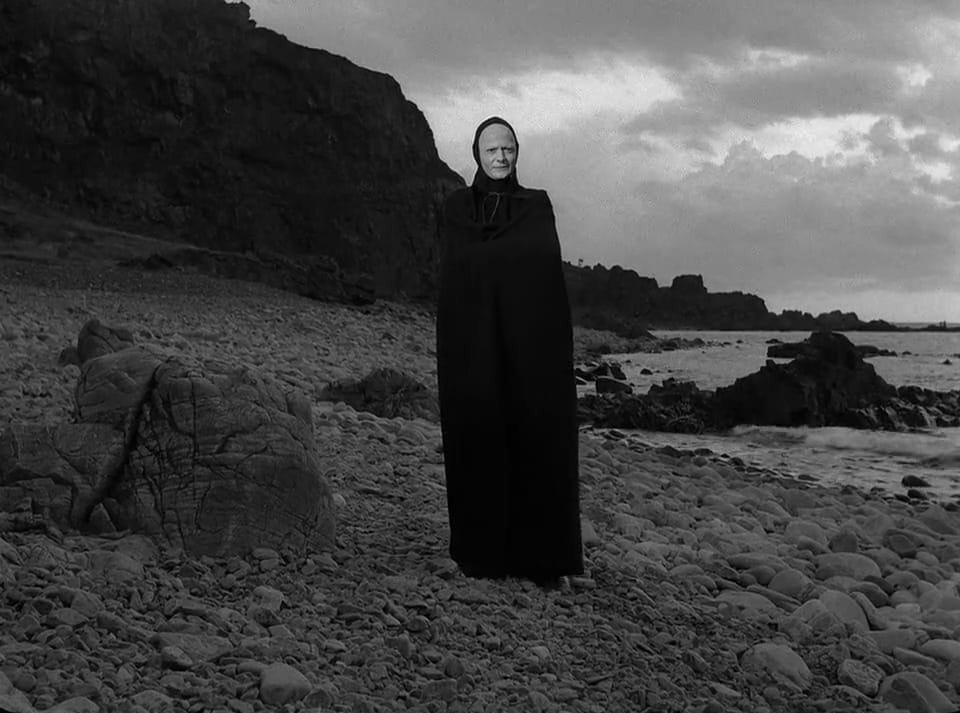
Perhaps the most iconic film on this list, Ingmar Bergman's The Seventh Seal remains a cornerstone of Swedish cinema nearly seventy years after its initial release. The film follows disillusioned knight Antonius Block as he wanders across the medieval countryside in search of a final redemptive act, having secretly challenged Death to a game of chess that will end in his demise if he concedes.
Though the film's premise and promotional materials suggest a high-fantasy epic, Bergman instead steeps the narrative in macabre themes of mortality and faith. While these concepts would later be explored more thoroughly in films like Winter Light and Persona, the soft genre-conventions of The Seventh Seal make it an excellent starting point for those looking to dive headfirst into Bergman's filmography.
The Sacrifice (1986)
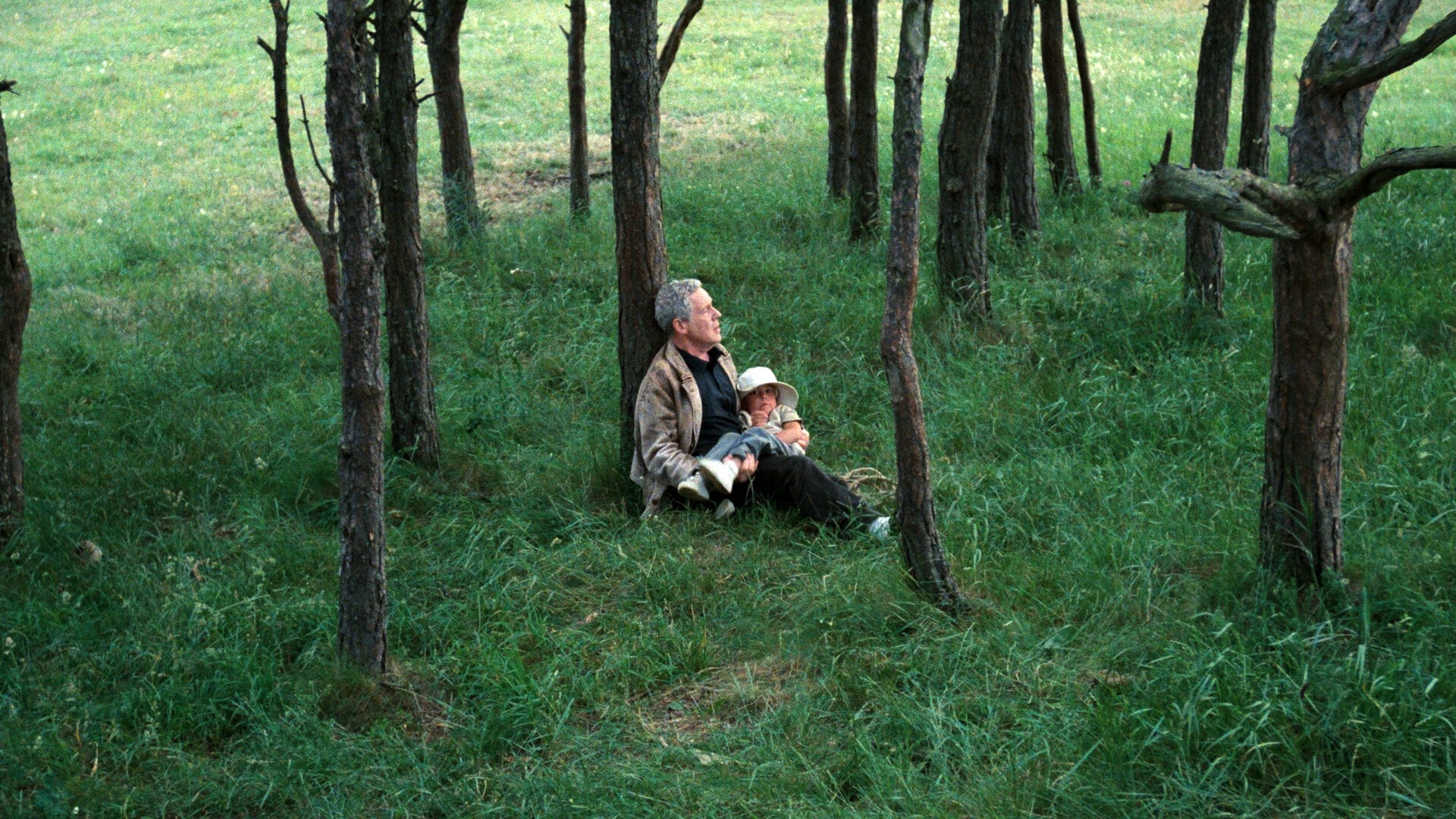
After being invited by the Swedish Film Institute to shoot his final feature in their country, legendary Soviet filmmaker Andrei Tarkovsky chose the island of Gotland as the production base for The Sacrifice. Working alongside many of Bergman's frequent collaborators, such as cinematographer Sven Nyvkist and leading actor Erland Josephson, Tarkovsky created an ingenious piece of transnational cinema that continues to impress audiences today.
The Sacrifice follows Alexander, an elderly actor-turned-intellectual, who attempts to repair his strained relationship with God following the threat of a possible nuclear holocaust. Featuring long bouts of philosophical dialogue and striking visual compositions, the film serves as an excellent capstone to the career of slow-cinema's most important auteur.
LILYA 4-EVER (2002)
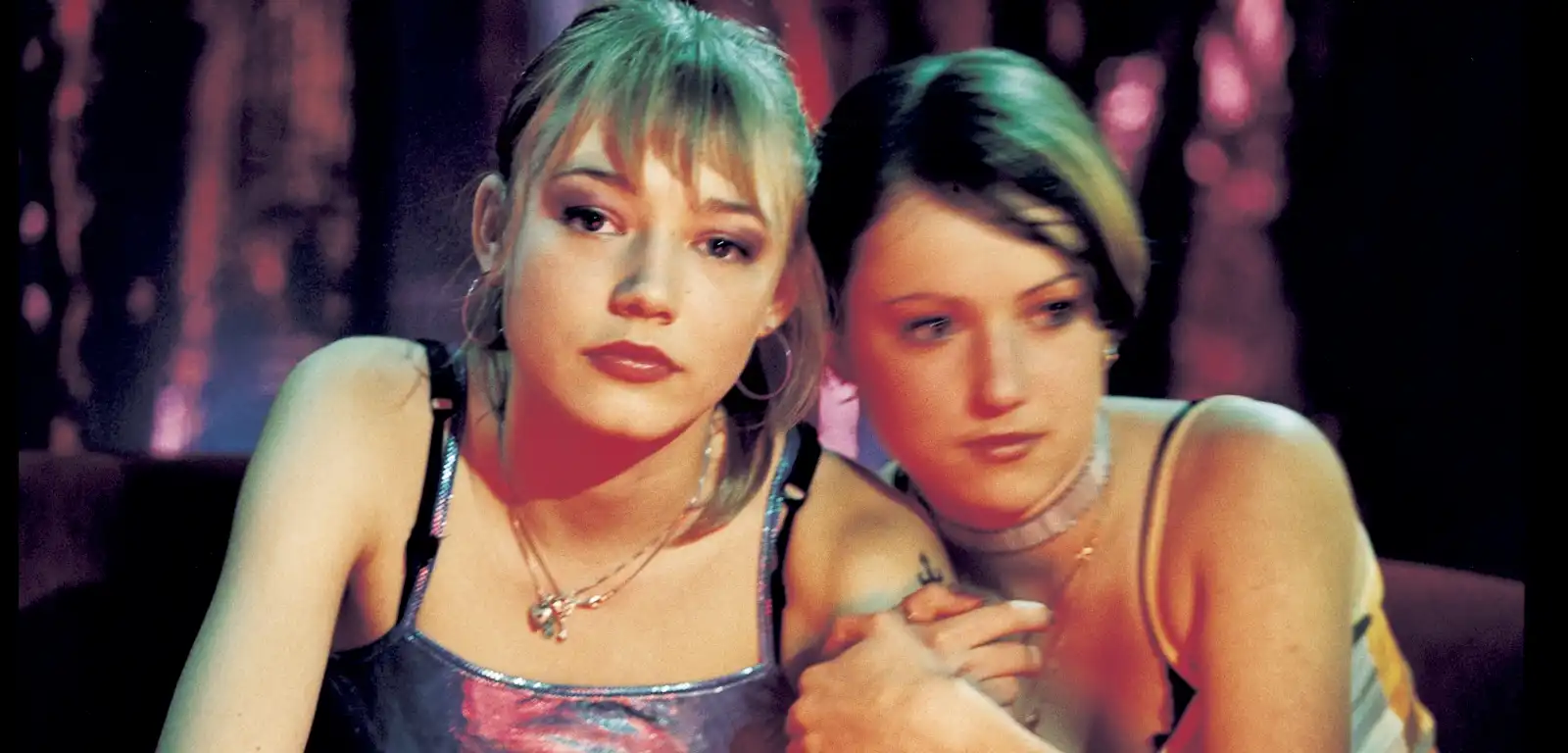
If you ever find yourself in need of some real heart-shattering cinema, look no further than LILYA 4-EVER. Lukas Moodysson's 2002 tragedy film is not for the faint of heart, but provides an eye-opening look at poverty and child trafficking for those who are willing to submit to its stylized nihilism for nearly two hours. However, the film stands out beyond its disturbing subject matter due to its gritty audiovisual style and achingly beautiful character development.
Force Majeure (2014)
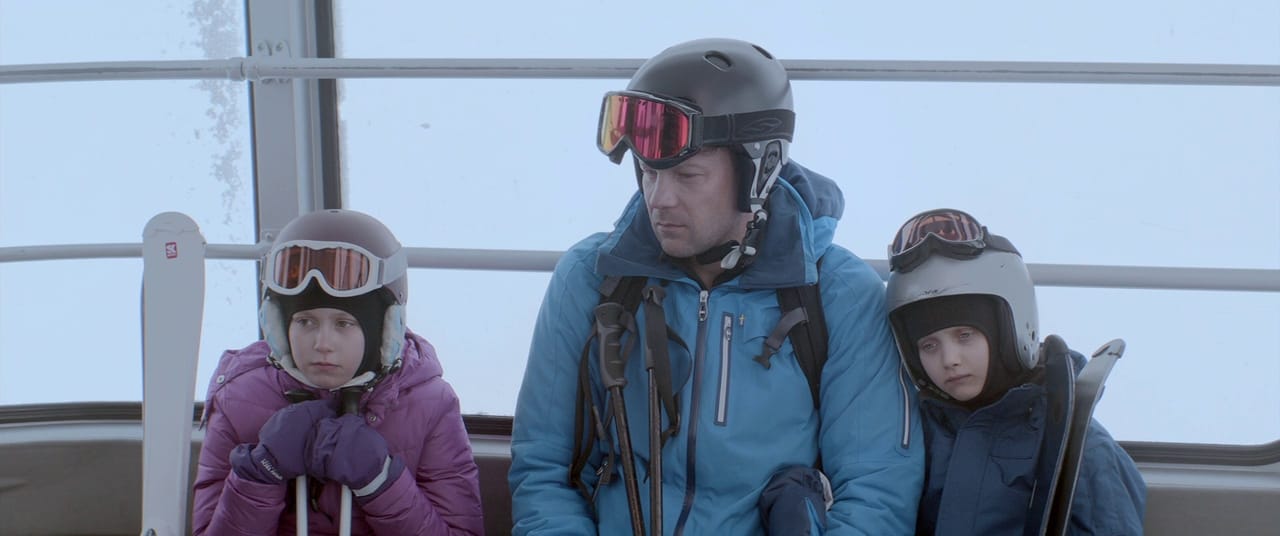
The fourth feature from Ruben Östlund – Sweden's contemporary superstar filmmaker who has won the Palme d'Or twice in the last ten years – centers on a European family who experiences significant domestic turmoil following an avalanche that occurs during their ski trip. If that premise sounds familiar, you're likely aware of the film's American remake: Downhill (starring Will Ferrell and Julia Louis-Dreyfus).
While diehard fans might be more likely to recommend Östlund's more critically acclaimed projects, such as The Square and Triangle of Sadness, I believe that the short runtime and darkly comedic tone of Force Majeure make it his strongest work to date.