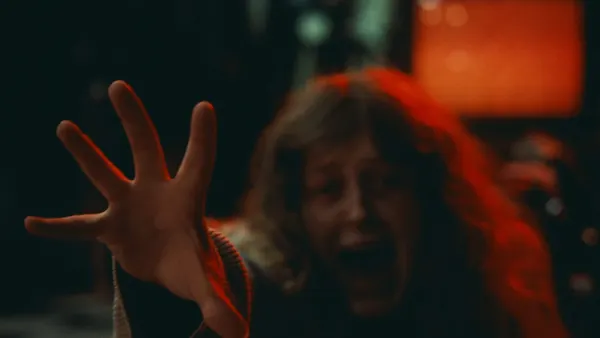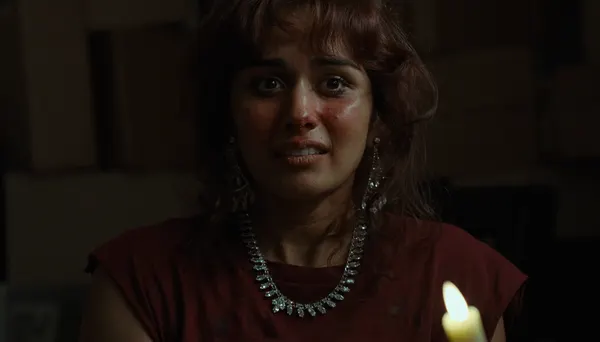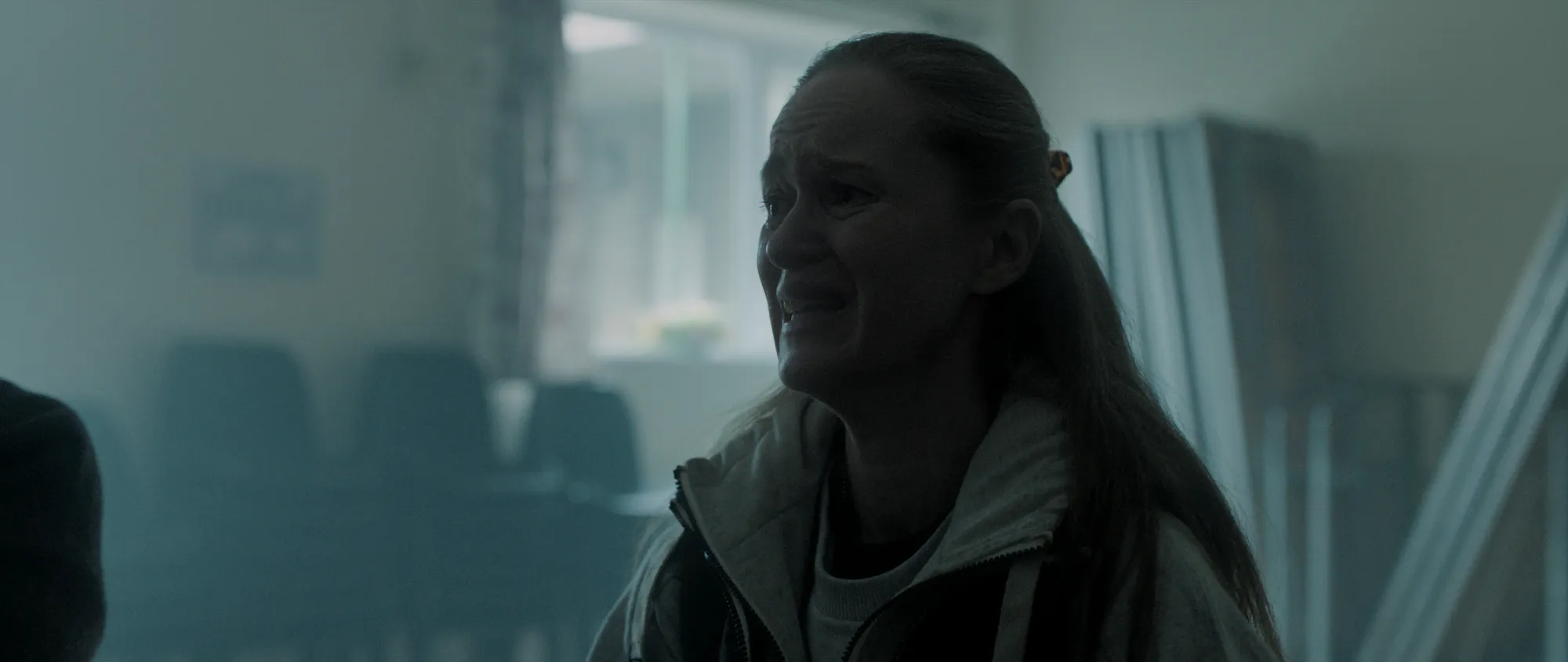
A struggling alcoholic, haunted by his past, is stalked by a dark wolf. On the brink of submission, his mother fights to save him. That's the whole of Tor Lewa in two sentences, and it's a fair description of how Paul Holbrook works: a recognisable life, rendered with social-realist precision, and then something unexpected smashed into it.
Holbrook is a multi-award-winning writer and director known for emotionally charged, character-driven storytelling explored through cinematic, genre-specific projects. His work has screened at BAFTA, BIFA and Oscar-qualifying festivals, with acclaimed shorts including Hungry Joe, Hollow and Old Windows; he was selected for BFI Network@LFF, BBC Voices and The Brit List 2024, and is represented by United Agents. Tor Lewa arrives at FilmQuest as a distillation of that sensibility — a horror film whose scariest material is emotional, and which, for all its darkness, ends somewhere closer to hope.
Key Takeaways
- Holbrook deliberately restricted the wolf's screen time, resisting his own love of practical effects to keep the film anchored in his lead character's emotional turmoil.
- A producer who absorbs the chaos — in this case Sonia Wargacka — can be the single biggest creative gift on an independent set.
- The final scene, repeatedly flagged as cuttable, is the one Holbrook is proudest of, and it plays exactly as he imagined in a full cinema.
Below, Holbrook talks about realism colliding with genre, trusting actors, and why he's not embarrassed to admit that awards keep him going.
Interview
What drew you to make this film, and why this story, why now?
I've always felt most at home telling character-driven stories rooted in social realism, but then smashing something unexpected into them. Genre gives me another way into the lives of ordinary people; a way of pushing characters into darker, stranger places without losing the emotional and thematic truth underneath. That clash between realism and genre is probably where I feel most comfortable as a filmmaker, and Tor Lewa is a really good example of that.
What surprised you most about the filmmaking process, creatively or logistically, including any moment on set or in post that changed how you saw the story?
I've always said that if you have a great script and great actors, the job of directing can be a breeze. There's a real privilege in working with actors who don't simply turn up and deliver what's written, but bring instincts, questions, ideas and little pieces of themselves to the work. I felt incredibly lucky with the people in front of the camera on this one. They gave me so much to play with, and I was constantly in awe of what they delivered.
What moment in the film feels most like you, or like something only you could have made?
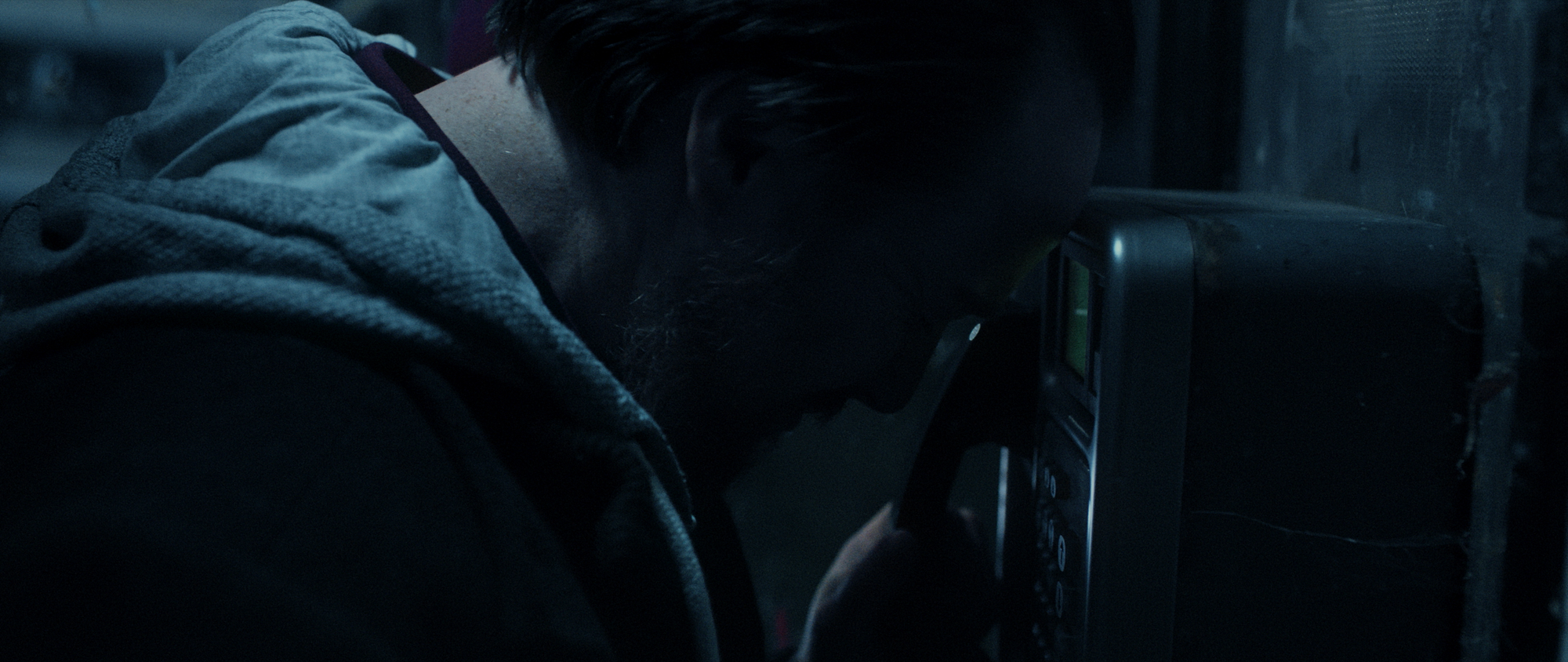
I adore the final scene in the film. It's a scene I was often told could be cut, but it delivers exactly as I imagined in a cinema full of people, and it's a scene I'm immensely proud of.
What was the hardest creative decision you made while making the film?
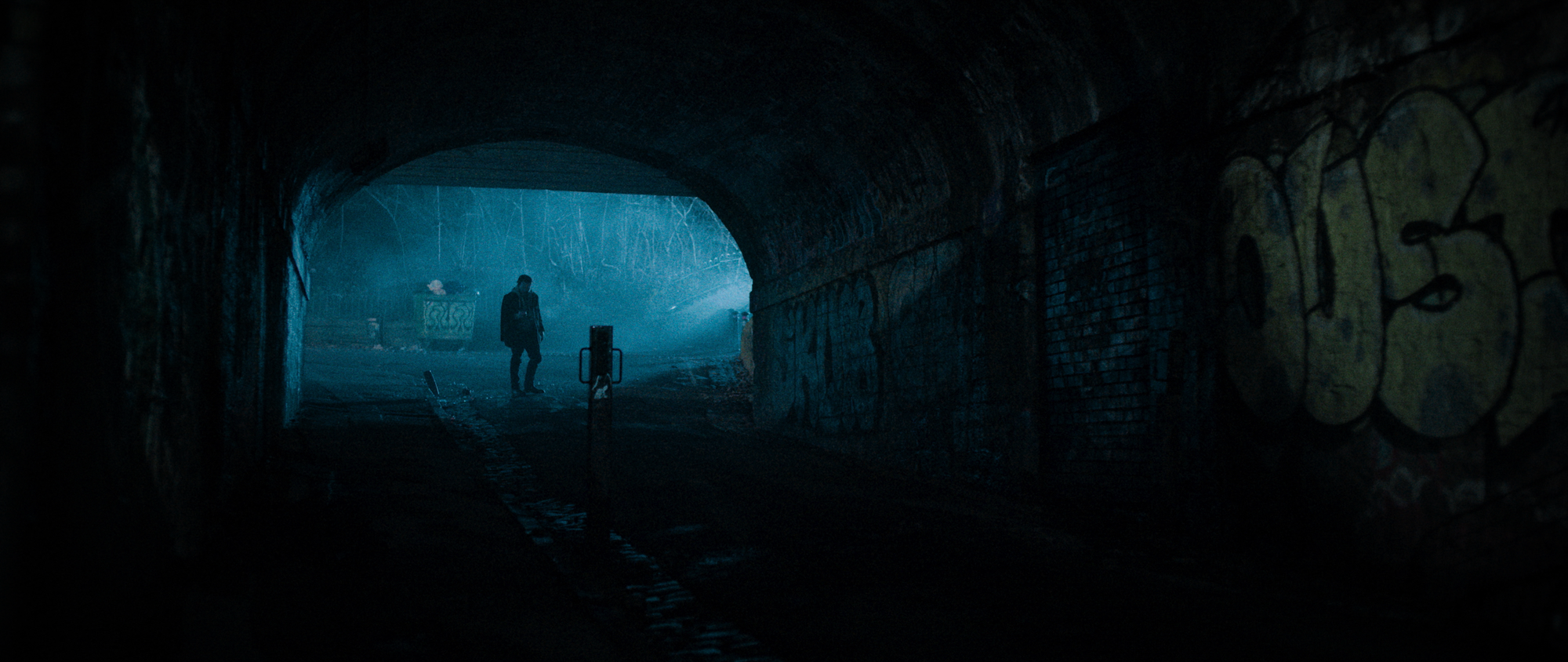
I think it was probably to limit the screen time of our wolf. I'm a big fan of practical effects, and I could've really enjoyed myself going to town in that regard, but it was important to keep the story focused on our lead character and his emotional turmoil. It was important to get the balance right, which I think we did.
What is the greatest strength of independent filmmaking, how did you lean into it on this project, and what lesson would you share with others?
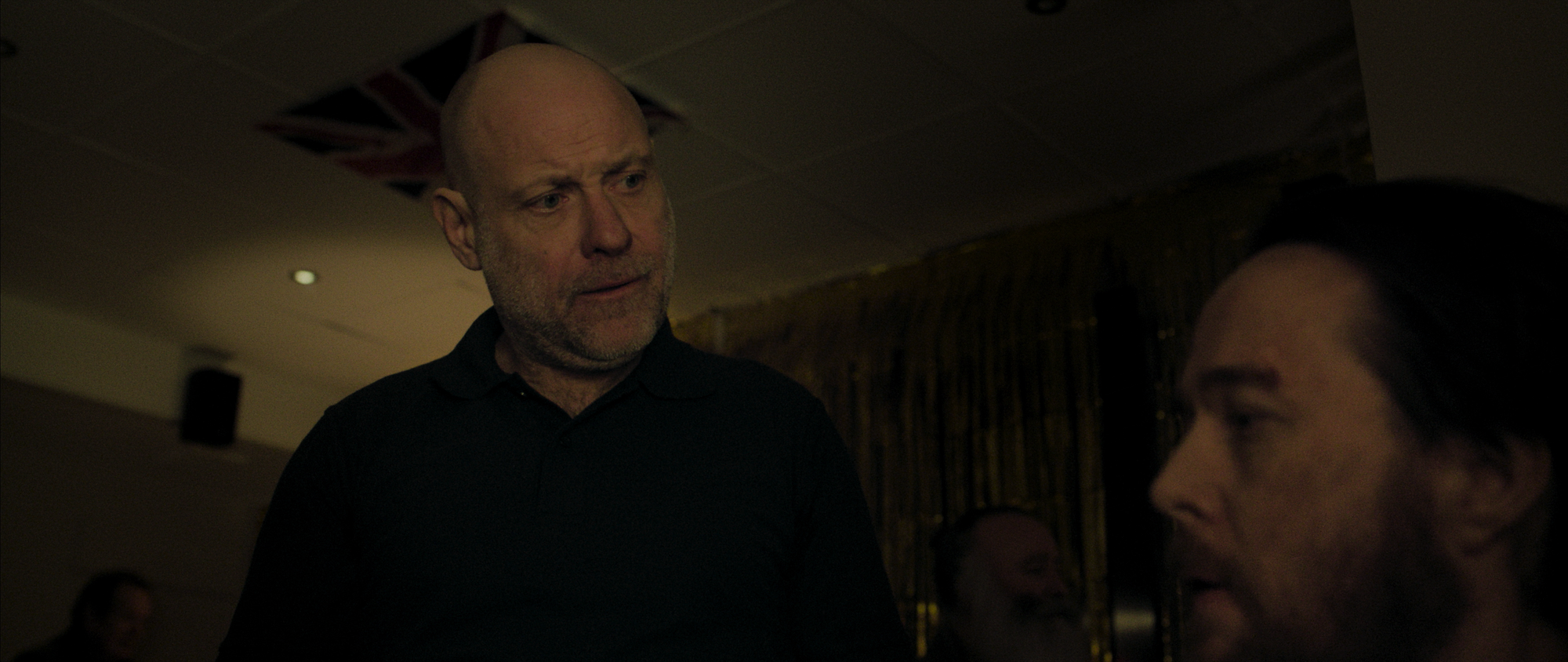
I was lucky enough to have some long-time collaborators alongside me, including my DoP James Oldham, gaffer Michael Sides, editor Ben Williams-Butt and the brilliant sound team at Paradigm Post and Red Six. These are people I've been in the trenches with before, people who understand how I like to work and who I trust completely. Alongside them were new faces who came in, got down and dirty with us, embraced the way we were making the film and genuinely elevated the standards both on set and beyond it. Find your people.
As for the tool or mindset that helped most during production: trusting the actors.
How has this film shaped or shifted the kinds of stories you want to tell next?
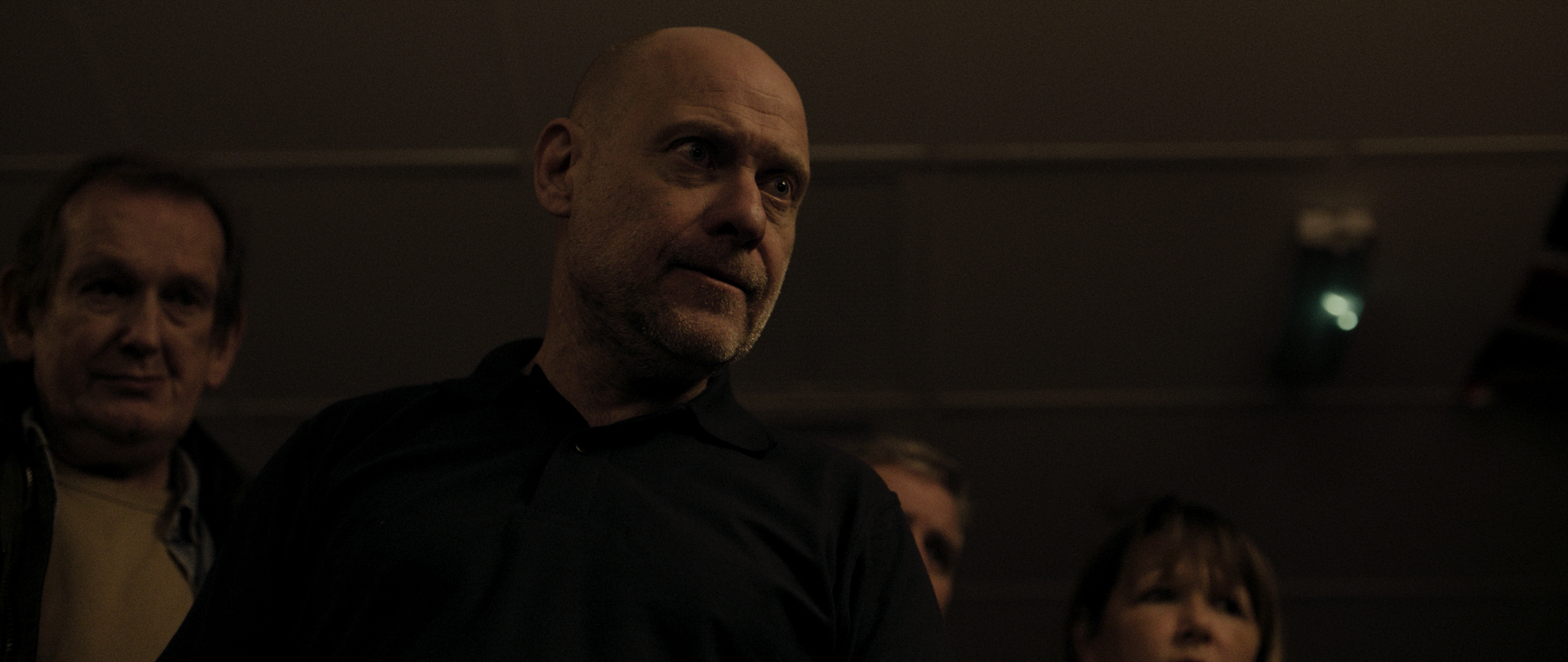
A huge part of why I was able to concentrate on bringing this film to life was our producer, Sonia Wargacka. Indie filmmaking can be brutal. There are a hundred fires going on around you while you're trying to think about performance, camera, story and the thing you actually came there to make. Sonia gave me time, space and, probably most importantly, protection from a lot of that noise. She backed me from beginning to end and fought to give me the freedom to deliver the film I could see in my head. That kind of trust is priceless, and I want more of it.
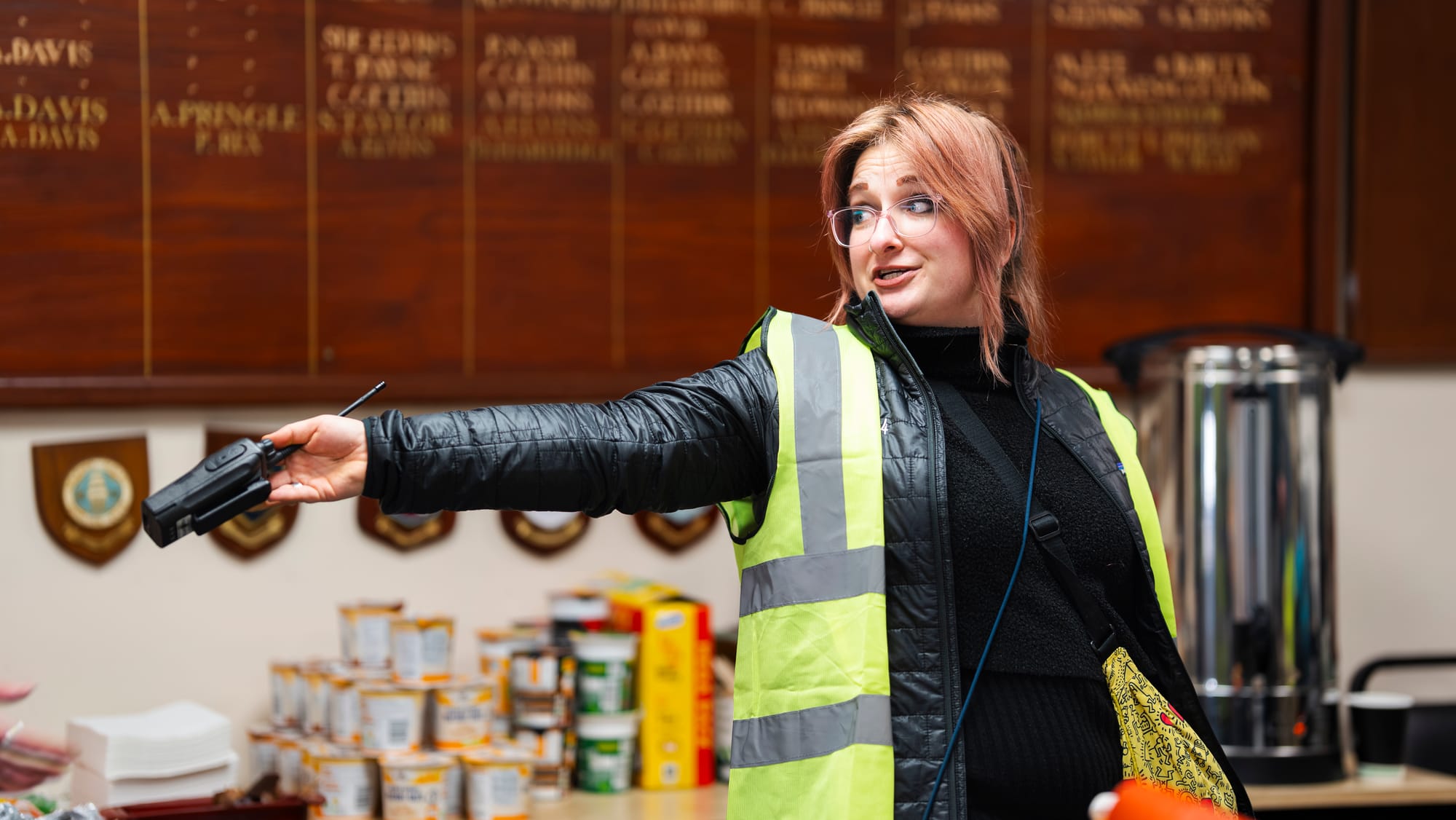
How does your film fit within, or push the boundaries of, its genre, and what do you hope audiences take away?
Clashing character-driven, social-realist, emotional drama with big dollops of genre sauce is what I think I do best. I think genre films can sometimes rely too heavily on a concept or a hook, and forget the nuts and bolts of what really engages an audience, and that's emotion.
What I hope people take away is that there are many fractured souls amongst us, but we shouldn't give up on people. Ultimately, I wanted to end on hope. At the core of all my work is a desire to affect an audience, and have my film stay with them.
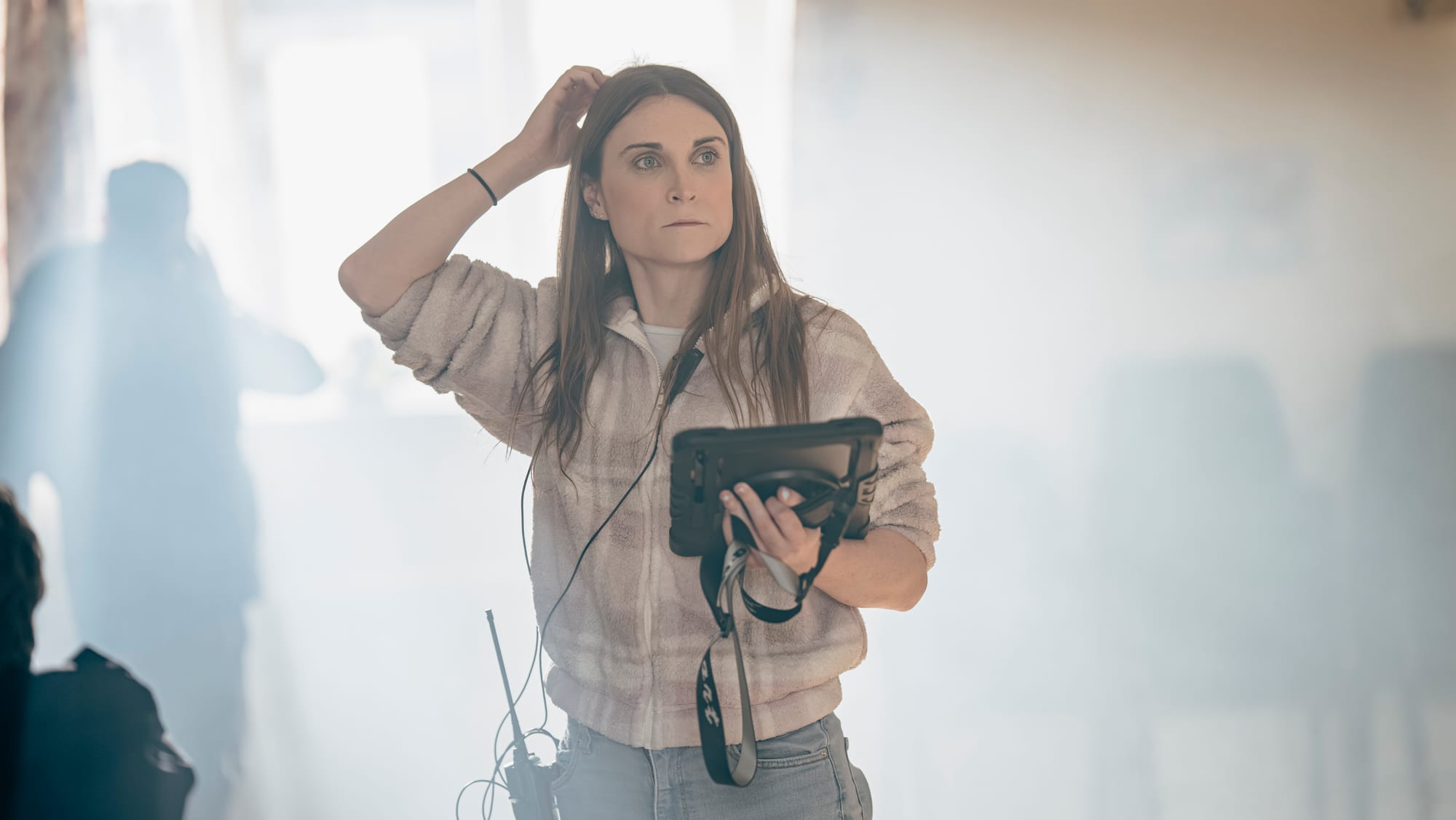
What does it mean to have your film selected for FilmQuest, and where do you see the film going next?
I love FilmQuest, and have only experienced it from afar, which is a crying shame. The organisation and communication is second to none, and the passion for genre is on fire, keeping the love for it alive. To have our film screening at one of the biggest and best genre festivals in the world, and playing to a crowd of rabid horror fans, is all we can wish for when it comes to making films.
I hope it has a great festival run, and ultimately that we qualify for the big awards when the time comes. I'm not embarrassed to admit that the validation I get from winning awards really does keep me going.
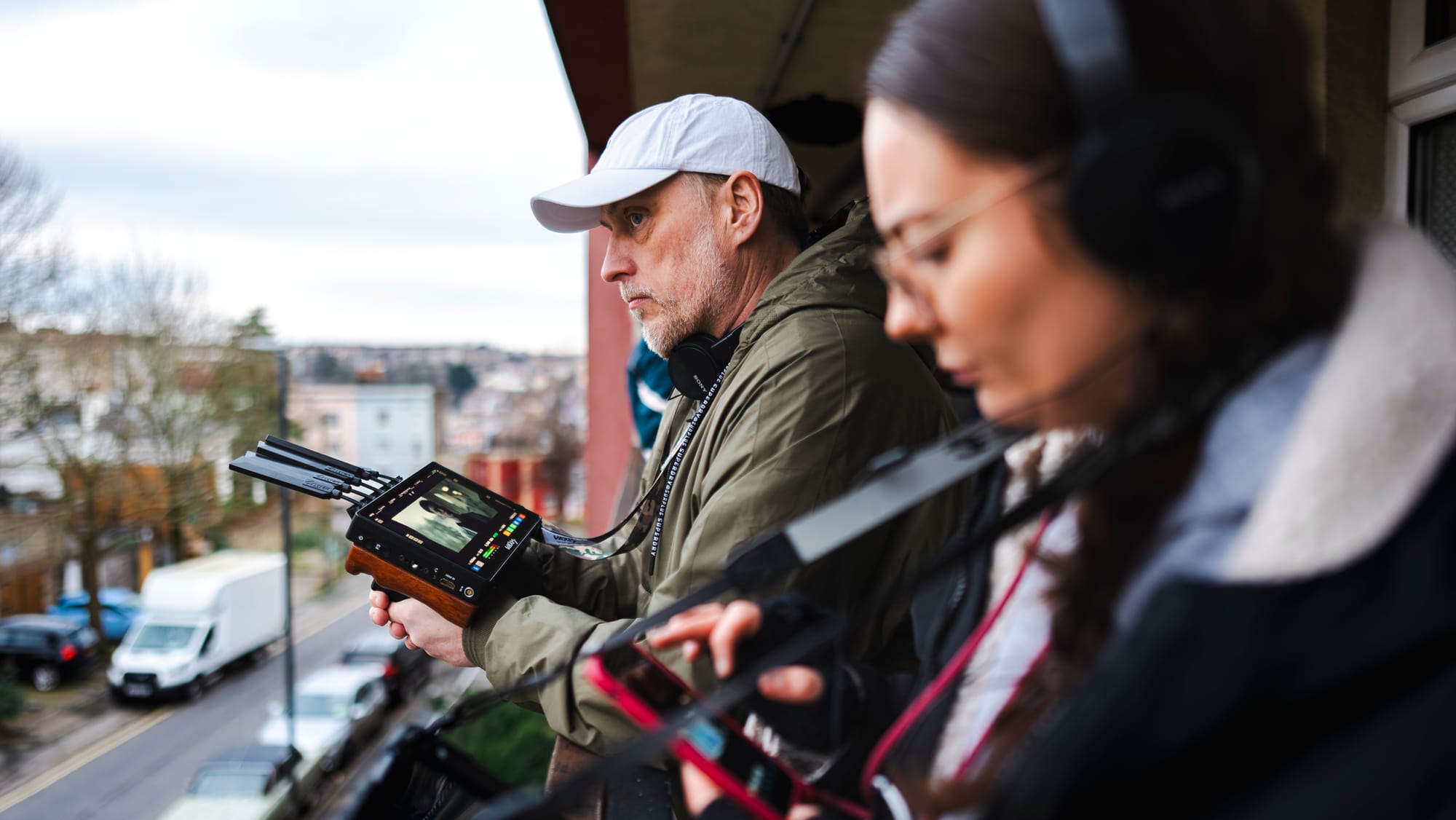
Main Cast & Crew
- Paul Holbrook — Writer/Director
- Sonia Wargacka — Producer
- James Oldham — Director of Photography
- Michael Sides — Gaffer
- Ben Williams-Butt — Editor
- Paradigm Post and Red Six — Sound
Filmmaker Opportunities
💛 Fund your next project with fiscal sponsorship
Have a project in the works? As a 501(c)(3) nonprofit, the Cinematography for Actors Institute can accept tax-deductible donations on your film's behalf — a door-opener for grants, foundations, and supporters who want to back your work. We've serviced over 100 projects to date and helped route over $800,000 in funding to filmmakers. Explore fiscal sponsorship →
📬 Grant deadlines and festival opportunities, straight to your inbox
The CFA newsletter rounds up grants, festival calls, and community news for independent filmmakers — the kind of opportunities that are easy to miss and painful to miss. Join the newsletter →
🎬 Focus on the creative — we'll help with the logistics
Production Management, CFA's newest member program, launches this November: production insurance and workers' comp, payroll, film permits, gear rental coordination, SAG-AFTRA compliance, contract drafting, production consulting, and crew recommendations — handled by a team of working filmmakers, à la carte or all in, in partnership with Creative Access Group. It's waitlist-only until launch. Join the waitlist →
League of Filmmakers is published by our parent organization, the Cinematography for Actors Institute — a 501(c)(3) dedicated to education, community, and capital for underrepresented filmmakers and actors. Learn more about CFA →