Table of Contents
Three Key Takeaways
- Flocky channels deeply personal grief into a universal, healing narrative about stillbirth and maternal loss.
- The film’s use of hand-drawn 2D animation elevates its emotional intimacy and artistic authenticity.
- Independent filmmaking’s freedom allows courageous stories like Flocky to transcend screens and spark real-world conversations and change.
Esther Casas Roura, writer, director, and editor of the animated short Flocky, brings a poignant allegory of pregnancy, loss, and love to the genre-focused stage of FilmQuest.
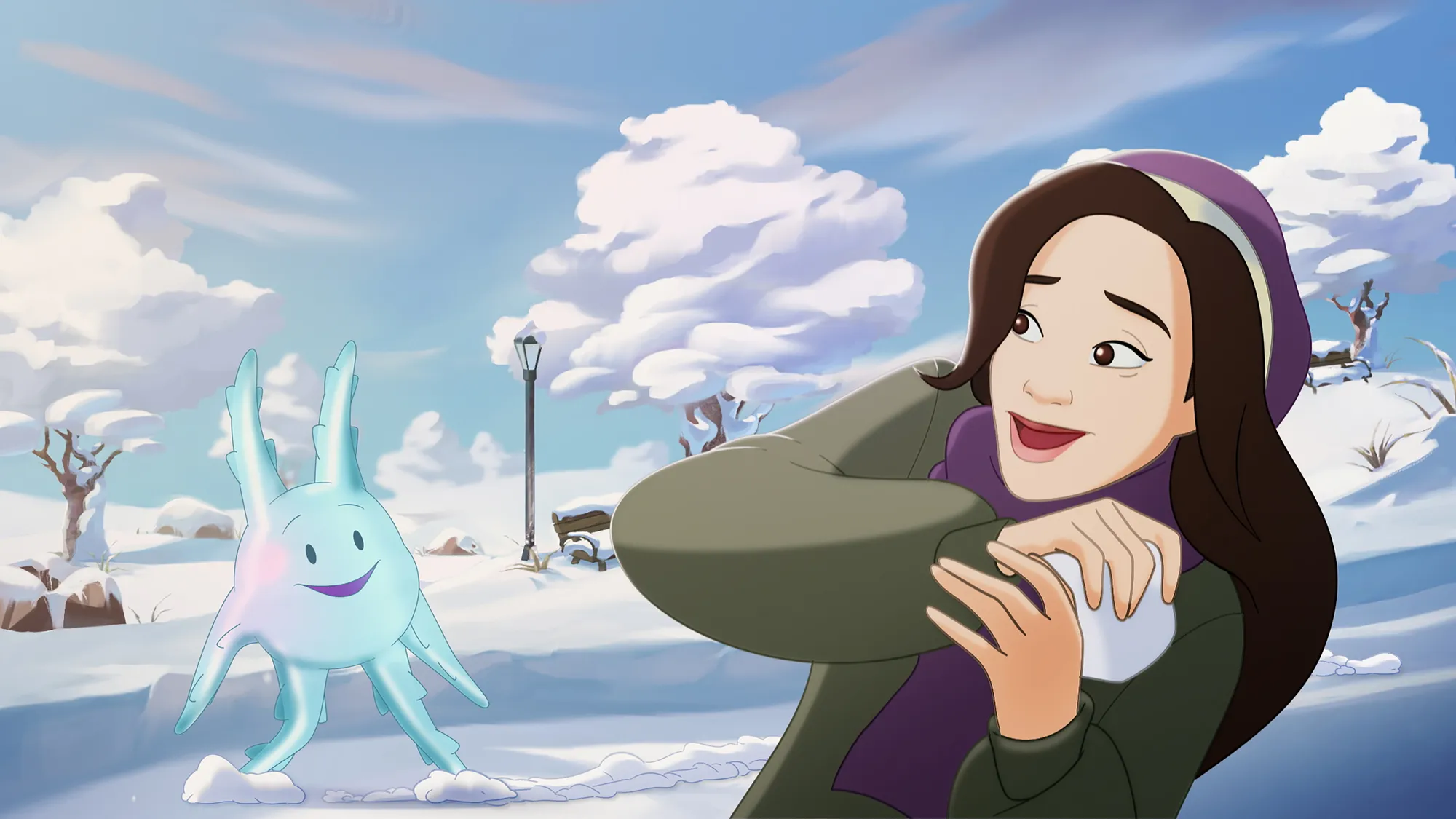
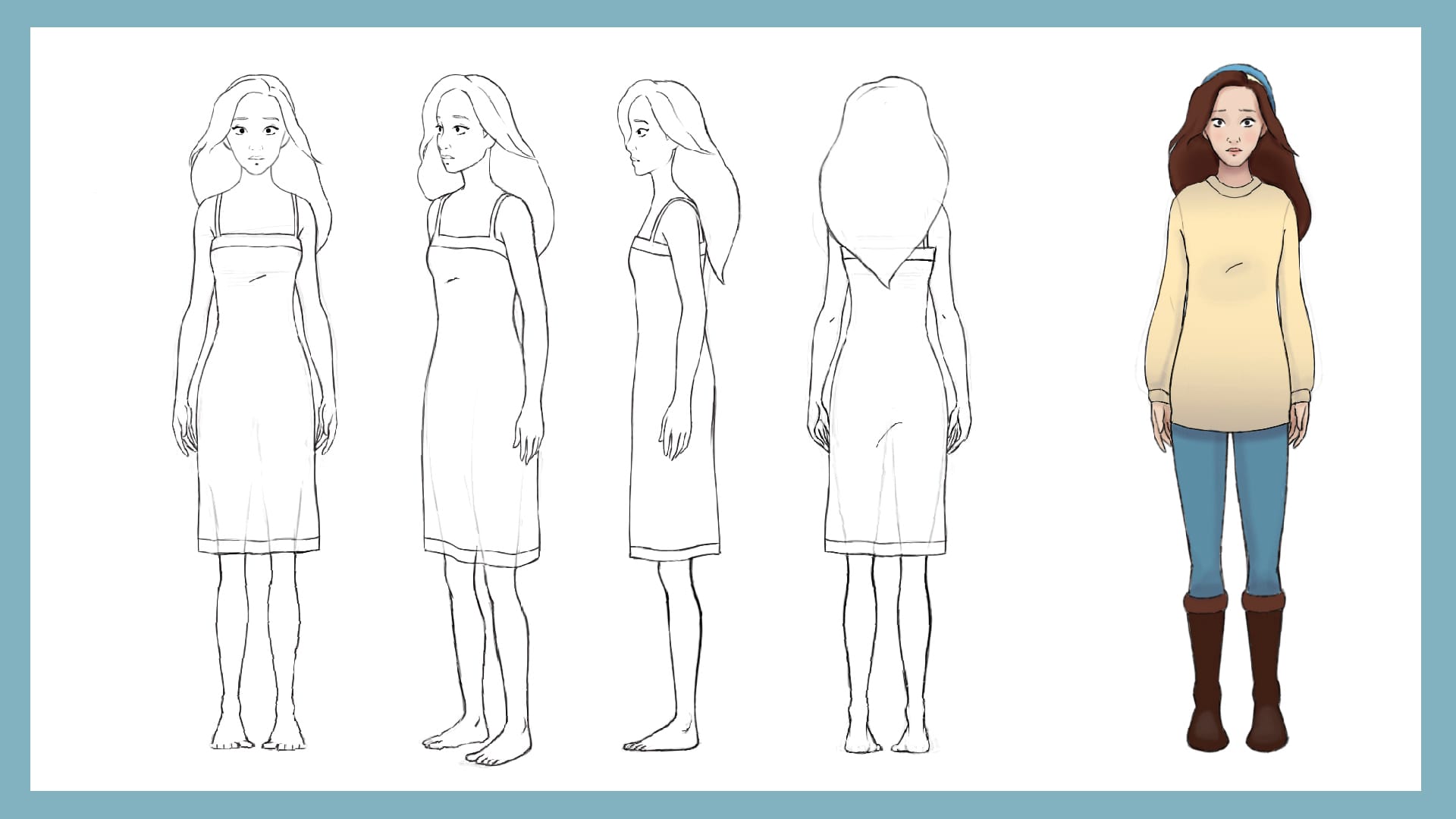
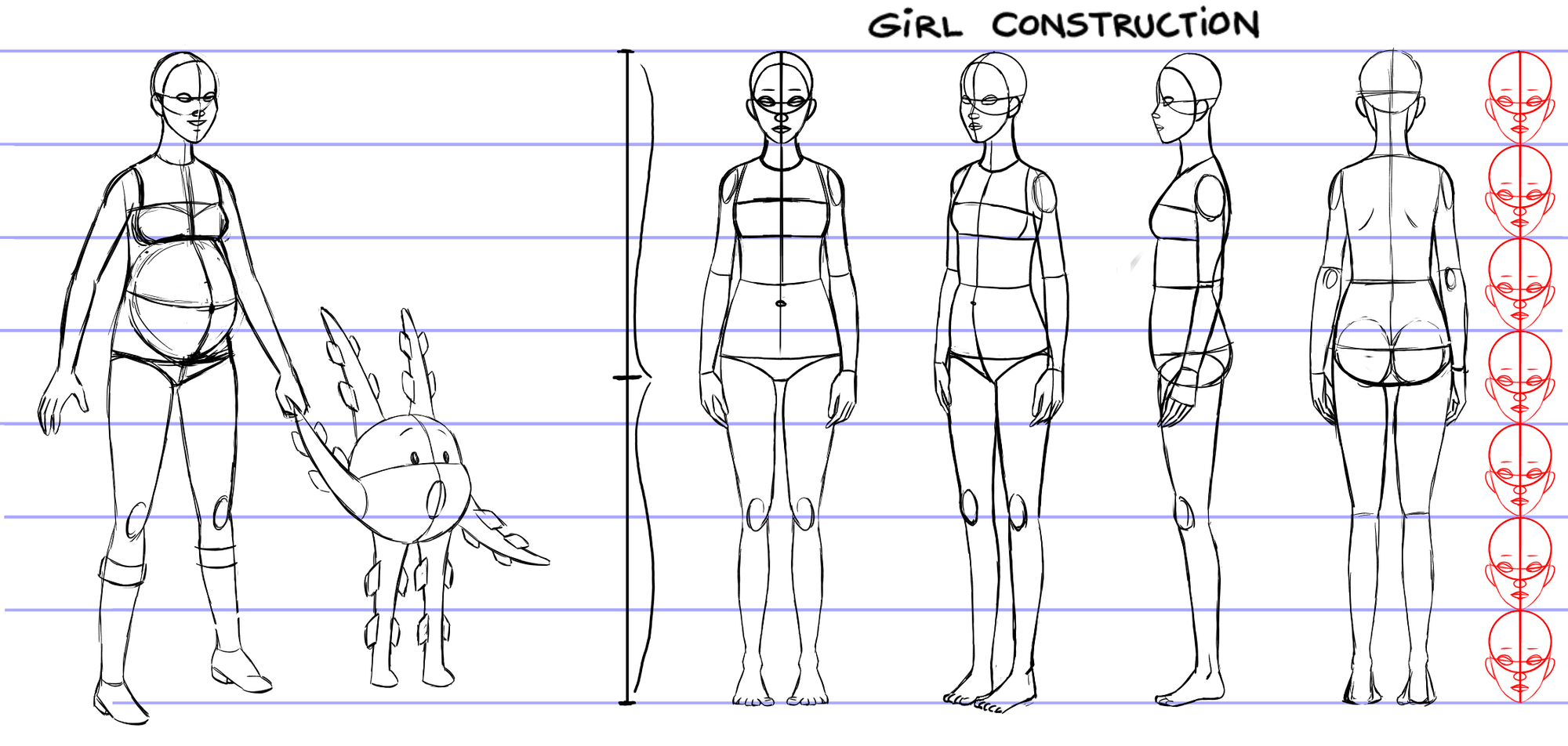
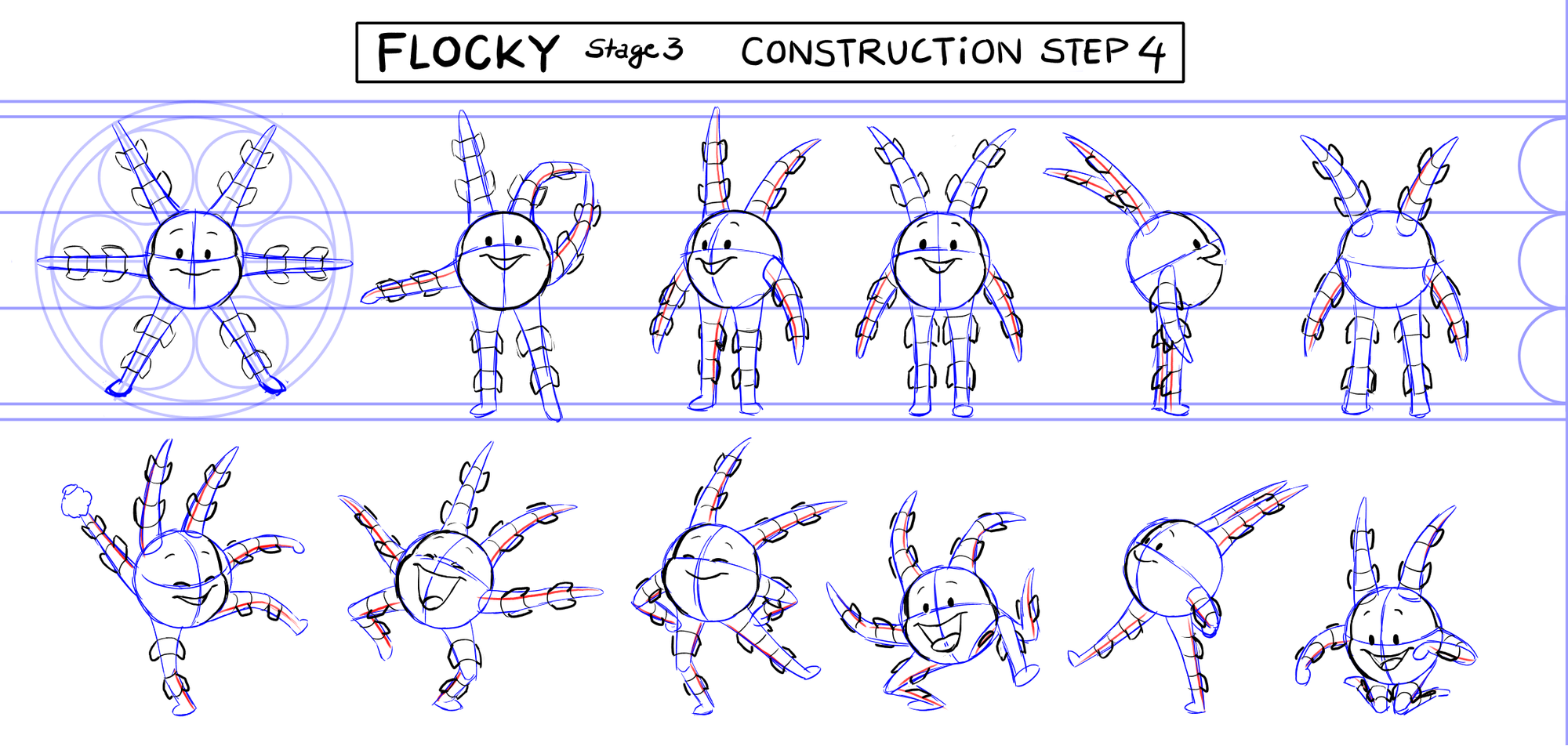
Supported by producer Claymaniak Studios and a skilled team including assistant director Juan Carlos Concha and composer Phil Servati, Flocky uses dreamlike 2D animation to give shape to the invisible pain of stillbirth.
The film has already traveled a remarkable path, from intimate creation to screenings at Congress and the Clinton Global Initiative.
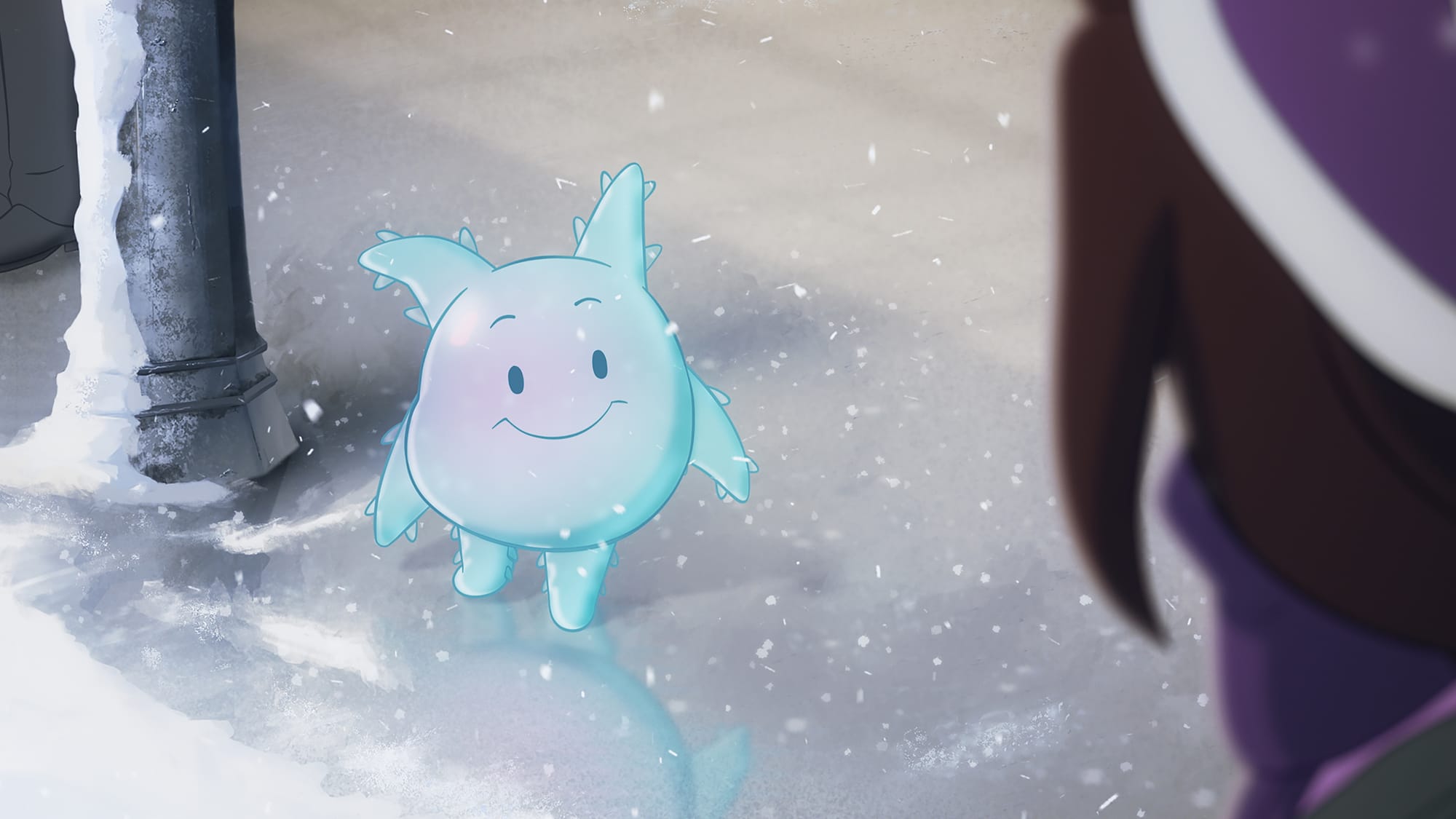
What drew you to make Flocky? Why this story, and why now?
Flocky was born from one of the most painful experiences of my life — the stillbirth of my first child. In 2015, I lost him, and for a long time, I lived in silence, because that kind of loss is still a taboo in our society. I realized that if I felt so isolated, there must be countless others feeling the same. That silence needed to be broken.
So I turned my grief into art. Animation became my way to give shape to the invisible — to transform pain into something that could be seen, felt, and shared. Flocky became both a tribute and a call for awareness, a film to open hearts and start the conversations we’re too afraid to have.
This story had to be made now, because the issue of stillbirth remains widely unspoken, even though it affects thousands of families every year. As long as people continue to suffer in silence, stories like this are urgently needed — to bring compassion, understanding, and change.
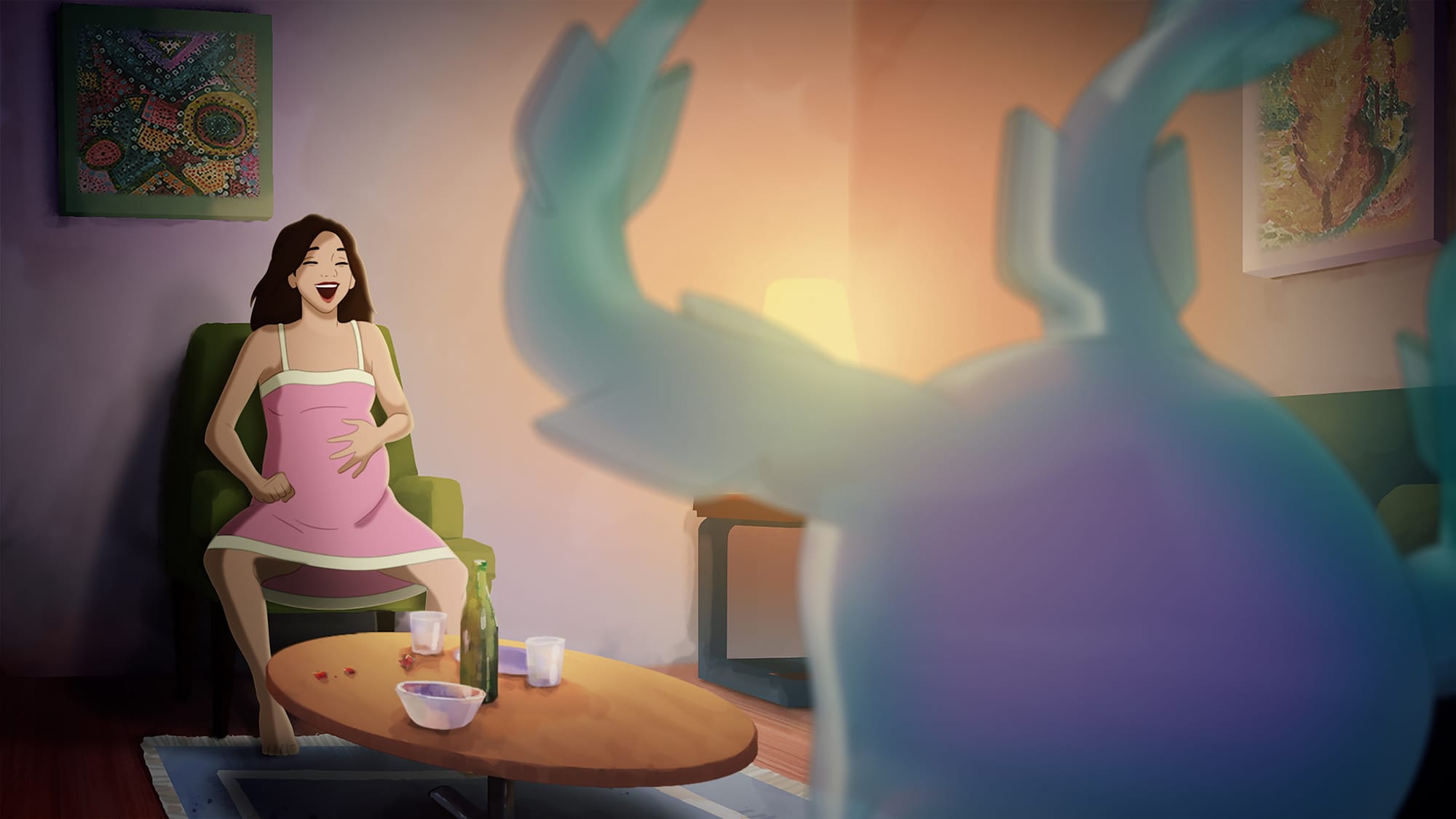
What surprised you most about the filmmaking process this time—creatively or logistically? Was there a moment that completely changed how you saw the story?
During production, something deeply unexpected happened—several artists who had gone through similar experiences of loss opened up to me and shared their stories. It was moving and humbling. That’s when I realized Flocky was already doing what I had hoped it would do: create space for honest, healing conversations about stillbirth and grief.
Later, some of my colleagues suggested that the film should show the mother’s physical pain, not just her emotional one. That insight led me to add a new scene—her hand touching her belly, feeling the absence. It became one of the most powerful moments in the film, a quiet gesture that says everything words cannot.
"Flocky became both a tribute and a call for awareness, a film to open hearts and start the conversations we’re too afraid to have."
Is there a moment in the film that feels the most you—something only you could have made?
Honestly, the entire film feels like me. Every single frame carries a piece of my soul. From the color palette to the rhythm of each scene, everything was carefully crafted to reflect what I felt inside — the love, the grief, the silence, and the healing.
Flocky isn’t just a story I told; it’s a story I lived. Every decision came from instinct and emotion, not calculation. That’s why, when I look at the finished film, I don’t just see animation — I see fragments of my own heart stitched together through art.
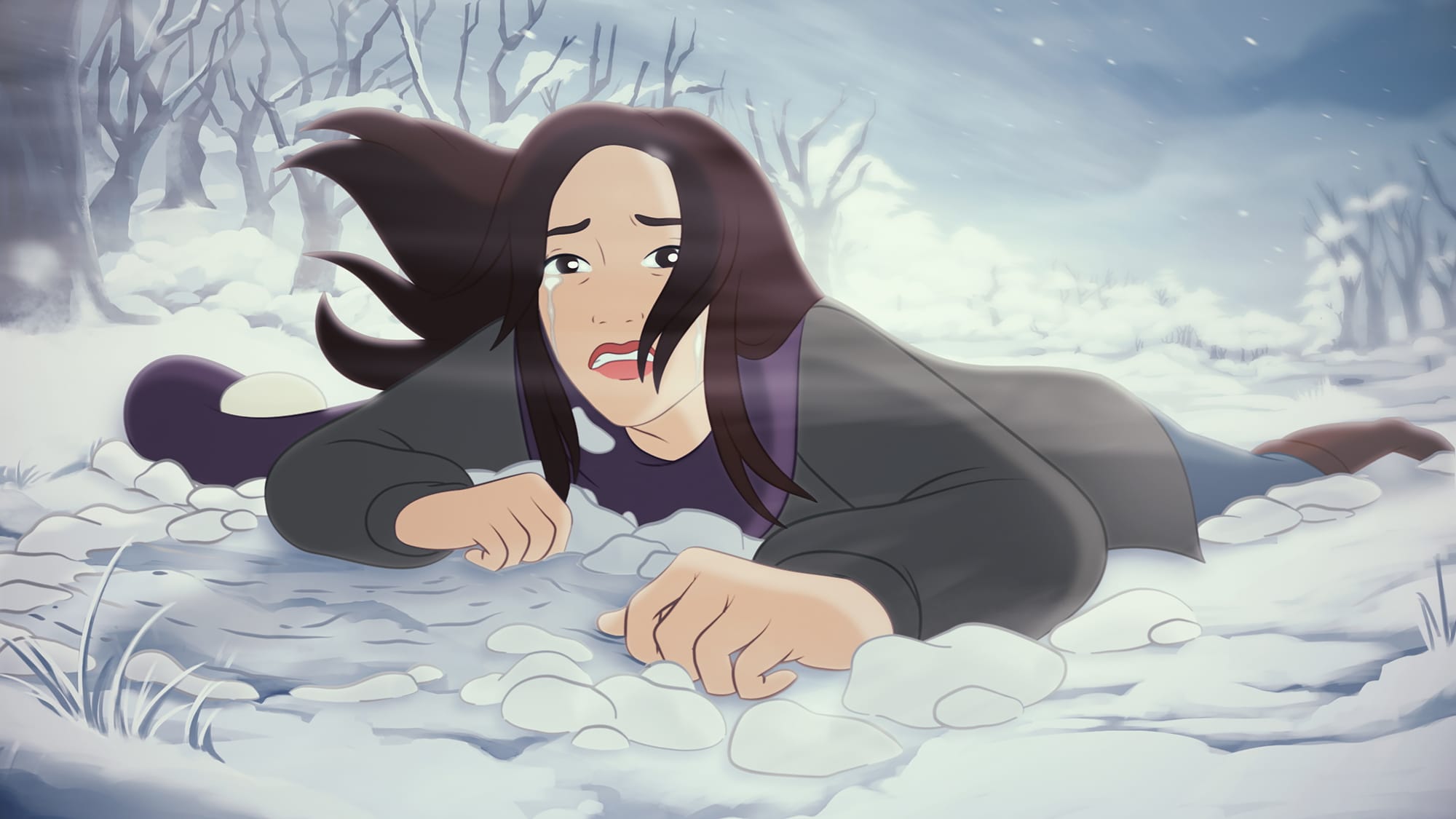
What was the hardest creative decision you made while making this film?
Choosing to make Flocky in traditional 2D animation was, without a doubt, the hardest — and most rewarding — creative decision I made. I had never directed a hand-drawn animated film before, but I decided to go all in. The learning curve was steep, but I trusted my instincts and surrounded myself with incredible artists who guided me through the process.
It pushed me to grow as a filmmaker, to understand animation on a deeper emotional and technical level — and, honestly, I’m proud to say I did it really well. This film taught me courage through creation.
What do you hope audiences take away from your film?
I hope audiences walk away from Flocky feeling something they maybe didn’t expect — tenderness, empathy, and understanding for a kind of loss that’s often invisible. Stillbirth and pregnancy loss are still treated as silent tragedies, and my hope is that Flocky opens a door for conversation, for acknowledgment, and for healing.
More than anything, I want people to see that love doesn’t end when life does — it transforms. If Flocky can make even one person feel less alone, or inspire others to speak openly about this experience, then the film has done what it was meant to do.
"Every single frame carries a piece of my soul... I don’t just see animation — I see fragments of my own heart stitched together through art."
How has this film shaped or shifted the kind of stories you want to tell next?
After Flocky, I know I only want to tell stories that come from the heart — stories that truly resonate with me, and at the same time, speak to something universal. I’m drawn to stories of introspection and transformation, of how we fall, heal, and rise again.
I want to tell stories that matter — stories that comfort, that push us forward, that help us face and share the pain we all carry, inside and out. Because through storytelling, we find connection, meaning, and ultimately, hope.
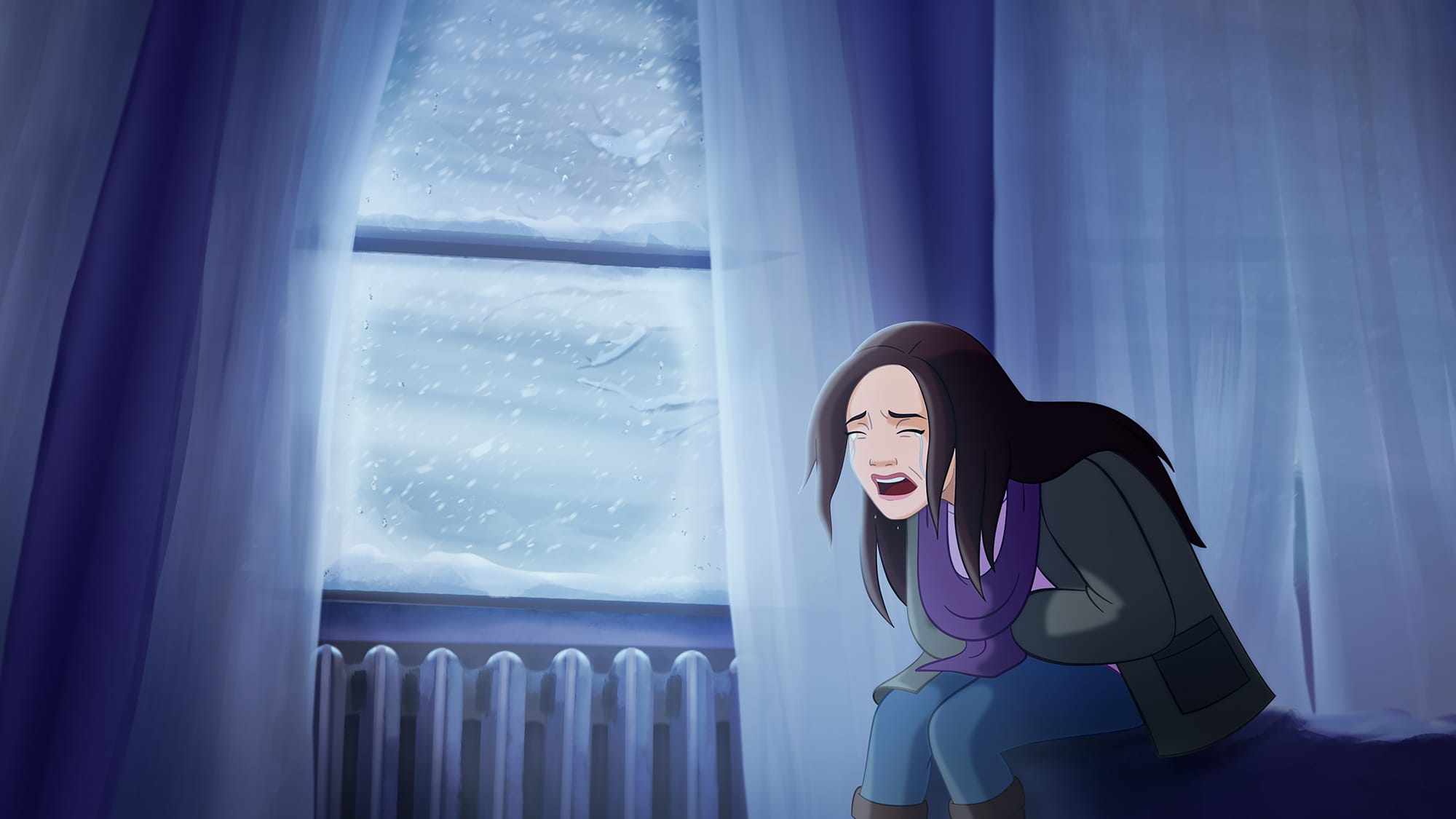
Independent filmmakers often rewrite the rules out of necessity. What do you think is the greatest strength of independent filmmaking, and how did you lean into that on this project?
The greatest strength of independent filmmaking is freedom — the freedom to tell the stories that truly matter, without waiting for permission. Flocky is proof that an independent film can break boundaries and reach unexpected places. It started as a small, personal project and ended up being screened in Congress, as part of discussions supporting the SHINE for Autumn Act, and invited to the Clinton Global Initiative in New York.
Those moments showed me that a short film, when made with truth and purpose, can stand shoulder to shoulder with big institutions and spark real change. My biggest lesson? Never underestimate the power of authenticity. When your story comes from a place of honesty and heart, it resonates beyond the screen — it connects with people, communities, and even policymakers.
Independent filmmaking may start small, but it speaks loudly.
What does it mean to you to have your film selected for FilmQuest, one of the world’s top reviewed genre film festivals?
For Flocky to be among the films spotlighted there feels like validation of everything I risked and poured into this story. It’s proof that a deeply personal film—one born of grief and hope—can stand among genre giants and speak across boundaries.
It also reminds me that if we believe in our stories, no matter how small, they can travel to places we never imagined. So to be at FilmQuest is both an honor and a charge — to keep forging, to keep blending heart with imagination, to keep telling stories that matter!
"Independent filmmaking may start small, but it speaks loudly."
FilmQuest celebrates genre filmmaking across fantasy, horror, sci-fi, and more. How does Flocky fit within—or push—the boundaries of genre storytelling?
Flocky redefines what genre can hold. It takes the language of fantasy—the ethereal, the symbolic, the heightened—and uses it to tell a deeply human story: a mother’s inner journey through grief and love after stillbirth. Instead of monsters or villains, the conflict lives inside her.
Through dreamlike animation and allegory, Flocky transforms an invisible tragedy into a visual and emotional odyssey. It borrows from fantasy and psychological drama to explore loss as both an inner battlefield and a space for rebirth.
So while it doesn’t fit neatly within any one genre, it uses genre’s greatest gift—the ability to transcend reality—to make the unspeakable visible. It’s fantasy in service of truth, imagination used to heal.
Where do you see this film going next?
I want Flocky to be seen by as many people as possible — the more, the better. After nearly two years of an incredible festival journey around the world, the next goal is to submit for the Goya Awards in Spain, and then release it online, so everyone can access it.
This film was made to open hearts and spark conversations, and I want that message to reach far beyond the festival circuit — to every home, every screen, every person who needs to feel seen.
“At the core of all my work is a desire to transform pain into beauty, and silence into connection."
Cast & Crew
- Claymaniak Studios — Producer
- Neil Benezra — Sound Designer and Mixer
- Negar Sadri — Lead Digital Compositor
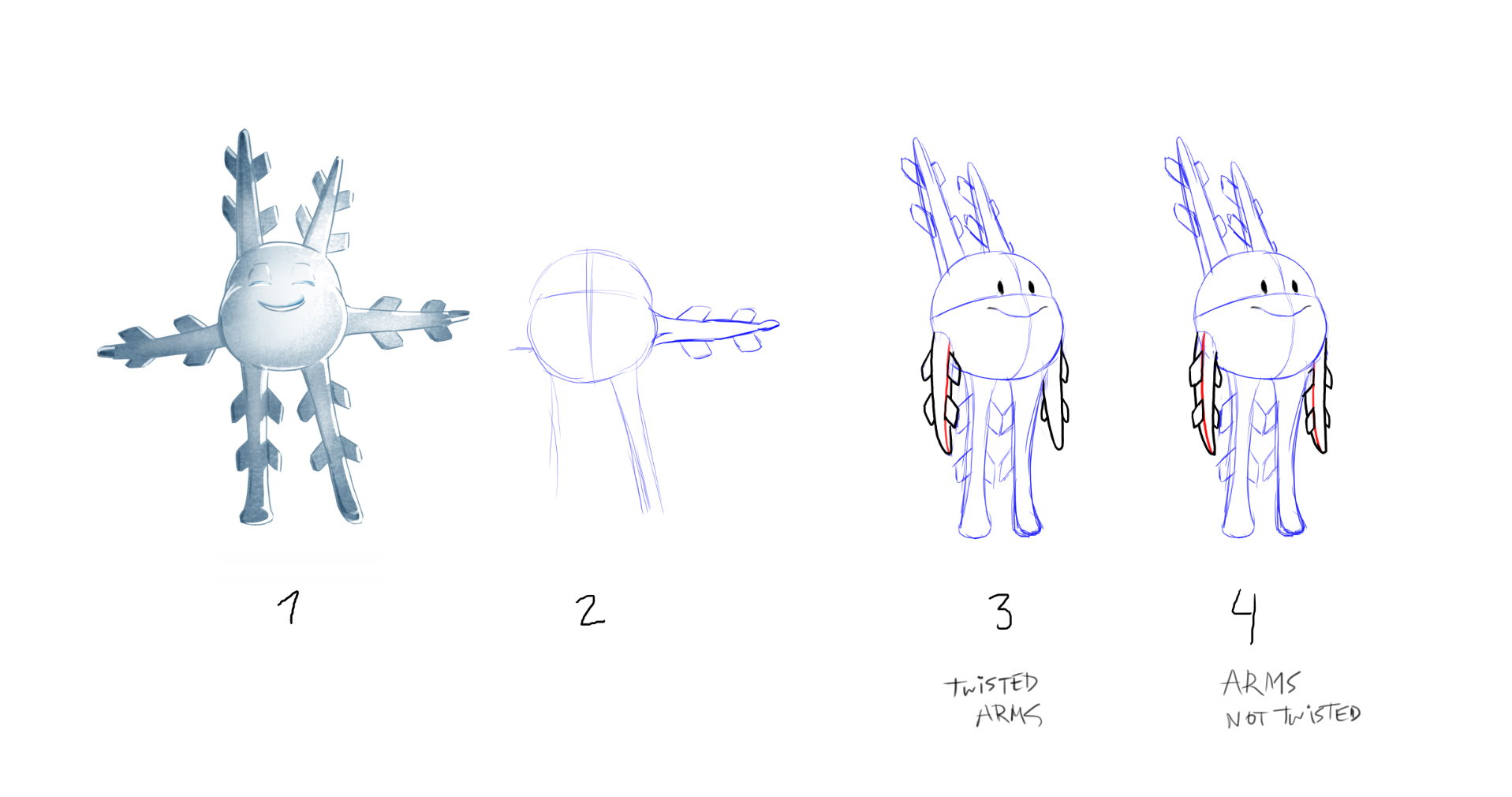
- Armel Oenn & Duna Tarrega Hernández — Character Designers
- Pepe Mansuy — Animation Supervisor
- Tanya Bolotnova, Arturo Hernández Correas, April Lee, Jorge Duran, Pau Cantos Simón, Daniel Gonzales III, Tuna Ertuar, Sandra Gaudi, Cansu Atlar — Lead Animators
For more on Flocky, visit their Instagram.