Table of Contents
Three Key Takeaways
- Rebecca Berrih’s Slow explores the terrifying sensation of being trapped in slow motion, blending thriller, horror, and sci-fi genres.
- The film’s emotional intensity was transformed by its unique sound design and music, which shaped the pacing and atmosphere.
- Despite logistical challenges—including reshooting two-thirds of the film—Berrih’s persistence and inventive approach exemplify the resilience of independent filmmaking.
Paris-born, Los Angeles–based filmmaker Rebecca Berrih brings her latest high-concept genre short Slow to FilmQuest 2025.
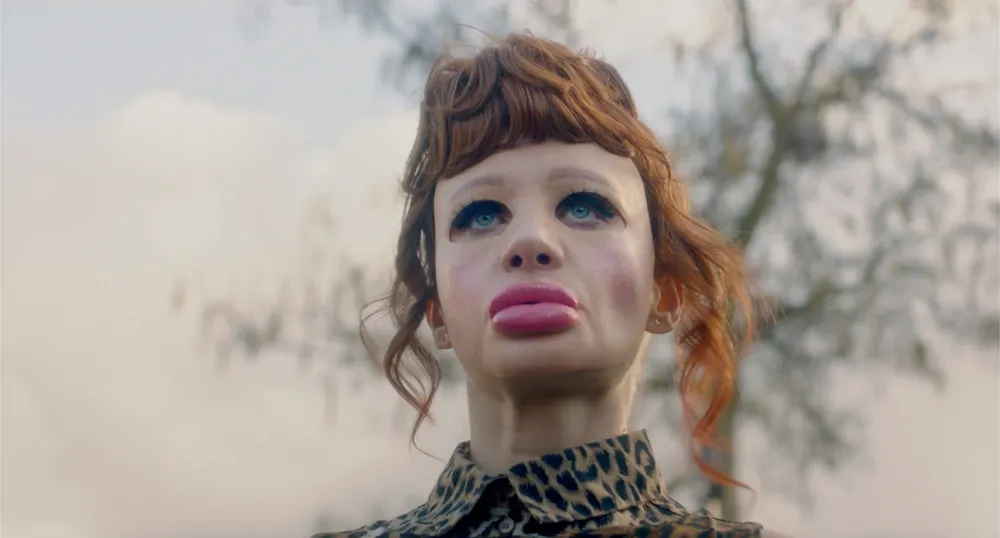
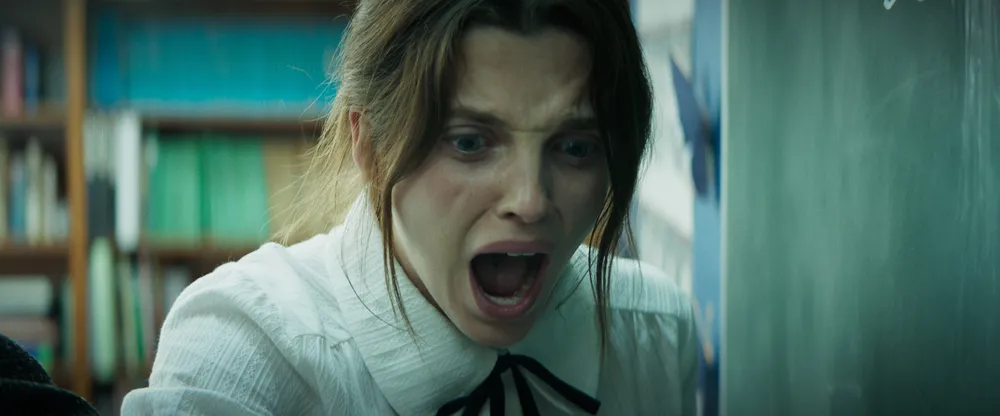
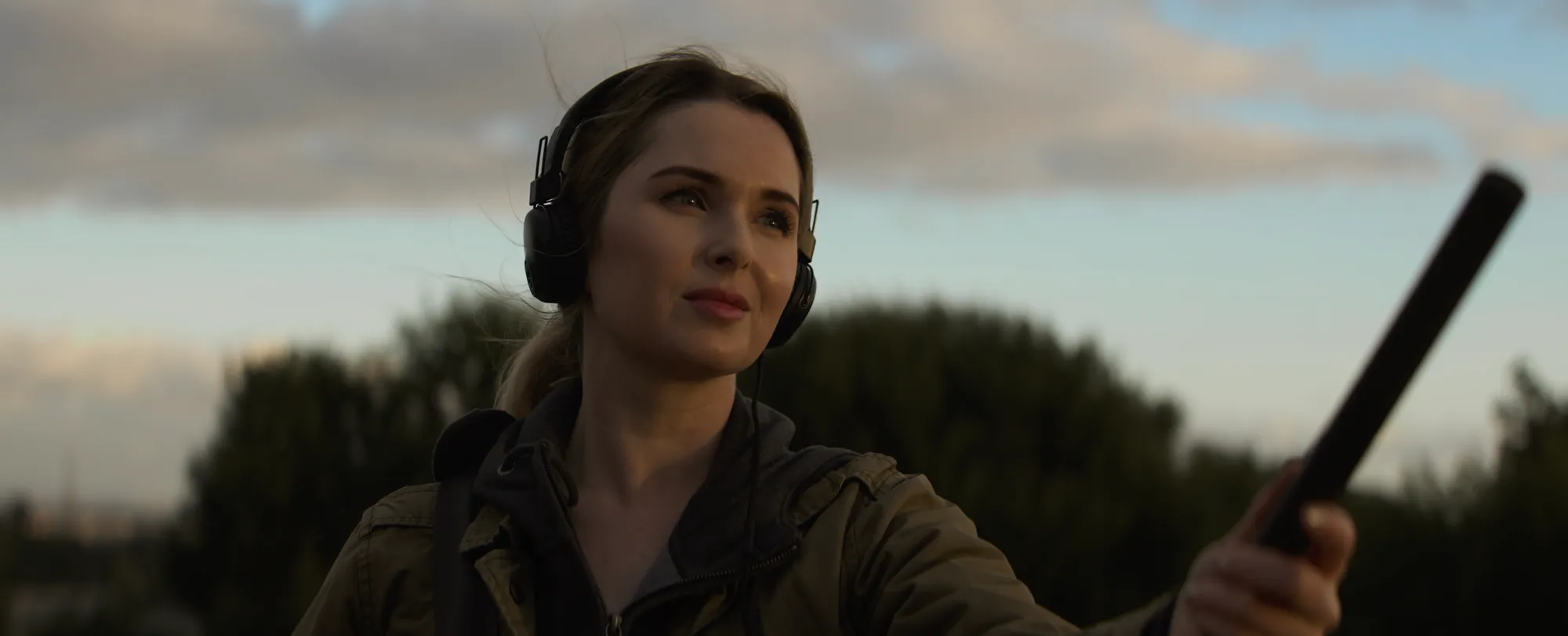
Featuring a field recorder caught in a sinister nightmare where time distorts and elongates, the film stars Kirsten Zien and boasts a strong collaborative crew including co-producer and co-writer Senda Bonnet and cinematographer.
Berrih’s background spans editing, commercials, and narrative filmmaking, making Slow a visceral, immersive experience that pushes genre boundaries.
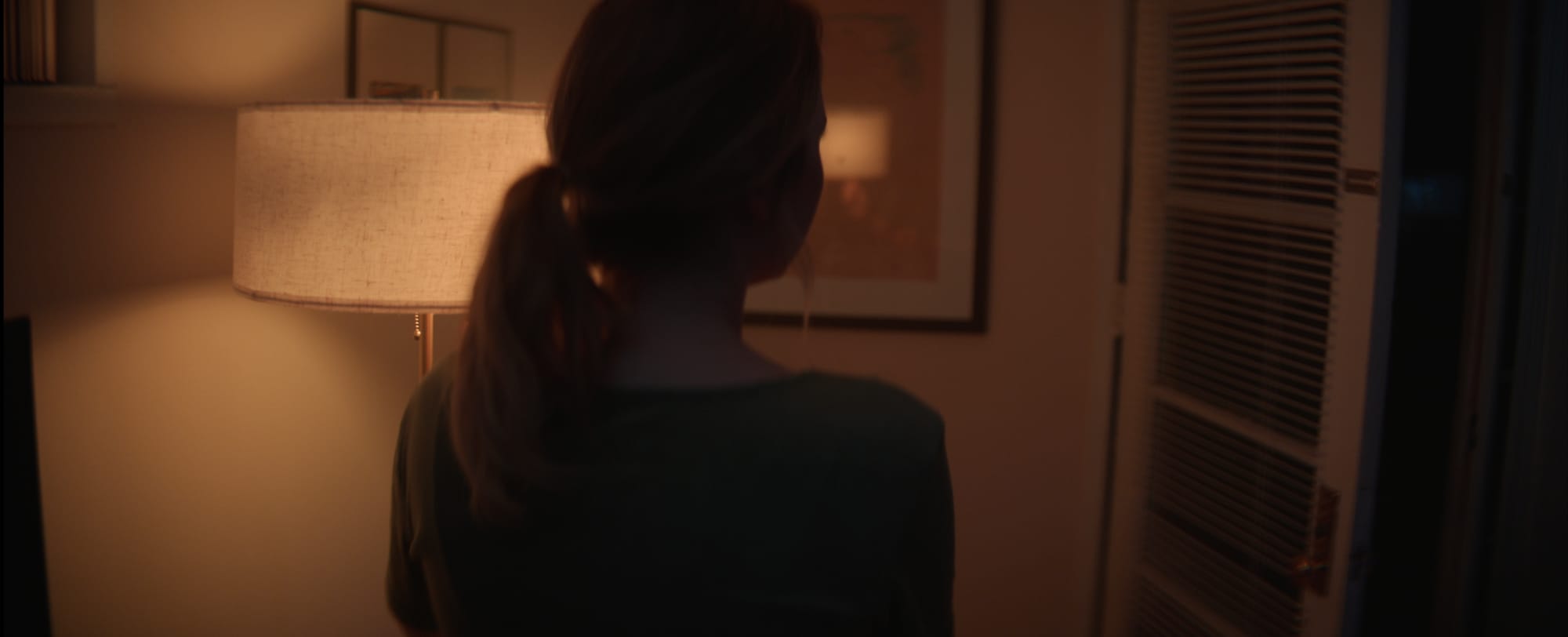
What drew you to make Slow? Why this story, and why now?
This idea that in a dream, we feel that we can't move, as if stuck in slow motion. I found it terrifying.
“When I heard the first version of the score, it was like discovering a new layer of the film I didn’t know was there.”
What surprised you most about the filmmaking process this time—creatively or logistically? Was there a moment on set or in post that completely changed how you saw the story?
One of the biggest surprises during Slow was how much the music changed the emotional experience of the film. We had a very specific vision: to make the viewer feel trapped in slow motion — not just visually, but physically, through sound. When I heard the first version of the score, it was like discovering a new layer of the film I didn’t know was there. It completely shifted how I approached pacing in the edit.
Logistically, we shot Slow in one day on a tight schedule, and I expected post to be straightforward. But once we leaned into the tension of elongated time, every sound cue and cut became more meaningful — it slowed us down in the best way possible. The whole process reminded me that genre can be emotional, intimate, and visceral all at once — when all the creative elements click together.
Is there a moment in the film that feels the most you—something only you could have made?
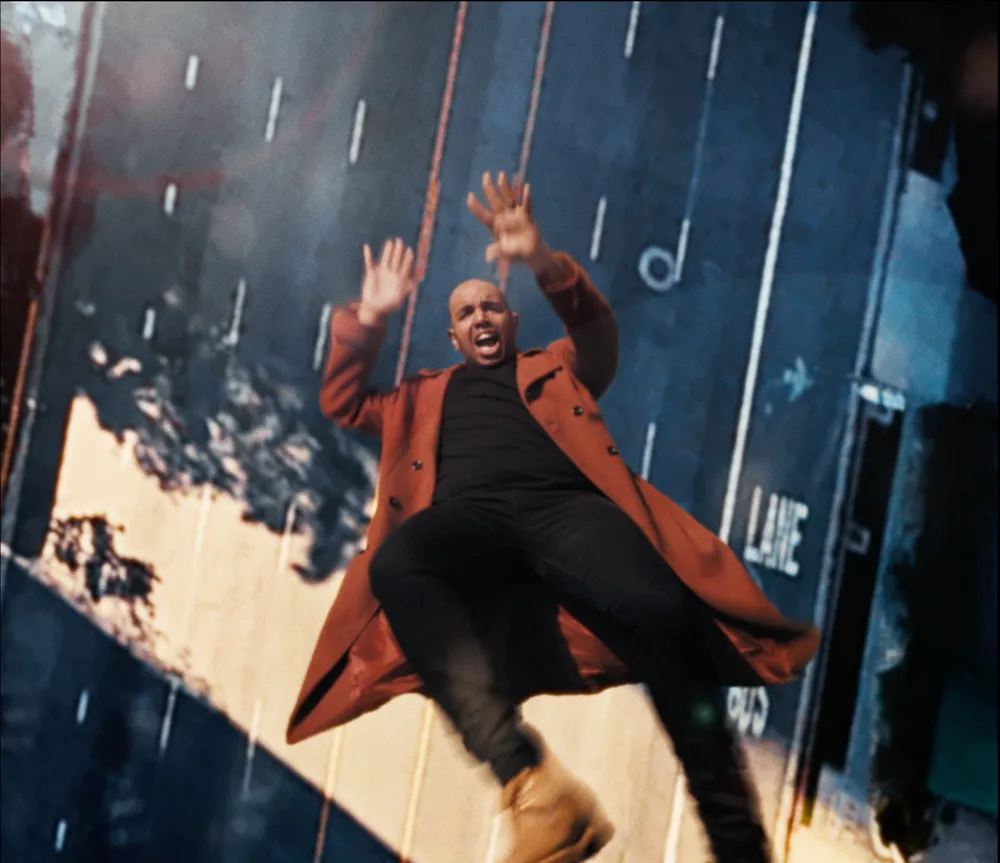
The slow-motion final effect.
What was the hardest creative decision you made while making this film?
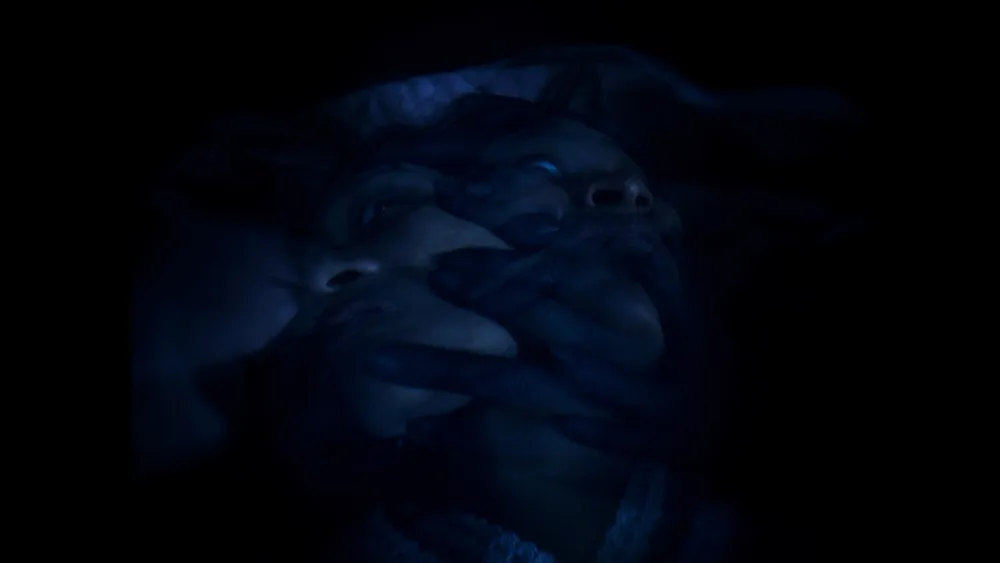
We initially shot the film with a different concept, featuring a creature that absorbed sound. However, when we cut it, the idea didn't work, forcing us to reshoot two-thirds of the film.
How has this film shaped or shifted the kind of stories you want to tell next?
It's a proof of concept, and the feature will really dig deeper into the idea that time is our most valuable asset.
“You have to find solutions regardless of the situation.”
What’s a tool, technique, or resource that really helped you during production?
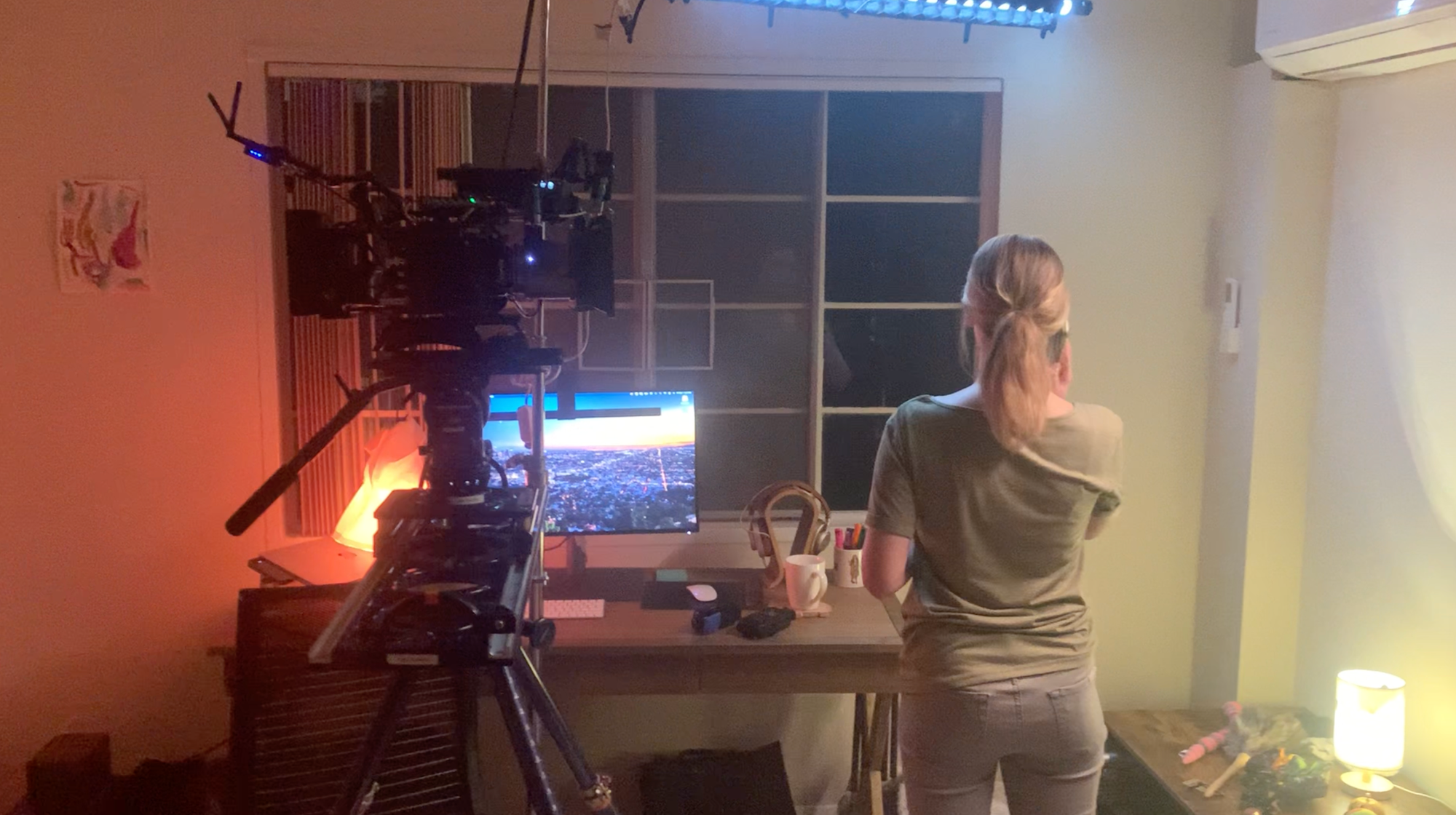
Pre-shooting the film with an iPhone. I saw that on the BTS of “BARBARIAN,” and I think it's a fantastic tool.
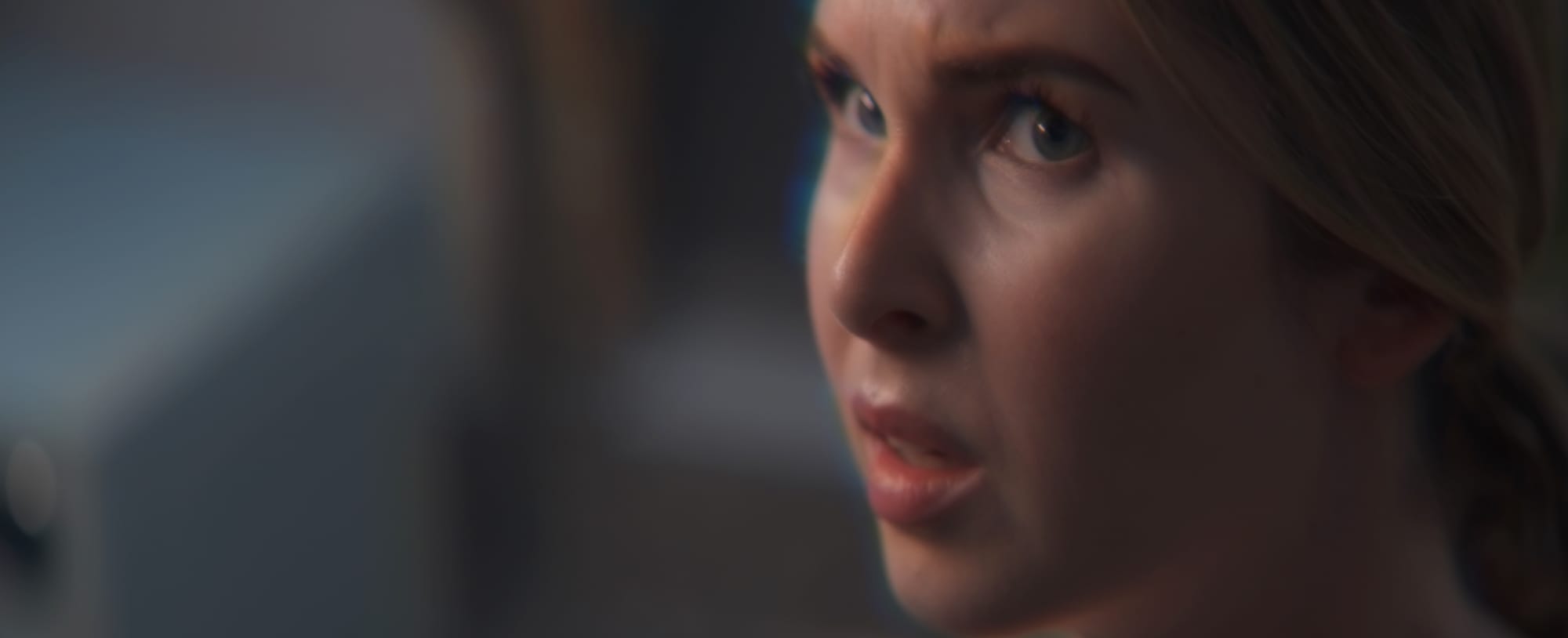
Independent filmmakers often rewrite the rules out of necessity. What do you think is the greatest strength of independent filmmaking, and how did you lean into that on this project? Is there a lesson or breakthrough you’d share with others navigating this path?
You have to find solutions regardless of the situation. We shot the film, it didn't work, and we had to reshoot one-third. At no point I thought of giving up, I was too excited about it.
What does it mean to you to have your film selected for FilmQuest, one of the world’s top reviewed genre film festivals?
I'm so excited about it. I was just at Screamfest which was so amazing, and one week later I'm going to FilmQuest. I'm very grateful.
“At no point I thought of giving up, I was too excited about it.”
FilmQuest celebrates the majesty and might of genre filmmaking across fantasy, horror, sci-fi, action, thriller, western, kung-fu, and beyond. How does your film fit within—or push the boundaries of—genre storytelling?
I think my film is a blend of thriller, horror, and sci-fi.
Where do you see this film going next?
More festivals... and hopefully the feature version soon.
“At the core of all my work is a desire to entertain."
Cast & Crew
- Darian Eastman — Music
- Hailey Enge — Steadicam Operator
- Justin Hall — 1st AC
- David Auerbach — Camera Operator
- Anup Kulkarni — Gaffer
- Jake Reardon — Key Grip
- Igor Comes — Sound Designer
- Maxine Gervais, Jeff Pantaleo — Colorists
- Amit Pujari — VFX