Table of Contents
Three Key Takeaways
- Vermin explores male vulnerability and the corrosive effects of heteronormative patriarchy through atmospheric horror.
- Kristen Semedo’s commitment to practical effects and intimate filmmaking grounds the story’s unsettling mood.
- The film’s feminist subtext challenges genre conventions by making a man the haunted, rather than the hunter or hero.
Kristen Semedo makes a striking debut with her short film Vermin, selected for the prestigious FilmQuest 2025 festival.
The writer-director-producer, also an editor for The NoSleep Podcast, crafts a haunting narrative about a man unraveling amid divorce and isolation.
With Caleb Fietsam starring as Taylor, and support from producers Josh Semedo, Malachi Moore, and Cassie Lavo, Vermin blends gothic horror and social commentary in a film that’s as unsettling as it is thought-provoking.
What drew you to make this film? Why this story, and why now?
Vermin was the first script I ever wrote, and it was the first time I ever directed or produced anything. Vermin acknowledges the yawning chasm of loneliness and vulnerability that men often pretend they don't feel. It's as harmful to them as it is to anyone else. Taylor reeks of it.
When I wrote Vermin, I was reading Carol J. Clover's Men, Women, and Chainsaws: Gender in the Modern Horror Film and had just started my film analysis blog, The Aspiring Final Girl. So, it was subtext central for me, operating 24/7...
Those familiar with Men, Women, and Chainsaws know that by defining the Final Girl, Clover wasn't saying they were liberated women; quite the opposite. To quote her: “To applaud the Final Girl as a feminist development, as some reviews of Aliens have done with Ripley, is, in light of her figurative meaning, a particularly grotesque expression of wishful thinking. She is simply an agreed upon fiction, and the male viewer's use of her as a vehicle for his own sadomasochistic fantasies; an act of perhaps timeless dishonesty."
While I've sometimes felt compelled to write female leads that align with my gender and experience, I wanted Vermin to be a fable about a man who suffers as much from patriarchal institutionalization. It asks what happens when men become the victims, most especially victims of themselves. Vermin is keeping pace with our current social consciousness.
I combined these themes with my love for gothic ghost stories. I find it interesting that what haunts us is often a personal reflection of our current mental state, how we feel about ourselves and the world around us, and no two ghosts look the same. The spider motif was particularly important. Beyond the obvious black widow parallel, spiders are actually quite helpful creatures. They keep things tidy, keep the other pests away, yet we react with fear and disgust. Vermin was an intentional title choice as well. It’s very phonetically similar to the word “women.”
We're in an interesting phase of horror. It's become more legitamized as a genre, but I still think the way women write or appear in these stories can be prescriptive. I love feminist horror, and I wanted to create a story out of that perspective, using a man as my focal point, because men suffer from patriarchy in a way that only perpetuates it.
"Taylor reeks of loneliness and vulnerability."
What surprised you most about the filmmaking process this time—creatively or logistically? Was there a moment on set or in post that completely changed how you saw the story?
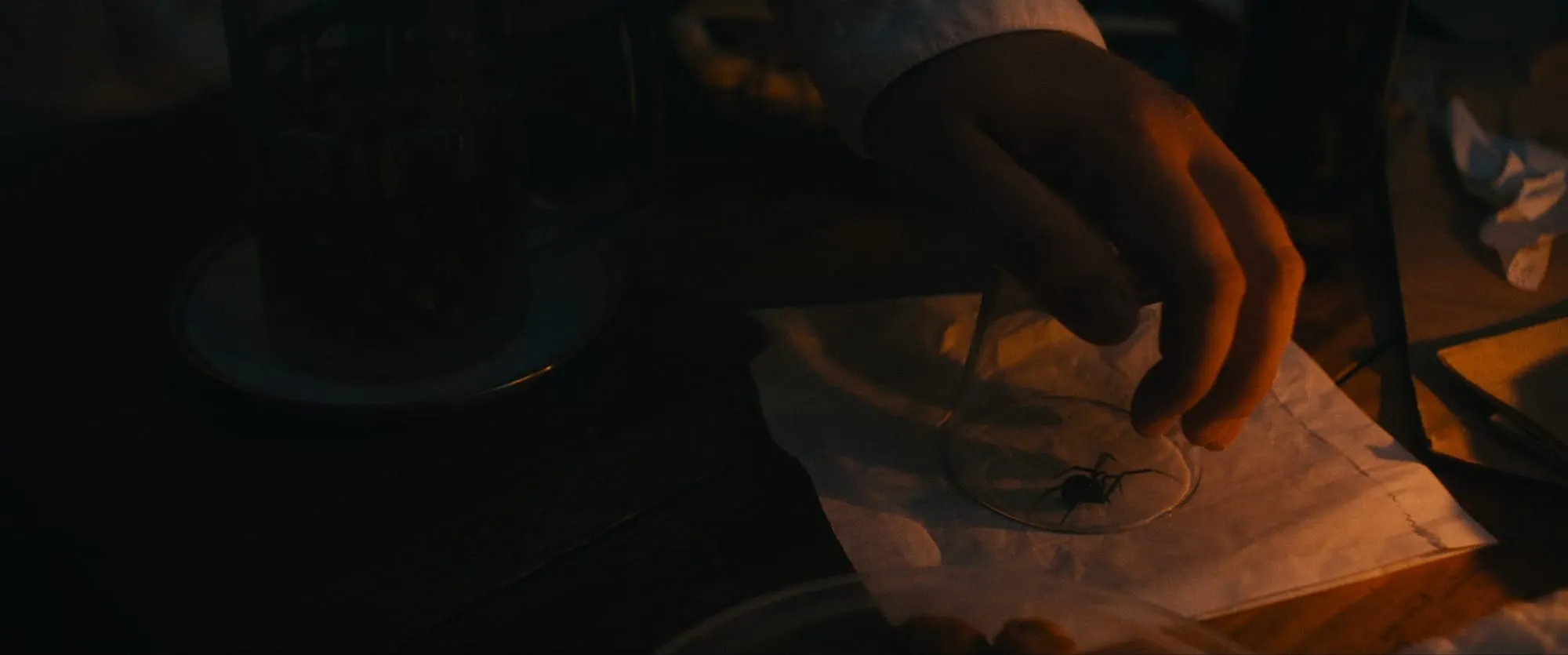
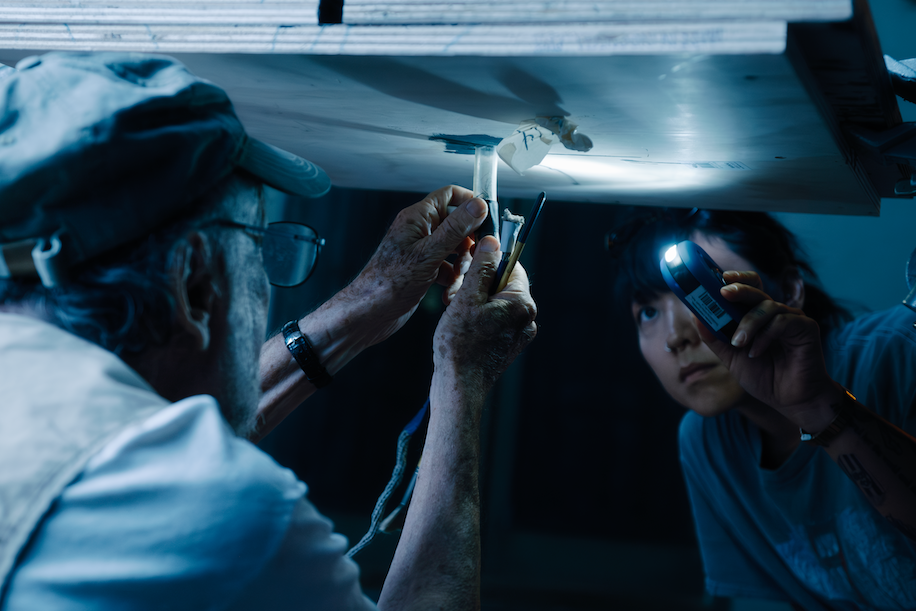
I was adamant about using no VFX whatsoever. I love the kind of limitation that forces creativity; like crushing stones into diamonds. There was a moment where I thought our spider would have to be VFX'd, I didn't know where to source one, or how to handle it, or keep everyone on set safe and calm. When we found Steve Kutcher, our "bug guy of Hollywood," it felt like the story finally became real. No amount of VFX wizardry replaces the real movements of eight spindly legs. It didn't change how I saw the story as much as it kept it completely grounded in its atmosphere.
Is there a moment in the film that feels the most you—something only you could have made?
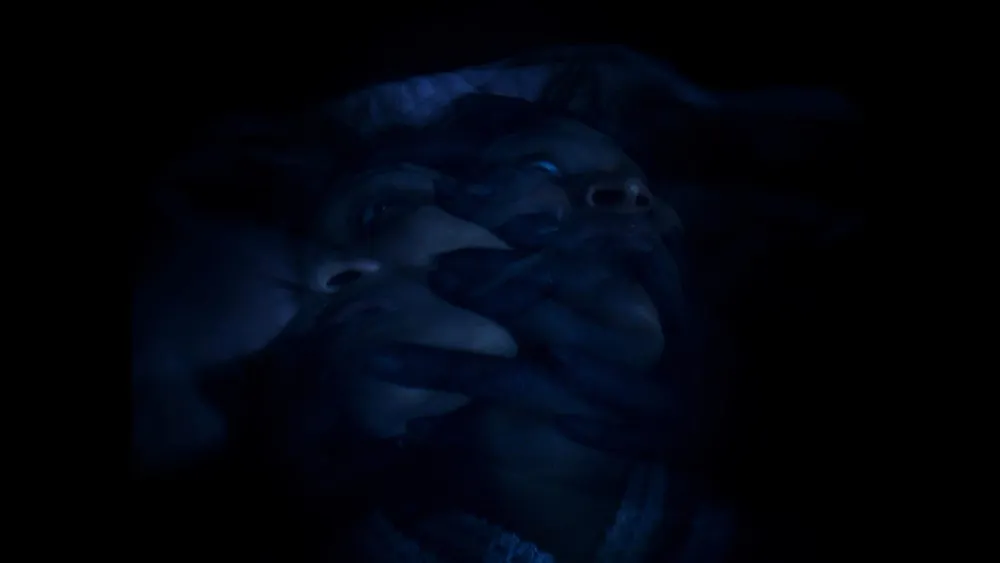
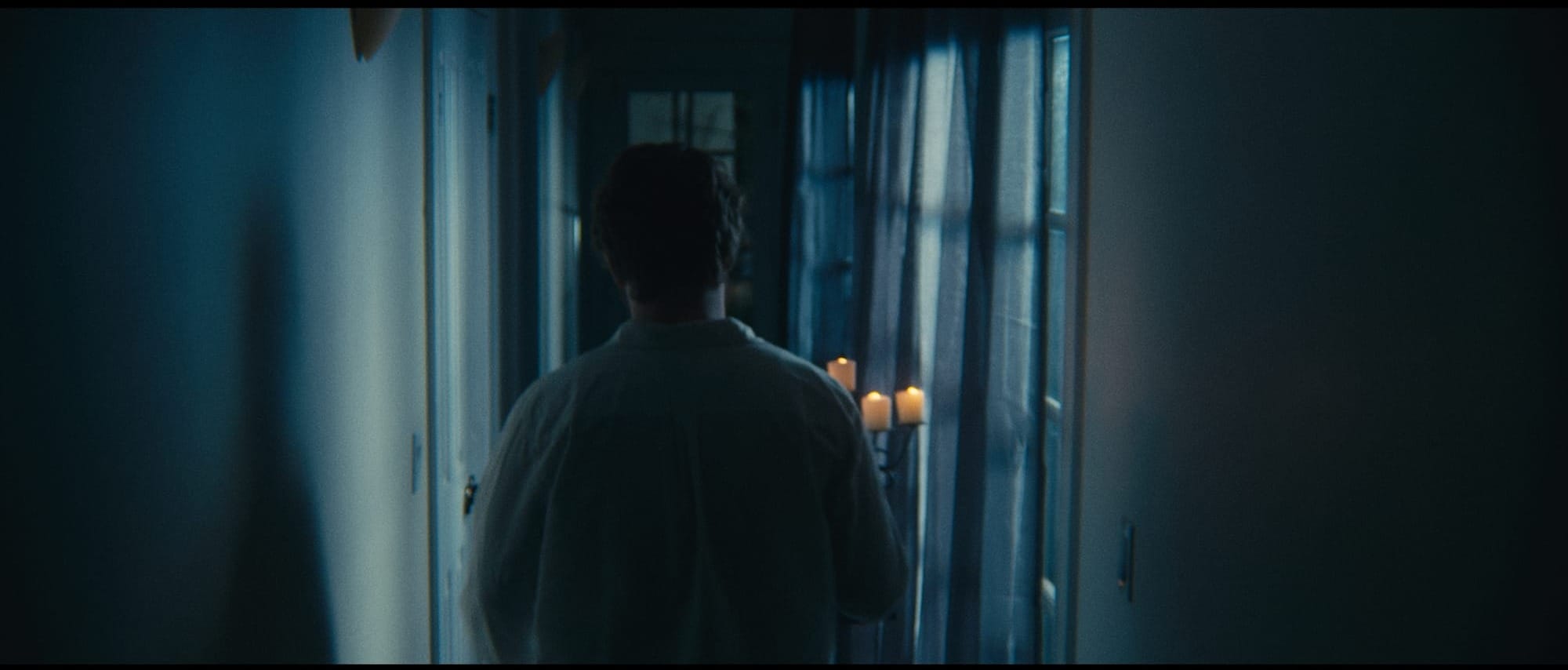
I've always been a lover of slow-burning, atmospheric horror. Anything gothic or ghostly was always attractive to me. Not because I see gore or body horror as lesser; in fact, quite a few of my other scripts are fairly gory. But you know that feeling, maybe when you moved when you were a kid, or a young adult in their first apartment, where you haven't unpacked yet, and the house doesn't quite look like yours or anyone's, and it's quiet and creaky and just generally pretty damn creepy? I like to think that's where Vermin transports folks. I channeled that in the hallway, and then up to the ladder scene. It's cold, with one or two meager sources of life fighting the darkness, and strange noises come from the hall. Our lead finds a pair of pale feet climbing slowly up an attic ladder, the body eaten by the mouth of the opening. Nothing jumps out in this scene and screams, "gotcha!" but it forces you to look at something uncanny, not quite right. I think that's something I have particularly dialed into my style.
What was the hardest creative decision you made while making this film?
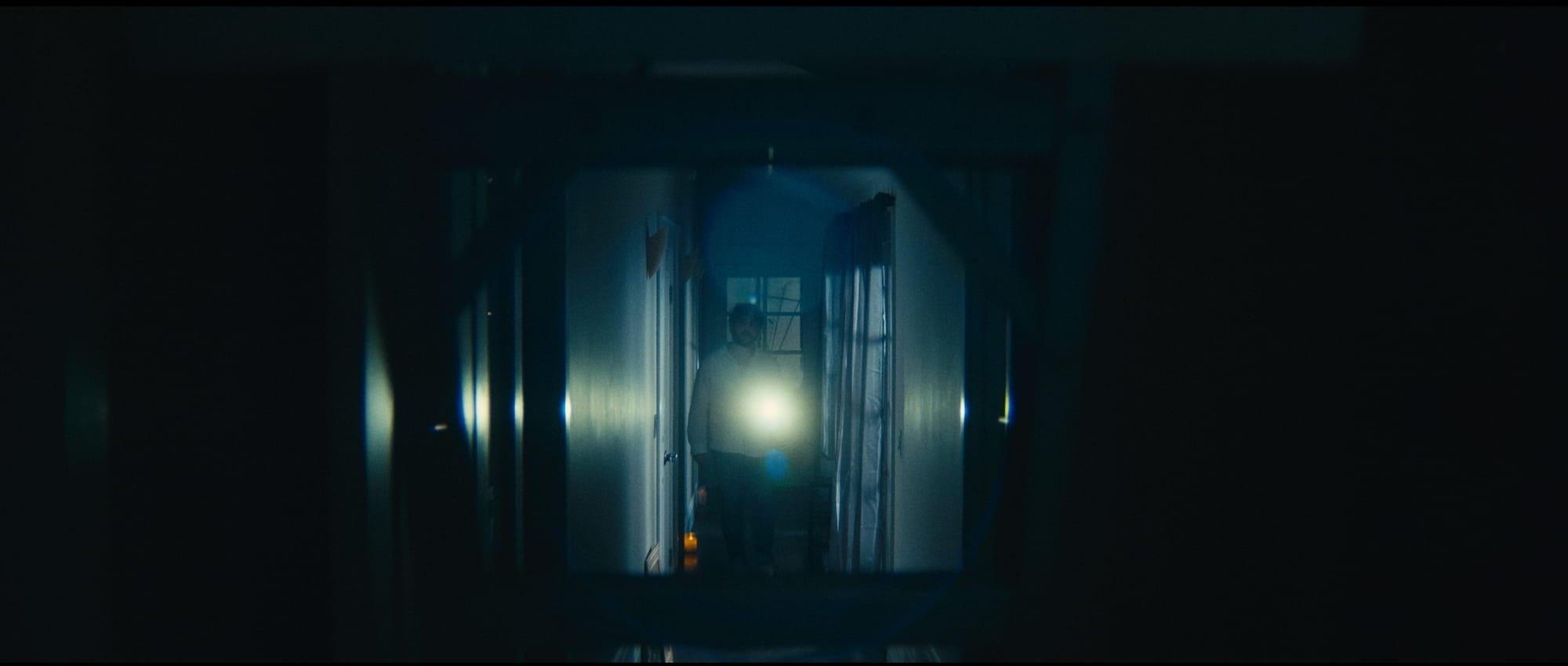
Barring the spider, I'd say the tracking shots. The script called for following Taylor side-long, like in a side scrolling video game, but our living room space just didn't allow for it. Blocking the shots in the living room took forever, especially since there's a small gag when he walks by the pile of previously unfolded laundry. Our property master, Rachel, had to run in behind Nick, our steadicam op, and change the laundry out, while Caleb finished drinking, and then we had to walk back with him to the couch. I learned a lot about blocking that day. The spider and the self-folding ladder, which I figured would be our most difficult creative pieces, were so much easier, comparatively.
What do you hope audiences take away from your film?
There's a lot of subtext delivered in a short amount of time. I'm always worried that audiences will feel beaten over the head with it; I hate when I watch a movie that clearly doesn't think I'm "getting it," and essentially abandons the visual work and just tells you in dialogue or some other obvious way what's happening. I'd rather trust that the people that watch Vermin know what's happening. But with Vermin, this isn't just a feminist revenge short. At least, it's only partially a "good for her" film. I heard it put like this once, in the context of why men need to care about feminism too: "If I punch you, you're the victim, you're the one mostly injured, but my hand will be a little sore." In other words, patriarchy negatively impacts men, too. Taylor is a prime example. He's not an abusive asshole, he's just a regular guy, and he's suffering from his own inability to be vulnerable. Is he also infuriatingly lazy? Does it look like he made his wife his mother as well? Definitely. But he's just a little pathetic, kind of puppy-like. I think the spider is more than just a symbol for women breaking free of marital shackles. I'd like it to be freedom from heteronormative gender roles, too.
"No amount of VFX wizardry replaces the real movements of eight spindly legs."
How has this film shaped or shifted the kind of stories you want to tell next?
It was the first screenplay I wrote, and the first film I directed. There were huge learning curves, but being able to see what my visual style looks like in practice has solidified my desire to tell a damn good haunted house story. Even if there's some gore, even if the house is actually, say, a diner, whatever it might be, Vermin helped me solidify that brand, for lack of a better word.
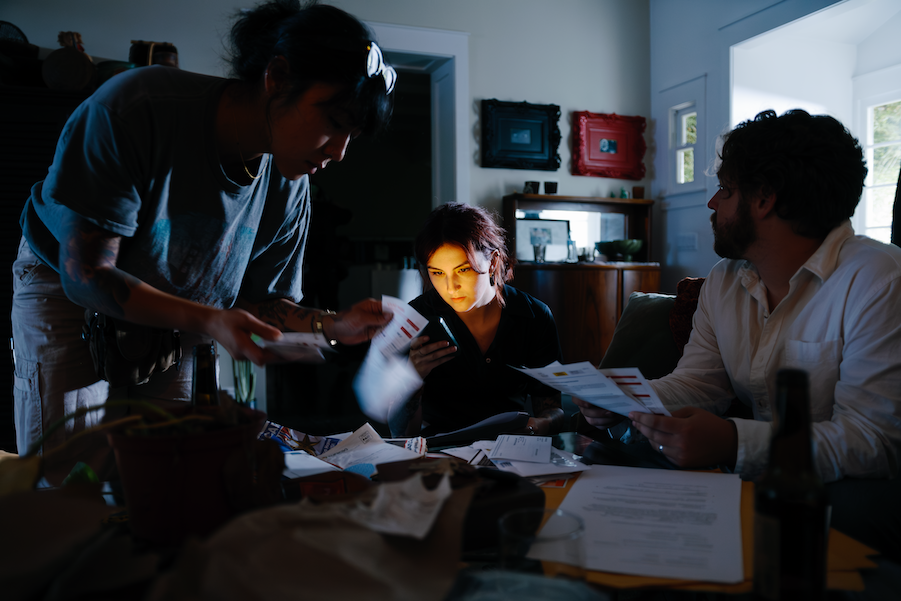
What’s a tool, technique, or resource that really helped you during production?
My experience before writing and directing comes from working on set in the art department, and eventually props. This has always been my mindset, but your people, your crew, your friends are everything. There is no story without them, especially on these low budget short films. Community comes at the cost of inconvenience; so many people--most I knew, some I didn't before Vermin--inconvenienced themselves for me and the film. Never losing sight of the magnitude of that, and always expressing gratitude for it, goes a long way to positively impact the tone of your set. We had a real overnight, from 6pm to 6am, and everyone laughed, everyone shrieked in joyful terror, and everyone helped each other. It was the healthiest set I'd ever been on. I want people to always feel that way when they work with me. Not only does it grow your community, but it makes the work so much stronger.
Independent filmmakers often rewrite the rules out of necessity. What do you think is the greatest strength of independent filmmaking, and how did you lean into that on this project? Is there a lesson or breakthrough you’d share with others navigating this path?
Barring threats to physical and emotional safety, which should never be compromised, realizing that pretty much everything is allowed, that there's a clever way to engineer some piece of a scene or prop, is pretty freeing. There's definitely a hard parameter for a 6-page short film that has one night to shoot; crazy stunts and multiple locations would never work for something like that, but those constraints breed thoughtful creativity. Don't be discouraged at the first snag. Trust that you're capable enough to solve it, and the people whom you recruited are there to help you. There's a delicate balance of not being precious and inflexible but also working as much as you can to make magic happen.
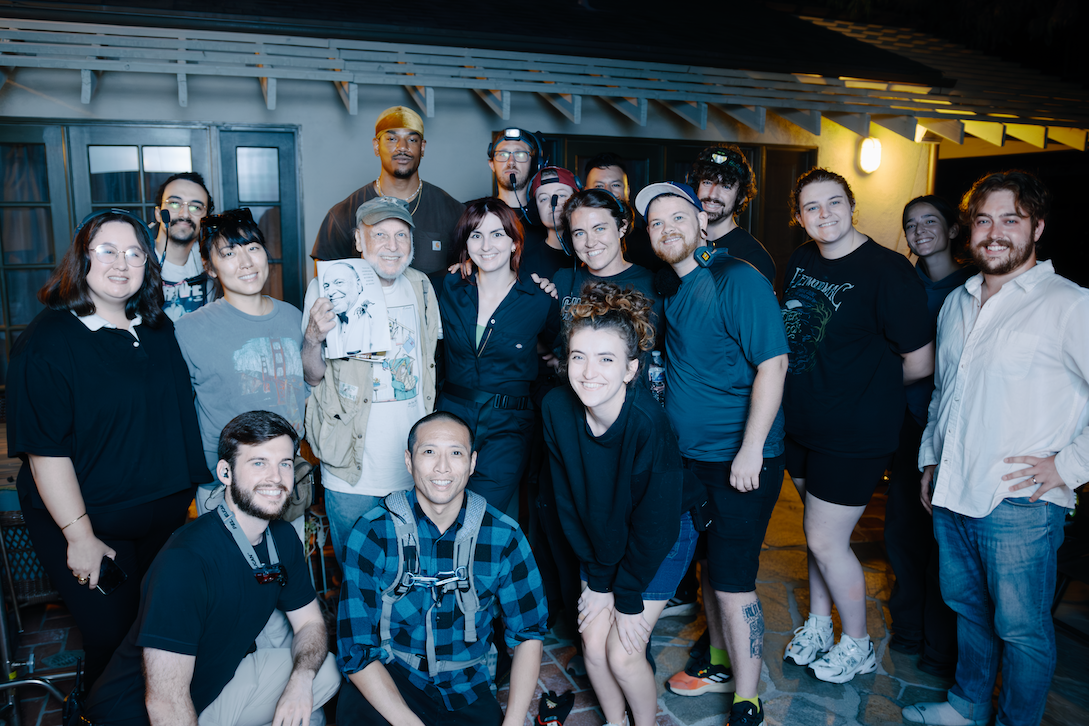
What does it mean to you to have your film selected for FilmQuest, one of the world’s top reviewed genre film festivals?
It's been difficult for me to wrap my head around, honestly. I realize how unusual it is for someone's first short to play literally anywhere. But Filmquest was my blue sky festival. I've seen a breadth of talent and skill in their programming in years past, and to be counted alongside those in the lineup I feel are truly out-of-this-world amazing films, kind of knocks me over. I'm entirely grateful, and I'm working to accept that this isn't luck, but the result of something worthwhile in the film we created. It's terrifying, but so wonderful.
"I want people to always feel that way when they work with me. Not only does it grow your community, but it makes the work so much stronger."
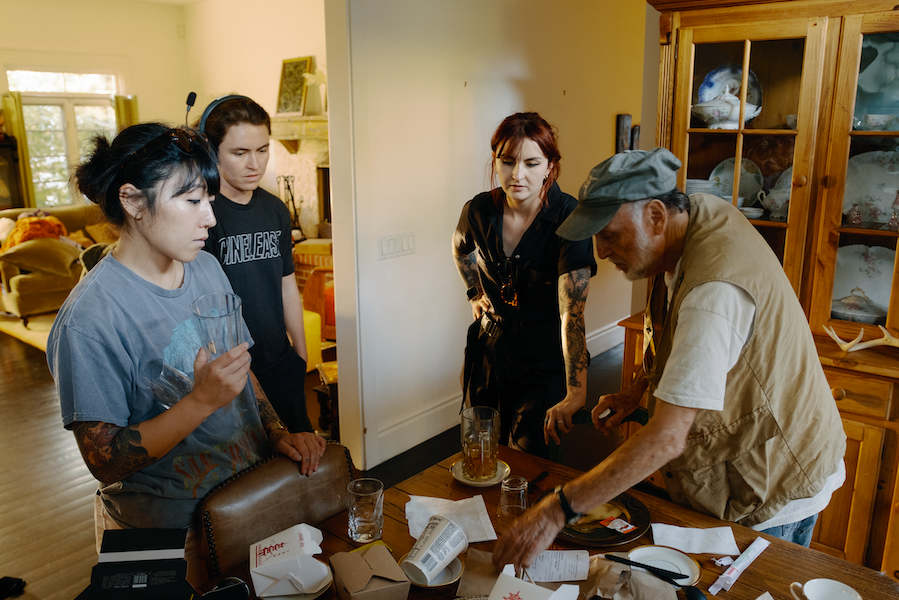
FilmQuest celebrates the majesty and might of genre filmmaking across fantasy, horror, sci-fi, action, thriller, western, kung-fu, and beyond. How does your film fit within—or push the boundaries of—genre storytelling?
I'd say we're a pretty neat fit in the horror genre. We didn't endeavor to do something crazy with this story, but we focused on making it atmospheric and unsettling, two adjectives that absolutely define horror.
Where do you see this film going next?
We've hit the ceiling! I hope to either get modest distribution or self-publish after we're out of the run. We have a few more festival decisions we're waiting on before then.
“At the core of all my work is a desire to use fear as a tool to learn about people and the world."
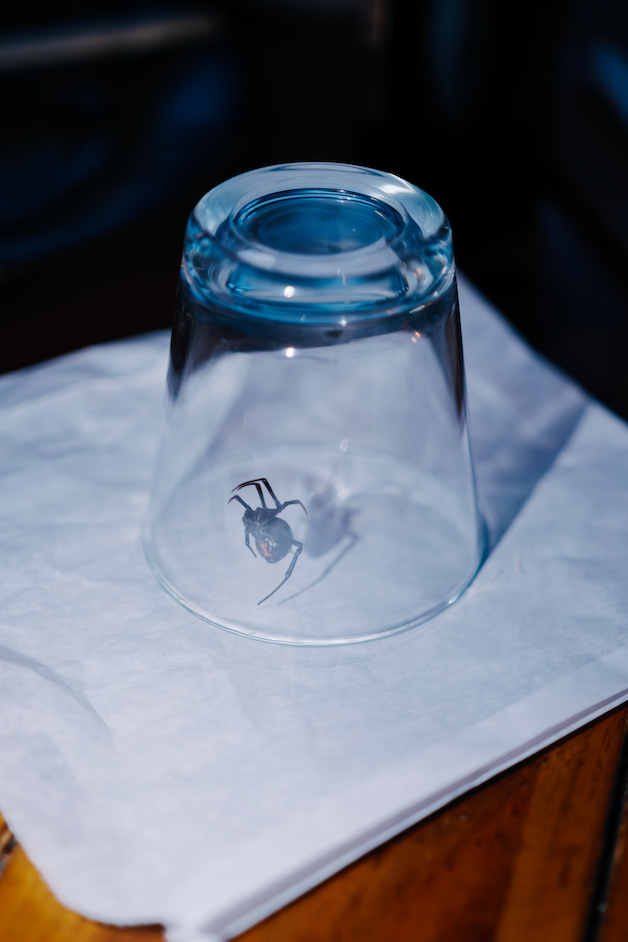
For more on Vermin, visit the film's website.