Table of Contents
By default, society teaches us that to be queer is to be defective. The one brittle branch of the family tree that many choose to severe away in fear that its rot will spread down into its roots. Through these teachings, comes a new sense of shame. A deep seeded feeling a child should never experience in their own home. In an act of survival, these children begin to search for a sense of escape. So, they turn on their television set and leap through a window of static into a new world. A comfortable place untouched by whatever reality they wish to distance themselves from. When the soft glow of a television set glimmers before them, they become observers to someone else's life and not trapped within their own.
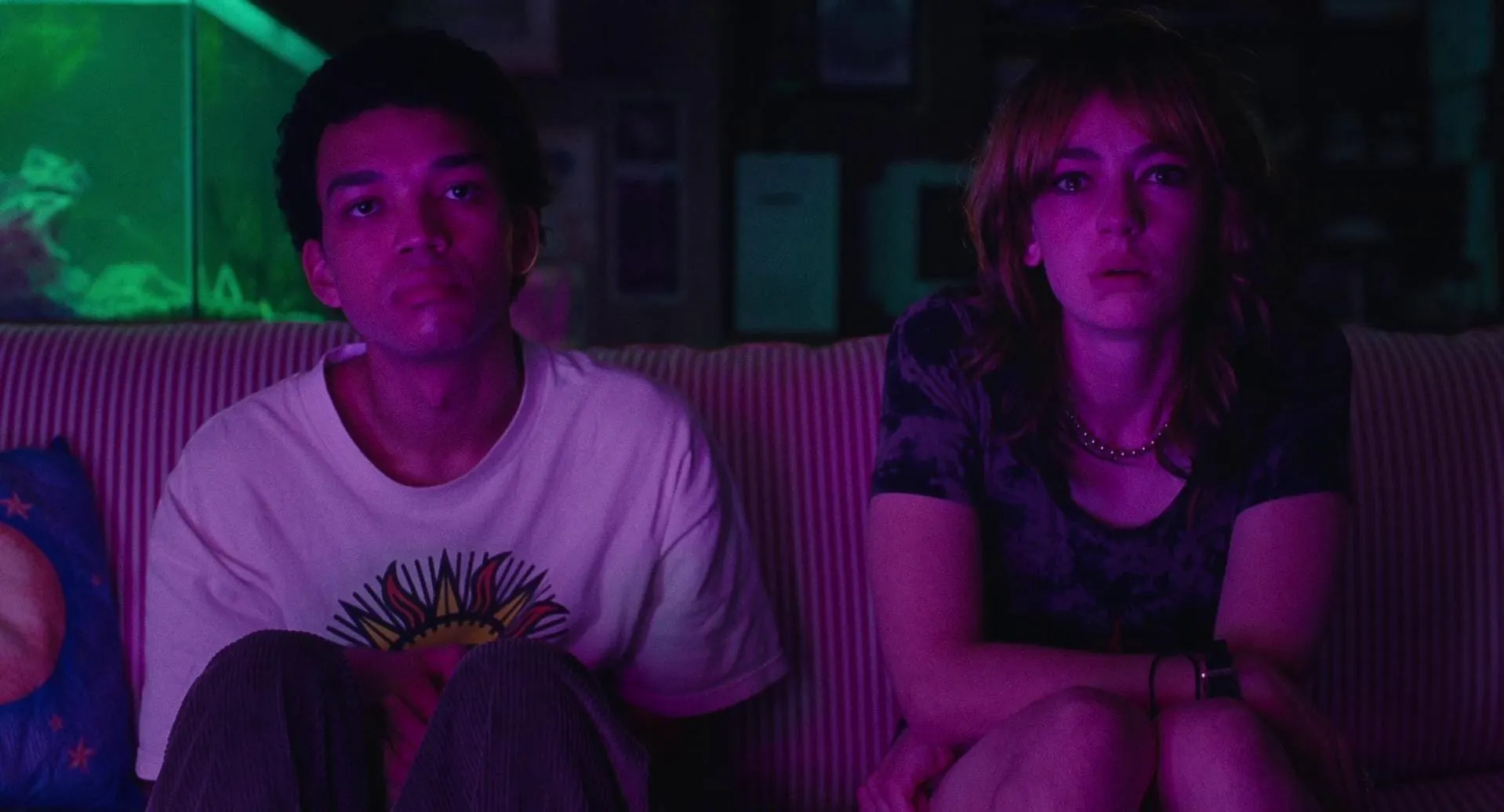
The film, I Saw the TV Glow, holds a great deal of importance to the queer youth of today. Its artistic portrayal of queerness through body horror and media attachment sheds light on what it means to deny an identity you believe to be shameful in a world that rejects its truth. Just as the characters see themselves in the fictional TV show, The Pink Opaque, we see ourselves reflected back through this film. Representation such as this works to provide a safe space for people to explore their own identities through characters similar to themselves and feel a sense of comfort in being truly seen for the first time.
After the film's release, a trend started online. People began posting videos sharing when they "saw the TV glow". A phrase coined directly from the aforementioned title, it's often used to describe the moment one first realized they were queer. Both beautiful and heartbreaking, this trend further showcases how the film takes a vulnerable glance into the queer experience and depicts a relatable portrayal of personal escapism in a time of uncertainty.
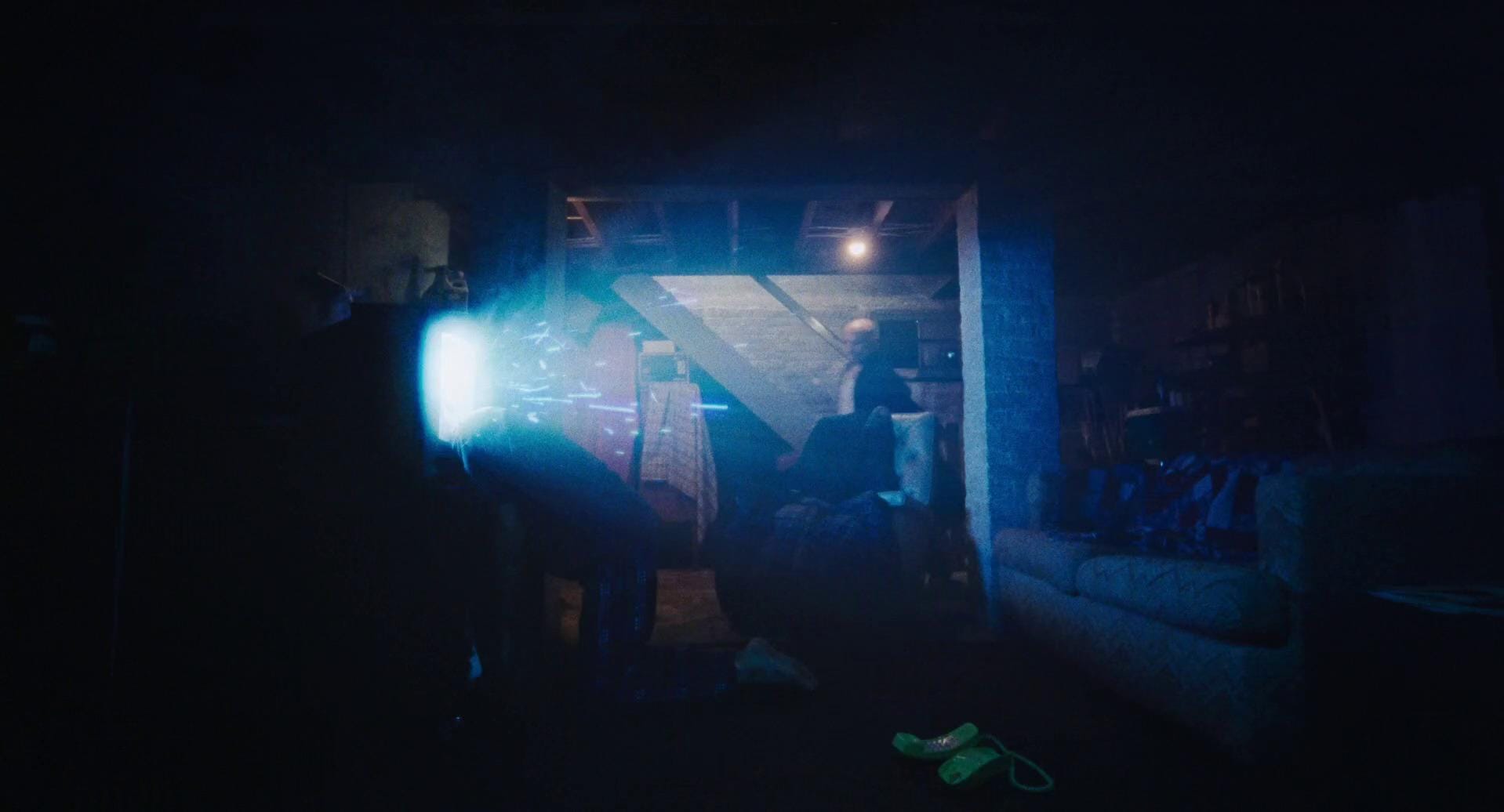
There is a point where we see this phenomenon occur for Owen. After watching the series finale of The Pink Opaque, he sits in silent grief. Suddenly, he lurches forward and tries to climb inside the sparking TV set. Upon realizing he is actually the character of Isabel placed inside a different body, he feels a new sense of loss and discovery. When his father pulls him from the TV, he yells that this isn't his world. Owen knows who he is now and he can't tune it out any longer.
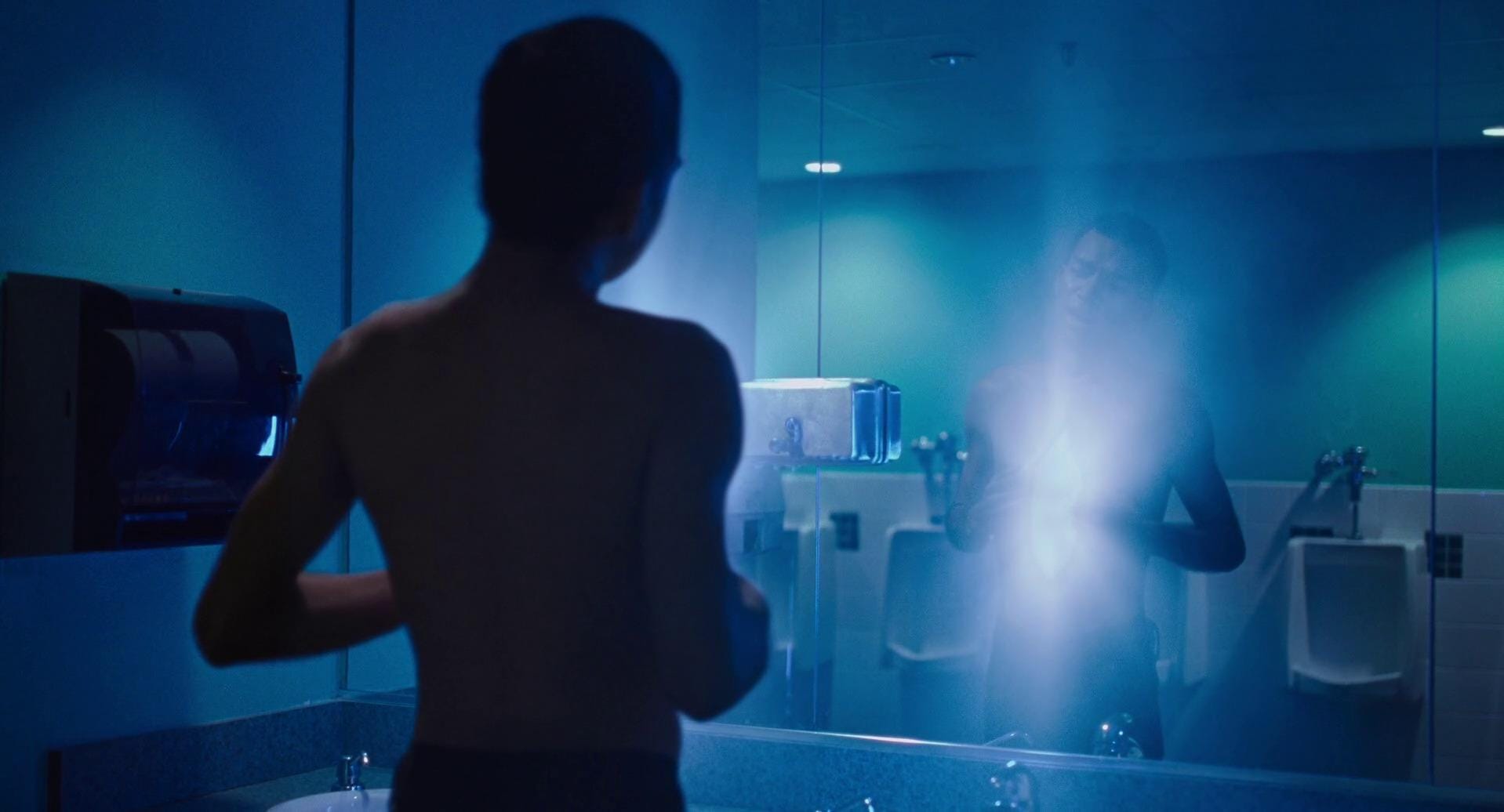
In the finale, we see what happens when someone is forced to reject their identity and ignore the glow within. It takes a tremendous amount of courage to rip open that part of yourself and let it shine unguarded. Inevitably, Owen chooses to close that part of himself back up and continue on; but sometimes the "easier choice" is harder to live with than openly existing with a truth you have suppressed.
Over the course of the film, Owen becomes fearful of The Pink Opaque. A show that once opened his soul and provided him with a sense of safety evolves into something that represents his greatest enemy: Himself. Instead of indulging in its promise of a fantastical future, he closes himself off from its influence entirely and succumbs to the pull of a heteronormative lifestyle. Instead of the ease he hopes for, the rest of his life is a painful struggle with the will to live. As he slowly suffocates inside himself, Owen tries desperately to claw his way to the surface and cling to whatever lifeline he can. It's only through briefly letting his internal glow shine out that he is able to regulate himself back into a relatively calm state and continue on.
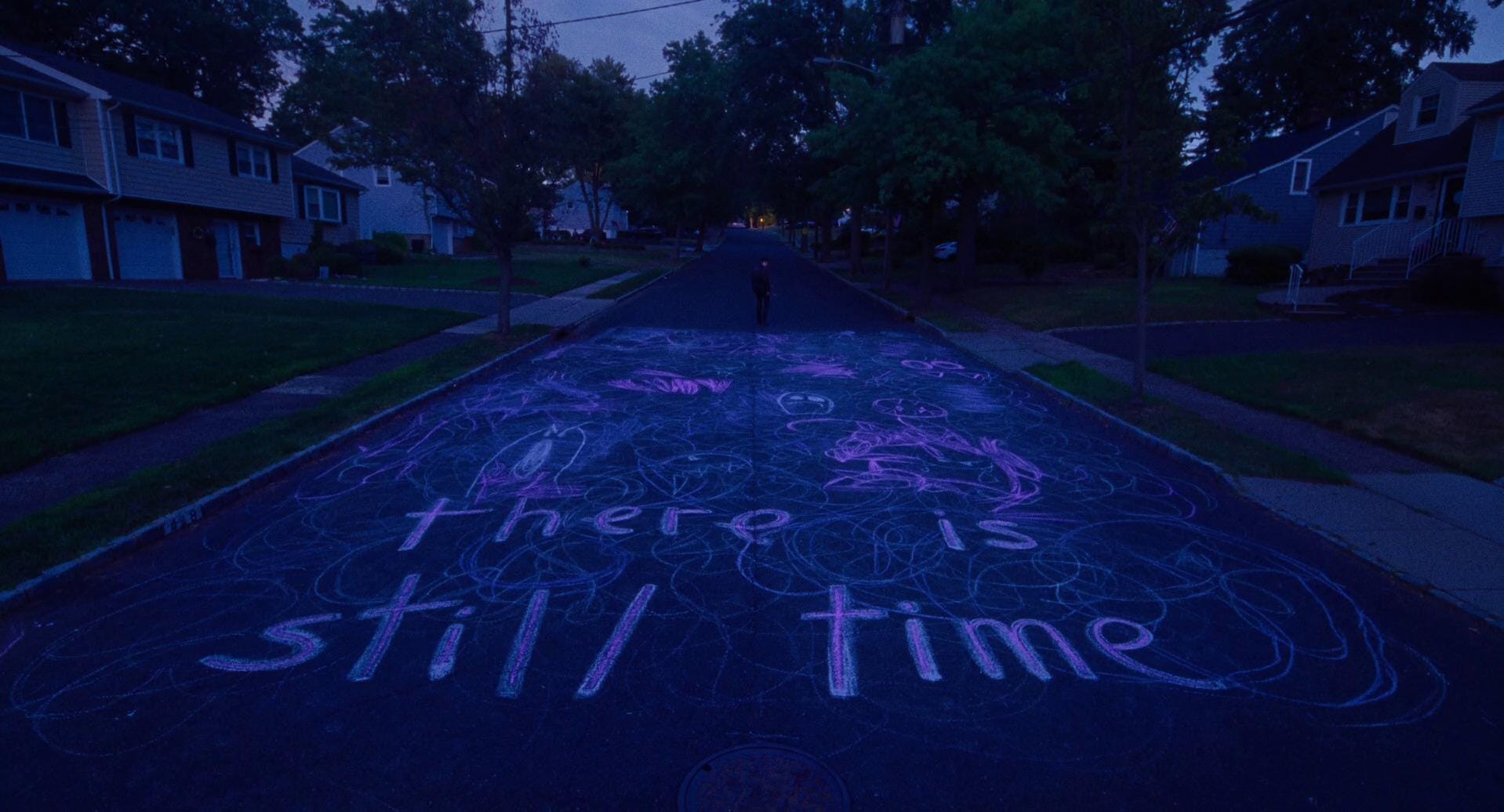
I Saw the TV Glow acts as a tale of caution. It shows us the reality of queer suppression through the story of a young person's emotional attachment to a forgotten television series and how it impacts him over the course of his life. By connecting queerness to media, it forces us to realize just how impactful different forms of representation really are. If someone deeply connects with a story being told, it has made a guaranteed difference in at least one person's life. It only takes one action to cause a butterfly effect of change. It's never too late to find that story for yourself. To all the people out there questioning their own identities, there is still time.