Table of Contents
If you would've told six-year-old me that I'd be eventually be completely enraptured by foreign films and become motivated to marathon them continuously during my free time, I would not have believed you. I have always loved films, but I am virtually certain that I was not fully aware of how much they'd actually impact me as a small boy. As someone who has lived a multicultural life in numerous places around the world (Djibouti, Uganda, Germany, South Africa, Virginia, and now California), I can undoubtedly say that the variety of cultures, perspectives, and customs has absolutely shaped who I am today as a human being. However, I was seemingly unsure if those aspects would translate well into my experience with film.
I can't quite recall my very first introduction to foreign films, but I distinctly remember watching the Afrikaans version of Heidi, Girl of the Alps repeatedly on DVD during the time I lived in South Africa. I have such fond memories with this DVD, and perhaps I was more drawn to it because I could understand and speak the Afrikaans language. I was oblivious to other films of different countries, since I was unsure if I would be captivated by them; even so, I never thought cinema would actually become my biggest passion in life.
Years later, in Fall 2023, I took the History of Cinema class at Biola University in Southern California. Still, to this day, this is my favorite class that I have taken while at university, and it has opened my eyes to fascinating facts about international cinema. The more I thought about it, the more I realized how impactful and essential this type of cinema truly is. Some of my favorite films even as a child would not exist without the techniques of foreign films. Ranging from naturalistic to avant-garde films, I have experienced a variety of international cinema styles that have been immensely beneficial with regard to my acting, screenwriting, and overall appreciation of film. Here are some in-depth examples:
German Expressionism
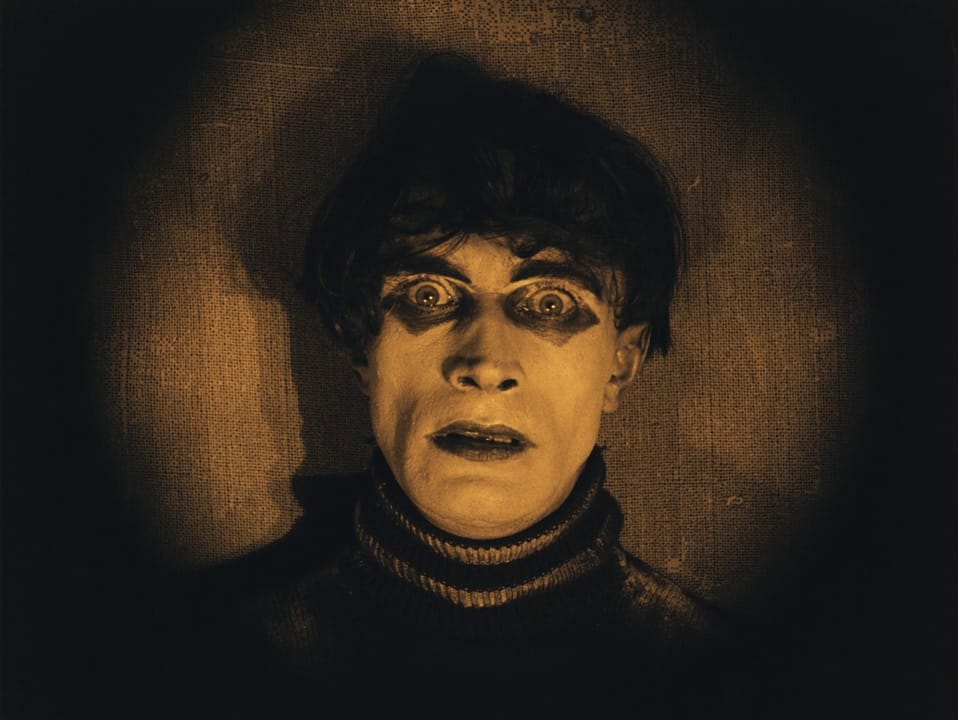
This unique style of filmmaking favors extreme distortion to express an inner emotional reality rather than surface appearances, while also featuring specific characteristics that made it unlike anything the world has seen at that time:
- Unusual compositions
- Stylized acting
- Remarkable settings/immersive production design
- Outlandish characters
Robert Wiene's haunting classic The Cabinet of Dr. Caligari is a prime example of this style, and with it being considered the first true feature-length horror film, there's no question as to why it remains so influential.
German expressionism as a whole consistently reminds me how physical sets and nightmarish camera angles can deeply reflect the internal conflicts of the characters, and while many American films explore this element (Tim Burton being a prominent modern expressionist), German expressionism started this technique.
French New Wave
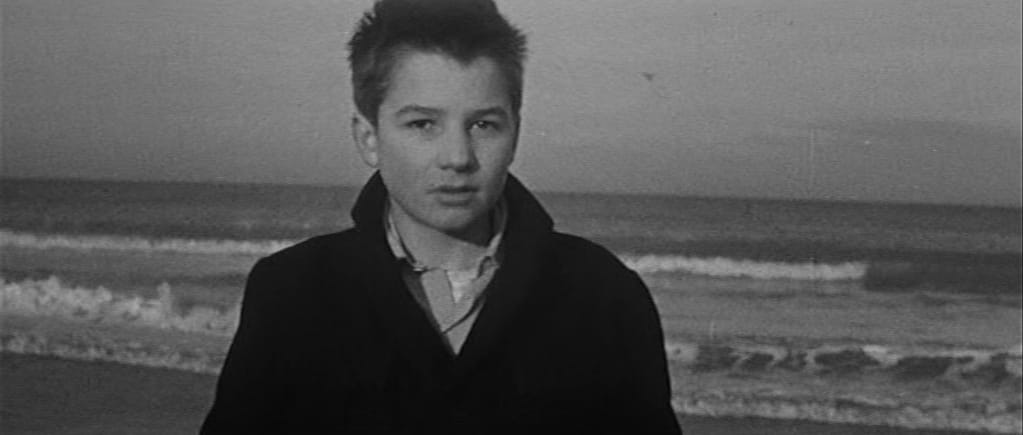
While the French Impressionist Movement was a gorgeous cinematic style that prioritized pictorial beauty, psychological exploration, and emotional impressions, the French New Wave contained these deeper elements:
- Distrust of authority
- Suspicion of political and romantic commitment
- Existentialism – individual determines fate
- Reflexivity – rejects the world outside the film
Additionally, filmmakers of this style possessed the following:
- Awareness of film history
- Newer, lighter equipment
- Collage form
- Objective reality and chance events rather than linear cause-and-effect storylines
- Non-actors, real locations, improvisation
Some of the most prolific films of this era include François Truffaut's The 400 Blows, Jules and Jim, Agnes Varda's Cleo from 5 to 7, and Jean-Luc Godard's Breathless. The French New Wave is extremely unconventional with its approach to both storytelling and filmmaking, and so watching these films over the past couple of years have given me a deeper insight into foreign realism with hints of dark comedy and improvisational character moments. I adore narratives with this feel, and I have this New Wave to thank for giving me that opinion.
Japanese Classicism
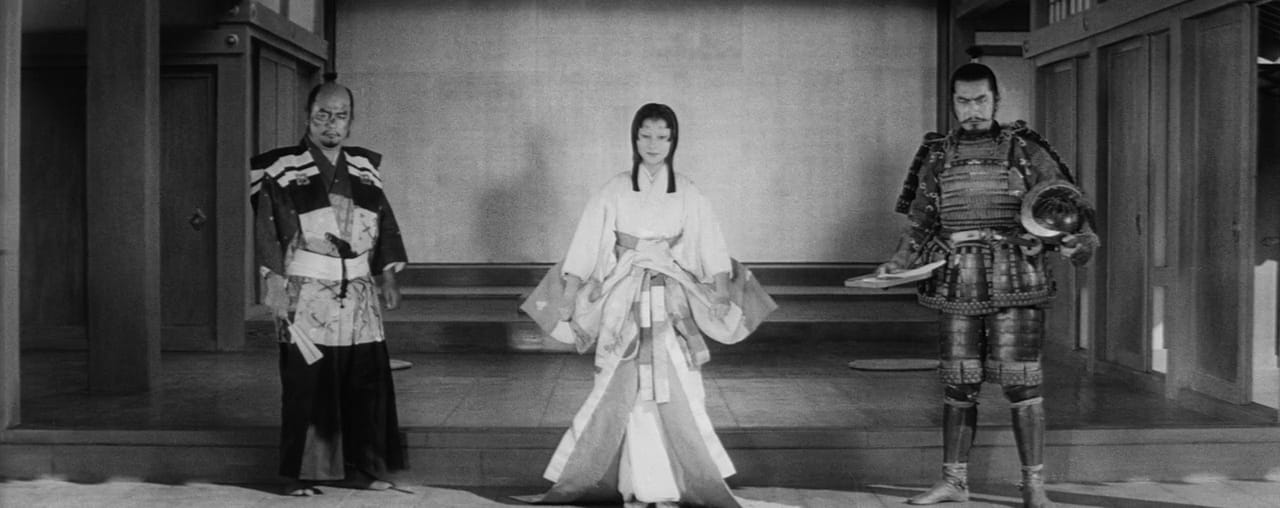
The term "classicism" in this case comes from this era's definition of "classic," that being when a film's story and style are perfectly blended. Japanese classicism emerged around the 1950s, and it was around the time where cinema all around the world tackled postwar themes and subject matters. From this style, three major filmmakers have strongly captivated and inspired me with their distinct voices behind the camera:
Kenji Mizoguchi
- Rich, literary style
- Long takes, consistent camera movement
- Period pieces centering on women constrained by social norms
Yasujiro Ozu
- Explored emotional depths of everyday life
- Calm, balanced, stationary compositions
- Emphasized “intermediate space”
Akira Kurosawa
- Spanned many genres, including samurai pictures and film noir
- Kinetic action scenes
While all of these filmmakers have a unique way of depicting postwar Japan thematically and visually, all of them share one trait: empathy. I am automatically drawn to stories that involve the themes mentioned above, but there's something about Japanese filmmaking that attracts me more than American films that delve into these ideas. Style and substance wonderfully complement each other within Japanese classicism, and so whenever I need inspiration for an empathetic story with rich characters and masterful direction, I revisit this era.
Italian Neorealism
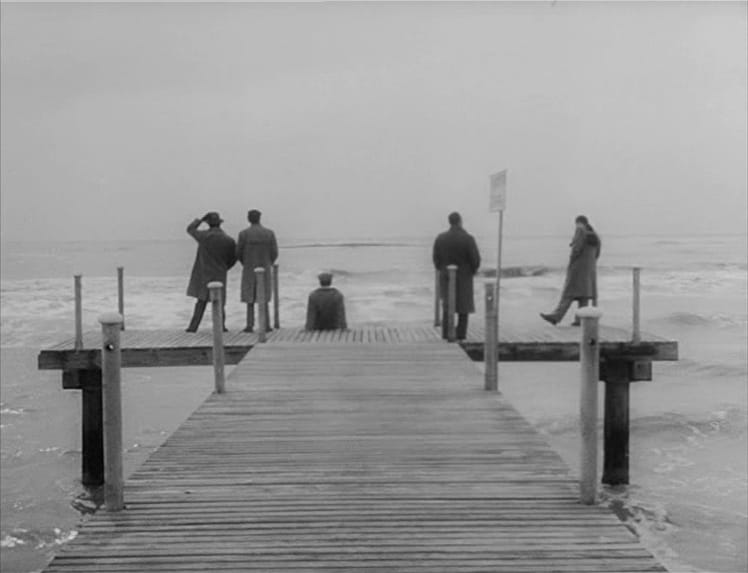
I won't put a flag in this statement, but this classic style of cinema might be my favorite out of all the 20th century forms of filmmaking. Italian neorealism contains one of my biggest desires when it comes to watching any film: modernist ambiguity. This encourages the spectator to speculate on the events onscreen, to fill in gaps, and to try out different interpretations — which beautifully harmonizes with the basic building blocks of neorealism:
- Greater realism
- Emphasis on contemporary subjects and the lives of the working class
- Reportage
- Humanism
- Documentary style
Vittorio De Sica's 1948 character drama Bicycle Thieves and Roberto Rossellini's 1945 war drama Rome, Open City perfectly showcase the power of neorealism, leaving an emotional impact that lingers long after the credits roll. Objective realism tends toward episodic, slice-of-life narratives over airtight plots, while subjective reality seeks to represent the psychological forces that make the individual act in particular ways. Furthermore, authorial commentary is the sense that an intelligence outside the film’s world is calling attention to something, and I long to experience that sensation when I watch an Italian neorealism film (or any film). Ultimately, ambiguity combined with a realistic illustration of someone's existence through a purely empathetic lens never fails to stir my soul.
So, why is international cinema important to me? To quote the law of the late, great film critic Roger Ebert,
"It's not what a movie is about, it's how it is about it." (Goodreads)
The story does not necessarily have to be mind-blowing in order for me to be inspired, even though it is an essential factor for me. It is rather the cultural filmmaking techniques, tone, realism, and societal impact that motivate me to continue my dream of getting into the film industry. Each country has such a special way of communicating art to us as audiences, and I am constantly riveted and excited about what non-American filmmakers have to offer. I believe it is an absolute necessity to watch foreign cinema if you want to go into film someday, because without it, I have no idea where film would even be in the modern world. I mean, for instance, Star Wars would not even exist without Kurosawa's The Hidden Fortress (George Lucas on "The Hidden Fortress").
Film is such a vast art form, and it is because of international cinema that we are where we are today.