Table of Contents
Between 2015 and 2025, the film industry has undergone a radical shift, one driven largely by the economics of sequels.
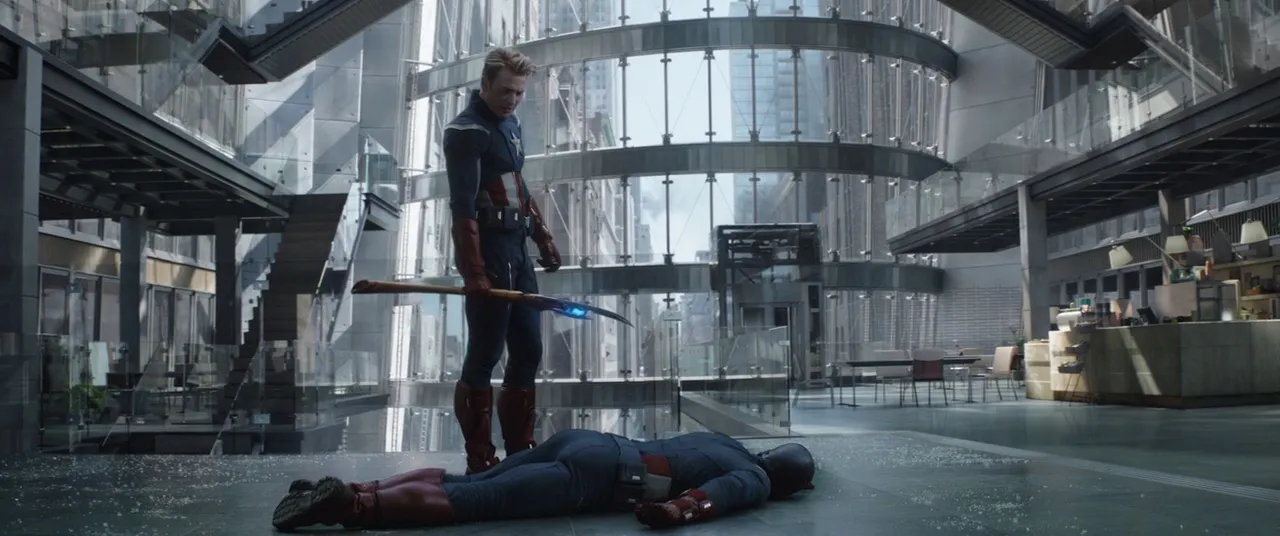
While tentpoles like Avatar: The Way of Water and Avengers: Endgame proved that franchise extensions can deliver massive returns, many critics and creators are asking a deeper question: Has the dominance of sequels come at the cost of originality?
In her book Blockbusters, Harvard Business School professor Anita Elberse explains why investors prefer sequels: they offer predictable ROI, with IP (Intellectual Property) itself acting as a hedge against risk. But the downside of this “sequel economy” is clear: rapidly diminishing returns and increasing audience burnout. The trend has not only reshaped content pipelines but also redefined career strategies for emerging directors.
The IP Age: Golden Profits, Waning Audiences
By the mid-2010s, as much as 80% of blockbuster budgets were allocated to IP-based projects. From Fast X to Fantastic Beasts, Hollywood doubled down on what worked before. In 2023, only one of the year’s top ten box office hits was from an original script.
Yet, audiences are growing weary. Underperformance from titles like The Marvels and Ant-Man and the Wasp: Quantumania indicates a growing resistance to formulaic, repetitive storytelling. “Sequel fatigue” is real – and measurable.

Original Films: Artistic Gamble or Strategic Investment?
In 2019, Martin Scorsese published a now-iconic op-ed in The New York Times titled “I Said Marvel Movies Aren’t Cinema. Let Me Explain.” In it, he argued that real cinema involves emotional risk, stylistic depth, and narrative experimentation—qualities often sacrificed in franchise filmmaking. As IP continues to monopolize studio budgets, the creative space for new voices is shrinking. Still, original films have broken through. Everything Everywhere All At Once, made for just $25 million, went on to win Best Picture at the Oscars — proof that originality can still resonate both commercially and culturally.
A Note to Creators and Investors: Original Doesn’t Mean High-Risk
For new filmmakers, the challenge is clear: How do you make an original idea sound like a scalable asset? The answer may lie in hybrid models—low-to-mid-budget projects with unique visions and built-in audience hooks. Companies like A24 and Blumhouse have succeeded not by playing it safe, but by betting on creative concepts that balance risk and potential upside. For investors, it’s time to rethink: Instead of hunting for the “next Marvel,” why not reserve 10% of your slate for high-concept original content? The upside is higher than you think.
Audiences Aren’t Tired of Stories, They’re Tired of Sameness
Yes, sequel economics have defined the past decade. But the next ten years don’t have to follow the same path. The key isn’t choosing between sequel or original, it’s learning to present original stories in market-friendly ways. Viewers aren’t resistant to new narratives; they’re resistant to unconvincing ones.
The smartest creators and backers will stop patching up old universes, and start building new ones.