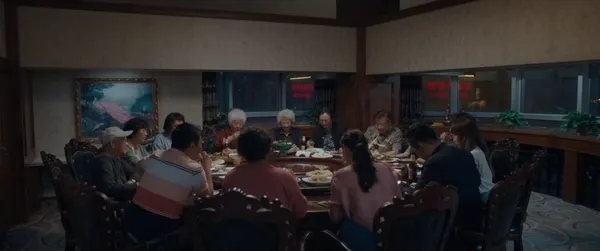
Cynara is held captive. She finds a phoropter — the lens-stacked device an optometrist swings in front of your face — and it opens a portal to somewhere else. What follows is a chase between realities that ends where it has to end: face to face with her oppressor, deciding what she is willing to destroy in order to survive. Artichoke is a surreal, psychedelic Giallo about escape, autonomy, and psychological captivity, and director Amir Moini built it out of a question he didn't want to ask himself.
That question — am I the monster? — came from life, not from genre. Moini made the film while grieving the end of a thirty-plus-year friendship, and the grief sharpened into something uncomfortably specific: in trying to help someone, had he caged them? Artichoke doesn't answer it. It refracts it, through practical fire, stop motion, fog, blood, and a lead performance that gets scarier the quieter it gets.
Key Takeaways
- Every effect in the film is practical — fire, stop motion animation, car crashes, eye gouges — and the production leaned into that constraint rather than around it.
- Moini was advised to commit fully to either experimental or narrative filmmaking, and refused; Artichoke keeps one foot in each.
- The film is Oscar-qualified, with 17 festivals booked through the end of the year and a campaign for Best Live Action Short ahead.
Moini returns to FilmQuest for the third time — first as a filmmaker, then as a judge, now with his second short. We talked about betrayal, blood continuity, and why he loves a slow motion running scene.
Interview
What drew you to make this film, and why this story, why now?
While creating this project, I was grieving the end of a 30-plus-year friendship and navigating one of the deepest betrayals I had ever experienced. It forced me to hold a mirror up to myself and ask questions I wasn't prepared to answer: "Am I the monster? In my attempt to help someone, did I cage them?" Those questions became the emotional foundation of Artichoke.
What surprised you most about the filmmaking process, creatively or logistically, including any moment on set or in post that changed how you saw the story?
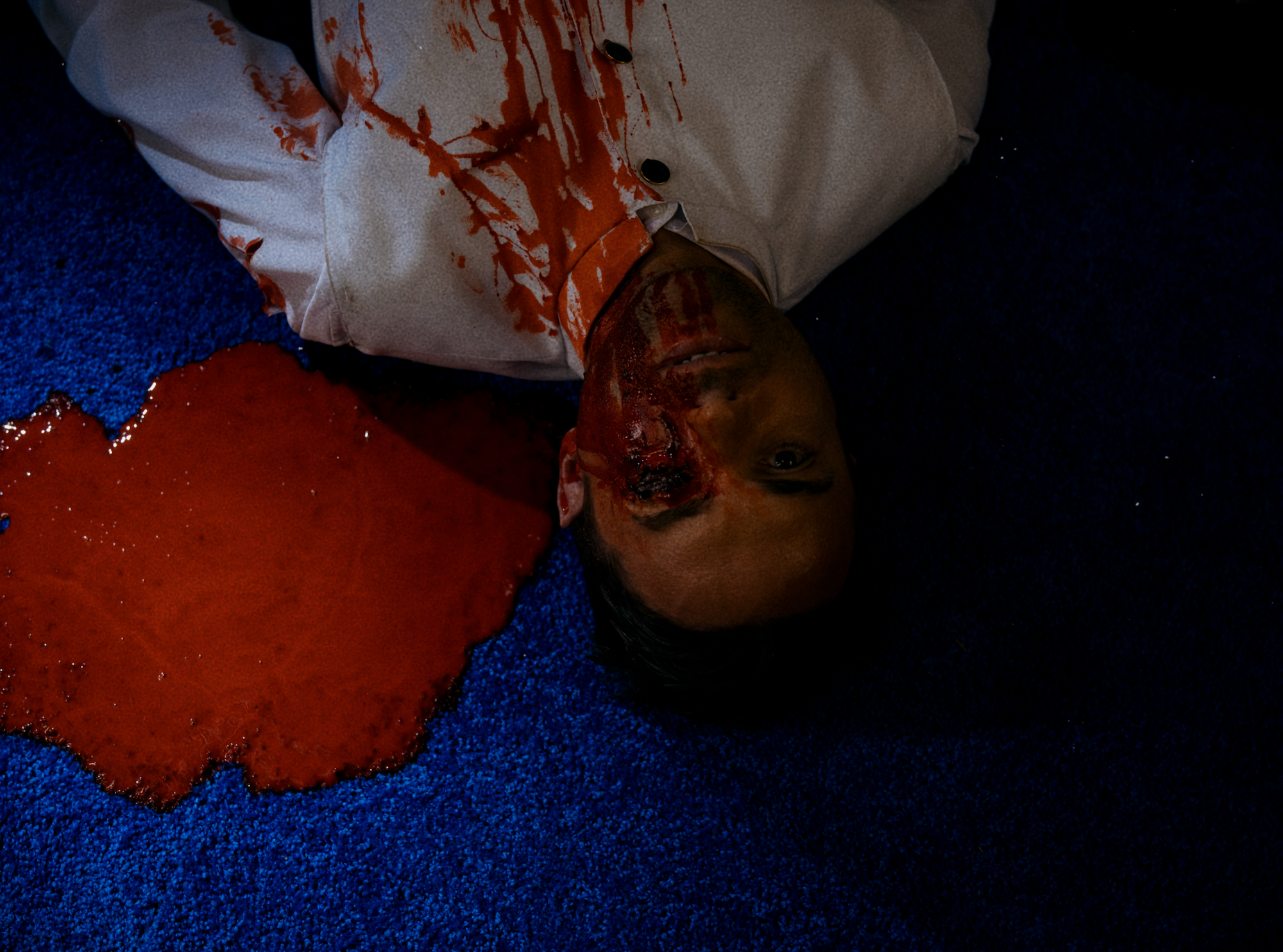
Continuity with blood is very challenging, and so is fog from an editing perspective.
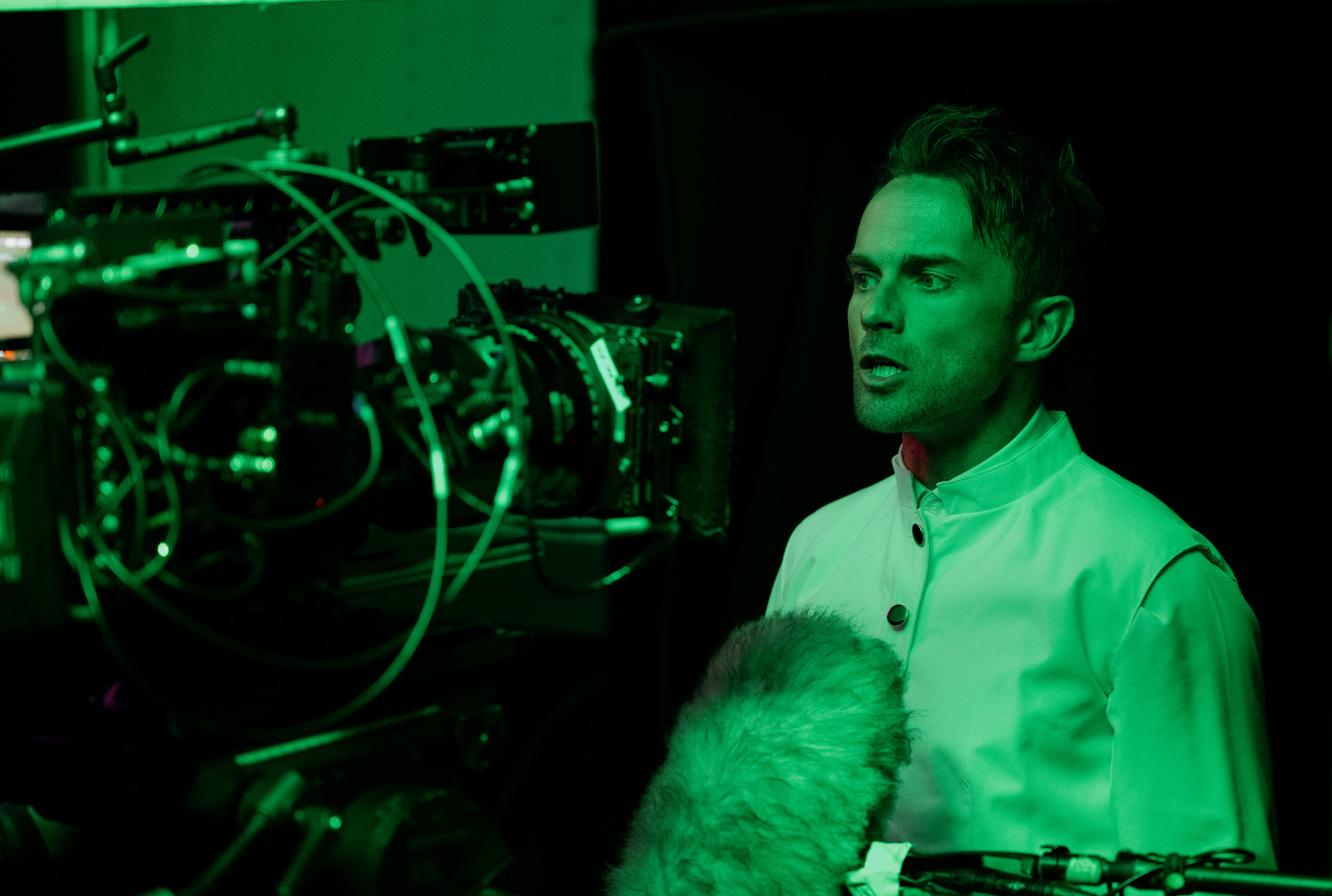
We also found Thomas' character to be even creepier when we leaned into his nuance in emotion as opposed to just angry 100% of the time. It led to a stronger edit.
What moment in the film feels most like you, or like something only you could have made?
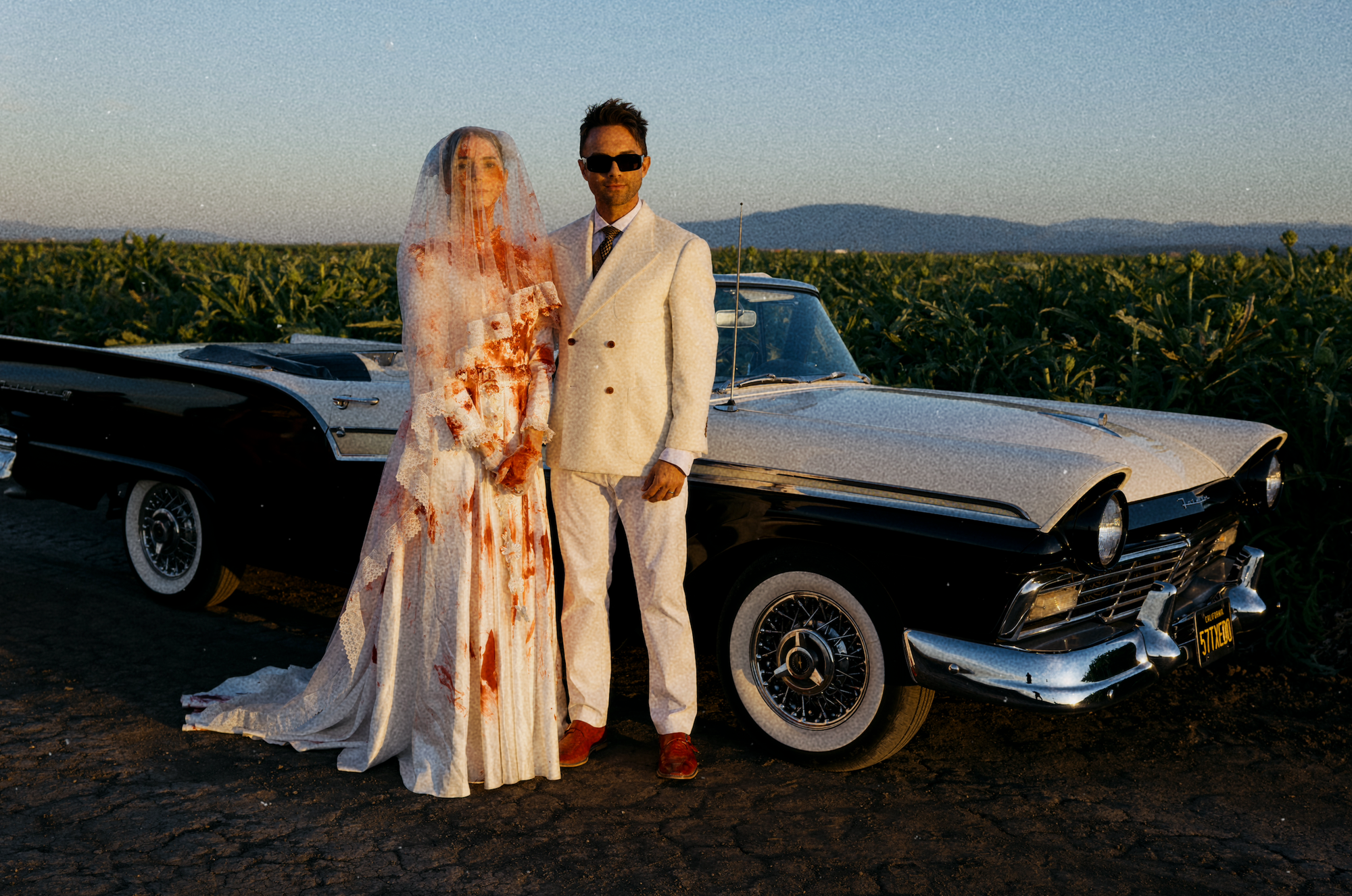
The running sequence. I love a slow motion running scene.
What was the hardest creative decision you made while making the film?
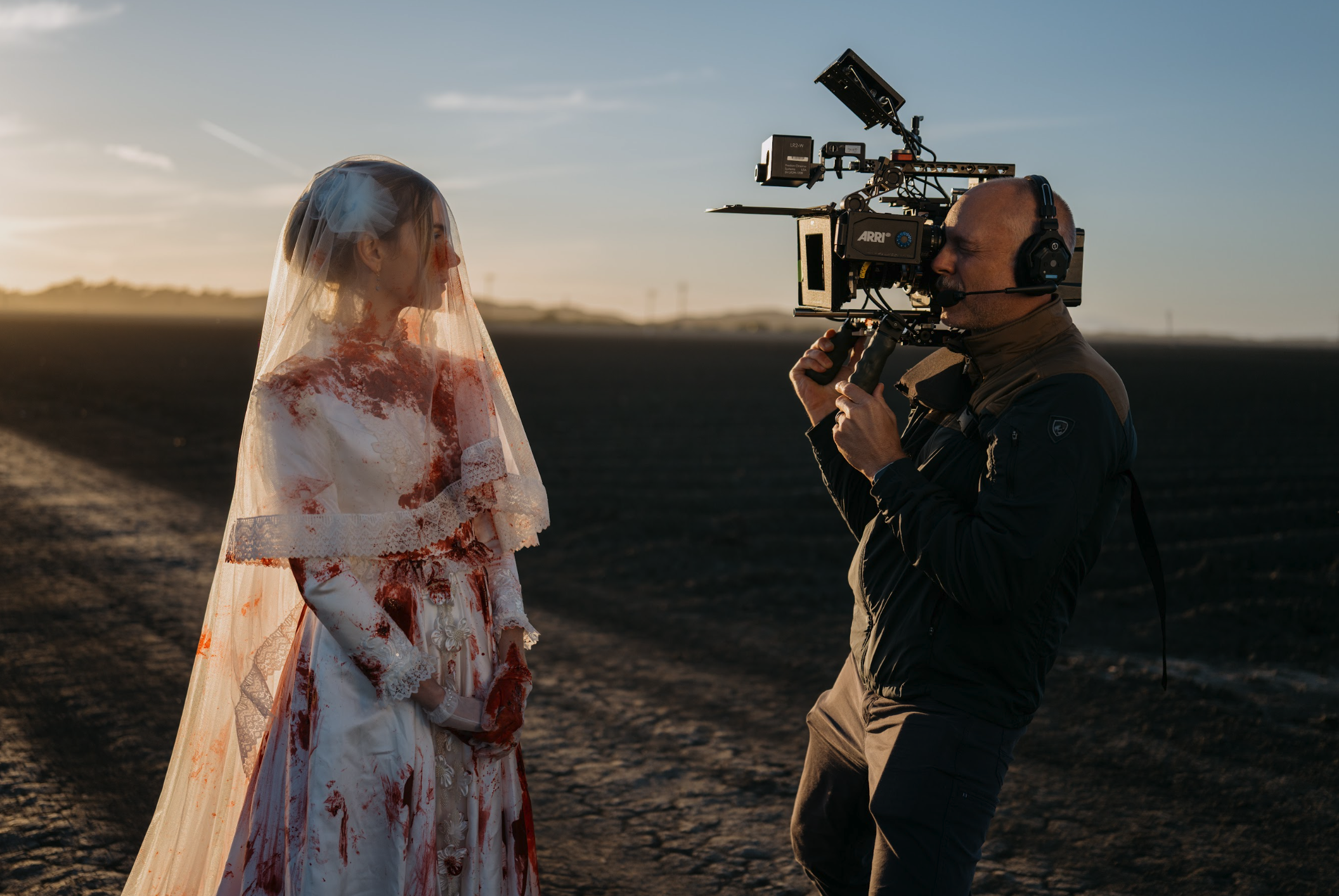
I was given a lot of feedback to either make it fully experimental or fully narrative and I decided to say fuck that advice and stuck to my vision.
What tool, technique, resource, collaborator, or mindset shift helped most during production?
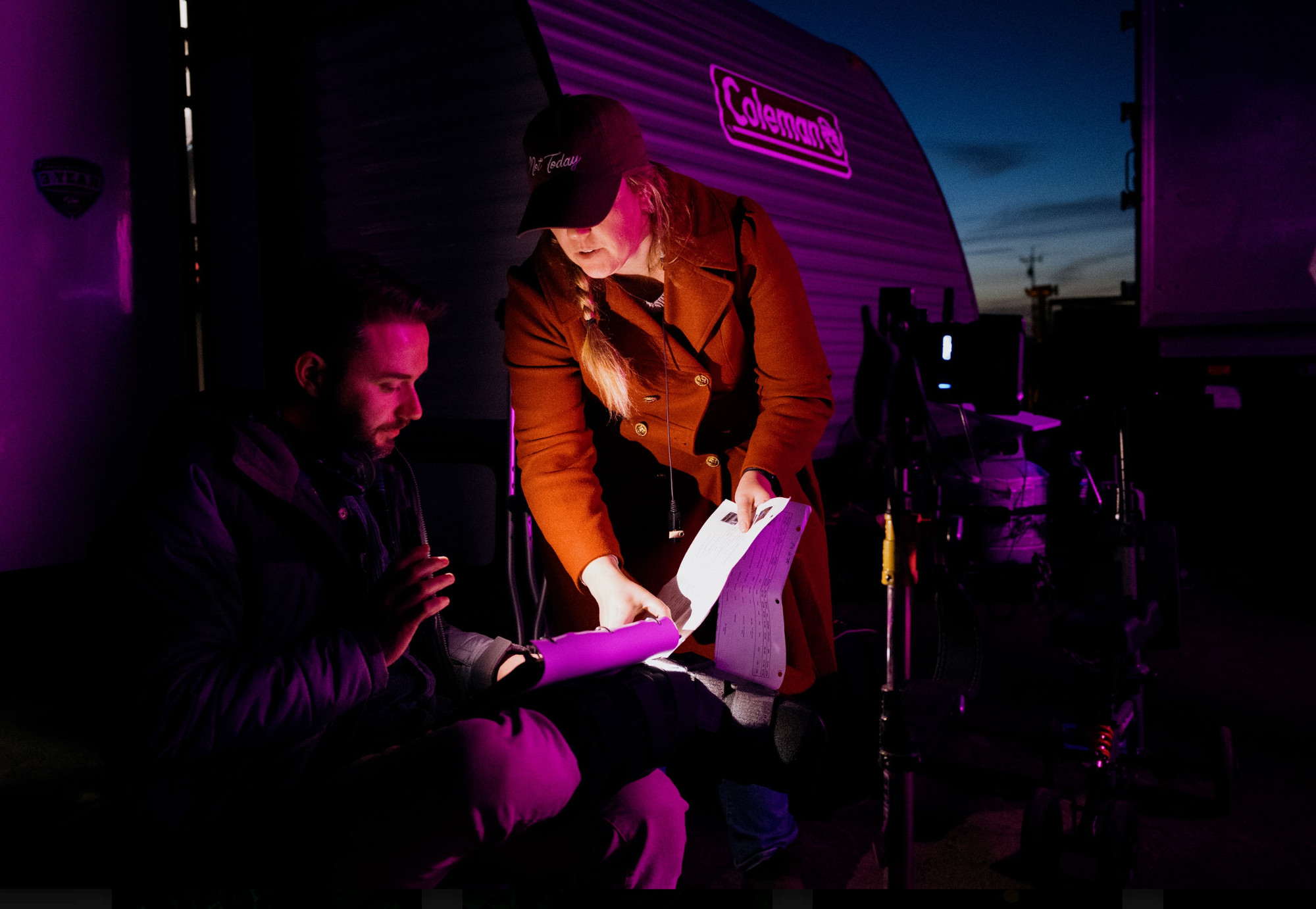
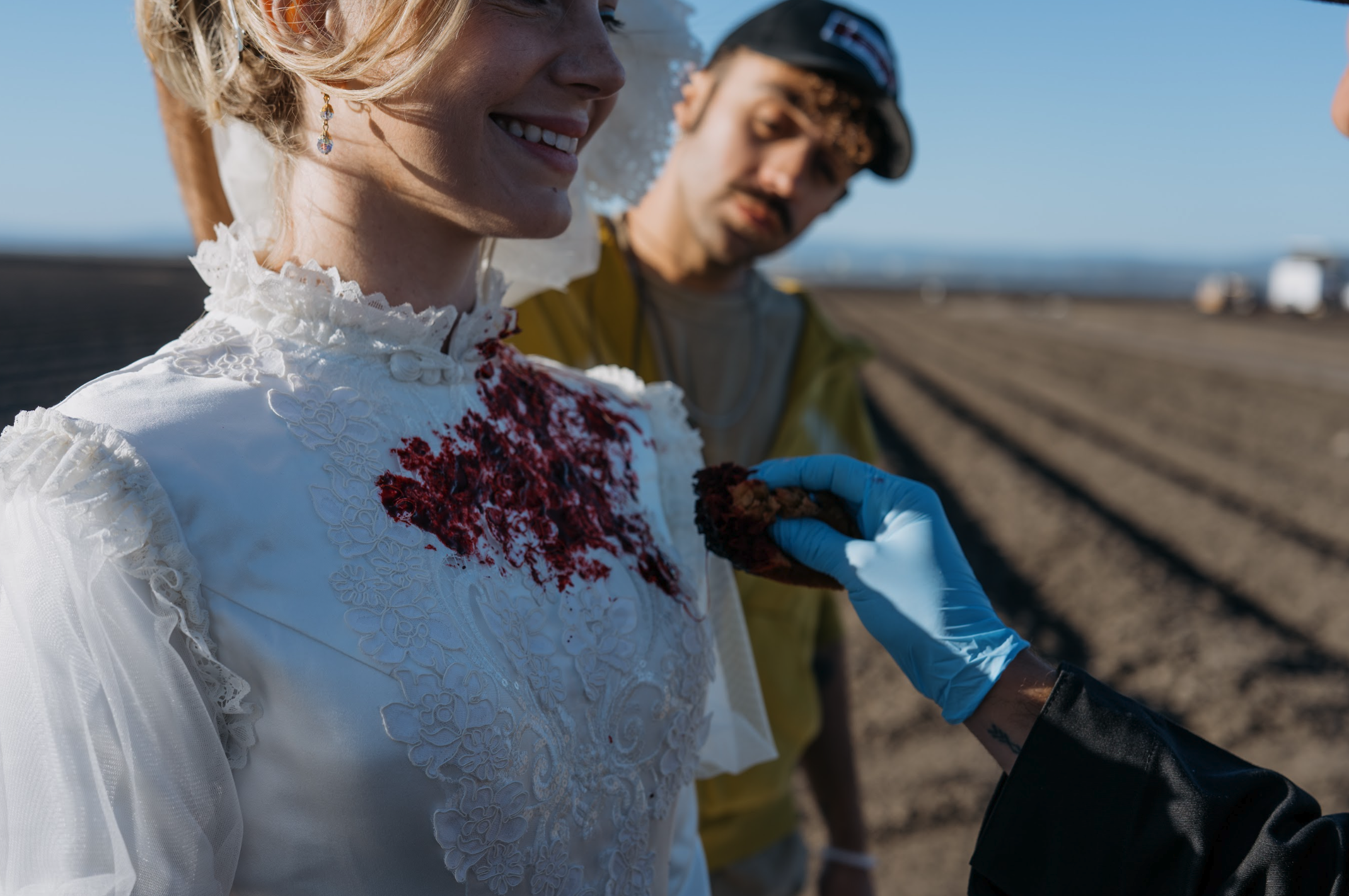
We focused on all practical effects in this film, whether that be fire, stop motion animation, car crashes, or eye gouges.
The greatest strength of independent filmmaking is really the comradery created on set.
How does your film fit within, or push the boundaries of, its genre or form, and what do you hope audiences take away from it?
Inspired by Giallo cinema, we break a lot of rules. Whether that is pacing, tone, having one foot in experimental and the other in narrative, or being over the top in score, coloring, production design and more. We wanted Artichoke to feel like something you couldn't box into any category, where people left with more questions than answers and it wasn't spoon fed to them.
Artichoke is a surreal, psychedelic Giallo about escape, autonomy, and psychological captivity. Whatever experiences viewers bring to the film are valid. The story becomes a mirror, allowing each person to see their own struggles and interpretations reflected back at them. It's a story about oppression, culpability, and the terrifying question of whether the thing we need to escape is someone else, or ourselves.
What does it mean to have your film selected for FilmQuest, and where do you see the film going next?
It's always exciting and an honor. My first short film Slashr played at FilmQuest in 2023, I was a judge for 2024 and now my second short film Artichoke is playing in 2026. FilmQuest is one of my favorite film festivals because it is centered around community and I always see old friends and make new ones.
We have 17 festivals from now until the end of the year and we are officially Oscar-qualified so we will be campaigning for Best Live Action Short Film.
How has this film shaped or shifted the kinds of stories you want to tell next?
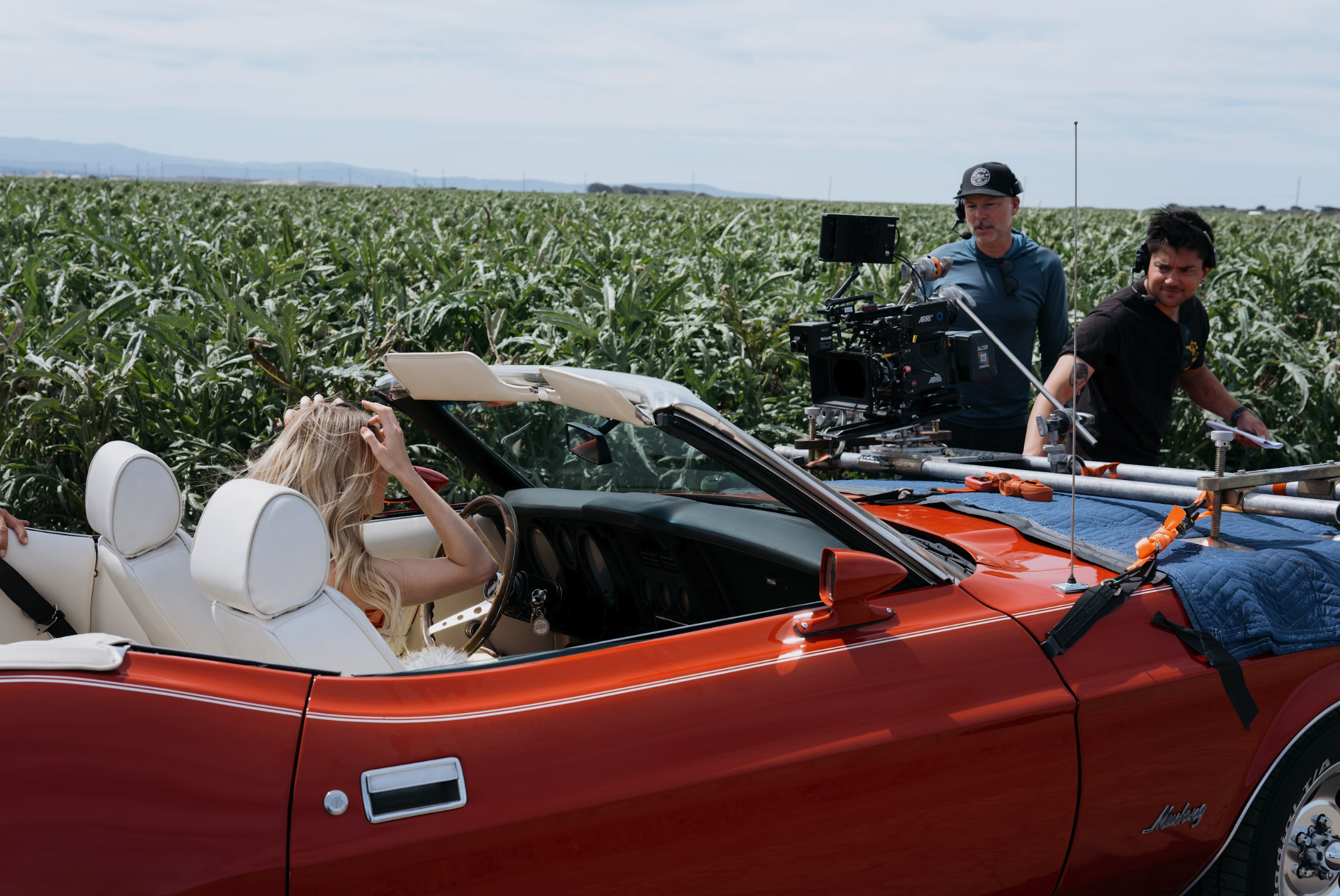
Artichoke has expanded my vision in storytelling and really challenged me creatively. It broke down a lot of barriers and I am excited to see where those paths take me next.
At the core of all my work is a desire to get people to feel something.
Main Cast & Crew
- Amir Moini — Director
- Thomas Dekker — Lead
- Alyson Gorske — Lead
- Anna Lou Castoldi — Narrator, Executive Producer
- Artichoke on Instagram
Filmmaker Opportunities
💛 Fund your next project with fiscal sponsorship
Have a project in the works? As a 501(c)(3) nonprofit, the Cinematography for Actors Institute can accept tax-deductible donations on your film's behalf — a door-opener for grants, foundations, and supporters who want to back your work. We've serviced over 100 projects to date and helped route over $800,000 in funding to filmmakers. Explore fiscal sponsorship →
📬 Grant deadlines and festival opportunities, straight to your inbox
The CFA newsletter rounds up grants, festival calls, and community news for independent filmmakers — the kind of opportunities that are easy to miss and painful to miss. Join the newsletter →
🎬 Focus on the creative — we'll help with the logistics
Production Management, CFA's newest member program, launches this November: production insurance and workers' comp, payroll, film permits, gear rental coordination, SAG-AFTRA compliance, contract drafting, production consulting, and crew recommendations — handled by a team of working filmmakers, à la carte or all in, in partnership with Creative Access Group. It's waitlist-only until launch. Join the waitlist →
League of Filmmakers is published by our parent organization, the Cinematography for Actors Institute — a 501(c)(3) dedicated to education, community, and capital for underrepresented filmmakers and actors. Learn more about CFA →