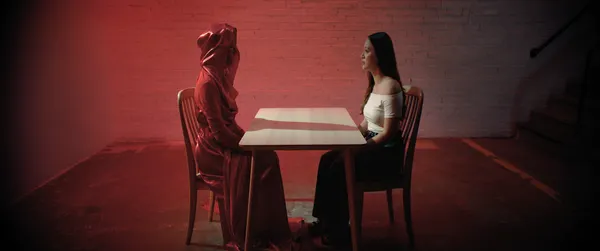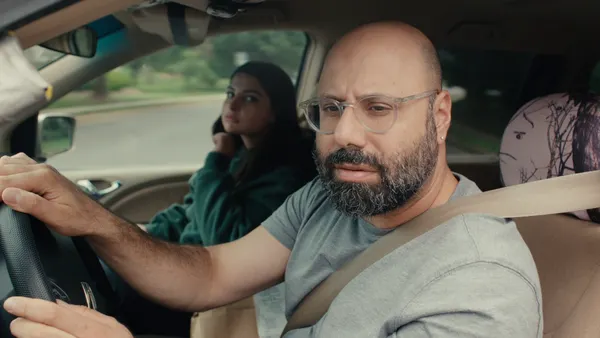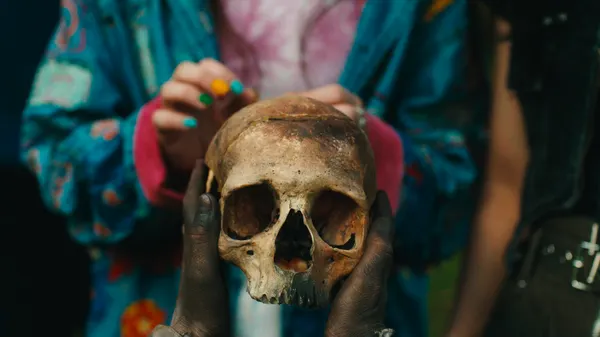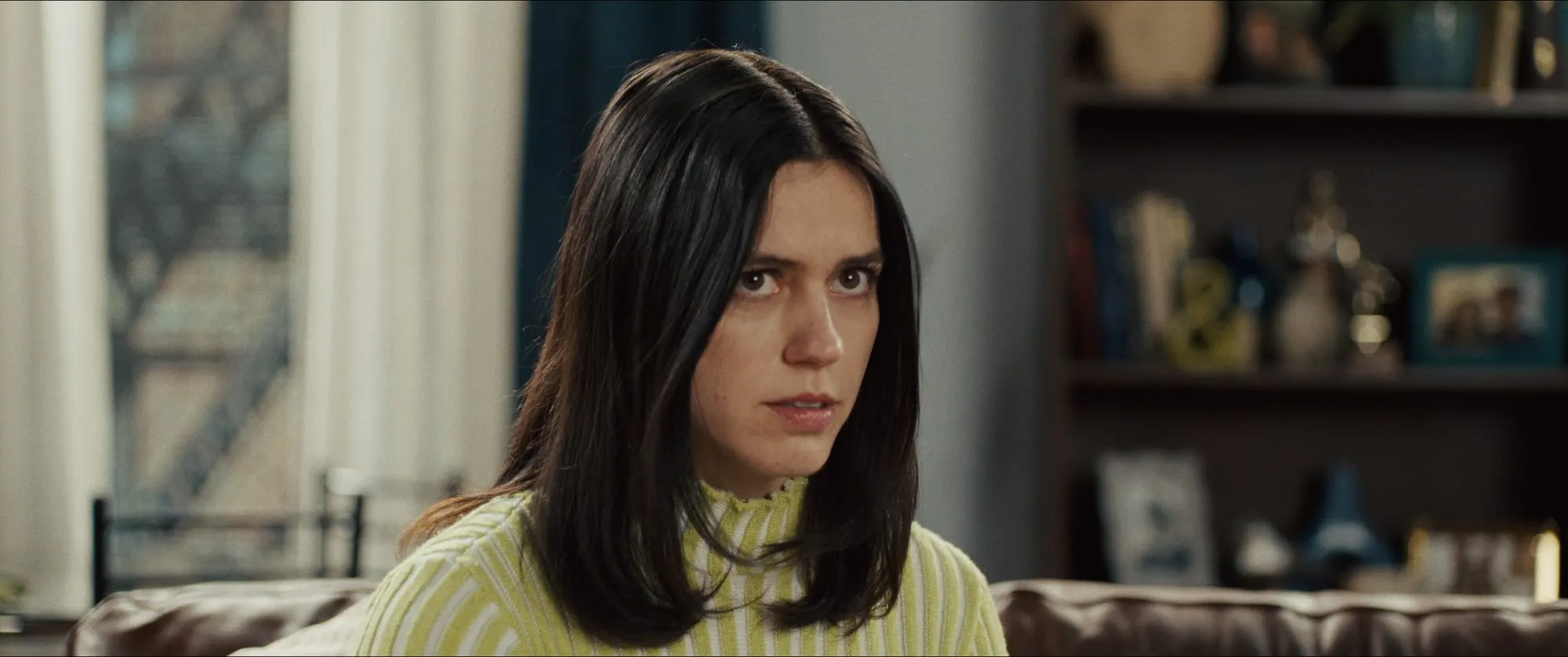
The premise arrives fully loaded: two sitcom actors are held hostage by a crazed fan and forced to reenact a new version of their show's series finale. In Friends Like Us, the beloved series within the film has ended wrong — characters Sarah and Danny break up, and David, the show's most devoted viewer, cannot accept it. Devastated, he takes matters into his own hands, with fatal consequences.
Toronto-based Iraqi-Canadian writer-director Ray Savaya has built a career moving between comedy and drama — a Jimmy Kimmel Live! competition win, a "couch gag" guest writing credit on The Simpsons, and the CBC Short Film Face Off National Grand Prize for Newborn — and here he finally fuses the two. Friends Like Us premiered at the Fantasia International Film Festival and now arrives at FilmQuest, a dark comedy with a thriller's pulse and a real question underneath it: why do we love fictional people so much?
Key Takeaways
- Savaya wanted a project that blends comedy and drama, and found the balance largely in the edit after testing both tones on set.
- Cinematographer Mike McLaughlin shot with two different cameras to separate the "sitcom" world from the "reality" world, on a sitcom set physically built for the film.
- The fantastical plot is deliberate — a vehicle for real themes of celebrity worship, friendship, and loneliness.
Savaya spoke with us about tone, obsession, and knowing when to let an edit go.
Interview
What drew you to make this film, and why this story, why now?
Having found success in my own work in both comedy and drama, I wanted to create a project that blends the two. For this particular story, I've always found it interesting to explore why people connect so deeply with their beloved fictional characters in film and television. As someone who works in the film and TV industry, I find this topic personally relatable, as it explores how closely we can feel connected to fictional stories.
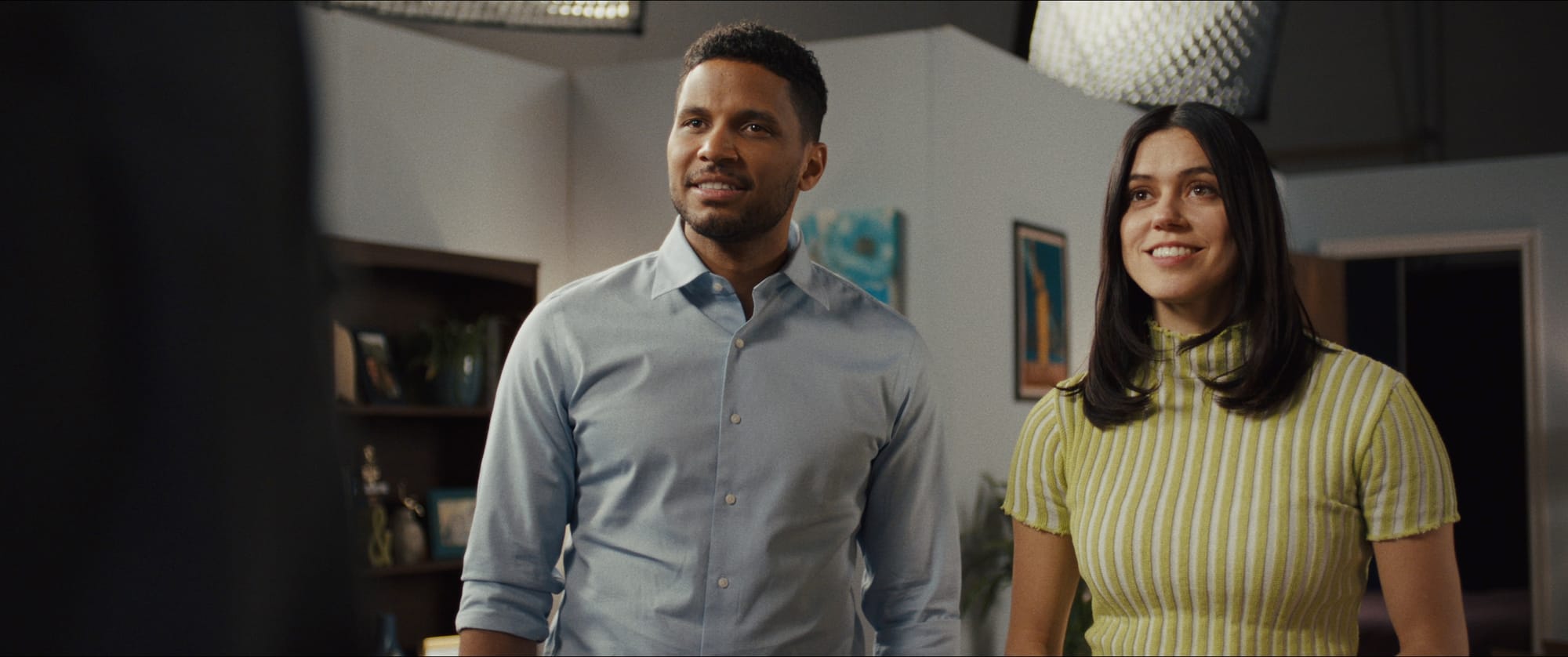
How does your film fit within, or push the boundaries of, its genre or form?
It's mainly a tense thriller with comedic elements. The plot is intentionally fantastical. This film is a dark comedy that touches on real themes of society's connection to television, friendships, celebrity worship and loneliness.
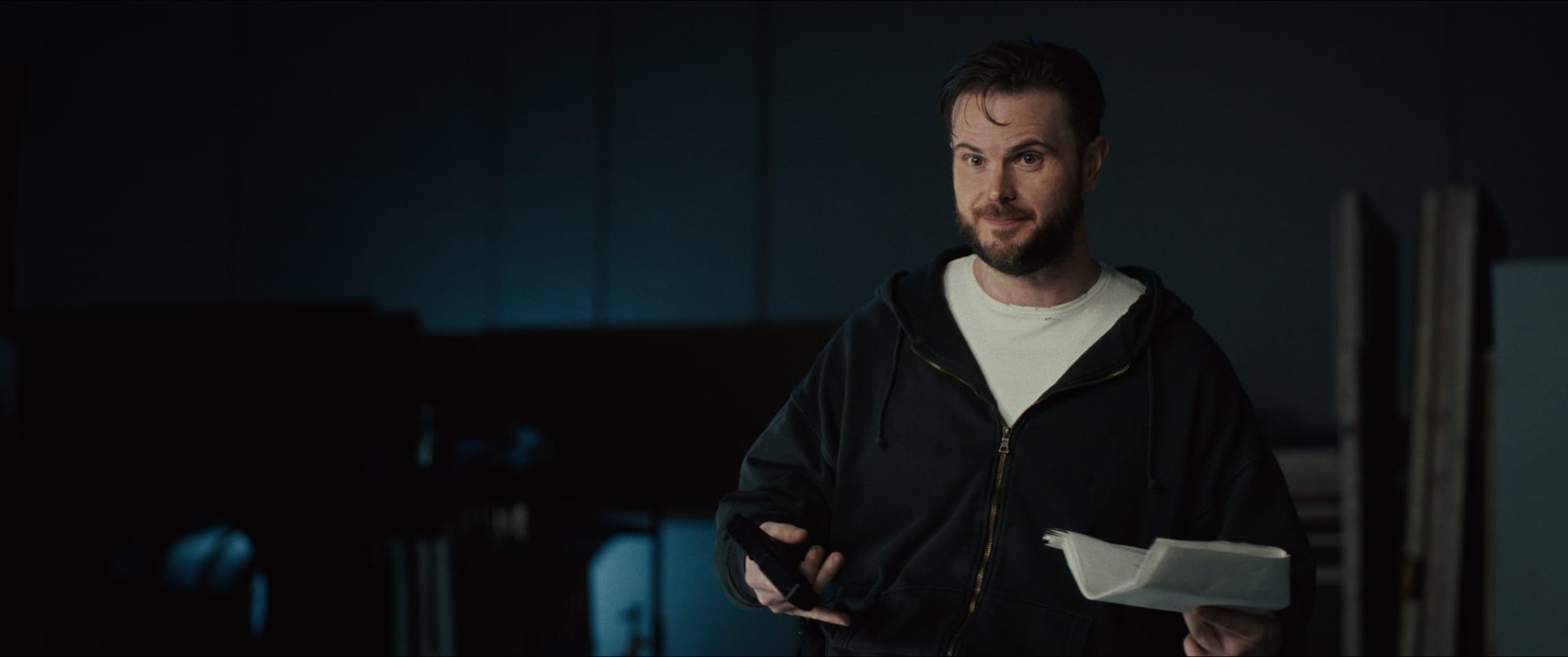
What surprised you most about the filmmaking process, creatively or logistically, including any moment on set or in post that changed how you saw the story?
The biggest lesson this time was tone. How dramatic should it be? How humorous should it be? We experimented with different approaches on set, and I was surprised by how both could work equally well in certain takes. In the end, we spent a lot of time in the edit trying to strike the right balance.
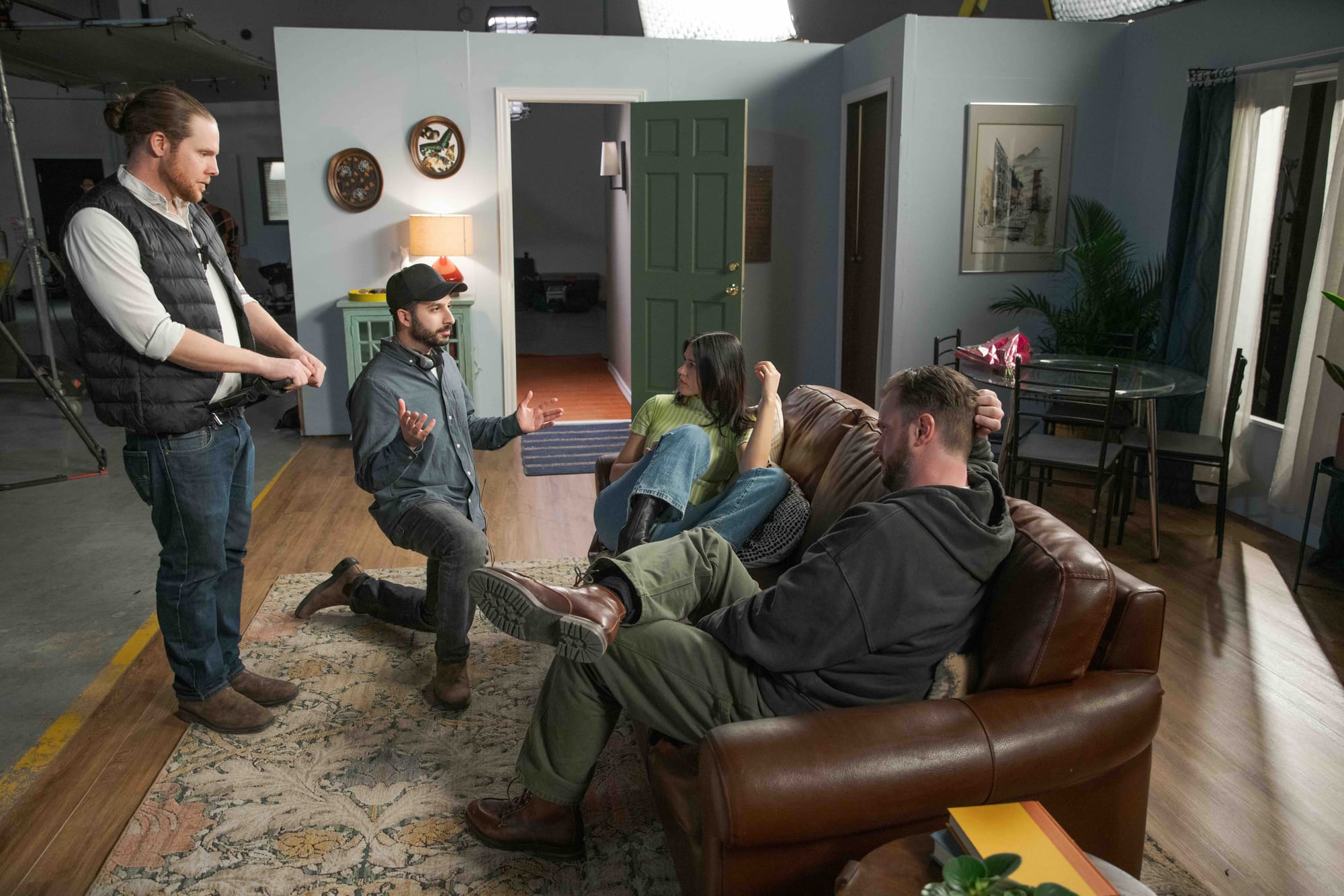
What moment in the film feels most like you, or like something only you could have made?
When watching the film, one moment that feels most like me is when David, the crazed fan played by Ryan McDonald, actually joins the sitcom world. It makes me laugh every time. The situation is so absurd, and that's very much my type of humour.
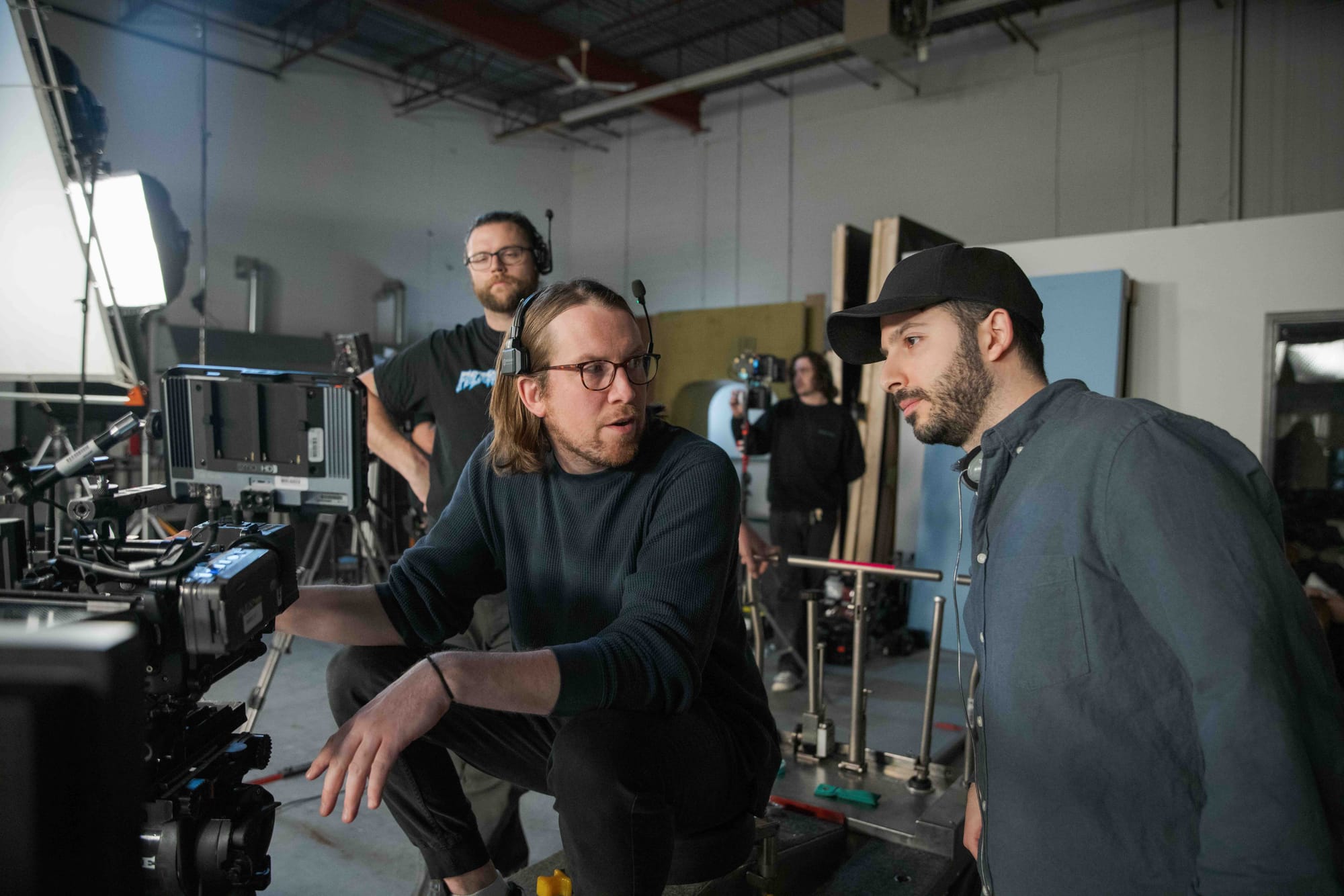
What was the hardest creative decision you made while making the film?
Locking the film's edit. We spent a lot of time and effort on the project, so it's easy to get sucked into constantly tweaking it. At some point, though, you have to let it go and put it out into the world.
What tool, technique, resource, collaborator, or mindset shift helped most during production?
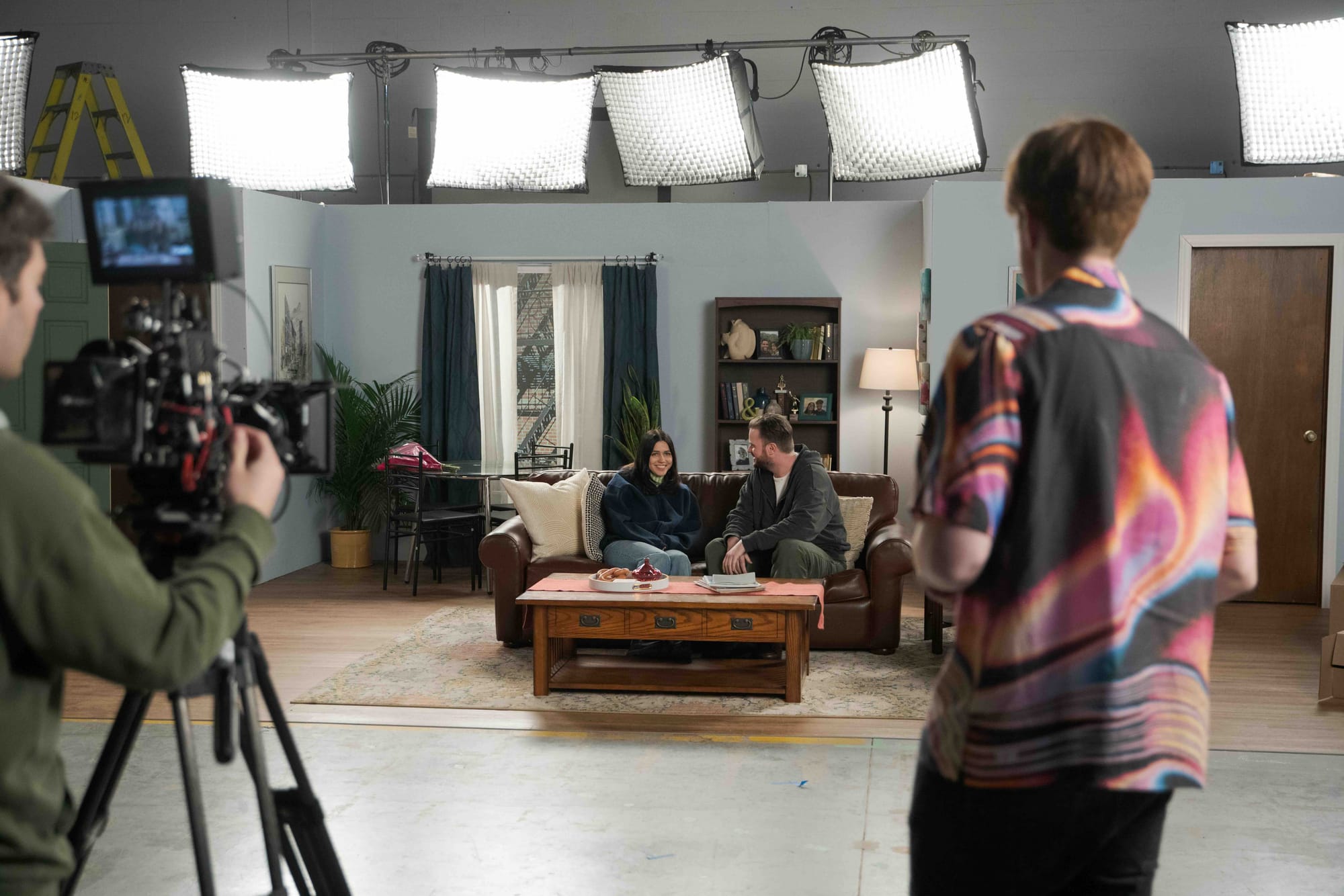
Having the sitcom set physically built helped me better envision the project and how we would approach it. With production designer Natasha Uhrig and art director Jamie Hiltstone bringing the world to life, alongside our cinematographer Mike McLaughlin filming with two different cameras to capture both the "sitcom" and "reality" worlds, the film's overall vision really came together on set once all the pieces were in place.
What is the greatest strength of independent filmmaking, and what lesson would you share with others?
Original ideas shared out of genuine passion by an individual and their team. I always try to push for that in every project I make. The lesson is if you have a good idea, always believe in yourself and try your best to see it through.
What does it mean to have your film selected for FilmQuest, and where do you see the film going next?
Proud to see the short film making its way in front of another genre-loving audience. It means a lot to myself and the team. Thank you FilmQuest! Currently, I hope the film continues its festival run and reaches a wider audience. Eventually, I'd love to expand the idea into a feature film. I'm thrilled with how this short film turned out and with the feedback we've received. I'd love to explore more thriller-comedy stories in the future, perhaps leaning further into horror.
What do you hope audiences take away from this film?
I want viewers to be immersed in the film's thrilling journey, while reflecting on the film's themes of society and television. At the core of all my work is a desire to entertain.
Main Cast & Crew
- Nina Kiri (Actor) — Serbian-Canadian actress best known for playing Alma in the Hulu series The Handmaid's Tale (2017–2025). She subsequently starred as Evy in the psychological horror film Undertone (2025), an A24 production that screened at the 2026 Sundance Film Festival. Kiri was also nominated for Best Lead Performance in a Drama Film at the 2026 Canadian Screen Awards for her portrayal of Sandra Perron in Out Standing (2025).
- Ryan McDonald (Actor) — Born in New Westminster, British Columbia, Canada. He is an actor and producer known for Bad Blood (2017), Black Conflux (2019), and Fringe (2008). He was also nominated for Best Actor at the 8th Canadian Screen Awards for his performance in Black Conflux (2019).
- Andrew Bushell (Actor) — Actor, improviser, and writer. He currently stars in AMC's The Audacity (2026). Although best known for his romantic leading roles in numerous Hallmark and Lifetime movies, he has also appeared in the TIFF films Close to You (2023) and Dinner With Friends (2025). Andrew is also an accomplished improviser who has performed on Second City's Mainstage.
- Ray Savaya (Writer-Director) — Iraqi-Canadian director based in Toronto. Ray's comedic directorial short film debut won a competition for Jimmy Kimmel Live! and Ray was also selected as a "couch gag" guest writer for the twenty-fourth season finale of The Simpsons. In 2018, Ray wrote and directed Newborn, officially selected by over twenty film festivals including the Academy Award qualifying Bermuda International Film Festival, and awarded $40,000 as the National Grand Prize Winner of CBC's Short Film Face Off.
- Natasha Uhrig — Production Designer
- Jamie Hiltstone — Art Director
- Mike McLaughlin — Cinematographer
Filmmaker Opportunities
💛 Fund your next project with fiscal sponsorship
Have a project in the works? As a 501(c)(3) nonprofit, the Cinematography for Actors Institute can accept tax-deductible donations on your film's behalf — a door-opener for grants, foundations, and supporters who want to back your work. We've serviced over 100 projects to date and helped route over $800,000 in funding to filmmakers. Explore fiscal sponsorship →
📬 Grant deadlines and festival opportunities, straight to your inbox
The CFA newsletter rounds up grants, festival calls, and community news for independent filmmakers — the kind of opportunities that are easy to miss and painful to miss. Join the newsletter →
🎬 Focus on the creative — we'll help with the logistics
Production Management, CFA's newest member program, launches this November: production insurance and workers' comp, payroll, film permits, gear rental coordination, SAG-AFTRA compliance, contract drafting, production consulting, and crew recommendations — handled by a team of working filmmakers, à la carte or all in, in partnership with Creative Access Group. It's waitlist-only until launch. Join the waitlist →
League of Filmmakers is published by our parent organization, the Cinematography for Actors Institute — a 501(c)(3) dedicated to education, community, and capital for underrepresented filmmakers and actors. Learn more about CFA →