Table of Contents
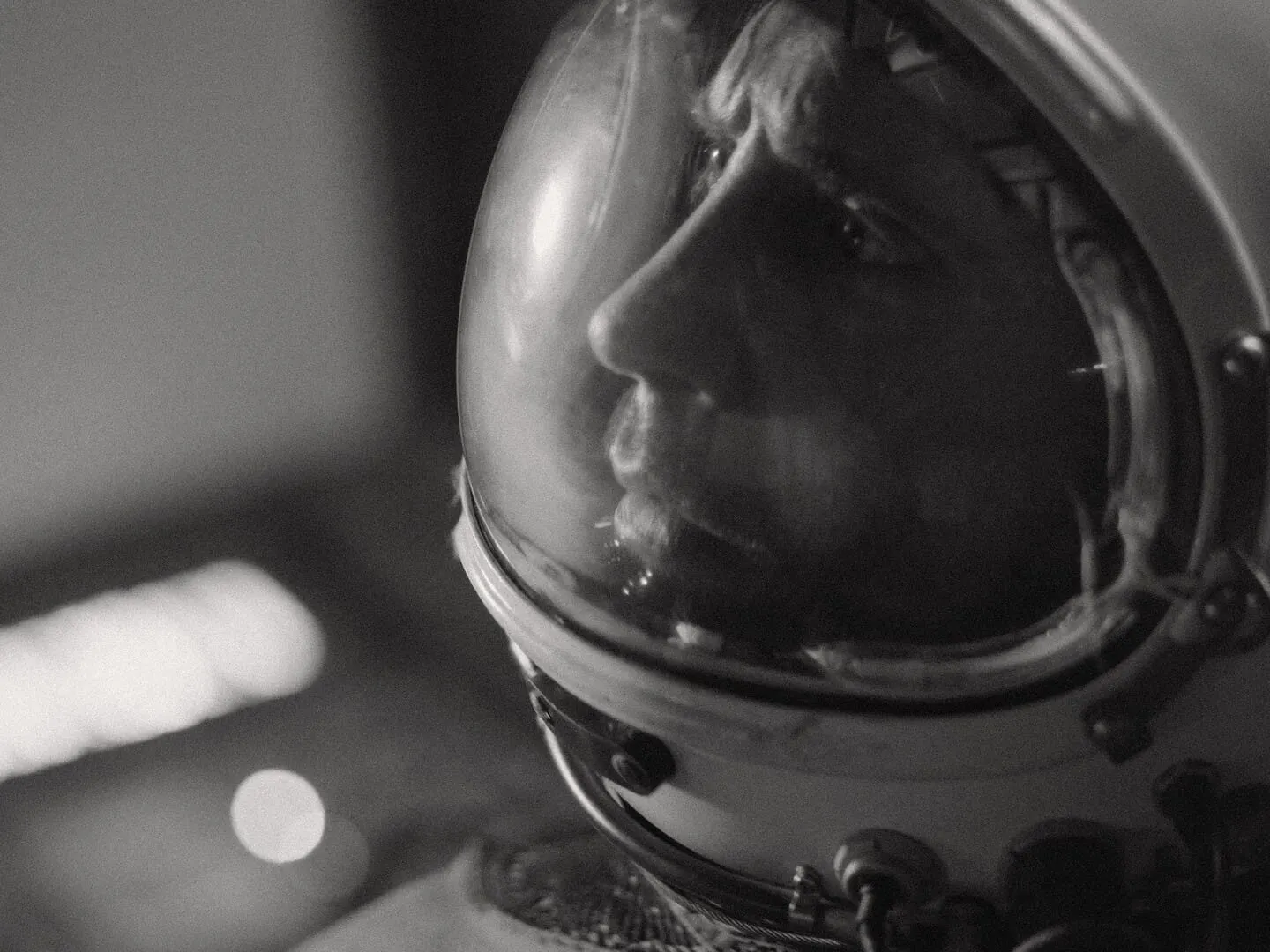
Angad Aulakh's Aurora begins where most science fiction ends: with a single survivor, a catastrophic accident, and the farthest reaches of space closing in. But Aulakh is less interested in the mechanics of disaster than in the interior weather of a man facing a reckoning he never imagined. The result is a film that uses genre as a landscape for grief, renewal, and, ultimately, hope.
What makes Aurora distinct is its refusal to explain itself. Aulakh and his producing partner and lead actor, Guy Kent, kept subtracting — dialogue, exposition, effects — until what remained was emotion and mystery. The film also carries something Aulakh rarely saw growing up: Punjabi and Sikh identity woven naturally into a contemporary Western genre story, part of the emotional architecture rather than decoration.
Key Takeaways
- Aurora uses the vocabulary of science fiction to explore grief, faith, and identity, trusting silence and ambiguity over explanation.
- The film draws on Sikh philosophy and Punjabi culture to reimagine what audiences instinctively recognize as sacred.
- Every visual effect was crafted by human VFX artists, a deliberate choice in an era increasingly defined by AI.
Aulakh spoke about the personal losses that shaped the film, the discipline of restraint, and why culturally specific storytelling can also be the most universal.
Interview
What drew you to make this film, and why this story, why now?
This story found us at a moment when questions of grief, hope, and meaning stopped being philosophical and became deeply personal. During the making of the film, my producing partner Guy Kent lost a parent and a home in the Los Angeles fires. Suddenly, time felt distorted. Some days seemed endless while entire months disappeared in the wake of these events. That emotional reality naturally found its way into the film.
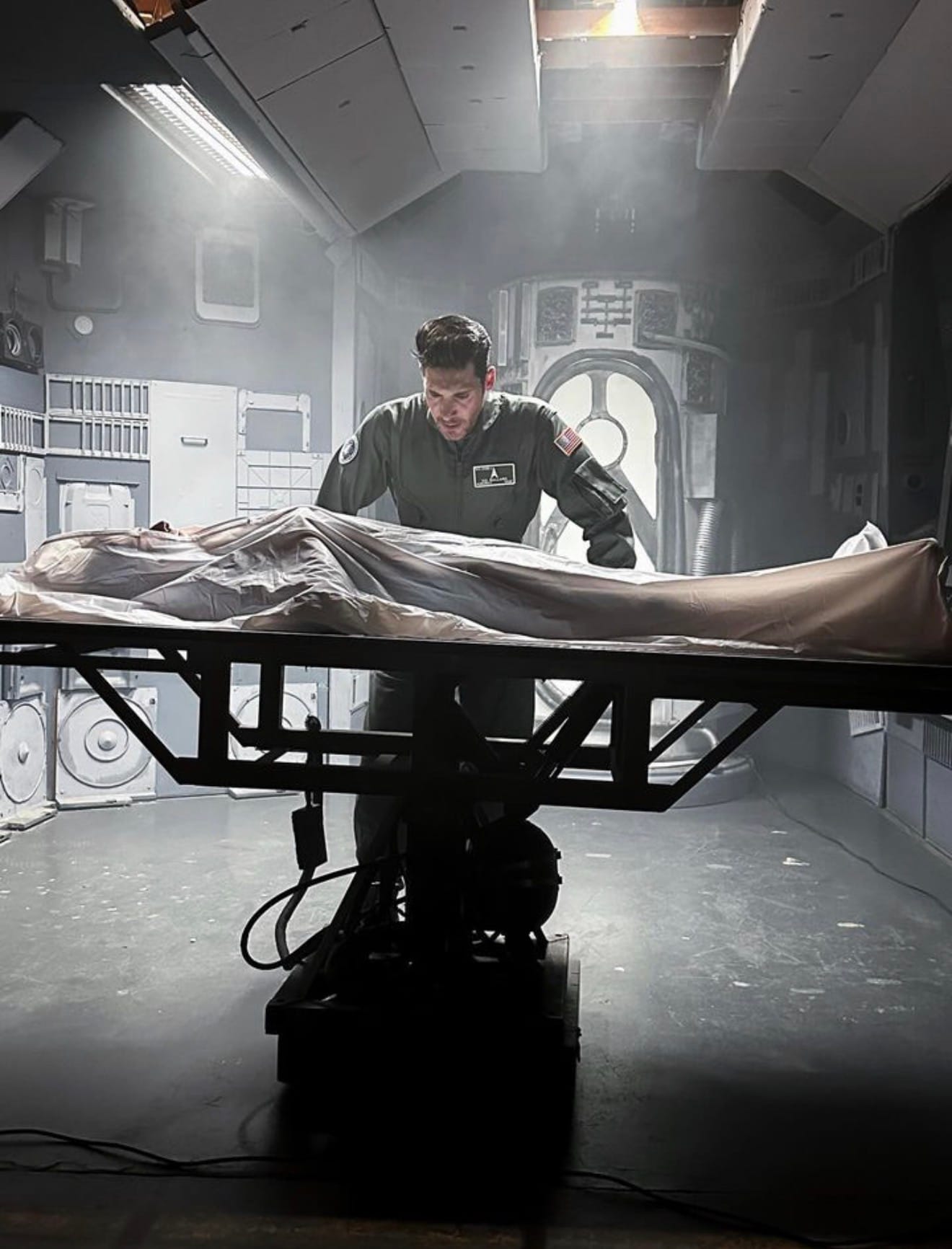
I've always been fascinated by science fiction because it gives us permission to ask deeply human questions through extraordinary circumstances. Here, space became a landscape for grief, renewal, and ultimately hope. At the same time, I wanted to create the kind of film I rarely saw growing up, one where Punjabi and Sikh identity exists naturally inside a contemporary Western genre story without needing to explain itself. That felt just as important as the emotional journey itself.
What surprised you most about the filmmaking process, creatively or logistically?
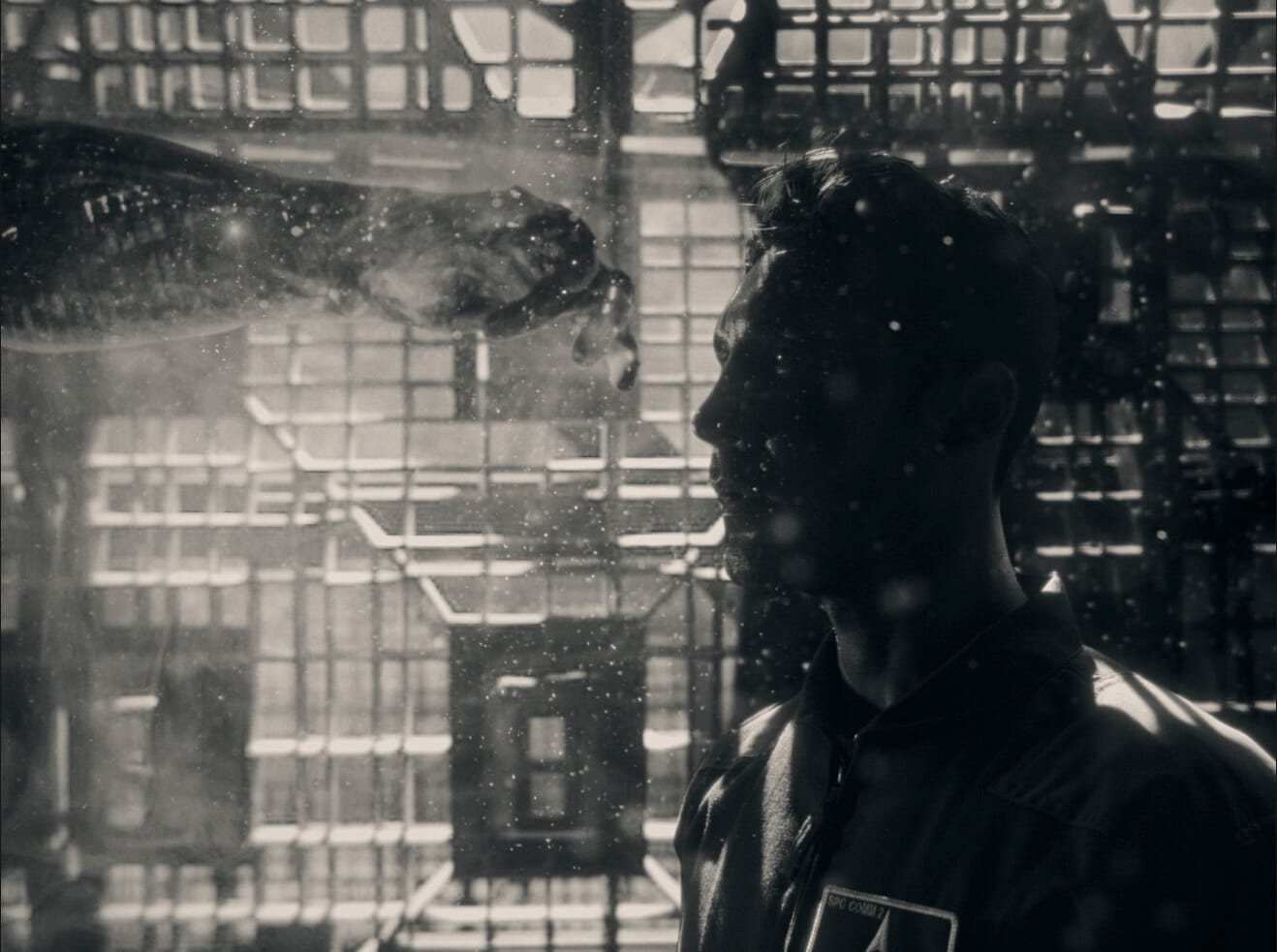
The biggest discovery was that restraint made the film more powerful. Guy Kent and myself are very hands on, and we constantly found ourselves removing rather than adding, whether it was dialogue, visual effects, or exposition. In post, we realized the emotional experience became stronger every time we trusted the silence and ambiguity of Guy's outstanding performance. Rather than explaining the mystery, we allowed the audience to live inside it alongside Freddie. That shifted the film from being about what happens to him into how the experience transforms him.
What moment in the film feels most like you, or like something only you could have made?
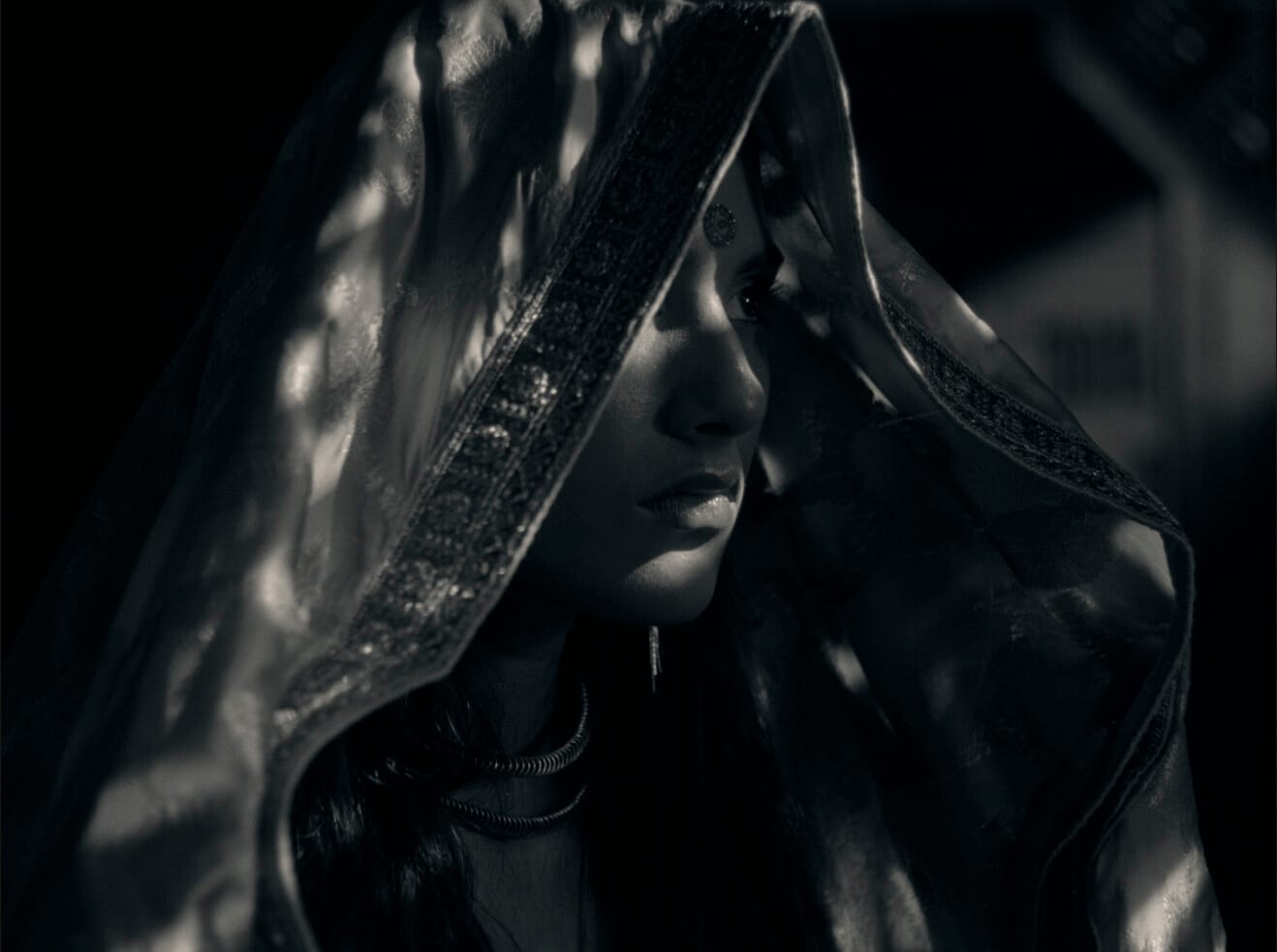
The final encounter feels the most personal. Rather than presenting divinity through imagery audiences have seen countless times, we chose to draw from Sikh philosophy and Punjabi culture to create something spiritually familiar to me but rarely represented in Western science fiction. That moment isn't about introducing another mythology. It's about quietly expanding what audiences instinctively recognize as sacred. It's the emotional center of the film, where grief gives way to acceptance without pretending loss ever disappears.
What was the hardest creative decision you made while making the film?
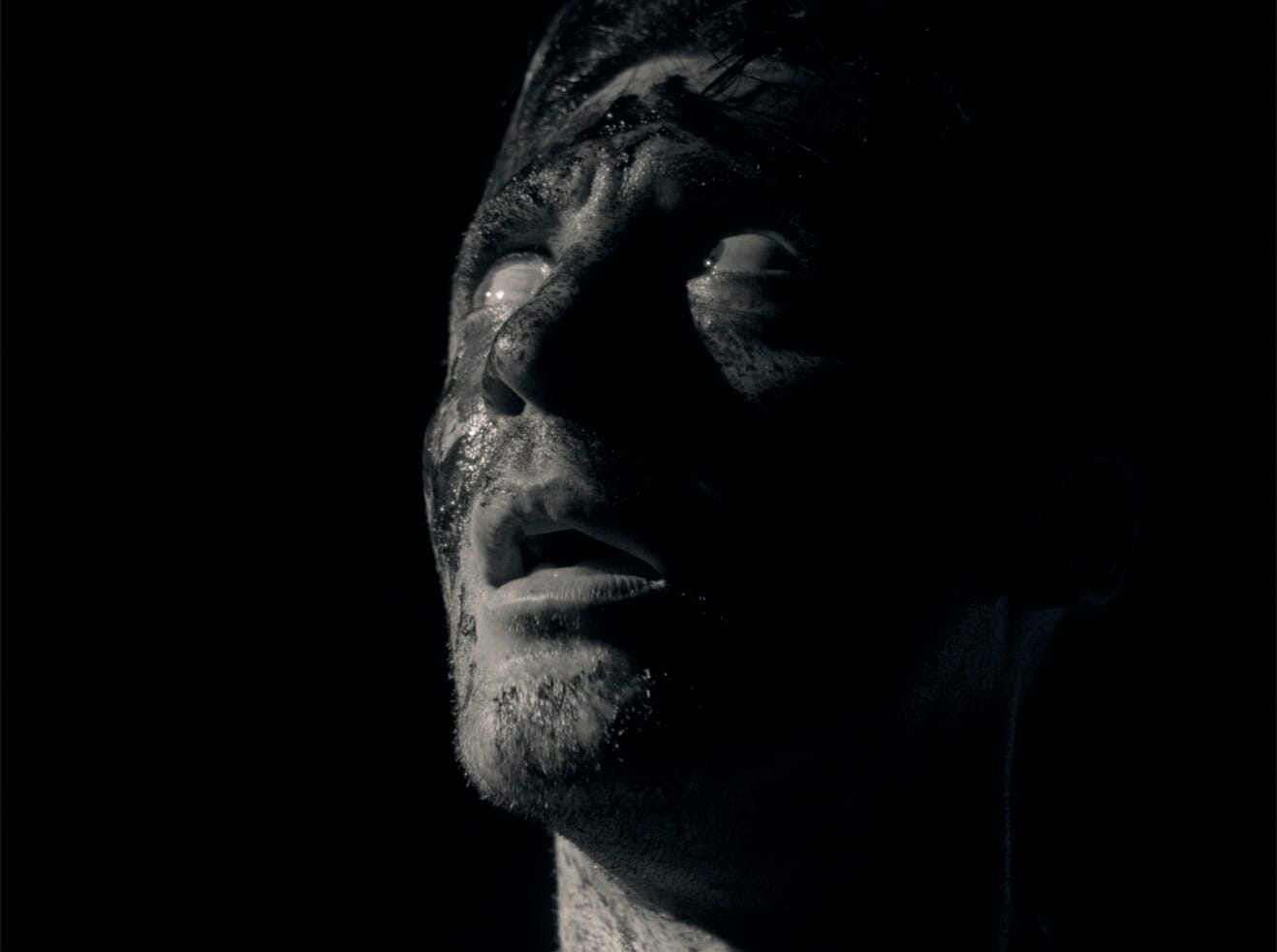
Science fiction often encourages answers, but grief doesn't. We wanted the audience to feel what Freddie experiences rather than solve it. That meant trusting visual language, performance, and emotion over exposition, even when it was tempting to provide clearer answers. It required believing that mystery can sometimes be more emotionally honest than certainty.
What tool, technique, or mindset shift helped most during production?
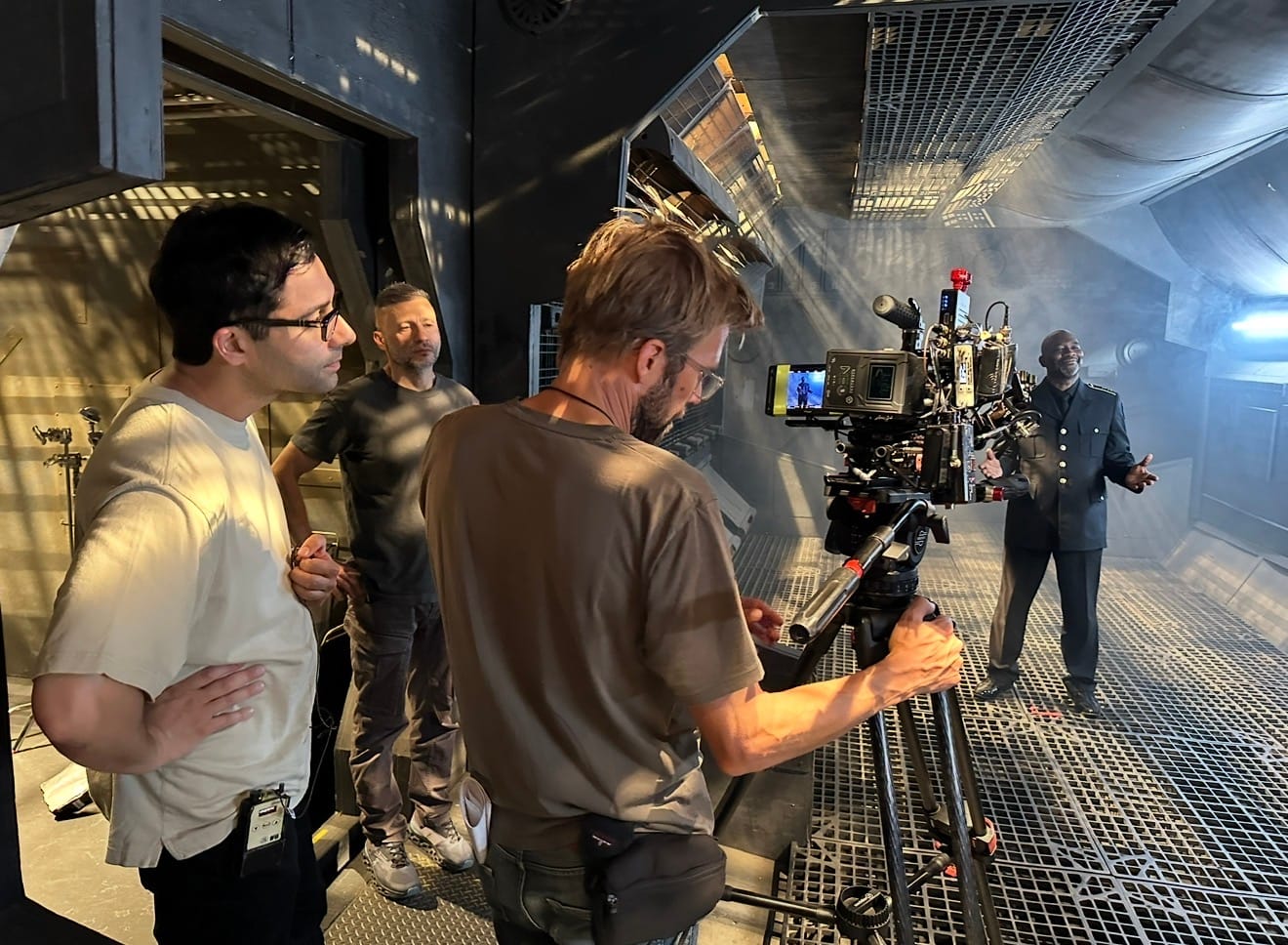
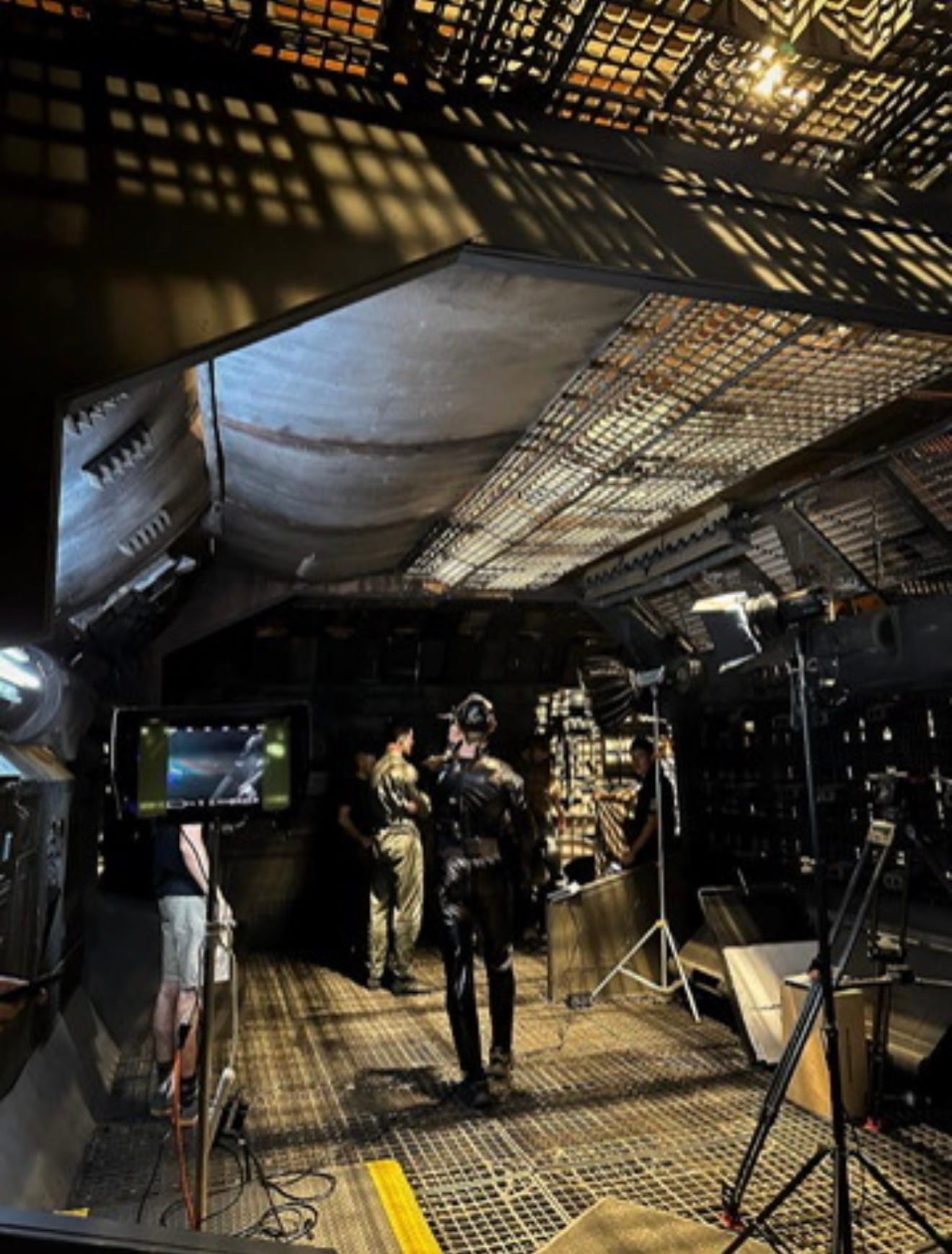
The biggest mindset shift is always to embrace limitations as creative opportunities rather than obstacles. Every challenge forced us to become more intentional. Instead of asking, "How do we make this bigger?" we kept asking, "How do we make this more meaningful?" That philosophy shaped every department.
And despite living in an era increasingly defined by AI, we were committed to building this world through artists. Every visual effect was crafted under the tutelage of VFX artists because the humanity of the story deserved the humanity of its creation.
What do you hope audiences take away from this film?
I hope people leave feeling just a little less afraid of grief. Not because the film offers easy answers, but because it suggests that love, memory, and hope continue to exist even when life changes irreversibly. If someone walks away feeling comforted, inspired to have a conversation they hadn't before, or simply reminded that healing isn't linear, then we've accomplished what we set out to do.
At the core of all my work is a desire to find hope in the places where people expect to find only darkness.
What does it mean to have your film selected for HollyShorts, and where do you see it going next?
It's an incredible honor. HollyShorts has become one of the most respected launching pads for filmmakers working at the highest level of short-form storytelling, so to premiere Aurora there is deeply meaningful. For a film this personal, it's especially gratifying because it means audiences will encounter it exactly where we hoped it would begin its journey: alongside bold, ambitious work from filmmakers around the world.
We hope Aurora continues its journey through the international festival circuit and sparks conversations with audiences across cultures. Beyond that, we see it as the beginning of something larger. The film was conceived as both a complete emotional experience and a proof of concept for a larger story, one that continues exploring these ideas of grief, spirituality, identity, and humanity through ambitious cinematic science fiction. Most importantly, we hope it simply finds people who need it, wherever they are.
Main Cast & Crew
- Angad Aulakh — Director/Writer/Producer
- Guy Kent — Producer/Lead Actor. Coming off Chris Peters' feature The Place Between opposite Samantha Sloyan; recently wrapped Katherine LaVeaux's Hell for the Company and Aulakh's Aurora; recurring on the Signal Award-winning narrative podcast Ominous Thrill. He led Aulakh's Oscar/BAFTA-qualified Resurrektor (2023) and the Oscar-qualified The Atomic Dream. Best Actor (Short Form) winner at Amsterdam IFF, with nominations including the Max Von Sydow Award at Stockholm Film & TV Festival, the Lion Award at Rotterdam, and Best Actor at Tokyo Shorts.
- Jennalynn Ponraj — Supporting Actress
- Ethan Daniel Corbett — Supporting Actor
Filmmaker Opportunities
💛 Fund your next project with fiscal sponsorship
Have a project in the works? As a 501(c)(3) nonprofit, the Cinematography for Actors Institute can accept tax-deductible donations on your film's behalf — a door-opener for grants, foundations, and supporters who want to back your work. We've serviced over 100 projects to date and helped route over $800,000 in funding to filmmakers. Explore fiscal sponsorship → You can also catch our 3rd annual financing panel at HollyShorts.
📬 Grant deadlines and festival opportunities, straight to your inbox
The CFA newsletter rounds up grants, festival calls, and community news for independent filmmakers — the kind of opportunities that are easy to miss and painful to miss. Join the newsletter →
🎬 Focus on the creative — we'll help with the logistics
Production Management, CFA's newest member program, launches this November: production insurance and workers' comp, payroll, film permits, gear rental coordination, SAG-AFTRA compliance, contract drafting, production consulting, and crew recommendations — handled by a team of working filmmakers, à la carte or all in, in partnership with Creative Access Group. It's waitlist-only until launch. Join the waitlist →
League of Filmmakers is published by our parent organization, the Cinematography for Actors Institute — a 501(c)(3) dedicated to education, community, and capital for underrepresented filmmakers and actors. Learn more about CFA →