Table of Contents
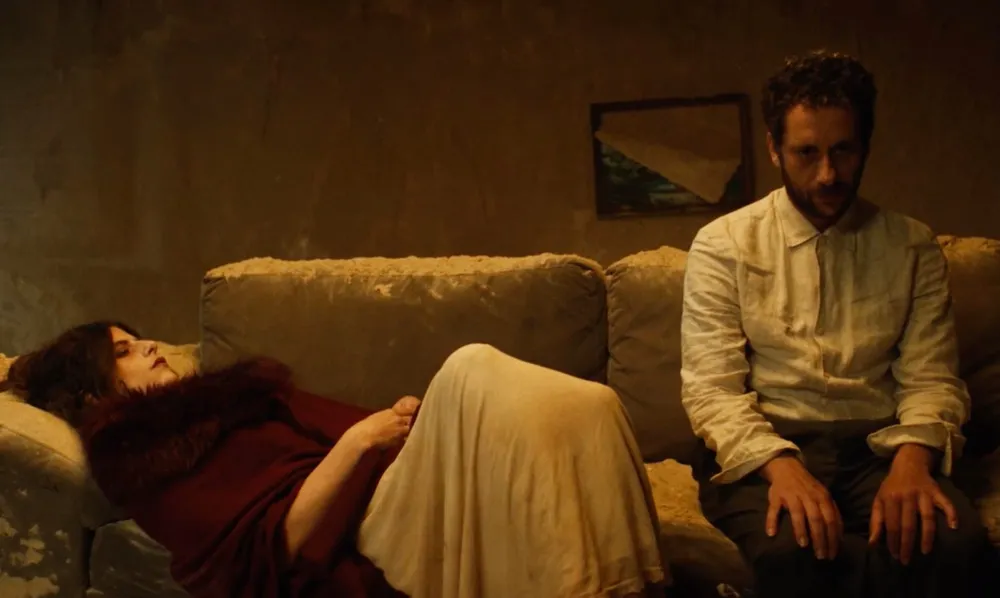
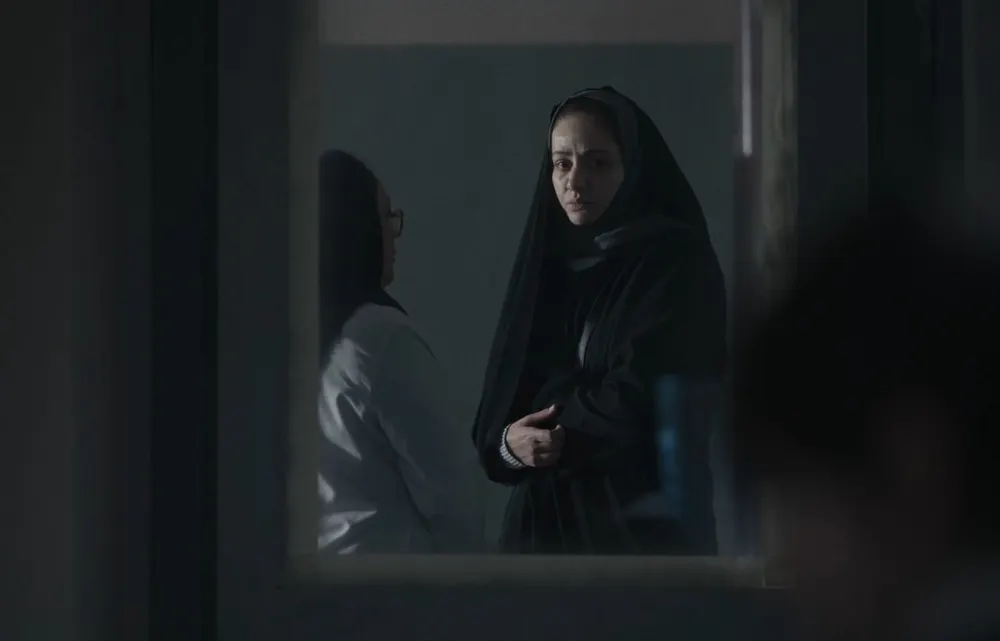
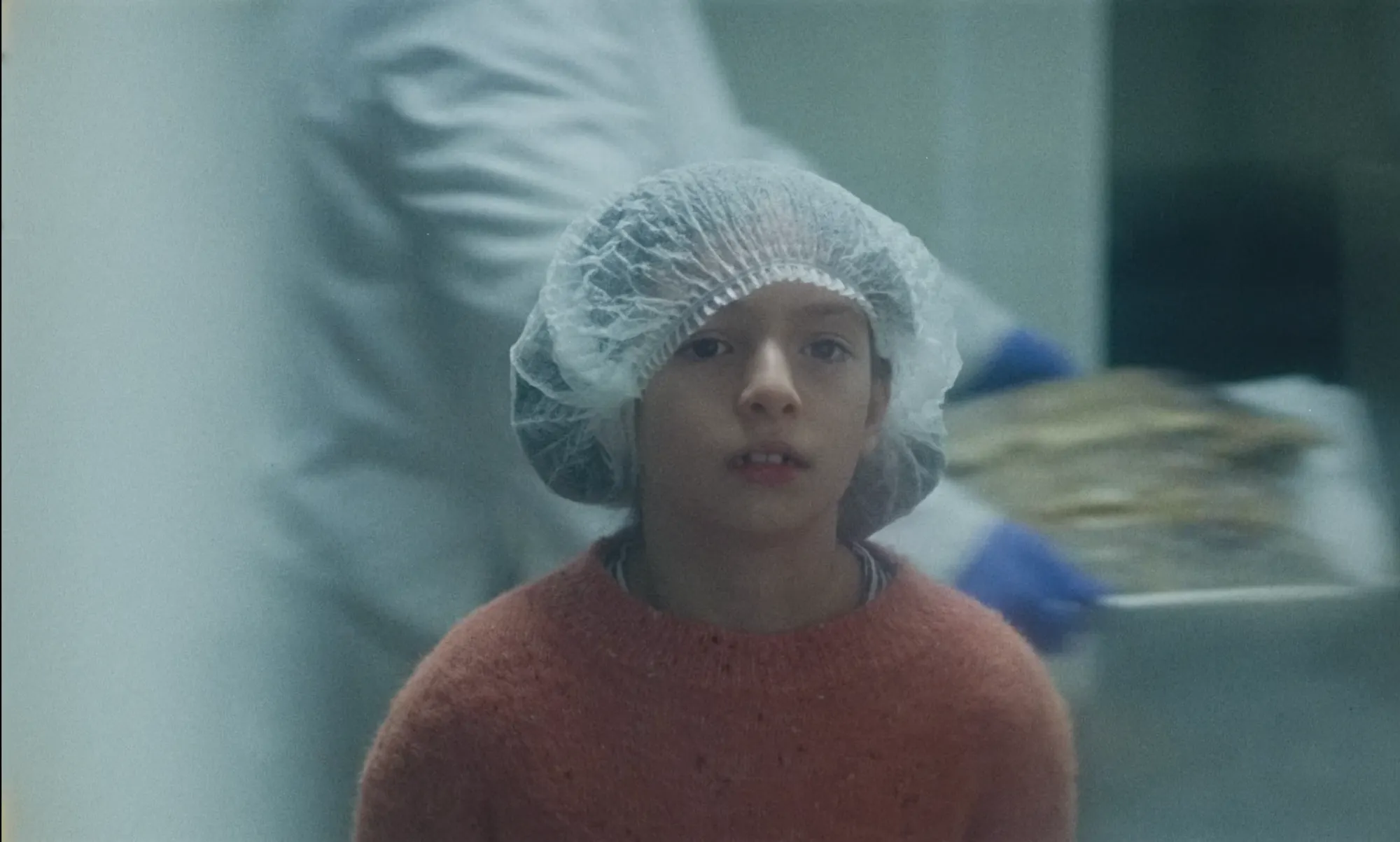
Renata and Boris are divorced Russian immigrants co-parenting their daughter, Katya, in Seattle. Renata works long shifts at a fish factory, Boris on a construction site, and their fragile arrangement holds — until a phone call from Renata's sickly mother in Moscow sets a quieter, more difficult decision in motion. Katya, the debut short from writer-director Timofey Pozhitkov, watches that decision take shape without ever raising its voice.
Pozhitkov, a Russian filmmaker based in the United States, wrote the film while trying to understand what being Russian meant after leaving the country following the full-scale invasion of Ukraine. The result is a work rooted in social realism but shaped by literature and poetry — a study of migration less as a political event than as an existential state. After premiering at the 2026 Seattle International Film Festival, Katya arrives at HollyShorts for its second screening.
Key Takeaways
- Katya treats migration as an emotional and existential condition, not a headline — the pull of a home you can no longer recognize.
- Shot on 16mm through the conviction of a small community of collaborators, it's a case study in what trust can achieve where budgets can't.
- It's the first chapter of a planned three-part triptych set in Washington State, centering Eastern European communities with nuance.
Pozhitkov spoke with us about identity, restraint, and the questions that outlast a border crossing.
Interview
What drew you to make this film, and why this story, why now?
I wrote Katya while trying to understand what being Russian meant after leaving the country following the full-scale invasion of Ukraine. The film became a way to wrestle with questions of identity, home, and whether it's ever possible to leave the place that shaped you behind.

What do you hope audiences take away from this film?
I hope audiences leave with a greater empathy for the contradictions of migration. Katya isn't about one's position as much as it is about the emotional pull of home, even when home has become a place you can no longer recognise.

What tool, technique, resource, collaborator, or mindset shift helped most during production?
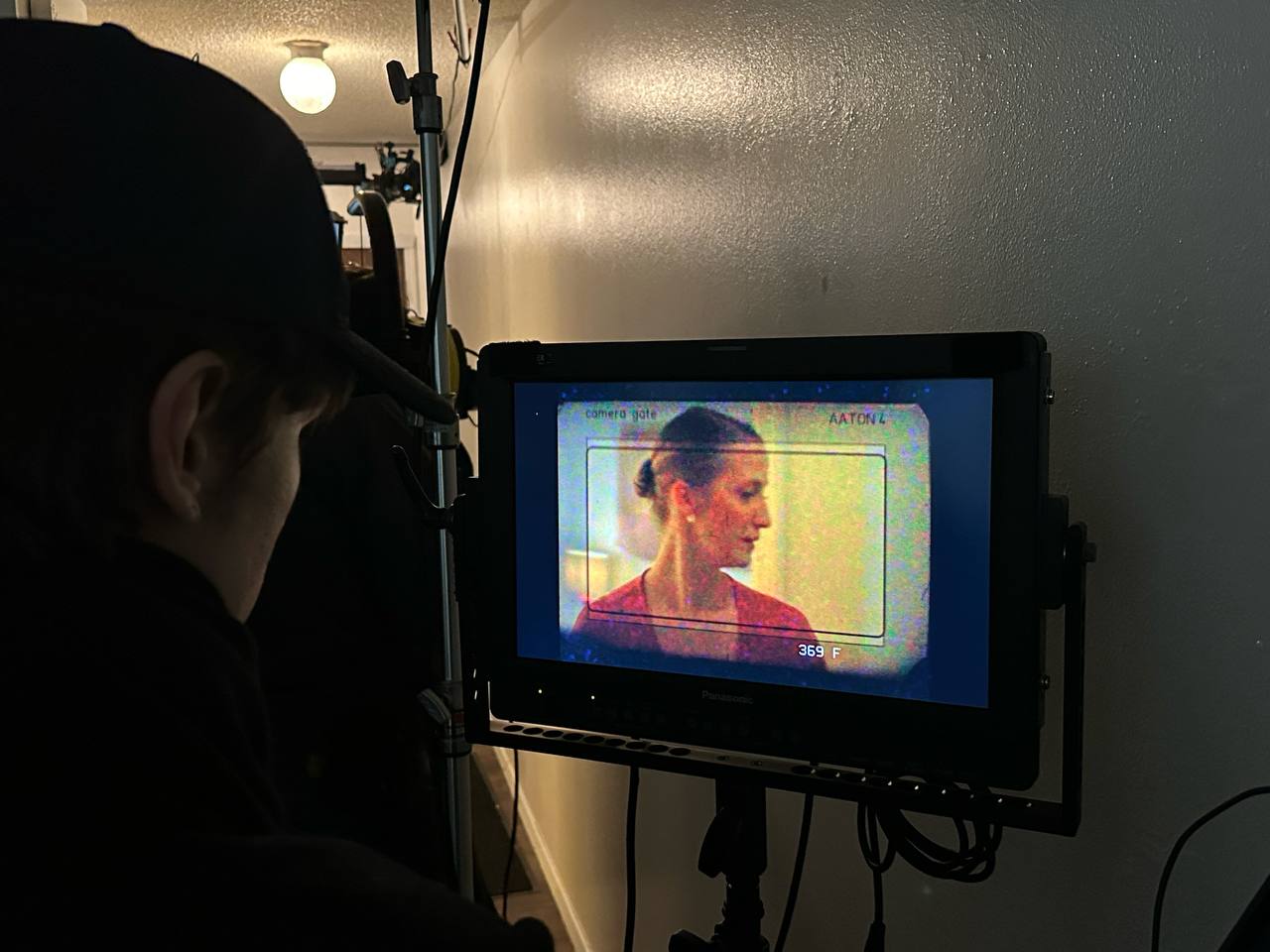
The biggest shift was learning to trust restraint. I was blessed to discover innate collaborators in DP Ryan Zemke and lead Ksenia Boisvert. The dance between the three of us became telepathic, relying on instinct rather than certainty.
What is the greatest strength of independent filmmaking, and how did you lean into it on this project?
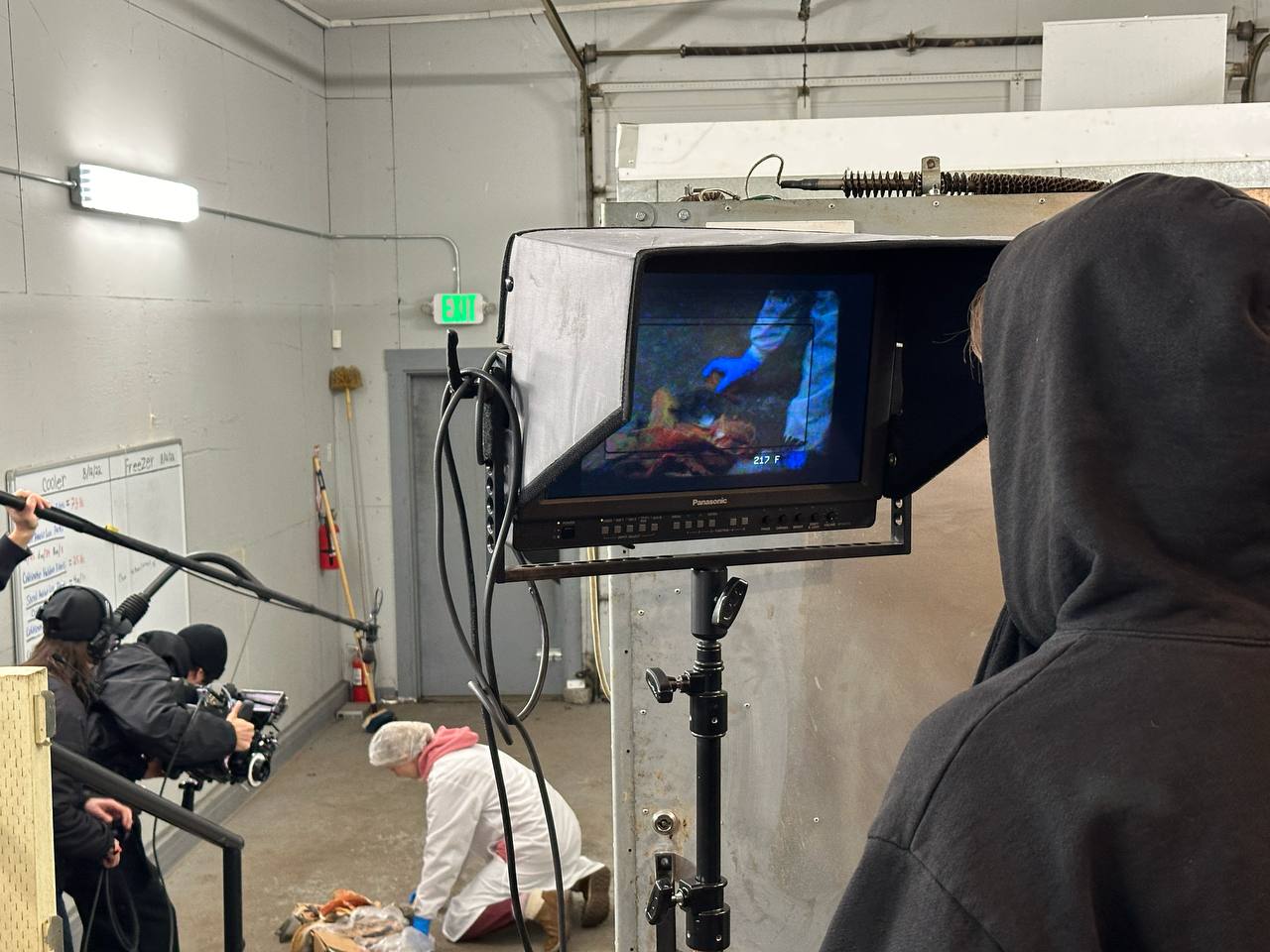
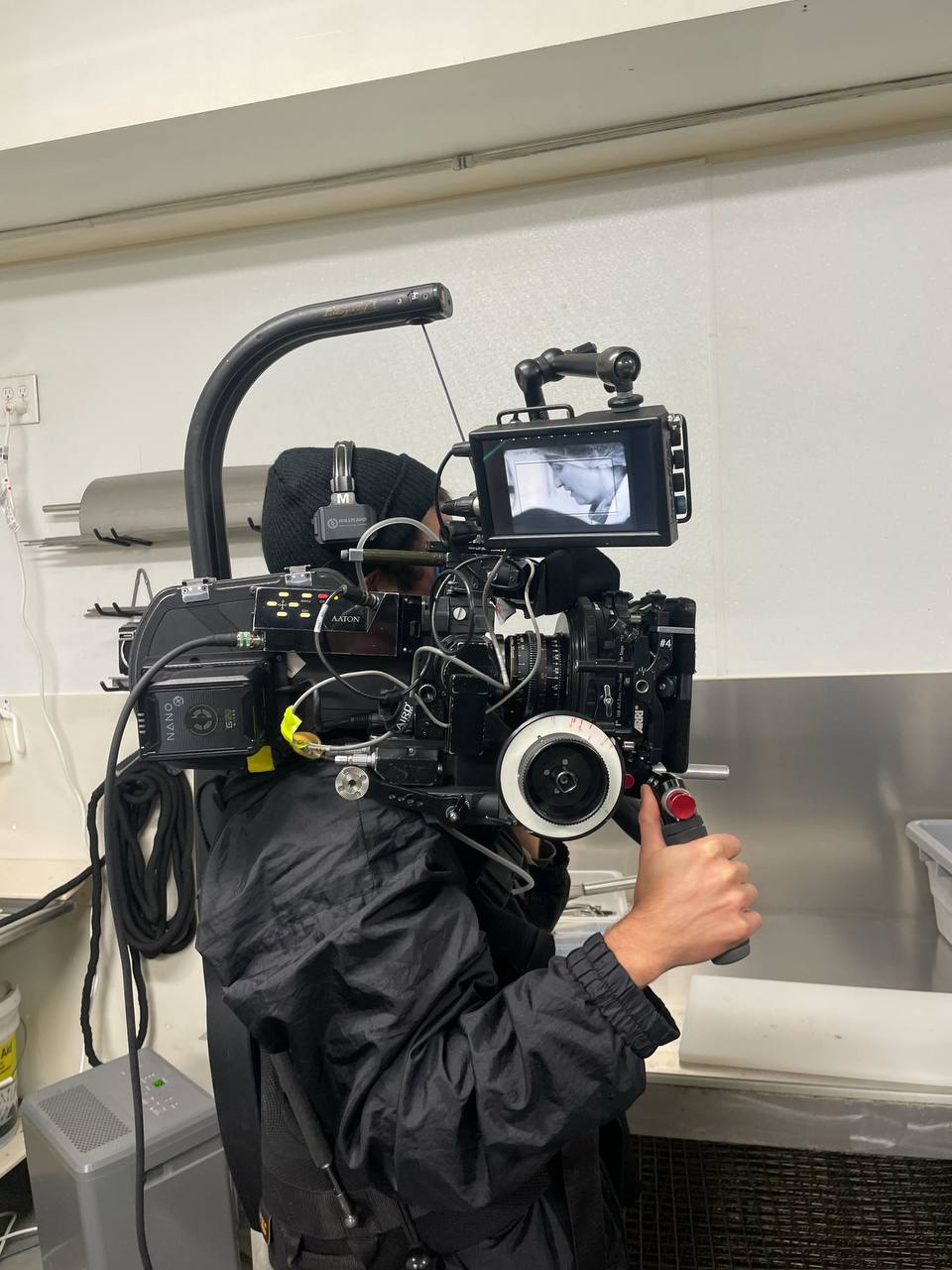
The greatest strength of independent filmmaking is its ability to bring together people around a shared artistic belief rather than commercial expectation. Katya was only possible because a community of collaborators believed in shooting on 16mm film despite its challenges. Conviction and trust can often achieve what budgets alone cannot.
How does your film fit within, or push the boundaries of, its genre or form?
While Katya is rooted in social realism, it finds its language in literature and poetry. Rather than following conventional dramatic beats, the film unfolds through memory, treating migration less as a political event, more as an existential state.
How has this film shaped or shifted the kinds of stories you want to tell next?
Katya is the first chapter of a three-part triptych that takes place in Washington State. Making it reinforced my interest in intimate stories that explore larger historical and cultural forces through family relationships. It's made me even more committed to telling stories about Eastern European communities with nuance and emotional honesty. At the core of all my work is a desire to understand how history shapes the private lives of ordinary people.
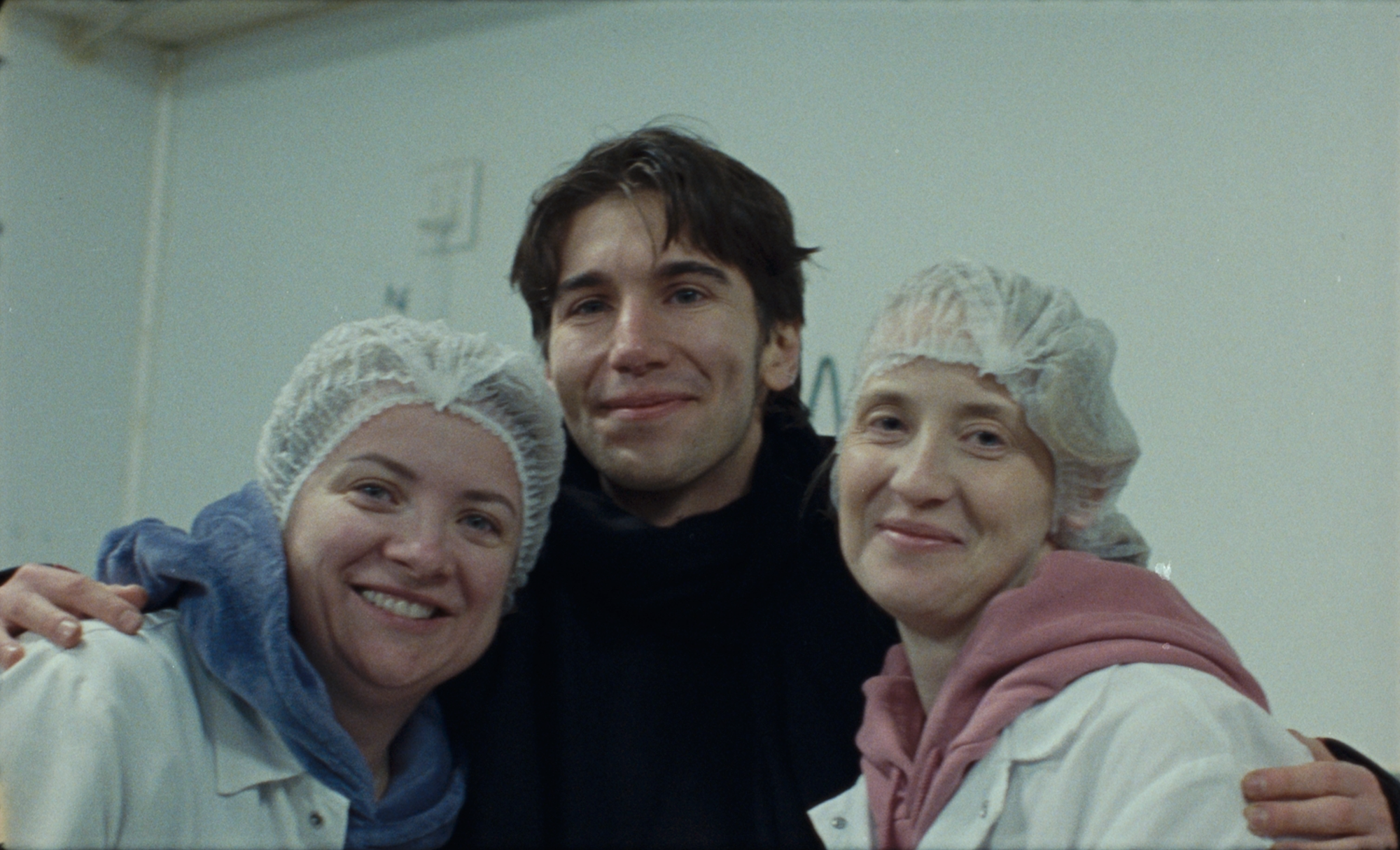
What does it mean to have your film selected for HollyShorts, and where do you see it going next?
It's an incredible honour and a meaningful milestone for the film. HollyShorts is our second screening after our premiere at Seattle International Film Festival. I'm especially grateful that a story centered on the immigrant experience and Eastern European identity has found a platform with such an international audience and programme. We have some autumn screenings lined up, and I'm excited to continue its festival journey, particularly throughout Eastern Europe, where its questions of identity and belonging remain particularly resonant. I hope it sparks conversations across borders about the complicated relationship we have with the places we call home.
Main Cast & Crew
- Timofey Pozhitkov — writer, director. A Russian filmmaker based in the United States. His debut short film, Katya, premiered at the 2026 Seattle International Film Festival and was a finalist for the Sundance Ignite fellowship.
- Anton Yarush — co-writer. Born February 7, 1985 in Yekaterinburg, Russia, he is a writer and director known for Unclenching the Fists (2021), Closeness (2017) and Chuzhie Zemli (2025).
- Nancy Pappas — producer. A Congolese American film and video producer, archival researcher, and film programmer based in Seattle. Her diverse upbringing fueled her interest in cultural studies, focusing on archival theory and third cinema.
- Ksenia Boisvert — lead actress. She began acting at age nine in Riga, Latvia, and has since appeared in theater productions, immersive performances, films, and TV shows across Europe and the US. Her Seattle debut as Margarita in Master and Margarita earned a Gregory Award and was widely acclaimed by critics and audiences.
Filmmaker Opportunities
💛 Fund your next project with fiscal sponsorship
Have a project in the works? As a 501(c)(3) nonprofit, the Cinematography for Actors Institute can accept tax-deductible donations on your film's behalf — a door-opener for grants, foundations, and supporters who want to back your work. We've serviced over 100 projects to date and helped route over $800,000 in funding to filmmakers. Explore fiscal sponsorship →
📬 Grant deadlines and festival opportunities, straight to your inbox
The CFA newsletter rounds up grants, festival calls, and community news for independent filmmakers — the kind of opportunities that are easy to miss and painful to miss. Join the newsletter →
🎬 Focus on the creative — we'll help with the logistics
Production Management, CFA's newest member program, launches this November: production insurance and workers' comp, payroll, film permits, gear rental coordination, SAG-AFTRA compliance, contract drafting, production consulting, and crew recommendations — handled by a team of working filmmakers, à la carte or all in, in partnership with Creative Access Group. It's waitlist-only until launch. Join the waitlist →
League of Filmmakers is published by our parent organization, the Cinematography for Actors Institute — a 501(c)(3) dedicated to education, community, and capital for underrepresented filmmakers and actors. Learn more about CFA →