Table of Contents
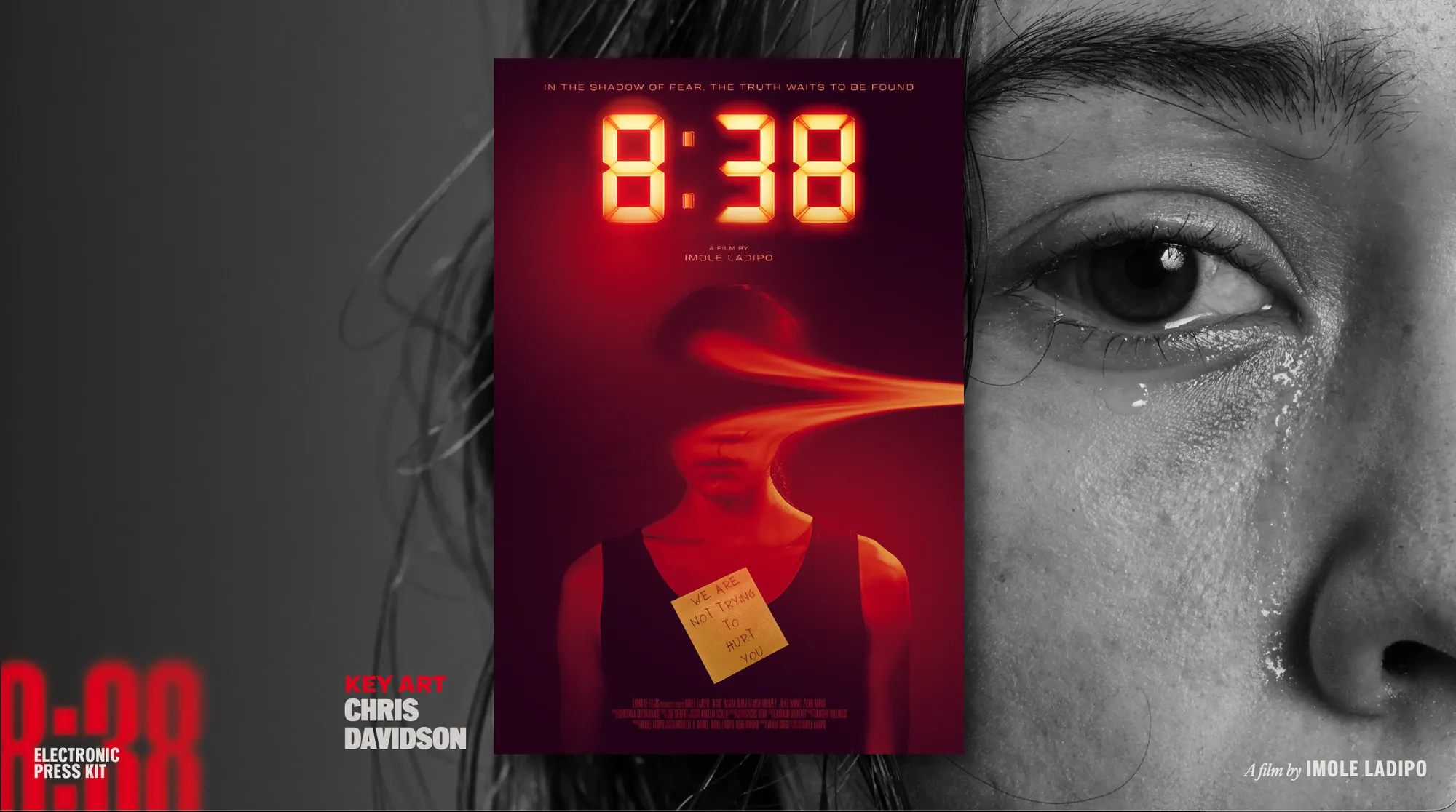
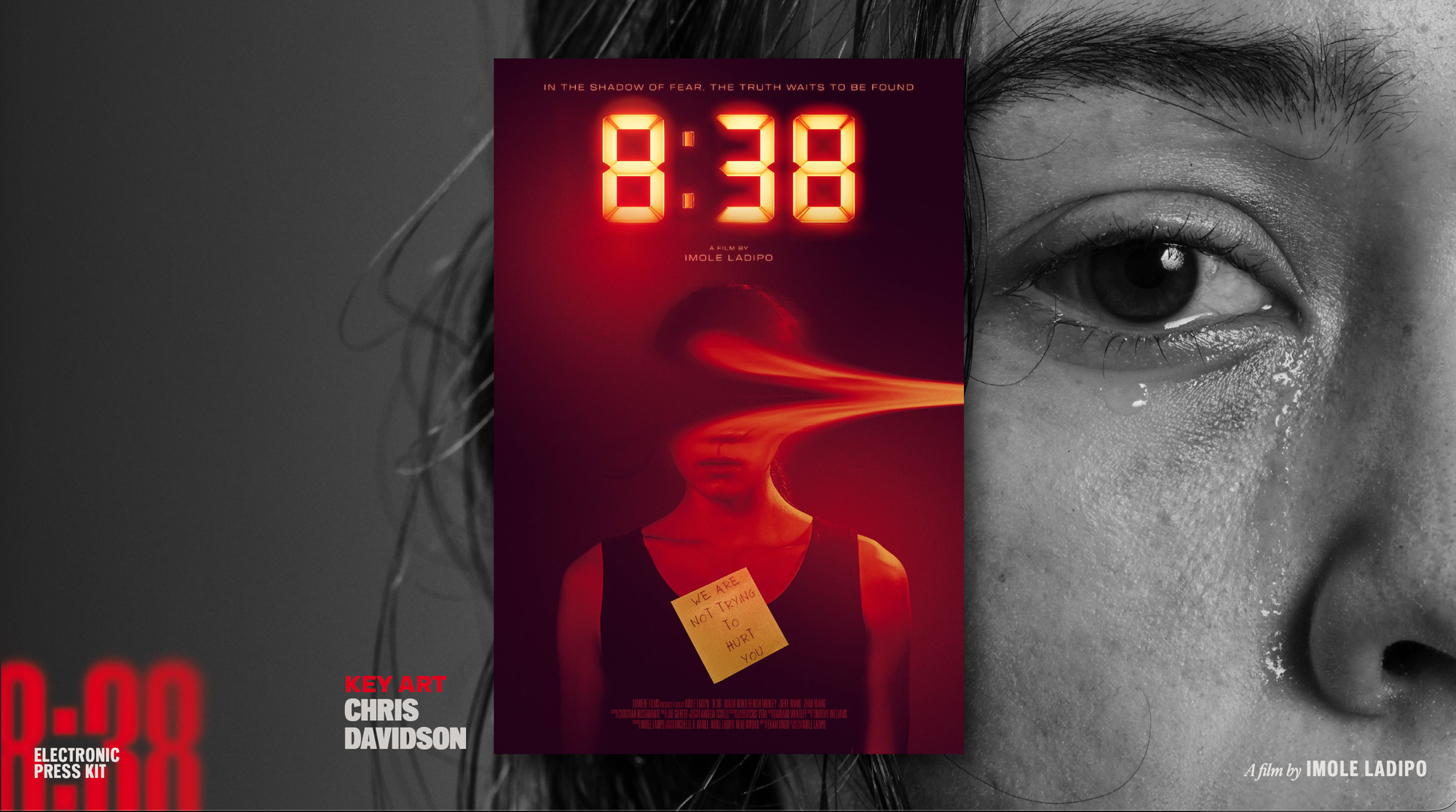
May wakes in an unfamiliar room with no memory and one lifeline call. She has eight minutes and thirty-eight seconds to find the truth — but she cannot be sure whether the voice on the line is guiding her or hiding something. 8:38, the psychological thriller from Nigerian-born, Texas-based writer-director Imole Ladipo, uses that ticking clock to dramatize something Ladipo watched unfold in his own family.
The film grew directly out of his grandmother's struggle with memory loss. Rather than observe that experience from the outside in a conventional drama, Ladipo chose the language of suspense, letting fear, uncertainty, and disorientation become the audience's own. The result is a genre film with an unmistakably human center.
Key Takeaways
- 8:38 is a contained psychological thriller inspired by Ladipo's grandmother's memory loss, built to make audiences feel that confusion rather than watch it.
- The film's power comes from restraint — silence, close-ups, and a lead performance that carries nearly the entire story.
- Ladipo's engineering background and his executive producer's steady support shaped a resourceful, purpose-driven production that leaned into its limits.
Ladipo spoke with us about honoring his family's journey, trusting silence over twists, and the shot he refused to simplify.
Interview
What drew you to make this film, and why this story, why now?
My grandmother is the reason this film exists.
As she began experiencing short-term memory loss, I watched someone who had always been a constant source of love slowly struggle with moments that once came so naturally. There were days she recognized everyone around her, and other days when memories seemed just out of reach. Watching those changes was heartbreaking, not only because of what she was forgetting, but because of how isolating and frightening that experience could be.
I wanted to tell a story that captured that feeling from the inside rather than simply portraying it from the outside. Instead of making a traditional drama, I chose the language of a psychological thriller. Fear, uncertainty, and confusion become the audience's experience, allowing them to inhabit the same emotional space as someone questioning their own memory. The countdown of eight minutes and thirty-eight seconds mirrors the urgency of trying to hold onto identity before it slips away.
What surprised you most about the filmmaking process, including a moment on set or in post that changed how you saw the story?
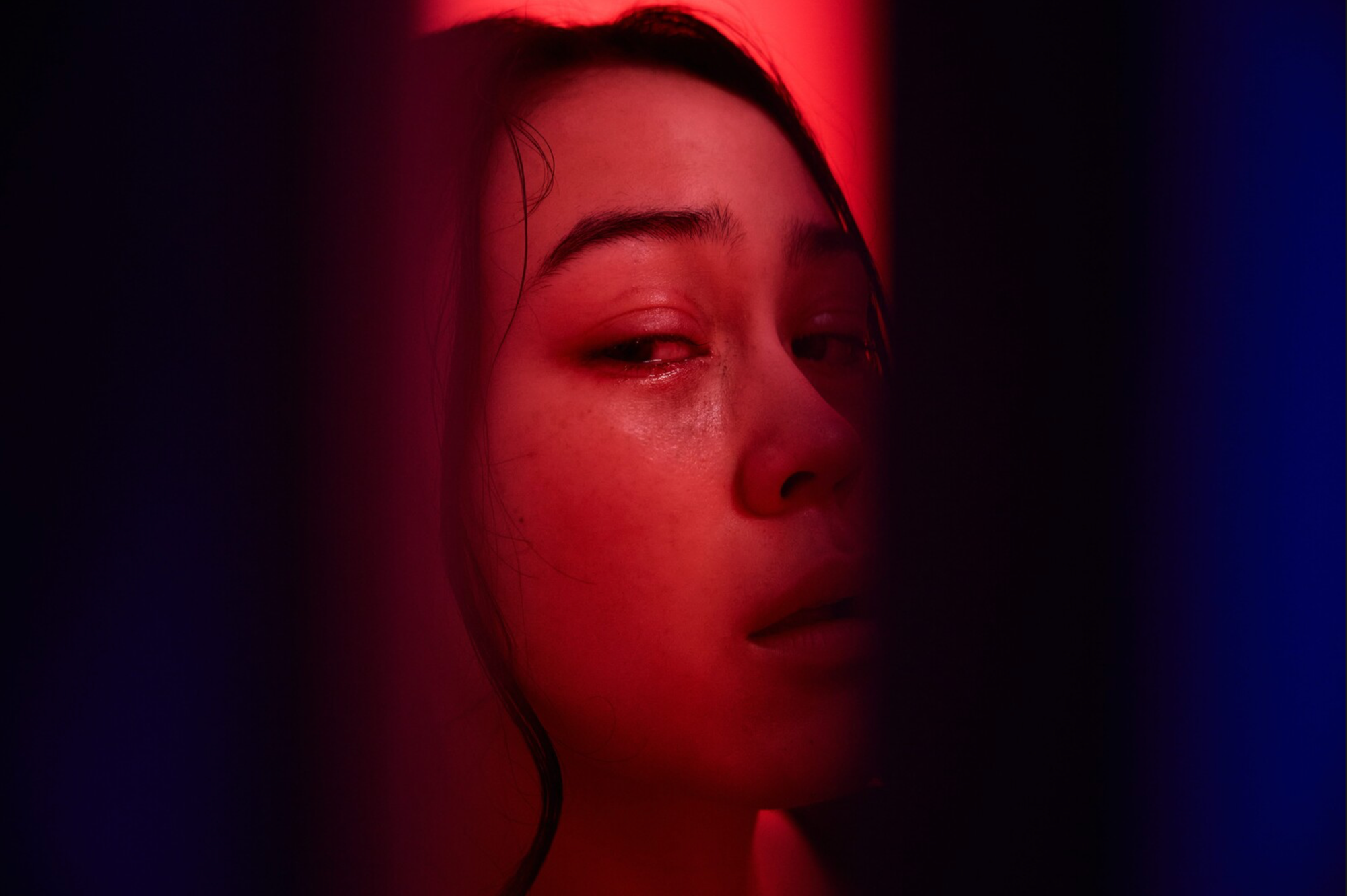
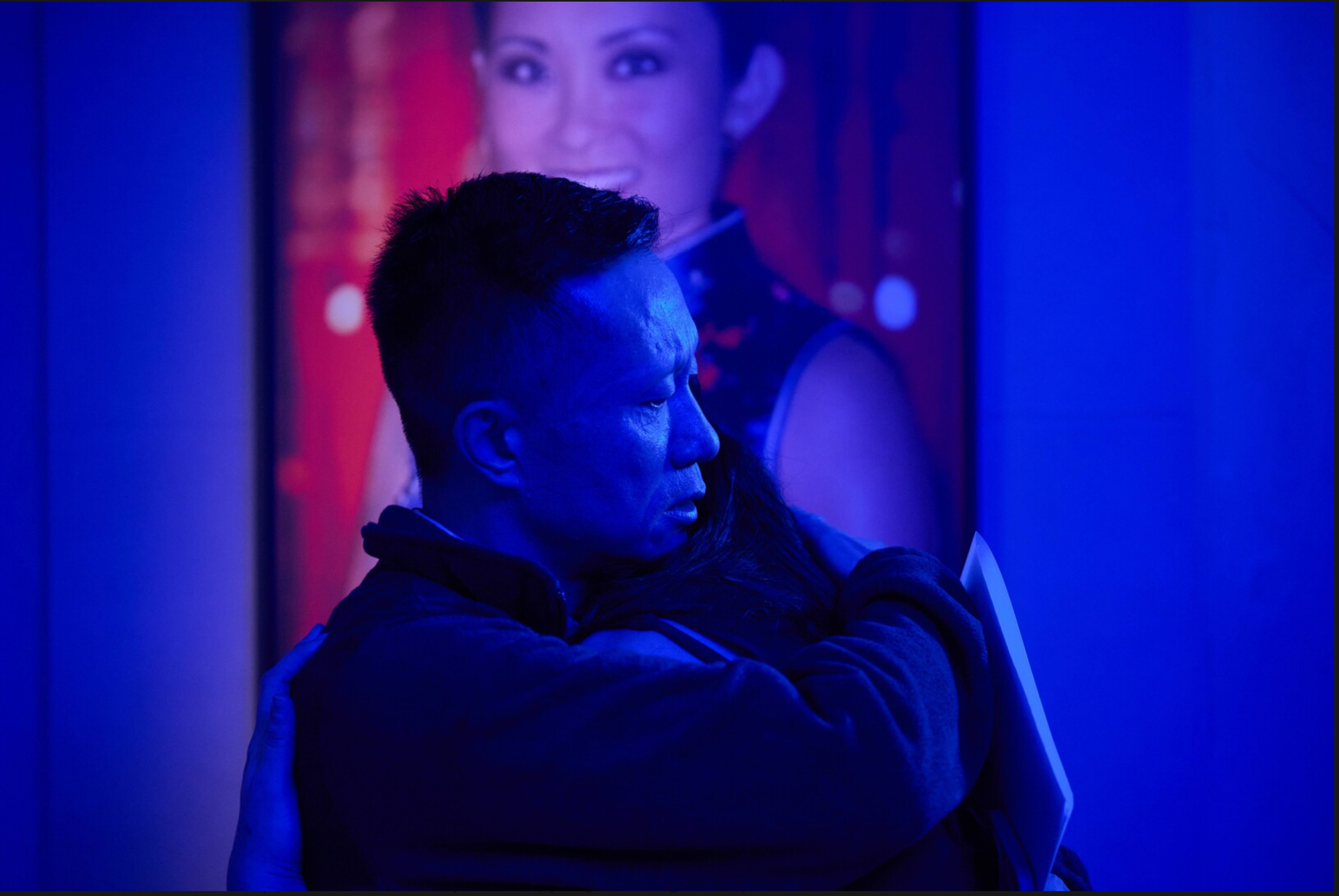
The biggest surprise was watching our lead actress completely disappear into the role. From the moment the camera rolled, she was fully immersed in May's emotional and psychological journey. She carried the weight of the film almost entirely on her own, and her vulnerability made every moment feel authentic.
Seeing her performance changed how I viewed the story. What I had initially approached as a tightly constructed psychological thriller revealed itself to be something much more emotional. Beneath the suspense was a deeply human story about fear, confusion, and the desperate need to hold onto one's identity. That realization influenced our work in post production. We became more intentional about allowing moments to breathe, trusting silence, close-ups, and subtle performances rather than rushing from one plot point to the next. The film became less about twists and more about inviting the audience to experience May's uncertainty alongside her.
What moment in the film feels most like you, or like something only you could have made?
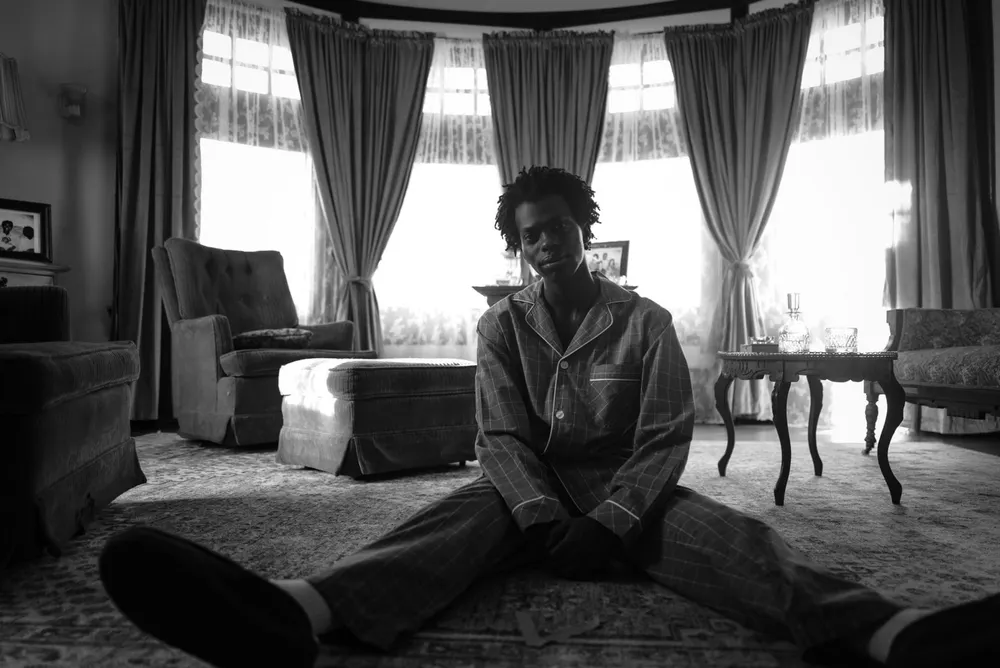
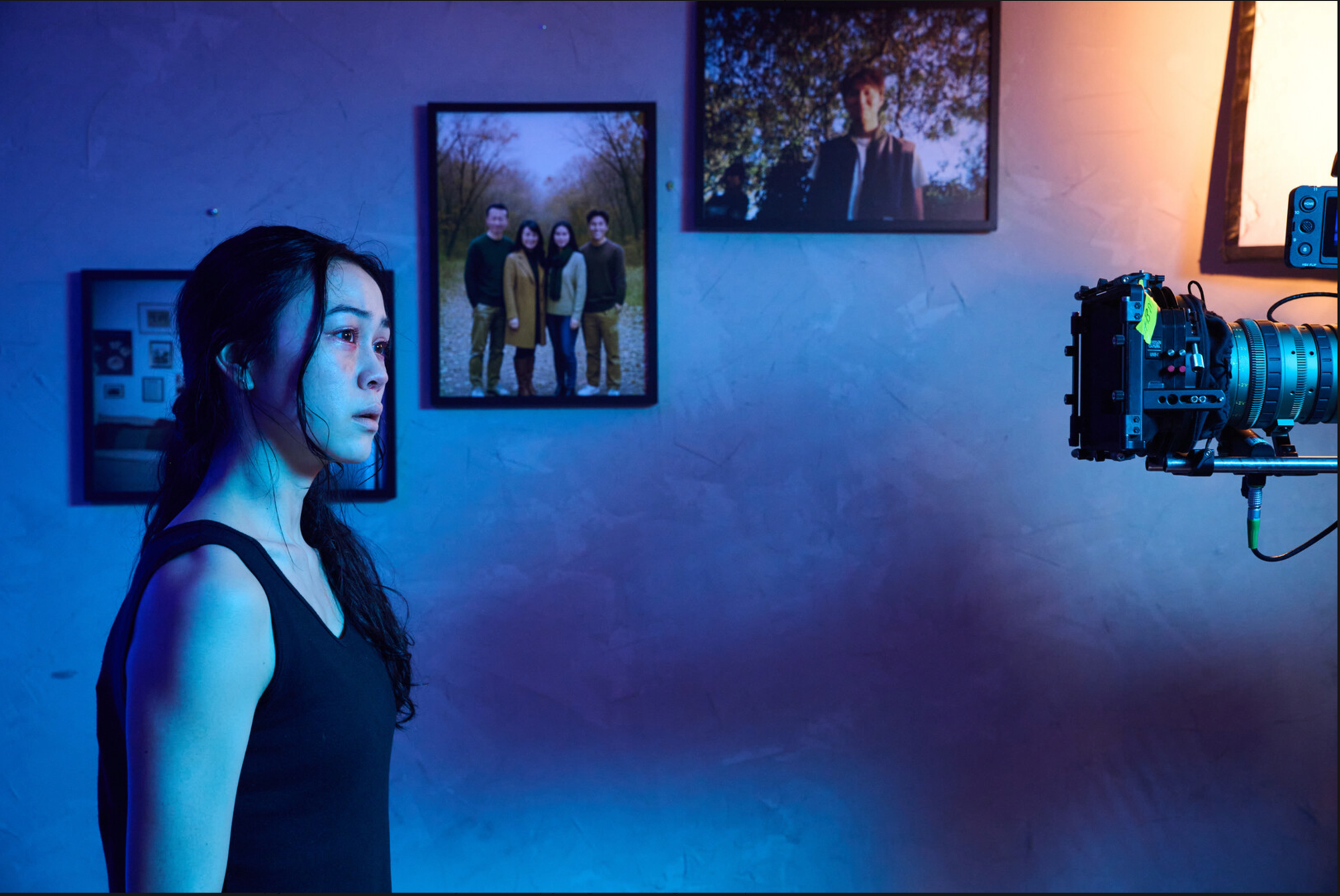
The moment that feels most like me is the ending, when May notices the framed photographs. That scene came directly from my own experience with my grandmother as her memory began to fade.
To help her navigate daily life, we surrounded her with familiar photographs and recognizable faces throughout the house. Those pictures became gentle reminders of who she loved, where she was, and the life she had built. It was heartbreaking, but it was also an act of love.
I wanted to honor that experience in 8:38. Rather than ending on a conventional thriller twist, I wanted the final image to reveal the emotional truth behind the story. The photographs remind us that memory is more than recalling facts. It is our connection to the people who shape us and the moments that define us. That ending is deeply personal to me because it comes from my family's journey. It is a small detail that many viewers may simply accept as part of the story, but for me, it carries years of love, loss, and hope.
What was the hardest creative decision you made while making the film?
The hardest creative decision was committing to the final dolly zoom, or zolly, shot at the end of the film. It was technically the most demanding setup we attempted and required a great deal of precision to get right. Balancing the camera movement with the lens zoom took multiple takes, careful coordination, and plenty of patience from the entire crew.
There were moments when it would have been easier to simplify the shot, but I believed it was essential to the story. The visual effect mirrors May's emotional state in that final moment as her reality shifts and the weight of everything she has experienced settles in. It allows the audience to feel her disorientation rather than simply observe it. Looking back, I believe it was absolutely worth the effort. That shot became one of my favorite moments in the film because it serves both the storytelling and the emotion.
What tool, technique, resource, collaborator, or mindset shift helped most during production?
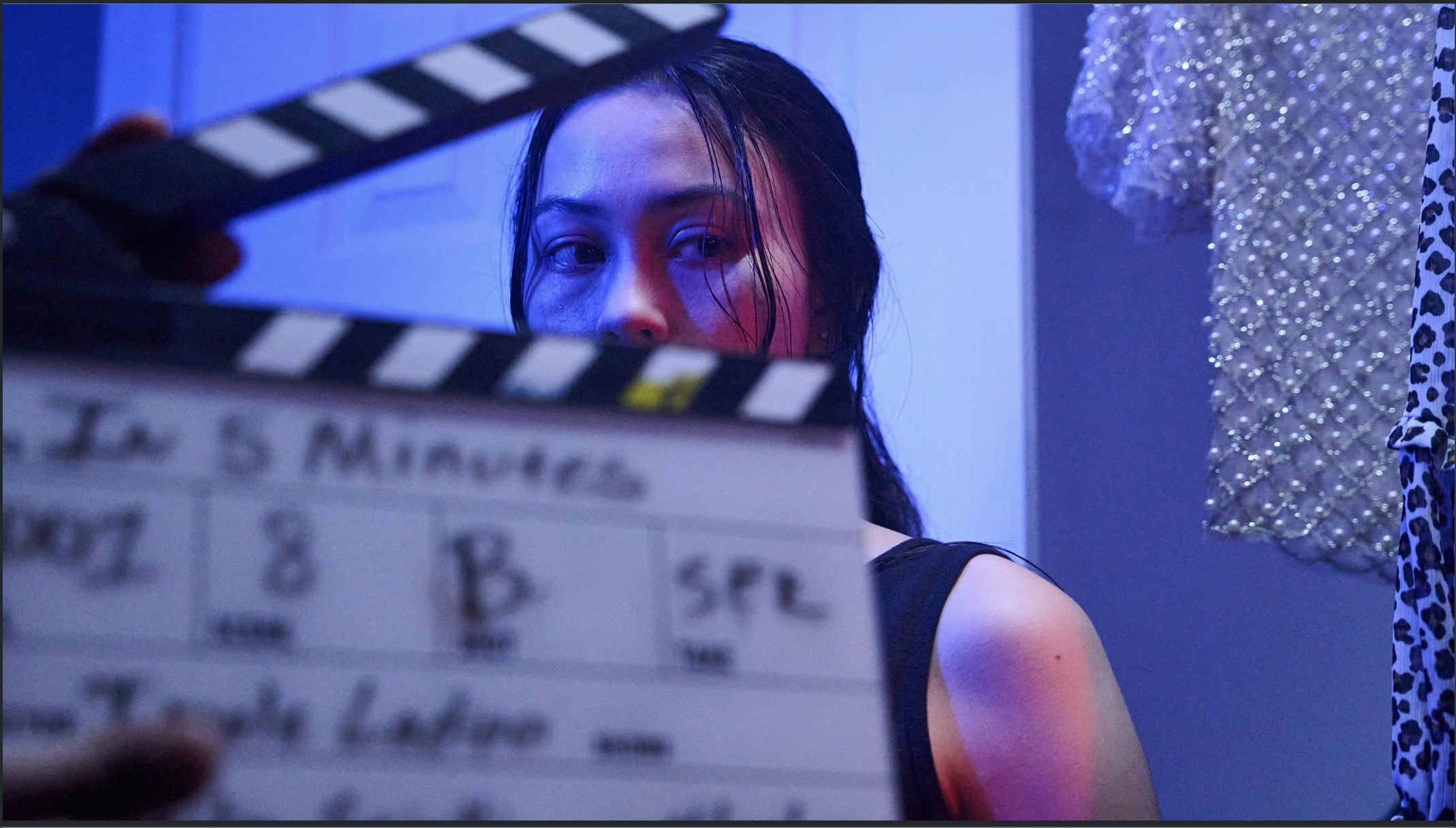
The greatest resource throughout this film was my Executive Producer, Michelle A. Daniel. From the earliest conversations about the project to the final stages of post production, she believed in the film and in me. Having someone who consistently offered thoughtful guidance, honest feedback, and unwavering encouragement made an enormous difference.
Independent filmmaking is full of unexpected challenges, and there are moments when it is easy to question your decisions or lose momentum. Michelle helped me stay focused on the story we wanted to tell while also reminding me to trust my instincts as a director. More than any specific tool or technique, this collaboration reinforced an important mindset: filmmaking is never a solo endeavor. Surrounding yourself with people who believe in the work, challenge you creatively, and stay committed through every stage of the process is one of the greatest strengths a filmmaker can have. I would not have made the same film without Michelle by my side.
What does it mean to have your film selected for HollyShorts, one of the world's premier short film festivals?
Having 8:38 selected for HollyShorts is the realization of a dream I have carried for years. HollyShorts has always been one of those festivals I admired from afar, a place where some of the world's most exciting short films are discovered and celebrated. To now have my own work included is both humbling and incredibly rewarding.
This selection is more than a festival screening. It is validation that a deeply personal story, inspired by my grandmother's experience with memory loss, can resonate with audiences beyond my own family and community. It reminds me that stories rooted in honesty and vulnerability have the power to connect across cultures and experiences. For me, this milestone is both a celebration and a motivation. It encourages me to keep taking creative risks and to believe that even the most personal stories can find a global audience.
Where do you see this film going next?
I hope 8:38 continues its festival journey by reaching audiences around the world and sparking conversations about memory loss and mental health. Beyond festivals, I would love to see the film connect with educators, healthcare organizations, and communities supporting families affected by cognitive decline.
I also hope it serves as a calling card for the kinds of stories I want to continue telling — emotionally rich, visually ambitious films that use genre to explore deeply human experiences. Ultimately, I want 8:38 to open doors to directing larger narrative features and episodic television while continuing to tell stories that leave a lasting emotional impact.
Main Cast & Crew
- Imole Ladipo — Director. Nigerian-born writer and director based in Texas, drawn to deeply human stories that blend emotional honesty with cinematic tension.
- Michelle A. Daniel — Executive Producer.
Filmmaker Opportunities
💛 Fund your next project with fiscal sponsorship
Have a project in the works? As a 501(c)(3) nonprofit, the Cinematography for Actors Institute can accept tax-deductible donations on your film's behalf — a door-opener for grants, foundations, and supporters who want to back your work. We've serviced over 100 projects to date and helped route over $800,000 in funding to filmmakers. Explore fiscal sponsorship →
📬 Grant deadlines and festival opportunities, straight to your inbox
The CFA newsletter rounds up grants, festival calls, and community news for independent filmmakers — the kind of opportunities that are easy to miss and painful to miss. Join the newsletter →
🎬 Focus on the creative — we'll help with the logistics
Production Management, CFA's newest member program, launches this November: production insurance and workers' comp, payroll, film permits, gear rental coordination, SAG-AFTRA compliance, contract drafting, production consulting, and crew recommendations — handled by a team of working filmmakers, à la carte or all in, in partnership with Creative Access Group. It's waitlist-only until launch. Join the waitlist →
League of Filmmakers is published by our parent organization, the Cinematography for Actors Institute — a 501(c)(3) dedicated to education, community, and capital for underrepresented filmmakers and actors. Learn more about CFA →