
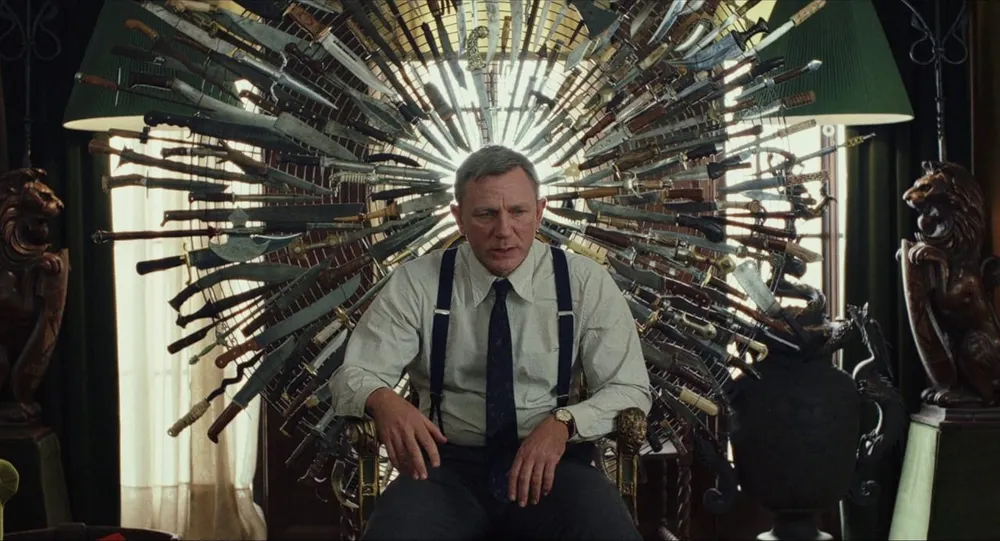
TIFF Film Review: "Wake Up Dead Man": Rian Johnson’s Gothic Whodunnit Is His Boldest (and Longest) Yet
A review of the third film in Benoit Blanc's murder-solving spree, following its premiere at TIFF.
A review of the third film in Benoit Blanc's murder-solving spree, following its premiere at TIFF.
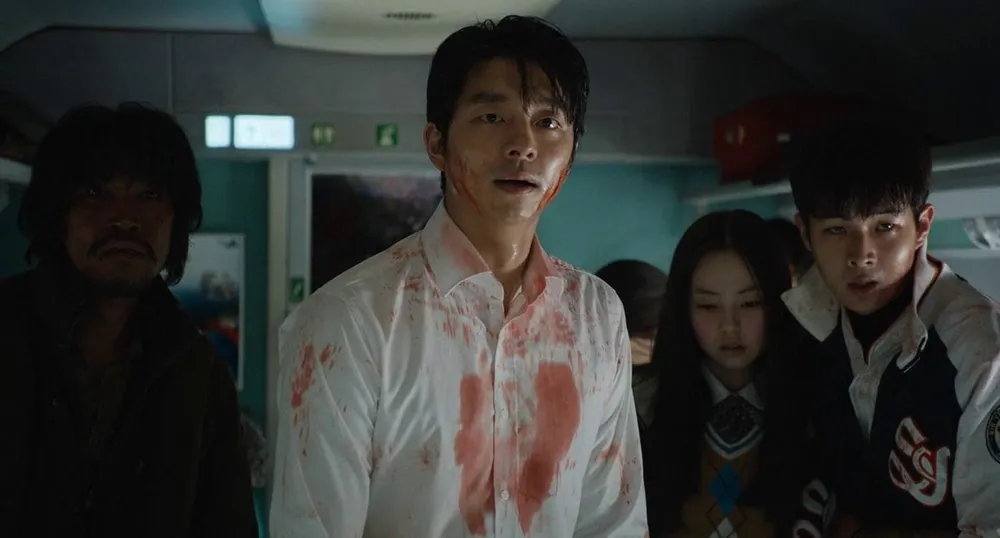
A review of Yeon Sang-ho’s newest film "The Ugly," following its premiere at TIFF50.
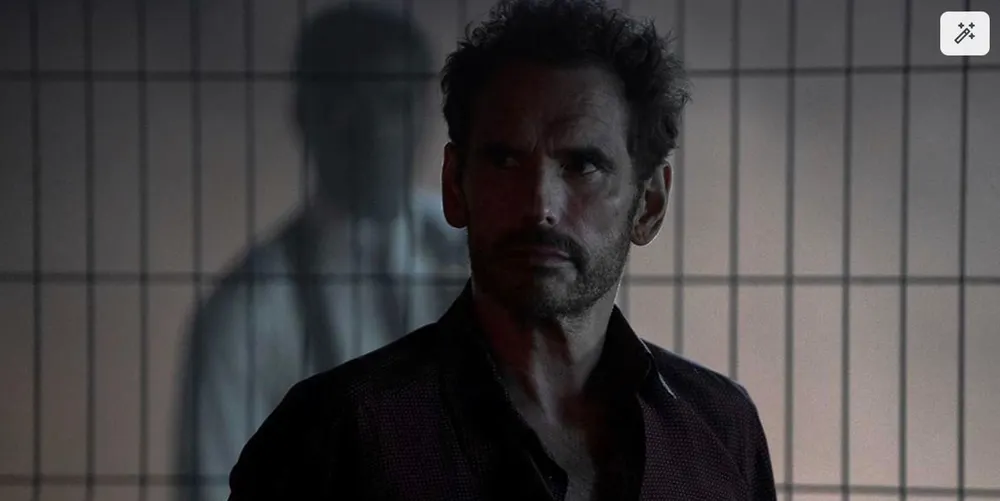
Claire Denis expressed an uncertainty that her latest film, 'The Fence,' is well-done. Though this wavering uncertainty may show, 'The Fence' pulls together its themes of post-colonial racial tensions, utilizing its origins in theatre to create a claustrophobic, bleak atmosphere.
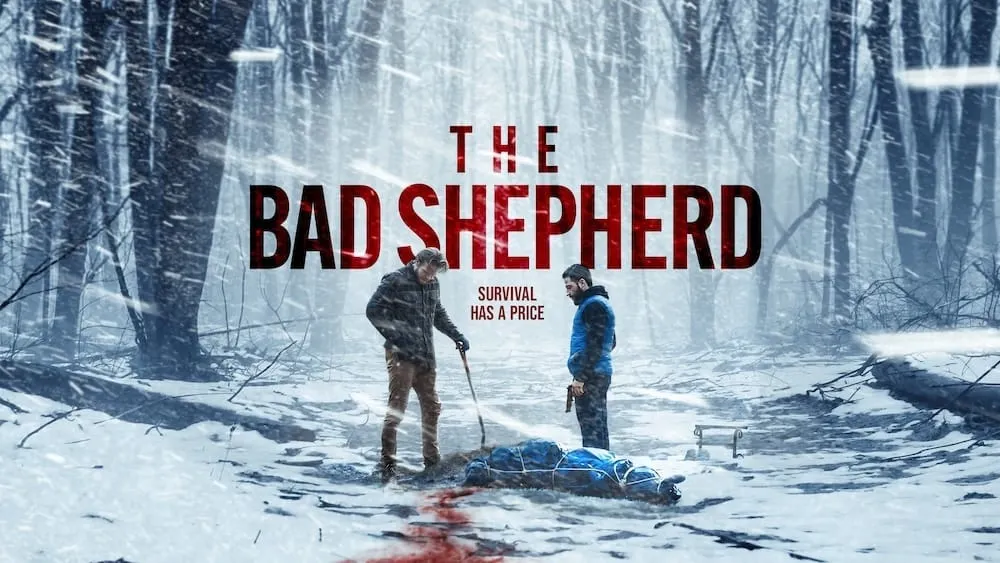
Planning on staying in this weekend or looking for a film to examine as a cinephile? Check out "The Bad Shepherd".
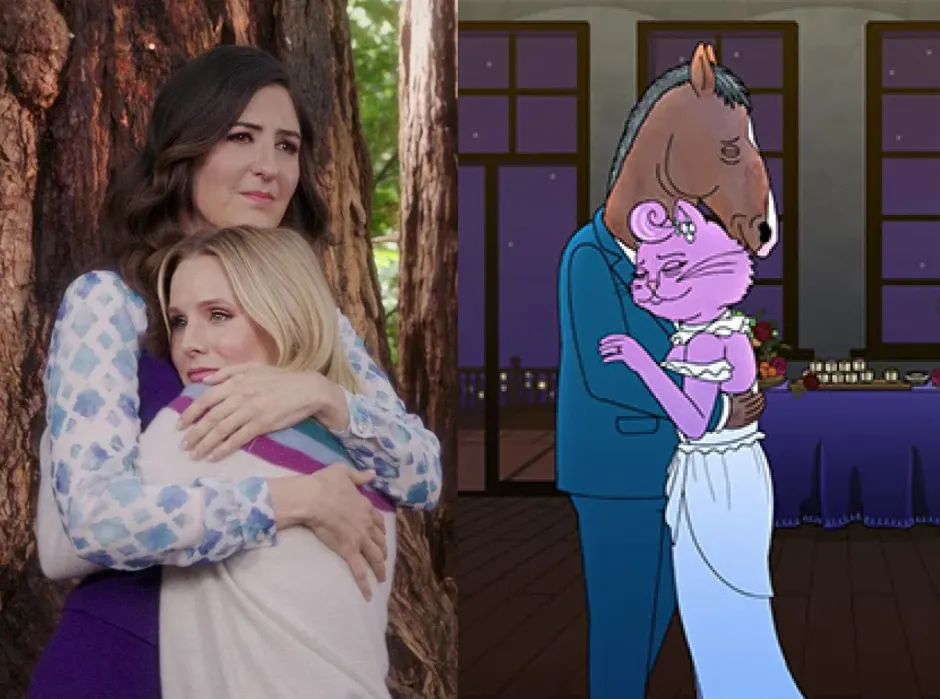
Unpacking how comedy, drama, and ethics coincide in two of television's most innovative depiction of what it means to change as a person.

Fifteen years later, Tim Burton’s Alice in Wonderland still divides audiences—but its feminist heroine, maximalist visuals, and influence on dark fairytales suggest it may have been less a failure and more a blueprint for today’s cinematic landscape.
The recent hit horror film Weapons ends up turning to a predictabilty and misogyny instead of being inventive.

From auteur-driven cinema to algorithm-provisioned content, Hollywood’s evolution is leaving young creatives to wonder what they’re fighting for
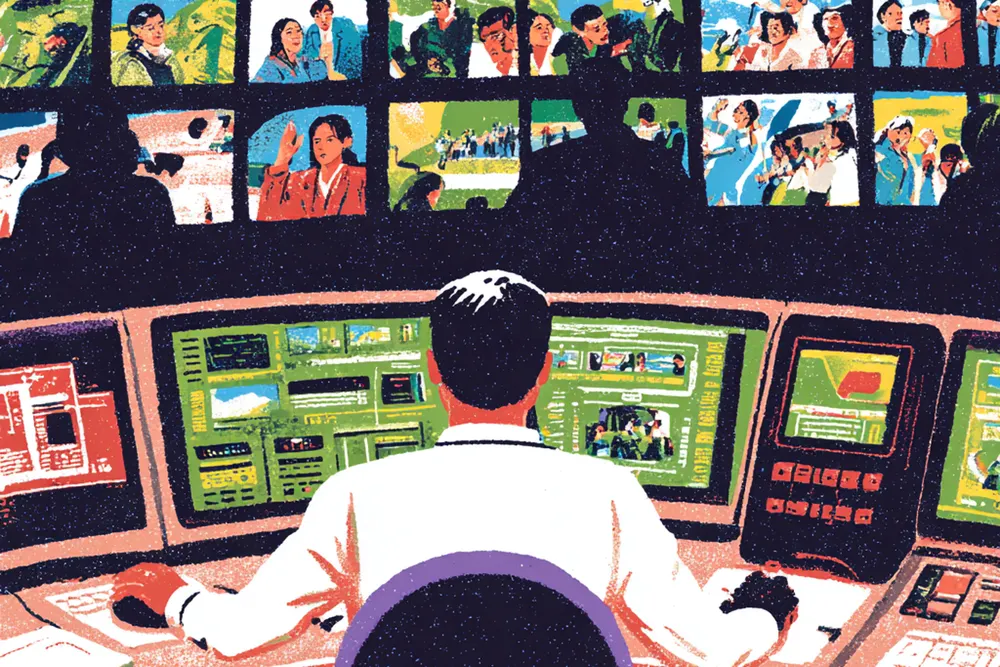
From just one Top 10 global streaming title in 2018 to six by 2023, Korean webtoon adaptations have become a mainstream force. With platforms like Naver Webtoon and Kakao leveraging fan data to reduce risk, Netflix and small studios alike are tapping this booming $7.44B market for their next hit.
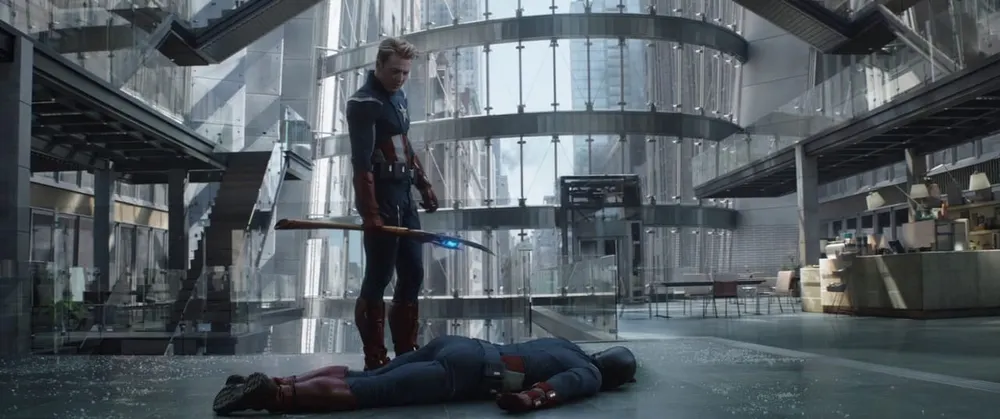
Hollywood’s reliance on sequels used to deliver blockbuster profits. Now? It fuels growing audience fatigue. As studios chase safe IP bets, the challenge will be making original stories feel just as irresistible.
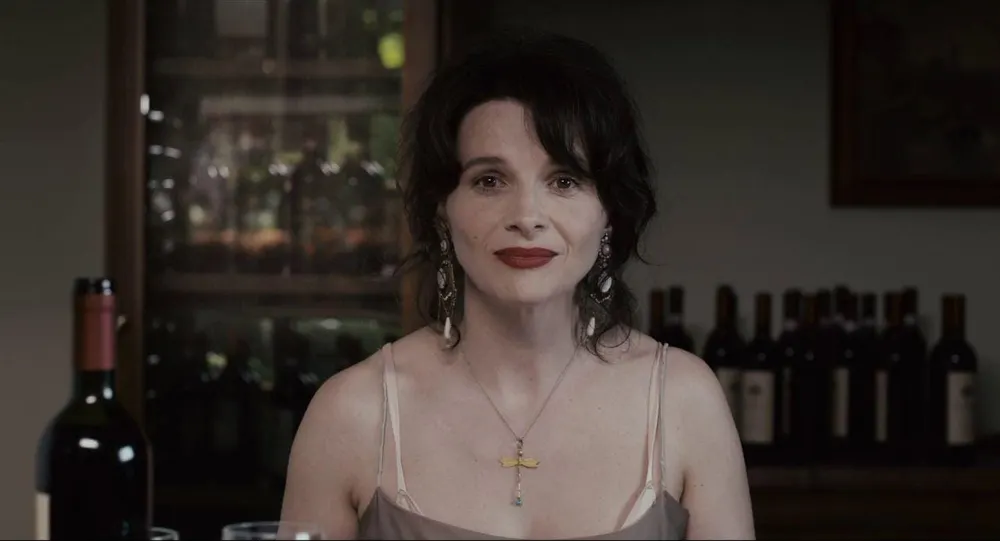
Abbas Kiarostami's Certified Copy debuted at Cannes fifteen years ago. What lessons can we learn about life, love, and visual storytelling from Certified Copy's motifs of mirrors, windows, and reflections?

How Asian Directors are Making the World Fall in Love with Cinema Again

Yaron Klainer, founder and CEO of imgn appears at the 2025 Hollyshorts Panels, guiding filmmakers through his AI-based collaboration platform, mapping out the evolution of technology in film history, while addressing AI concerns.

Is replacement a real possibility?
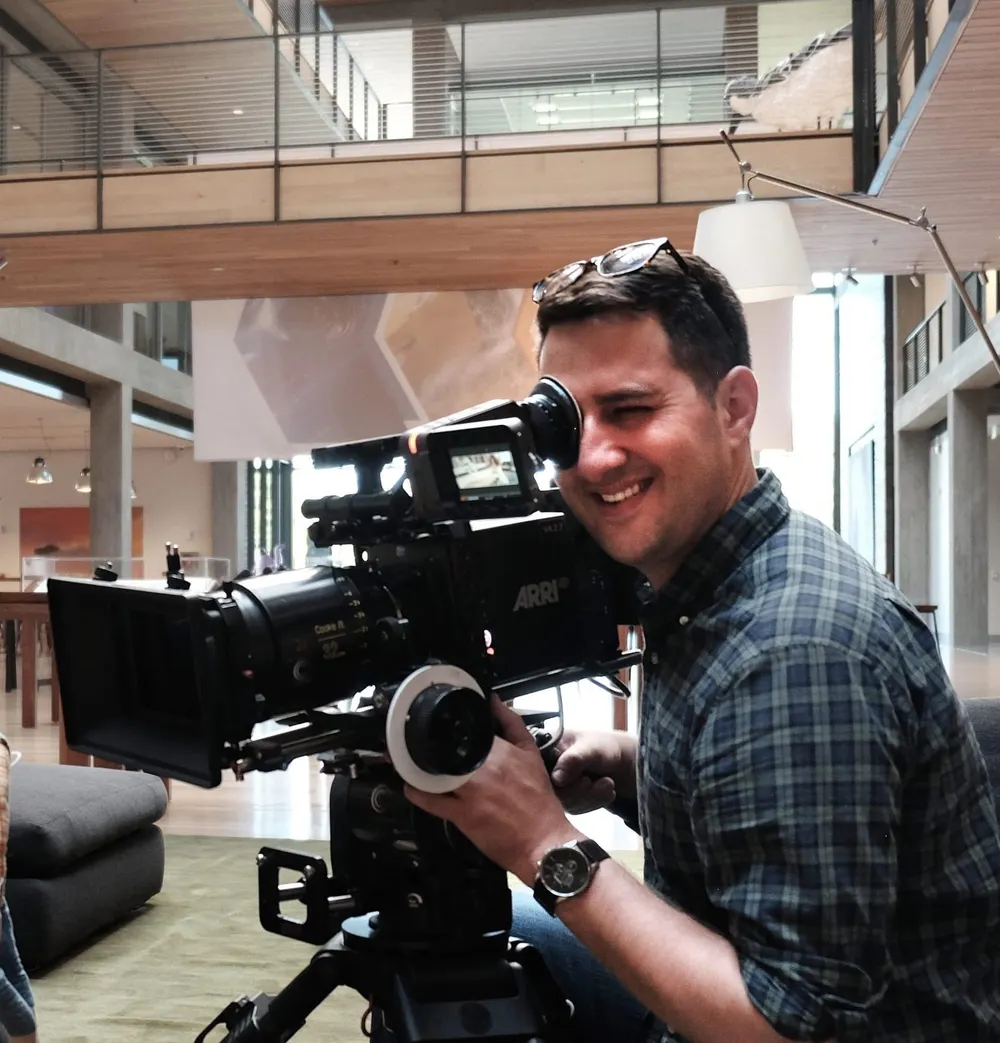
As streaming evolves and shifts the way audiences experience animated films, Pixar’s Adam Habib reflects on the techincal, emotional, and cinematic stakes of this revolutionary transformation.

A crucial first step in film production that determines the trajectory of how well a film turns out. Let's explore all that's involved with breaking a script down.