Table of Contents
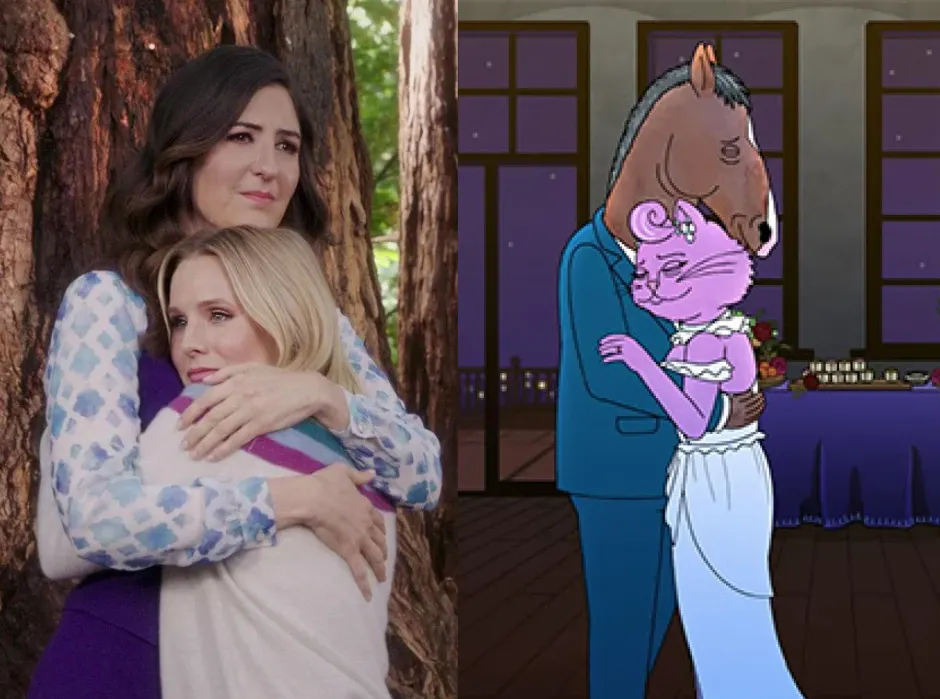
Modern TV has given us some incredible stories, but few dig as deep into what it means to be human or, in one case, a horse, as The Good Place and Bojack Horseman. One is a bright, witty take on ethics and the afterlife, while the other drags us through the mud of self-destruction and regret. Yet both shows, in their own ways, force us to ask: Can people really change? And what does it take to become better?
Ethical Dilemmas in The Good Place
At its core, The Good Place is a fascinating philosophical experiment disguised as an over-the-top sitcom that toys with the idea of heaven and hell. By utilising the protagonist – Eleanor Shellstrop (played by Kristen Bell), with a self absorbed and egotistical disposition, and placing her into a meticulously constructed afterlife, the series cleverly explores whether people are capable of change when given the right incentives. Alongside Eleanor is her romantic interest – Chidi Anagonye (played by William Jackson Harper), a moral philosophy professor that challenges Eleanor's moral compass. He serves as her mentor and yet also, a cautionary tale as his knowledge of ethics and morals becomes futile due to his indecisiveness.
One of the show's most iconic moments occurs in season 1, episode 6, "What We Owe to Each Other," where Eleanor finds Michael, the cosmic architect, dishevelled and scanning rocks for flaws that he had thought were his mistakes designing the neighborhood. Eleanor's sarcastic facade fades away, showcasing genuine concern as she tries to comfort him. When Eleanor, a self-proclaimed "trashy girl from Arizona," chooses kindness over self-preservation, it’s not a grand moral revelation — it’s a small, flawed step towards being a better person. That’s the genius of the show: enlightenment isn’t about achieving perfection, it’s about showing up, screwing up, and trying again.

The characterisation of Chidi underscores the nuances of ethical decision-making. His indecision often stumps him, showcasing the burdens that come with moral awareness. In season 2, episode 5, "The Trolley Problem," his attempts to apply moral philosophy to real-life situations reveal the limitations of theoretical ethics when faced with the complexities of human emotions. This tension between idealism and reality underscores a central theme of the series: personal growth involves not only recognising moral failings but also acting upon that recognition, even when it’s uncomfortable.
The Darker Reflection of Bojack Horseman
If The Good Place views morality as a ladder to climb, Bojack Horseman treats it as quicksand. Bojack Horseman takes a more cynical and realistic approach to personal growth, honing in on the titular character's battle with addiction, depression, and the consequences of his past actions. Juxtaposing the lighthearted exploration of morality in The Good Place, Bojack Horseman confronts the often painful truths and hurdles of self-discovery.
A critical episode, "Stupid Piece Of Sh*t" (season 4, episode 6), when Bojack throws that doll off the balcony (after monologuing his mom’s abuse), it’s not just catharsis—it’s him becoming Beatrice in real time. Hollyhock’s (his daughter) horrified face mirrors the audience’s realisation: enlightenment isn’t magic. You can have your Chidi-esque breakthrough ("I’m the problem!") and still relapse into cruelty seconds later. That’s why Mr. Peanutbutter’s line—"everyone deserves love"— lands like a punch in the face. Bojack hears it. He even tries to awkwardly reassure Hollyhock that his awful behavior isn’t her fault. But when she asks if the self-hatred ever stops, his lie ("yes") reveals the tragic gap between ethics and growth.
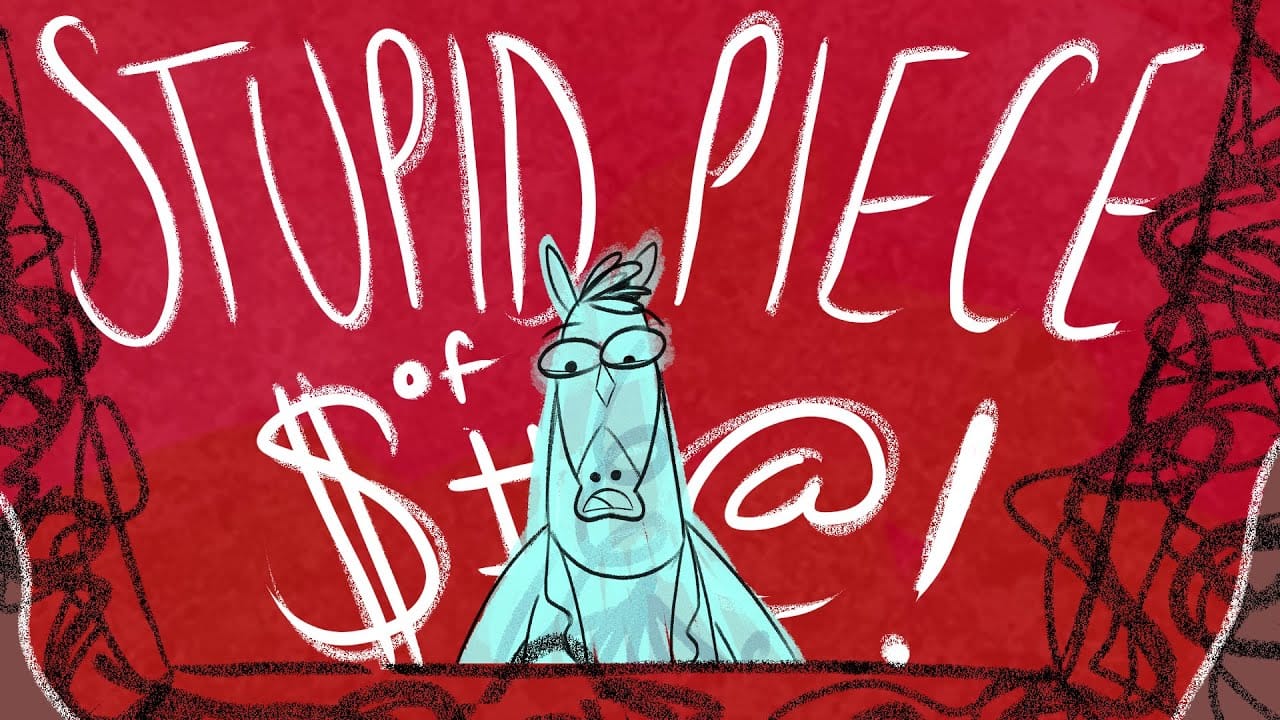
This mirrors The Good Place’s messy progress, but with darker stakes. Eleanor’s frozen yogurt outings with Michael are clumsy attempts at connection. However, Bojack’s bar hoppings are self-sabotage. Yet both shows agree that real growth isn’t about fixing yourself, it’s about showing up to the fight, even when you lose. The episode’s final match-lit silence between BoJack and Hollyhock says it all. No grand speeches, no clean and healthy resolution. Just two broken people sitting in the dark, choosing to stay.
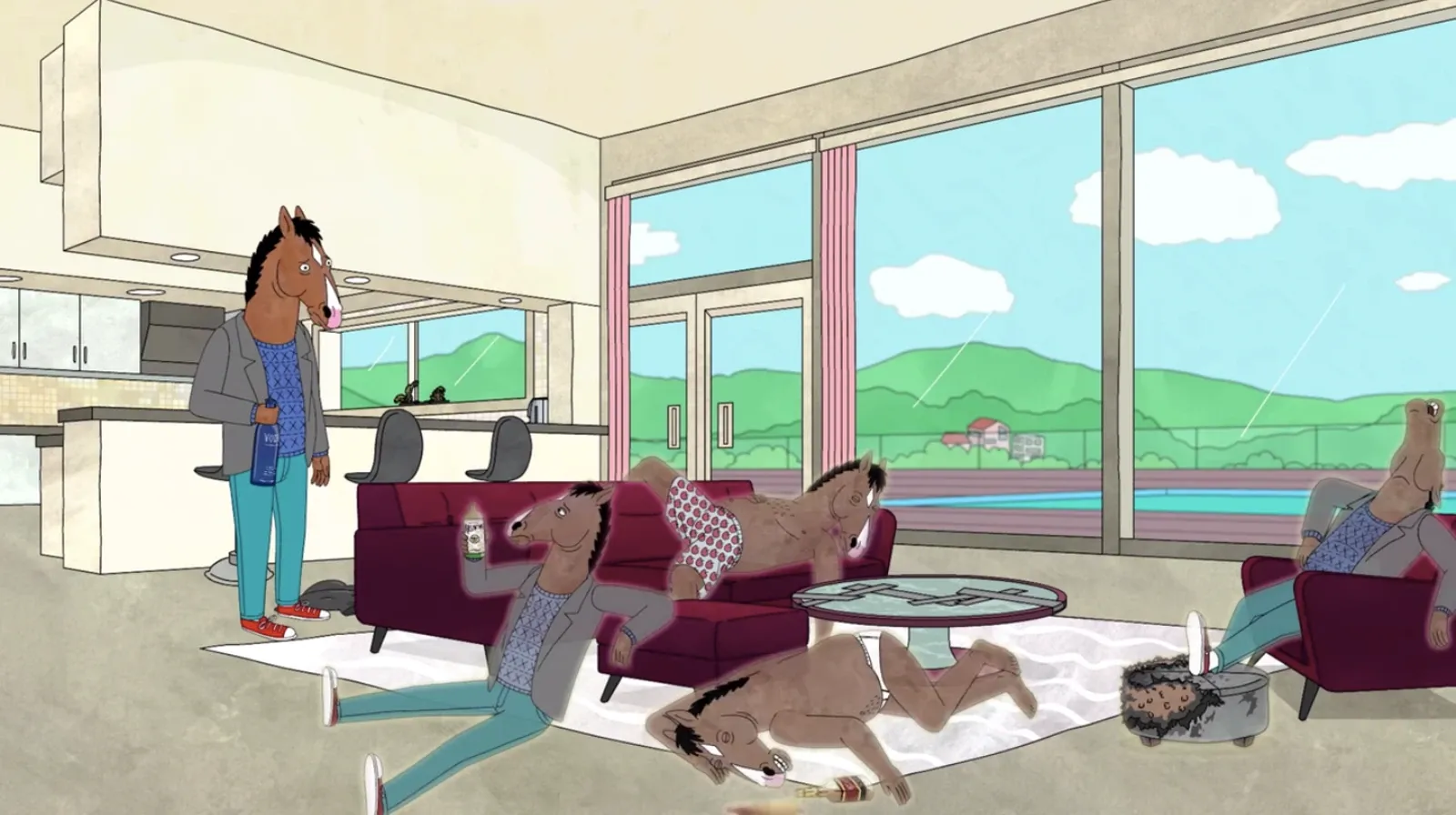
Furthermore, Bojack’s character arc culminates in the series finale, "Nice while it lasted". Unlike The Good Place’s organised moral victories with hope, BoJack’s progress is subtle—directing prison plays, wearing a borrowed suit, and finally letting Diane walk away without manipulation. That final rooftop scene solidifies the show’s philosophy: healing isn’t about erasing your past, but learning to live with it. The brilliance lies in what’s unspoken: the acknowledgment that real change isn’t dramatic, but the daily choice to keep going, even when you’re not sure you’ve changed at all.
Synthesis
The show’s formal inventiveness reinforces its themes. The silent underwater episode ("Fish Out of Water") and the eulogy-structured "Free Churro" all stylistically mirror Bojack’s fractured psyche. Where The Good Place uses structure to teach ethics, Bojack uses it to simulate dysfunction.
These shows form a compelling argument in ethics. While The Good Place dictates moral effort as inherently valuable, echoing Aristotle’s ethics. Bojack Horseman, meanwhile, showcases Schopenhauer’s pessimism: even with effort, some damage may be irrevocable. Yet both agree on one truth: self-awareness is merely the first step. Eleanor’s actively designs a fairer afterlife, while Bojack finally stops blaming others. Action, not solely intention, can define growth.
The Journey to Personal Enlightenment
Television rarely treats audiences as capable of wrestling with existential questions. These series are exceptions. The Good Place, with its Kantian dilemmas and Sartrean bad faith, makes philosophy accessible. Whilst Bojack Horseman– through its persistent, and sometimes painful portrayals of addiction and generational trauma– exposes the limits of self-renovation, the real takeaway is that growth isn’t binary. It’s the sum of our choices: the righteous and the regrettable, and the ability to face what that tally reveals.