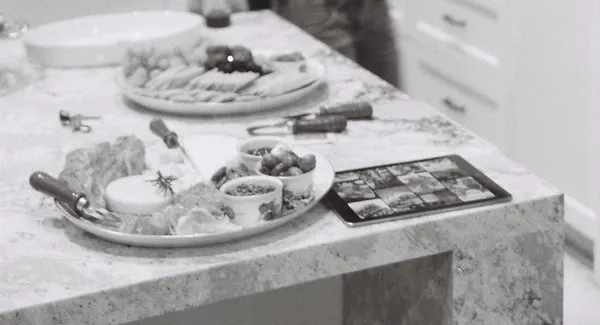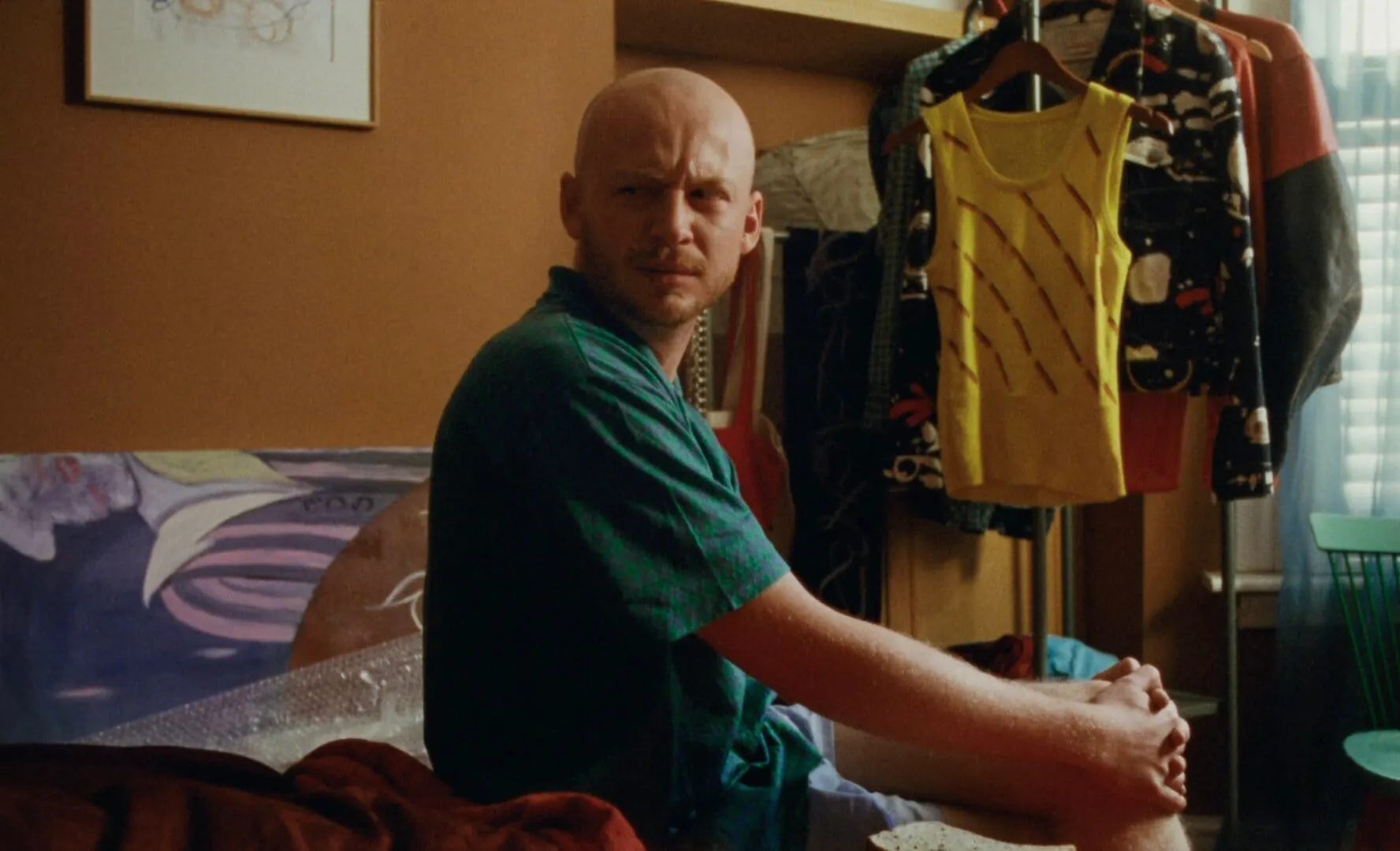
Written and directed by Ross O'Donnellan and produced by Izzy Meikle-Small, Bedcrumbs is, in O'Donnellan's words, "a queer, romantic drama about the final days of a failing relationship." Shot on 16mm by Ebba Hult, it stars John Bell as Michael and Thomas Flynn as Billy. In conversations with Billy's lovers, Michael comes to question whether the two of them have entered into non-monogamy for the right reasons.
O'Donnellan writes that the film is "very much grounded in my own experience," and that they wanted to explore a relationship that was crumbling "with no major betrayal or antagonist to blame."
Key Takeaways
- O'Donnellan says it felt important to tell this story now from a queer perspective, and that they loved the idea of making "simply a romantic drama about two people who happen to be queer."
- Before production, the team wanted the film to be "somewhat stilted and stylised to counteract the quietness of the story." On set, O'Donnellan found the film "was asking to be much more naturalistic," and in the edit they and Max Cavalli cut a key early scene.
- Exploring the score, O'Donnellan and composer Ben Doherty found it did not seem to fit except in a few key scenes, so they opted to have music play diegetically from the record player. O'Donnellan and composer Ben Doherty wrote and recorded several of the songs themselves.
Below, O'Donnellan answers our questions in writing.
Interview
What drew you to make this film, and why this story, why now?
This is a film that's very much grounded in my own experience. I wanted to explore a relationship that was crumbling, with no major betrayal or antagonist to blame. And to see how that turns the characters into the worst version of themselves.
When we meet Michael and Billy, they're absolutely at odds and lashing out at each other while simultaneously making a misguided attempt to save their relationship by opening it up. The film is not a comment on non-monogamy generally, but I was very compelled by the complexity of an open relationship that's been entered into for the wrong reasons.
I think the themes of this film are relatable regardless of orientation, but it felt particularly important to tell this story now from a queer perspective - to add to the wave of queer narratives that are not solely concerned with coming out or struggles with queerness. Those stories are important - I have some of my own that I want to tell on screen one day - but I loved the idea of making a film that is simply a romantic drama about two people who happen to be queer.
What surprised you most about the filmmaking process creatively or logistically, including any moment on set or in post that changed how you saw the story?
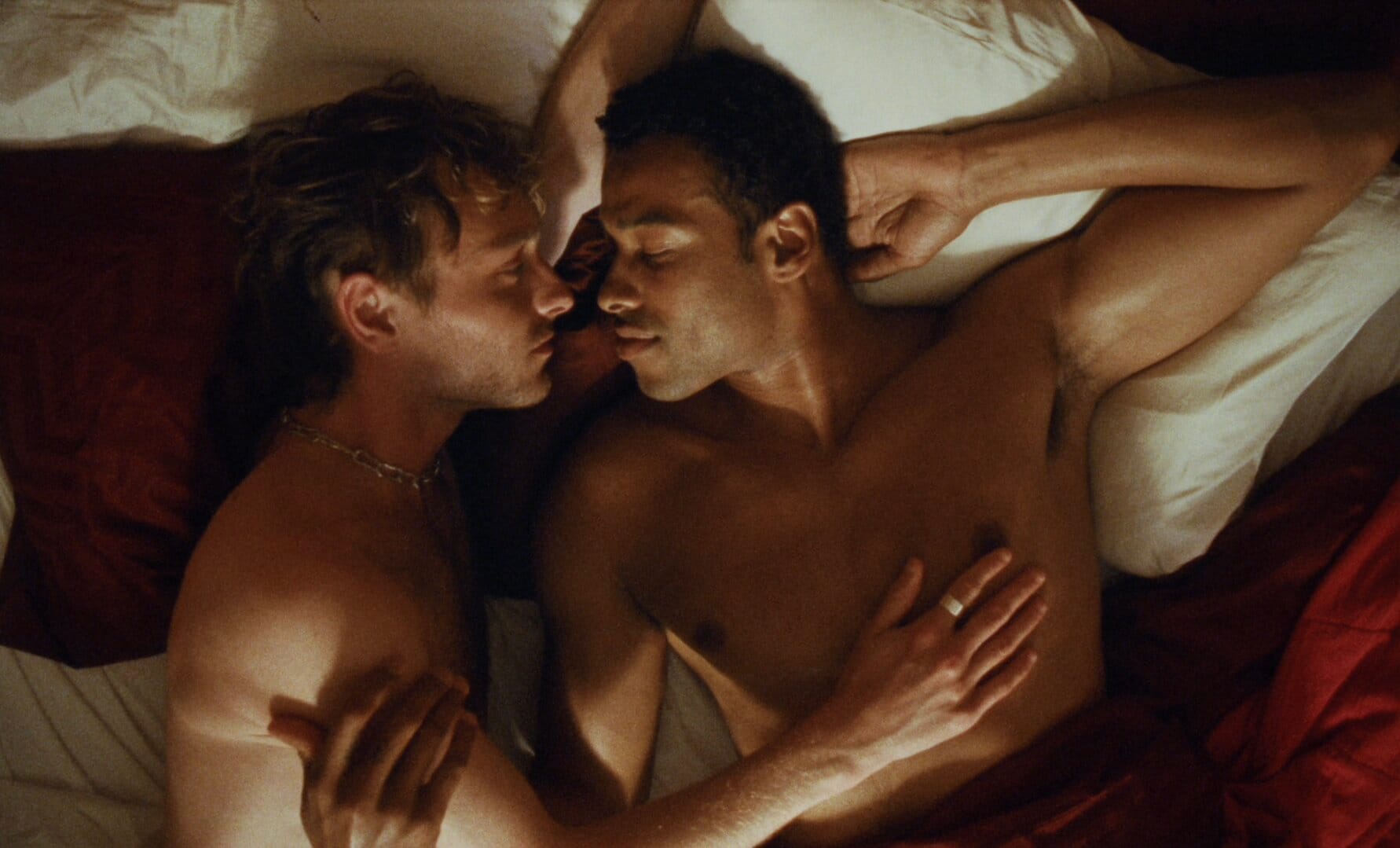
We had ideas pre-production as to how we wanted Bedcrumbs to be - somewhat stilted and stylised to counteract the quietness of the story. But when we got on set, I was surprised to realise that the film was asking to be much more naturalistic. It became a process of stripping back, all the way through to post. In the edit, Max Cavalli and I ended up cutting a key scene that appeared early on in the film, from which a lot of the subsequent comedy flowed. That changed everything and really revealed to us what the final film should be.
What moment in the film feels most like you, or like something only you could have made?
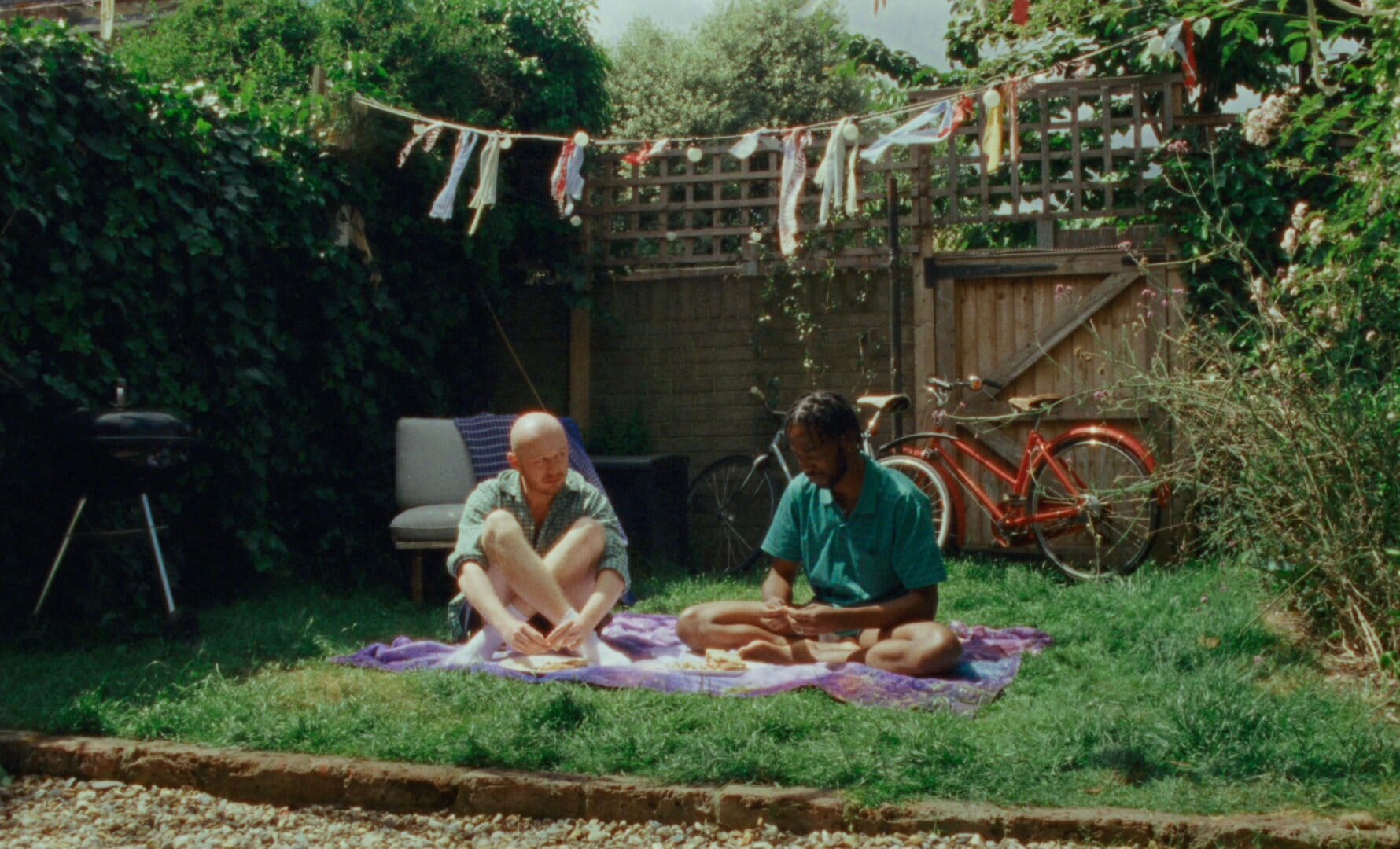
The opening scene - a lovers' bubble interrupted by Michael's reveal - probably speaks most to what I'm about as a filmmaker. It feels awkward and uncomfortable and somewhat jarring, but also establishes these as characters worth caring for.
But the scene I'm most proud of in the film is actually a moment of intimacy shared between Michael and Billy that appears towards the end. I love writing dialogue, but ironically that scene has barely any at all. I think everyone involved in creating it - cast and crew - really made something beautiful there.
What was the hardest creative decision you made while making the film?
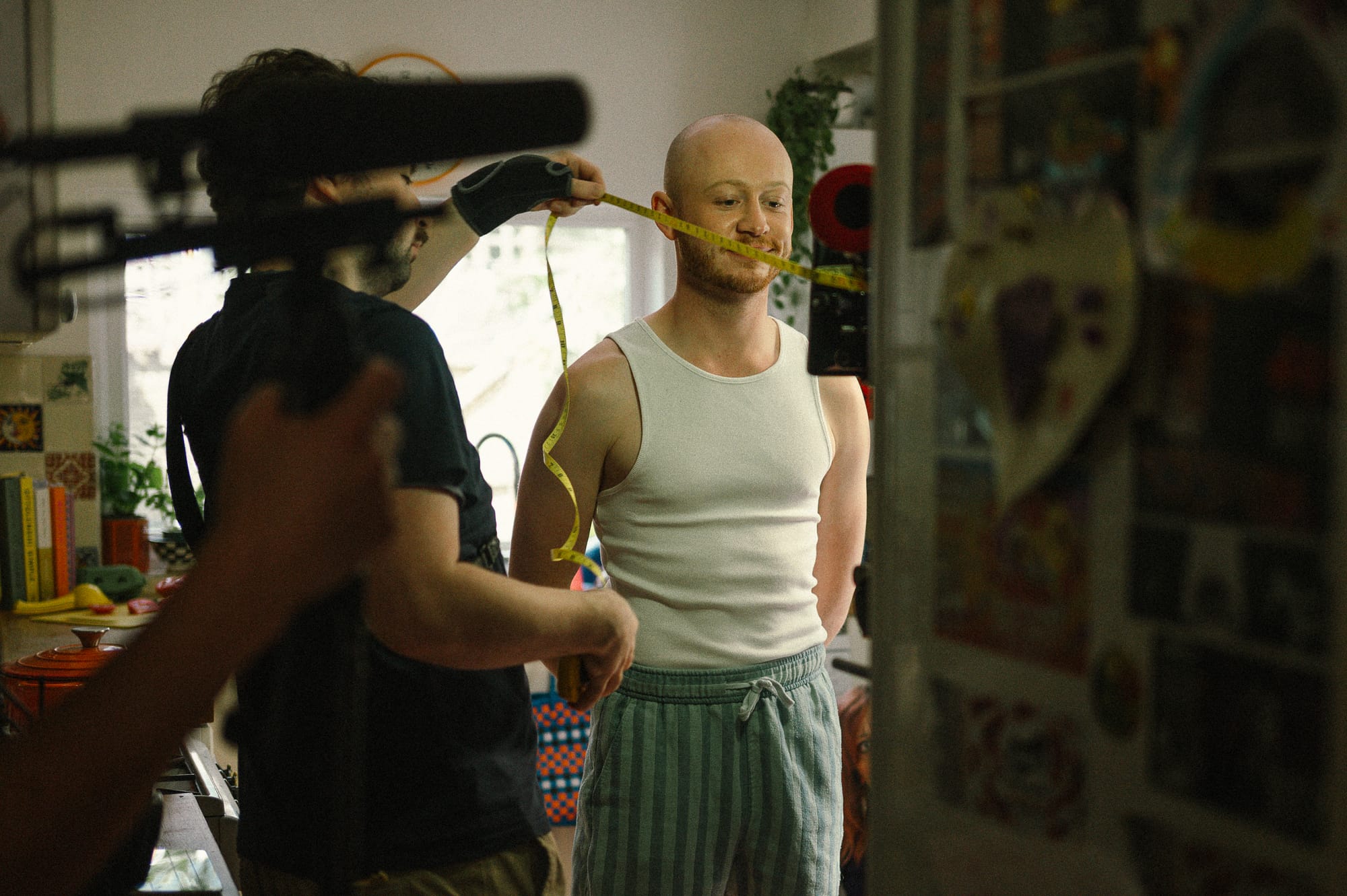
I actually think one of the most difficult elements was also one of the most fun - deciding what direction to go in for the score. I love music and had a wish list of songs which we obviously could not afford to license. But as our wonderful composer Ben Doherty and I explored different moments of scoring throughout the film, we discovered that it just didn't seem to fit - save for a few key scenes. Instead, we opted to have music play diegetically from the record player.
As an idea, it worked. But we needed songs.
Ben and I ended up writing and recording several ourselves - except one, kindly provided by Irish artist Jillelli - with my friend Eleanor House lending her vocals. We subsequently released an OST - 'Bedcrumbs: Original Songs from the Short Film' - and filmed an accompanying music video for our song 'Annoying'!
“As an idea, it worked. But we needed songs.”
What tool, technique, resource, collaborator, or mindset shift helped most during production?
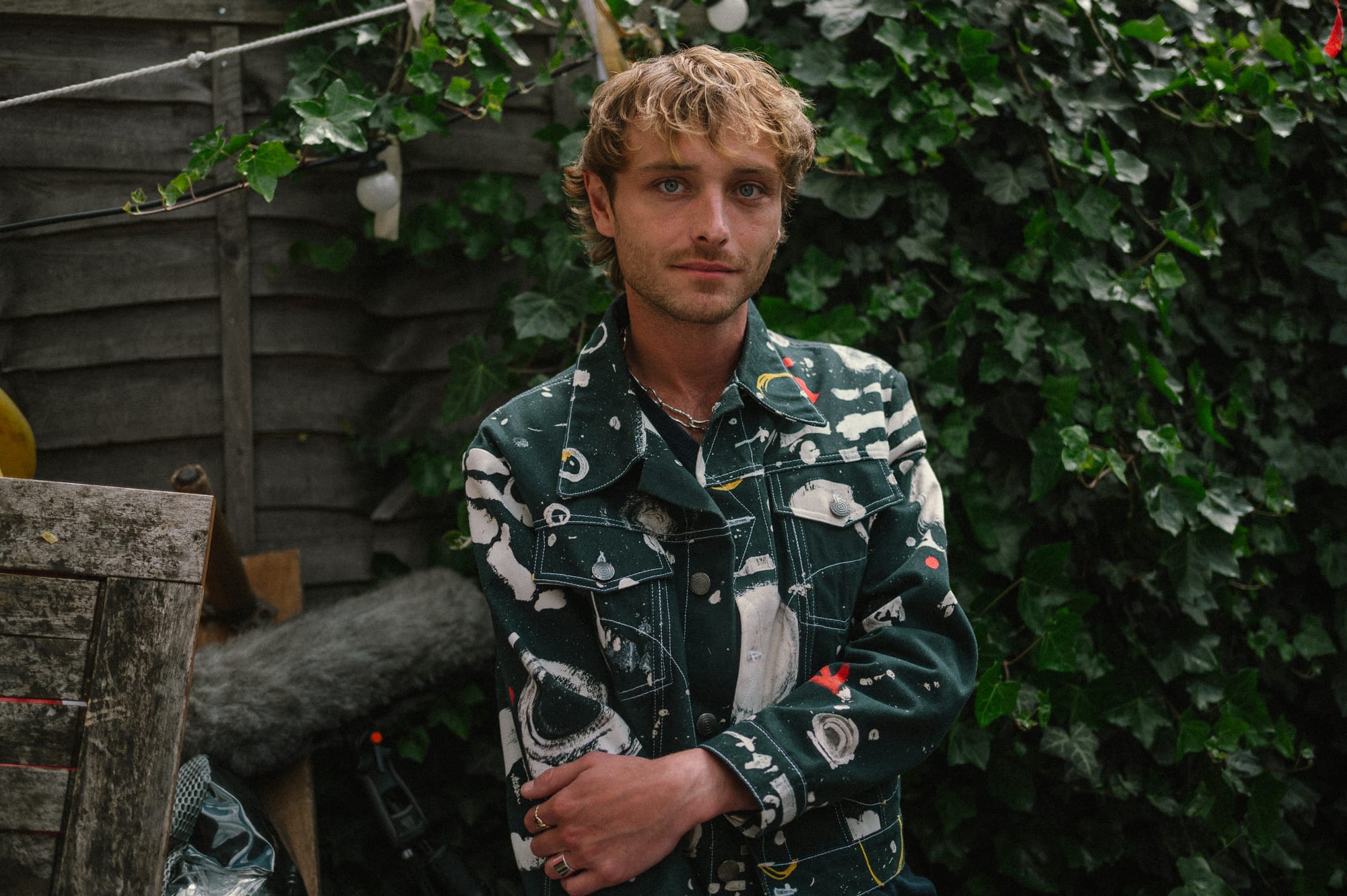
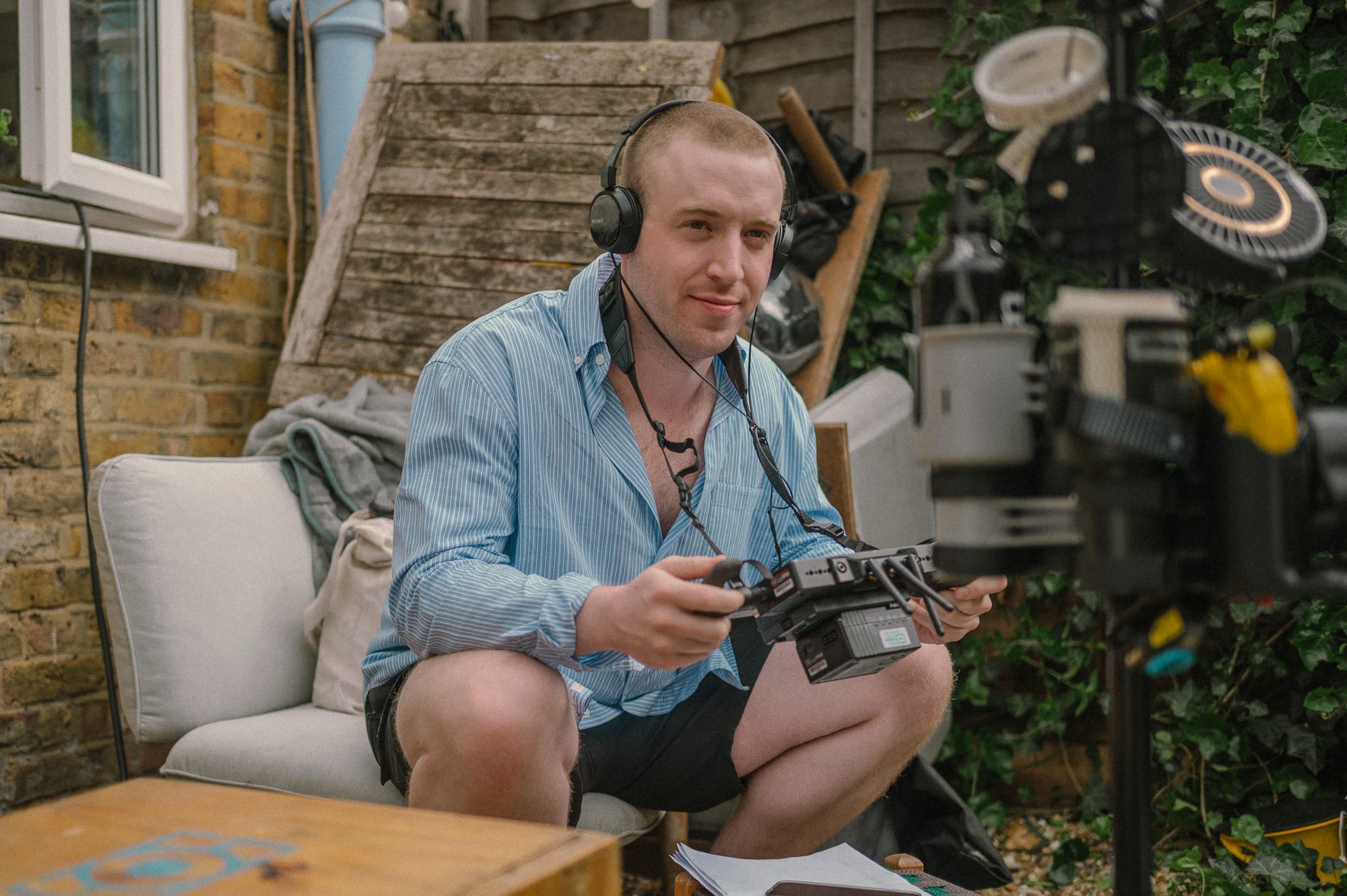
Our cinematographer Ebba Hult and our producer Izzy Meikle-Small were involved with this project from very early on and massively shaped how it manifested. At the beginning, I asked Ebba what made a good director and she said: 'Someone who assembles a team they believe in and then listens to them.'
That inspired the collaborative nature of Bedcrumbs that carried through from pre- to post-production.
“At the beginning, I asked Ebba what made a good director and she said: 'Someone who assembles a team they believe in and then listens to them.'”
How does your film fit within, or push the boundaries of, its genre or form?
This is a romantic drama with awkward comedy woven throughout that's inspired by films like 'Law of Desire' and 'Happy Together', with complicated characters and a somewhat offbeat tone that to me feels reminiscent of the the mumblecore classics of the 2010s, but with a more fantastical colour palette!
What does it mean to have your film selected for HollyShorts London?
The programme at HollyShorts London speaks for itself. To be listed amongst such great films and filmmakers is incredibly special. It's also the first time I'll have a film play in the city I call home! Which makes it particularly exciting.
Asked what they hope audiences take away from the film, O'Donnellan answered: "Don't confuse chaos with love." Given the line "At the core of all my work is a desire to ______," they finished it with: "Understand people - especially those we'd rather dismiss."
Main Cast & Crew
- Writer & Director: Ross O'Donnellan
- Producer: Izzy Meikle-Small
- John Bell as Michael
- Thomas Flynn as Billy
- Abiola Owokoniran as Lex
- Victor Hugo as Franklin
- Director of Photography: Ebba Hult
- Editor: Max Cavalli
- Production Designer: Keelin Coyle
- Costume Designer: Delilah Bannister
- Hair & Makeup Artist: Metty Taji
- Sound Designer: Sam Mason
- Composer: Ben Doherty
- Intimacy Coordinator: Ian West
- Colourist: Karol Cybulski
Filmmaker Opportunities
💛 Fund your next project with fiscal sponsorship
Have a project in the works? As a 501(c)(3) nonprofit, the Cinematography for Actors Institute can accept tax-deductible donations on your film's behalf — a door-opener for grants, foundations, and supporters who want to back your work. We've serviced over 100 projects to date and helped route over $800,000 in funding to filmmakers. Explore fiscal sponsorship →
📬 Grant deadlines and festival opportunities, straight to your inbox
The CFA newsletter rounds up grants, festival calls, and community news for independent filmmakers — the kind of opportunities that are easy to miss and painful to miss. Join the newsletter →
🎬 Focus on the creative — we'll help with the logistics
Production Management, CFA's newest member program, launches this November: production insurance and workers' comp, payroll, film permits, gear rental coordination, SAG-AFTRA compliance, contract drafting, production consulting, and crew recommendations — handled by a team of working filmmakers, à la carte or all in, in partnership with Creative Access Group. It's waitlist-only until launch. Join the waitlist →
League of Filmmakers is published by our parent organization, the Cinematography for Actors Institute — a 501(c)(3) dedicated to education, community, and capital for underrepresented filmmakers and actors. Learn more about CFA →