Table of Contents
As for most stand-out cinematography, she masters the visual and narrative elements with her signature style of prioritizing the individuals and characters’s inner experience in the genre of war/action-drama.
So, how did she start? How does she do it? And, most importantly, what can we all learn from her work ?
Early Career
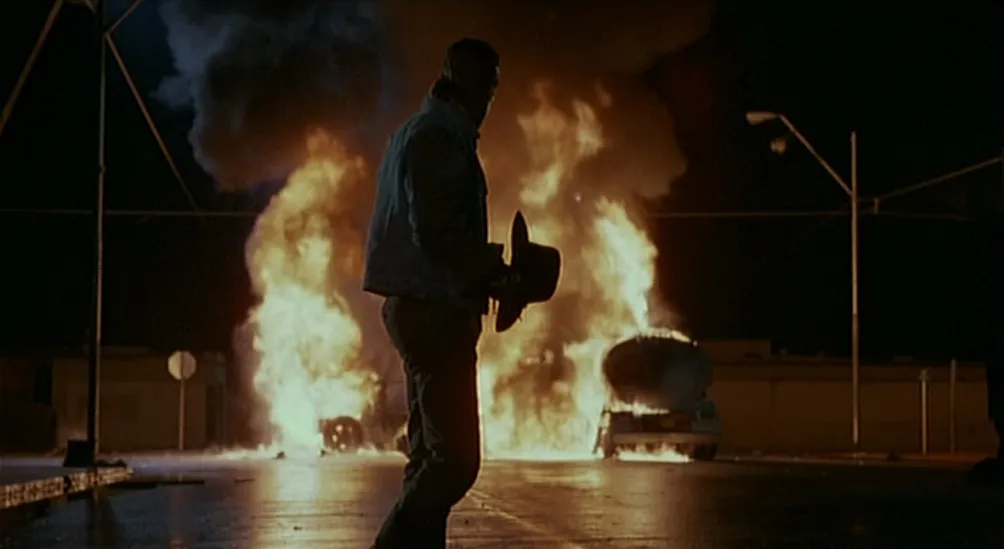
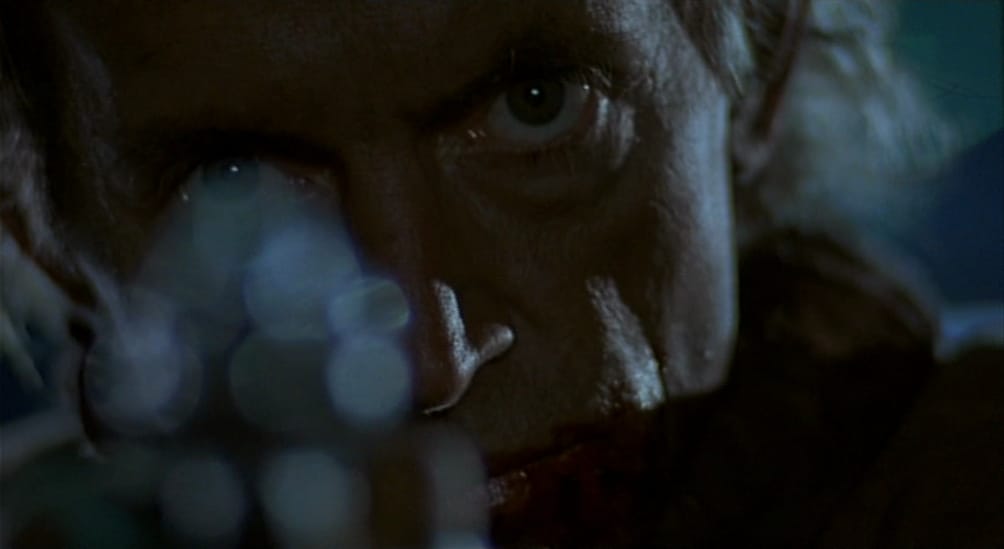
Bigelow's journey began not on a film set, but in the gritty galleries of 1970s New York, where she trained as a painter. She learned to speak in visuals—composition, contrast, the ache of an empty space. When she jumped into the roaring rivers of genre cinema, cult-vampire westerns (Near Dark), and surf-heist thrillers (Point Break), she didn’t leave that artistry behind. She weaponized it.
Her genius lies in her ability to make action feel terrifyingly real. She trades glossy heroics for gritty, immersive experiences.
The Bigelow Signature
Bigelow’s magic trick is making the spectacle feel intimately terrifying. She trades sweeping hero shots for a nervous, handheld intimacy. But her true secret weapon isn’t the camera—it’s her radical, poetic use of silence. Where many filmmakers build tension through physical space and blocking alone, Bigelow pushes further, into the psychological. She doesn't just show you where characters are in relation to danger; she makes you feel the danger in your own breath.
Think of her Oscar-winning, The Hurt Locker (2009). We’re in a bomb-strapped Baghdad street. The image is sun-bleached and gritty, all dust and deadly wires. But listen… where is the soaring, dramatic score? The tense violins? They’re absent. In their place: a howling desert wind, the sterile beep of a robot, and the monstrously loud sound of a soldier’s own breath, echoing inside his helmet.
This is her genius. The silence isn't empty; it's amplified. It becomes a character—a void we fill with our own pounding heartbeats. The fear isn't dictated by an orchestra; it's grown in the quiet, fertile soil between the image and our own primal response. The bomb on screen is made infinitely more dangerous by the sound of the breeze gently tugging at a tripwire.
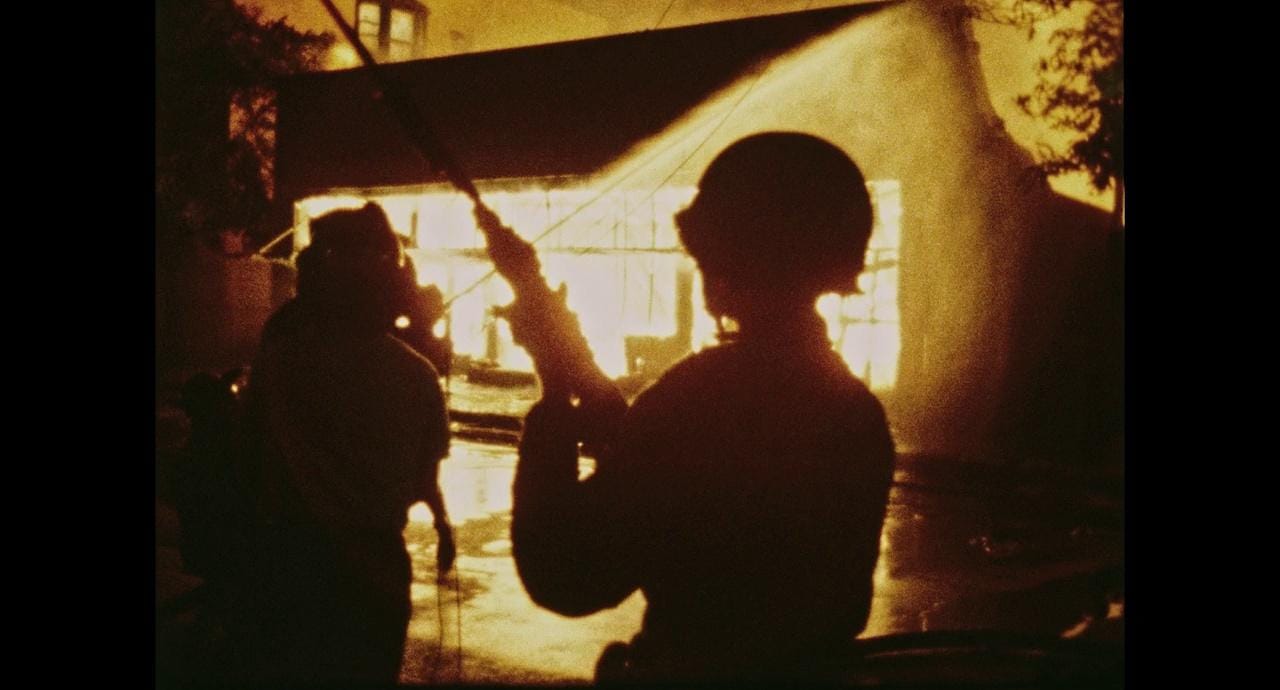
As a low-budget film, it isn’t about the politics of war. It’s a nerve-shredding dive into the psychology of the soldiers who are drawn to it. Bigelow avoids grand, sweeping shots. Instead, she uses gritty, documentary-style camerawork that puts you right in the dusty streets alongside them. You feel the tension in your own body. In her most intense scenes, there’s no dramatic orchestra telling you when to be scared. There’s only the deafening silence, broken by the hum of a desert wind, the frantic beeping of a bomb squad robot, and the ragged sound of a soldier’s breath. This "un-scored" sound design weaponizes realism. Without a musical cue, the fear becomes your own. The violence isn’t glamorous; it’s sobering, chaotic, and it leaves a mark.
Lessons from Bigelow’s Career
1. Sound is a Narrative Character: Do not relegate sound to mere atmosphere or emotional guide. Use it, as Bigelow does, to build psychology. Silence can be so much louder than an explosion. The diegetic soundscape—breathing, machinery, ambient noise—can tell us more about a character’s inner state than any line of dialogue.
2. Image and Sound in Counterpoint: They don’t always have to reinforce each other directly. Sometimes, their dissonance, a calm image paired with a disturbing sound, or a chaotic scene undercut by silence, creates a deeper, more complex emotional and intellectual response.
3. Genre is a Canvas, Not a Cage: Bigelow teaches us that "action" or "war" films are not defined solely by their plots, but by the sensory and psychological experiences they deliver. By prioritizing the individual’s inner journey over external spectacle, she elevates the genre and expands its possibilities.
With her new film, A House of Dynamite (2025), one can only imagine the sonic landscape she’ll build for a nuclear threat. Will it be the silent, blinding flash? The delayed, world-ending roar?
Kathryn Bigelow’s career sings a powerful, poetic anthem: The most compelling stories aren’t just seen; they are felt in the hollow of your stomach, in the static between frequencies, in the breathtaking, beautiful, and brilliant absence of noise. For filmmakers, the lesson is clear – dare to let your images breathe in the quiet. That’s where the real thrill lives.