Table of Contents
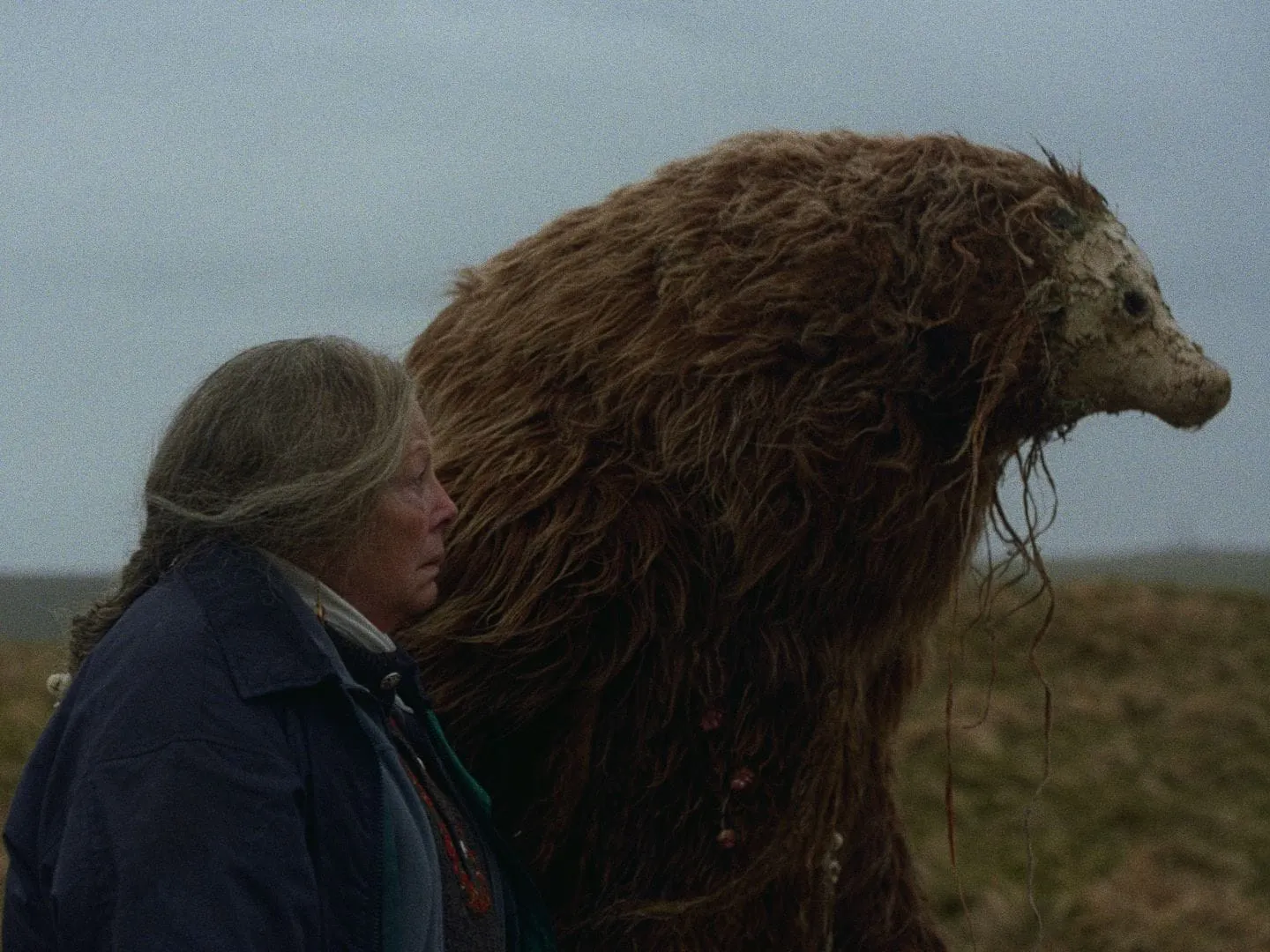
Zhang and Knight explore the theme of memory and place in the short film A Bear Remembers. The two filmmakers, widely recognized for their award-winning music videos, employ their distinctive style in this project, featuring characters Peter (Lewis Cornay) and Ebba (Anna Calder-Marshall). The two make their way into the valley to investigate a strange sound, thereby delving into the fragile space between past and present. With Ciarán Hinds voicing the bear spirit, and Rhianna Compton acting out its movements, the two pair to bring life and depth to the mythical creature.
The film carries a strong spiritual tone, accompanied by a slow, meditative state, and heightened by its careful sound design and visual elements. The bear itself is a haunting, gentle character, enrapturing both the characters and the audience.
Zhang and Knight had always wanted to tackle the subject of cultural erasure, with Zhang growing up half-English, half-Chinese in rural Wales and feeling culturally displaced in his surroundings and identity. Knight also grew up around the feelings of being unmoored in a place, with her mother being an immigrant child put into foster care upon arrival in the UK.
"This duality of understanding something isn't there anymore, feeling sad that it's not there anymore, and there being no resolution to that feeling," Knight explains.
Both filmmakers find interest in cinema with spiritual elements, drawing inspiration from films such as Uncle Boonmee Who Can Recall His Past Lives and those by director Elem Klimov, like Farewell and Come and See, which focus on the relationships and coexistence of the spiritual and the mundane.
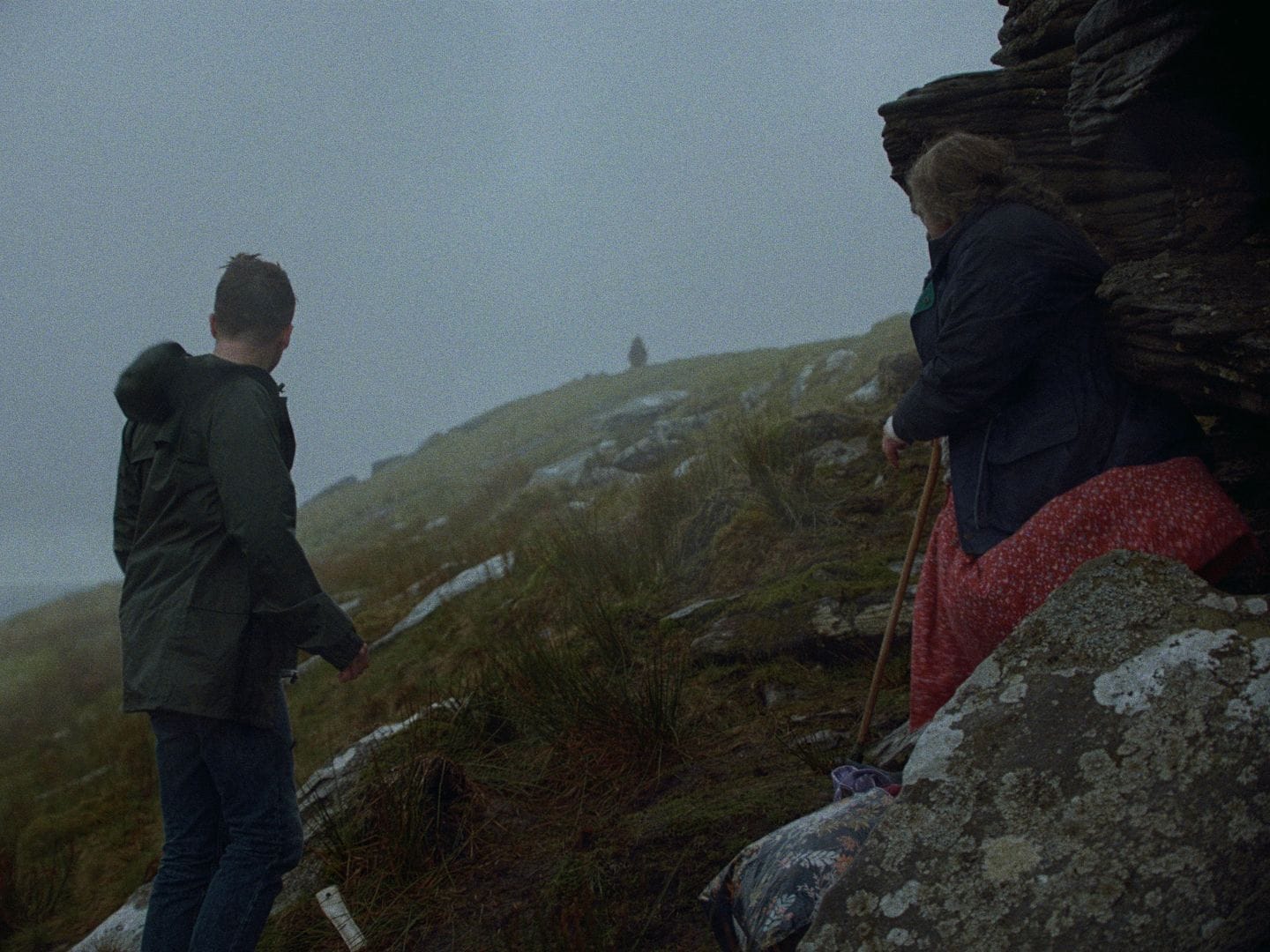
Through screenings of the film at the Clermont-Ferrand International Short Film Festival and Aspen Shortsfest, the duo had surprisingly found the film resonating strongly with older audiences in particular, other than those in constant contact with older people or relatives who experience Alzheimer's or place changes. The film also translates well to different locations, with North American topics such as indigenous cultural erasure paralleling the film's themes that otherwise are less focused on in the UK, despite being a distinctly British film.
The film's sound elements are extremely strong, and Knight notes that the film essentially began there, with the composer having the first view of the initial project.
The duo went through several tests and processes for all the important elements of the film, such as the clanging of the pots or the bear itself.
"We had this romantic idea that we would go up a hill with lots of different pieces of metal and random objects and we'd just bang things to see what the sound of the pot and pans would sound like... in the end, it was the cast iron pan being banged together, and that was what the best sound was; everything else sounded too much like a bell!"
With the mysterious bear itself, Knight explains that for the design of the bear, a CGI photo-realistic bear was out of the question, but so was a Bulgarian-style bear where the human component of the costume was too prominent.
"We wanted it to sit somewhere between those two things," Knight says, before explaining the design process with the costume designer, "She worked with us on the bear silhouette, and there was a lot of back and forth on exaggerating the proportions a bit, but making the leg length kind of right."
One of the biggest elements of the bear they debated on was the ears.
"Every time we put ears on the bear, it got too cute."
Having the mask on the bear was both for ambiguity of whether it truly was a bear or not, and for the convenience of not having to animate the mouth. And the quiet voice itself lends a beautiful contrast to the large creature itself.
When asked about the most rewarding aspects of working on the film, Knight emphasized the significant moment of seeing the bear actually walk up onto the hill.
"We'd been sitting with this project for two years, and we'd been imagining it and storyboarding it and me and [Zhang] had gone up that hill every weekend for the month coming up to that shoot practicing it and practicing it... seeing the costume made and the script moments we'd been playing around with for the first time... this thing, that has been so abstract in my mind for so long, is manifested and real."
For filmmakers who also want to convey and show their experiences through film, Knight warns that, "A lot of people will probably tell you no. If in ten years time you'll be kicking yourself over an idea or a project that is just gonna rattle around in your head forever, just don't listen to the other people and just do it... as artists and creators, everyone's got different taste, but you know best what you like... you have to very strongly believe in your own vision. Unwaveringly."
They had faced that rejection during the initial pitching of their film, as it was so based on visual elements and abstract concepts of memory and place. It was only when they found the right people did those doubts regarding their project subsided, knowing they now had the means of production and support to make their vision a reality.