
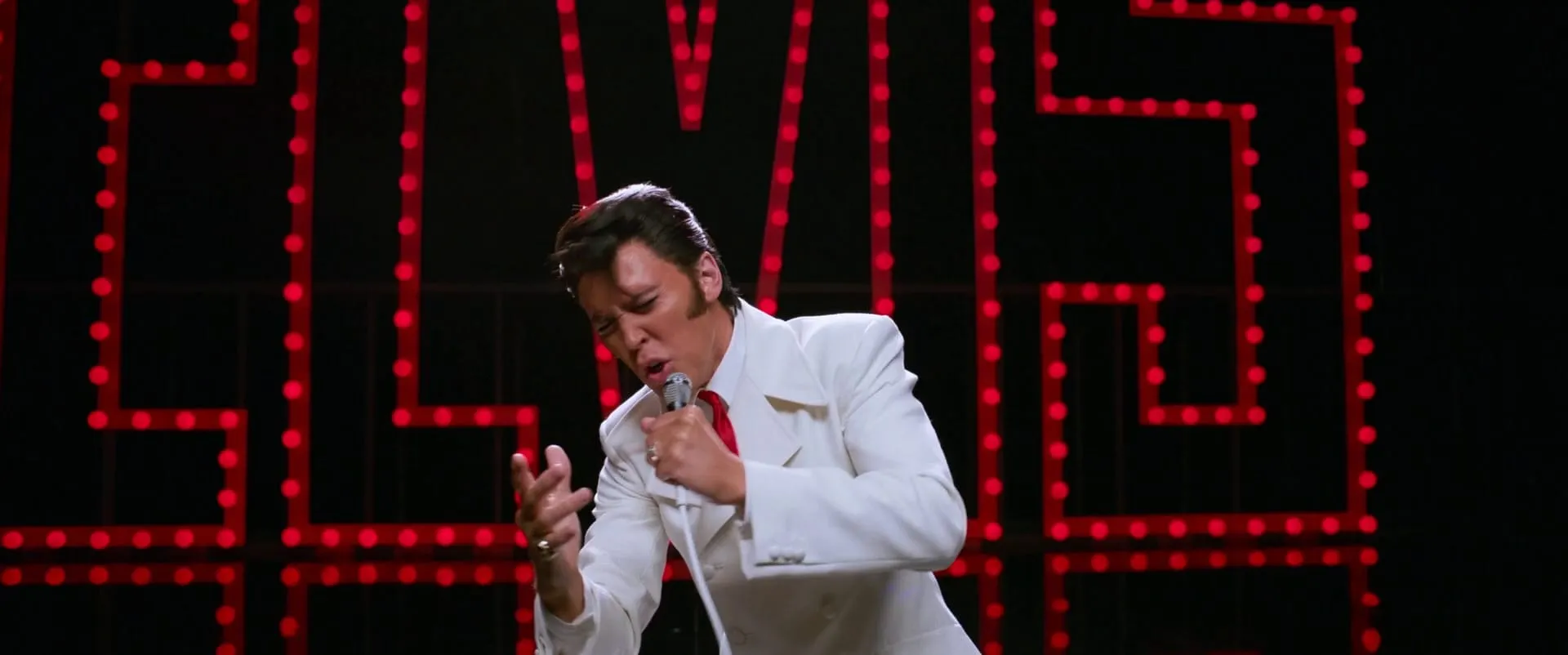
Biopics are a film genre we all know and love, and if done well, are often box office wins. Michael (2026) was a smashing success, grossing over $1 billion worldwide and once again proving audiences' fascination with seeing the lives of famous figures brought to the big screen (Jeremy Fuster, The Wrap). Oppenheimer (2023), Elvis (2022), Bohemian Rhapsody (2018), the list of hits go on and on.
But despite biopics being considered their own distinct genre, they cannot be grouped together so easily, as each one uses its subject and their story to make unique creative choices. Most are rooted in drama, while simultaneously pulling from other genres to make the subject’s life more entertaining for audiences and create a feel that best reflects the person being portrayed.
In his book Film Genre: Hollywood and Beyond, film scholar Barry Langford discusses the fluidity of genre and how often films break traditional genre boundaries. Biopics as a whole are a prime example of this. After all, the same approach to storytelling cannot be expected to effectively capture the lives of an Olympic figure skater, the wife of one of the most famous musicians in history, and one of the most influential singer-songwriters of all time.
Drama is without a doubt one of the most diverse and engaging film genres, which is why it serves as such a good foundation for biopics. Dramas have the goal of humanizing their subjects, exploring relationships and internal struggles, and showing audiences perspectives they are unaware of or don't understand. And, adding the combination of another genre on top of the dramatic foundation allows biopics to cater more specifically to the subject and their story.
Three great examples of this are I, Tonya (2017), Priscilla (2023), and A Complete Unknown (2024). These biopics can all also be considered dramas, yet I, Tonya combines drama with dark comedy, Priscilla with romance, and A Complete Unknown with the musical genre.
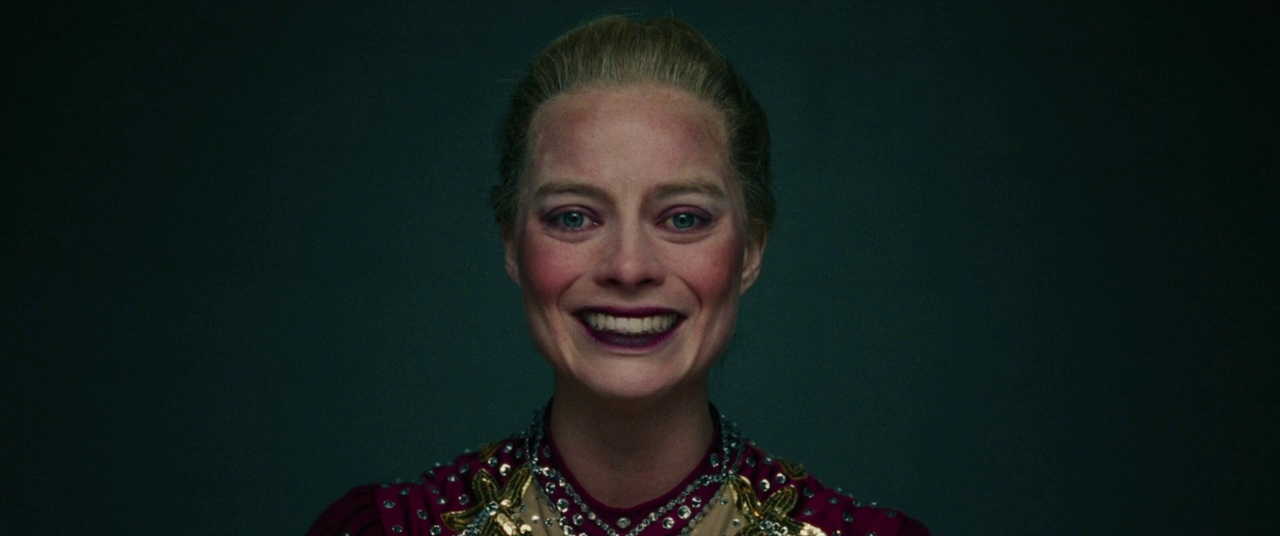
At first, it may seem strange to describe a film centered around childhood trauma, domestic abuse, and one of the biggest scandals in sports history as a partial comedy. Yet, I, Tonya manages to make Tonya Harding’s incredibly dark story surprisingly funny.
According to No Film School, comedy is an extremely diverse genre that can take on many different forms, but ultimately aims to create humor for an audience. I, Tonya does this through dark comedy and satire, using mockumentary style interviews, exaggerated characters, and moments of breaking the fourth wall to highlight the absurdity surrounding Harding’s life.
What makes this approach so effective is that the comedy never completely takes away from the seriousness of her story. Instead, audiences are able to understand the trauma Harding experienced, her abusive relationships, financial struggles, and difficulty fitting into the traditional world of competitive figure skating, without the film becoming completely overpowered by darkness.
Prior to I, Tonya, Harding was largely remembered as a villain because of the attack on Nancy Kerrigan and the scandal that followed. Yet by combining the emotional weight of drama with the entertainment of dark comedy, the film presents a much more complicated and human version of Harding than the one many audiences previously knew.
Embed from Getty ImagesWhile I, Tonya finds humor within an incredibly dark story, Priscilla uses a completely different genre to bring its subject’s life to the screen: romance.
As described by No Film School, romance films generally revolve around intimate relationships and explore themes of passion, intimacy, and emotional connection. These elements are at the center of Priscilla, which tells much of Priscilla Presley’s story through the development and eventual breakdown of her relationship with Elvis.
The film begins with the excitement and almost fantasy-like nature of their early relationship before gradually showing how Priscilla’s life becomes increasingly shaped by Elvis. What initially appears to be a dream relationship eventually becomes isolating and controlling, with Priscilla struggling to develop an identity of her own.
What makes the use of romance especially interesting is how it changes the way the ending can be interpreted. In the context of a romance, the end of Priscilla and Elvis’s relationship is heartbreak. Yet, in the context of a biopic about Priscilla herself, it can almost be considered a happy ending. Leaving the relationship allows her to finally begin creating an independent life outside of Elvis.
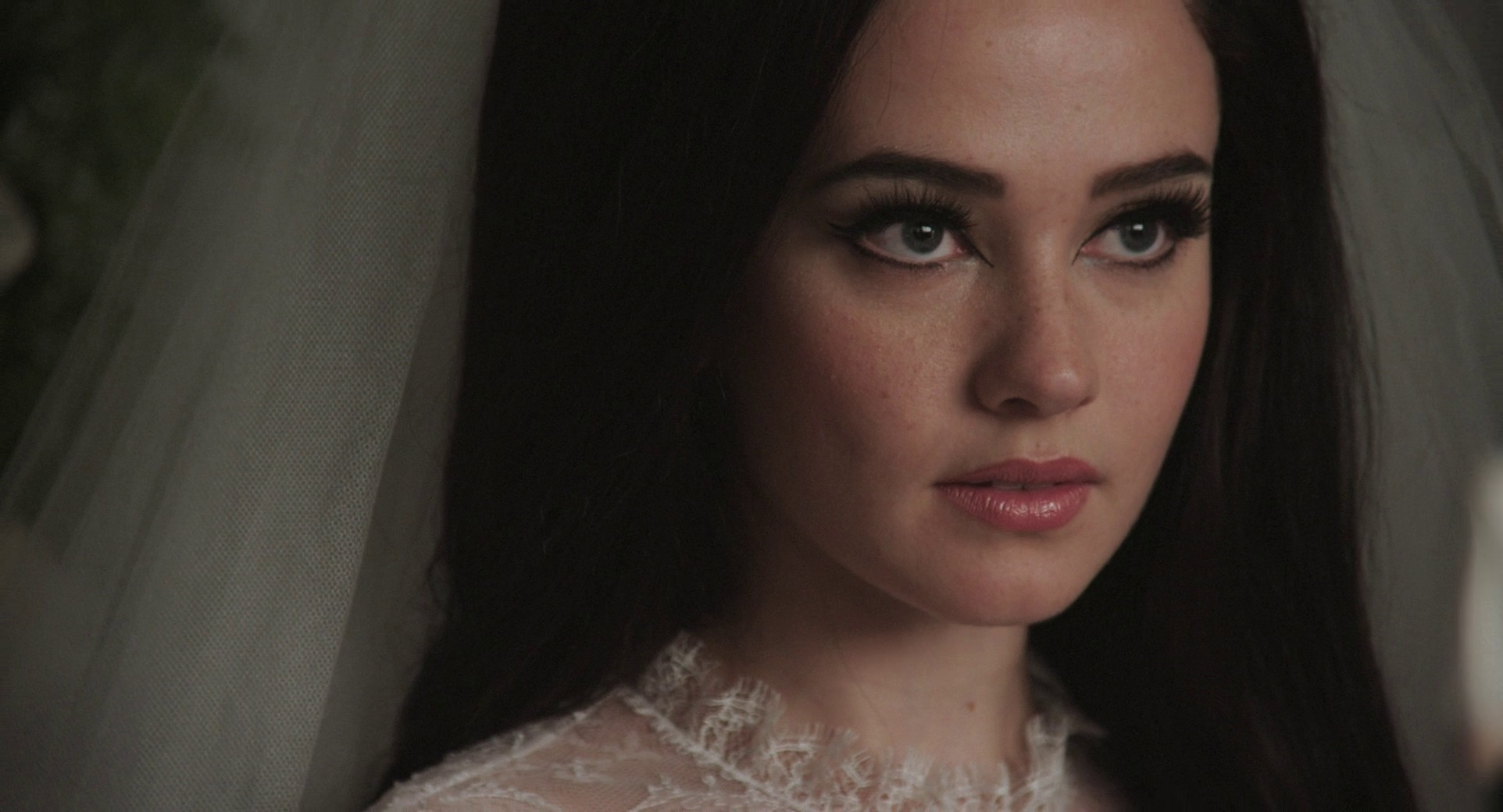
So, by telling her story through the conventions of romance, Priscilla allows audiences to understand just how much this relationship shaped her early life, while also making her eventual independence much more meaningful.
Of the three films, the secondary genre used in A Complete Unknown may seem the most obvious. When telling the story of Bob Dylan, one of the most influential musicians of all time, music naturally becomes essential to the film itself.
Musical films use songs and performances as a way of moving along the story and expressing emotions. While A Complete Unknown does not resemble the traditional musical filled with elaborate dance numbers, its live performances play a major role in telling Dylan’s story.
The film focuses heavily on Dylan’s early career and his controversial transition from acoustic folk to electric rock. Rather than simply telling audiences about the conflict between the artist Dylan wanted to become and the version of him his fans expected him to remain, the film allows audiences to experience this change through the music itself.
This makes the musical genre much more than an obvious addition to a movie about a musician. Dylan’s performances become a way of expressing his internal struggles, changing relationships, and growth as an artist. In this case, music is not simply part of the subject’s life. It becomes one of the main ways his life is portrayed.
Embed from Getty ImagesUltimately, I, Tonya, Priscilla, and A Complete Unknown are all biopics, yet watching them provides three completely different experiences. This is exactly what makes the blending of genres so important.
Drama gives biopics the emotional foundation needed to humanize their subjects and explore the complexities of their lives, but a secondary genre allows filmmakers to go even further. Dark comedy fits the chaos surrounding Tonya Harding’s story, romance reflects how greatly how greatly Elvis shaped Priscilla Presley’s early life, and music provides the perfect way to understand Bob Dylan’s transformation as an artist.
Biopics have to do more than simply recreate the major events of someone’s life. What makes these films so compelling is their ability to take a life we may already know and make us understand that person in a completely different way. By breaking traditional genre boundaries and finding a style that best reflects each individual subject, biopics become much more than a retelling of a true story, and perhaps their refusal to fit perfectly into one genre is exactly what makes them so successful.


