
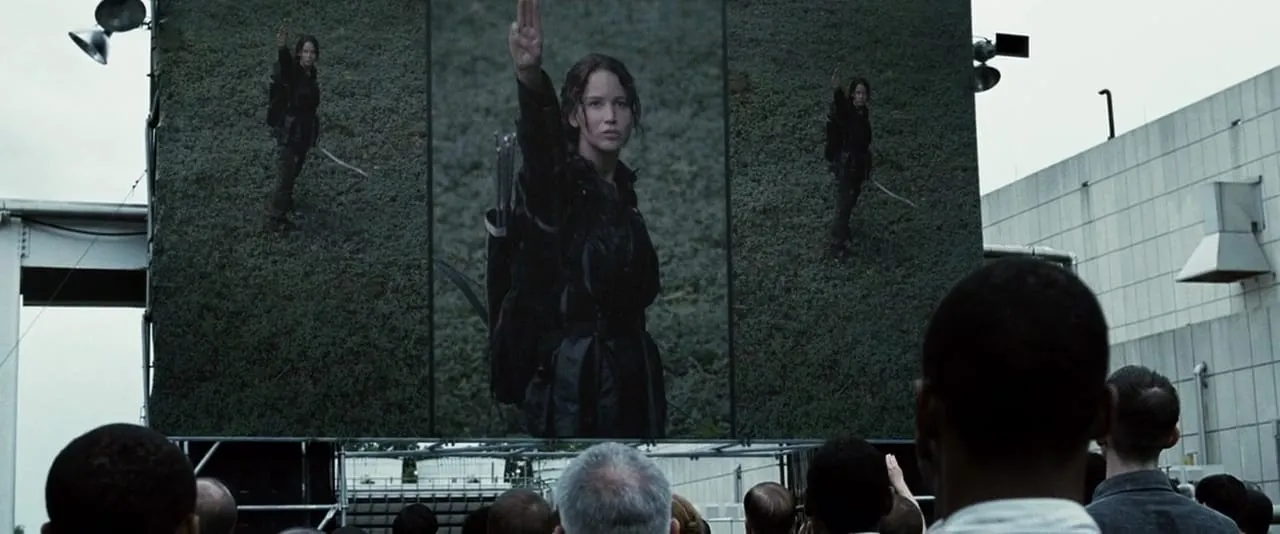
More than a decade after The Hunger Games first arrived in theaters, audiences are preparing to return to Panem once again. With The Hunger Games: Sunrise on the Reaping set to release on November 20, 2026, the franchise is showing no signs of slowing down. Yet, what makes its continued success particularly interesting is that the original story concluded over a decade ago. Rather than continuing to follow Katniss Everdeen's journey, the franchise has found new ways to expand its world while keeping audiences invested in the stories they already know.
From new novels and film adaptations to TikTok campaigns and fan events, The Hunger Games has built on its original popularity through a combination of nostalgia, new content, and strategic marketing. Its success raises an interesting question for the entertainment industry: How can a franchise continue growing years after its original story has concluded?
When The Hunger Games premiered in 2012, it introduced audiences to Katniss Everdeen and the dystopian world of Panem. Based on Suzanne Collins's bestselling trilogy, the franchise eventually expanded into four films, concluding with The Hunger Games: Mockingjay Part 2 in 2015. The series became a major cultural phenomenon, attracting a devoted fan base and establishing itself as one of the defining young adult franchises of the 2010s.
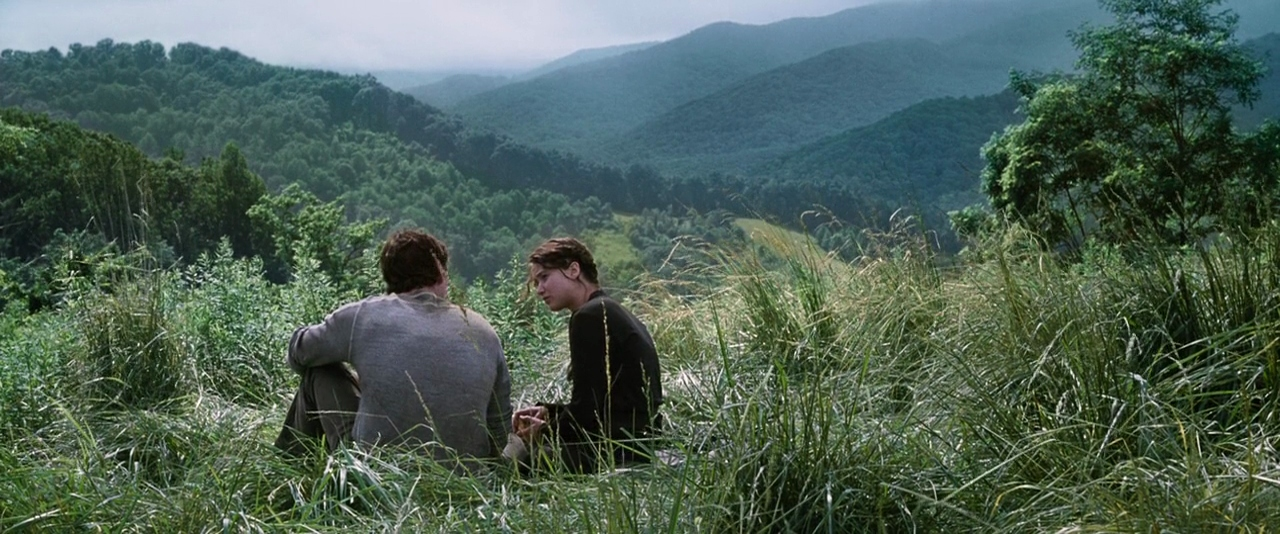
However, unlike many successful franchises that quickly produce sequels or spinoffs, The Hunger Games went eight years without another theatrical release. During that time, its original audience grew older, and an entirely new generation of viewers began discovering the films. One of the most interesting examples of this occurred in 2023, when the original four movies became available on Netflix ahead of the release of The Hunger Games: The Ballad of Songbirds and Snakes. According to Lionsgate executive Joe Drake, bringing the films to Netflix helped send the original books back up the bestseller lists and increased sales of The Ballad of Songbirds and Snakes by 40% to 50% (TheWrap).
The films' return to Netflix also sparked a resurgence on TikTok, with fans sharing character edits, analyzing scenes, and revisiting their favorite moments from the original films. The trend, often referred to as the "Hunger Games Renaissance," brought renewed attention to the franchise just months before The Ballad of Songbirds and Snakes was set to hit theaters. With longtime fans revisiting the series and others discovering it through social media, the resurgence helped build excitement for the franchise's return (Her Campus).
Another major part of The Hunger Games' continued success is its approach to expanding the story. Instead of creating a direct sequel to Katniss's journey, Collins returned to Panem through prequels that explore characters and events audiences were already familiar with. In 2020, Collins published The Ballad of Songbirds and Snakes, which follows a young Coriolanus Snow decades before he becomes the president audiences recognize in the original series. The novel was adapted into a film in 2023, introducing a new cast and storyline while maintaining a connection to the franchise's established world.

The franchise is now following a similar pattern with Sunrise on the Reaping. Published in March 2025, the novel focuses on a younger Haymitch Abernathy and the 50th Hunger Games, an event previously referenced in the original trilogy. Lionsgate announced plans for its film adaptation in June 2024, before the book had even been released (Publishers Weekly).
This creates a cycle of anticipation because the new book gives existing fans another opportunity to explore Panem, while the announcement of a film adaptation provides something else to look forward to. Readers can begin imagining how the story will translate to the screen, and moviegoers who may not have read the novel still have a reason to return to the franchise. According to Scholastic, Sunrise on the Reaping sold more than 1.5 million English-language copies worldwide during its first week, including more than 1.2 million in the United States (Scholastic).
While the books and movies provide the foundation for The Hunger Games' continued success, the franchise's marketing has played an important role in maintaining excitement between releases. Social media has become particularly valuable, allowing fans to share edits, theories, reactions, and interpretations of the series. Rather than simply releasing trailers and promotional posters, the franchise has also found ways to involve these communities directly in its campaigns.
Embed from Getty ImagesFor The Ballad of Songbirds and Snakes, Lionsgate and marketing agency Think Jam developed a program called "Gems of Panem," involving 22 fan accounts across social media platforms. These creators received exclusive promotional material and helped share updates about the film with their existing audiences. The campaign generated more than 40 million estimated impressions, demonstrating how the franchise could turn existing fan communities into an important part of its marketing strategy (Shorty Awards).
The promotion surrounding Sunrise on the Reaping has taken a similarly interactive approach. Ahead of the novel's March 2025 release, Scholastic organized a 32-hour social media countdown featuring superfans, influencers, and exclusive content. The event included an audio reading from Suzanne Collins, followed by international creators reading the same excerpt in different languages. The countdown generated 11.8 million impressions and more than 600,000 engagements across social platforms (Shorty Awards).
The franchise has also found ways to turn its original movies into promotional opportunities. In September 2026, Lionsgate and Fathom Entertainment brought all five existing films back to theaters over five days, with exclusive previews of Sunrise on the Reaping accompanying each screening. This allowed longtime fans to revisit the series on the big screen while building excitement for the upcoming installment (Fathom Entertainment).
Embed from Getty ImagesMore recently, Lionsgate collaborated with social media editor Areq on an official Sunrise on the Reaping trailer released in October 2026. The trailer incorporated the editing style popular among online fan communities and featured previously unseen footage from the film. By bringing a fan creator into an official marketing campaign, Lionsgate demonstrated how seriously it takes the audience that has helped sustain the franchise's popularity (BroadwayWorld).
Of course, marketing alone cannot explain why audiences continue to return to The Hunger Games. Since its beginning, the series has explored political power, economic inequality, propaganda, and the influence of media. Although the stories take place in a fictional dystopian society, their themes continue to connect with conversations surrounding current events. In a 2025 interview, Collins discussed how Sunrise on the Reaping explores propaganda and the ways those in power influence what people believe, adding another layer of relevance to a franchise that has always encouraged audiences to question authority (Scholastic).
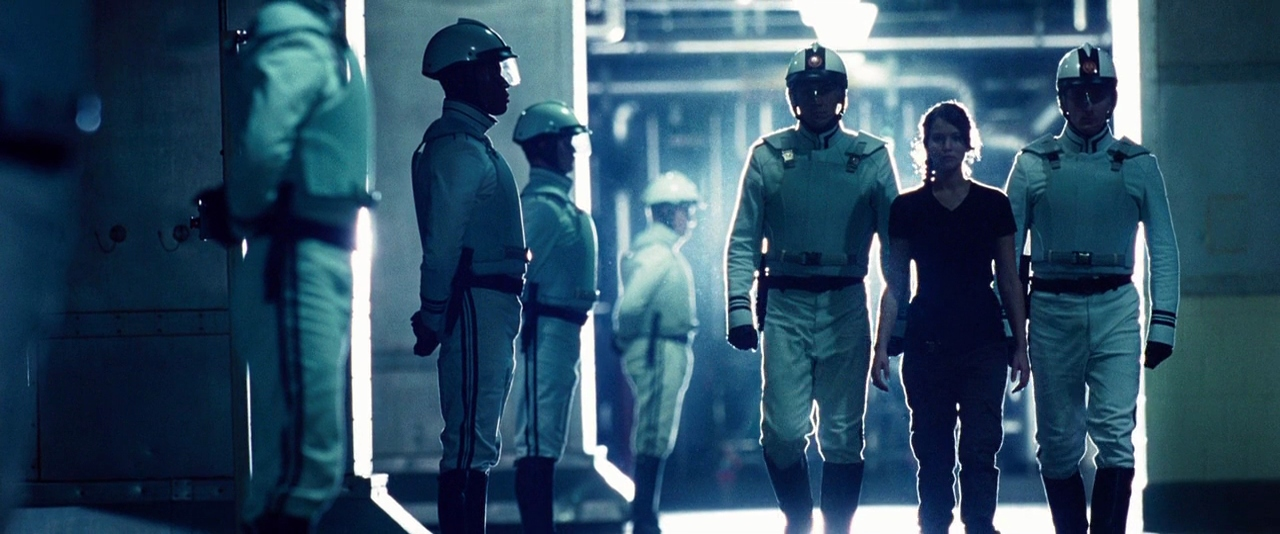
With Sunrise on the Reaping approaching its theatrical release, The Hunger Games has demonstrated how an established franchise can continue expanding without abandoning what originally made it successful. Streaming helped introduce the original films to younger audiences, new novels created opportunities for further adaptations, and social media campaigns gave fans ways to remain involved between releases. Its political themes have also helped keep the stories part of conversations beyond the entertainment industry.
Rather than relying solely on nostalgia, The Hunger Games has turned its existing popularity into a foundation for continued growth. For publishers and studios, its success offers an example of how new content, strategic marketing, and audience engagement can work together to sustain a franchise long after its original story has ended.


