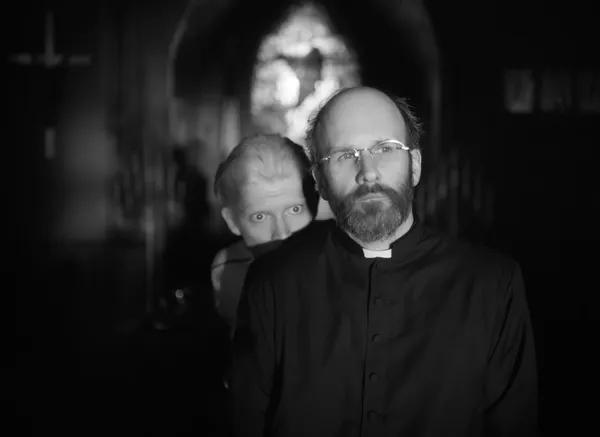
A couple from Cardiff, Marc and Gwen, drive west to look at a second home in Cardigan. Something is off. Every local they pass is wearing a cardigan, and when the pair set out to explore on foot, a policeman stops them and threatens to write them a ticket for their shocking lack of knitwear. That is the premise of Cardigan, a Welsh-language comedy directed by Aled Owen and written by and starring Hans Obma. The film is tightly paced and full of jokes, and underneath it is a serious argument about holiday homes hollowing out small communities.
The project marks a change of direction for Owen, a Carmarthen filmmaker whose debut feature, The Mill Killers, premiered at London's FrightFest in 2024 and went on to worldwide distribution on a £70,000 budget. Cardigan swaps horror for sketch comedy in the tradition of Monty Python. It came out of an online meeting with Obma, an American actor from Wisconsin who learned Welsh fluently in three years. Owen hopes audiences enjoy hearing Welsh spoken, laugh throughout, and leave with a deeper understanding of what owning a holiday home does to towns like Cardigan. As he puts it, at the core of all his work is a desire to "spread the Welsh language and culture across the world."
Key Takeaways
- Cardigan started as a silly pitch about cardigans in Cardigan. It found its purpose once Owen and Obma connected it to the second-home crisis in Wales.
- More than 20 Cardigan locals appear as supporting artists in the opening montage, and they backed the film's message wholeheartedly.
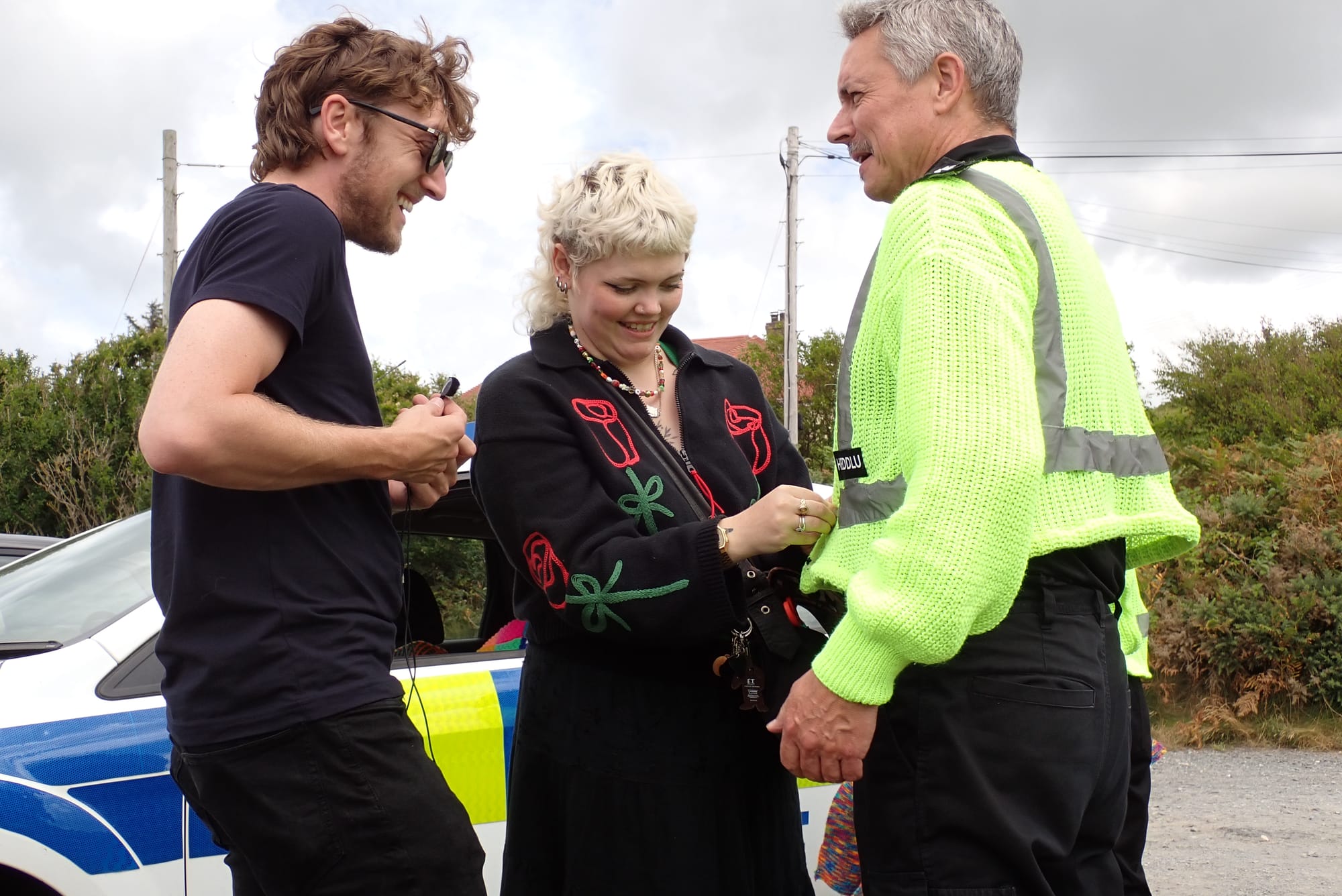
- Costume designer Ellie Williams hand-knitted hi-vis police cardigans, and Owen says that one image sums up the film's silliness.
Owen spoke with us about viral Welsh reels, a location gamble that paid off, and the advice it took him years to believe.
Interview
What drew you to make this film, and why this story, why now?
Hans had taken to socials to announce his fluency in the Welsh language, looking for Welsh-speaking filmmakers to connect with. His reels went viral, at least in Wales, and we soon met online to discuss ideas. Hans wanted to use his new Welsh skills in his work as an actor, and then put the language on the world's stage.
A Monty Python-esque sketch about cardigans in Cardigan was pitched. But it wasn't until we developed the idea to tackle the second-home crisis in Wales that we felt we'd found the film's purpose. Cardigan explores the community-killing practice of holiday-home owning, but in a light and silly way.
What surprised you most about the filmmaking process, creatively or logistically?
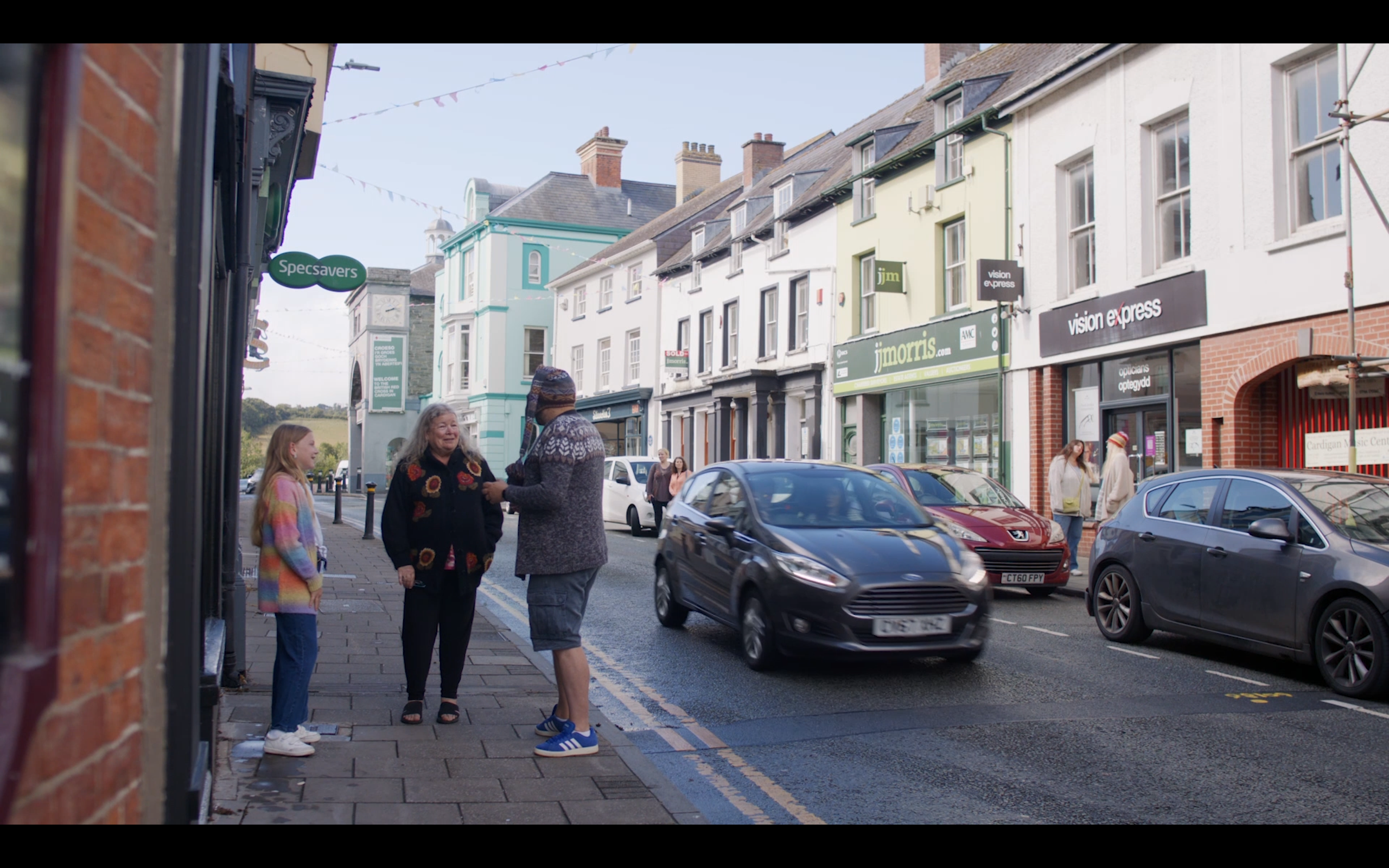
It wasn't until we began filming in Cardigan itself that we realized how important the message of this story would be to the locals. Second-home owners in West Wales are pricing locals out of their hometowns and driving communities out, leaving houses empty for most of the year.
We featured 20+ locals as supporting artists in our opening montage, and they were all so supportive of the film and its message.
What was the hardest creative decision you made while making the film?
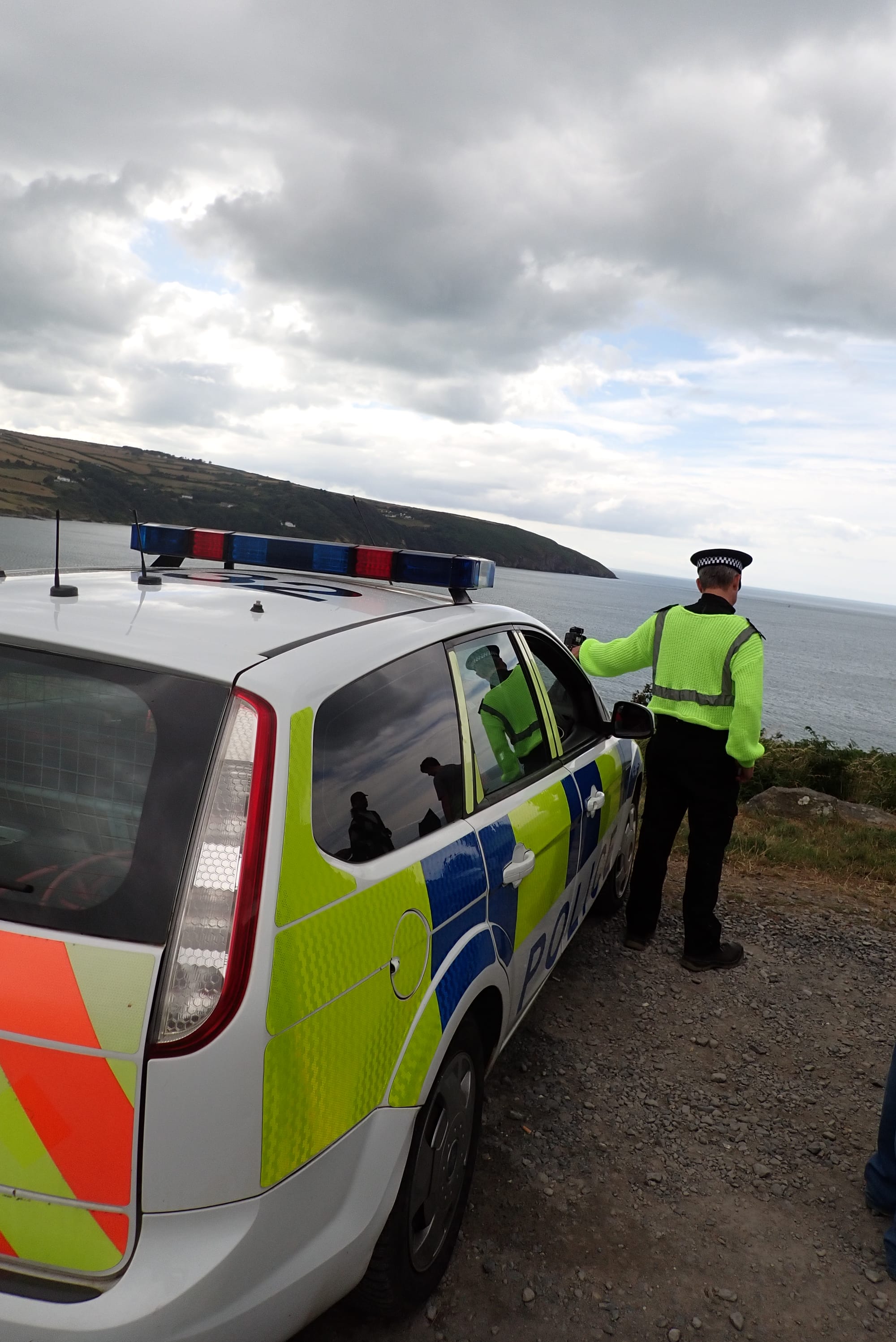
We had fallen in love with a location for the main conflict scene, but the owner became harder and harder to get hold of. Eventually we were running out of time, and it pained me to have to find a different location.
The cliffside car park we shot at turned out to be even better than our original plan. The clouds miraculously parted, and the perfect weather gave us the most cinematic landscape.
What moment in the film feels most like you, or like something only you could have made?
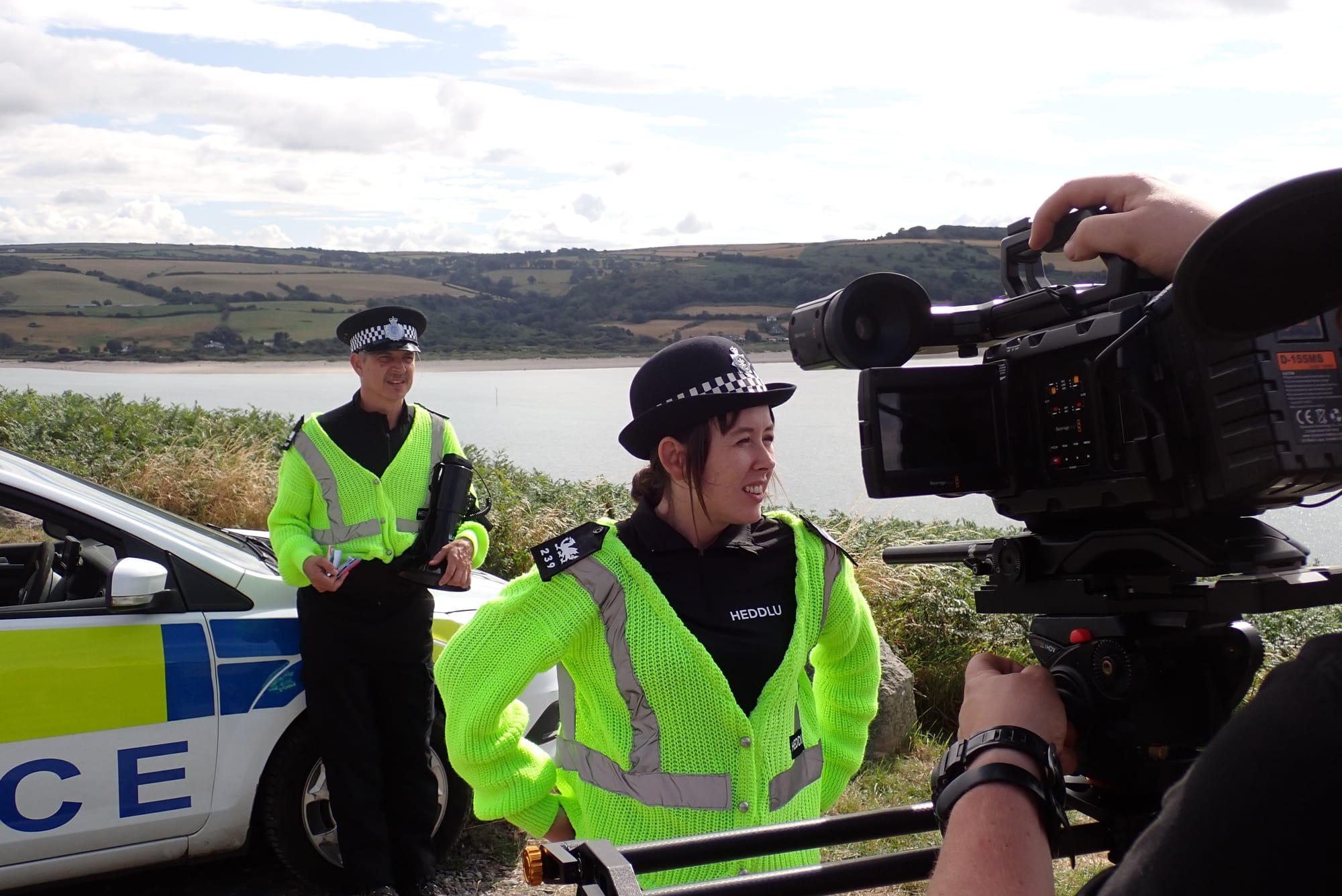
I usually work in the horror space, so this short comedy is quite a deviation for me. However, the hi-vis police cardigans that our fantastic costume designer Ellie Williams hand-knitted for the characters really do sum up the silliness of our film in one clear image.
What tool, technique, resource, collaborator, or mindset shift helped most during production?
This project would not have existed in any way without Hans Obma's crazy ideas and his determination to work with fellow Welsh speakers. His enthusiasm and excitement were contagious. They made the whole cast and crew even more committed to making the shoot work on such a tight budget and timeframe.
What is the greatest strength of independent filmmaking, and what lesson would you share with others?
Just shoot, shoot, shoot. Don't overthink it. Commit to making films no matter the limitations. It's nothing that hasn't been said before, but it took far too long for me to fully believe that advice and put it into practice.
How has this film shaped the stories you want to tell next, and what does it mean to have it selected for HollyShorts London?
Cardigan is a tightly paced short film, with plenty of jokes and an important underlying message. It leans into its sketch comedy influences, such as Monty Python, but it has something important to say. I would love to tell more stories like Cardigan and experiment with what other topics can be explored that way.
Being selected means the world. HollyShorts is such an iconic festival, and having our film screen in a Leicester Square cinema is so exciting. As for where the film goes next, who knows? That's what's so exciting!
Main Cast & Crew
- Hans Obma — Writer; actor ("Marc"). Hans is an American actor from La Crosse, Wisconsin, who learned Welsh fluently over three years. His grandmother came from Brynmawr in South Wales and emigrated with her American G.I. husband after WWII, which inspired Hans to learn the language. His credits include Better Call Saul, Marvel's WandaVision, and Narcos: Mexico.
- Aled Owen — Director. Aled is a filmmaker from Carmarthen, Wales. His debut feature as writer, director, and producer, The Mill Killers, premiered at London's FrightFest in 2024 and has since received worldwide distribution despite its shoestring £70,000 budget. Most recently, he has worked on the Welsh-language drama Pobol y Cwm and stars as Mr Bingley in The Other Bennet Sister.
- Website | Social
Filmmaker Opportunities
💛 Fund your next project with fiscal sponsorship
Have a project in the works? As a 501(c)(3) nonprofit, the Cinematography for Actors Institute can accept tax-deductible donations on your film's behalf — a door-opener for grants, foundations, and supporters who want to back your work. We've serviced over 100 projects to date and helped route over $800,000 in funding to filmmakers. Explore fiscal sponsorship →
📬 Grant deadlines and festival opportunities, straight to your inbox
The CFA newsletter rounds up grants, festival calls, and community news for independent filmmakers — the kind of opportunities that are easy to miss and painful to miss. Join the newsletter →
🎬 Focus on the creative — we'll help with the logistics
Production Management, CFA's newest member program, launches this November: production insurance and workers' comp, payroll, film permits, gear rental coordination, SAG-AFTRA compliance, contract drafting, production consulting, and crew recommendations — handled by a team of working filmmakers, à la carte or all in, in partnership with Creative Access Group. It's waitlist-only until launch. Join the waitlist →
League of Filmmakers is published by our parent organization, the Cinematography for Actors Institute — a 501(c)(3) dedicated to education, community, and capital for underrepresented filmmakers and actors. Learn more about CFA →