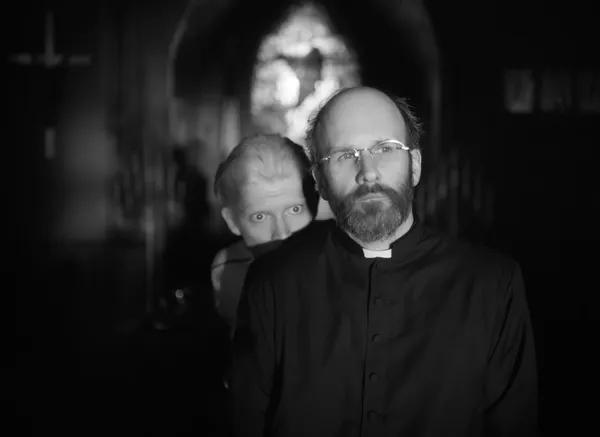
The premise of Different Faces fits in a single line: Jack and Mabel move to the country. Greg Randolph Jr. built the short around that simple shift, focusing on two central characters and the way their dynamic bends and resettles over time. Its roots are in the city they leave behind. Randolph wanted to speak to the constraints of living somewhere with a high cost of living, where it feels like "we live hand to mouth," and to ask how a relationship can grow into something lasting under that pressure.
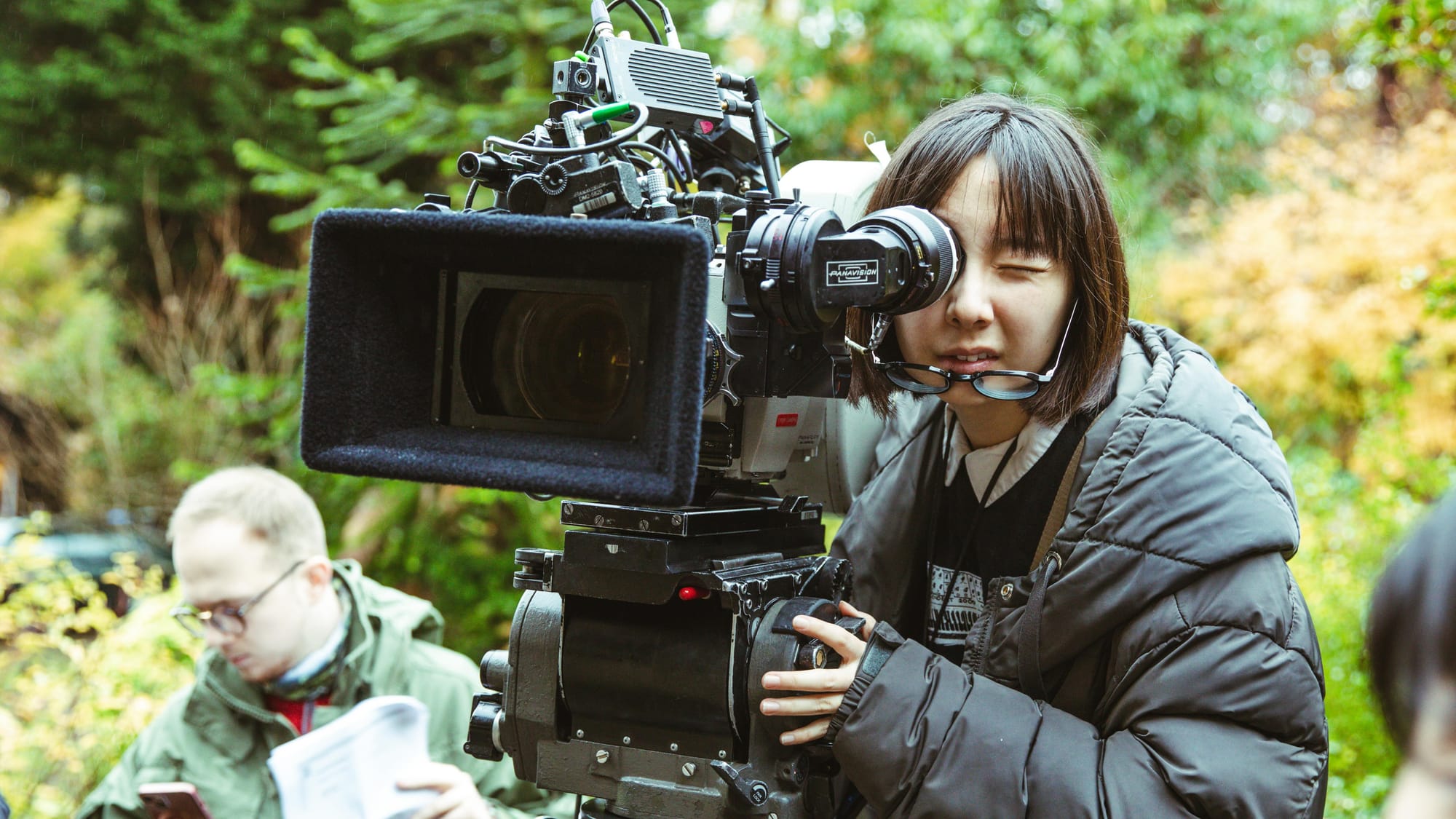
The film was shot on 35mm in England with a limited supply of film stock, Panavision glass, and a schedule tight enough that the crew worked almost like a documentary unit. The result, as Randolph describes it, is a film with a Hollywood sheen and a sense of urgency. It is interested less in rupture than in repair, and in the quiet hope that runs beneath ordinary days.
Key Takeaways
- Different Faces was shot on 35mm with so little stock that every take counted, and not a single frame was lost or overexposed from purchase to final scan.
- Randolph set out to show a relationship falling together rather than apart, finding drama in everyday life instead of staging a dramatic retelling.
- A touch of magical realism in the film points toward what he wants to explore next. At the core of all his work is a desire to "believe."
Randolph spoke about the city pressures behind the story, the discipline of shooting on film, and what he learned about letting go.
Interview
What drew you to make this film, and why this story, why now?
I wanted to work on a relationship story. I wanted to focus on two central characters and build a dynamic between them. Relationships fascinate me, and it's fun to see relationships change as time changes. I wanted to test these dynamics in a film shot on film in England.
This film was particularly important for me to tell now because I wanted to speak to the constraints we put ourselves under and the way we feel living in a city with such a high cost of living. It feels like we live hand to mouth. It's difficult to overcome the constraints of those high costs while still developing a relationship that we feel can be long-lasting and meaningful.
What surprised you most about the filmmaking process, creatively or logistically?
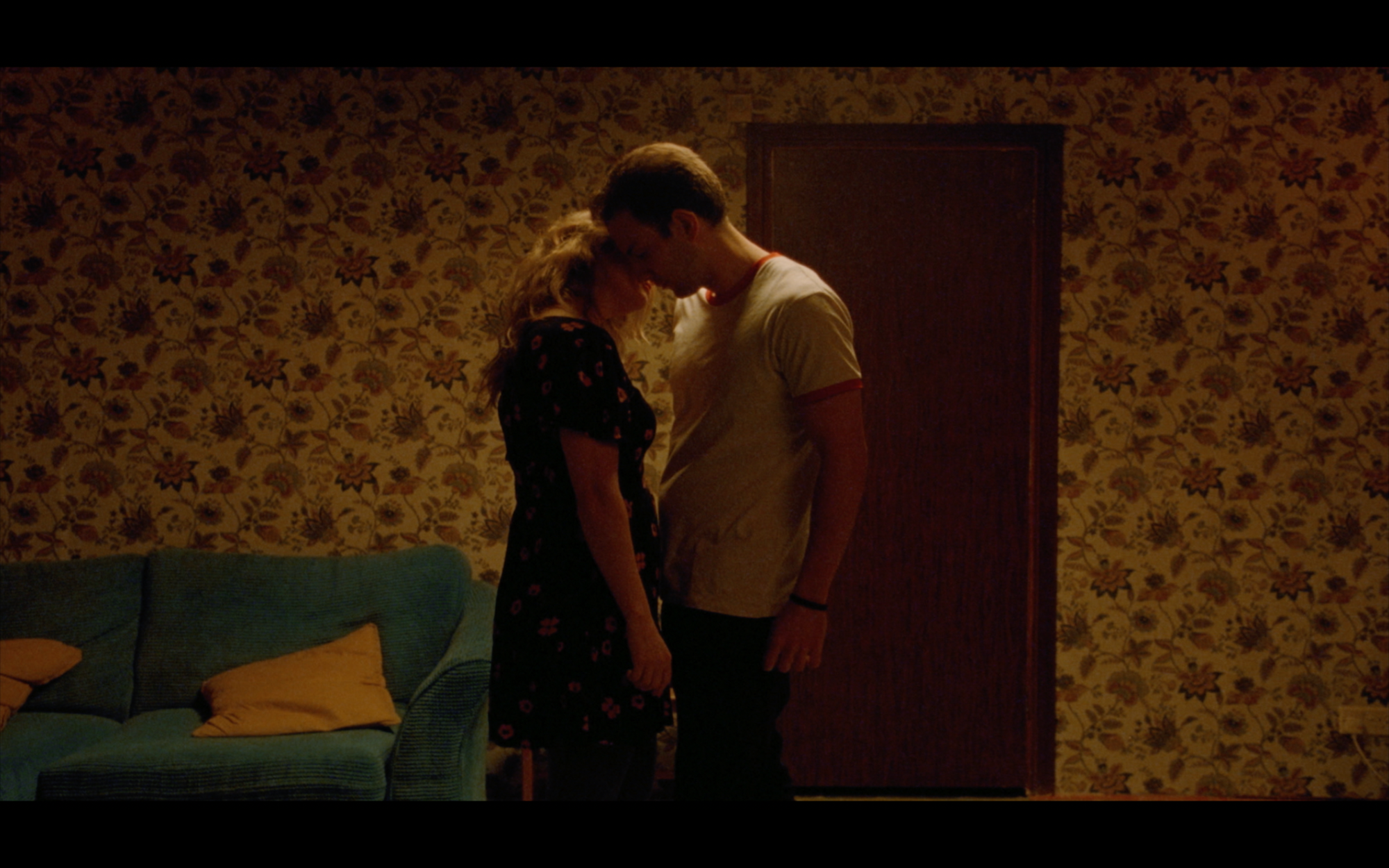
I was excited to film the dance scene towards the end of the film, and I feel we built up to it in a fun and captivating way, both in preparing it on set and in how it finally came across in the edit. I saw it as a playful scene to bring the characters back together after their row a few scenes earlier.
An aspect of the film that was important for me to tell was that of a relationship falling together as opposed to falling apart. I wanted to show some of the "real life" I am used to rather than fight for a dramatic retelling of a situation. I am interested in finding the drama in the everyday. That is interesting to me.
What moment in the film feels most like you, or like something only you could have made?
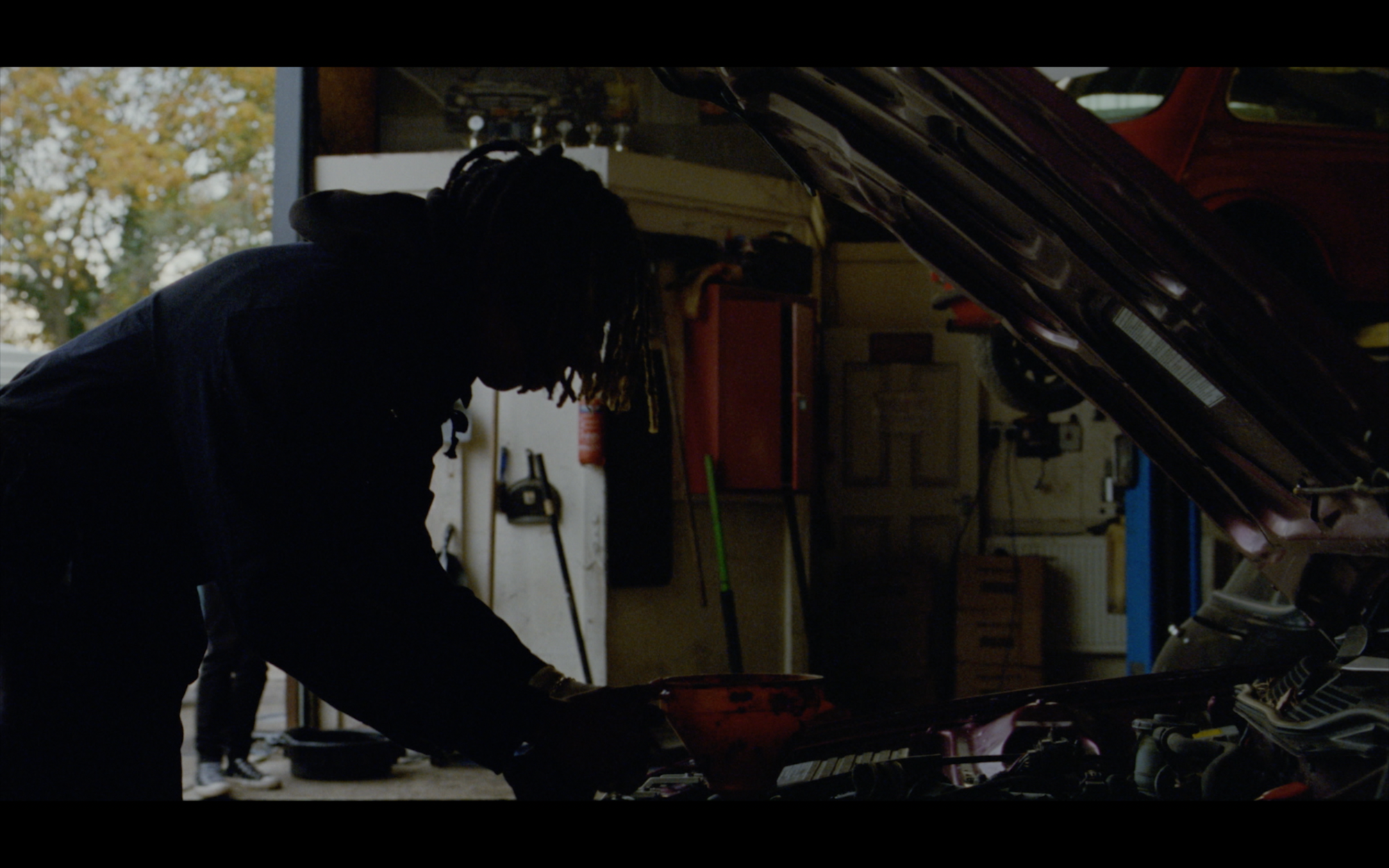
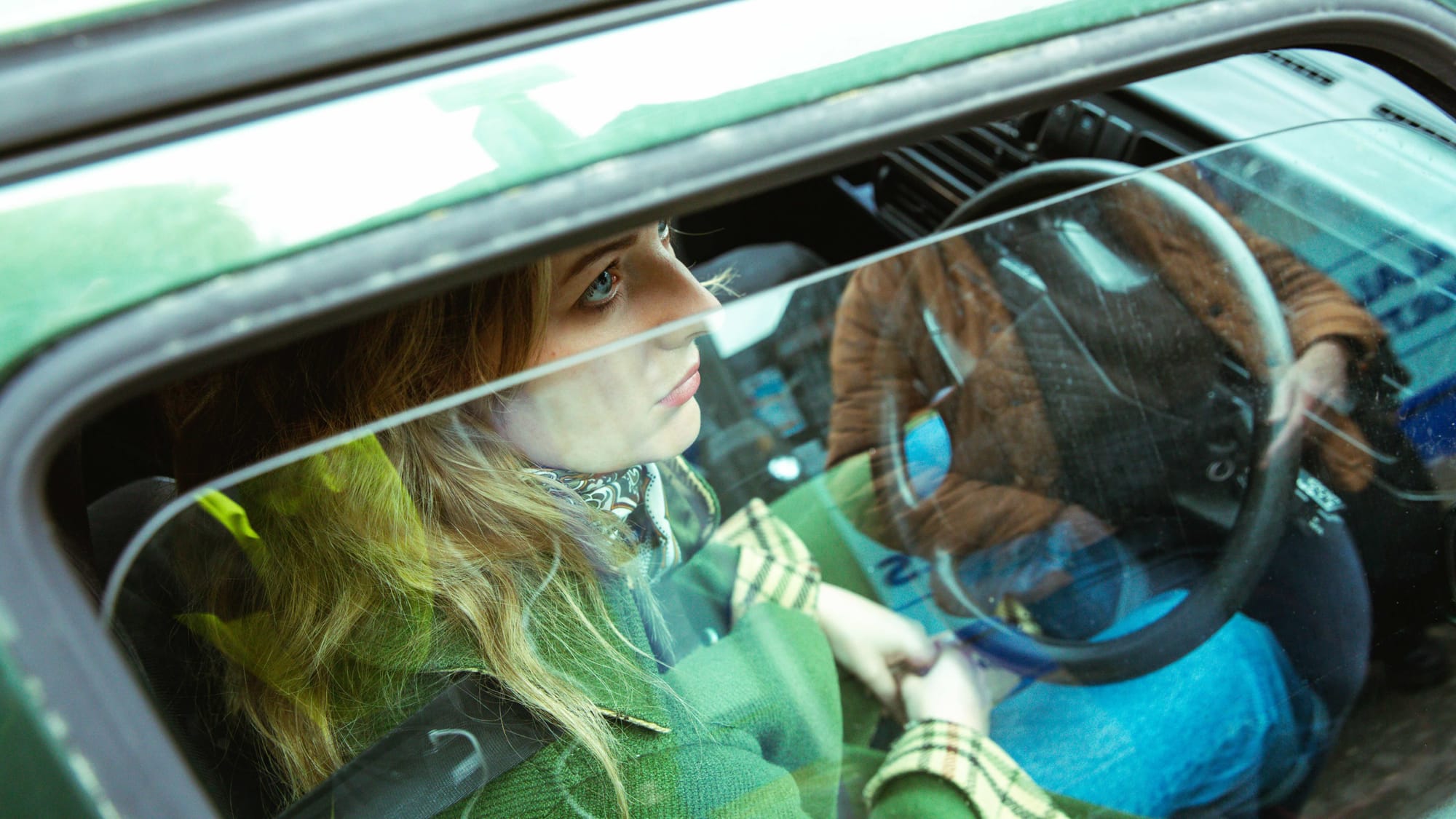
Two scenes stick out as particularly "me": when Jack goes to the butcher and when he goes to the car mechanic. Those feel most like me because they're like me going out, looking for jobs, experiencing and interacting with the people around me to learn something new about myself. Both Sally and Phil represent the good in Jack. They also represent his doubts, and his ability to overcome his own self-doubt.
What was the hardest creative decision you made while making the film?
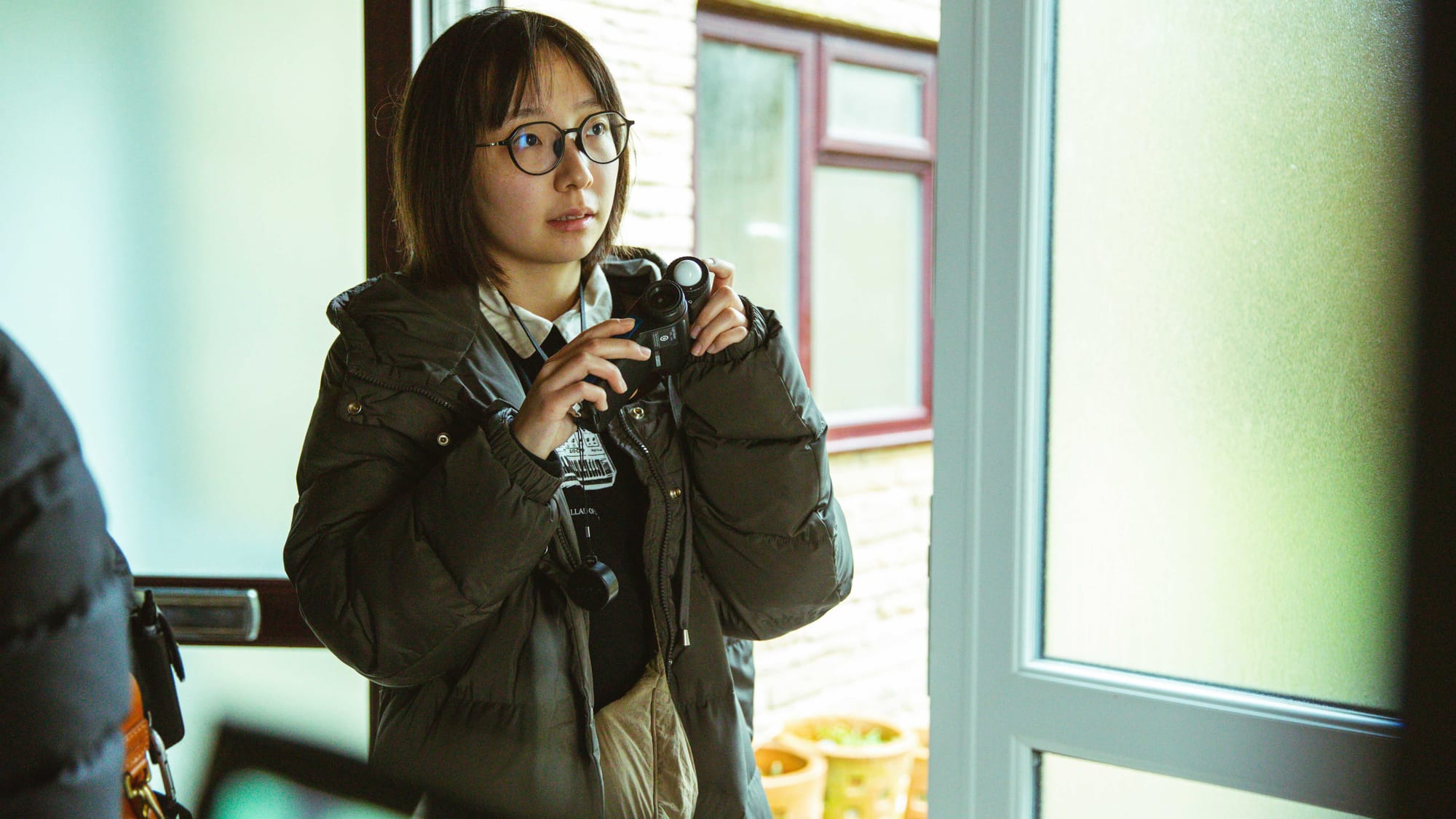
The hardest creative decision was having the confidence to feel like we had the shot with such a small amount of film stock to use. I am most proud that we were able to make a cohesive narrative and did not lose or overexpose any film from purchase to final process and scan.
There is something magical in preparing and making a 35mm film. Rehearsing the actors and preparing the cast and crew for the limited number of takes we would be able to get brought out our A-game, and without a doubt it has made me a better filmmaker.
How does your film fit within, or push the boundaries of, its genre or form?
I believe we were able to push boundaries by balancing shooting 35mm on such a small budget. I believe the look and tone of the film is special. It carries its own energy because of the Panavision glass and equipment we used. It has that Hollywood feel.
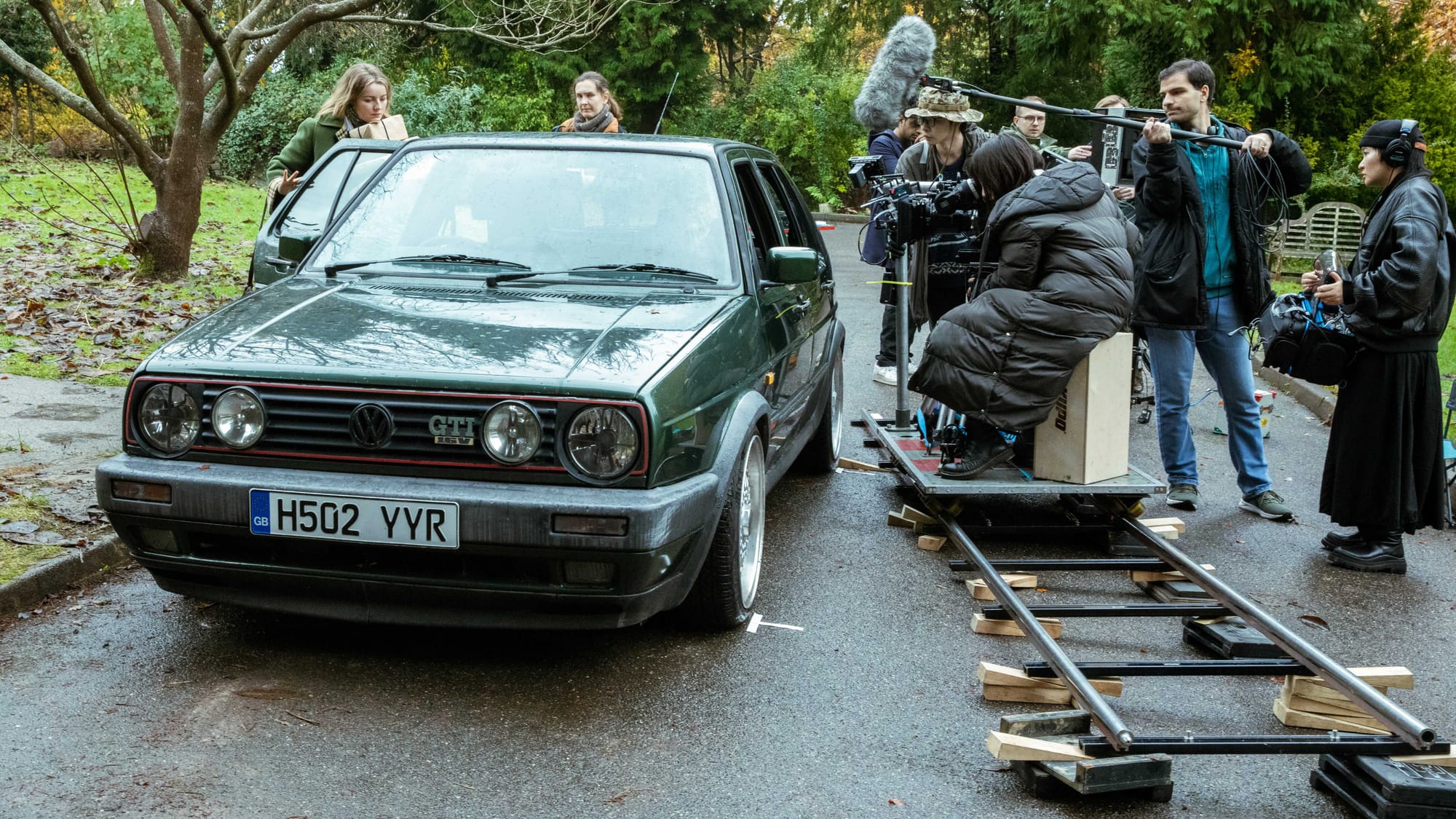
In contrast, we were on such a tight turnaround and schedule that everything had to be done almost as if we were shooting a documentary. That gives the film a sense of urgency and direction. So many variables and factors give a film its own DNA, and those realities give ours its own feel.
What tool, technique, resource, collaborator, or mindset shift helped most during production?
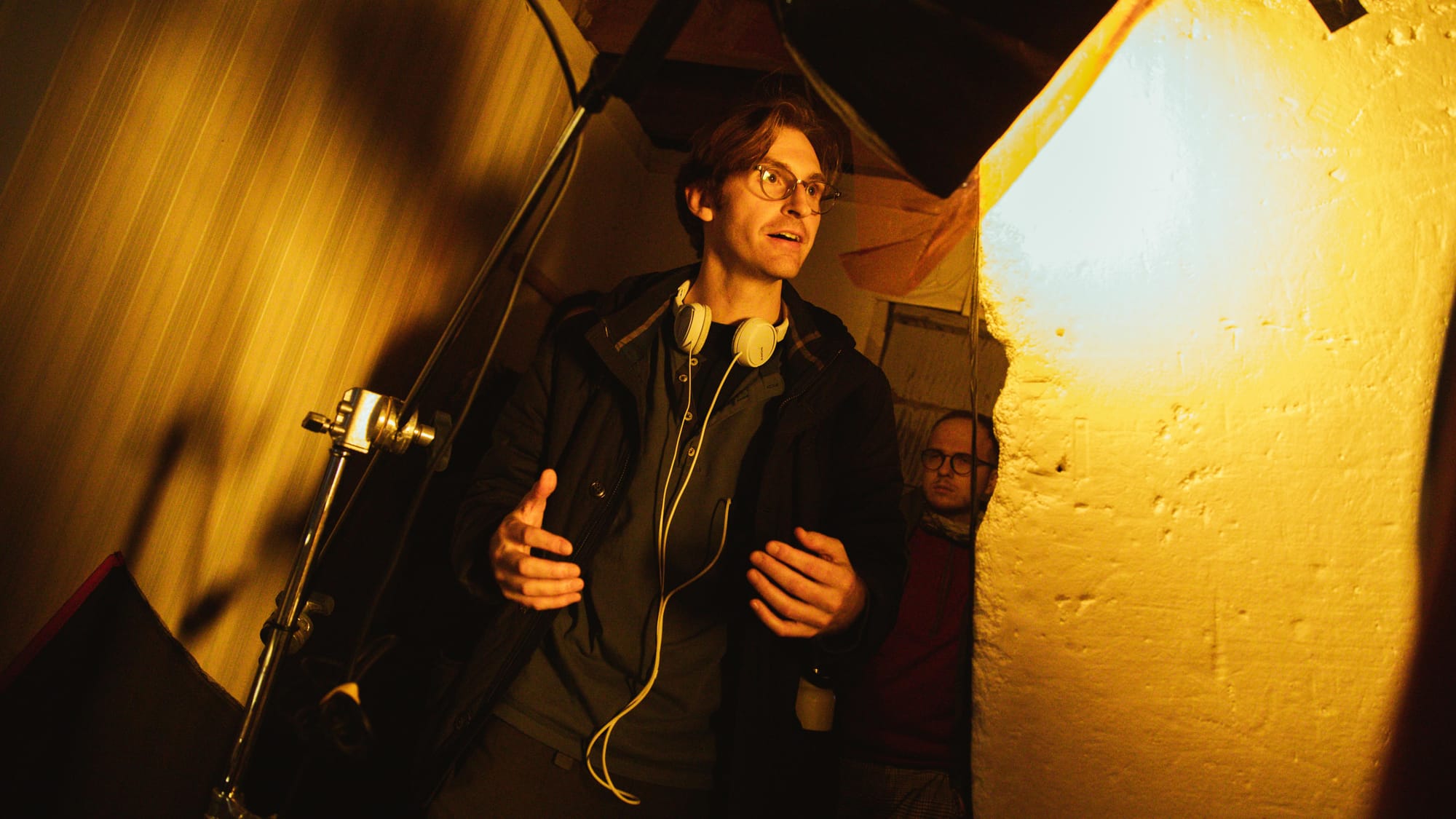
I learned a great deal about letting go on Different Faces. Exhaustion did set in during filming, and I was also worried about going over budget. I learned that it is okay to feel overwhelmed and that other people will have your back. If you put your passion at the center of what you are doing, others will help you to the finish line.
What does it mean to have your film selected for HollyShorts London?
It was a rush to receive the news that Different Faces was selected for HollyShorts London. I was aware of the LA edition of HollyShorts and knew the festival were big lovers of films made on film. A friend of mine, Jack Salvadori, recently had a film play at the Chinese Theatre in LA as part of HollyShorts.
I am excited to show the film in such a celebrated part of London, with such a history of films being shown there. My team and I are also looking forward to the reception on November 13th at the Century Lounge, and to meeting more of the HollyShorts team and the other filmmakers who are part of the festival.
Different Faces has had such a wonderful festival run. If it makes a few more festivals I would be happy, and if it could find a home on a reputable streaming platform, I would be happy too. I will always love telling stories about couples doing things in the real world, because the dynamics of a relationship are always changing as each person is. I also love metaphysical stories, and the touch of magical realism in Different Faces is something I want to explore more in my next film.
Main Cast & Crew
Cast
- Jack: Brendan Lorenzo
- Mabel: Kate Gee-Finch
- Sally: K Bailey Obazee
- Phil: Alexander Lester
Crew
- Director: Gregory Randolph Jr.
- Producer: Stanley Mathews
- Production Designer: Alice Gegere
- Director of Photography: Bethany Yang
- Editor: Aymee Hamon
- Sound Recordist: Jing Wen
- Composer: Sam Tabasi
- 1st Assistant Director: Anastasia Savinova
- Wardrobe: Delilah Byrne
- Script Supervisor: Peter Borak
- Choreographer: Casper Dillen
- AC + Loader: Qun Xing
- AC: Zijian Cai
- Grip: Yichao Chen
- Best Boy Grip: Zhenghan Yin
- Gaffer: Charles Zhang
- Sparks: Kejiu Shi, Vaibhav Sanghavi, Lorenzo Di Leo
- Art Assistants: Ellinor Olinder, Hui Zhang, Siwei Zhu
- Make Up Artists: Olivia Franklin, Jingyi Wang
- Boom Op: Spiros Doukas
- Colourist: Santino Napolitano
- Colour Line Producer: Kerri Aungle
- VFX Artist: Ksheetij Saini
- Sound Designer: Swapnil Shivang
- Foley Artist: Suraj Bardia
- Sound Mixer: Amal A Kumar
- Graphic Designer: Gagan R
Filmmaker Opportunities
💛 Fund your next project with fiscal sponsorship
Have a project in the works? As a 501(c)(3) nonprofit, the Cinematography for Actors Institute can accept tax-deductible donations on your film's behalf — a door-opener for grants, foundations, and supporters who want to back your work. We've serviced over 100 projects to date and helped route over $800,000 in funding to filmmakers. Explore fiscal sponsorship →
📬 Grant deadlines and festival opportunities, straight to your inbox
The CFA newsletter rounds up grants, festival calls, and community news for independent filmmakers — the kind of opportunities that are easy to miss and painful to miss. Join the newsletter →
🎬 Focus on the creative — we'll help with the logistics
Production Management, CFA's newest member program, launches this November: production insurance and workers' comp, payroll, film permits, gear rental coordination, SAG-AFTRA compliance, contract drafting, production consulting, and crew recommendations — handled by a team of working filmmakers, à la carte or all in, in partnership with Creative Access Group. It's waitlist-only until launch. Join the waitlist →
League of Filmmakers is published by our parent organization, the Cinematography for Actors Institute — a 501(c)(3) dedicated to education, community, and capital for underrepresented filmmakers and actors. Learn more about CFA →