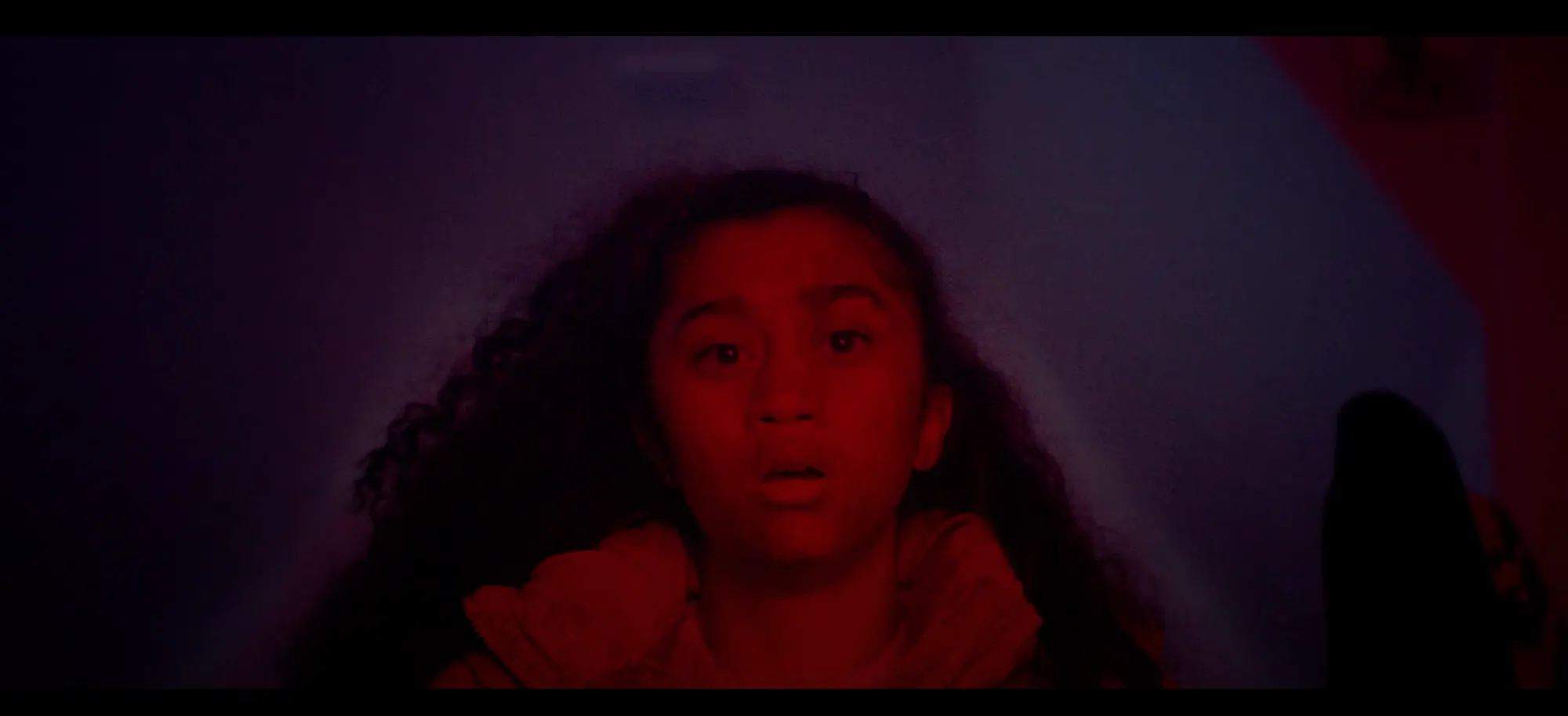
Peter Ricq began with an image rather than a theme: two teenagers, one fight, as much practical gore as a short film budget could carry. What came out the other side is Come In, in which Agana accepts an unexpected invitation from Tess, the bully next door, and discovers something well beyond anything she could have imagined. The film is lean, nasty, and — in its last moments — unexpectedly tender, which is exactly where Ricq's sensibility lives.
It is also a film shaped as much by what went wrong as by what was planned. Come In was always intended as a doorway into something bigger, and it has delivered: Ricq has since written two features out of the short, one of which, I Got You, is nominated at FilmQuest this year as both prequel and sequel. He returns to a festival that screened his first feature, Dead Shack, eight years ago — a screening he couldn't attend.
Key Takeaways
- Come In started from a single ambition: put two teenagers through the most brutal fight Ricq could film, with full-on practical effects.
- When the effects artist didn't deliver, the crew rebuilt the shoot on the fly, suggesting gore they could no longer show.
- The short was a proof of concept by design, and the rewrites it forced produced two feature scripts, including FilmQuest nominee I Got You.
Ricq spoke about ambition, the limits of a script you haven't shown anyone, and the strange usefulness of a day that falls apart.
Interview
What drew you to make this film, and why this story, why now?
I wanted to put two teenagers through the most brutal fight ever filmed, with outrageous gore and full-on practical effects. That's how it started.
What surprised you most about the filmmaking process, creatively or logistically, and was there a moment on set or in post that changed how you saw the story?
There's quite a few things that worked in my head when writing, when boarding. Shooting, I felt like I couldn't get things to work because my script needed more edits. I've written a feature script out of this short — that was the plan the whole time — and I've since fixed everything that I think didn't work in the short. It's a very expensive way to see what doesn't work, but it helped improve the next step for sure. It's just so hard to get people to read a script and give feedback. Even if they work on the film.
What was the hardest creative decision you made while making the film?
The effects guy came hungover, nothing prepared, six hours late on a twelve-hour effects day shoot. We had to work around everything that we couldn't shoot. All the heavy gore I had planned was just not an option, but the rest of the crew was incredible and we somehow made it work. I think. I do wish we had all those practical effect shots I paid for in the film though. You just can't fully expect things to go 100 percent.
Most of the practical effects had to be scrapped because our effects guy couldn't deliver, which changed the film quite a bit. We had to completely rethink shots and scenes, finding ways to suggest the gore and sell gags we could no longer show.
During the edit, I realized my writing needed more work. Going forward, I'll be calling in a few favours from friends who work in film to get honest, specific notes while I can still make changes on the page.
What moment in the film feels most like you, or like something only you could have made?
The final scene stands out to me. It's dark, but there's still something sweet about it. That mix really captures my sensibility, and the whole film feels very much like me.
What do you hope audiences take away from this film, and how does it sit within its genre?
I want to entertain people. More than anything, I hope they have a great time watching the film.
As for genre — I don't know, you'd have to tell me. I just wanted to tell a fun story with a simple message: "Don't let anyone fuck you over, no matter how big they are." At the core of all my work is a desire to entertain people and leave them with a positive message.
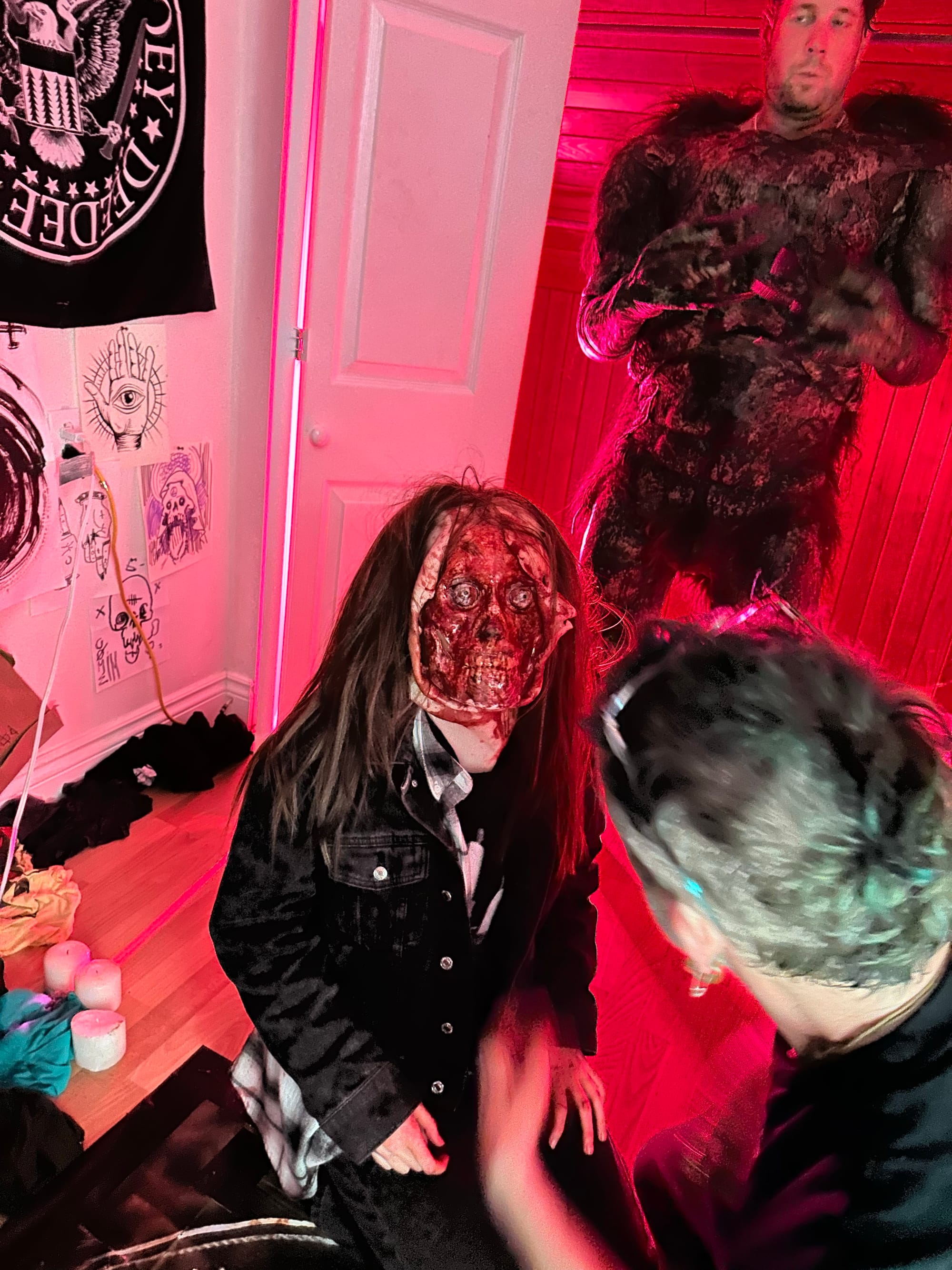
What is the greatest strength of independent filmmaking, how did you lean into it here, and what lesson would you share with others?
You've just got to make things happen. Think fast, be resourceful, and believe in yourself and the people you trust — though maybe not everyone. It's never easy, but there's usually a way through, and sometimes being forced to rethink your approach leads to something even better.
What does it mean to have your film selected for FilmQuest, and where does the story go next?
It's amazing to be here. My first feature, Dead Shack, was shown eight years ago, but sadly I couldn't attend. I'm so stoked I could finally make it this year. I've only heard incredible things.
After many rewrites, I've developed two feature scripts from the short. One of them, I Got You, is nominated at FilmQuest this year. It's something of both a prequel and a sequel, expanding the story in both directions. Hopefully we get the feature — features — made, take them to festivals around the world, and eventually bring them into people's homes.
Main Cast & Crew
- Producers: Arden Marow Ross , Peter Ricq, Christopher Charles Kempinski, selinifilms
- Director, Writer, Score: Peter Ricq
- Director of Photography: Christopher Charles Kempinski
- Art Director: Arden Marow Ross
- Actors: Talisa Mae Stewart , Yasmeen Kelders , Donavon Stinson
- Editors: Peter Ricq and Jason Hamilton
- Sound Design: Eugenio Battaglia
- Makeup: Paige Yeoman
- Color: Louis Hearn
- Compositing: David Watt
- Casting: Judy Lee
- 1st AC: Randy Meehan
- Camera Assistant: Steven Tian
- Lamp Op: Foster Kyle Rich Sinclair
- Special Thanks: Jarry Ahmad , Noyan Serim , Matt Dauncey