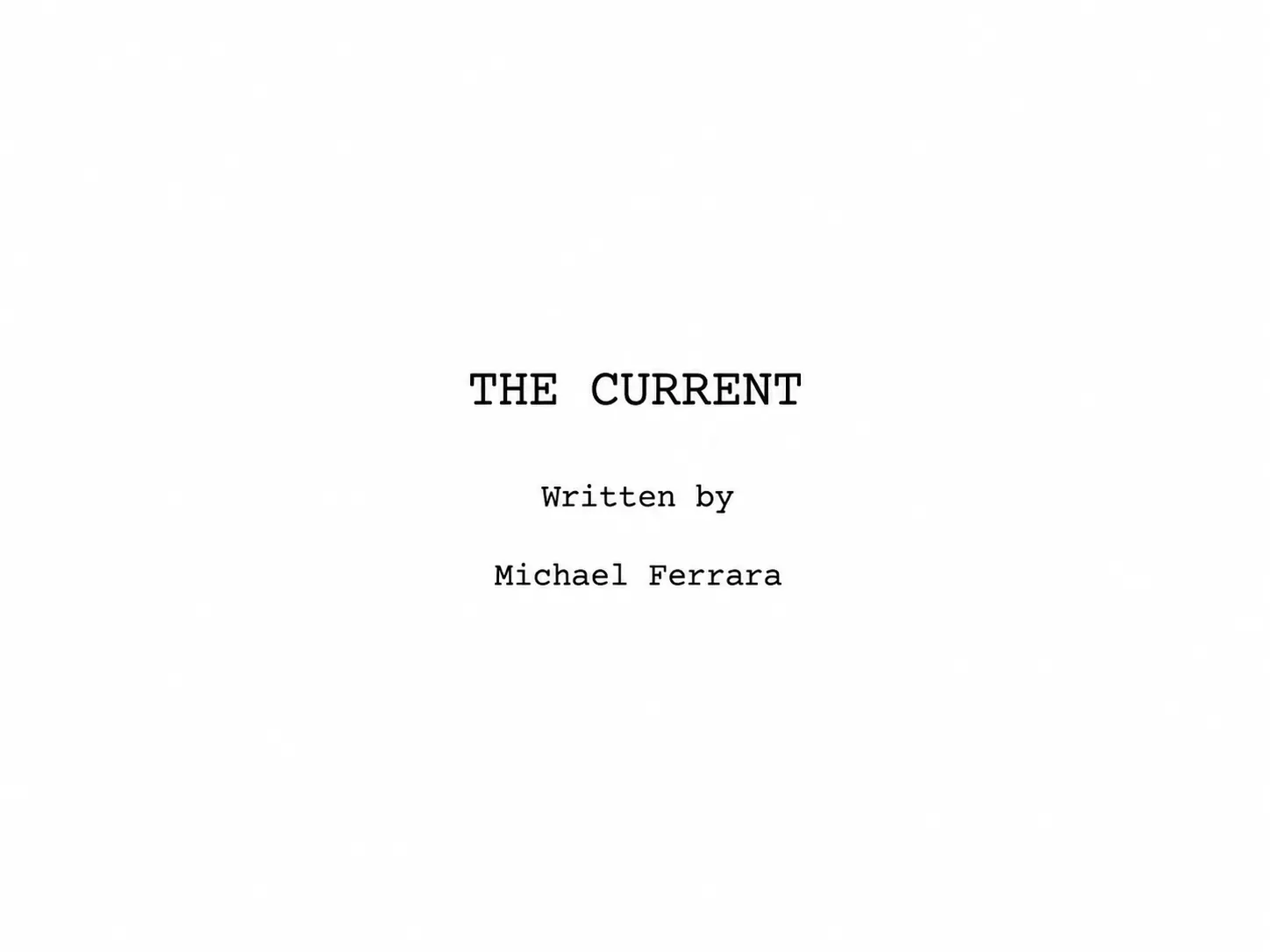
Michael Ferrara wrote The Current more than a decade ago, while teaching digital cinematography at Full Sail University with gear, crews, and room to experiment at his disposal. The script was built around a practical in-camera idea: spin the camera at colored lights, superimpose those abstract streaks around a raging teenager, and make supernatural fury look like live-action anime. Then life intervened and the pages went on a shelf.
They came back down recently, and what Ferrara found in them was less about the effect and more about the inheritance. After an occult ritual brands sixteen-year-old Boris Knight and links him to a violent supernatural force, he discovers his abusive father carries the same scar. The horror hook is the mark; the story is what passes between a father and a son, and the terrifying possibility that becoming what he hates may be the first thing that has ever made Boris feel powerful.
Key Takeaways
- The Current began as a camera experiment in the early 2010s and returned years later as a commentary on the cycle of abuse.
- Ferrara writes from the conviction that people are rarely black and white: someone can love you and still hurt you.
- The screenplay's FilmQuest selection is a step toward production, with the Oregon coast town of Brookings in mind as a shooting location.
Ferrara spoke about shelving the script, taking notes seriously, and finally letting strangers judge the work.
Interview
What drew you to make this film, and why this story, why now?
I actually wrote The Current a long time ago, around 2010–2013, with the intention of making it as a short. At the time I was working as a digital cinematography lab instructor at Full Sail University, so I had access to gear, crews, and a place to experiment.
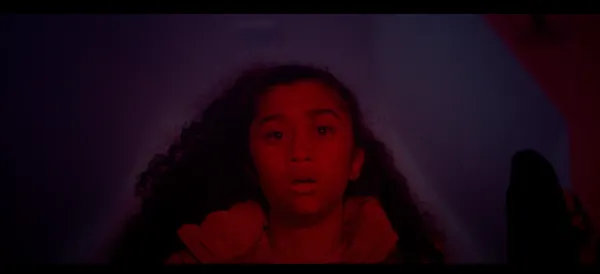
One of the things I wanted to play with was creating the force around Boris practically in-camera. The idea was to spin the camera around while pointing it at different colored lights, then superimpose those fast, abstract movements around him when he rages out. I wanted it to feel almost like live-action anime, with this flowing energy around him.
Then life got in the way, and the script sat on the shelf for a long time. I recently got back into screenwriting, pulled it out again, and started seeing more potential in it as a commentary on the cycle of abuse. I reworked it, submitted it to a few festivals and competitions, and people really seem to be connecting with it. I honestly wasn't expecting The Current to move forward as much as it has.
What moment in the film feels most like you, or like something only you could have made?
The feelings Boris has are probably the part that feels most like me. The bullying he experiences, the rough family life, and having a father who is a good father deep down but has gotten lost in that cycle.
I think a lot of it comes from knowing that people are flawed. I don't really see people or situations as completely black or white. Someone can love you and still hurt you. Someone can be a good person and still make terrible choices. That's probably the part of The Current that feels most personal to me.
What was the hardest creative decision you made while making the film?
The hardest creative decision was probably sharing the screenplay at all. I've always been extremely critical of my own work, and for a long time I just assumed I probably wasn't very good at this.
So submitting The Current to festivals and competitions and letting strangers judge it was honestly a big step for me. I'm usually much more comfortable tearing my own work apart than putting it out there and saying, "Here it is."
How does your film fit within, or push the boundaries of, its genre or form?
The Current fits pretty comfortably in horror, but I think it pushes a little beyond that because the supernatural element is tied so closely to something very real: abuse, anger, family, and what gets passed from one generation to the next.
The force and the occult side give it the genre hook, but the story is really about Boris and his father. I also always imagined the visuals being more stylized than a typical horror short, almost live-action anime at times, especially when Boris loses control.
What is the greatest strength of independent filmmaking, and how did you lean into it on this project?
I think the greatest strength of independent filmmaking is the freedom to take chances and try things without waiting for someone to give you permission.
With The Current, that was there from the beginning. I was thinking about experimental camera effects, unusual visuals, and ways to make something that felt different with the resources I had. Even years later, rewriting the script, I still approached it the same way.
The biggest lesson I'd share is to make the thing you want to make, but also be willing to listen when people give you good notes. You can protect your voice without being precious about every single choice. The biggest mindset shift for me was learning not to be afraid of critiques and notes. Take them seriously, use what makes sense, and fix your stuff. It works. A lot of the improvements in my screenplays have come from being willing to listen, make changes, and keep refining instead of getting defensive about the first version.
How has this film shaped or shifted the kinds of stories you want to tell next?
I've been writing a bunch of genre screenplays, both features and shorts, that are rooted in real-life trauma, emotions, and situations. The Current is one of the scripts that made me realize I've found a voice and I need to stick with it.
People are connecting with my screenplays all over the world, and the response has honestly been pretty overwhelming. It's made me want to keep telling genre stories that come from something real and personal. At the core of all my work is a desire to be heard, be seen, and be accepted as someone who can tell good stories for the screen.
What does it mean to have your film selected for FilmQuest, and where do you see it going next?
To me, being selected for FilmQuest feels like a stepping stone toward getting the work produced. I'm hoping it puts the screenplay in front of the right people, leads to some conversations, and helps move it closer to actually becoming a film. It's also a really big honor just to be on that list of names. There are some pretty big names connected to FilmQuest, so being included in that company is kind of surreal.
I'm not exactly sure where it goes next, but I'd really love to get it made. There's a town in Oregon called Brookings that I've always thought would be perfect for The Current. They have a nice little independent filmmaking community, and the locations feel just right for the project. If I had the chance, I'd love to shoot it there. I hope readers, especially studio people, see the potential in it and want to help get it made. I really think The Current could be an incredibly stunning and emotional piece if it's shot the right way.
Main Cast & Crew
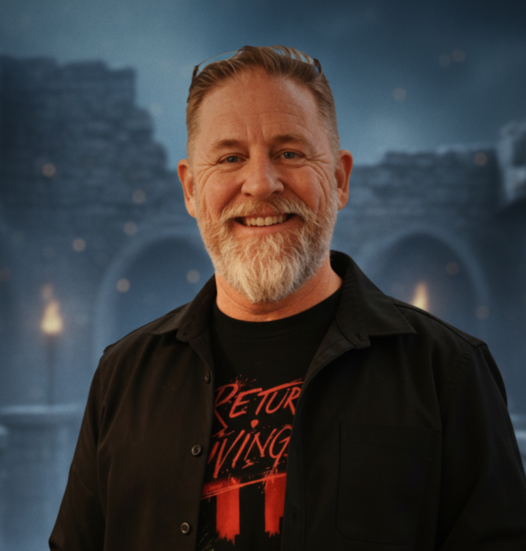
- Mike Ferrara — Writer, Short Screenplay
Filmmaker Opportunities
💛 Fund your next project with fiscal sponsorship
Have a project in the works? As a 501(c)(3) nonprofit, the Cinematography for Actors Institute can accept tax-deductible donations on your film's behalf — a door-opener for grants, foundations, and supporters who want to back your work. We've serviced over 100 projects to date and helped route over $800,000 in funding to filmmakers. Explore fiscal sponsorship →
📬 Grant deadlines and festival opportunities, straight to your inbox
The CFA newsletter rounds up grants, festival calls, and community news for independent filmmakers — the kind of opportunities that are easy to miss and painful to miss. Join the newsletter →
🎬 Focus on the creative — we'll help with the logistics
Production Management, CFA's newest member program, launches this November: production insurance and workers' comp, payroll, film permits, gear rental coordination, SAG-AFTRA compliance, contract drafting, production consulting, and crew recommendations — handled by a team of working filmmakers, à la carte or all in, in partnership with Creative Access Group. It's waitlist-only until launch. Join the waitlist →
League of Filmmakers is published by our parent organization, the Cinematography for Actors Institute — a 501(c)(3) dedicated to education, community, and capital for underrepresented filmmakers and actors. Learn more about CFA →