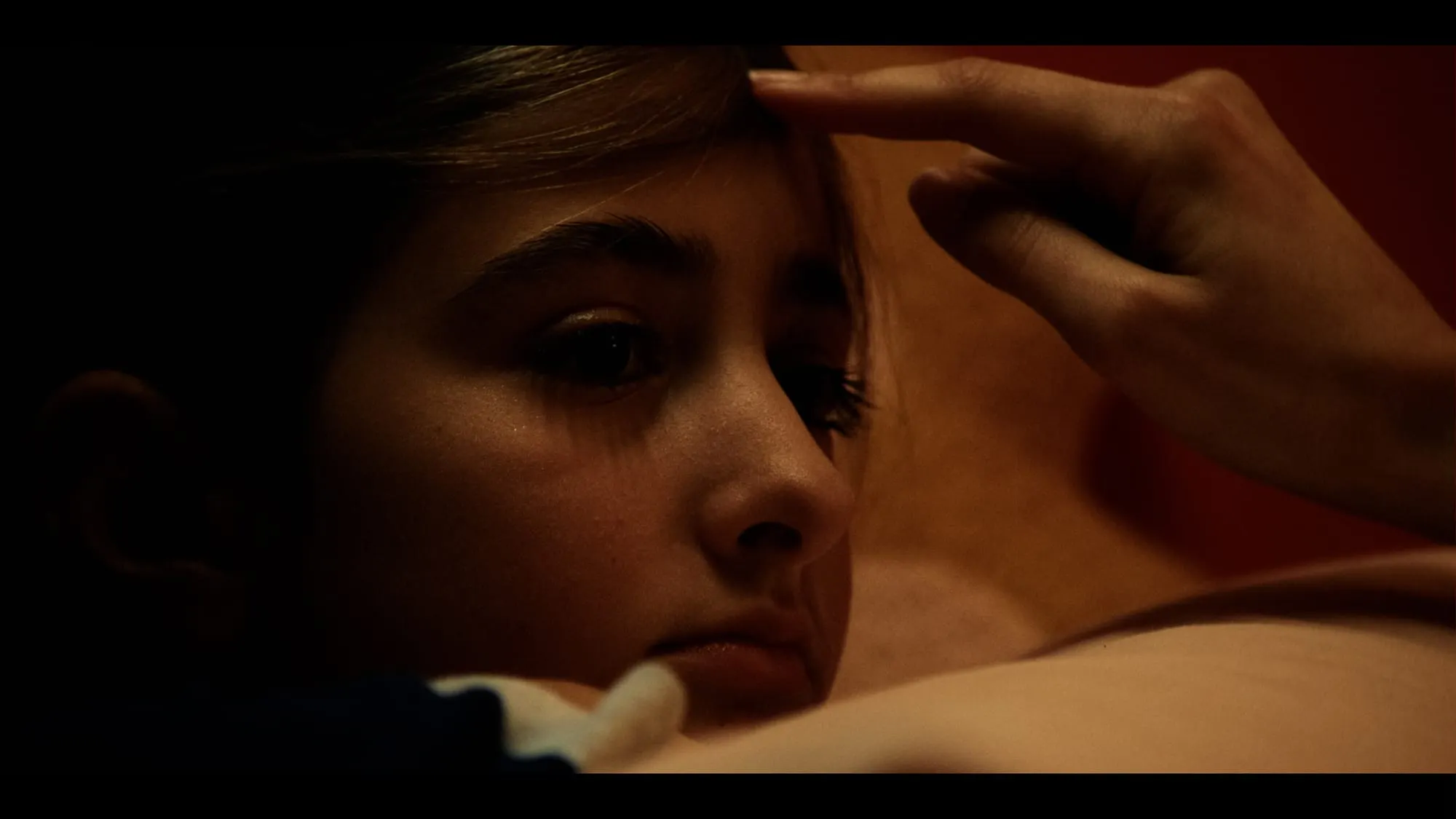
A babysitter brushes off a kid's story about a vengeful witch. The witch, as these things go, does not appreciate being brushed off. The Witchening takes that simple, sturdy premise and runs it straight into a final sequence built from prosthetics, harnesses, flickering lights and a leaf blower — the kind of horror filmmaking that only works when everyone on set is counting the same beats.
MK Kopp is an actor-turned-director who describes herself as still very much in her own sort of film school, and the short is the inciting incident of a feature screenplay she wrote this past summer. It began with a question about family — hers, specifically — and arrived as what she calls a cozy horror flick: familiar tropes, classic technique, a creature designed to divide the room. "At the core of all my work is a desire to surprise and unsettle people," she says. The Witchening does both, cheerfully.
Key Takeaways
- The short is a proof of concept for a feature about how far a mother will go to save her daughter — written as Kopp and her creative partner started a family.
- Production worked backward from affordable practical effects: a prosthetic hand in a blender, a knife in a prosthetic head, and a world built around them.
- The drag-into-darkness stunt required a harnessed performer, two stunt assistants, a flickering gaffer, a PA with fishing wire and a co-producer with a leaf blower, each on a different count.
Kopp talked with us about hagsploitation, choreographed chaos, and why "fix it in pre-production" belongs on her headstone.
Interview
What drew you to make this film, and why this story, why now?
THE WITCHENING is a proof of concept for a feature screenplay I wrote this past summer. The short film is the inciting incident of the larger story.
The feature explores how far a mother will go to save her daughter. The original concept for the story came about when my husband/creative partner and I decided to start a family. Now, I'm 8 months pregnant with twins and already feeling the maternal instincts kicking in. If a witch stole either of my children, I'd do absolutely anything to rescue them.
What surprised you most about the filmmaking process, creatively or logistically?
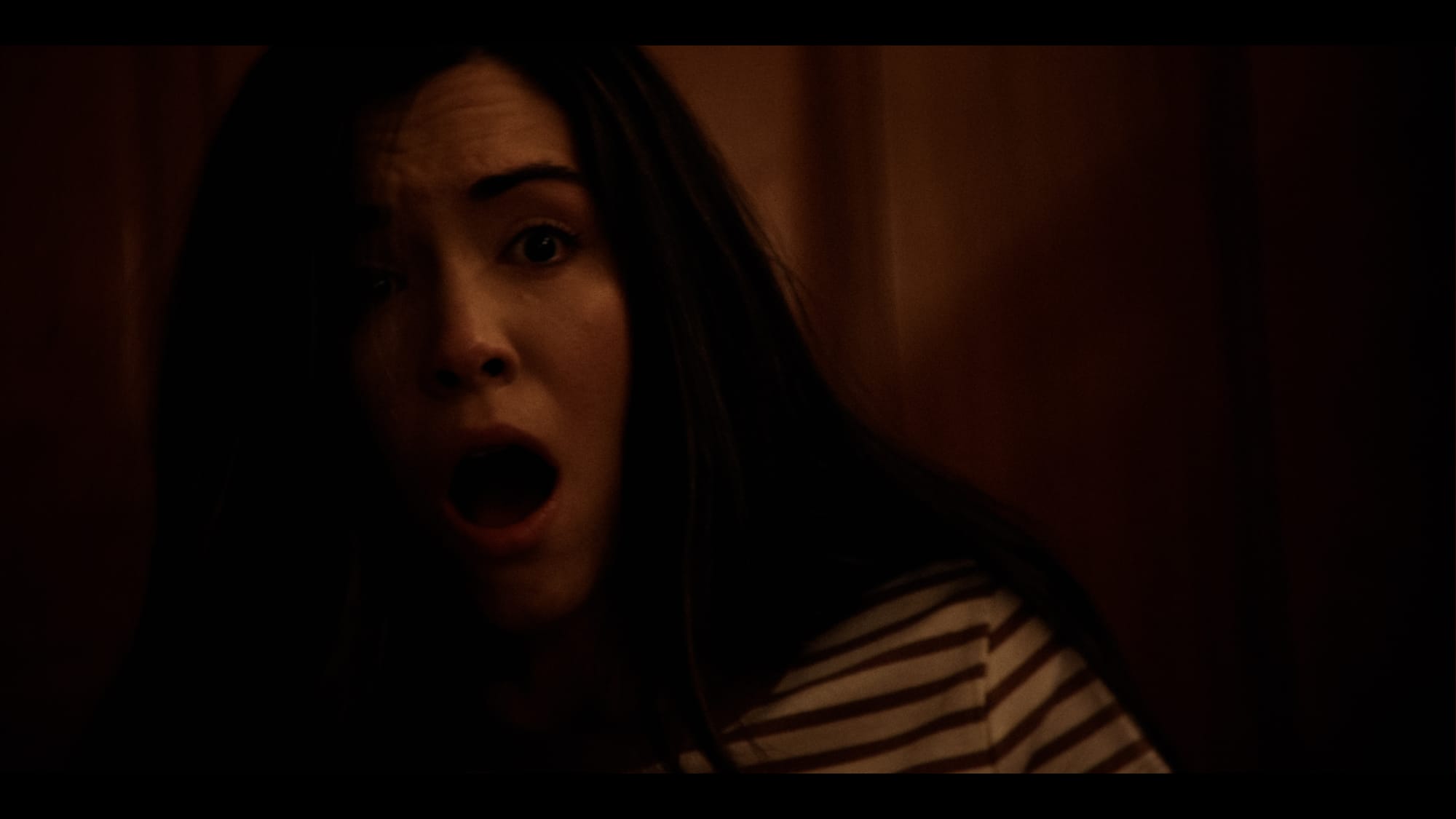
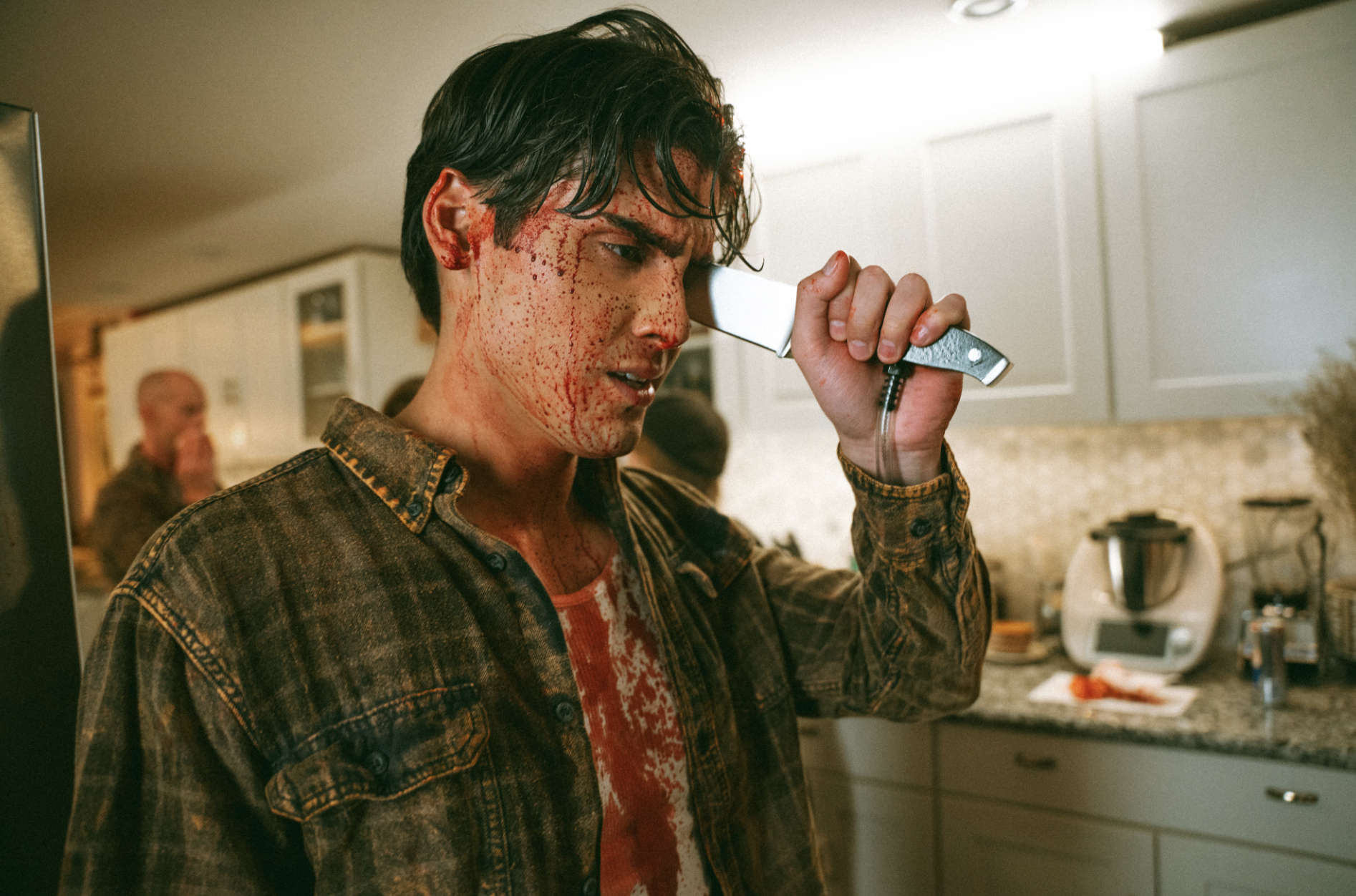
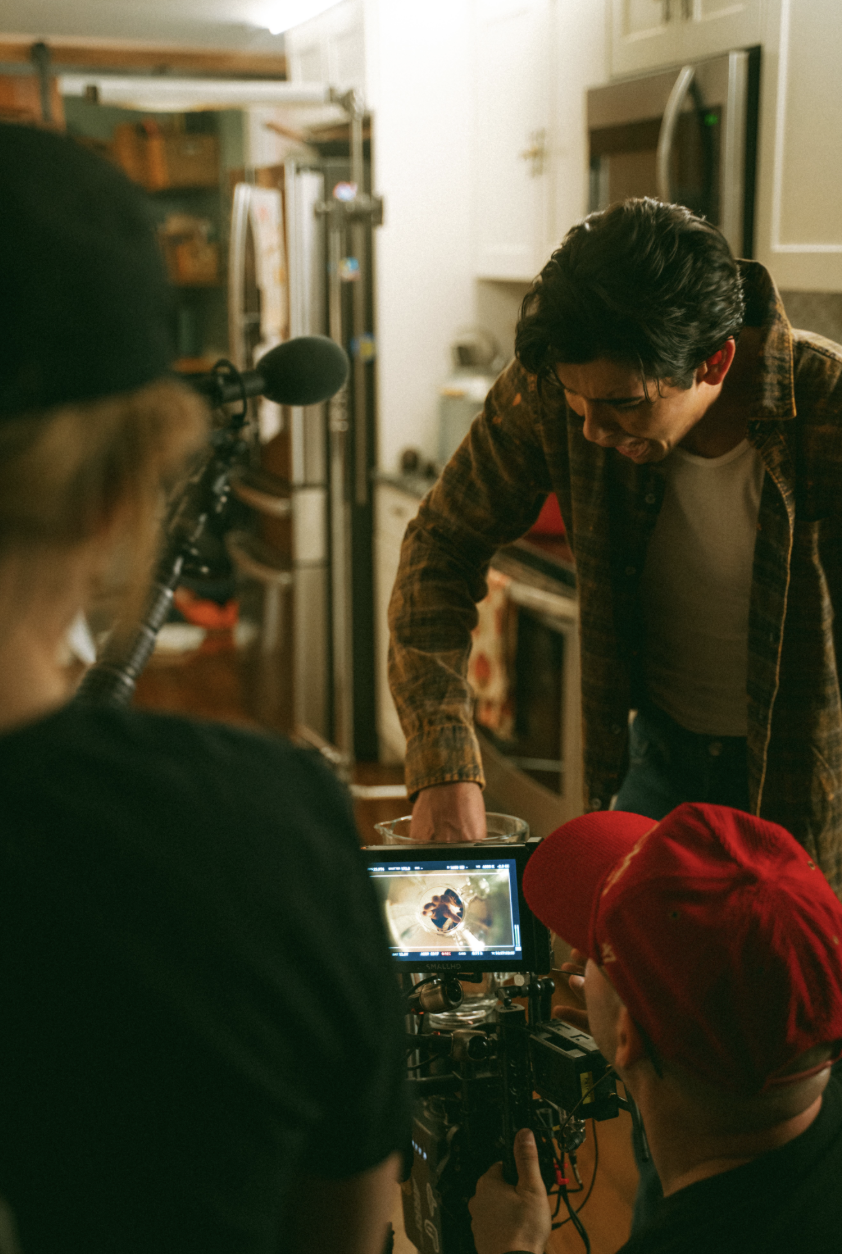
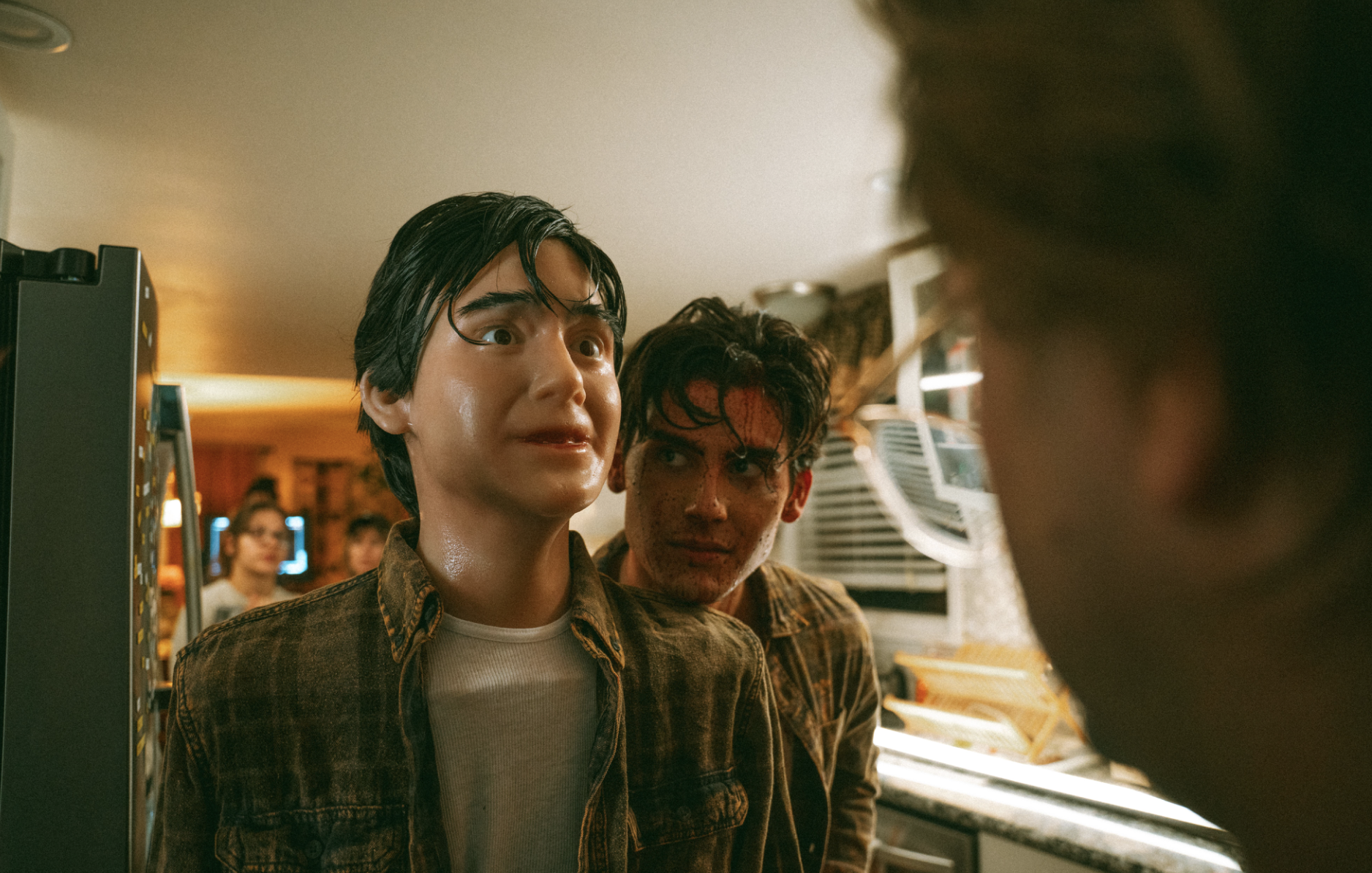
It all came together in a fun way. I'm an actor-turned-director so still very much in my own sort of film school. We first decided what practical FX we could afford to do — prosthetic hand in blender, knife in prosthetic head — and the rest of the world was built around it.
Starting with the horror set pieces was a creative challenge. I think that's why it ultimately became a rather personal story. It wasn't just "you know what'd be a cool story to tell?" but instead "what's going on in my life right now that I'd like to explore?"
How does your film fit within, or push the boundaries of, its genre or form?
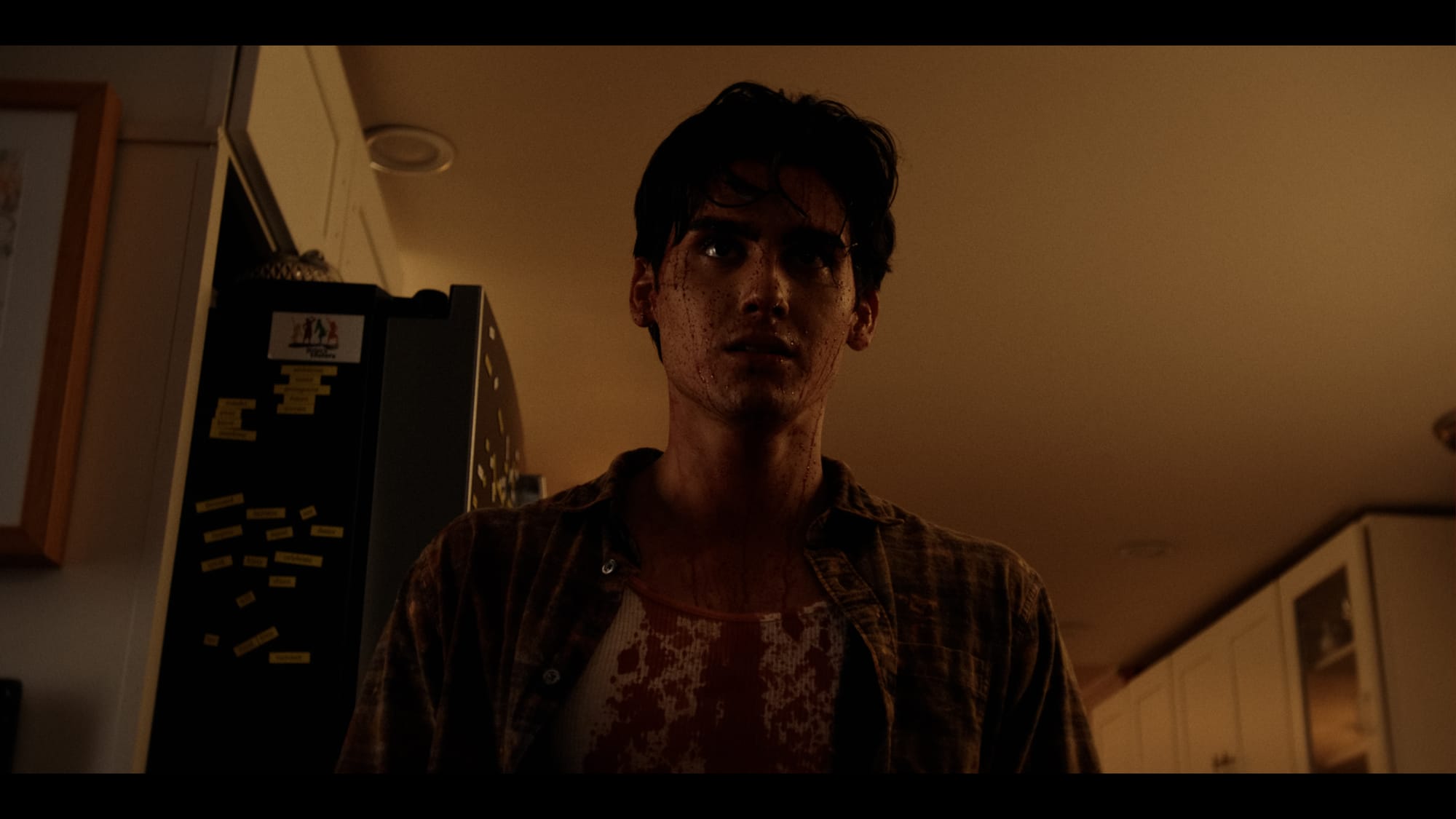
THE WITCHENING strives to be a cozy horror flick by blending familiar tropes — spooky bedtime stories come to life and horny teenagers — with classic filmmaking techniques, meaning over-the-top practical effects and cheeky editing.
What moment in the film feels most like you, or like something only you could have made?
I think the last few minutes of the film really showcases what I love most about the horror genre: outrageous practical effects, stunts, and creature makeup. I love to platform other artists' work in my films, so the final sequence feels most aligned with what I want to do in all of my projects. It takes a lot of coordination to pull these various aspects of filmmaking off. Everyone on set has to be focused on the mission at hand.
For example, to do the stunt where the babysitter is pulled away into darkness, a stunt performer was in a harness, two strong stunt assistants were pulling her back onto a mat, the gaffer was flickering the lights, a production assistant was yanking the door shut with fishing wire, and my co-producer was blasting a leaf blower against the picture frames on the wall. Everyone had to do their action on a different count. It was a blast to choreograph, and I'm really proud of how it turned out.
What was the hardest creative decision you made while making the film?
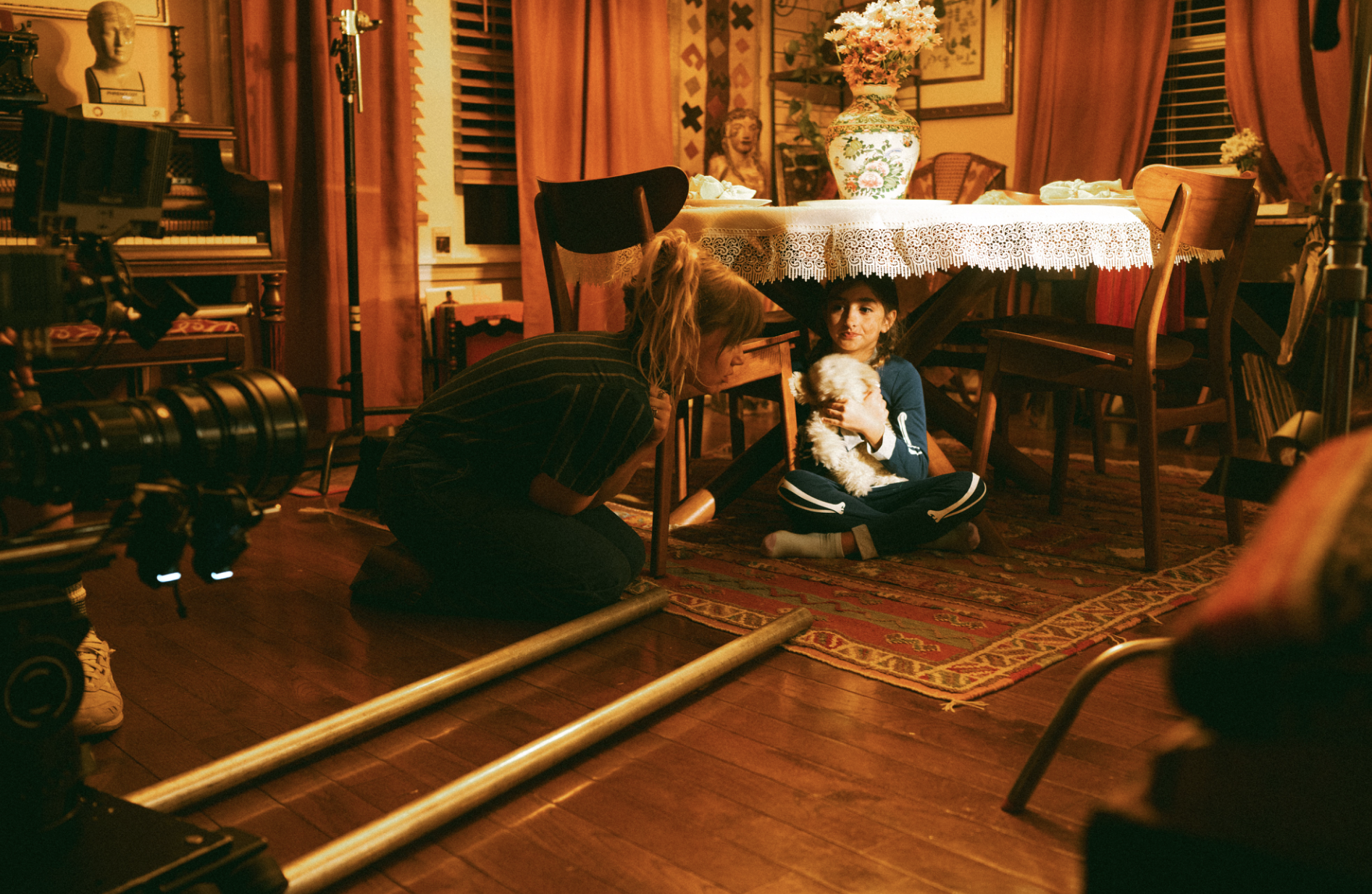
The design of the witch was the hardest creative decision by far. I knew I wanted to play into the hagsploitation subgenre, so ideally she'd be old and naked. From there, John and I zeroed in on the color of her skin and body features based on extensive conversations about what freaks us out the most. Malevolence, the drag monster who plays the witch, brought the rest to life through multiple makeup tests with us.
From the feedback I've read from folks, people either love or hate how she looks. To me, that means we nailed it.
What is the greatest strength of independent filmmaking, how did you lean into it on this project, and what lesson would you share with others?
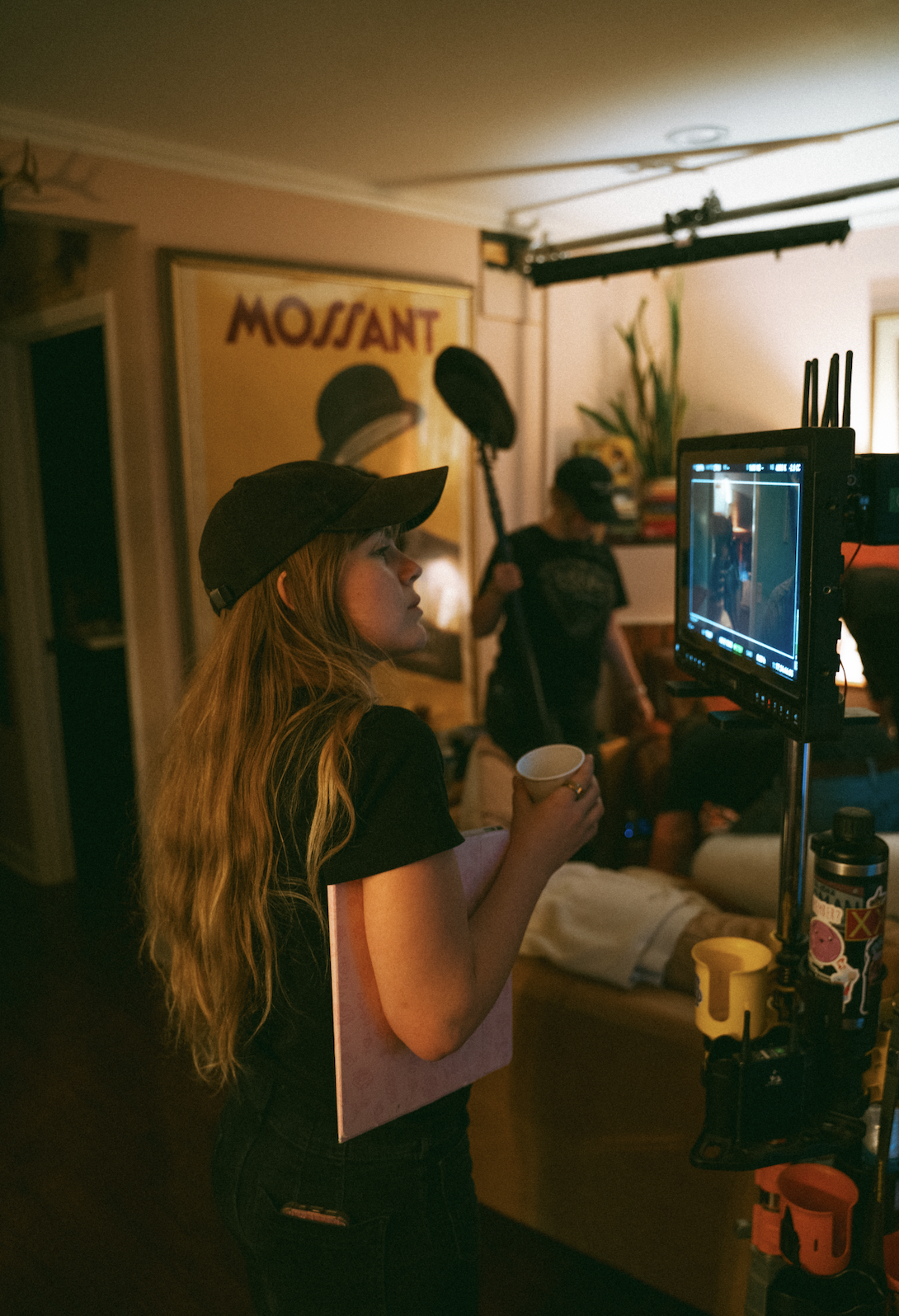
When you're working on an indie level — i.e. no money — it's important to bring people onto the team who are passionate about the project and understand the genre. It's equally important to give people the opportunity to offer their ideas and insight. Even if you don't end up taking them, really hearing people out will give them a sense of ownership of the project. I knew I wanted the babysitter to be dragged away into darkness, but it was the stunt coordinator who came up with the specific type of pull to do.
The only parts of the short film that I'd do differently now are the ones we didn't completely iron out in prep. That includes giving people space to speak their minds fully. "Fix it in pre-production" is absolutely my new mantra. In fact, I want that on my headstone.
What does it mean to have your film selected for FilmQuest, and where do you see the film going next?
Most horror shorts I've seen online and loved screened at FilmQuest, so it's a festival that's been on my radar for years. It's very affirming to have THE WITCHENING selected for this year's lineup. There's still so much room for me to grow as a filmmaker, but I feel like I'm on the right track. There is a feature screenplay ready to go that I'd love to get made.
Main Cast & Crew
- MK Kopp — Writer/Director/Co-Producer
- John MacCallum — Co-Producer/Composer
- Ryan Featherstun — Director of Photography
- Rick Prince — Blood & Trauma SPFX MUA
- Studio TM — Production Design
- Zach Griffin — Editor
- Malevolence, Bernadine Gunderson — Creature MUAs
- Bernadine Gunderson — Bone Crown Sculptor
- Kiarra Hamagami Goldberg (Apple TV's Maximum Pleasure Guaranteed)
- Hunter Romanillos (Netflix's Stranger Things)
- Penelope Martone
- Malevolence
Filmmaker Opportunities
💛 Fund your next project with fiscal sponsorship
Have a project in the works? As a 501(c)(3) nonprofit, the Cinematography for Actors Institute can accept tax-deductible donations on your film's behalf — a door-opener for grants, foundations, and supporters who want to back your work. We've serviced over 100 projects to date and helped route over $800,000 in funding to filmmakers. Explore fiscal sponsorship →
📬 Grant deadlines and festival opportunities, straight to your inbox
The CFA newsletter rounds up grants, festival calls, and community news for independent filmmakers — the kind of opportunities that are easy to miss and painful to miss. Join the newsletter →
🎬 Focus on the creative — we'll help with the logistics
Production Management, CFA's newest member program, launches this November: production insurance and workers' comp, payroll, film permits, gear rental coordination, SAG-AFTRA compliance, contract drafting, production consulting, and crew recommendations — handled by a team of working filmmakers, à la carte or all in, in partnership with Creative Access Group. It's waitlist-only until launch. Join the waitlist →
League of Filmmakers is published by our parent organization, the Cinematography for Actors Institute — a 501(c)(3) dedicated to education, community, and capital for underrepresented filmmakers and actors. Learn more about CFA →