
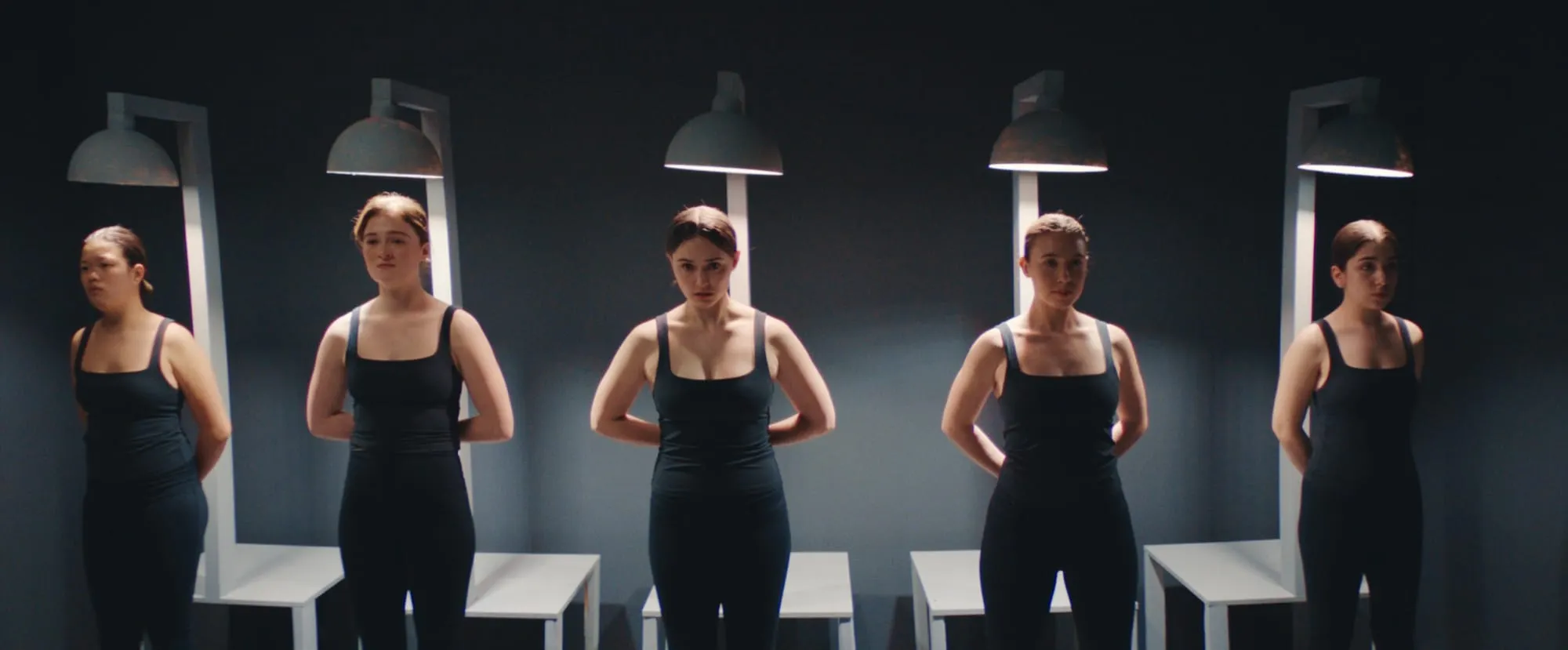
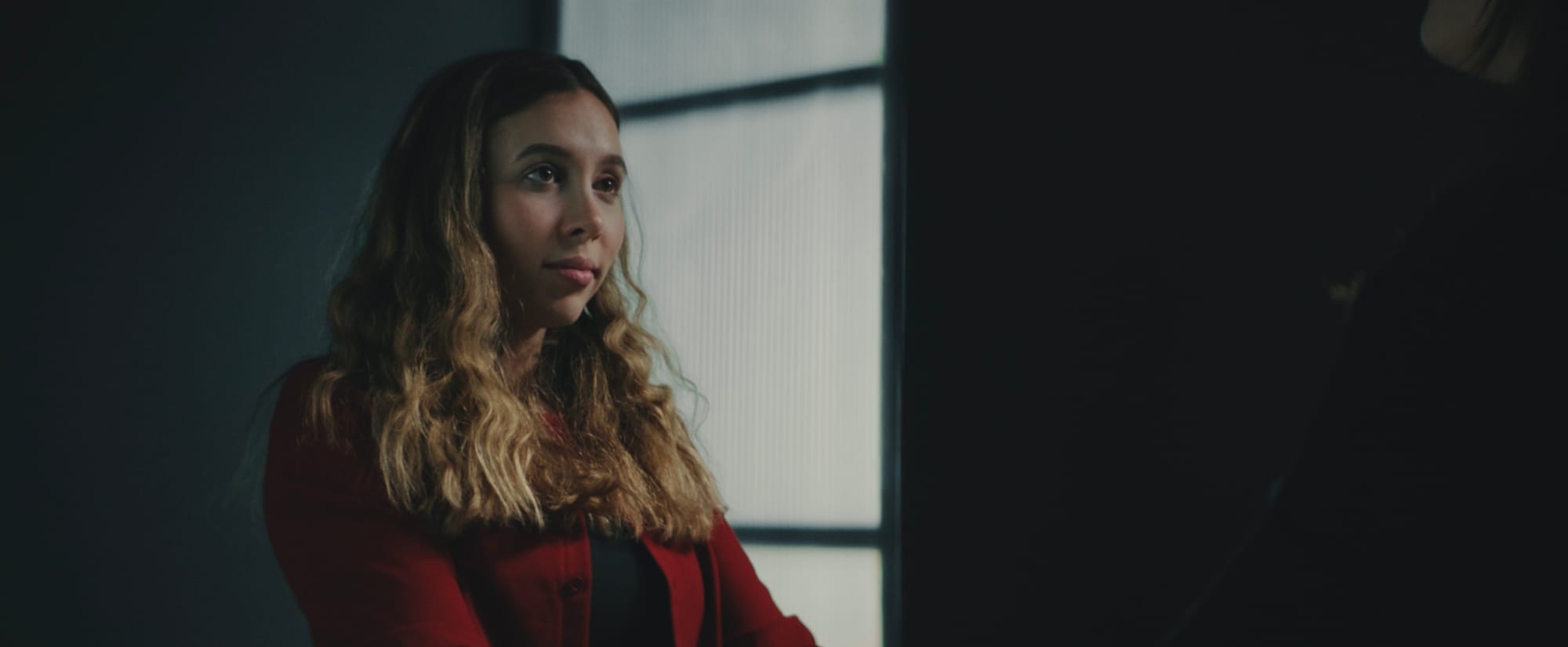
Set in the near future and inspired by true events, CRYONIC centres on Rory, a curious teen girl selected to merge her body with a cryogenically preserved entity alongside her best friend Lilah. While investigating their underground cult, the two girls unravel a dark truth and must escape before time runs out. Cassie Wezniak wrote and directed the film, which she created as her thesis film at N.Y.U. Na'Kiya Hall produced.
Wezniak says the story is inspired by a real life-extension procedure that freezes people with the intent of transferring their consciousnesses to new vessels in the future. In the film, children inside a facility are raised to be those bodies. Wezniak hopes the film will serve as a cautionary tale that starts a new conversation about bodily autonomy and human rights.
Key Takeaways
- The set was loosely based on an existing cryonic facility. Building it on a soundstage, the team found that less was more and leaned into the emptiness of the environment, emphasizing light panels and modern furniture.
- To keep the focus on the main story, Wezniak kept the scale small: she segregated genders and represented only female characters as Trainees on screen.
- Wezniak would love to develop CRYONIC into a feature film and share these characters with a wider, global audience.
Below, Wezniak answers our questions in writing.
Interview
What drew you to make this film, and why this story, why now?
This story is inspired by a real life-extension procedure that beheads and freezes people with the intent of transferring their consciousnesses to new vessels in the future. More than 300 severed heads have already been preserved, but the practice reportedly lacks viable replacement bodies. Some cryonic patrons have stated that robotics and/or artificial body parts are not an acceptable form of life extension. This begs the question, where will their new bodies come from?
“CRYONIC” takes place inside a facility where children are raised to be these bodies. Teenagers are selected from a catalogue before undergoing procedures to merge their bodies with the minds of frozen patrons. My hope is that this film will serve as a cautionary tale to start a new conversation about bodily autonomy and human rights, set in the context of a futuristic cult. Since the practice of cryonic life-extension has already begun, it’s dire that an alternative to the trafficking and sacrifice of living beings is established.
What surprised you most about the filmmaking process creatively or logistically, including any moment on set or in post that changed how you saw the story?
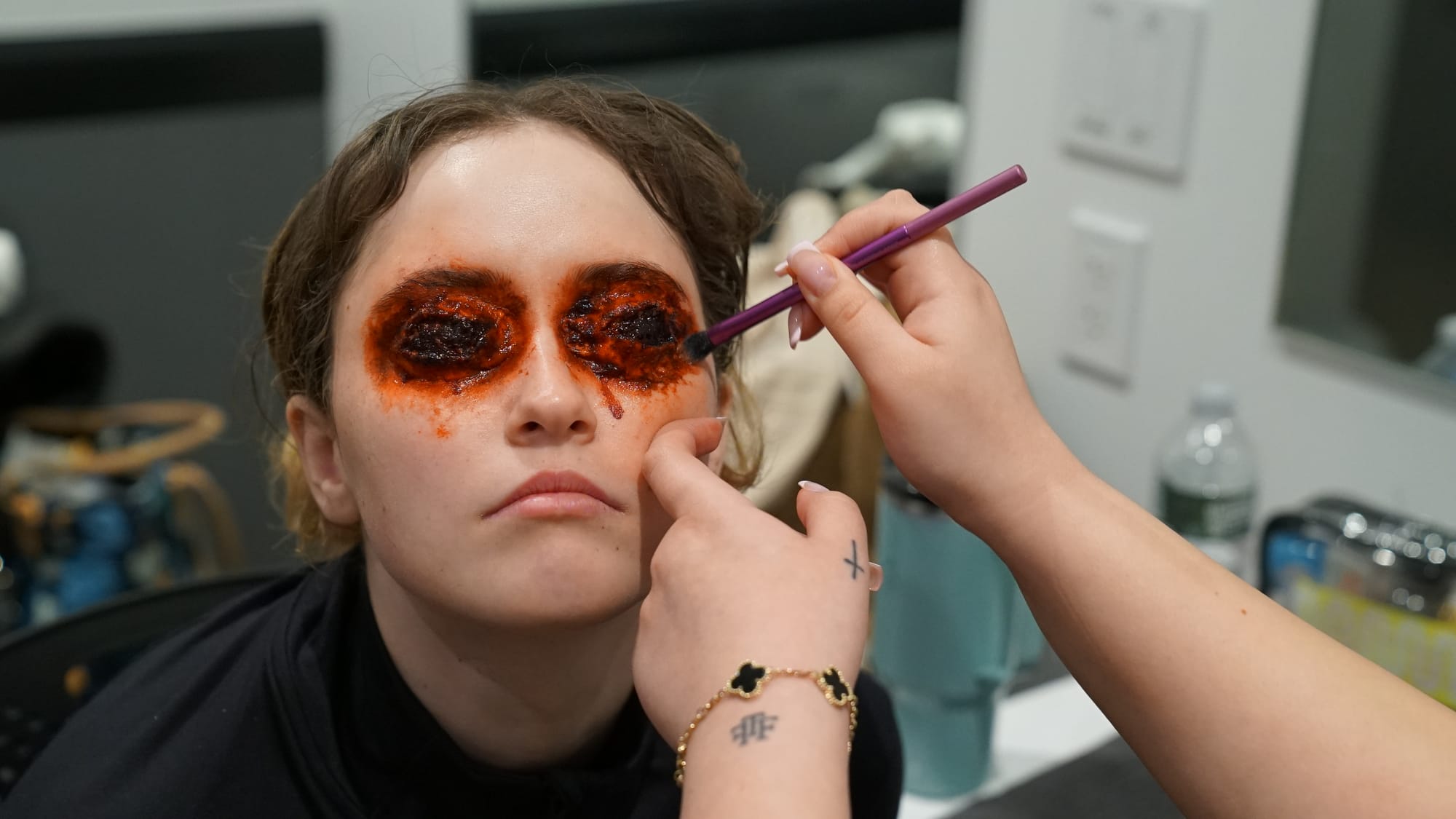
We were hoping to create a realistic dystopian facility on a soundstage, so I initially thought that extravagant production design would aid in world-building. However, as we assembled the set, it became clear that less was more in the case of “CRYONIC”.
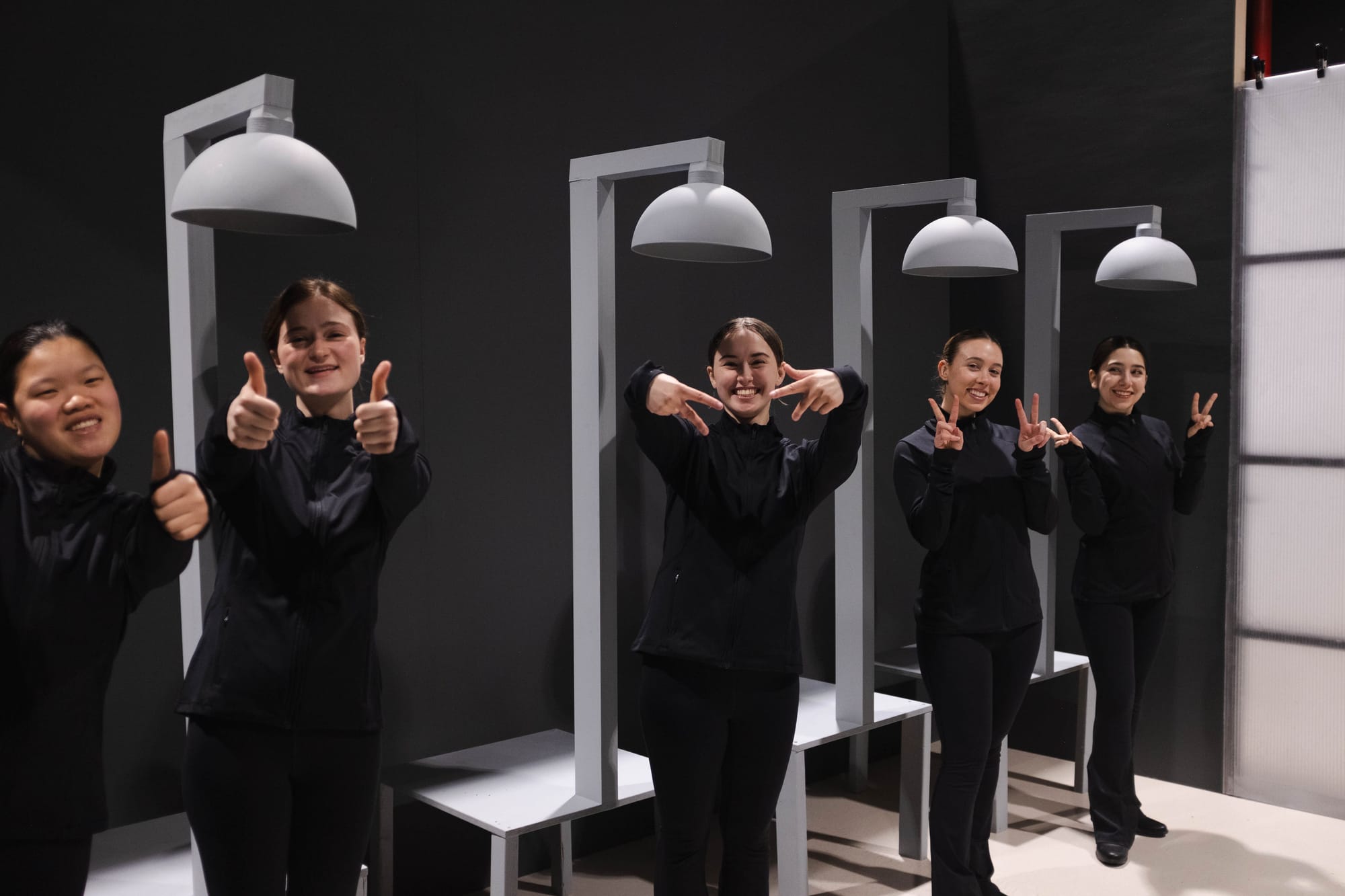
Because this film is inspired by a real practice, the set was loosely based on an existing cryonic facility which utilizes clean, sharp lines to underscore its science-forward approach. We decided to integrate these clean lines and lean into the emptiness of the environment, emphasizing light panels and modern furniture to suggest an ominous future that is not too far away from the present day.
How does your film fit within, or push the boundaries of, its genre or form?
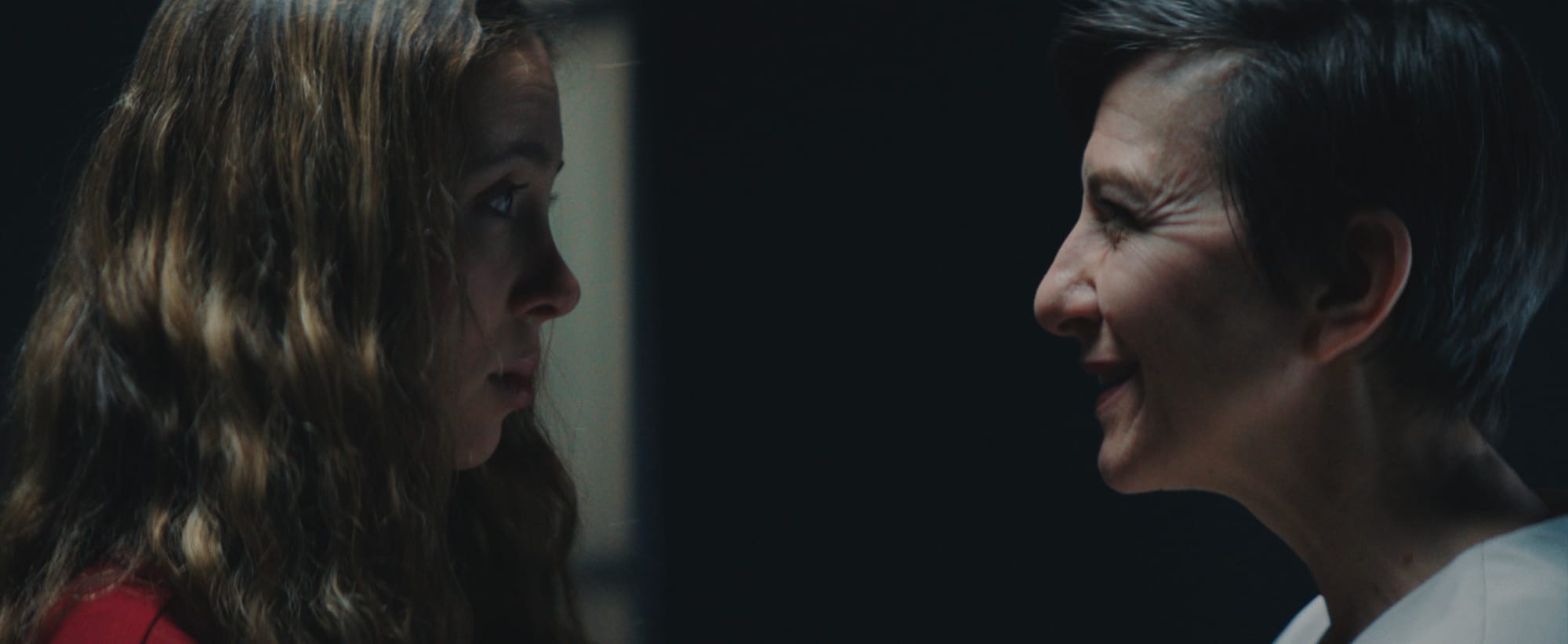
“CRYONIC” embodies the science-fiction genre by using science and technology based on real practices to create a dystopian future. The foundations are there, and the work has already begun, but the film explores a hypothetical reality where things are pushed to the extreme. The characters exist in a world foreign from our own, yet so closely mirroring us.
What moment in the film feels most like you, or like something only you could have made?
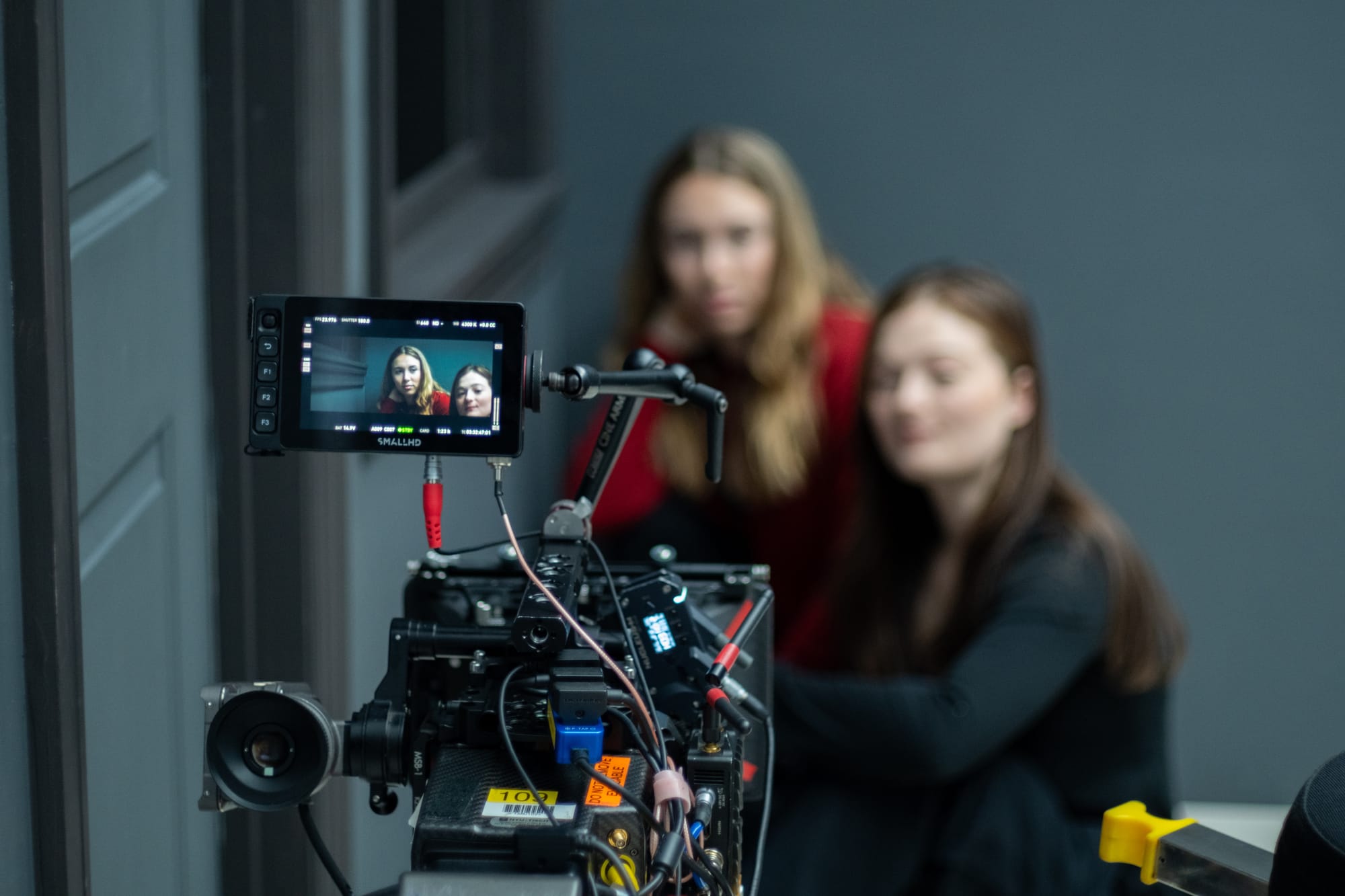
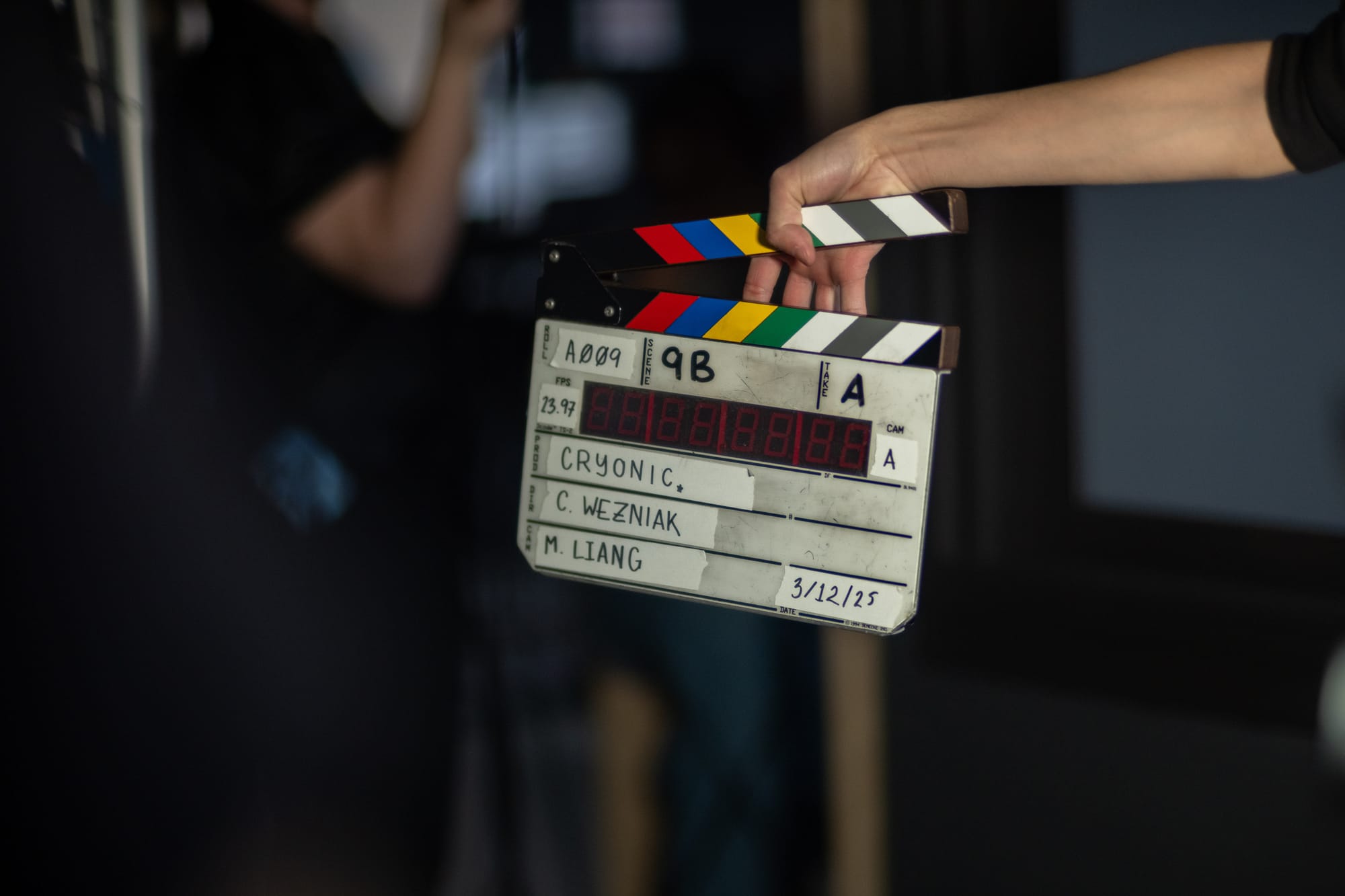
There’s a scene where the main character is stressed about the uncertainty of her future, and her best friend convinces her to let loose and scream. She eases into it at first, but it quickly turns guttural, animalistic, and she can’t stop screaming. It’s so much more than skepticism or frustration—it’s the feeling of not being believed and the feeling of finally letting it out. I love this moment.
“It’s so much more than skepticism or frustration—it’s the feeling of not being believed and the feeling of finally letting it out.”
What was the hardest creative decision you made while making the film?
There are many parts of this dystopia that I would like to explore on a deeper level, but I had to keep the scale relatively small in order to focus on the main story and avoid too much exposition about the larger world. For instance, rather than explore complex gender dynamics within a trafficking facility, I segregated genders and only represented female characters as Trainees on screen. I would have loved to widen the scope of the facility, but there’s only so much you can say in under 15 minutes.
“I would have loved to widen the scope of the facility, but there’s only so much you can say in under 15 minutes.”
What does it mean to have your film selected for HollyShorts London?
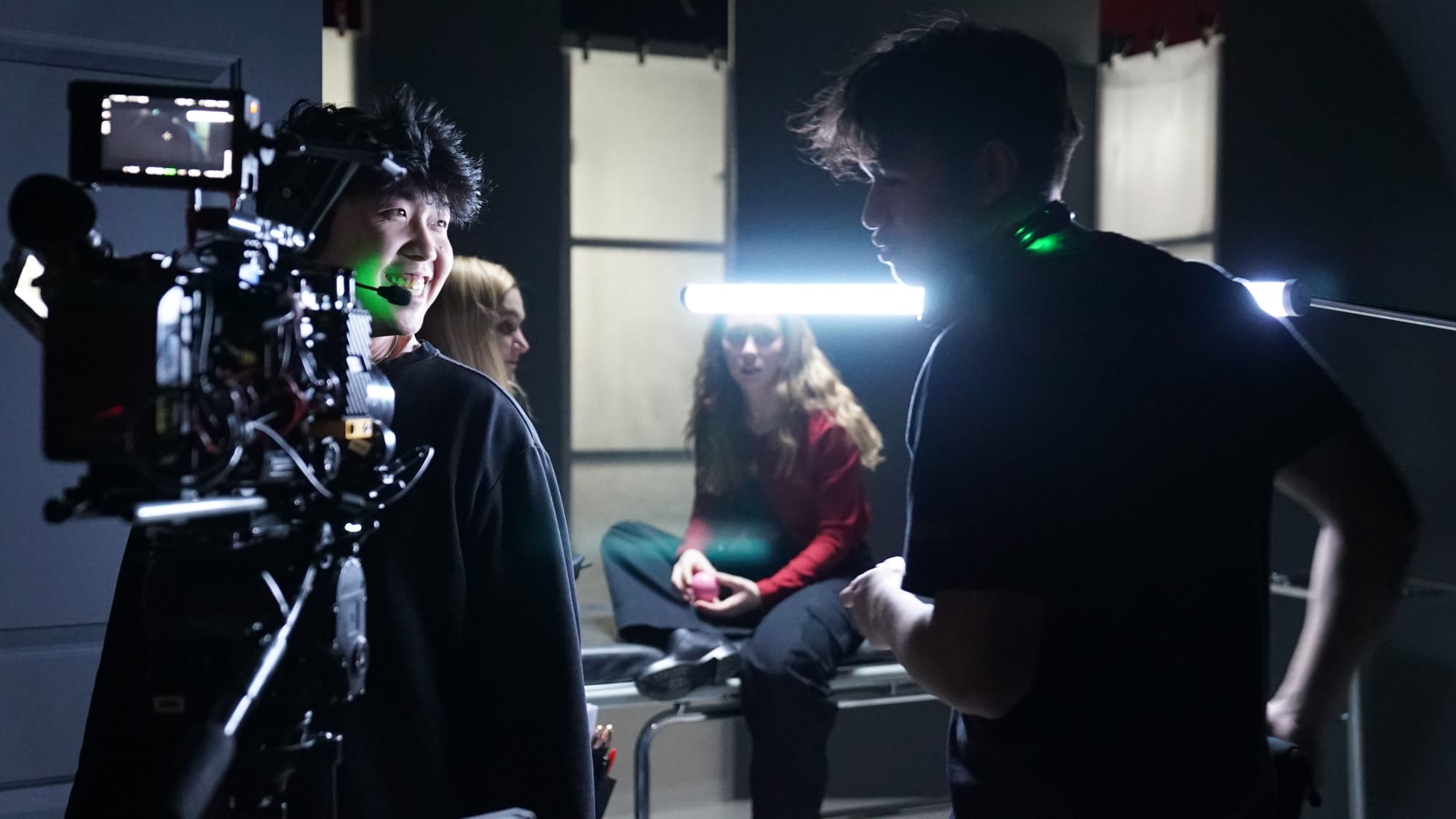
It’s a huge honor to be selected for HollyShorts UK. I’ve long admired the team at HollyShorts for amplifying new voices in the industry and supporting independent filmmaking, and it will be incredible to screen my film alongside some of the most talented storytellers in the world. I also recently moved to London, so I’m excited to watch “CRYONIC” in the center of the city I call home.
Where do you see this film going next?
I would love to develop “CRYONIC” into a feature film. Much of this story has yet to be explored, and it would be great to adapt these characters in a longer format to share with a wider, global audience.
Asked what sits at the core of all her work, Wezniak answered: "Bring people together." She writes that CRYONIC "explores an identity crisis, friendship conflict, and systemic pressure that people can relate to regardless of their background."
Main Cast & Crew
- Cassie Wezniak — Writer / Director
- Na'Kiya Hall — Producer
- Matt Liang — Director of Photography
- Lulu Smith — Production Designer
- Isabella Bonzani — Composer
- Sophie Rossman — "Rory"
- Emma Parks — "Lilah"
- Michelle Eugene — "Mrs. Rixon"
Filmmaker Opportunities
💛 Fund your next project with fiscal sponsorship
Have a project in the works? As a 501(c)(3) nonprofit, the Cinematography for Actors Institute can accept tax-deductible donations on your film's behalf — a door-opener for grants, foundations, and supporters who want to back your work. We've serviced over 100 projects to date and helped route over $800,000 in funding to filmmakers. Explore fiscal sponsorship →
📬 Grant deadlines and festival opportunities, straight to your inbox
The CFA newsletter rounds up grants, festival calls, and community news for independent filmmakers — the kind of opportunities that are easy to miss and painful to miss. Join the newsletter →
🎬 Focus on the creative — we'll help with the logistics
Production Management, CFA's newest member program, launches this November: production insurance and workers' comp, payroll, film permits, gear rental coordination, SAG-AFTRA compliance, contract drafting, production consulting, and crew recommendations — handled by a team of working filmmakers, à la carte or all in, in partnership with Creative Access Group. It's waitlist-only until launch. Join the waitlist →
League of Filmmakers is published by our parent organization, the Cinematography for Actors Institute — a 501(c)(3) dedicated to education, community, and capital for underrepresented filmmakers and actors. Learn more about CFA →


