
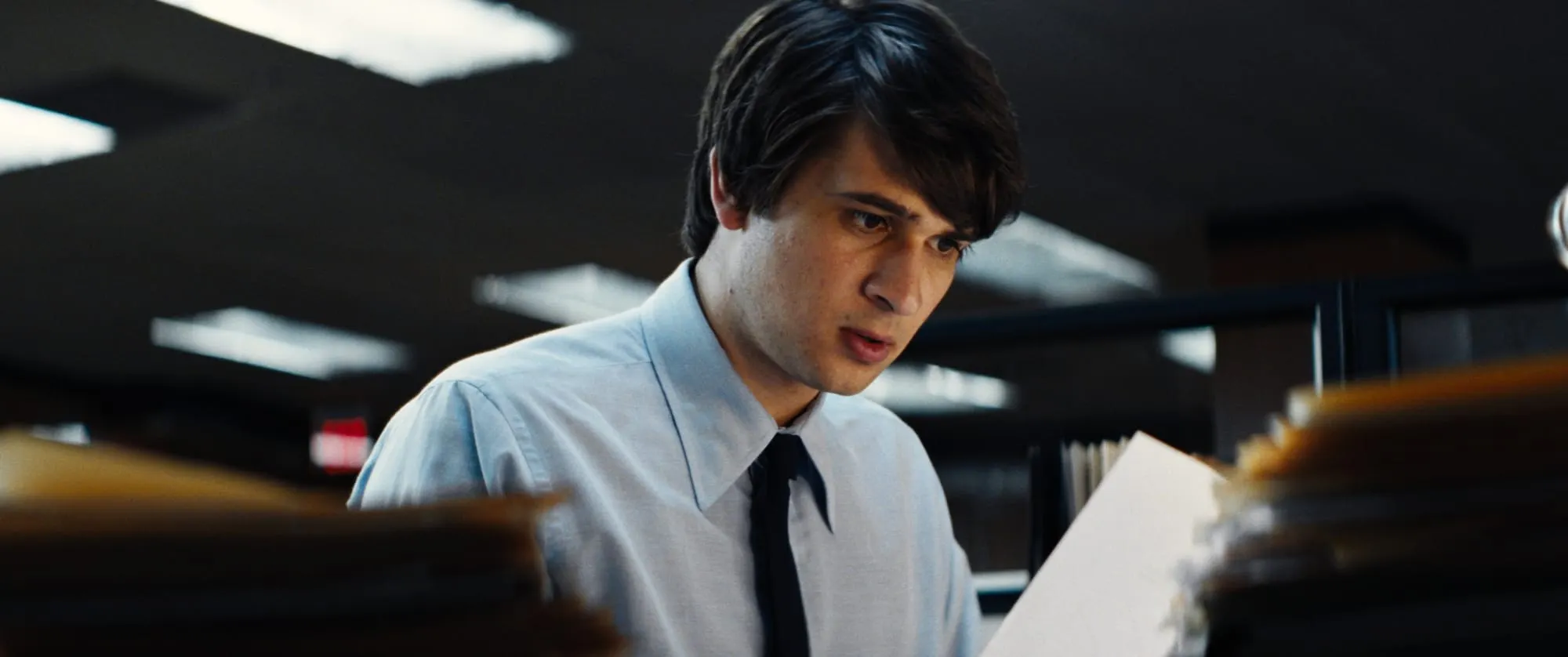
In 1982, Jackson Miller is a young risk analyst at one of the biggest US oil companies, and he fears for his job. The company is bleeding millions as oil prices fall, and he needs to prove he can help. Then he stumbles onto the latest findings of the company's own climate science department — a rapid rise in global temperature — and has to decide which side of history he wants to be on. That is the taut premise of Simon Schneider's Degree of Certainty, his AFI thesis film, supported by Amazon MGM Studios and honored with the Young Director Award Silver in 2026.
Schneider, a German director trained at ifs Cologne and the AFI Conservatory, was struck by how little of this true history is publicly known. His film draws on the conspiracy thrillers of the late 1970s and the cool systemic dread of Margin Call to turn a decades-long story into sixteen gripping minutes. It arrives at HollyShorts just blocks from where it was made.
Key Takeaways
- A true story told through genre: Degree of Certainty borrows from All the President's Men and Margin Call to dramatize an oil company denying its own climate findings.
- The team built authenticity on a small budget through location scouting, meticulous production design, and a custom film-emulation workflow that made digital footage feel like early-80s analog.
- Schneider frames a systemic crisis through one young man's choice, making complicity feel personal and, he hopes, changeable.
Schneider spoke with us about the history behind the film, the collaboration that shaped it, and where his storytelling is headed next.
Interview
What drew you to make this film, and why this story, why now?
In my work as a filmmaker, I'm always driven to unpack and understand how we as a society create the world we live in. When I first learned about how, 50 years ago, the scientists of American oil corporations not only discovered the climate crisis, but also how the leaders of these companies decided to deny their findings, it felt like one of the biggest stories of our time. Considering the magnitude and implications of this story, the more I researched, the more I became astounded by how little this part of history is known by the general public and is not reflected in our current political and economic debates. I was surprised that these true events had never been told in a narrative live-action film, and I felt it was time to bring it to the big screen.
What was the hardest creative decision you made while making the film?
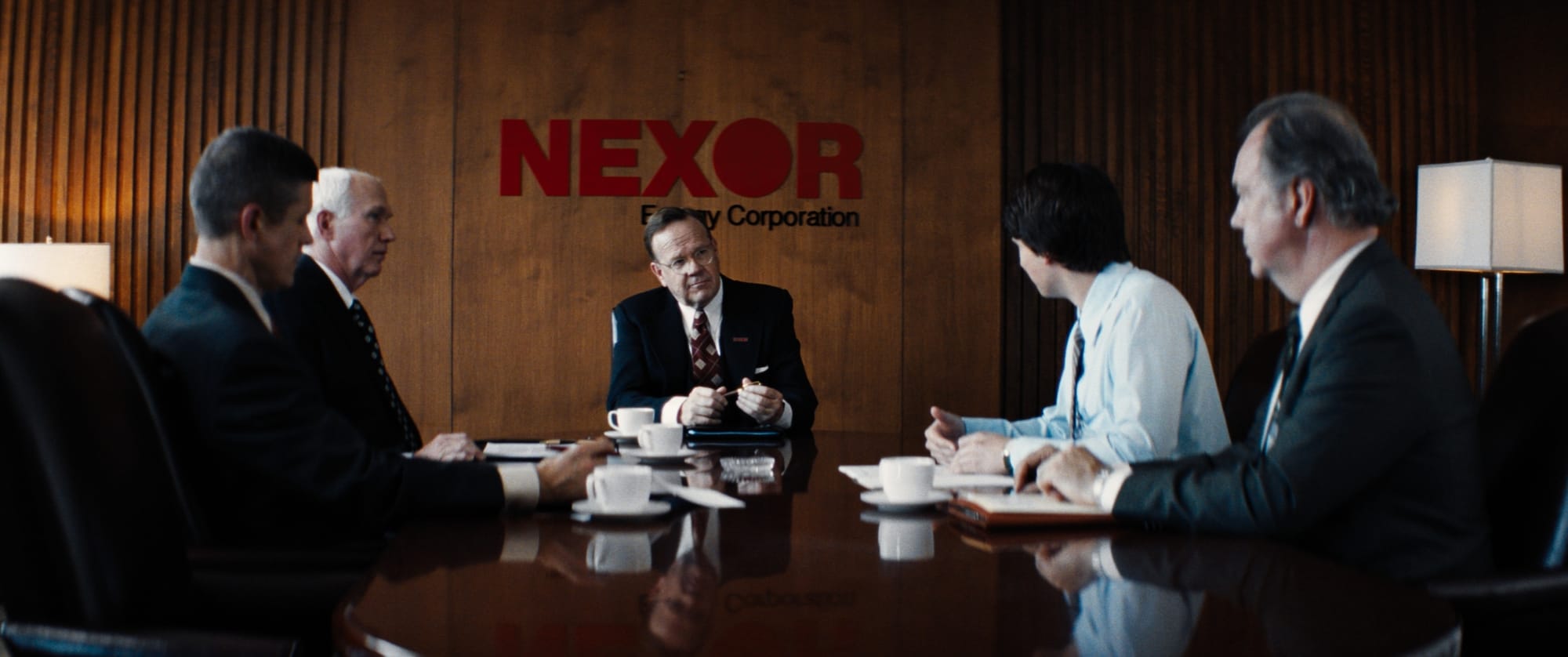
Finding a way to tell this multiple-decade-long story in a 16-minute short film in a gripping and engaging way felt like one of the biggest challenges in the process. As a young man myself who is at the beginning of his career, telling this story from the perspective of a young risk analyst who wants to be part of one of the most prestigious companies at the time felt like the most emotionally relatable angle to me. Not only is he the generation that will feel the effect of the findings, but he is also at a point in his life where the decision of whether to be complicit or stand up against an unjust system is ahead of him. To find this lens, as well as the right moment in time to set the story in, was one of the biggest decisions early on. This balance between portraying true historical events and the desire to make an entertaining film carried through all phases of the production.
What surprised you most about the filmmaking process, including any moment on set or in post that changed how you saw the story?
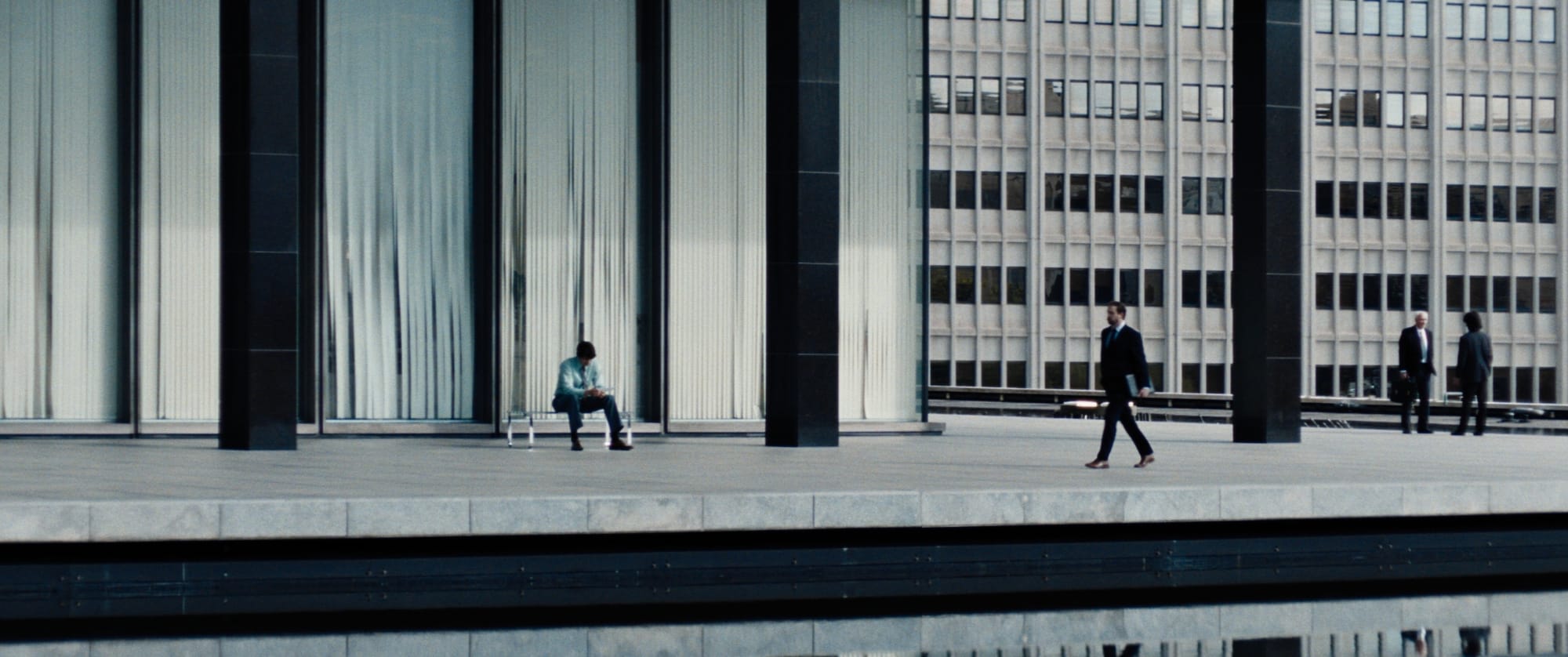
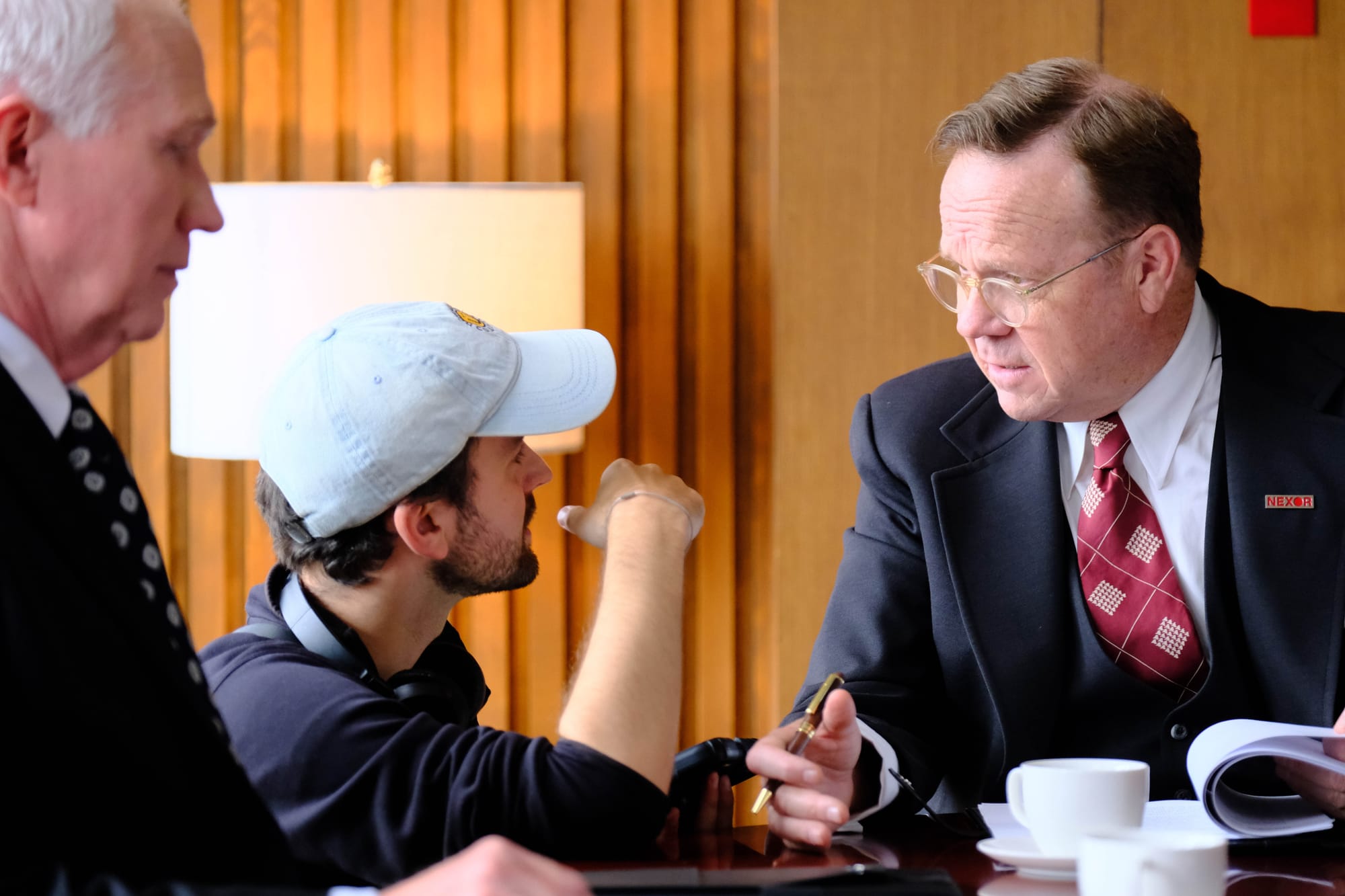
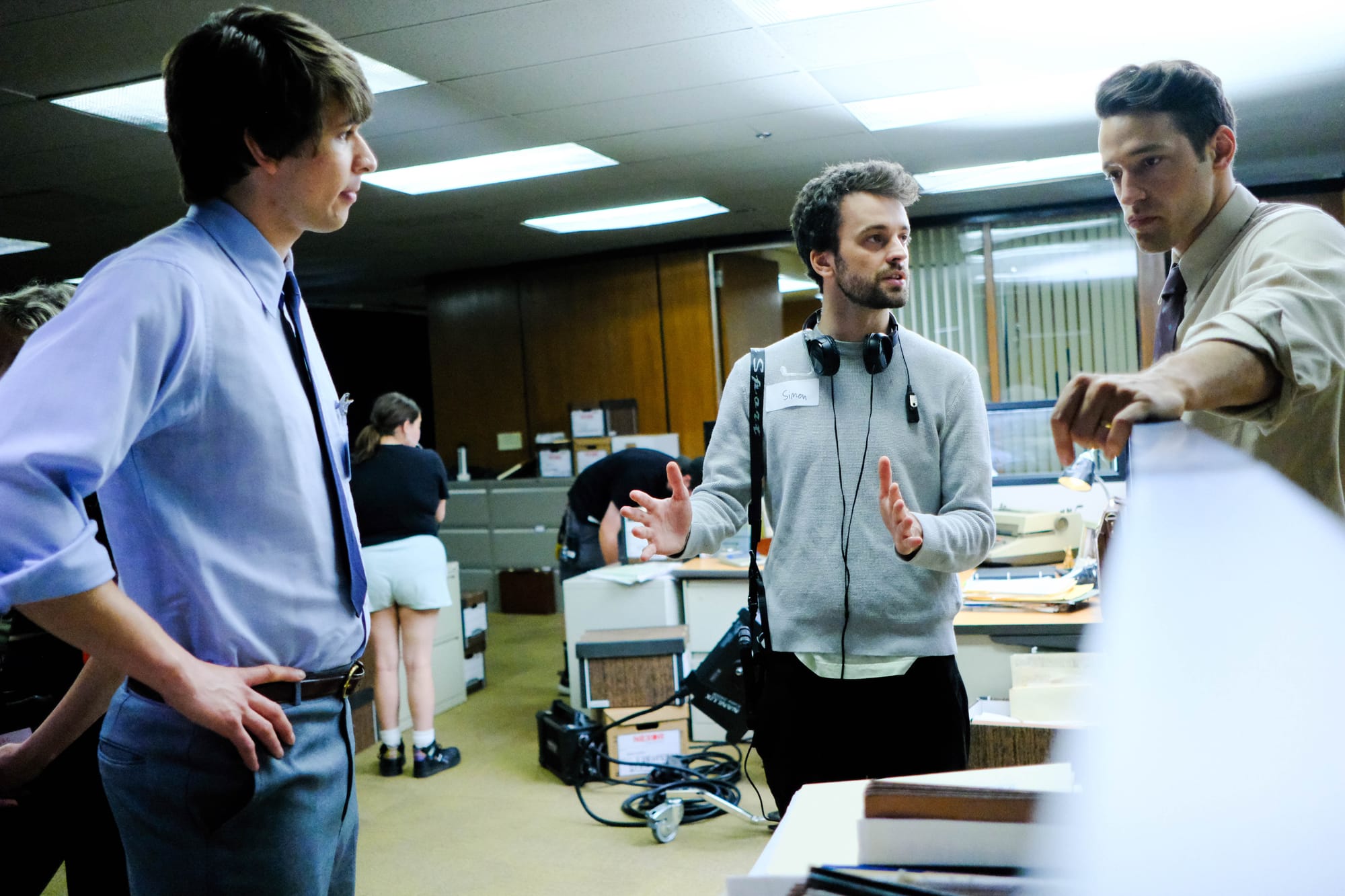
It was the collaboration with our actors about how the real conversations in the past most likely would have happened that shaped the translation from script to screen the most. We were very fortunate to have brilliant actors like Trace Guzmán, Peter Mackenzie (Trumbo), John Billingsley (Star Trek), and Rob Nagle (Mad Men) who made it possible to fine-tune the dialogue in rehearsal and on set in a way that enriched and deepened the story we're telling. In addition, the work with our cinematographer Eliot Grigo complemented that visually with the pursuit of images that represent the systemic viewpoint from which we wanted to tell the story.
What moment in the film feels most like you, or like something only you could have made?
The ending is something I feel proud of. With it, the movie finds a strong emotional climax that makes us feel the moment of complicity and how selling out against the greater good happens, even to people who initially have good intentions. The balance between this cynical knife-twisting and sobering tone is something in which I see myself reflected in a strong sense.
What tool, technique, or mindset shift helped most during production?
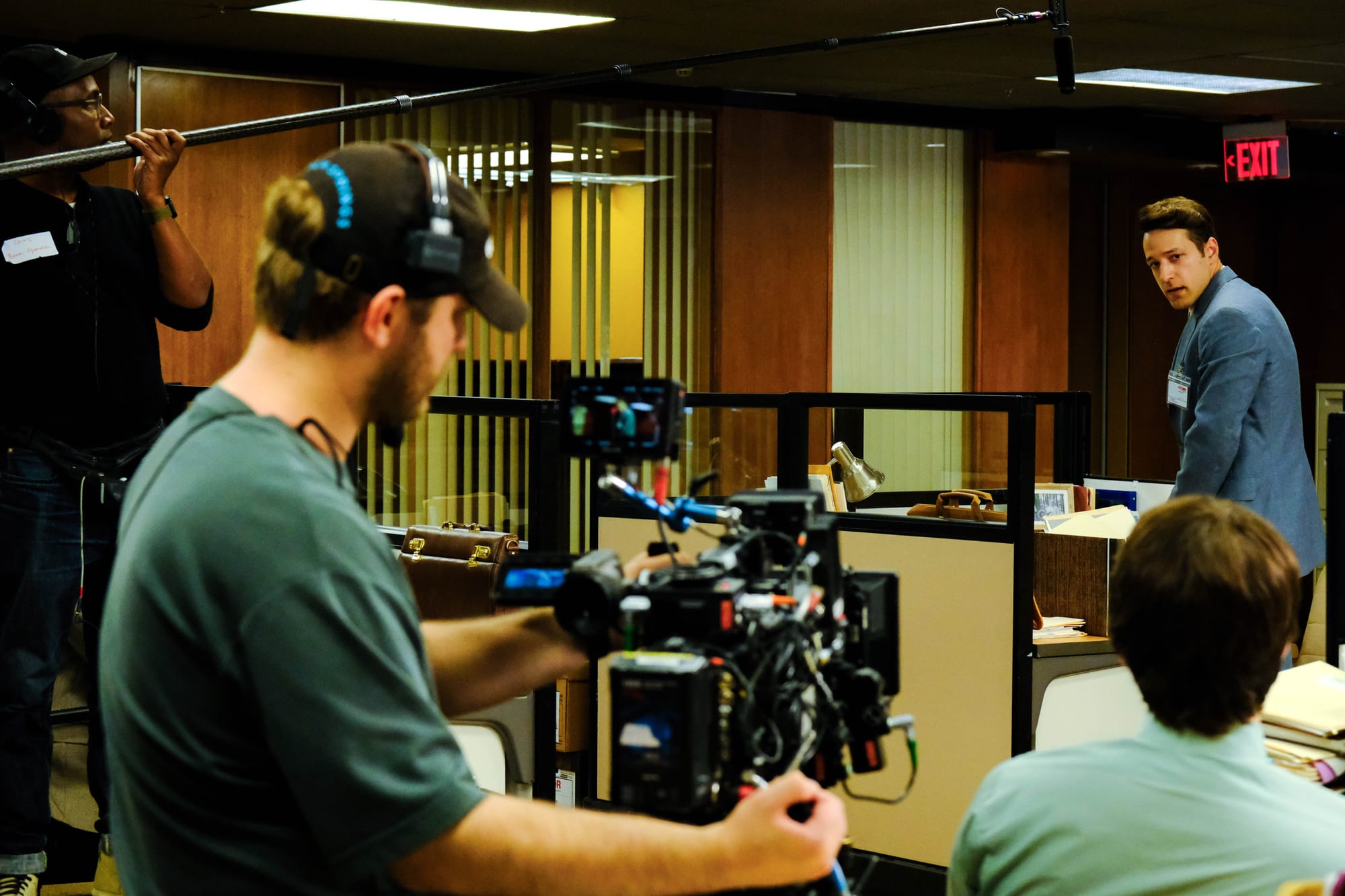
Film is a team effort, and everyone involved contributed in a huge way to bring this film to life. One of the most important approaches was to put our energy and time into finding and securing locations that would be believable as an American oil corporation of the early 80s, paired with intricate production design. This, combined with the development of our own film emulation process — which enabled us to shoot digitally while incorporating lighting and exposure techniques from analog film — brought the authentic historical feel to the film. Our cinematographer Eliot Grigo and colorist Matt Wallach from Company3 developed a workflow that let us use most of our resources on the sets, the costumes, and set dressing. A meticulously planned pre-visualization phase helped us plan our camera angles to maximize the budget and dress only the areas of the set where they were needed.
What do you hope audiences take away from this film?
The movie shows that the reality we live in today is not an accident, but is caused by people and their decisions in the past. It shows that if we want to change the trajectory of where the world is heading, we have to start making different decisions now. Since the movie asks questions about complicity in unjust systems, I hope that the audience feels invited to reflect on their own systemic role and feels empowered to make different decisions in their life and advocate for a broader systemic change.

What does it mean to have your film selected for HollyShorts?
It is a big honor for me and the entire team to screen the film just a few blocks from where it originated at the American Film Institute Conservatory. It feels especially meaningful to be part of a festival that champions the new voices of cinema, in the city that serves both as a backdrop for our film and that fights against the consequences of the climate crisis. We hope the film sparks conversation about this fight, which became very real to residents here through the fires last year and continues with the ongoing rebuild of the city and the fight for a safer and more livable future in LA and beyond.

Main Cast & Crew
- Simon Schneider — Writer/Director
- Maxwell Kagan — Producer
- Eliot Grigo — Cinematographer
- Jason Luo — Editor
- Jessica Burnam — Production Designer
- Trace Guzmán — Jackson Miller
- Peter Mackenzie — Mr. Leemann
- John Billingsley — Mr. Williams
- Rob Nagle — Mr. Bennet
- Jonathan Von Mering — Richard Johnson
- Christian Haines — Mr. Fischer
Filmmaker Opportunities
💛 Fund your next project with fiscal sponsorship
Have a project in the works? As a 501(c)(3) nonprofit, the Cinematography for Actors Institute can accept tax-deductible donations on your film's behalf — a door-opener for grants, foundations, and supporters who want to back your work. We've serviced over 100 projects to date and helped route over $800,000 in funding to filmmakers. Explore fiscal sponsorship →
📬 Grant deadlines and festival opportunities, straight to your inbox
The CFA newsletter rounds up grants, festival calls, and community news for independent filmmakers — the kind of opportunities that are easy to miss and painful to miss. Join the newsletter →
🎬 Focus on the creative — we'll help with the logistics
Production Management, CFA's newest member program, launches this November: production insurance and workers' comp, payroll, film permits, gear rental coordination, SAG-AFTRA compliance, contract drafting, production consulting, and crew recommendations — handled by a team of working filmmakers, à la carte or all in, in partnership with Creative Access Group. It's waitlist-only until launch. Join the waitlist →
League of Filmmakers is published by our parent organization, the Cinematography for Actors Institute — a 501(c)(3) dedicated to education, community, and capital for underrepresented filmmakers and actors. Learn more about CFA →


