
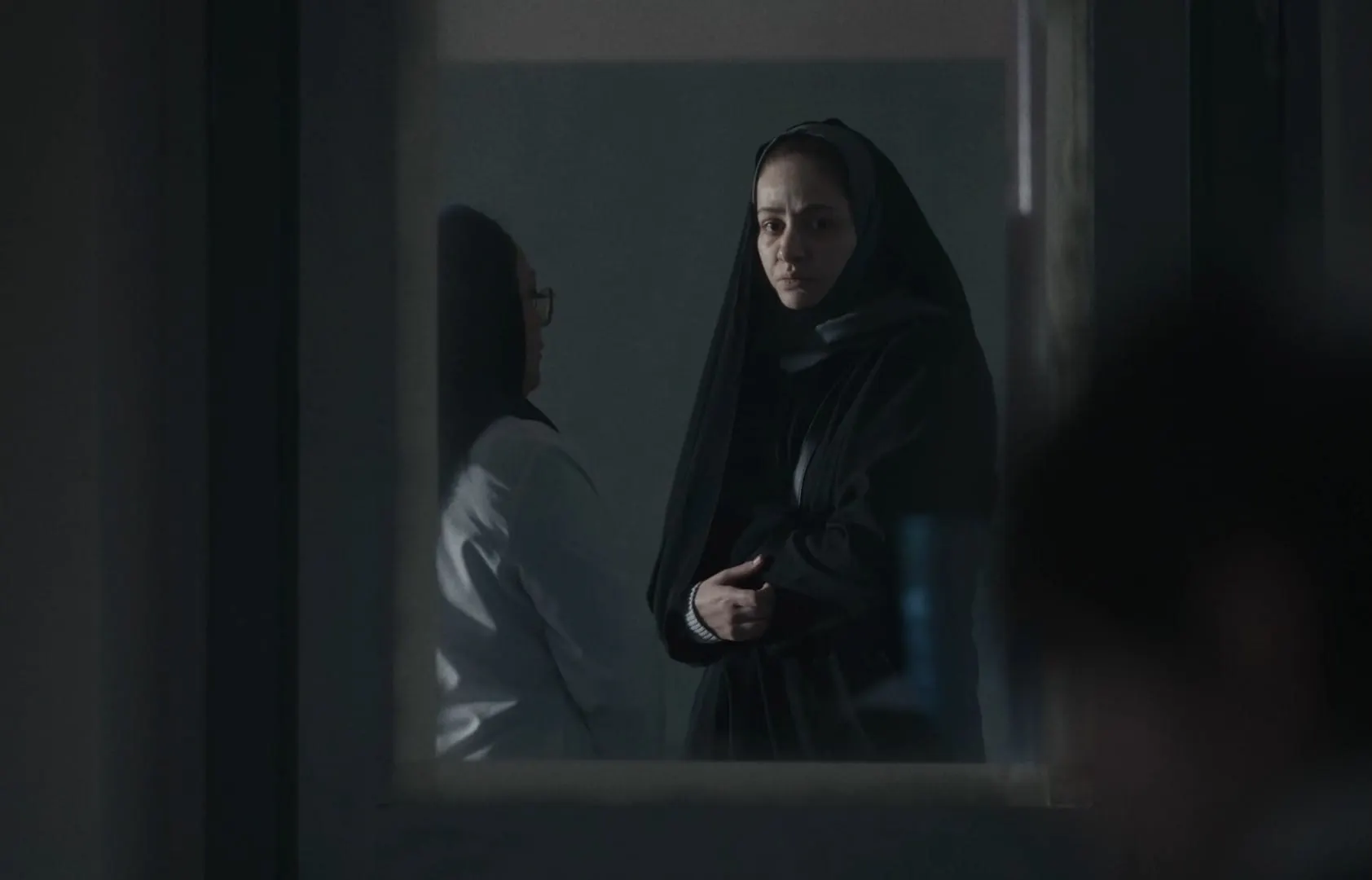
Amir Zargara has spent equal parts of his life in Iran and North America, and VITAL lives in the space between them. In Tehran, Fereshteh, a single mother, considers selling more of her organs to treat her ailing daughter; in the United States, Dr. Dariush Yazdani, an Iranian-American physician, begins exploring shadowy channels back in Iran to save his own child. Two families, two very different systems, one identical desperation.
Selected as the Stage 32 x HollyShorts Short Film Contest winner and programmed on opening night, VITAL refuses to judge its characters. Instead, Zargara sets their impossible choices side by side and lets the audience sit with the question underneath: what would I do?
Key Takeaways
- Shot entirely in Istanbul, the city doubles for both Tehran and the United States, connecting two families through the same fundamental need.
- The cast draws from some of Iranian cinema's most acclaimed recent films, including Berlinale and Cannes honorees.
- Oscar-qualified and a Humanitas Prize nominee, the short is already becoming the springboard for a feature version in development.
Zargara spoke about survival, moral ambiguity, and the discipline of letting go.
Interview
What drew you to make this film, and why this story, why now?
VITAL grew out of my experience of having spent equal parts of my life in Iran and North America, and witnessing how differently these two societies confront questions of survival, healthcare, and inequality. Iran is the only country with a legal compensated kidney "donation" system, while in the United States, organ donation operates within an entirely different framework but carries its own profound ethical dilemmas. I was drawn to placing these realities side by side and asking what happens when a parent is forced to navigate them while trying to save their child.
On a personal level, the organ trade became a metaphor for my own complicated relationship with Iran. Although I left the country, I continue to "harvest" from it—the memories, contradictions, and stories that fuel my filmmaking. There is both love and discomfort in that relationship: a desire to distance myself from certain realities while recognizing how deeply they continue to define me.
This story feels especially urgent now because growing economic inequality increasingly determines what choices people have access to and, in turn, what we consider moral or immoral. By following a mother and father on opposite sides of the world who are both willing to do almost anything for their children, VITAL asks audiences to look beyond borders and judgment and recognize the shared humanity underneath those choices.
What surprised you most about the filmmaking process, including any moment on set that changed how you saw the story?
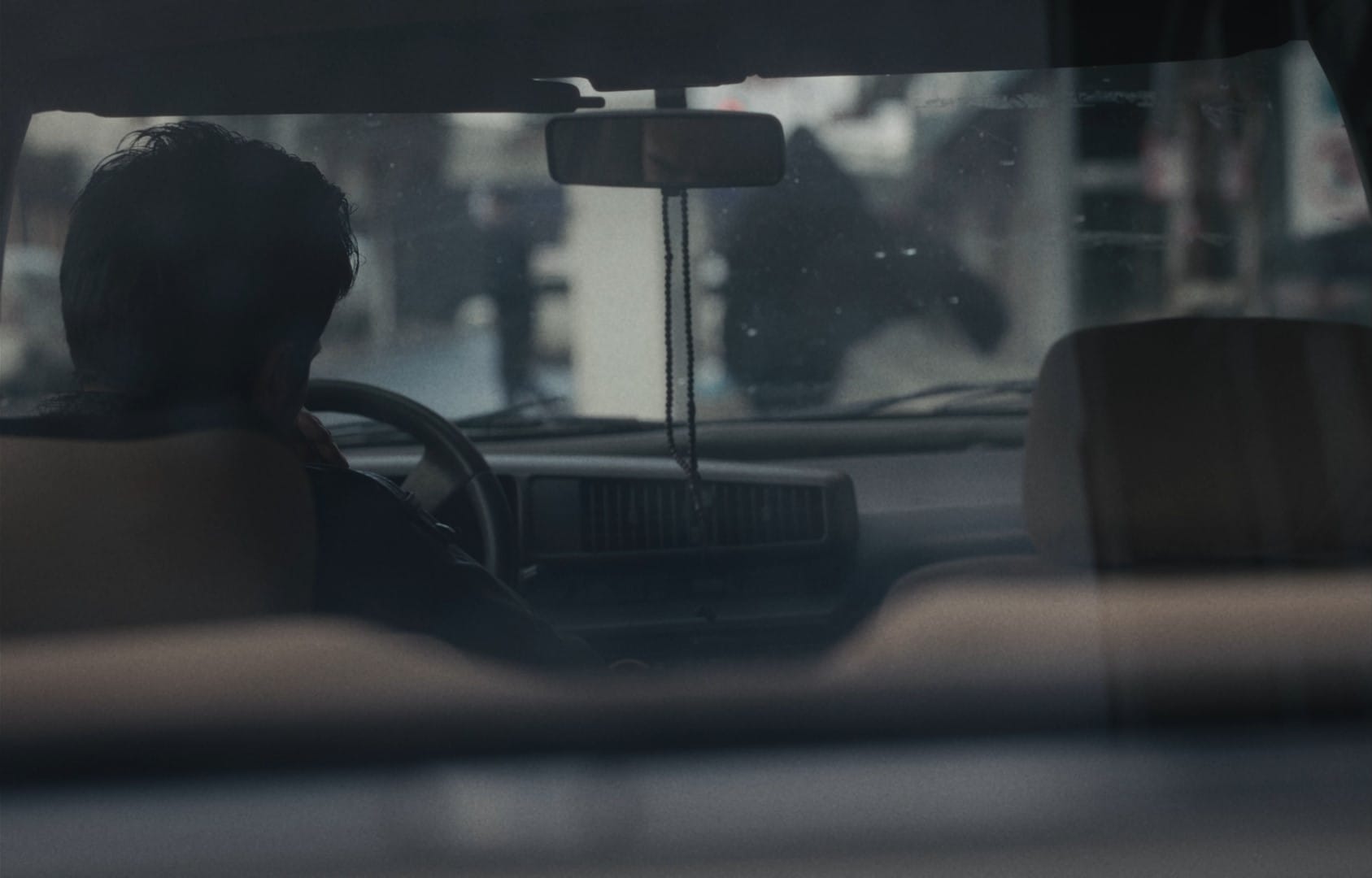
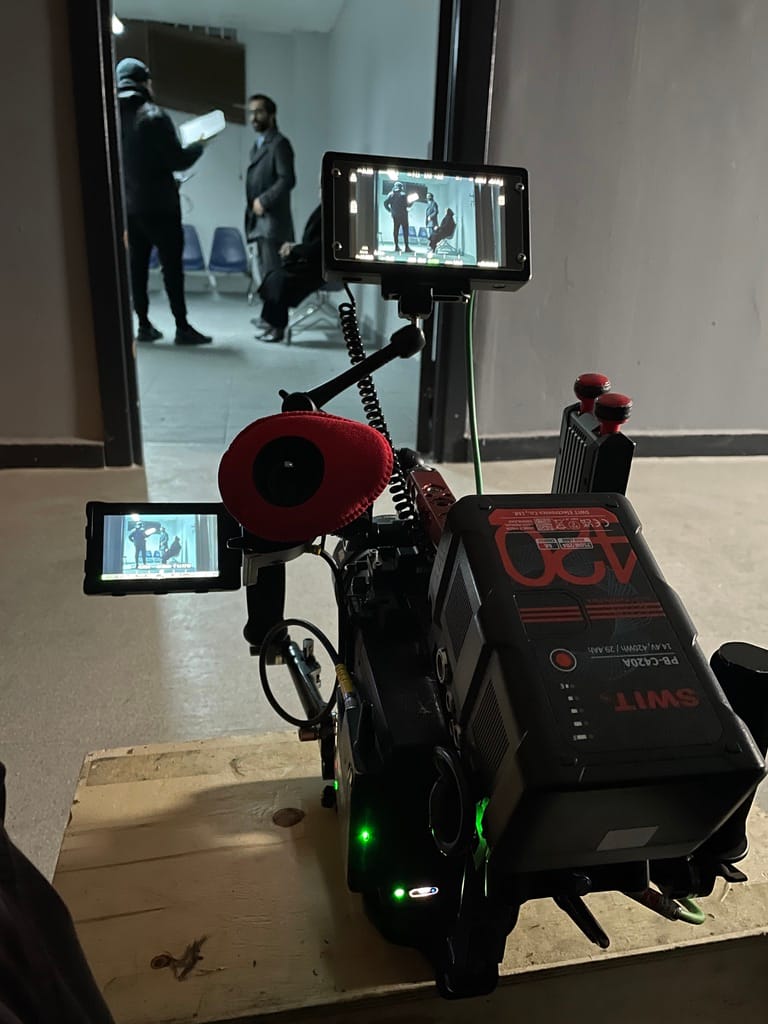
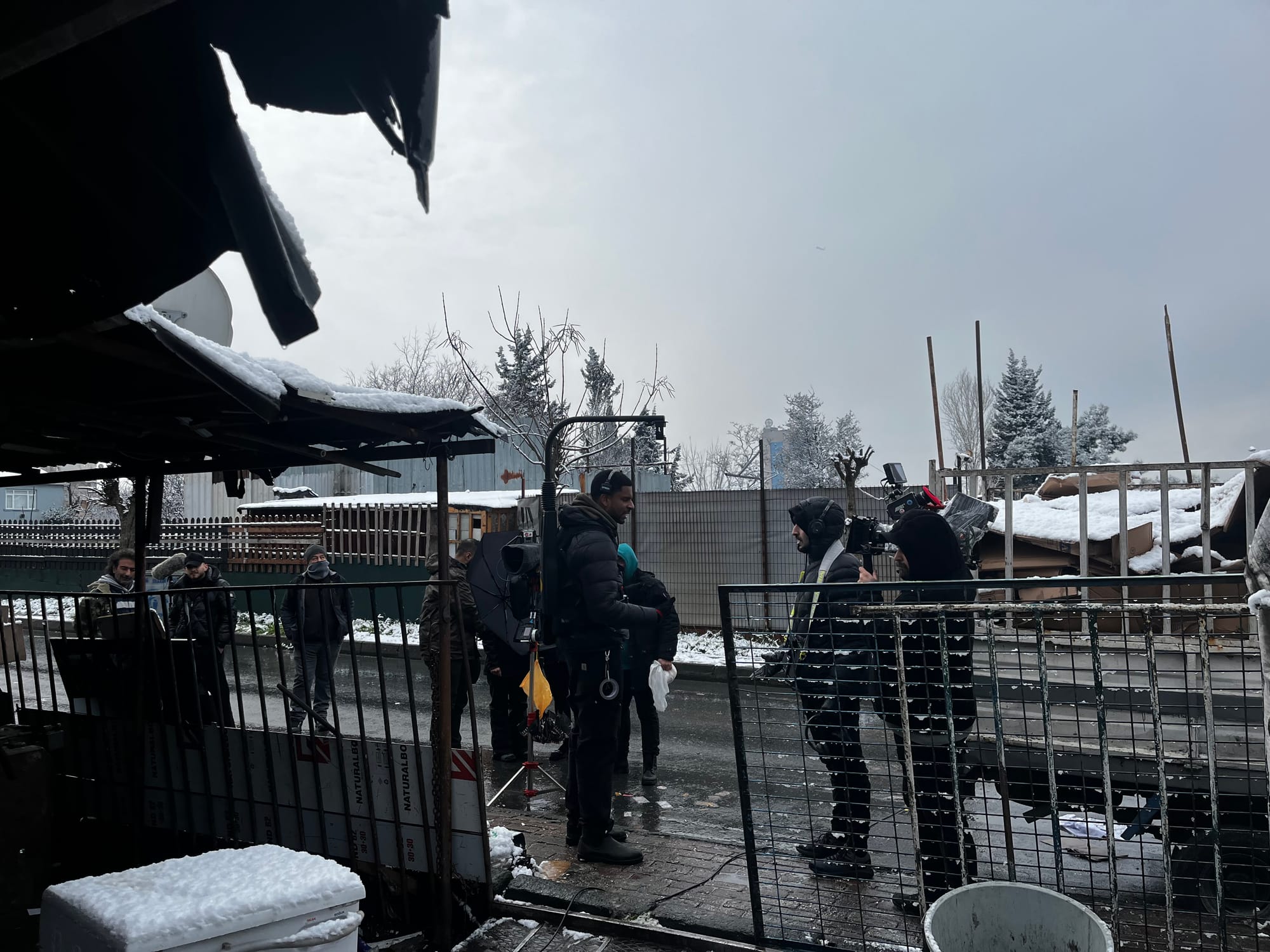
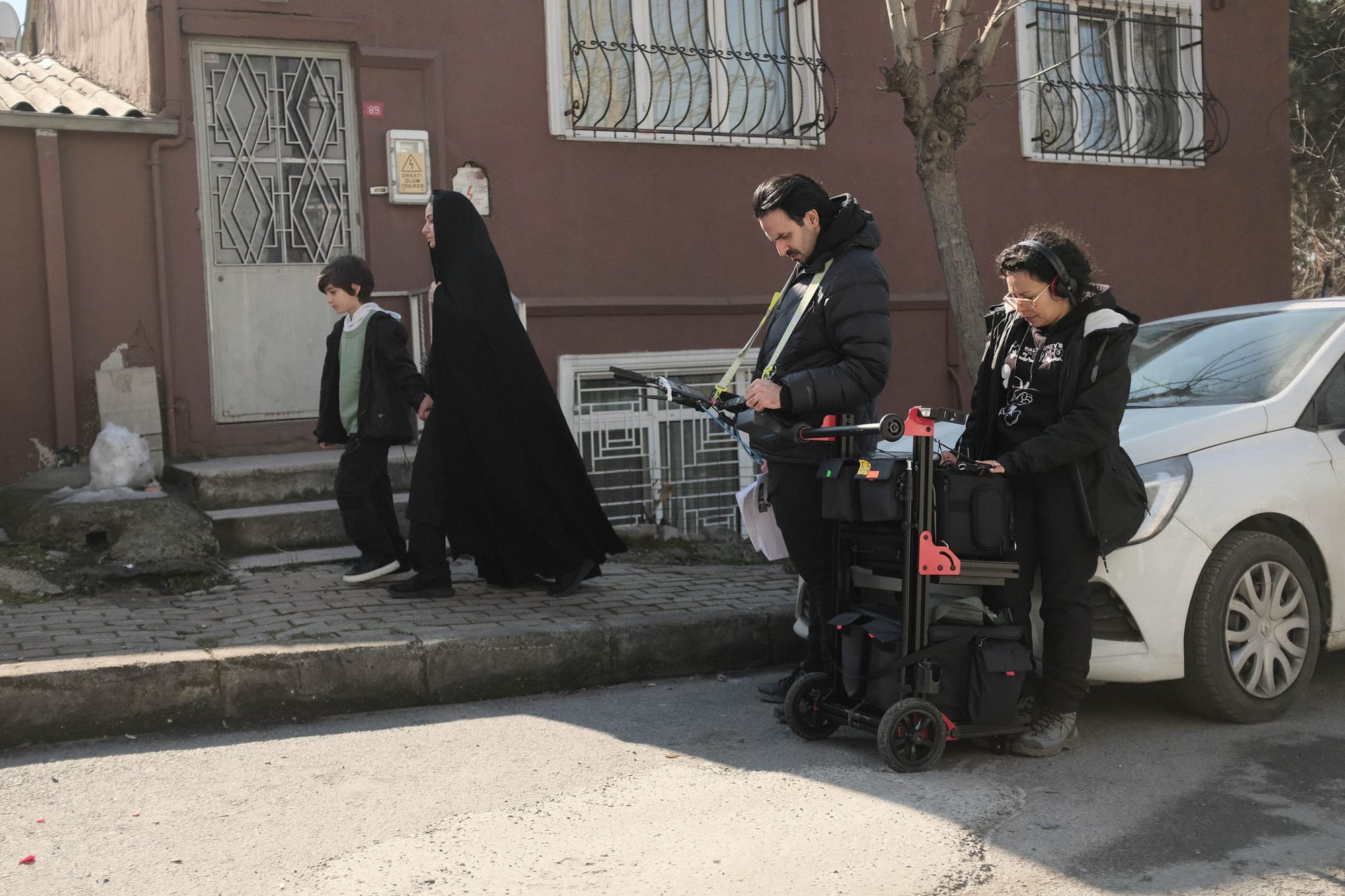
We shot the entire film in Istanbul, doubling the city for both Iran and the United States, which was definitely one of our biggest logistical challenges. It was my second time working in Istanbul with the same producing team and my second time doubling the city for Iran, so we had more experience going in, but it was still incredibly demanding.
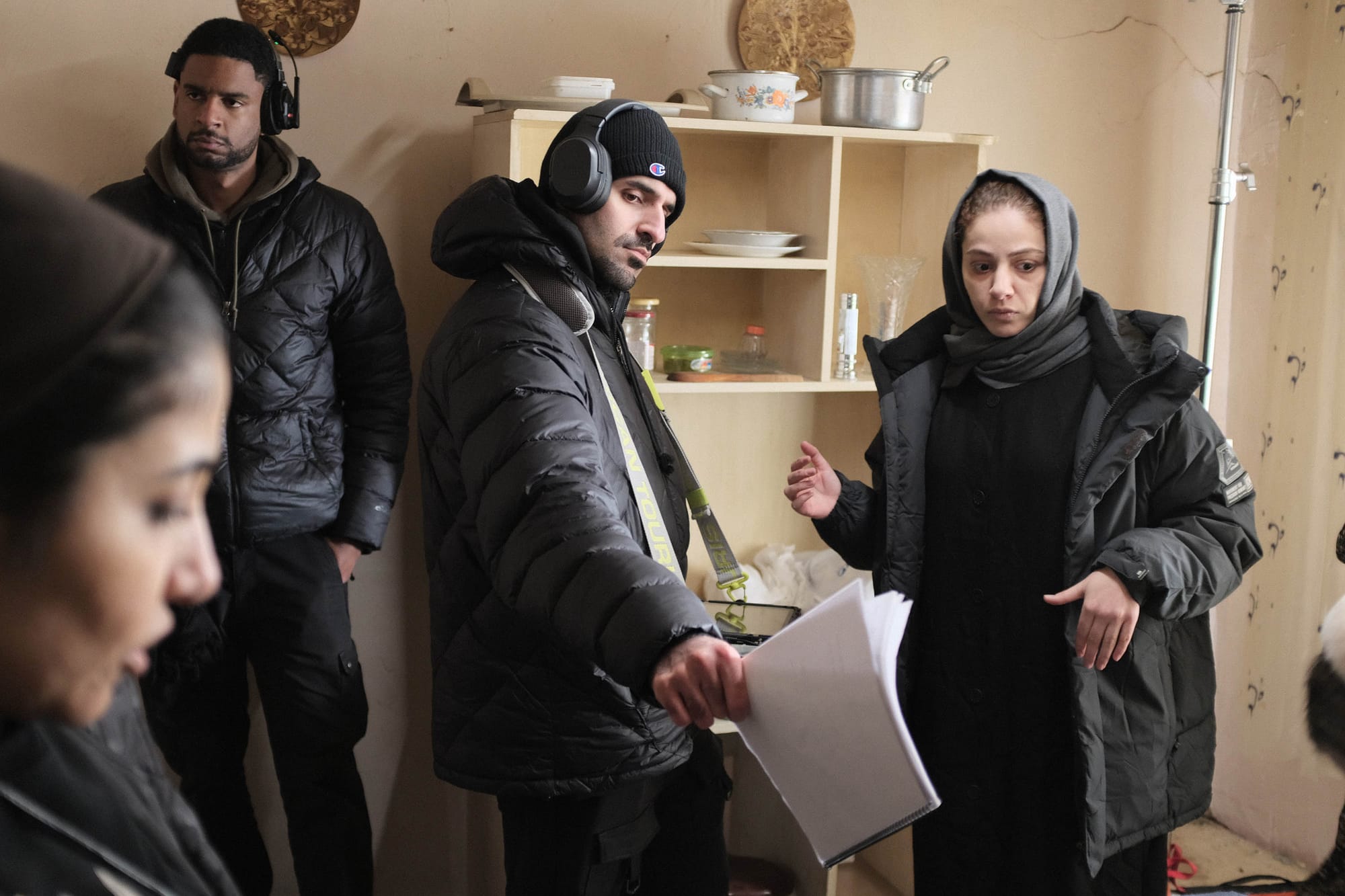
We were also fortunate to bring several actors from Iran to Istanbul for the production. Getting to work with actors of that caliber was a real privilege and changed the way I experienced certain scenes. They brought so much history, specificity, and humanity to the characters that there were moments where I found myself seeing the story differently simply because of what they were giving me.
What moment in the film feels most like you, or like something only you could have made?
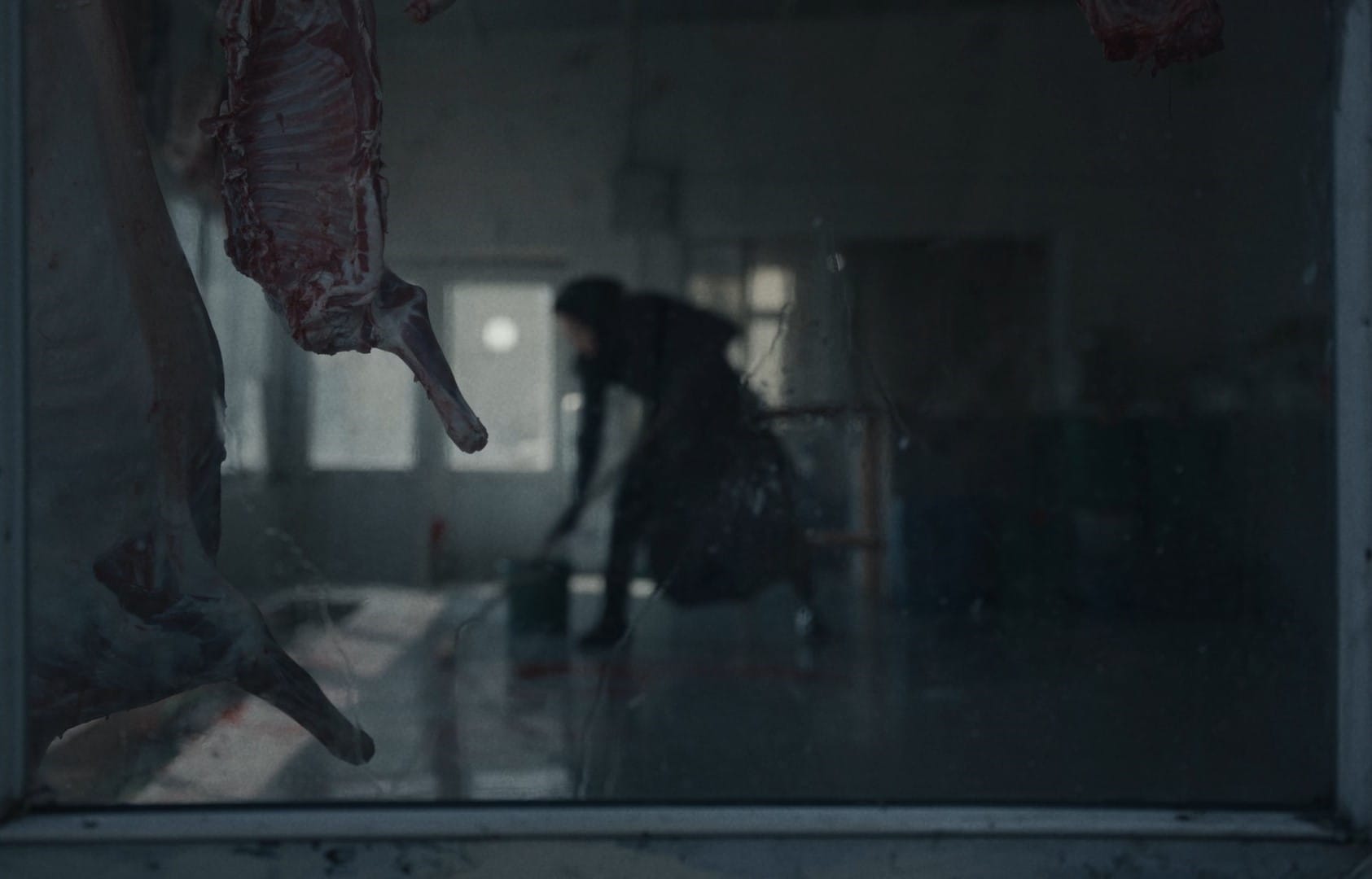
That's a difficult one because, in many ways, the entire film feels like me. The themes, the characters, the moral questions, and even the way the two worlds of Iran and North America exist alongside one another are deeply connected to my own experiences.
I would like to think that if someone else had directed VITAL, it would have been a completely different film. There may not be one specific moment I can point to and say, "that's me," but the perspective behind the film—how it looks at these characters without judging them and tries to understand why they make the choices they do—is probably the part that feels most personal.
What was the hardest creative decision you made while making the film?
Cutting the film from approximately 26 minutes down to 14 minutes was by far the hardest creative decision. We lost almost half the film, including scenes and moments I really loved.
But ultimately, I had to separate my attachment to individual scenes from what was best for the film as a whole. Making it under 15 minutes gave the film a stronger pace and also made it much more accessible to festivals and audiences. It was painful, but it taught me that sometimes directing in post means being willing to let go of things you love in service of the larger story.
What tool, technique, or mindset shift helped most during production?
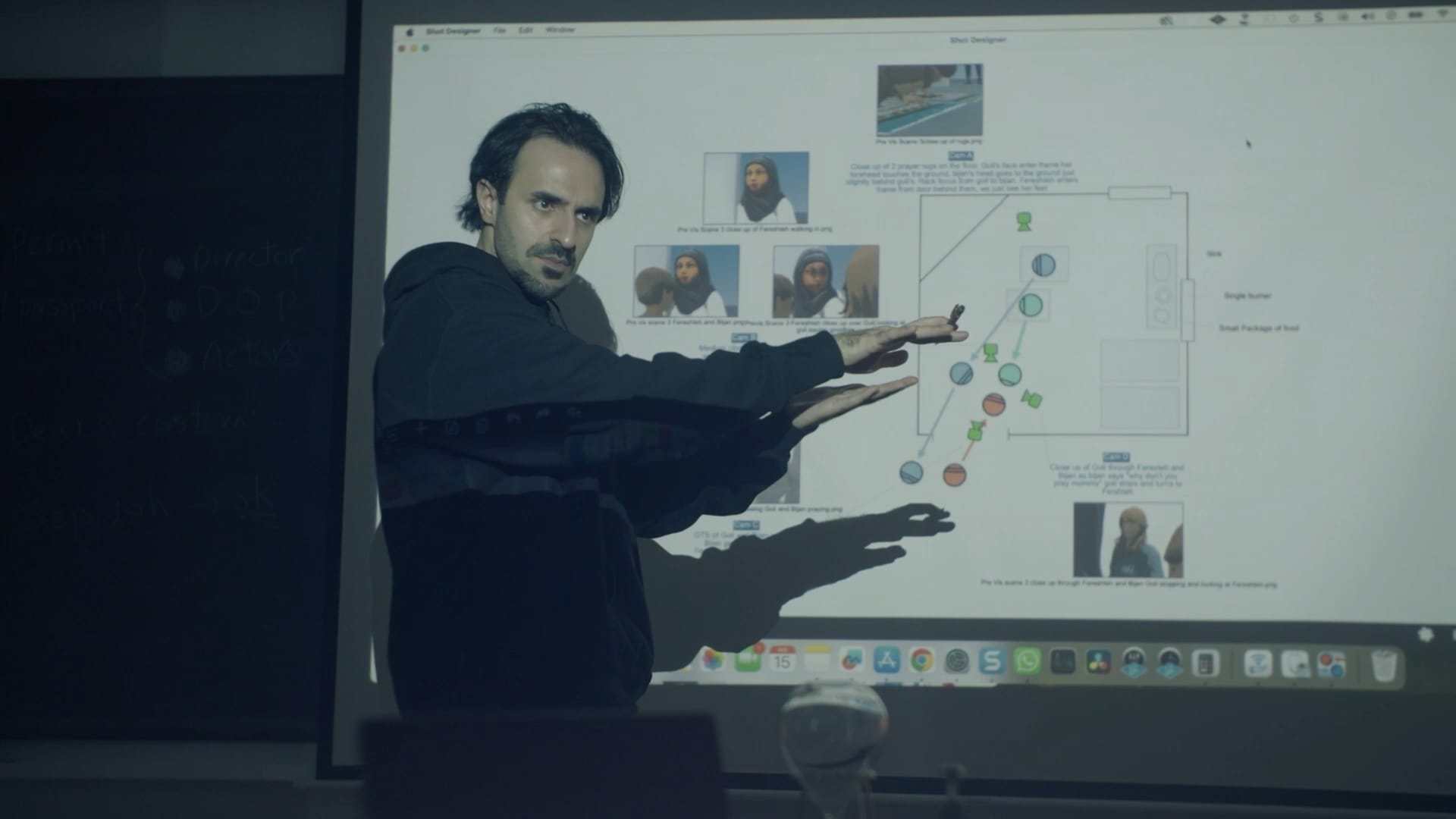
Adaptability was probably the most important mindset throughout the entire process. In post-production, that meant becoming comfortable with letting go of almost half the scenes we had shot in order to create a stronger film under 15 minutes. My editor, Iman Tahsin, was essential in helping me see what the film actually needed rather than what I was emotionally attached to.
That same adaptability defined production. We lost one location after shooting only a single shot there, and another major location changed just days before filming. In those situations, the entire team came together. Our producers, Sara Nasrabadi and Iman Tahsin, cinematographer Jelan Maxwell, and even my co-writer Gabe Berry, who was working remotely and helping solve script problems while I was focused on directing, all became part of the problem-solving process. Ultimately, the film exists because the cast and crew collectively willed it into existence. That is filmmaking to me: adapting to what you're given and trusting the people around you to help find the solution.
What does it mean to have your film selected for HollyShorts, one of the world's premier short film festivals?
It's surreal. To have VITAL become the Stage 32 x HollyShorts Short Film Contest winner and then be programmed on opening night at HollyShorts is incredibly meaningful, especially knowing how important the festival has become for short filmmakers.
I'm extremely grateful to both teams for believing in the film. Special thanks to Stage 32 founder Richard "RB" Botto and HollyShorts founders Daniel Sol and Theo Dumont for creating opportunities like this and continuing to build a space where short films and the filmmakers behind them can really take the spotlight.
Where do you see this film going next?
VITAL is Oscar-qualified and is currently under consideration for the Academy Award for Best Live Action Short Film, so we're incredibly excited to launch the film in Los Angeles with HollyShorts and Stage 32 as we begin ramping up our awards campaign later this fall. The film is also nominated for the Humanitas Prize for Best Short Film, with the awards ceremony coming up in early September.
At the same time, the short is becoming a springboard for something much larger. We're actively developing the feature version of VITAL through the Film Independent x Red Sea Feature Film Program, and the project was recently selected for Gotham Week's Shorts to Features program. So in many ways, this feels less like the end of the short film's journey and more like the beginning.
Main Cast & Crew
- Amir Zargara — Writer, Director, Producer
- Mahtab Servati — Cast (There Is No Evil, Berlinale Golden Bear 2020)
- Reza Akhlaghirad — Cast (The Seed of the Sacred Fig, Cannes Jury Special Prize 2024)
- Hossein Soleimani — Cast (Terrestrial Verses, Cannes Un Certain Regard Nominee 2023)
- Gabe Berry — Writer
- Sara Nasrabadi — Producer
- Iman Tahsin — Producer / Editor
- Jelan Maxwell — Director of Photography
Filmmaker Opportunities
💛 Fund your next project with fiscal sponsorship
Have a project in the works? As a 501(c)(3) nonprofit, the Cinematography for Actors Institute can accept tax-deductible donations on your film's behalf — a door-opener for grants, foundations, and supporters who want to back your work. We've serviced over 100 projects to date and helped route over $800,000 in funding to filmmakers. Explore fiscal sponsorship →
📬 Grant deadlines and festival opportunities, straight to your inbox
The CFA newsletter rounds up grants, festival calls, and community news for independent filmmakers — the kind of opportunities that are easy to miss and painful to miss. Join the newsletter →
🎬 Focus on the creative — we'll help with the logistics
Production Management, CFA's newest member program, launches this November: production insurance and workers' comp, payroll, film permits, gear rental coordination, SAG-AFTRA compliance, contract drafting, production consulting, and crew recommendations — handled by a team of working filmmakers, à la carte or all in, in partnership with Creative Access Group. It's waitlist-only until launch. Join the waitlist →
League of Filmmakers is published by our parent organization, the Cinematography for Actors Institute — a 501(c)(3) dedicated to education, community, and capital for underrepresented filmmakers and actors. Learn more about CFA →


