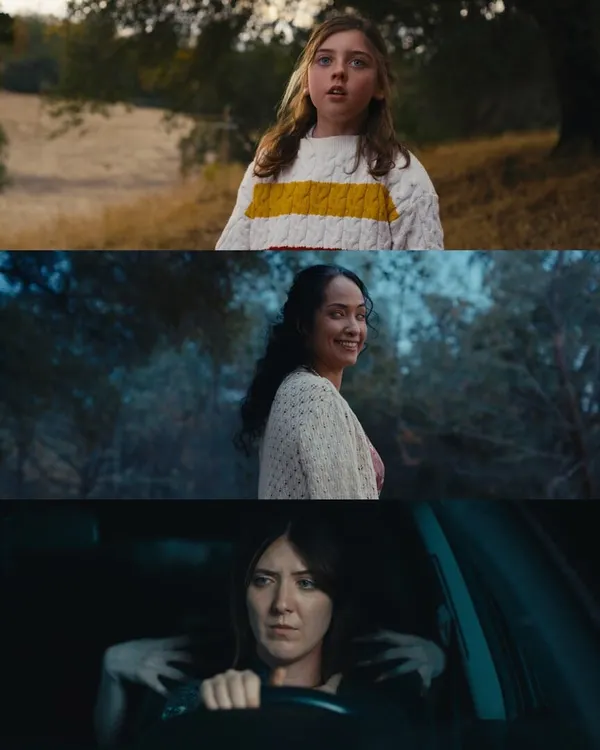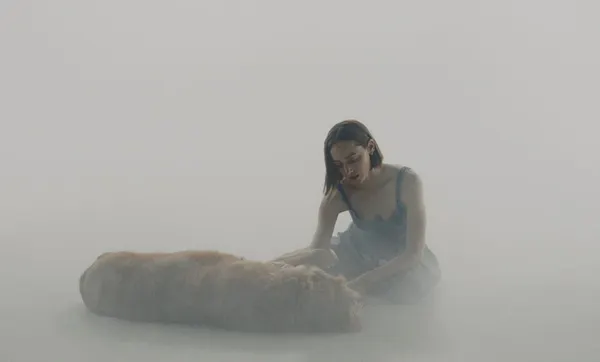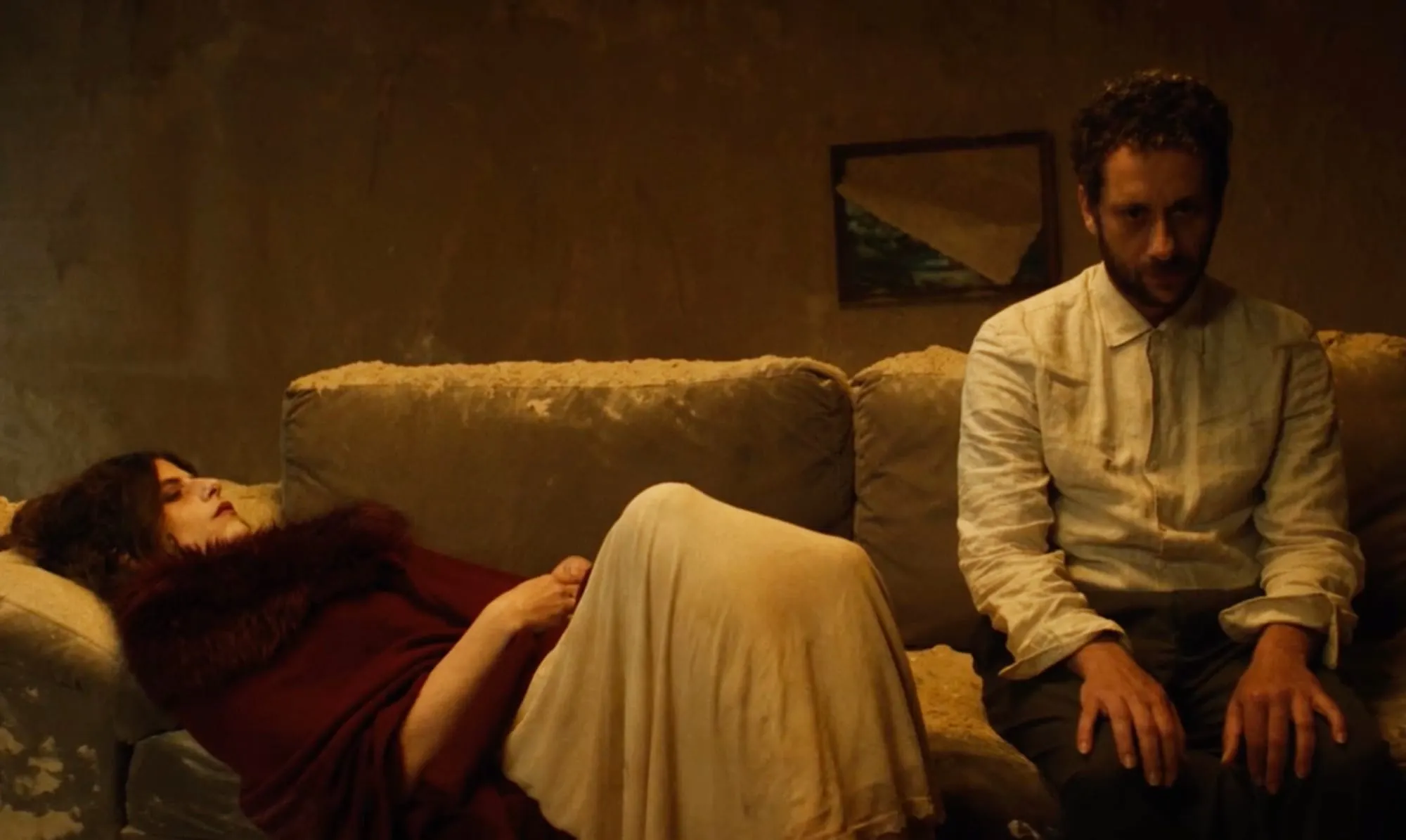
Elisha wakes to a crumbling reality. The wind never stops, the sand keeps piling up, burying everything. Then Medea arrives — his long-lost love, elegant and alive — trying to reach him. Sand is the story of a lonely man living by the sea in a world made of sand and despair, and of the love that returns to him out of the waves.
Co-written and co-directed by Eyal Roe and Shahaf Sinai, the film grew directly out of a painful chapter in Roe's life. What could have stayed private becomes, on screen, a fully realized dreamscape — an art film that insists difficult emotions can be rendered beautifully without being softened.
Key Takeaways
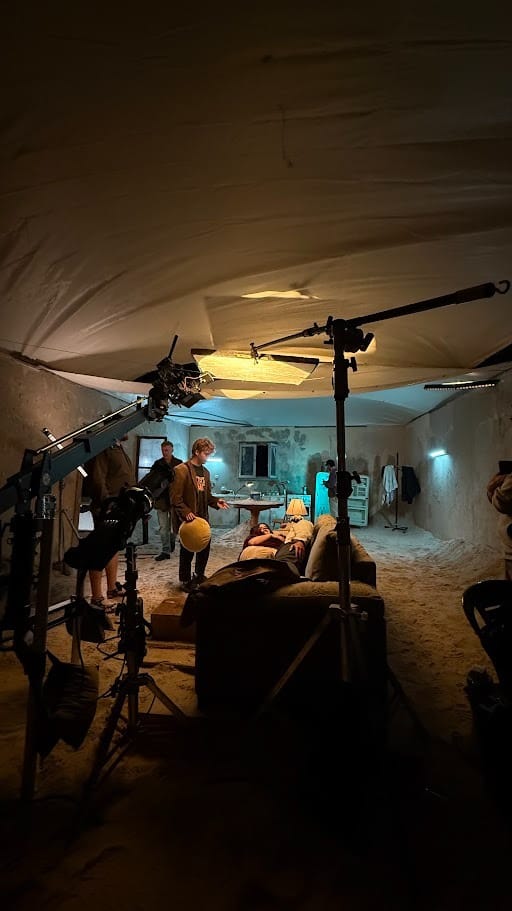
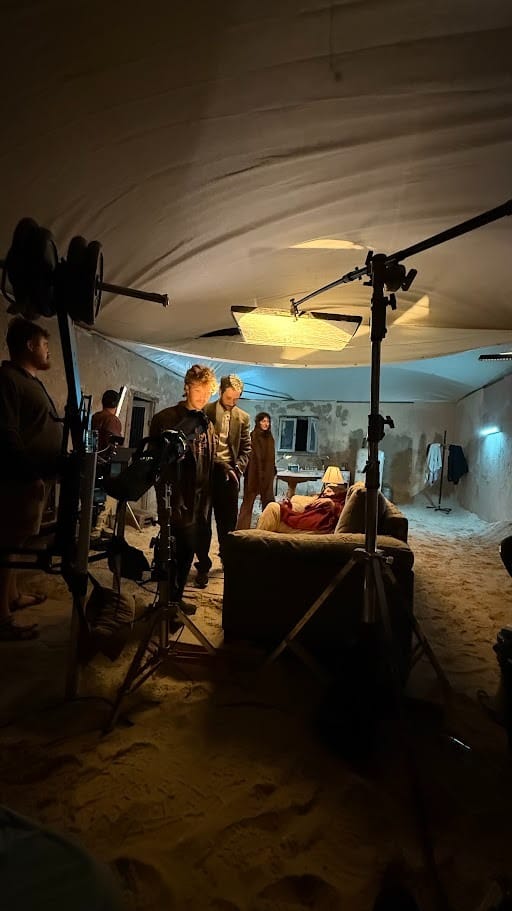
- The entire world of the film — a full house filled with sand — was built by hand, with no VFX and no AI.
- The story began in a real period of depression and a real breakup between its two co-directors.
- Sand pushes formalist, surrealist art cinema toward an extreme rarely attempted since film's earliest, most experimental days.
Below, Eyal Roe speaks about the origins, the improvisation, and the uncompromising ending.
Interview
What drew you to make this film, and why this story, why now?
I went through a really hard period of depression, and during it my partner — Shahaf, my co-writer and co-director — and I broke up. The separation, the pain, the despair, the loneliness, the sadness: all of that became the inspiration for the metaphor of a world made entirely of sand and sorrow. That's where the whole process of making the film started.
What surprised you most about the filmmaking process, creatively or logistically?
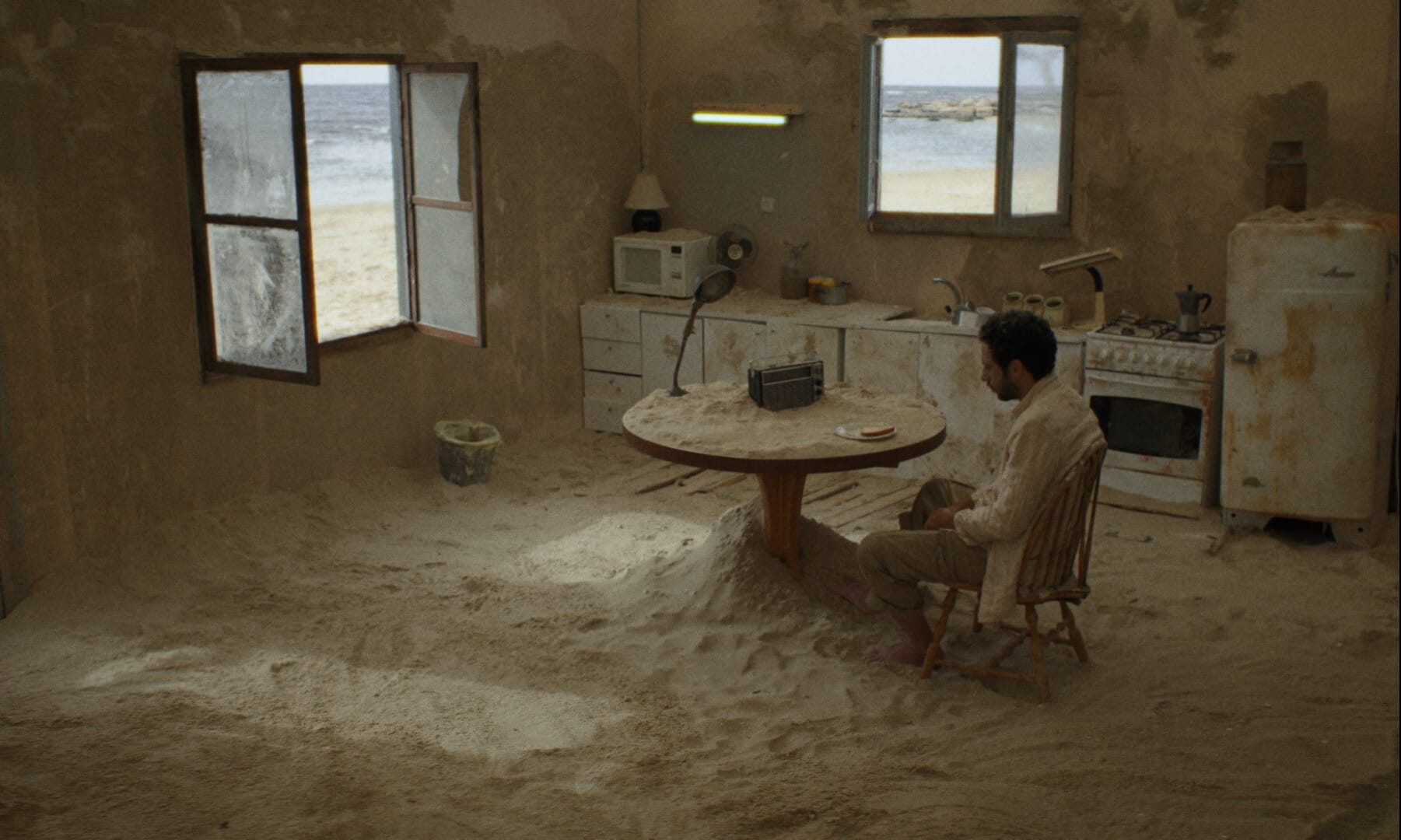
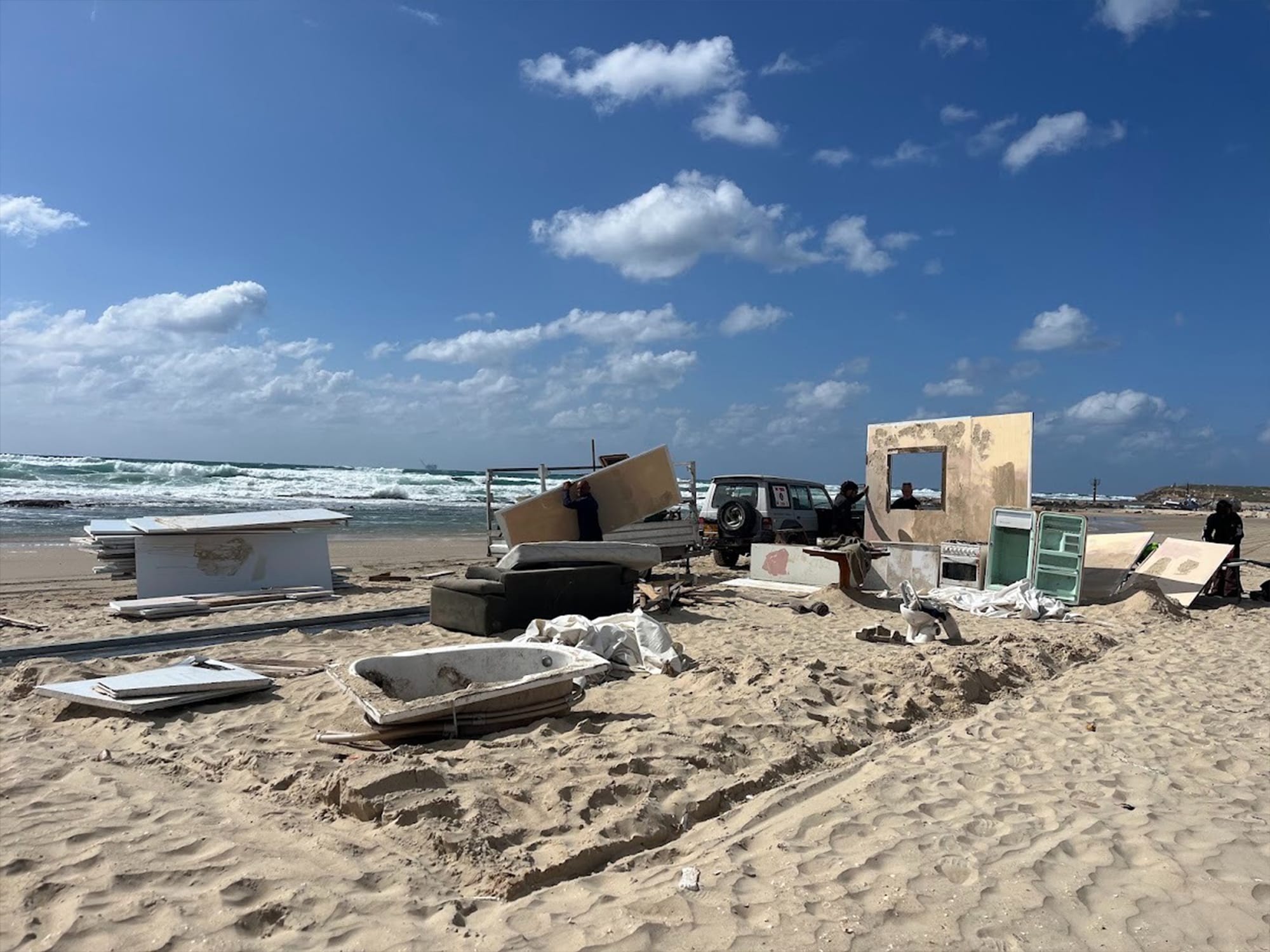
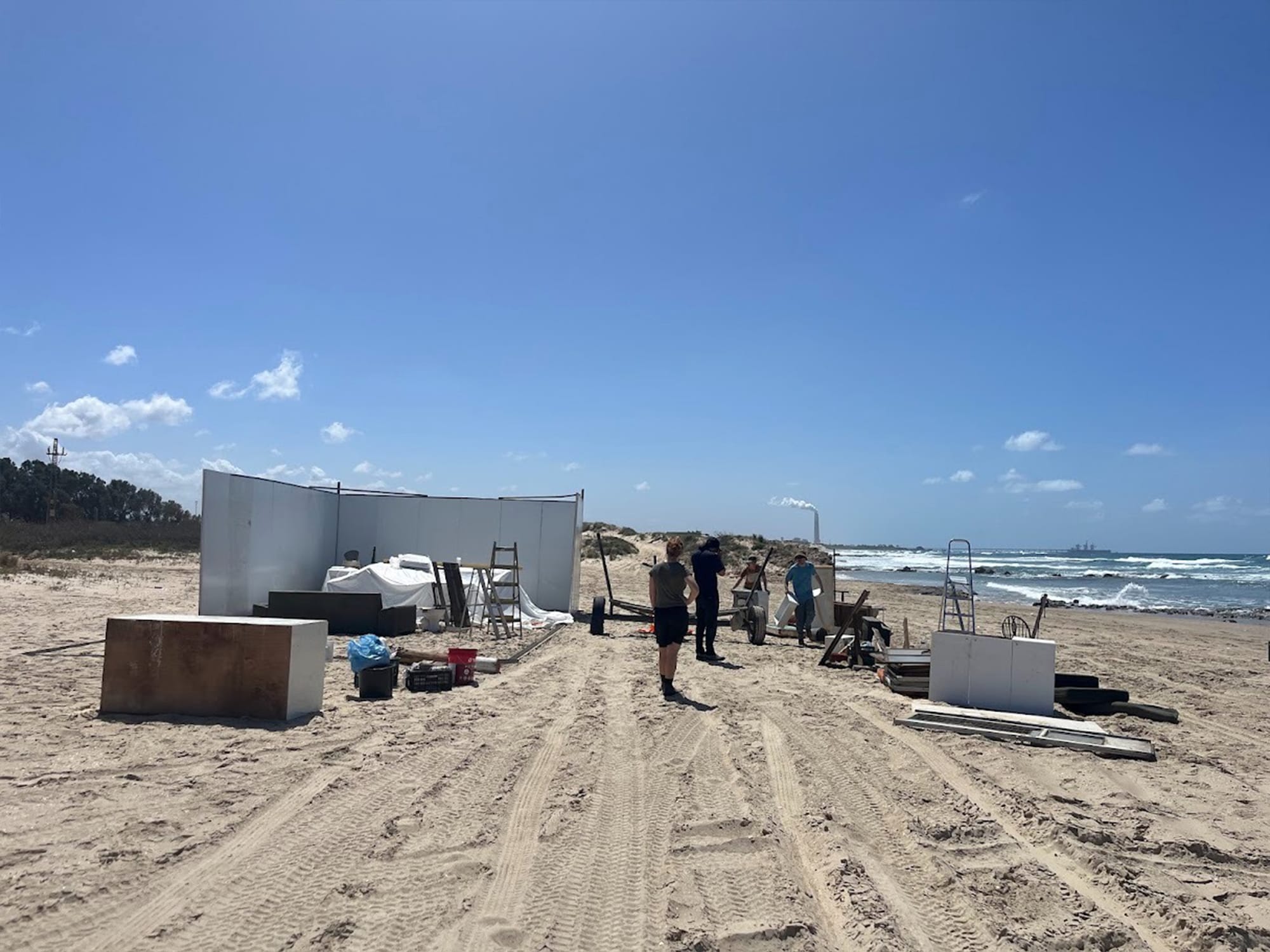
The biggest surprise was that we actually managed to build an entire house out of sand as a set — and that we managed to dodge the authorities who tried to shut us down in the middle of the (illegal) construction. But the moment that surprised us most was the scene where Elisha gets drunk and dances wildly with the chair in the kitchen. That was improvised by our lead actor, the incredibly talented Ariel Bronz, who's also a performance artist. He created that unforgettable scene in the heat of the moment, completely spontaneously.
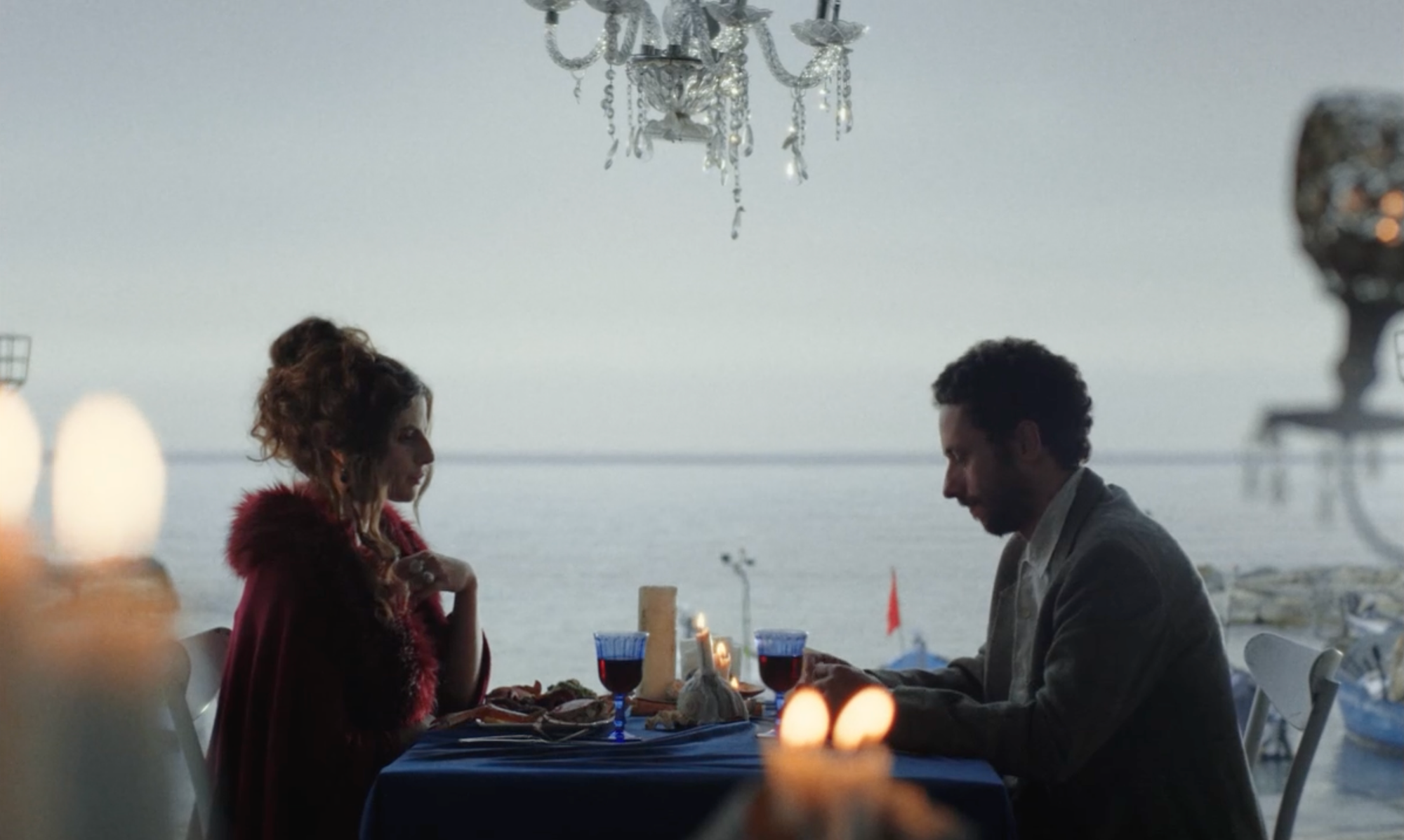
What moment in the film feels most like you, or like something only you could have made?
The final scene. It leaves the audience with something uneasy and uncompromising — it doesn't try to soften anything or hand you an optimistic ending just so you can walk out feeling comfortable.
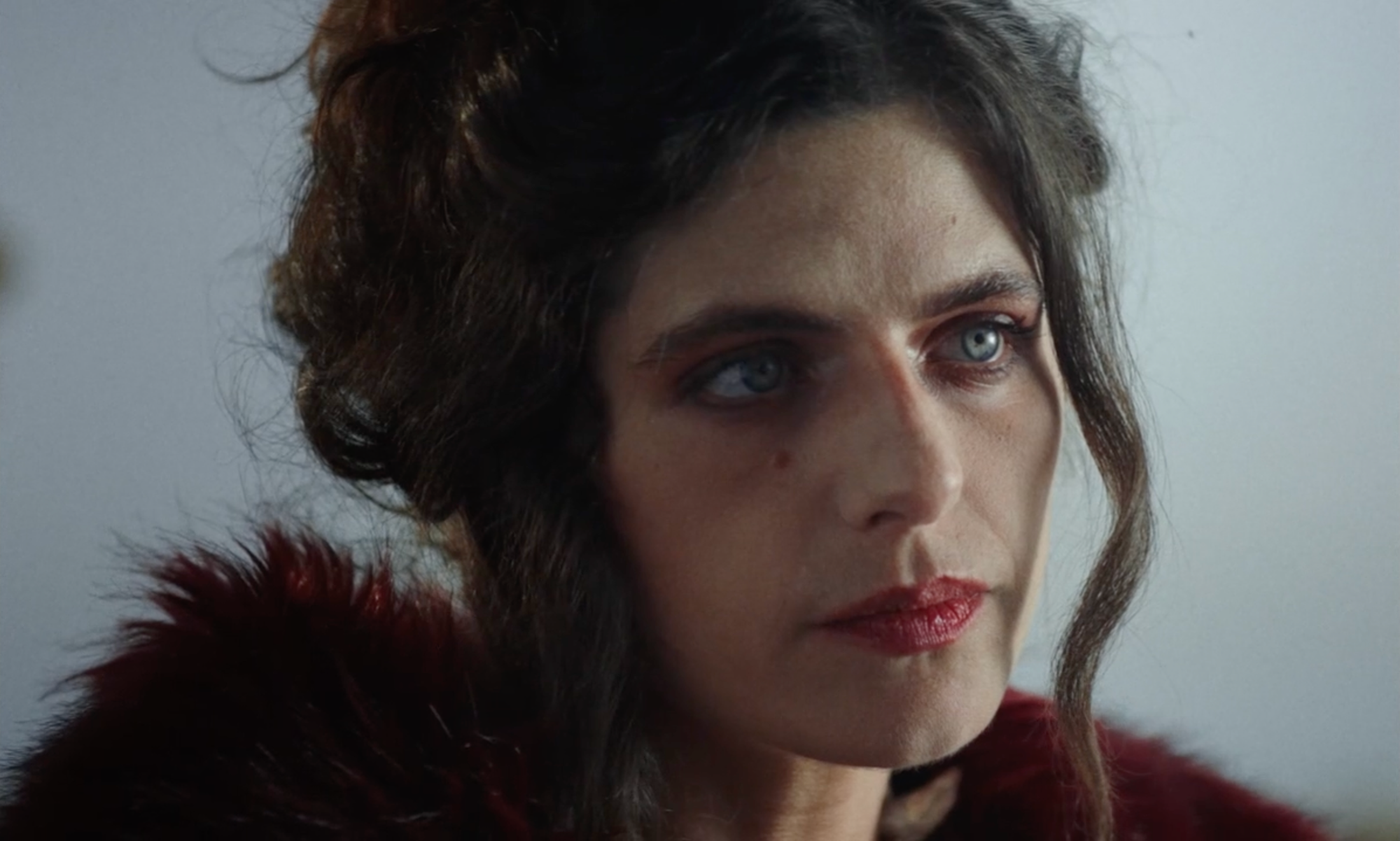
What was the hardest creative decision you made while making the film?
The hardest decisions happened in the edit. We had to let go of scenes that felt meaningful to us and that we'd worked really hard on. Again and again we had to cut the story down and condense it to the maximum minimum — the least that still carries the essence of what we were telling.
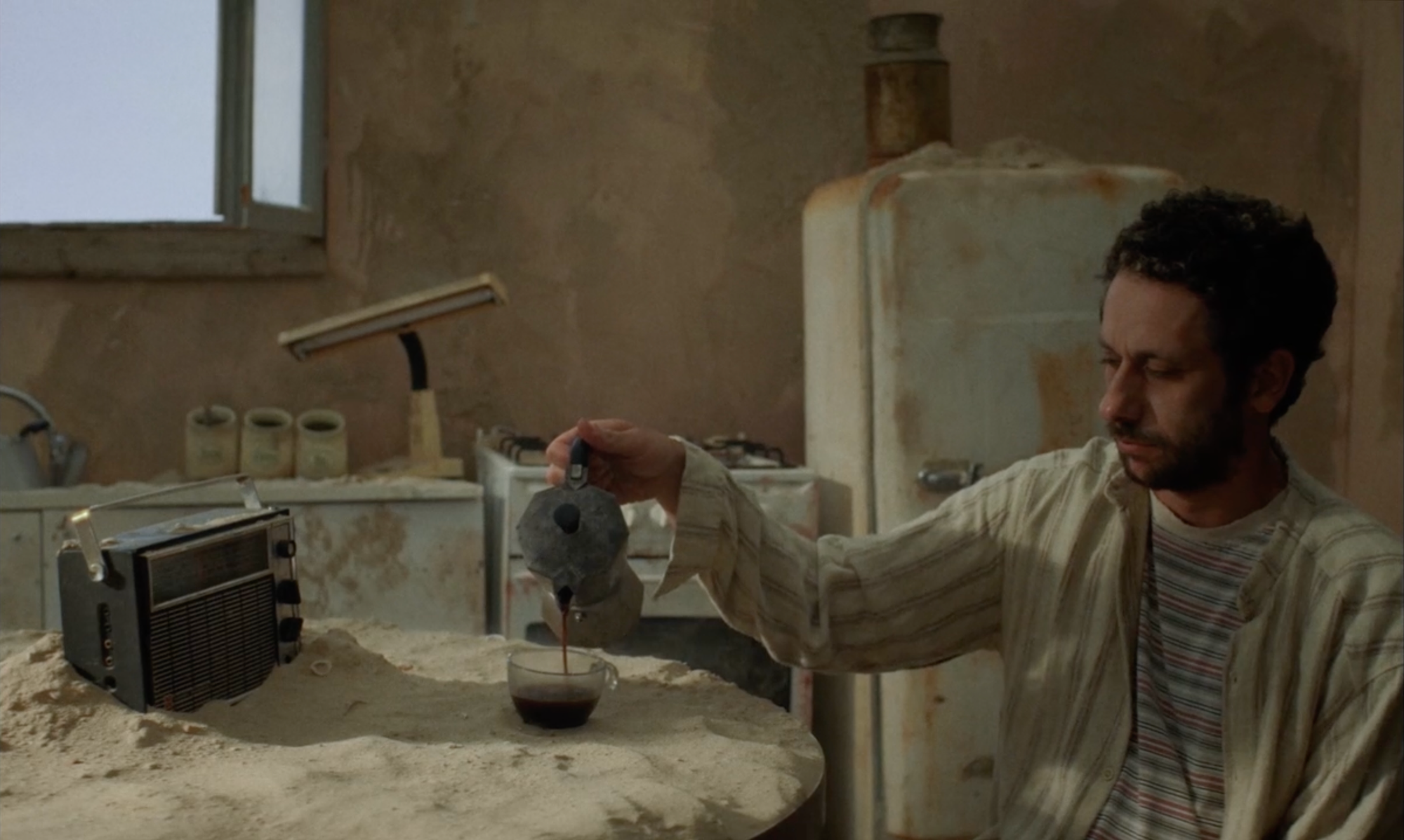
What tool, technique, or mindset shift helped most during production?
The bold, all-in decision to build the entire world of the film ourselves, for real — a full set of a whole house filled with sand, with no VFX and no AI. Just brutal, Sisyphean work, building it by hand. That created a total, breathtaking world that we filmed inside of, and it gave us something we couldn't have gotten any other way. It's also where I see the greatest strength of independent filmmaking: when you're making something independently, you can follow your own uncompromising truth all the way to the end and realize your vision completely.
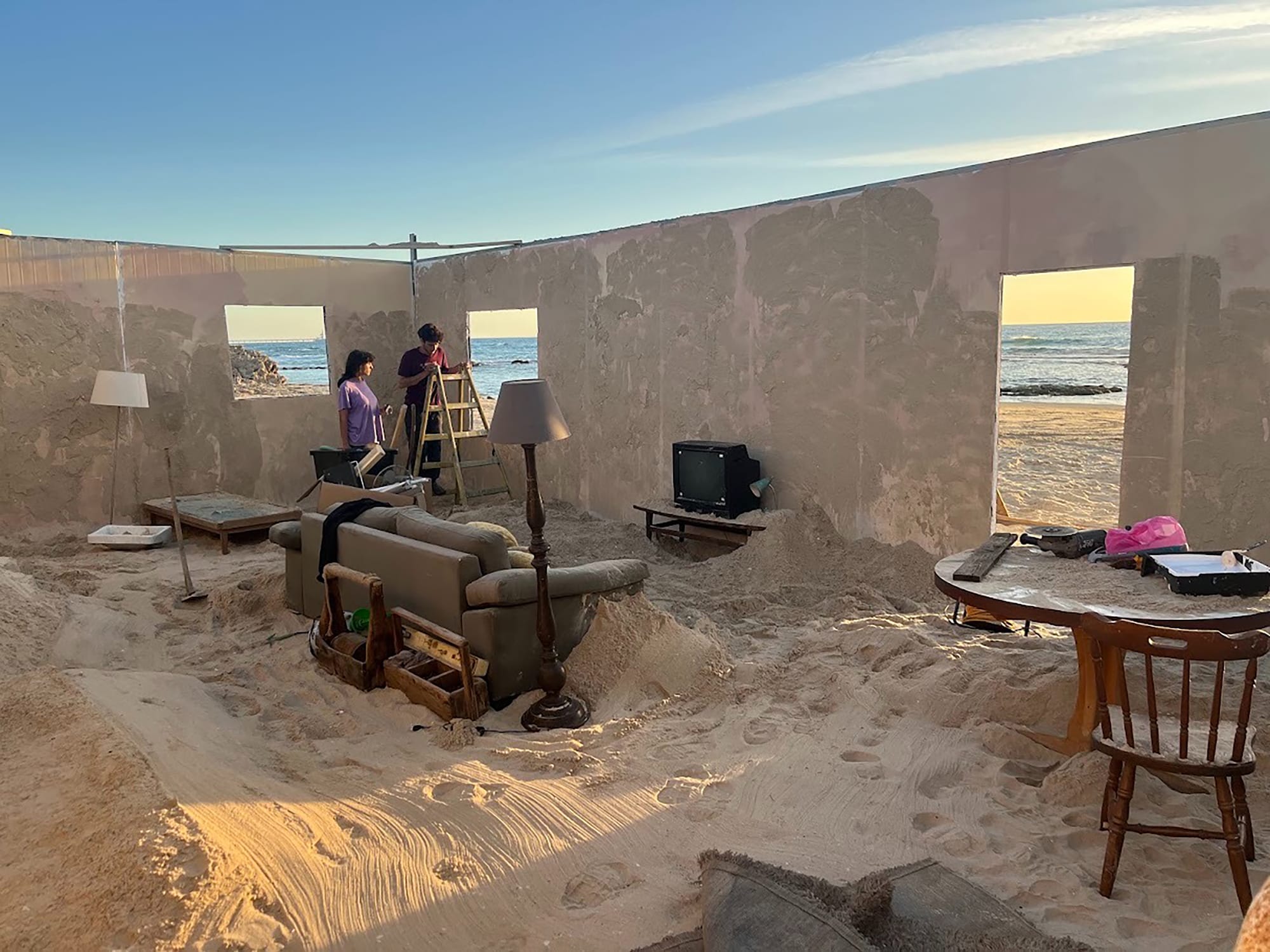
How does the film fit within, or push the boundaries of, its genre or form?
The film takes the ideas of formalist, surrealist, art cinema to their extreme — it basically creates an entire dreamlike world for the whole story to unfold inside. To me, that's something that's barely been done since the very early days of cinema, when filmmaking was still experimental and wanted to explore possibilities that were much more painterly, theatrical, artistic.
What do you hope audiences take away from this film, and where does it go next?
We hope people connect with what Elisha feels, and that they see a visual, painterly representation of hard emotions — sadness, loneliness, despair, things we all go through. But because that representation is beautiful, it breathes a kind of beauty into those difficult feelings. And out of that, hopefully, comes an interesting way of looking at things, one that honors the sublime and God's creation. Because if you dig deep enough, even inside the hardest emotions He puts us through, you find infinite beauty. At the core of all my work is a desire to help people share, together in a movie theater, the hardest feelings each of them goes through alone. From here, we're taking the film to more festivals around the world, and after that, screenings for a wider audience.
Main Cast & Crew
- Eyal Roe — writer, director
- Shahaf Sinai — writer, director
- Alex Zhort — producer
- Ariel Bronz — cast (Elisha)
- Yasmin Ayoun — cast (Medea)
- Omer Weiss — Director of Photography
Filmmaker Opportunities
💛 Fund your next project with fiscal sponsorship
Have a project in the works? As a 501(c)(3) nonprofit, the Cinematography for Actors Institute can accept tax-deductible donations on your film's behalf — a door-opener for grants, foundations, and supporters who want to back your work. We've serviced over 100 projects to date and helped route over $800,000 in funding to filmmakers. Explore fiscal sponsorship →
📬 Grant deadlines and festival opportunities, straight to your inbox
The CFA newsletter rounds up grants, festival calls, and community news for independent filmmakers — the kind of opportunities that are easy to miss and painful to miss. Join the newsletter →
🎬 Focus on the creative — we'll help with the logistics
Production Management, CFA's newest member program, launches this November: production insurance and workers' comp, payroll, film permits, gear rental coordination, SAG-AFTRA compliance, contract drafting, production consulting, and crew recommendations — handled by a team of working filmmakers, à la carte or all in, in partnership with Creative Access Group. It's waitlist-only until launch. Join the waitlist →
League of Filmmakers is published by our parent organization, the Cinematography for Actors Institute — a 501(c)(3) dedicated to education, community, and capital for underrepresented filmmakers and actors. Learn more about CFA →