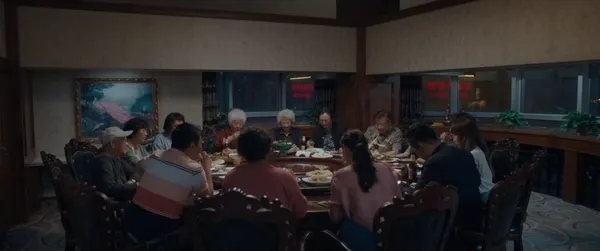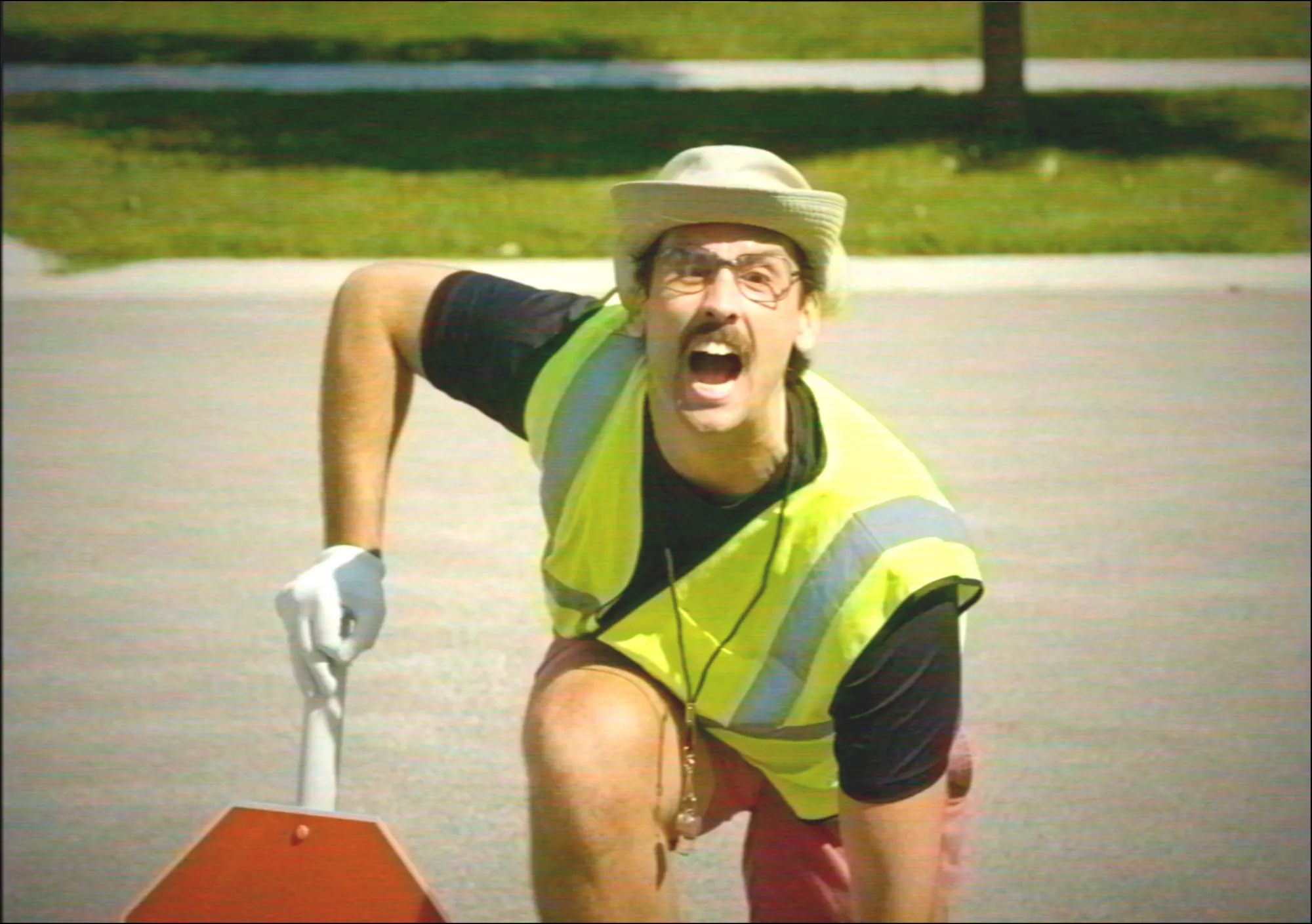
Some films begin with a thesis. Final Form began with two roommates goofing around late at night — Chris Dritsas attempting to explain the anime leveling-up trope, Jesse Rothenberg egging him on. The logline is five words long: Crossing Guard vs Car: The final showdown. Everything else is escalation.
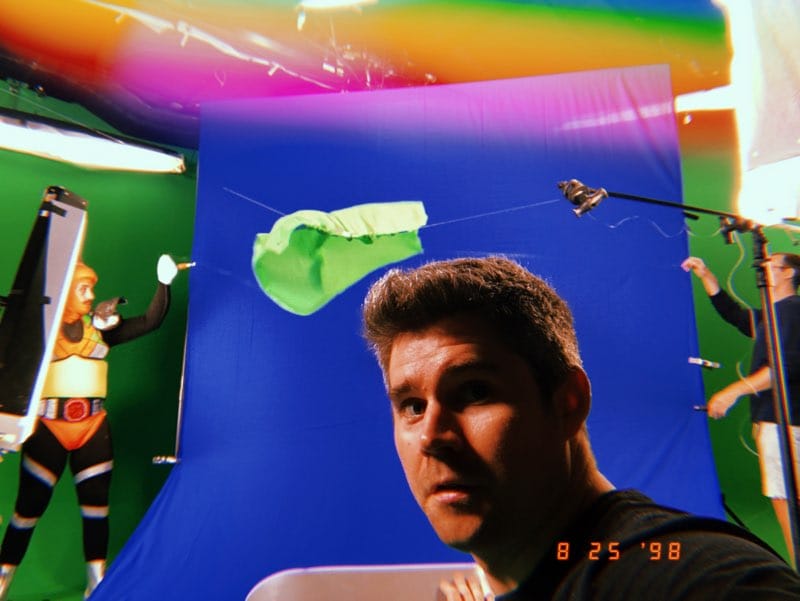
Rothenberg writes, directs, and produces alongside Dritsas (writer, star, producer) and Andrew Melzer (DP, editor, producer), a trio who met through the now-defunct Second City Film School and bonded over genre maximalism. Their stated mission — working really hard to make the dumbest shit you've ever seen — is funnier because the first half is true. Final Form is a loving spoof of anime and tokusatsu that leans into its tropes hard enough to become a celebration, built with stolen stop signs, dumpster cardboard, and more After Effects than three people with basic After Effects skills had any business attempting.
Key Takeaways
- Final Form grew out of a late-night bit about anime power-ups and was scripted the very next day, while the excitement was still hot.
- The team's visual effects ambitions far outran their experience, and the stops, restarts, and adjustments became the process rather than an obstacle to it.
- Roughness is the point: the film's imperfections function as homage, not apology.
Rothenberg talked with us about escalation, patience, and finding the exact right sound effect a thousand times in a row.
Interview
What drew you to make this film, and why this story, why now?
This film comes from a bit Chris and Jesse were doing one night when they lived together. Chris was trying to explain anime's leveling up trope and Jesse was egging him on. There really isn't anything much deeper to it. It made us laugh in a way that excited us so the next day we sat down turned that excitement into a script.
What surprised you most about the filmmaking process, creatively or logistically?
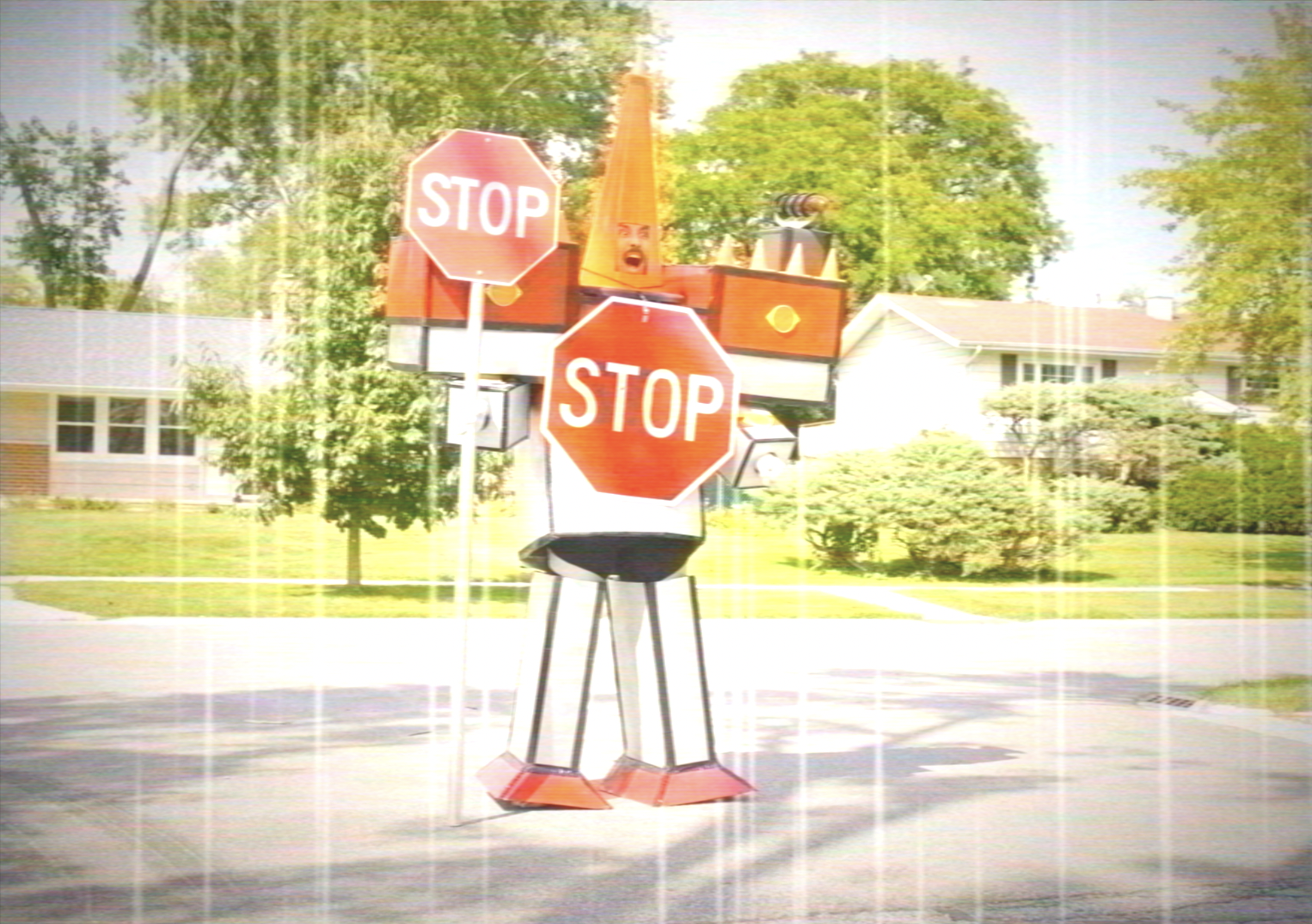
We bit off WAY more than we could chew with the effects in this project. With just some basic After Effects skills going in, we had to really stretch our ability and patience to arrive at a film that lived up to our vision. This meant many stops, starts and restarts, but with each attempt or adjustment we got closer to the film we were trying to make.
What moment in the film feels most like you, or like something only you could have made?
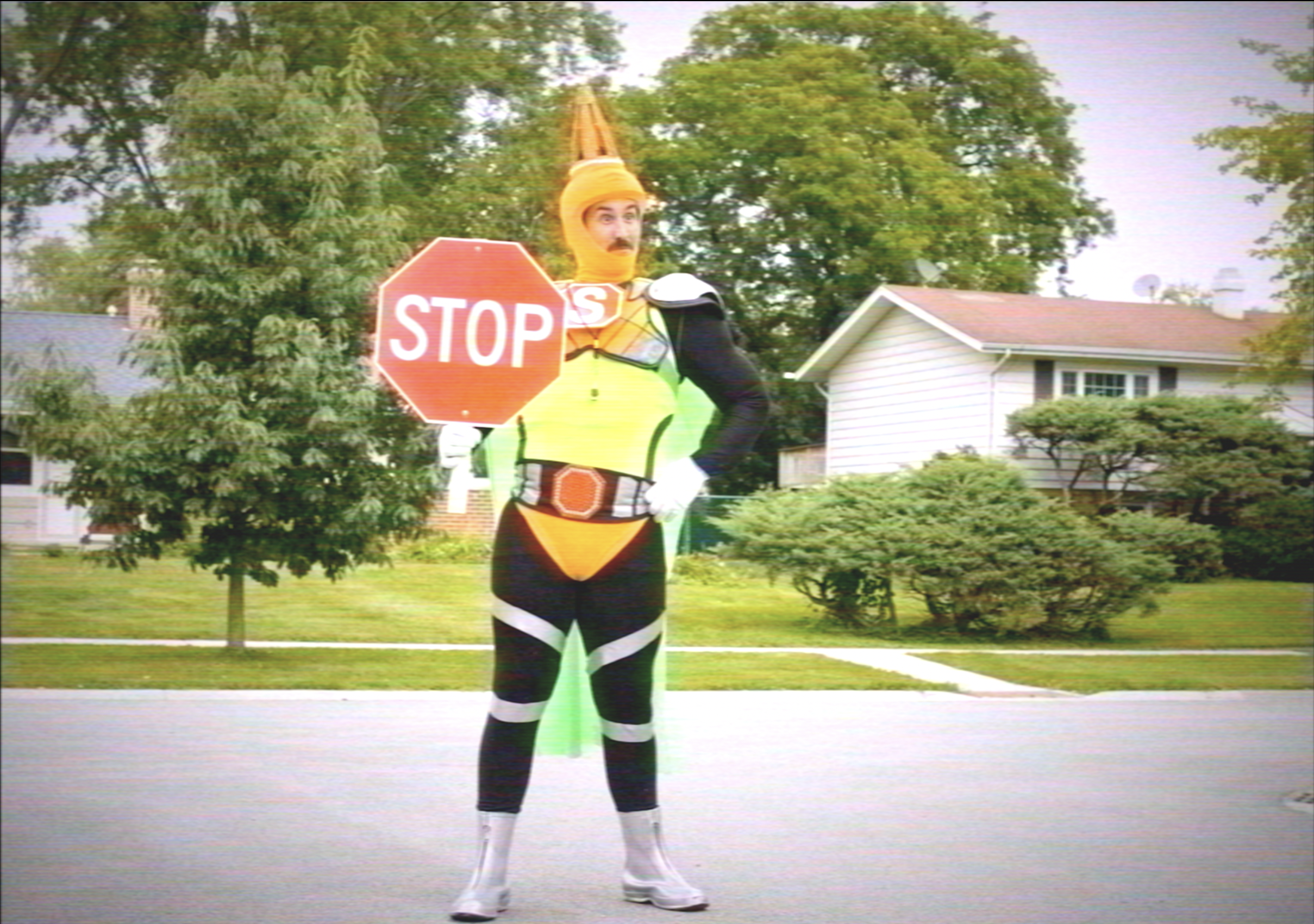
The moment we live for is the climax, when after five minutes of build up we finally cut the legs out from under the audience in the most obvious yet surprising way possible.
What was the hardest creative decision you made while making the film?
There was no single incredibly difficult decision. We didn't cut a full segment. We used every shot. This was a film made up of a thousand small decisions. Finding the perfect sound effect or timing a laser just right. Add them up and we came to a finished product we could be proud of.
How does your film fit within, or push the boundaries of, its genre or form?
It lovingly spoofs both anime and tokusatsu, leaning into tropes so hard that it celebrates them.
What tool, technique, resource, collaborator, or mindset shift helped most during production?
I think I had to accept that it was actually meant to look a little shitty. Like, if we were truthfully paying homage to the genres we are trying to celebrate, the film's rough edges would operate as a feature, not a bug.
What is the greatest strength of independent filmmaking, and how did you lean into it on this project?
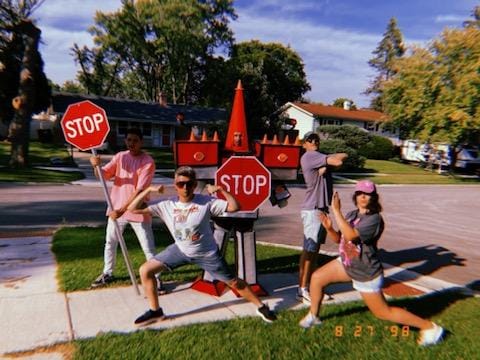
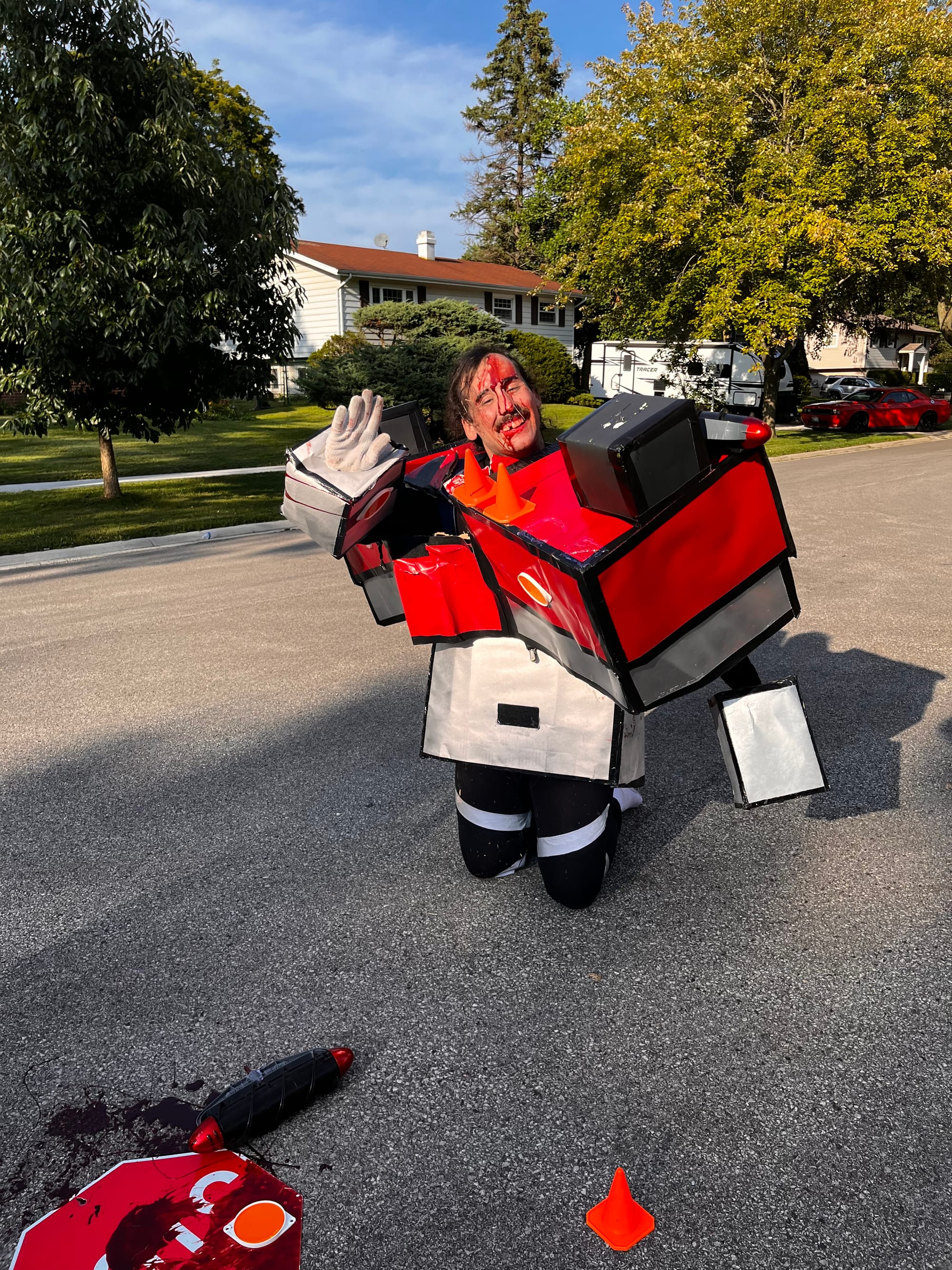
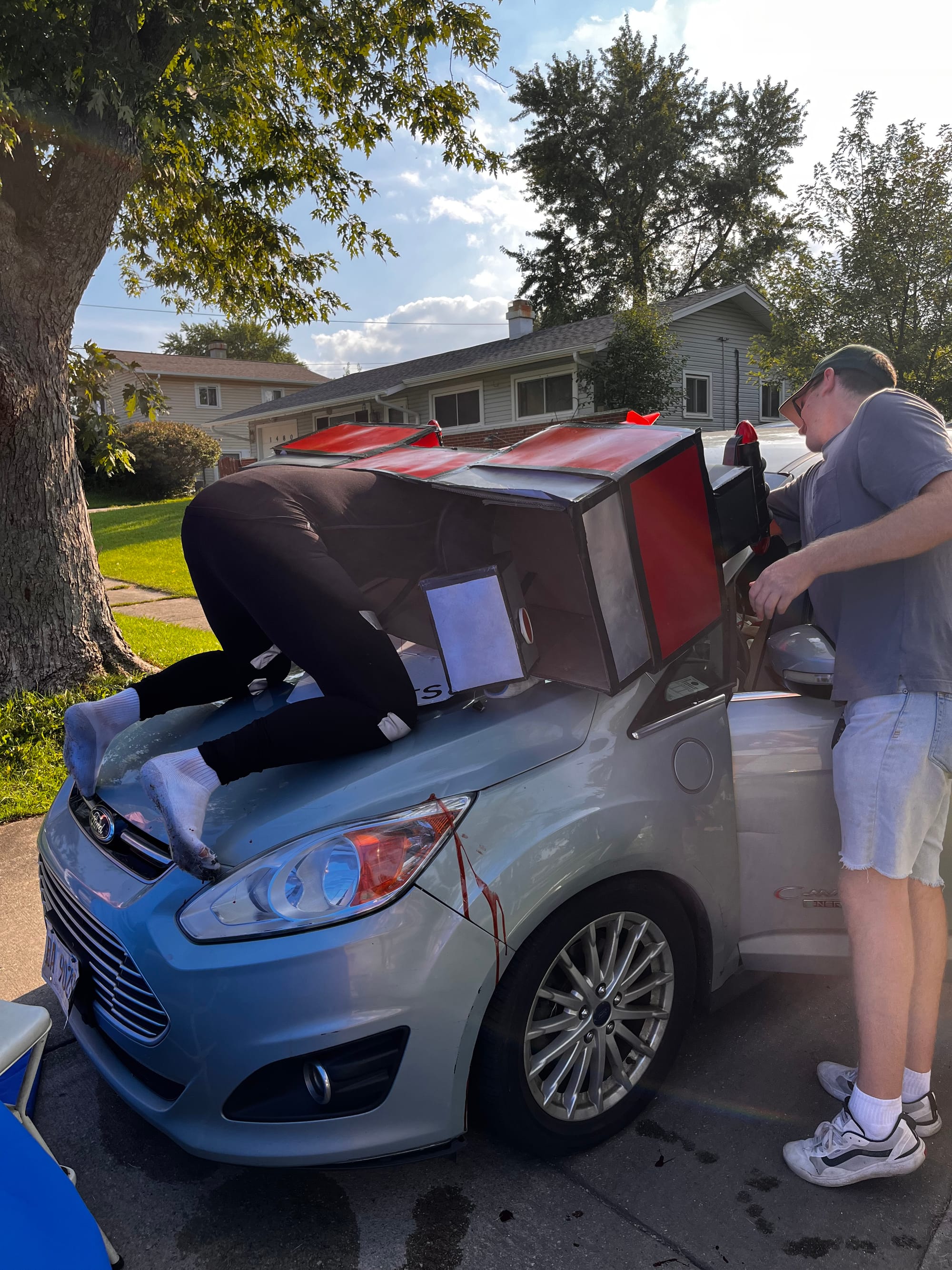
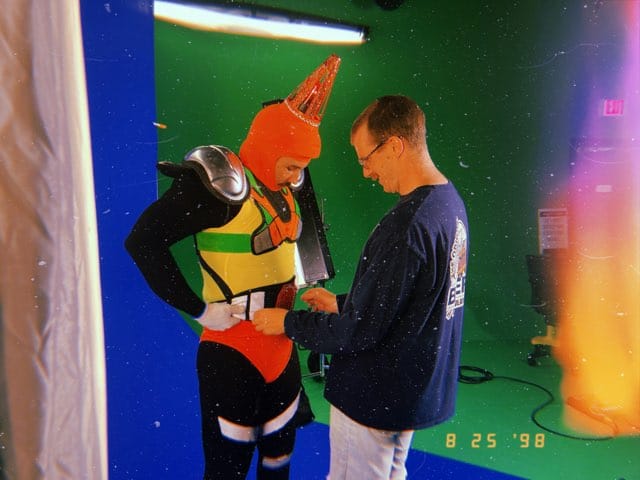
Especially with a team as small as ours, it's easy to get into an anything-goes mindset that will let you do way more for way less. We stole stop signs and cones off the street. We built costumes out of cardboard we found in dumpsters. We were going to get this thing done by any means necessary.
What does it mean to have your film selected for FilmQuest, and where do you see the film going next?
Final Form is not for everyone. In fact, it's not for most people. But the people it is for are the type of people who go to FilmQuest. It's such an incredible honor to have this film selected to this fest where it can find the audience it was made for. Next is the internet. After playing Beyond Fest and FilmQuest, it's ready to reach a larger audience.
What do you hope audiences take away from this film?
A rip roaring good time. At the core of all my work is a desire to make people laugh.
There's a particular discipline hiding inside Final Form, and it's worth naming. A film with this few resources and this much ambition only works if the people making it are willing to do the unglamorous part: re-cutting a laser flash by two frames, auditioning sound effects until one of them lands, restarting a composite for the fourth time because the third one was close but not right. Rothenberg's description of the film as a thousand small decisions is the most accurate thing anyone could say about comedy at this scale. The joke in the climax only detonates because the five minutes preceding it were built with care.
The other thing worth noting is the permission the team gave themselves. Accepting that the film was meant to look a little rough is not a shortcut — it's a read on the source material. Tokusatsu and anime both carry visible seams, and those seams are part of why people love them. Treating that texture as a feature rather than a bug let the trio spend their limited energy on timing and escalation instead of on a polish that would have betrayed the homage anyway.
What remains is a short that knows exactly who it's for and refuses to apologize to anyone else. That clarity is rarer than it sounds. Final Form arrives at FilmQuest having already found a room that speaks its language, and heads to the internet next, where the cardboard costumes and the stolen cones will keep doing exactly what they were built to do.
Main Cast & Crew
- Jesse Rothenberg — Writer, Director, Producer
- Chris Dritsas — Writer, Star, Producer
- Andrew Melzer — DP, Editor, Producer
Filmmaker Opportunities
💛 Fund your next project with fiscal sponsorship
Have a project in the works? As a 501(c)(3) nonprofit, the Cinematography for Actors Institute can accept tax-deductible donations on your film's behalf — a door-opener for grants, foundations, and supporters who want to back your work. We've serviced over 100 projects to date and helped route over $800,000 in funding to filmmakers. Explore fiscal sponsorship →
📬 Grant deadlines and festival opportunities, straight to your inbox
The CFA newsletter rounds up grants, festival calls, and community news for independent filmmakers — the kind of opportunities that are easy to miss and painful to miss. Join the newsletter →
🎬 Focus on the creative — we'll help with the logistics
Production Management, CFA's newest member program, launches this November: production insurance and workers' comp, payroll, film permits, gear rental coordination, SAG-AFTRA compliance, contract drafting, production consulting, and crew recommendations — handled by a team of working filmmakers, à la carte or all in, in partnership with Creative Access Group. It's waitlist-only until launch. Join the waitlist →
League of Filmmakers is published by our parent organization, the Cinematography for Actors Institute — a 501(c)(3) dedicated to education, community, and capital for underrepresented filmmakers and actors. Learn more about CFA →