Table of Contents
Table of Contents
- Introducing the Filmmaker
- Film Overview
- Character Planning & Pitch Deck
- Crew, Cast, Budget
- Building a Set
- Blocking Out the Scenes
- Shoot Days
- Closing Remarks and Advice
Introducing the Filmmaker
Alex Hopkins is the creative force behind the dark, moody murder-mystery short film, co-directing her vision alongside the talented Gabriel Brunet. A recent graduate of Toronto Film School, Alex was one of a select group of students chosen to bring their pitch to life and showcase it on the big screen. From crafting a visually compelling pitch deck to translating her vision from script to screen, she has delivered a project that truly stands out. And fortunately for us, Alex is offering an inside look at how she and her talented team brought it all together.
Film Overview
A meticulous, idealistic hostess attempts to reconnect with her estranged friend when one of them mysteriously drops dead. Starring Alex Hopkins as Anne Kensington, Ethan Adam Dyer as Chance Adler, Carter Pyle as Max Miller, and Anna Rusk as Camille DeLaurent.
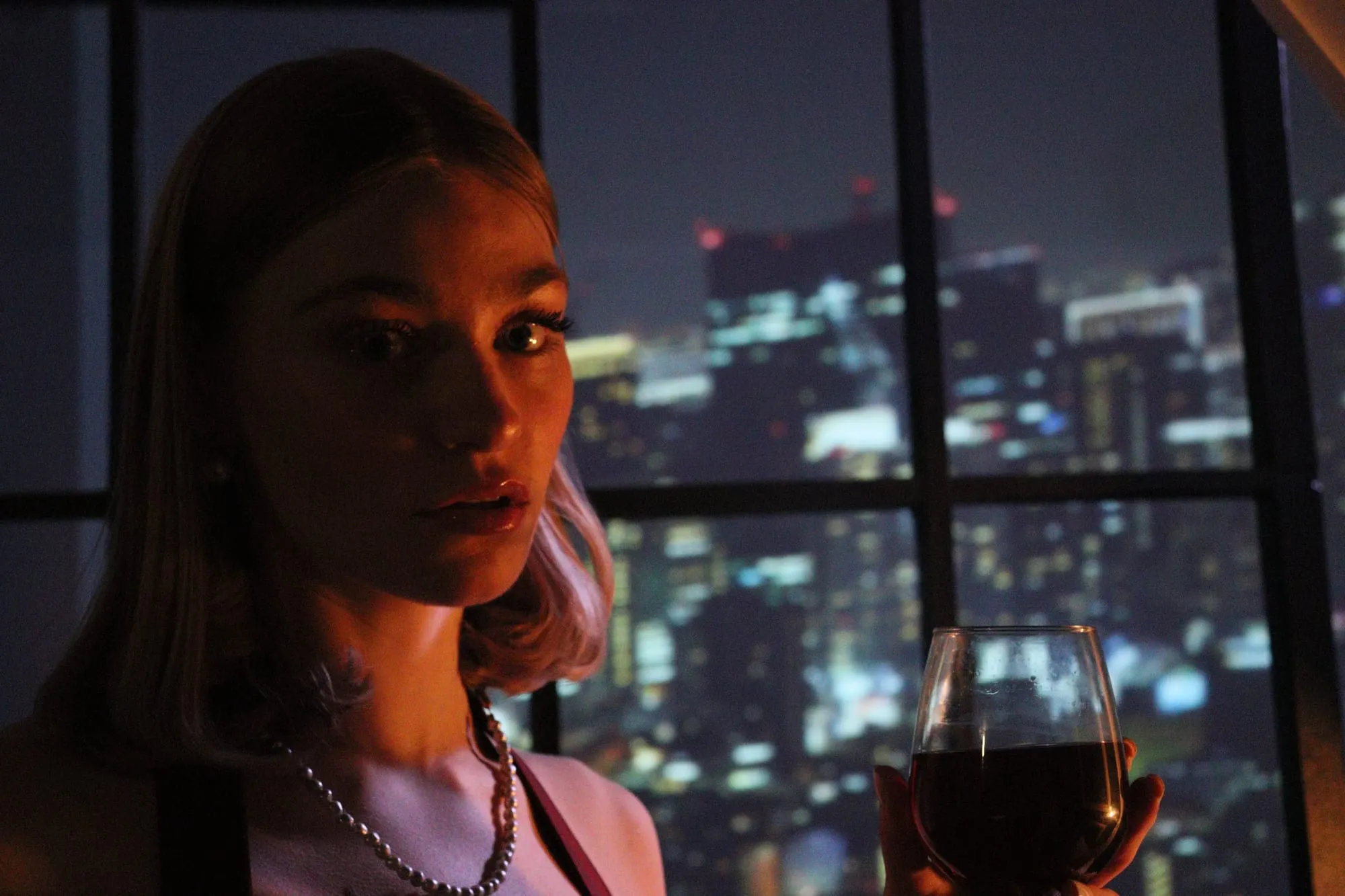
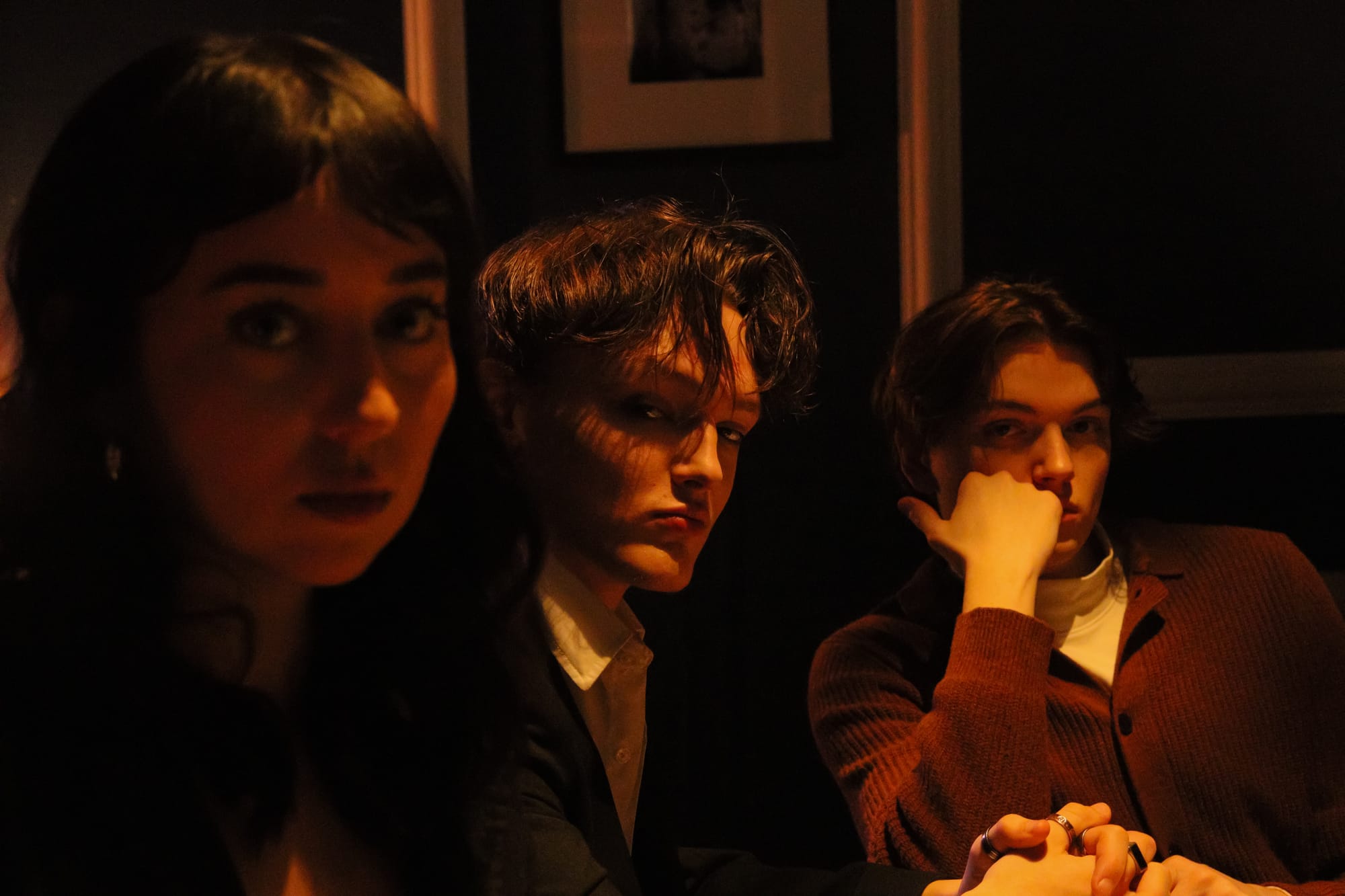
This psychological drama How Is The Wine? follows an intense and uncomfortable reunion between 4 long term college friends. Anne, the hostess (Alex Hopkins), has put this evening together in hopes of creating reconciliation and closure. However, old tensions quickly begin to surface surrounding Adler (Ethan Adam Dyer), the loose canon of the group, who has just returned from rehab. The dinner swiftly spirals into chaos, prompting a frantic round of accusations resulting in confession, revealing of dark secrets, evidence of blackmail and reconnection between friends… most of them anyways. The night ends as the group covers up their crime, knowing the secret will tie their friendship together forever.
Character Planning & Pitch Deck
Pre-production began with character development, well before the pitching stage. Hopkins explains that she wrote each role with specific actors in mind, shaping the characters around their strengths and presence. From there, she turned her focus to building a pitch deck—an essential step in getting the project approved.
“A cohesive pitch deck that clearly supports your vision is crucial, if it’s visually appealing and well-organized, it’s far more likely to be greenlit.”
According to Hopkins, a strong pitch deck should include key visuals and creative elements such as the film’s proposed colour palette, character breakdowns, production design concepts, and the script, all working together to present a clear and compelling vision of the project.
Crew, Cast, Budget
After completing her pitch deck, she was greenlit to direct and produce her short film. The next step for her and co-producer Gabriel Brunet was to assemble their cast and crew. Gabriel proved to be an invaluable asset, bringing strong industry connections that helped streamline the hiring process. Securing key roles—such as editors, cinematographers, and a production designer—was fundamental to the film’s success.
Creating a rough budget was also essential to the production process. Hopkins explained that a significant portion of their budget was allocated to food, craft services, and production design. They partnered with a catering company for meals and carefully planned affordable craft services, recognizing that proper nutrition is crucial for maintaining a productive set.
Another major expense was production design, as the team built their own set for the film. Fortunately, they were able to save on location costs by filming in a Toronto Film School studio at no charge. As a result, most design expenses went toward constructing walls and sourcing décor for the staged environment.
Building a Set
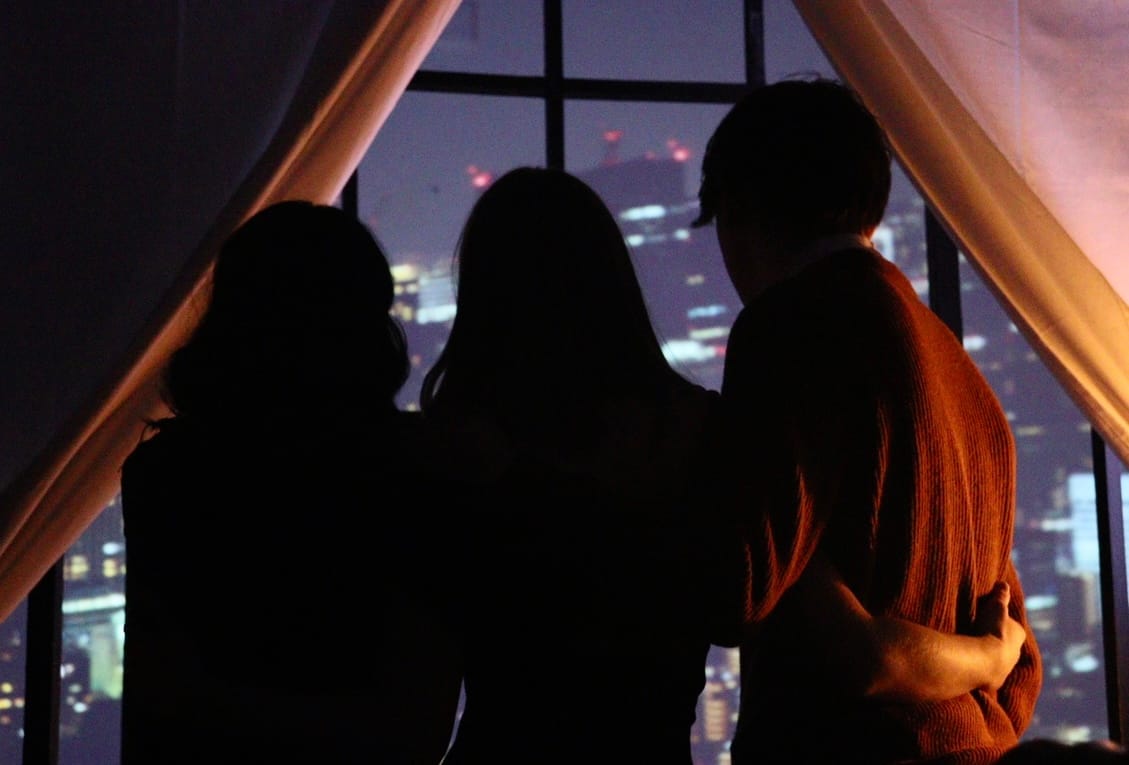
The production designer, Anastasia Shulik, was responsible for determining the set’s dimensions, including the layout and measurements of the walls. She created detailed visual plans, which helped the team calculate how many flats were needed to construct the studio walls and where to position the window.
Fortunately, much of the furniture used on set was donated by friends and the school, making the production, as Hopkins described it, “thrifty and budget-friendly.” As a result, most of the production design budget was allocated to painting materials, wall and window construction, and smaller decorative elements such as shelf fillers.
Blocking Out The Scenes
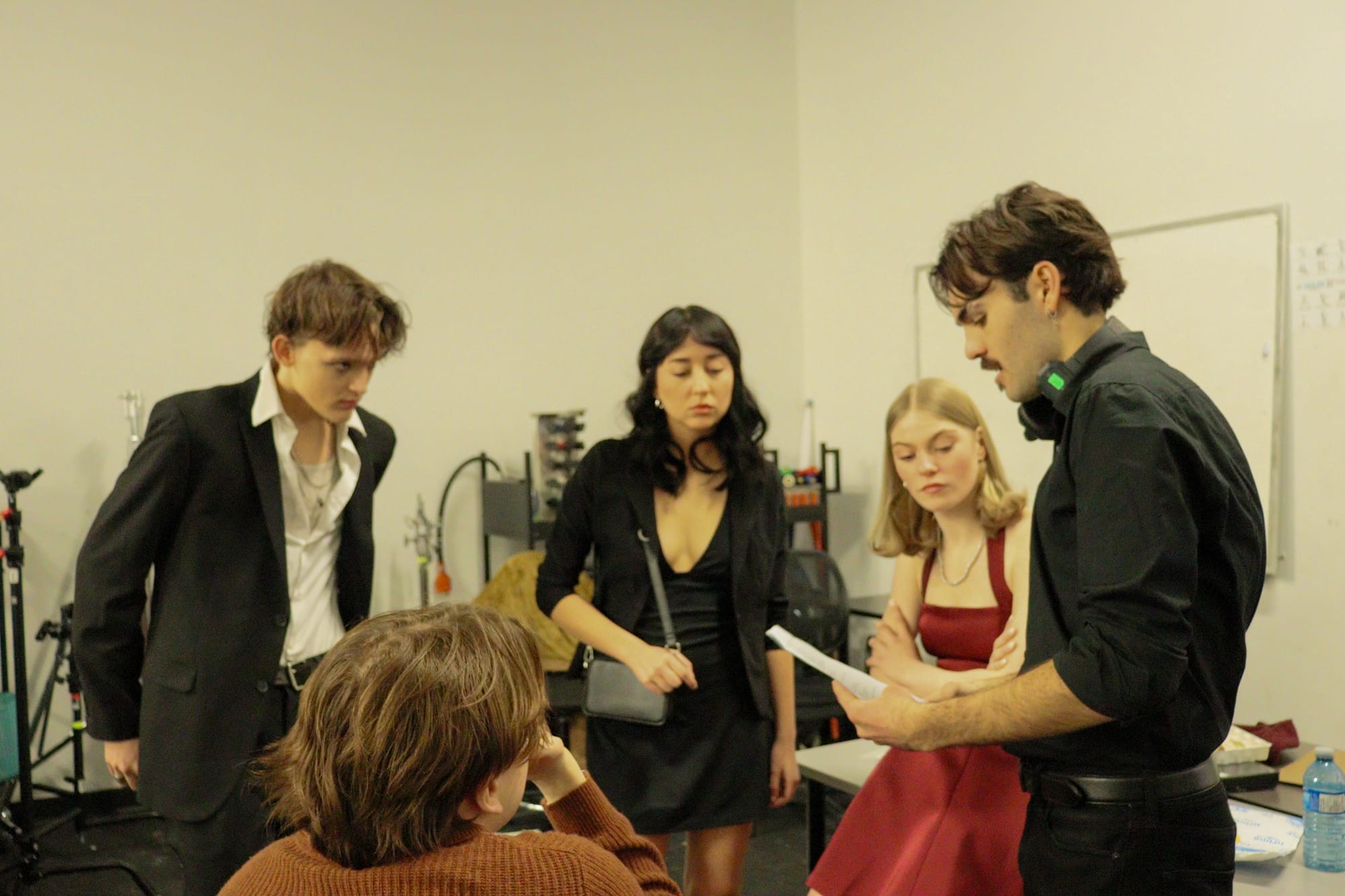
Hopkin's script included action lines for small movements, such as picking up a glass of wine. In moments like these, it is important not to take away an actor’s freedom while still ensuring continuity across every shot. Blocking helps maintain that continuity throughout the film.
Planning a comprehensive shot list was fundamental to making the film look cohesive and flow smoothly. It ensured there was a clear structure in place before filming began. Kiana Thurman, the Director of Photography, was responsible for this part of the pre-shoot process. She created the shot list by working through the script and identifying all the shots needed for the film. The cast also sat around the actual set table, which helped Kiana block the scenes more accurately. This planning stage, completed before filming, is what elevated the film and helped it feel more professional.
After completing all of these steps with the full cast and crew, the crew was ready to begin shooting the film.
Shoot Days
Alex explained that it was extremely eye-opening to both direct and act in a film production. She said she was especially grateful to have such a well-rounded co-director, Gabriel Brunet, who was able to take on much of the directing during filming so that she could relax and fully settle into her character.
The first day of filming began with wardrobe, hair, and makeup. Photos were then taken of each cast member from every possible angle to ensure that their hair and makeup could be recreated perfectly for the next day of shooting. Assistant Director Nathan Russell compiled a list of the shots that needed to be completed that day, creating a loose timeline to keep the production organized and on schedule. The crew then moved on to filming the master shot from a few different angles in order to establish blocking and ensure the film felt dynamic and flowed well. After that, they filmed the actors’ close-up shots, which involved 12-minute continuous takes focused on each cast member’s character.
On the second and final day of filming, the crew captured all of the insert shots, including multiple angles of the same stunts. Insert shots are important because they provide close-up detail of an action or object within a scene that the audience is meant to notice and find meaning in. These were followed by backup shots, or secondary footage, used to enhance the primary footage. This additional footage often provides context for scenes that need it. After completing every shot on the list, filming wrapped, and the end-credit scene was filmed.
Closing Remarks and Advice
Alex felt bittersweet wrapping filming at the end of the second day, having this to say:
"When we wrapped on the second day, it was crazy because we had worked on the film for months, and having to let the characters go at the end was a strange feeling. But at the same time, I was so thrilled and proud of my cast and crew – everyone was a ginormous help in bringing the film together".
She went on to say that her biggest advice to anyone trying to make a short film is:
"...if you have a story, you should write it and you should put it out into the world. Because nobody can write your character and your story the way that you can, and you have no idea how many people will be willing to help bring your vision to life".
Hopkins admitted to feeling fear around the project, as so many film students often do, saying:
"Making a film can feel so daunting in college, especially as a student filmmaker. But having Toronto Film School to support the project made it so accessible for me to learn how to budget and act responsibly, so I ran into problems minimally during the entire process".
Her last piece of advice to any aspiring filmmakers will certainly resonate with many creatives that identify as struggling perfectionists:
"As a first-time filmmaker, you have to throw perfection out the window. You have to learn to appreciate the true art and process behind it because the human connection you get from other creatives, and letting your ideas meld with theirs, is how you get a gorgeous end product. A great film is not solely built on your own control or ideas of a perfect end product, but the collective creative force of everyone involved".