Table of Contents
Three Key Takeaways
- Bud Myrick transitions from VFX supervisor to narrative storyteller with a film that blends horror, sci-fi, and dark comedy.
- The chemistry between lead actors Erica Ibsen and Philip Michael was pivotal in bringing the characters to vivid life.
- Independent filmmaking’s creative freedom allowed Myrick to explore unique tonal and genre blends, pushing traditional boundaries.
Bud Myrick, a veteran VFX supervisor turned director, brings us Star-Crossed, a film selected for FilmQuest 2025.
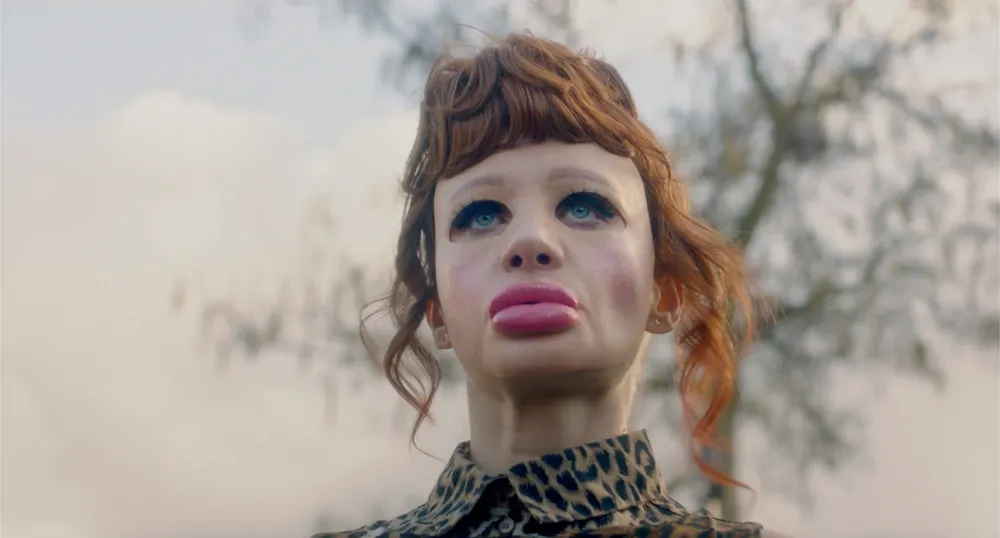
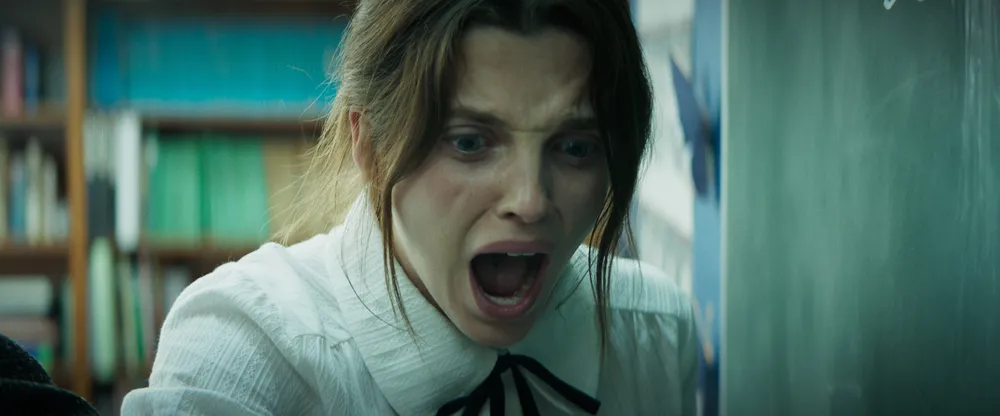
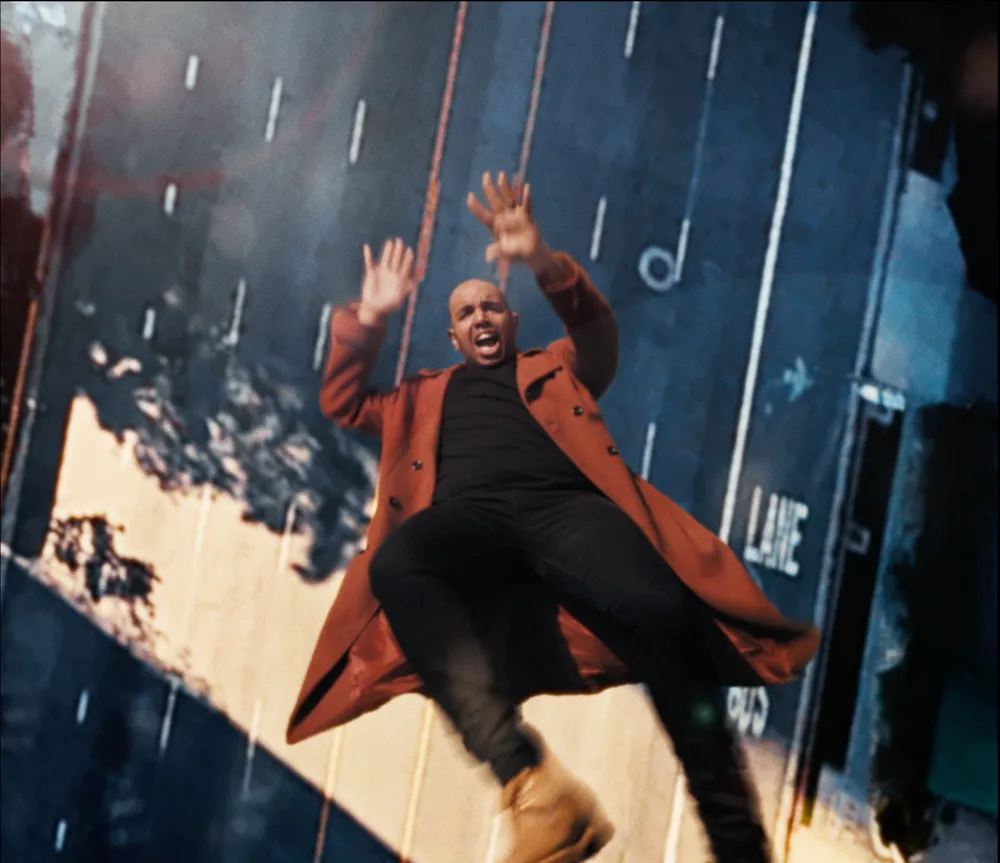
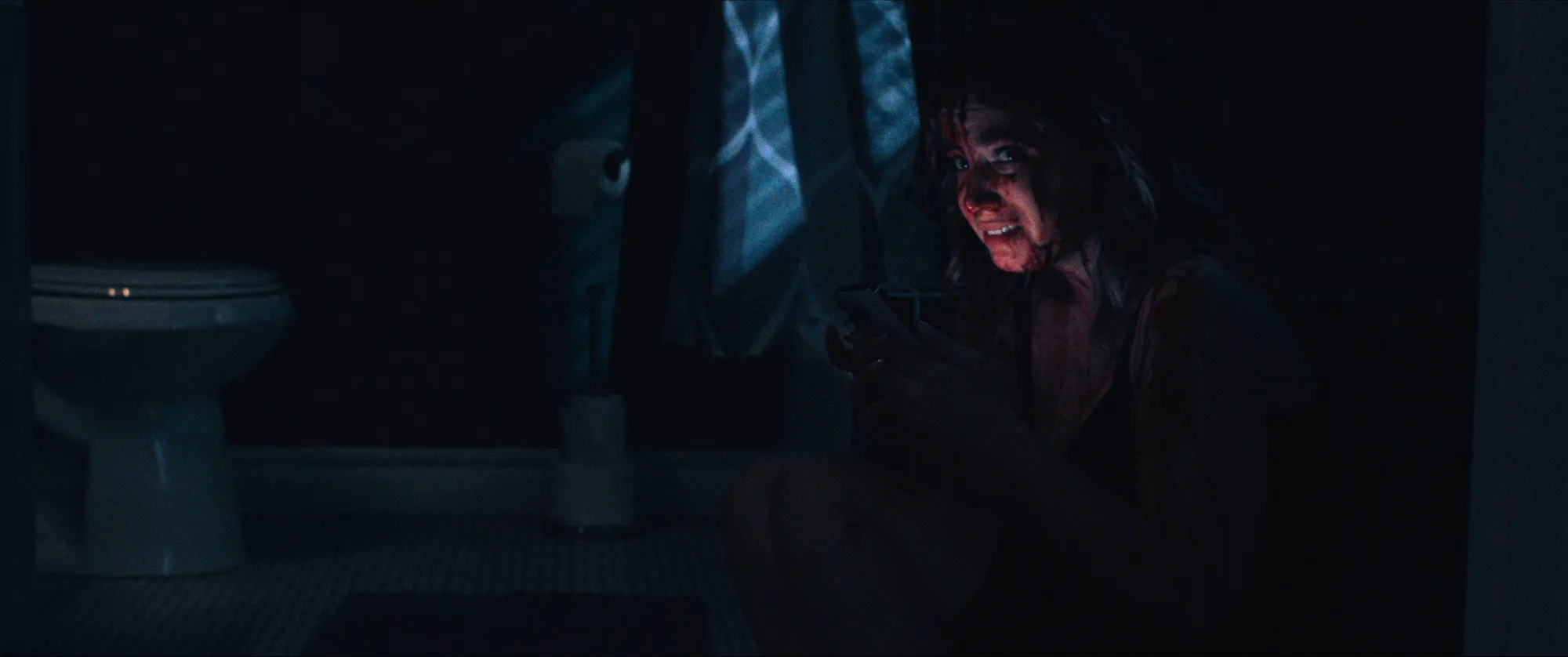
Starring Erica Ibsen as Celeste and Philip Michael as Ian, Star-Crossed explores a night of passion, secrets, and consequences through a darkly comedic and visually compelling lens.
Produced by Michael Greenspan, this film showcases Myrick’s desire to tell stories beyond his VFX roots.

What drew you to make this film? Why this story, and why now?
I've been a VFX Supervisor for a long time, and over my career that's led me to directing commercial, special projects and some 2nd unit work. I had been wanting to make a film that showed I could tell a story that wasn't VFX or CG centric. The opening scene of Star-Crossed came to me pretty much as you see it in the final movie. I was immediately intrigued and sat down to write the first draft. I needed to know how we got to that moment. The first draft was complete in about an hour. I refined it quite a bit, but the basic story never really changed. I did stand-up comedy when I was in my 20's, and comedy has always been a brush that I like to paint with. I felt this would be a rich story to mine for dark comedy and compelling visuals. Fortunately, other people felt the same, and I was able to recruit the support of a lot of amazingly talented people to make this film a reality.
"As independent filmmakers, we don't have to fit into a slot dictated by a studio."
What surprised you most about the filmmaking process this time—creatively or logistically? Was there a moment on set or in post that completely changed how you saw the story?
It was in our first chemistry read between Erica and Philip. I got to hear these amazing actors breathe life into the characters that I had written. I probably had the dumbest grin on my face, that fortunately they didn't notice. I knew then that it was going to work.

Is there a moment in the film that feels the most you—something only you could have made?
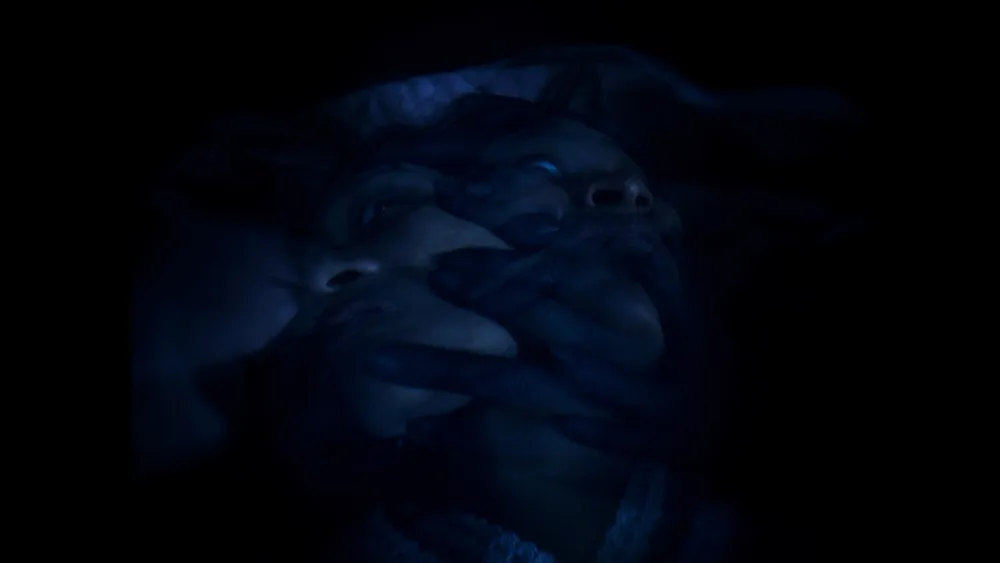
There is a moment that is a nice reveal. I won't spoil it, but it blends the absurd with the horror of the moment. There's no dialogue, but it just sums up the tone of the film.
What was the hardest creative decision you made while making this film?
Cutting jokes and extra dialogue that were funny, or what I thought was important info, that just slowed down the flow. It was hard to make some of those cuts, but ultimately the right choice.
"The opening scene of Star-Crossed came to me pretty much as you see it in the final movie."

What do you hope audiences take away from your film?
First, I want them to be entertained and surprised. After that, I hope that they want to know more about this world that we've given them a glimpse into.
How has this film shaped or shifted the kind of stories you want to tell next?
I'd love to continue Celeste's story as a series. I think there's a lot to discover about this character and the world we have created. I also have a feature that I'm writing that has a completely different tone. It's more dramatic, but I will always incorporate humor. The movies or shows that I enjoy most will have me choking back tears one moment, holding my breath the next, and then make me laugh out loud.

What’s a tool, technique, or resource that really helped you during production?
Scriptation. That's where I start moving from words on the page to planning and visualizing the movie. I like having different layers to make notes and sketches for the different departments. I make notes to myself, and I will upload plans and photos to aid in blocking. I can also draw directly on my script. This was also the first project I did in Resolve. I had to learn it (including Fusion and Fairlight) from scratch. Now it's my go-to.
Independent filmmakers often rewrite the rules out of necessity. What do you think is the greatest strength of independent filmmaking, and how did you lean into that on this project? Is there a lesson or breakthrough you’d share with others navigating this path?
As independent filmmakers, we don't have to fit into a slot dictated by a studio. This frees us to show the world that creativity often doesn't fit a mold. The flip side of that coin is now we have all the rope we need to hang ourselves. So the burden is on us to show the world something new that is also worth the trouble.
"I probably had the dumbest grin on my face, that fortunately they didn't notice."

What does it mean to you to have your film selected for FilmQuest, one of the world’s top reviewed genre film festivals?
It's a huge honor and a validation that all of the hard work, money, and time that went into making the film was worth it. It's such an all consuming endeavor that it feels wonderful to have other people recognize the work done by the many talented people that made this film a reality.
FilmQuest celebrates the majesty and might of genre filmmaking across fantasy, horror, sci-fi, action, thriller, western, kung-fu, and beyond. How does your film fit within—or push the boundaries of—genre storytelling?
I didn't set out to make a genre film. My goal was to tell a compelling story that shared my sense of humor. In this case, the story dictated that it had elements of horror, SciFi and comedy. Those elements were organic to the story, and that blend of genres hopefully make it a more satisfying watch.

Where do you see this film going next?
I would love to turn this into a series. We are currently working on putting together a pitch deck to that end.
"At the core of all my work is a desire to Entertain."