Table of Contents
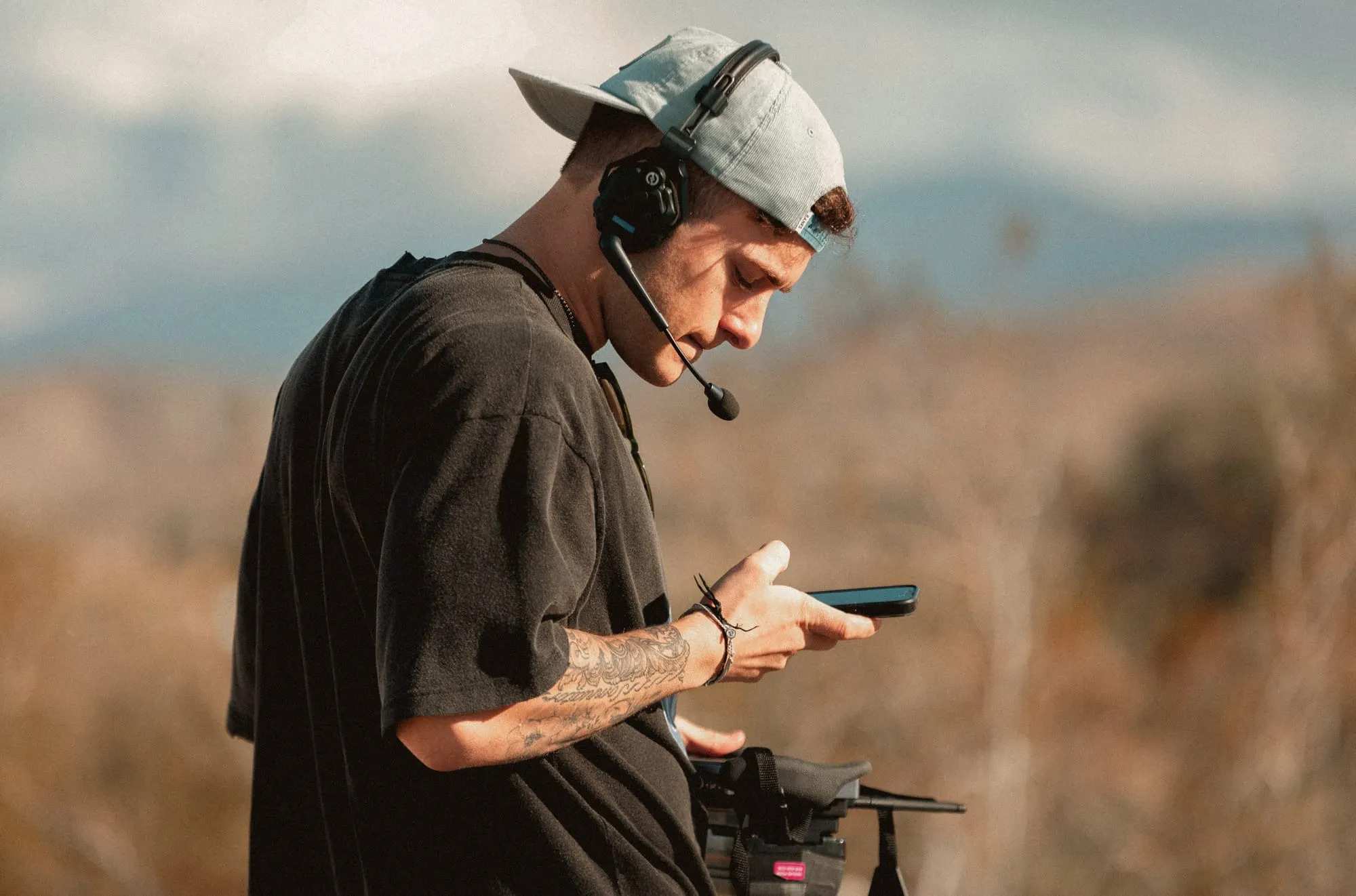
Just recently, I had the opportunity to talk with independent filmmaker Gio Ursino about his exciting and ever-evolving journey with film. During our entire conversation, I kept thinking, "This is a guy who's going to inspire a lot of young creators". I can't wait till the day he's famous because his story is going to make the perfect movie-check it out:
He told me that growing up his high school didn't have many art programs to work with, but his first love has always been visual arts, just simply drawing and painting.
After lots of pushing for it, finally, by his junior year, his high school introduced a film program.
"I was so excited. So, I took it the very first semester it was offered and it was awful. I mean, it was a terrible, really bad class. But, it was the first time I actually got to hold a camera and put together a story that way. And somehow, even though the class was so bad, I fell in love with it."
And that is where the credits roll for most people. They deal with their underfunded and unorganized high school A.V program for a few years, then leave it far behind when they graduate. Thankfully, that little short film had Ursino hooked.
"It was all the things I loved: visual art, writing, music– all the things I loved doing individually were able to be turned into one thing, which felt like a breath of fresh air."
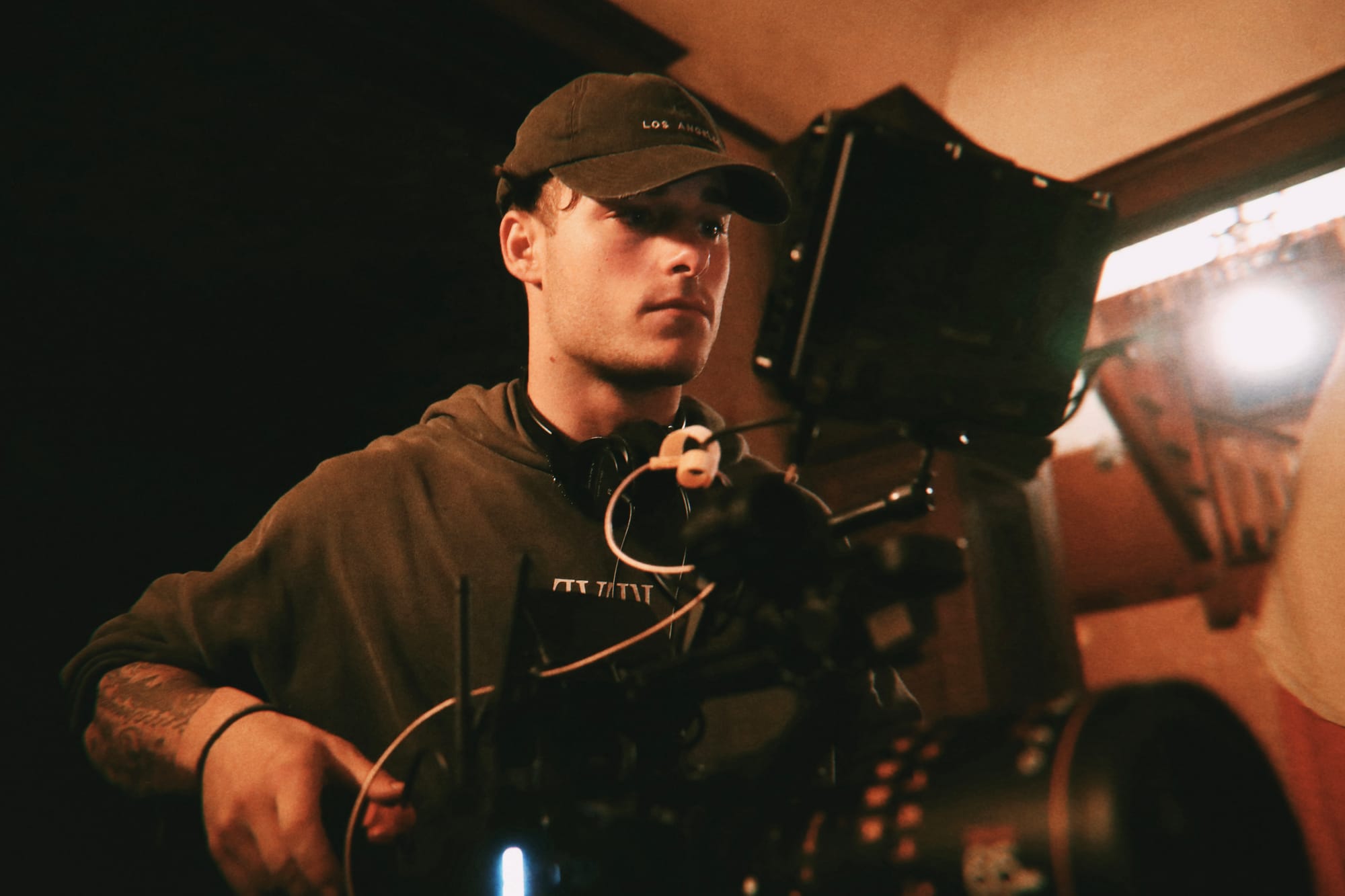
While he was polishing his artistic tool kit, he was also balancing playing football throughout high school and college.
"I really did have a bit of a split personality; the people you hang out with in the athletic world are not at all like the people you hang out with in the artistic [world]. So, you could say I never felt like I could entirely be myself in the athletic world, but it was super important for me because I am extremely competitive! So, I'll always love football."
Hope he won't mind me calling him a modern-day Troy Bolton.
He told me that his dream was to play football and go through Chapman University’s directing program, which would've been easy... if he didn't get denied... three times.
"For the life of me I couldn't get into that program, it was ridiculous. So I went to my second choice school and then that ended up being Covid year, so of course they cut the entire football program right after I got there."
He said with a smile.
"Eventually, I transferred to Chapman, but I was forced to be a documentary major instead. It was all a blessing in disguise because it led me to just be like 'screw it, I gotta just do it on my own' so I took it upon myself to make a short film and that led me to making my very own feature."
Are you seeing the movie vision yet? This is me writing the script so he doesn’t have to.
Some Super Opportunity
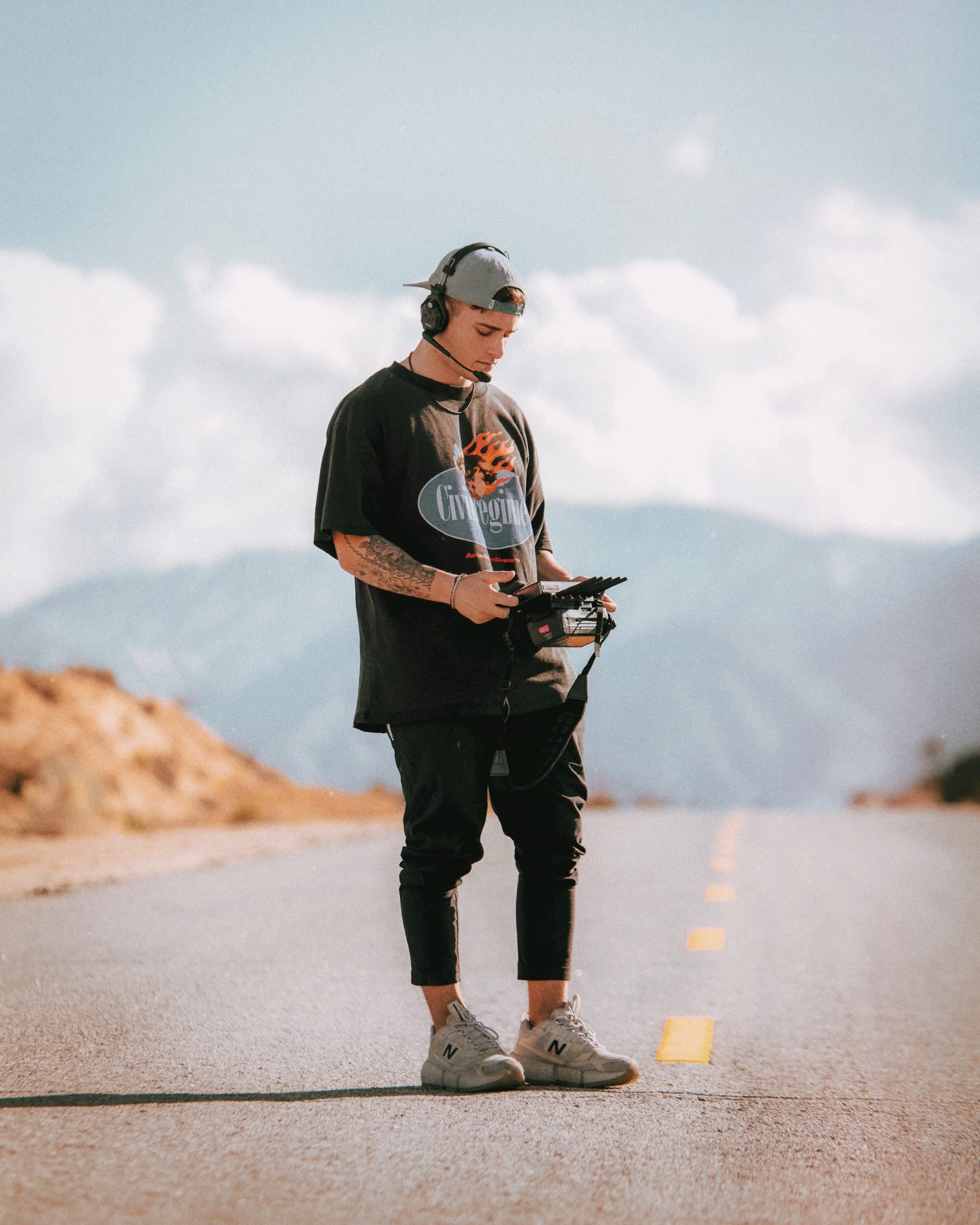
Well, it's safe to say he's come a long way from backyard high school shorts. I tried to keep my cool, but the Marvel fan inside me was twitching listening to his stories about doing concept art for Spiderman: No Way Home, Dr. Strange in the Multiverse of Madness, Captain America: Brave New World, and Eternals.
He started out doing concept art for different elements of the films, then was asked to join them on set as an art department PA, to which he said "hell yeah!" You would probably imagine that a Marvel set with hundreds of millions of dollars is run like the military-and organized to a T! Here was his comment on what an experience it was to be on a set of that size and caliber:
"There were things that I was like 'man, I would so not do it this way'. I mean, they were still writing script pages as they were shooting."
Could this perhaps account for some of the inconsistencies and questionable plot lines in the MCU these days, probably. Here's an insider exclusive we got about Captain America: Brave New World.
"They were supposed to film a scene with Mark Ruffalo as a cameo–he dropped out. So they had to write a whole new scene, scramble to find an entirely new set, and then shoot it within a week.”
That really is the obvious difference; big, monstrous sets like that have money to throw. One thing he emphasized, however, was that in all seriousness, the budget (which was an estimated 300 million) could've been shot for half of that. He emphasized that the biggest thing he's learned is that preproduction needs to take the bulk of your time, and that you should spend more time planning and coordinating than shooting and editing combined. He mentioned that everyone wants to rush and get to the "fun stuff" i.e., being on set, but you lose so much quality, money, and time if you don't plan properly. He brought up this quote that I think perfectly summarizes this point:
"Shooting the film is a formality." - Alfred Hitchcock
Personal Flair
What makes me so excited to see Ursino continue to make creative work is his unique personal style that I believe will enthrall audiences. He takes major inspiration from great sci-fi storytelling games that he loved growing up and has tried to replicate that same otherworldly feeling. If you are a fan of The Last of Us, Halo (the game not the show-don't come for me), Dune, or most recently Project Hail Mary, you've got to check out his short GRACE and his feature Red Plague.
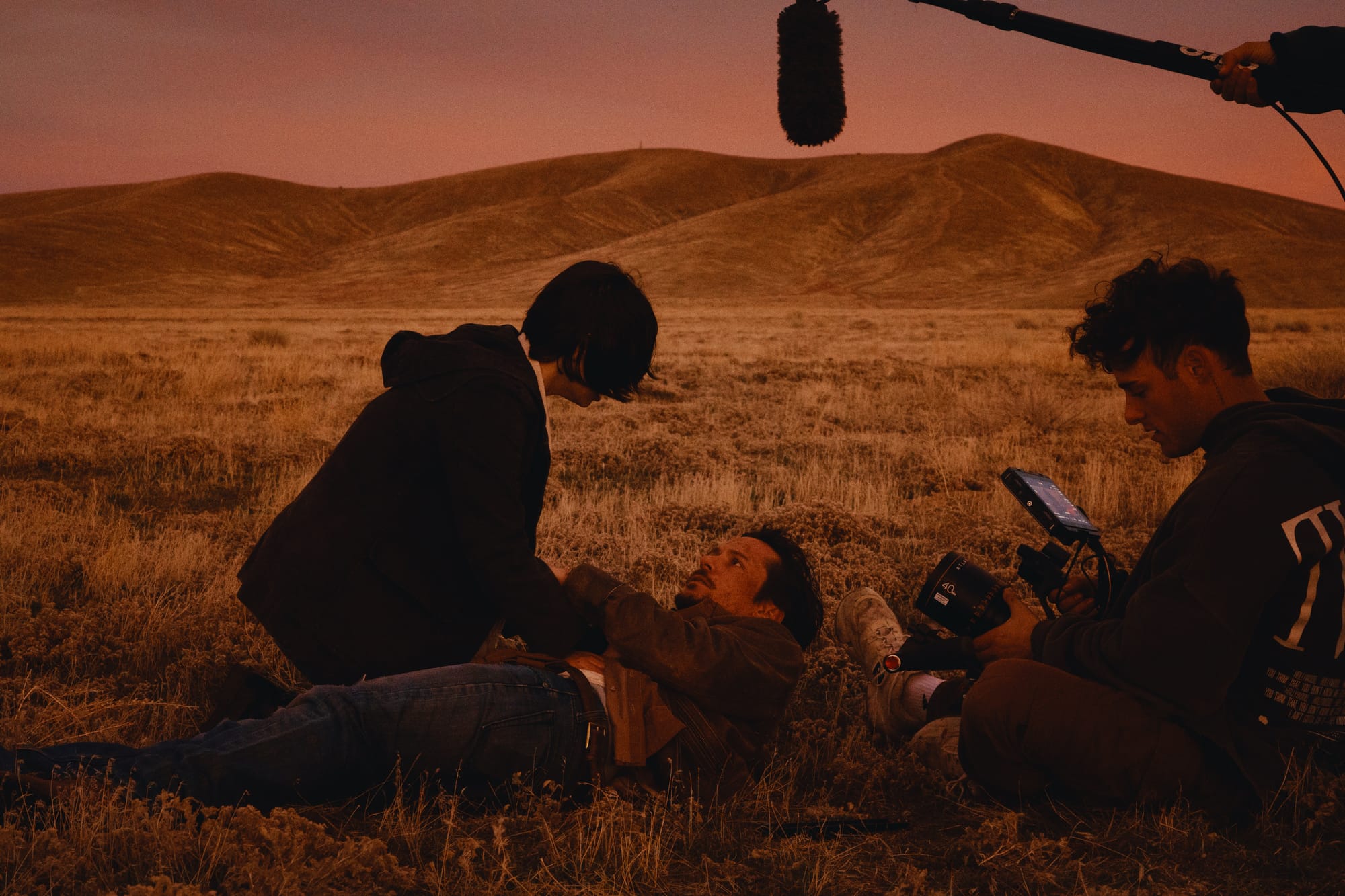
His drive and organization make him dangerous competition for other aspiring directors. He makes sure to have each shot planned out to the second, so much so that he was able to shoot his entire feature in 11 1/2 days (that's unheard of).
"I have to have every single shot of the day planned out to the minute. Like, 'okay this shot is from 11:50 to 11:52 and then we'll do touch ups from 11:52 to 11:57. And you do that for every day, and it's literally the only way I could ever get a film finished."
He shared that being a filmmaker forces you to be a logistics person. It always sucks to be the one with the wallet (the producer), but he shared that he's learned from the bottom up, and he has perfected the scrappy low budget craft.
"It's extremely valuable to start making films with no money behind them, so you figure out how to do things cheaper that have the same effect on your audience."
Speaking of his effect on audiences, I asked him what he hopes his audience gets out of the films he's made and the ones he hasn't yet.
"I'm just trying to make you feel something. Whether that be learning something new about yourself or feeling an out-of-the-ordinary emotion. I wanna give my audience what I know I want to see in a film. Personally, I love when a film makes me cry."
He very intelligently articulated that if anything in life makes you feel a certain way, that in itself is an experience. That is what a film should be, an entire experience, not just a video.
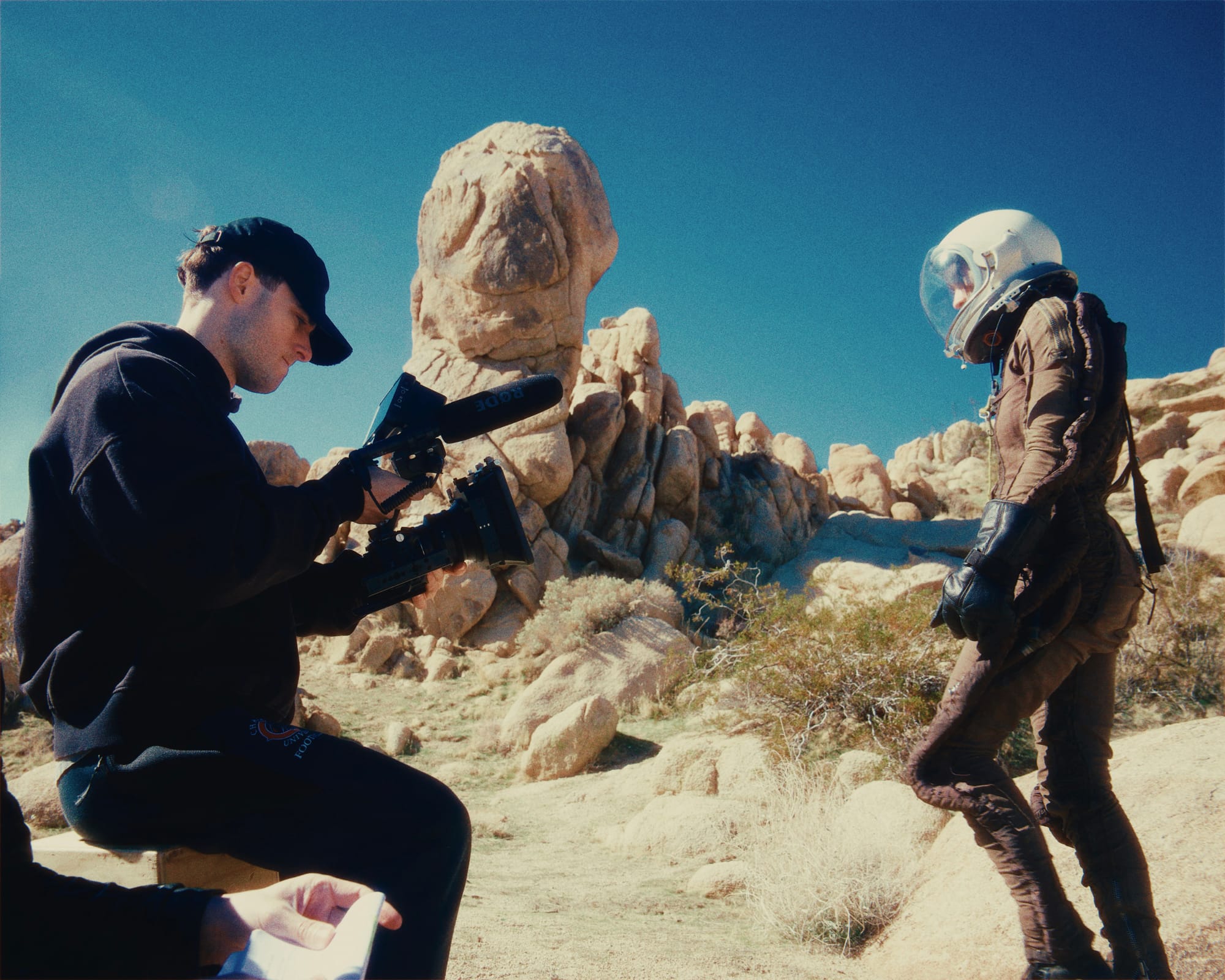
"And that's why sci-fi is such a great medium and genre. I love making films that don't take place in our normal reality because I can give people the feeling of circumstances I know they haven't experienced in their real lives."
I agree, and I also think sci-fi connects us all. Because no matter if we are on a post-apocalyptic planet or here in 2026, we resonate with raw emotion. We can resonate with each other across timelines and galaxies.
"I want to go to Tau Ceti from Project Hail Mary! I wanna go to all of these different planets and worlds, and this is how we get to go there– through films."
It's really refreshing to hear a filmmaker care so much about how his audience feels when watching his art. Yes, obviously, you should be making your passion projects for yourself, but that drive and regard for putting on a good show is what sets Ursino apart. I left our conversation feeling like I had early access to a big star. We should all be chomping at the bit to see what he does next—because something tells me this is the kind of career we’ll be talking about for a long time.
Instagram:
Website/Portfolio:

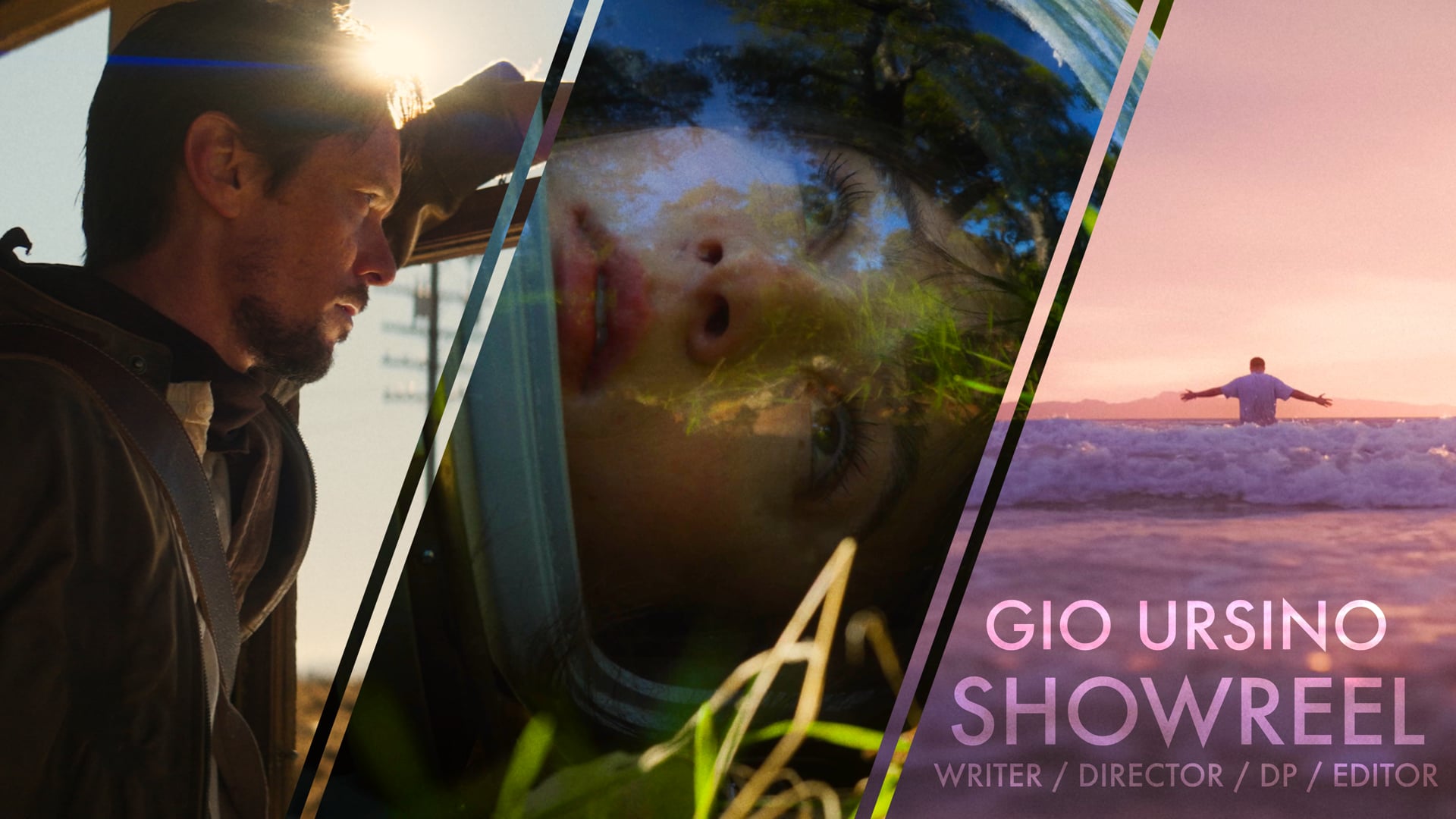
Watch Red Plague on Amazon Prime:

This interview was arranged with the filmmaker’s representatives, who provided a small donation that supports League of Filmmakers’ editorial production costs. League of Filmmakers maintains independent editorial control over its coverage.