Young producers have been turning Hollywood and the entire cinema community upside down for a while now but they have never been given an equitable amount of the attention. Going all the way back to the 1940s, Citizen Kane is one well known example. Widely known for its revolutionary storytelling, the film also happened to be produced by a 26-year-old. This is not a new phenomenon.
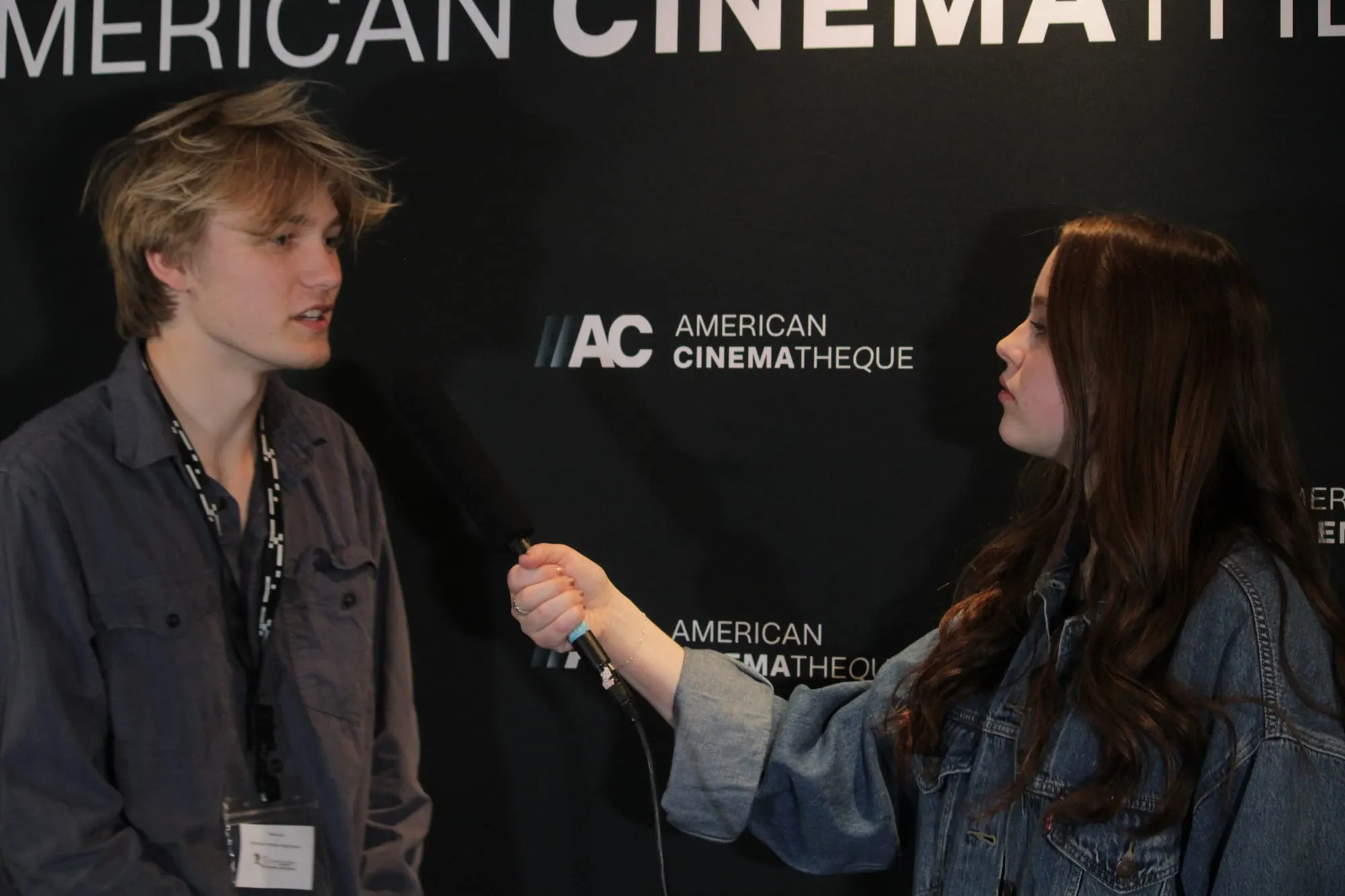
After being one of hundreds of millions to see Obsession in its opening week, I did a deep dive on Kane Parsons and his journey to having a million dollar directorial debut. I came across articles that talked about the way young directors are the saving grace of Hollywood, or how they bring out emotions in viewers that veteran directors have been struggling to get in touch with. The lived experience of each generation of creators is different and it seems the “Gen Z” age range is used to turning trauma into profitable drama. I wanted to understand this more and to do this I interviewed my friend, fellow creator, and talented filmmaker, Austin Micka.
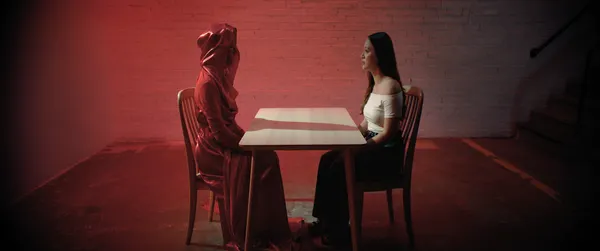
Micka is 21 years old and a soon-to-be graduate from University of California, Santa Cruz’s film department. Micka is the son of a screen-writer but very much creates films that are individually his own. Up-and-coming creators bring a new grit that Hollywood seems to have lost in recent years. This grit was best displayed when Micka described his most recent project for the Slug 48 Hour Film Festival. This was the third year of the intense festival where participants have exactly 48 hours to write, shoot, edit, and score a short film. Micka's film, O’ Atlas of the Fearless Flight, brought home an award.
“We ended up winning the Ron Yerxa award for best film and audience favorite. Something I came to love while I worked on the project was the fast-paced environment of creativity and a communal effort in our team to set up the shots and design. Working on a film to completion in two days is insane but it pushed our absolute limit of creativity and it was super fun to be able to accomplish something like that and have it pay off.”
Micka’s favorite parts about filmmaking are the same sentiments that set young directors apart. In previous Hollywood eras, directors worked on fulfilling their own agenda. We saw that recently with the film mogul, Francis Ford Coppola, and his newest film, Megalopolis. Micka's perspective is different:
“My favorite thing about being a filmmaker is that I have the ability to convey stories in a stylized way for people to take into their own lives.”
When asked about his film icon, Micka said it was USC Film School graduate, Greg Araki. Araki is known for following the artist’s preference for stylized and unapologetic storytelling. Unlike the artists in conversation today, Araki directed his first big projects in his early to mid-thirties. Unlike Micka, Araki has 10-plus years of lived experience to bring to the drafting table.
How does a twenty-something director bridge that gap? Or maybe that's the thrill?
When I talked about Parson’s specifically, Micka described how he knows many people who went to high school or grew up with the Backrooms director.
“It's really awesome to see someone relevant to my peers having made such a big name for themselves at this age. I think we're in a time right now where the film and content industry has shifted so much that people are always looking for interesting original content and YouTube has become a major way in which to reach a massive audience as an independent artist.”
Micka described the way YouTube has a much bigger hand in the movie industry than I ever thought.
“When you think of films like Iron Lung, Backrooms, or Obsession you can look back at their content on YouTube and see how creators all over have a talent for storytelling. I think the studio system is also failing with a large lack of original content and a regurgitation of franchises pumping out sequels, audiences want to see and hear new voices and stories–so seeing YouTubers really pushing their content to larger markets, I am hoping that this paves a way for more voices to be heard and seen.”
And these new voices bring a lot. A lot of emotion, but specifically a lot of nostalgia. When you are seeing fellow photographers and filmmakers choose to shoot on Super-8s and medium format film, it can be assumed that stylistically, we are reverting back to old ways. I asked Austin what young filmmakers bring to the cinema industry and in a way it is a very edgy, modernization.
“I think young filmmakers are changing the ideas of cinema so much because they grew up in a period where filmmaking was made out to be so amazing and magical and the films coming out were original and interesting and there was a lot of hype around cinema in general. Now however, with streaming and AI and studios funding fewer projects every year, I feel like the film industry is in a bad place. So, these younger voices want to change that and bring the magic and people back to theaters, like how we grew up with it being instead of just watching movies on your computer at home.”
It is undeniable that young directors hold the key for new ideas, obsessions, and love in the movie industry. Originality won Oscars in 2026 and hopefully as Micka described, we will move away from the regurgitations of franchises that pump out sequels.
You can check out Austin’s YouTube channel here and support other young filmmakers by looking for their work on online streaming platforms and at local film festivals. If I learned anything from interviewing Austin, it’s that,
“Not every filmmaker has the opportunity to direct a feature film like Parsons and Barker but I think the best way to find these underrated filmmakers is on YouTube like where these two started out.”
It’s important to give every piece of art its share of light and every creator a space to share their work.