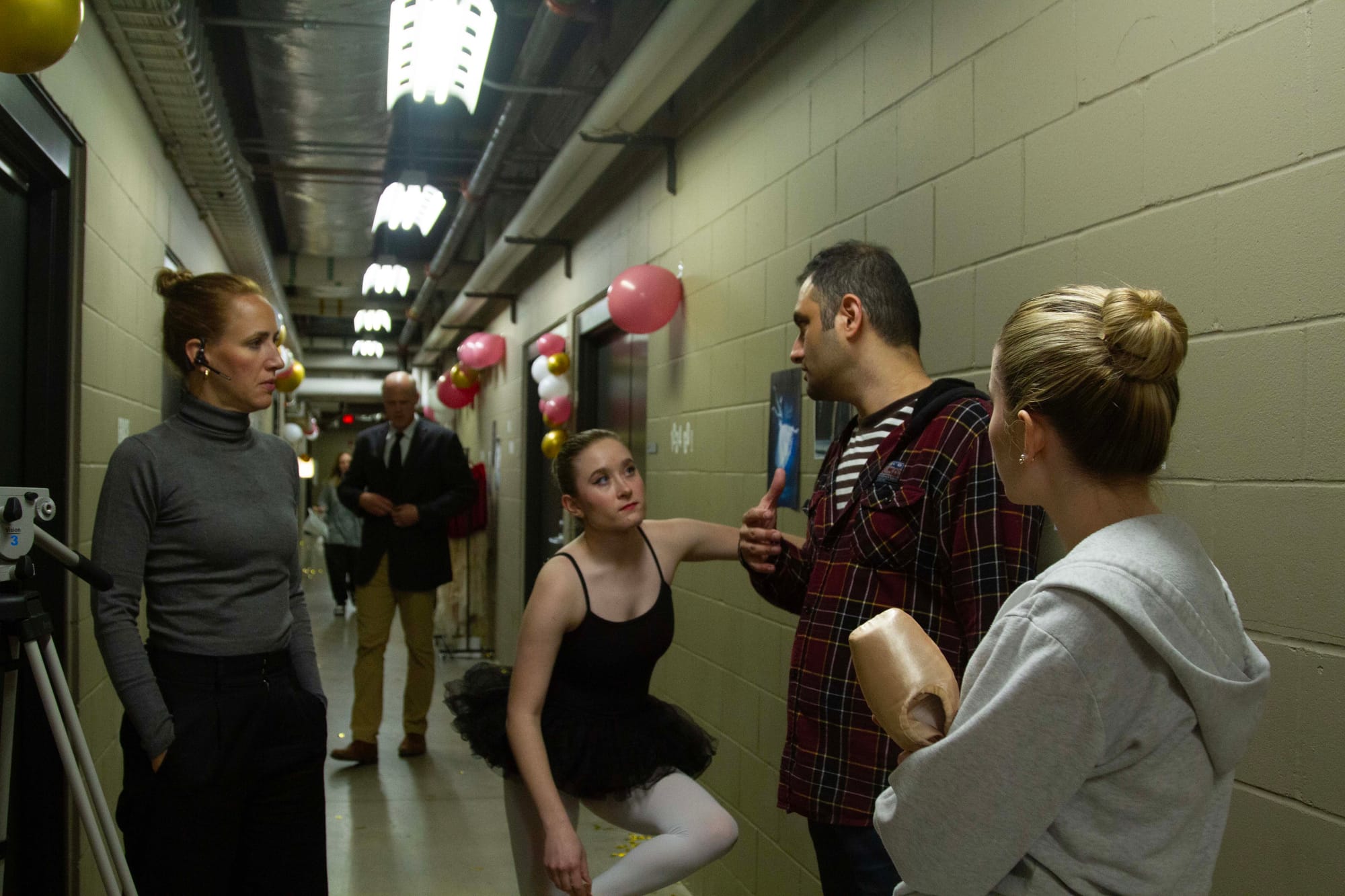
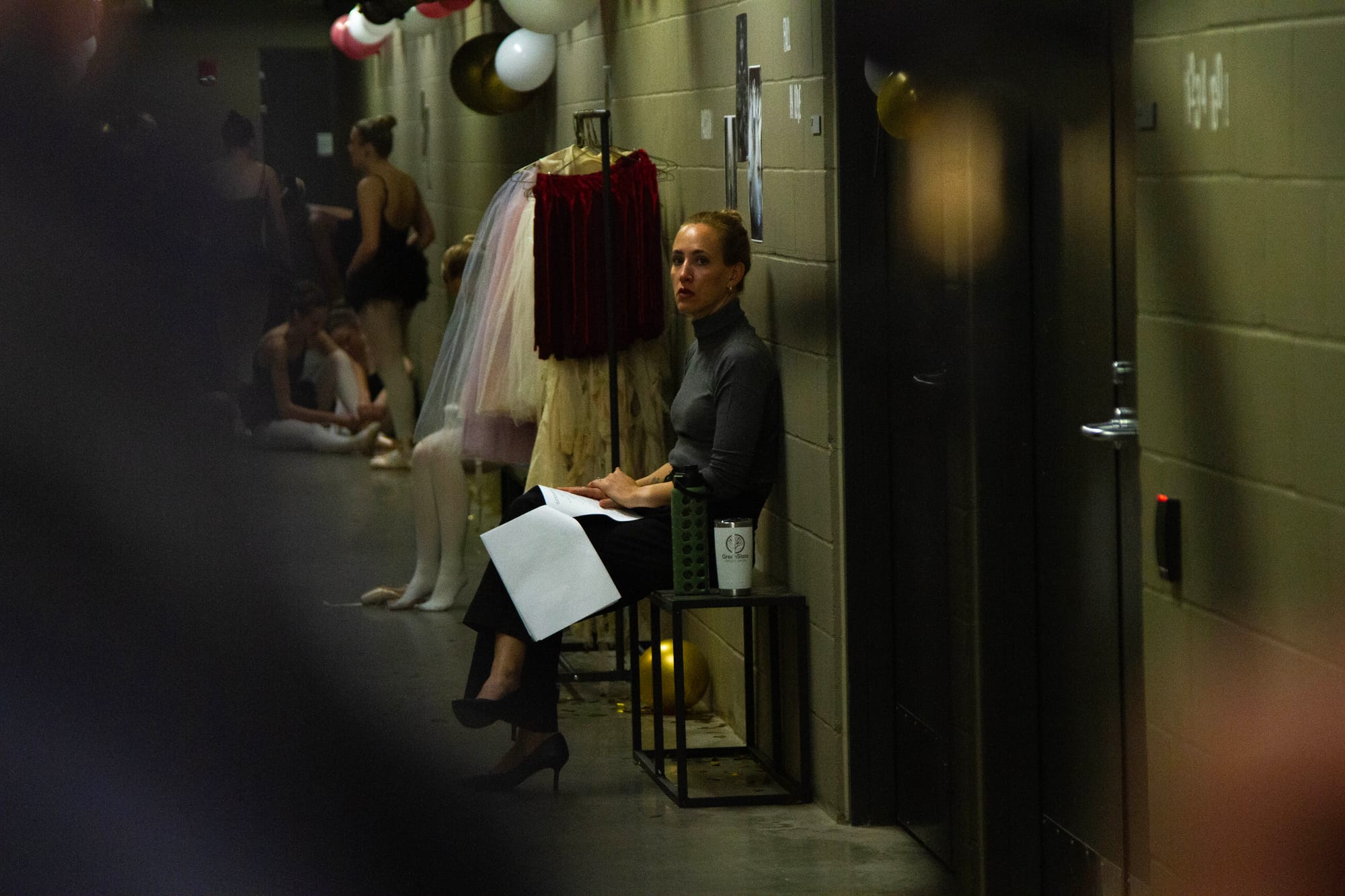
On the night that could define her future, Annie is supposed to dance. She is injured, uncertain, and not sure she wants this at all. Her mother's expectations press in from one side, family tensions from another, and her younger sister is ready to rise. Somewhere in the audience, Juilliard scouts are watching. In Harmony, screening at HollyShorts London, director and producer Arman Hodasefat turns that single performance night into a study of what happens off stage, where pressure builds until it cracks.
Hodasefat grew up watching friends shaped by "trophy parents" and later became fascinated by the physical toll, short careers, and fierce competition behind ballet's polished surface. Harmony brings those two worlds together. It is a family and psychological drama that refuses to cast anyone as simply good or bad, and it trusts its audience to sit with the contradictions.
Key Takeaways
- Real-life twin sisters play the film's two sisters, and Hodasefat says their bond let a look or a pause carry enormous emotional weight.
- An extended close-up on Addison, as her mother chooses another dancer over her, is the moment Hodasefat feels is most his own.
- Before shaping the story, he spent time with ballerinas and their parents, and he worked with a screenwriter who had lived ballet's competitive world.
Hodasefat spoke with us about the origins of Harmony, the power of restraint, and what it took to lead a crew of 25 to 30 on a student thesis film.
Interview
What drew you to make this film, and why this story, why now?
I grew up around a lot of friends who had "trophy parents." There was always this pressure on them to be the best, to win, to become something their parents wanted. I didn't feel that same pressure at home, but I saw what it did to people close to me.
I have always been interested in the performing arts, and over time ballet stood out to me the most. I didn't just want to watch it. I wanted to understand what goes on behind it: the physical pain, how short the career is, how competitive everything is. It's beautiful on stage, but behind the scenes it can feel intense and messy and sometimes overwhelming.
Harmony came from putting those two worlds together. I wanted to look at what happens off stage, the pressure from parents and from the environment, and how it all builds up. This film is really about that space where things start to crack, even when everything is supposed to look perfect.
What surprised you most about the filmmaking process, creatively or logistically?
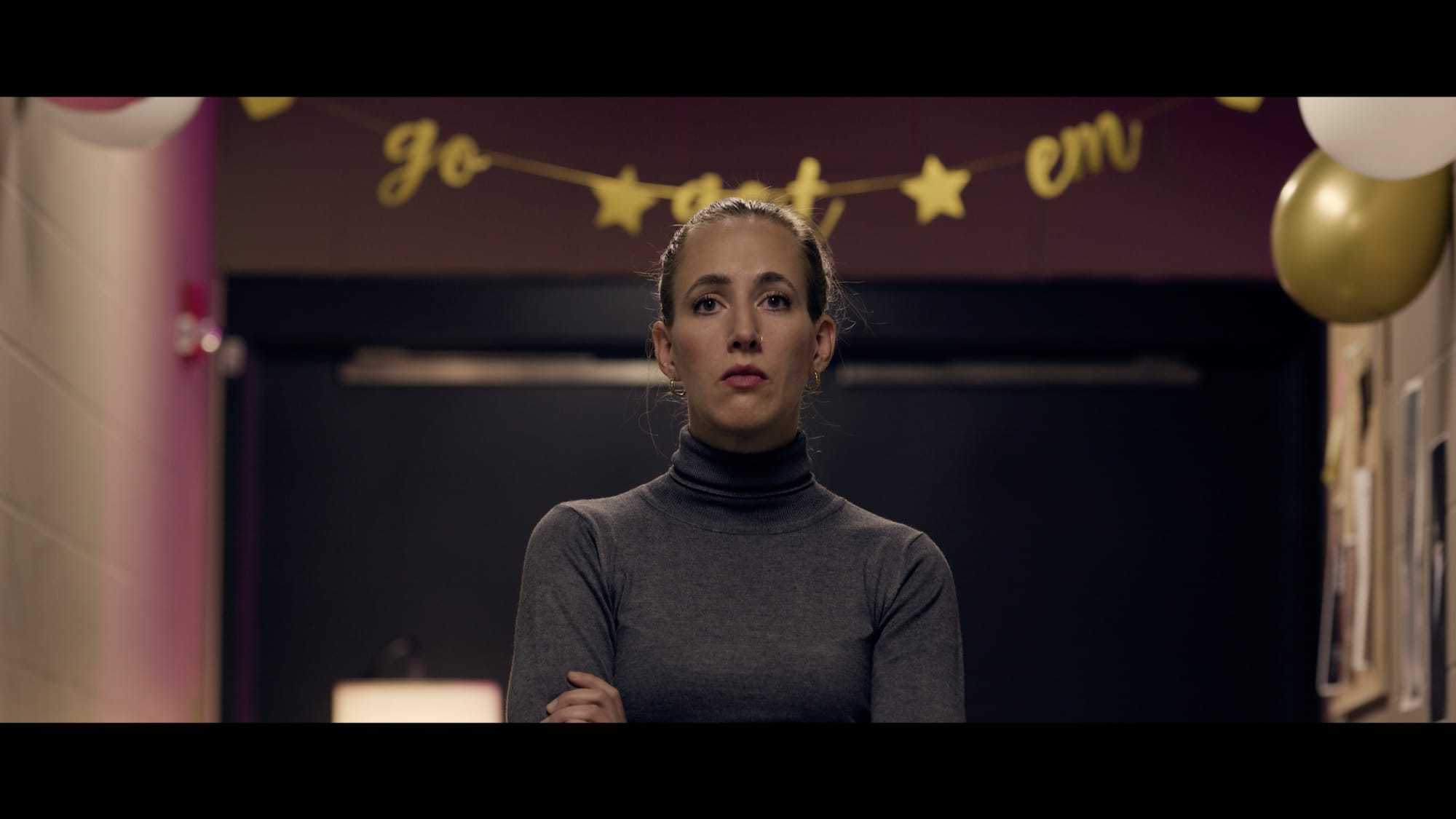
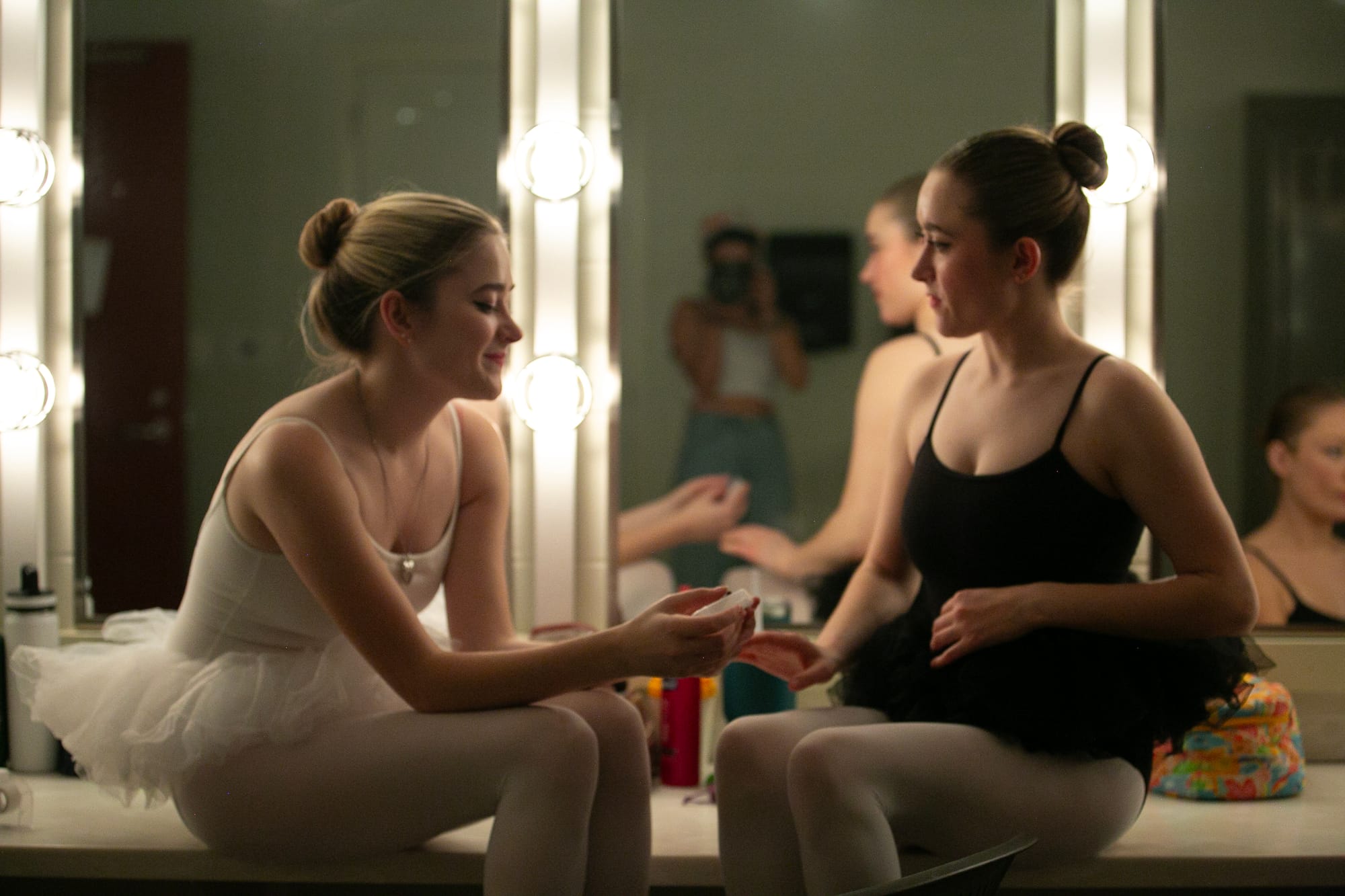
One of the biggest creative surprises was how much depth we gained by casting actual twin sisters as the two sisters. Their real-life connection added an extra layer of authenticity to the relationship, especially in moments when they needed to affect the audience emotionally through their words. I was surprised by how much they could communicate with so little. A look, a pause, or the smallest change in expression could carry so much emotional weight.
It reinforced something I strongly believe as a director: sometimes the most powerful performances come from what happens underneath the surface, not from big movements or dramatic dialogue. They added an emotional dimension to the story that I don't think we could have achieved in quite the same way otherwise.
What moment in the film feels most like you, or like something only you could have made?
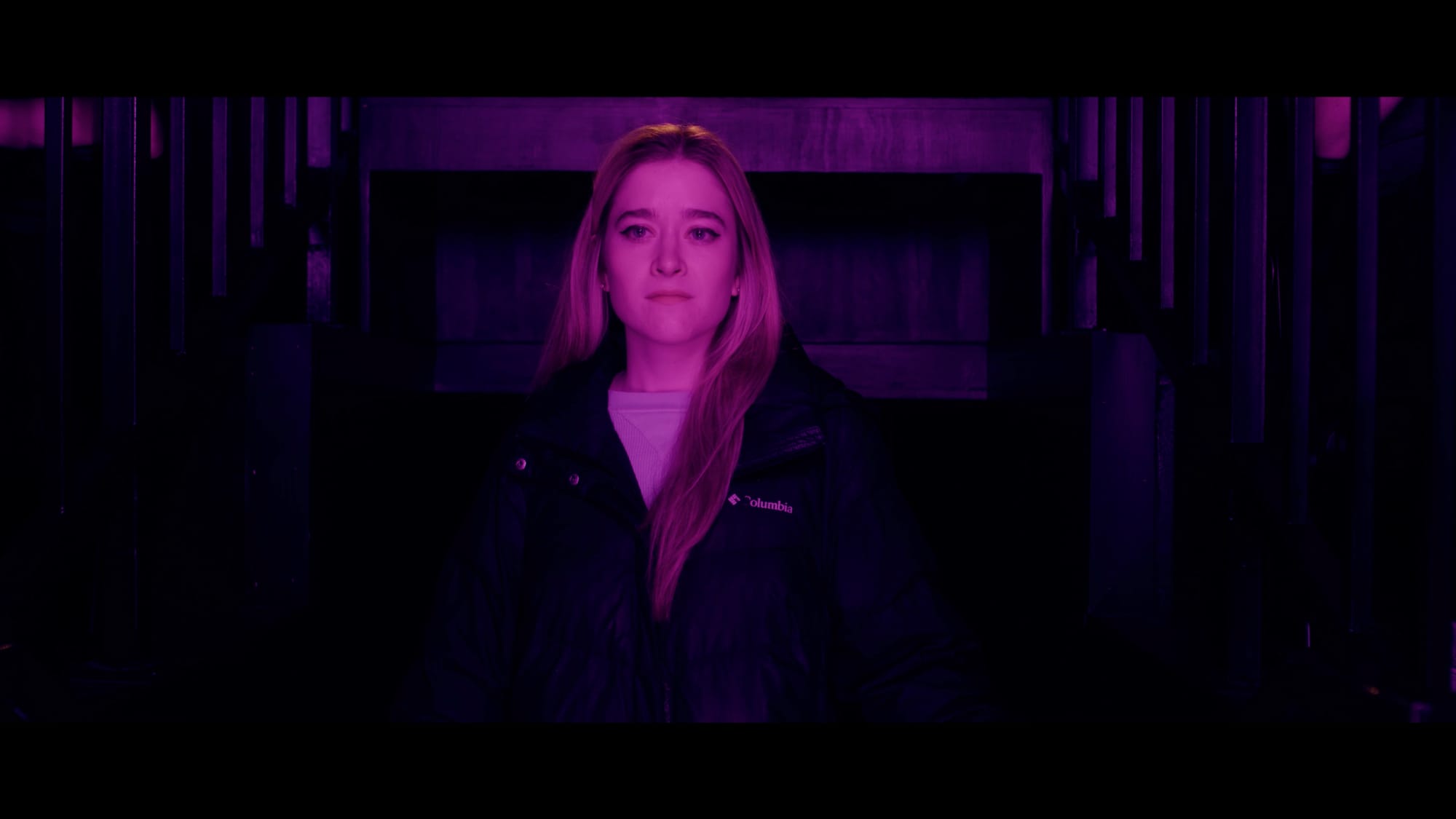
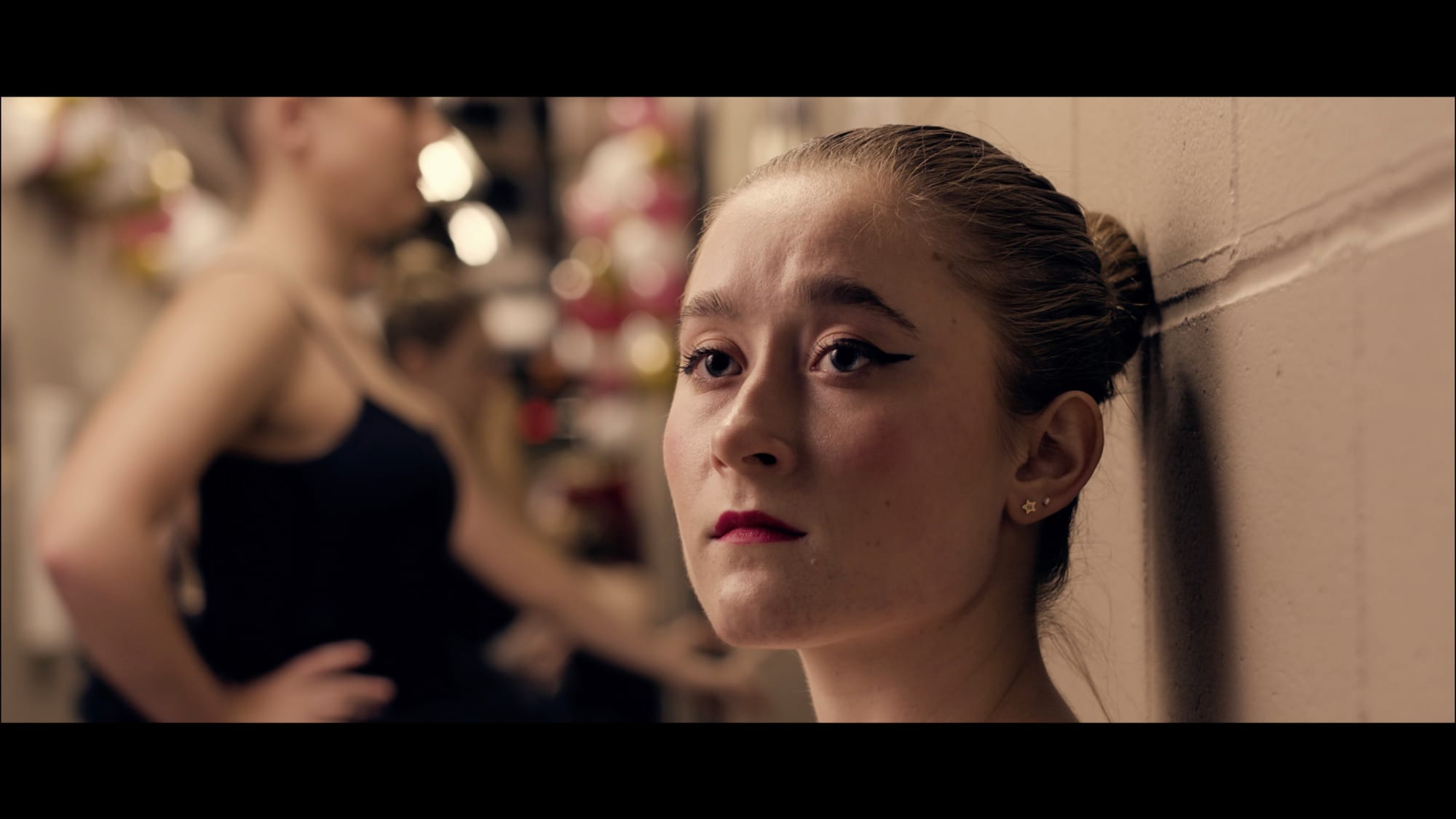
The moment that resonates with me most, in terms of directorial choices, is when the mother chooses another dancer over her own younger daughter. I particularly connected with the decision to hold on Addison's close-up for an extended period as we watch her go through different emotions, building toward her breakdown. It makes the betrayal feel even more devastating, because we have time to experience her emotional journey and understand how deeply this choice affects her.
How does your film fit within, or push the boundaries of, its genre or form?
I think the film sits somewhere between family drama and psychological drama. Rather than relying on conventional dramatic conflicts, it explores the psychological pressure behind competition, parental expectations, and the desire for validation. I'm interested in how seemingly ordinary decisions can have profound emotional consequences, particularly for young people who are still discovering their identities.
The hardest balance was showing the characters' emotional complexity without pushing the audience toward a particular judgment. I wanted each character to have their own perspective, motivations, and contradictions, so viewers could draw their own conclusions. In that sense, the film goes beyond a straightforward coming-of-age story and becomes an exploration of control, ambition, and the emotional cost of pursuing a dream.
What tool, technique, resource, collaborator, or mindset shift helped most during production?
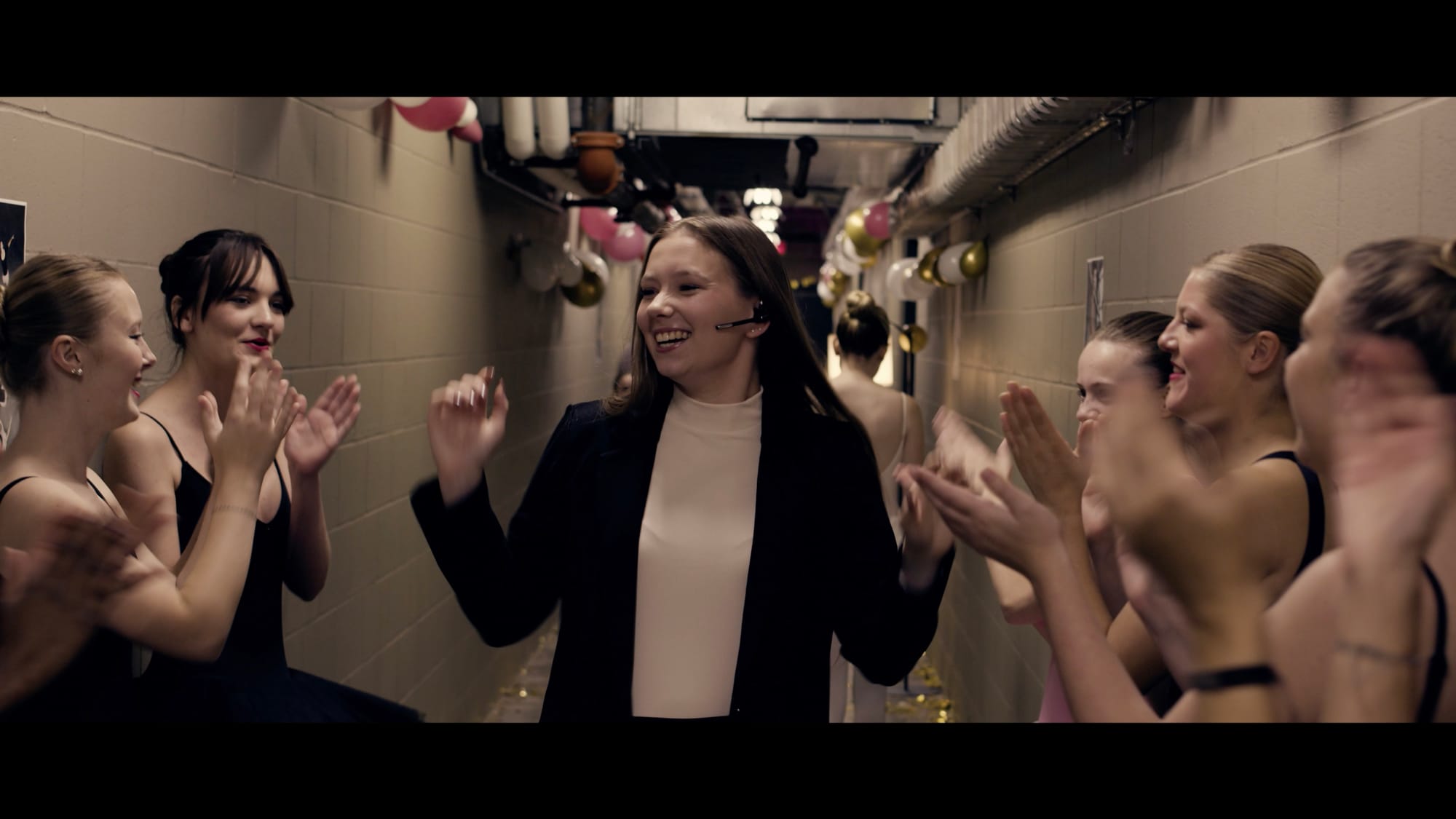
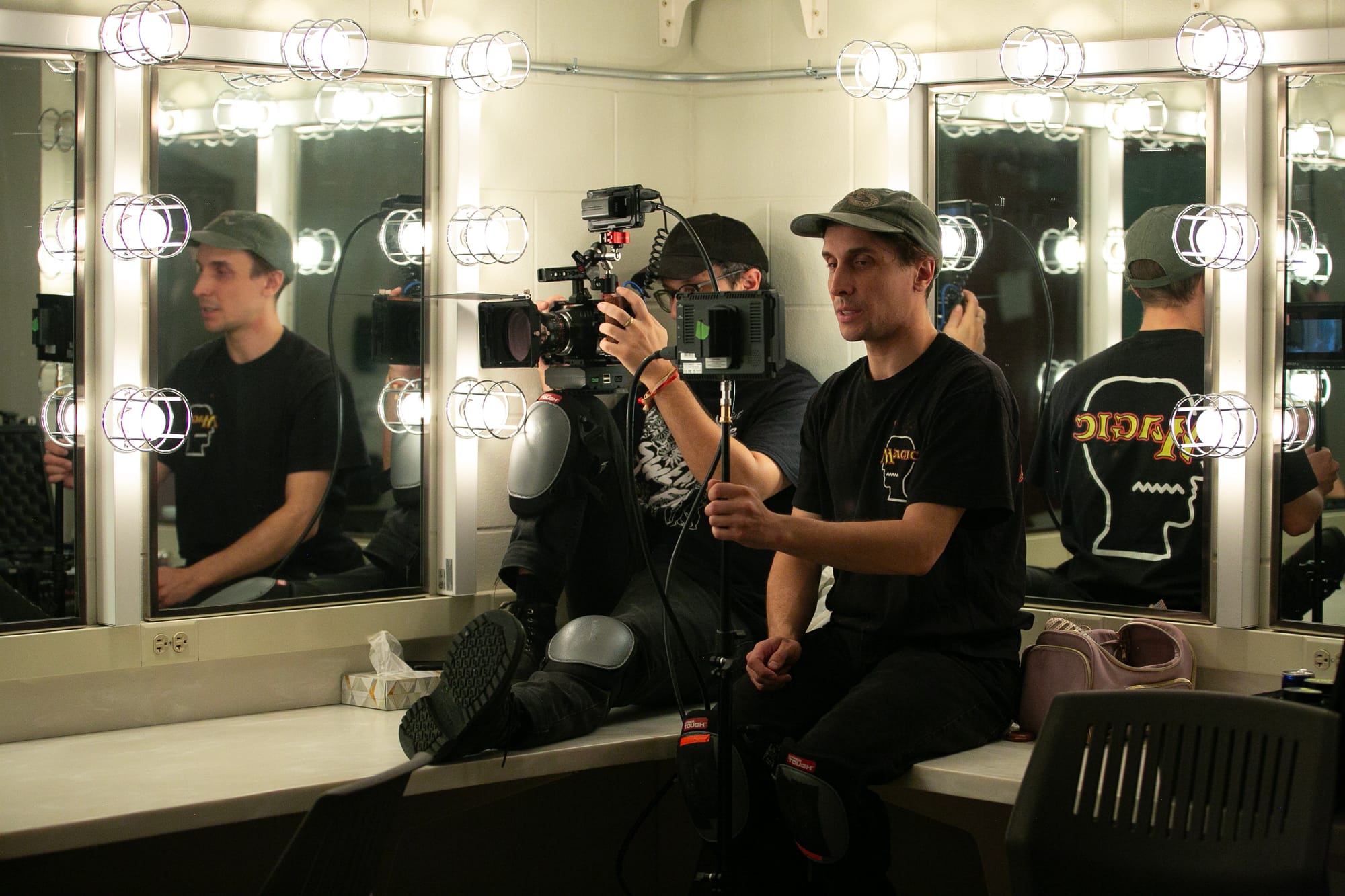
Learning to rely on collaboration and strong communication. For a student thesis film, Harmony was a relatively large production, with around 25 to 30 people on set. Managing a crew of that size was challenging, particularly coordinating the extras and keeping everyone aligned with the schedule. It taught me the importance of preparation, clear communication, and trusting the people around me. I realized that directing isn't just about having a creative vision. It's also about creating an environment where everyone can work together toward that vision.
What is the greatest strength of independent filmmaking, and how did you lean into it on this project?
I think it's the balance between freedom and limitations. You have the freedom to explore stories in your own way, but you also have to work within your budget and production resources. Those limitations keep you grounded and push you to be more creative.
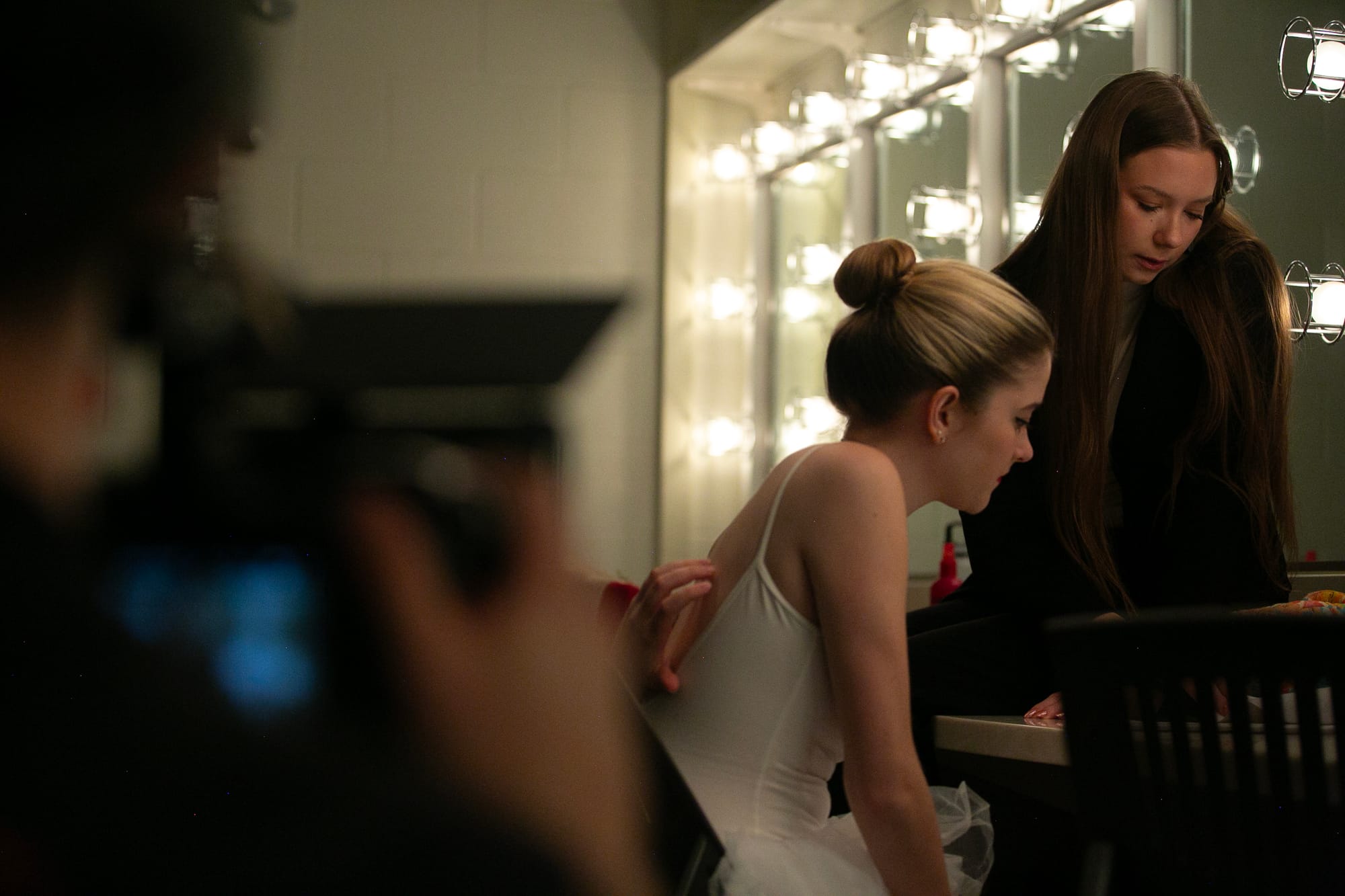
On this project, I leaned into that freedom by spending time with dancers, particularly ballerinas and their parents, and exposing myself to both the beautiful and the challenging sides of the ballet world. I also collaborated with a screenwriter who had personally experienced the competitive nature of ballet. Through our conversations and research, we kept the story observational rather than judgmental.
The biggest lesson I would share is to stay curious and open to the people and experiences behind the story. Sometimes the most interesting discoveries happen when you let real-life complexities challenge your initial assumptions rather than trying to prove a point.
What does it mean to have your film selected for HollyShorts London, and where do you see it going next?
As an independent filmmaker, you put so much of yourself into a project, and having it recognized and given the chance to reach a wide audience is incredibly rewarding. I'm grateful to share the story beyond the community where it was made, connect with other filmmakers, and see how people from different backgrounds respond to the characters. It's also encouragement to keep taking creative risks and telling stories that explore the complexities of being human.
Harmony is at the beginning of its festival journey, and I hope to keep sharing it through more festivals, screenings, and theatrical venues. I'm looking forward to hearing people's perspectives and understanding how the story resonates with different audiences. At the core of all my work is a desire to connect with a wide audience and leave a lasting emotional impact. I want my films to stay with people beyond the moment they watch them, whether they make them think, feel, question, or simply see a part of themselves in the characters and their journeys.
Main Cast & Crew
- Arman Hodasefat: Director and Producer
- Tatum Cacek: Writer
- Emelia Wenzel: Producer
- Auden Lincoln-Vogel, Philip Rapalais: Cinematography
- Jennifer Hogan: "Annie"
- Leigh Ann Erickson: "Kim"
- Stephanie Hogan: "Addison"
- Shelby Landuyt: "Cassie"
Filmmaker Opportunities
💛 Fund your next project with fiscal sponsorship
Have a project in the works? As a 501(c)(3) nonprofit, the Cinematography for Actors Institute can accept tax-deductible donations on your film's behalf — a door-opener for grants, foundations, and supporters who want to back your work. We've serviced over 100 projects to date and helped route over $800,000 in funding to filmmakers. Explore fiscal sponsorship →
📬 Grant deadlines and festival opportunities, straight to your inbox
The CFA newsletter rounds up grants, festival calls, and community news for independent filmmakers — the kind of opportunities that are easy to miss and painful to miss. Join the newsletter →
🎬 Focus on the creative — we'll help with the logistics
Production Management, CFA's newest member program, launches this November: production insurance and workers' comp, payroll, film permits, gear rental coordination, SAG-AFTRA compliance, contract drafting, production consulting, and crew recommendations — handled by a team of working filmmakers, à la carte or all in, in partnership with Creative Access Group. It's waitlist-only until launch. Join the waitlist →
League of Filmmakers is published by our parent organization, the Cinematography for Actors Institute — a 501(c)(3) dedicated to education, community, and capital for underrepresented filmmakers and actors. Learn more about CFA →