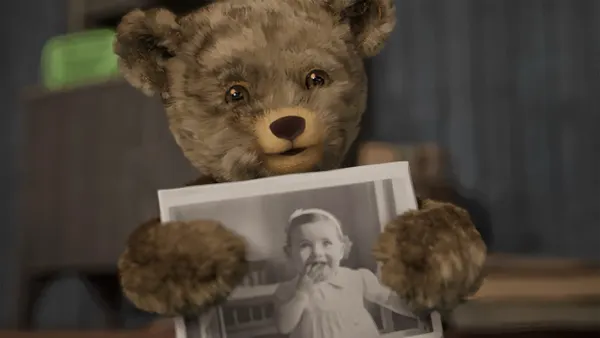
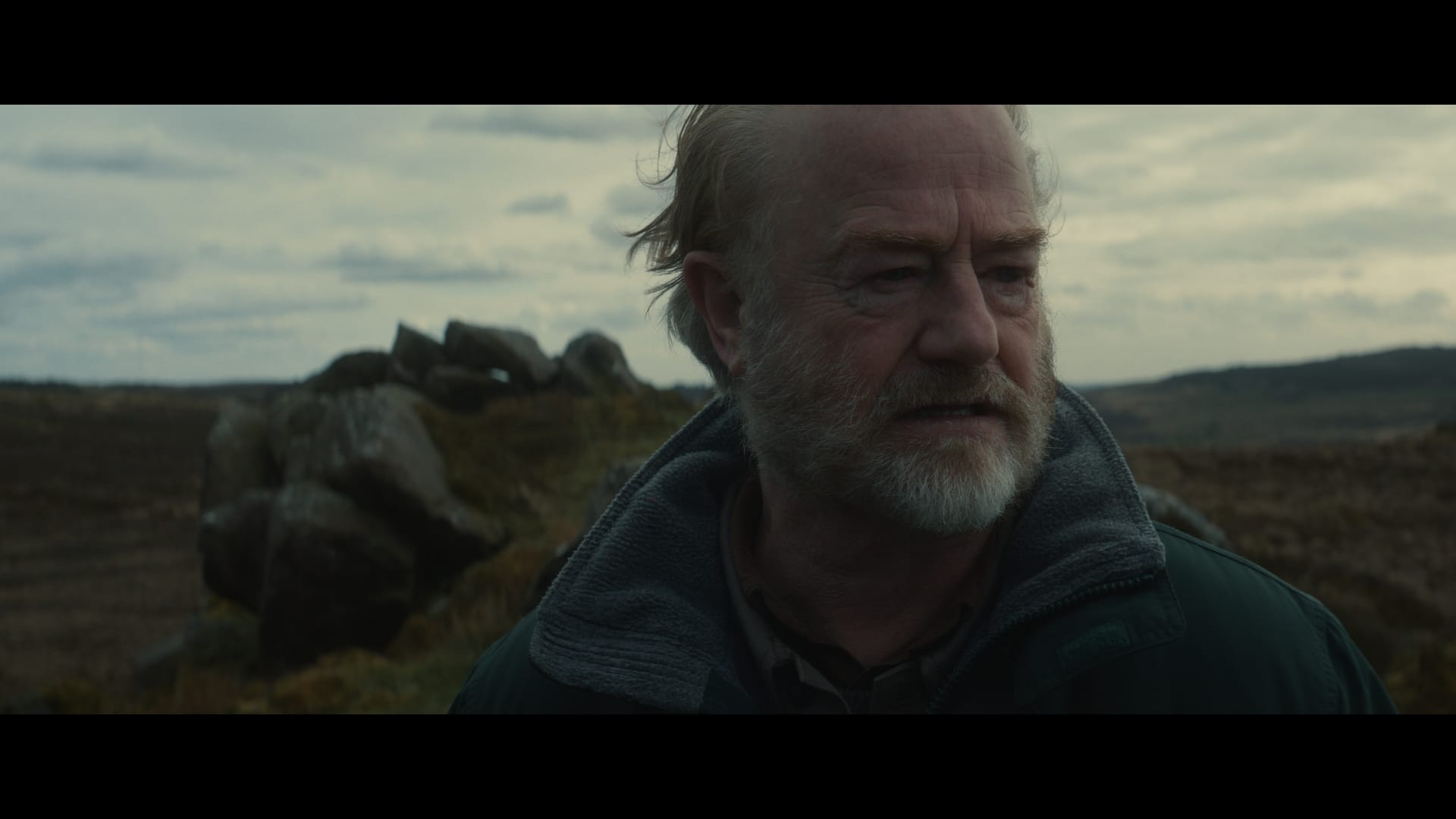
On his daily dog walk in the Peaks, Cary comes across something that shouldn't be there: a giant Monolith, standing where he'd swear there was nothing before. When he brings his family up to see it, the stone has vanished. Only his son, Dru, chooses to believe him and joins the search. Out on the exposed moors, as the mist finally lifts, Cary comes face-to-face not with the stone but with something that has been there all along.
Co-directed by Tamar Saphra and Joe Warner, Monolith moves between drama, sci-fi and magical realism. The directors use those genres "to elevate the story and help its metaphor and character journeys really sing." Their aim was a hopeful film about the widening gap between generations, and an on-screen portrait of a bisexual male character drawn with nuance and compassion. The film has its world premiere at HollyShorts London, and it carries the conviction Saphra names at the core of all her work: a desire to "move hearts and minds."
Key Takeaways
- Monolith uses a vanishing stone as a quiet metaphor for the incremental, often difficult work of connecting with the people we love, and it centers a bisexual male character, a perspective rarely seen on screen.
- The film's emotional climax was shot as a single unbroken take. Saphra drew on her theatre background to choreograph it.
- The production shot in the highest village in Britain in April. The team finished post-production on favours and edited the entire film remotely with editor Tera Dadayan across timezones.
Saphra spoke with us about weather, oners, and the long nights spent finding the "dance" between a father and his son.
Interview
What drew you to make this film, and why this story, why now?
We wanted to tell a hopeful story about bridging the ever-growing chasm between generations, in this case between a father and his adult son. We also wanted to put a bisexual male character on screen. That's something we rarely see at all, let alone represented with nuance and compassion. And we wanted to do this now because hope of this kind can often feel in short supply. The complicated places where we work to connect with our loved ones are so often exactly where change, even if small, really begins.
What surprised you most about the filmmaking process, creatively or logistically?
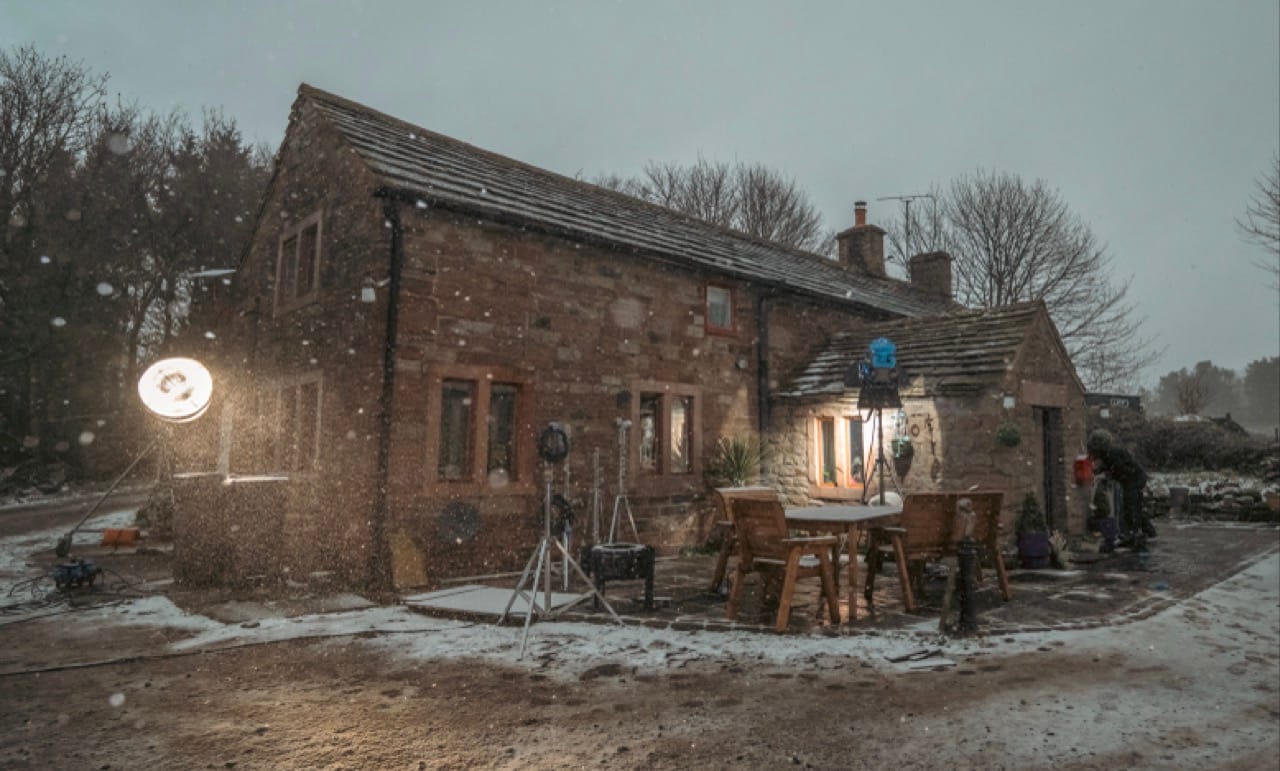
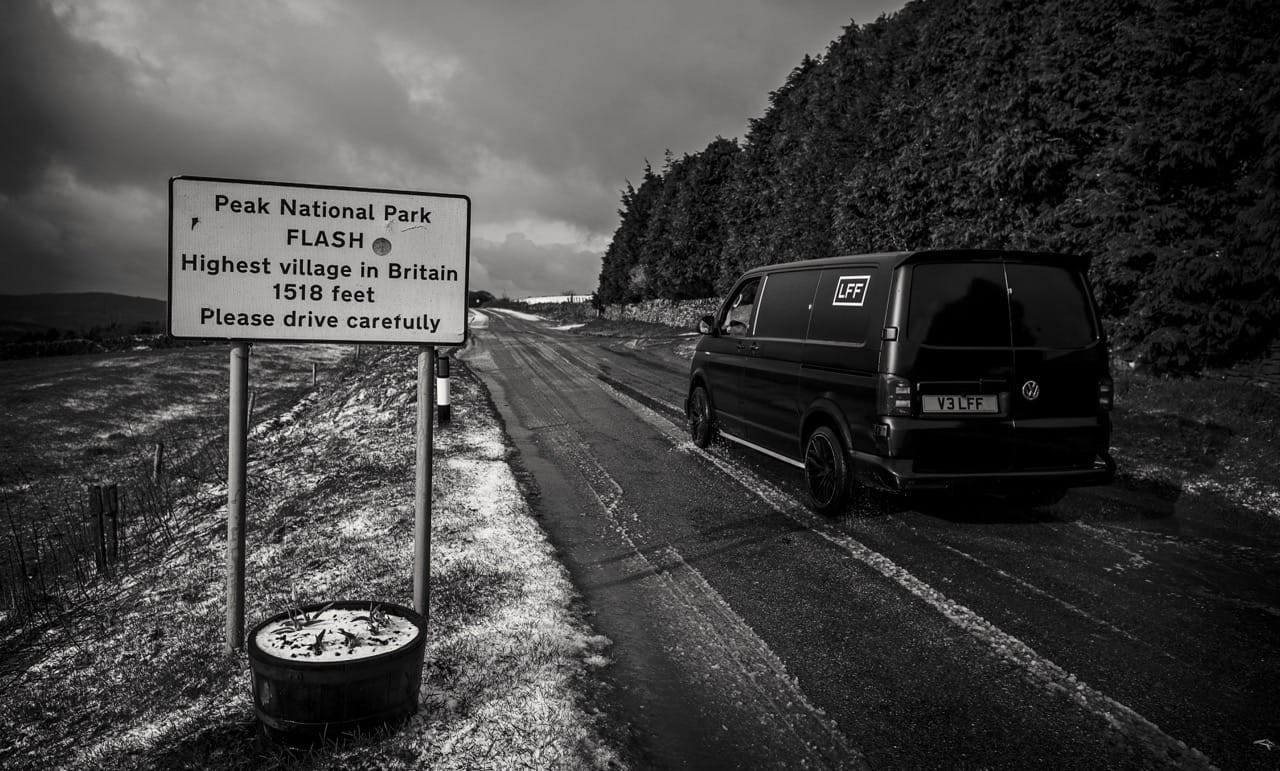
Every filmmaking process throws up new surprises. Our logistical ones were mostly weather-based, which was possibly our fault for shooting in the highest village in Britain in April! In terms of story, we kept discovering new things about our protagonist Cary's experience and journey, both on set and in the edit. An extra wonderful surprise was how generous our collaborators were during post, when we had no funds left and needed to rely on favours.
What moment in the film feels most like you, or like something only you could have made?
As directors, we both share the desire to give our audience the chance to dig deep into their emotional well. For me, without giving away any spoilers, the moment that feels most like me is probably the emotional climax of the film. We shot it as a oner, and, probably because of my theatre background, I relished the careful choreography of that moment. I also loved what the actors were able to reach for, knowing we weren't cutting.
What was the hardest creative decision you made while making the film?
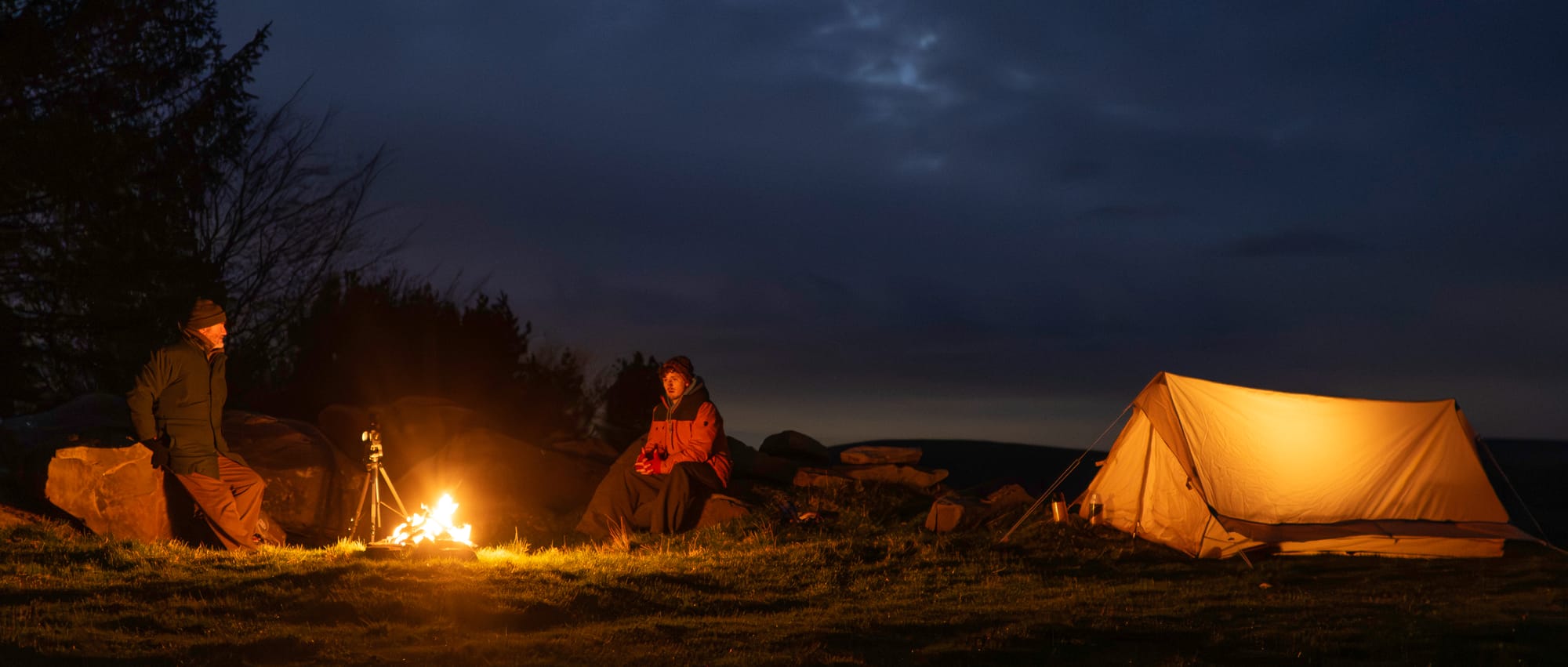
The first one that springs to mind is both the shooting and the editing of our camping scene. It was hard creative work for lots of reasons. We shot it late at night after a huge day outside. It was cold, we had, as always, far less time than we'd have liked, and it's a delicate and intense emotional scene. It was the scene that took us longest to edit. For Joe it was also pretty challenging to watch himself over and over and still keep the creative distance needed to help shape the scene. Finding the "dance" between father and son in this scene was a process of trial and error and experimentation, and of really trusting instinct.
What tool, technique, resource, collaborator, or mindset shift helped most during production?
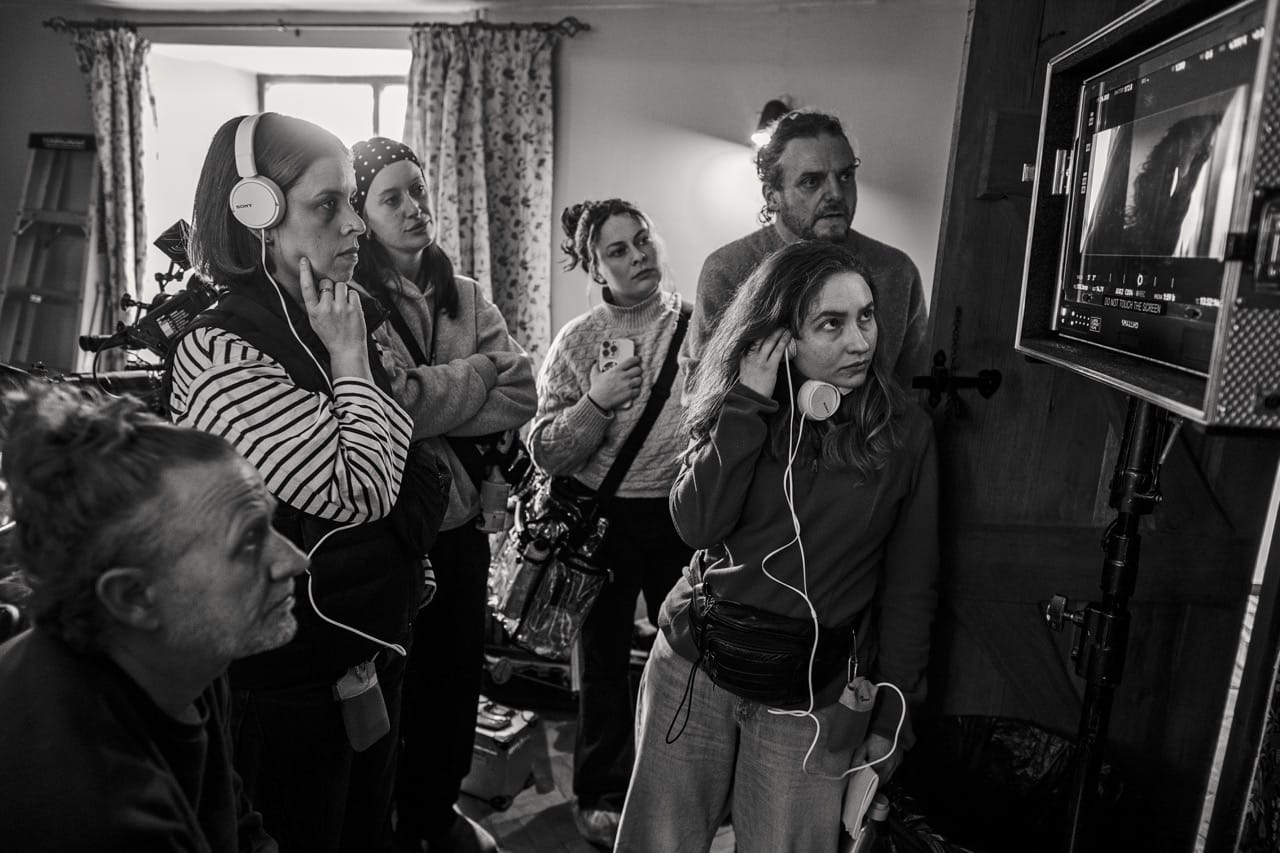
There were many, but I want to give a shoutout to our brilliant editor, Tera Dadayan. We edited the entire film with her remotely, across timezones. She's an absolute powerhouse: talented, sensitive, forthright, and oh so patient. It's not easy editing with two directors!
What is the greatest strength of independent filmmaking, and what lesson would you share with others?
The greatest strength is a shared belief in the work and in the importance of the story you're telling together. No one's paid much, if anything, so most people are doing it for the right reasons. There's certainly a lesson in surrounding yourself with people you know and trust, and balancing that with new collaborators so you're always learning and moving.
What does it mean to have your film selected for HollyShorts London, and where do you see it going next?
This screening is our world premiere, so we're absolutely thrilled to have it at HollyShorts London. Our previous short, House Hunters, screened at the inaugural festival, so we're buzzing to be back, this time with a very different film. After that, hopefully lots of other brilliant festivals! Next up is the Oscar- and BAFTA-qualifying Foyle Film Festival in Derry, Northern Ireland.
Above all, Saphra hopes audiences leave understanding "that the work to reach true connection with our loved ones is incremental and can be extremely hard, but it's so, so worth it." As the film meets its first audiences, she says, their response "has mostly just reinforced to us the importance for us of telling these kinds of stories."
Main Cast & Crew
- Cast: Owen Teale, Annabelle Apsion, Joe Warner, Emily Renée
- Directors: Joe Warner & Tamar Saphra
- Producers: Charlotte Brownlee, Lucy Jessica & Large Format Films
- Directors of Photography: Richard Bell & Joe Ransom
- Composer: Sam Rapley
- Editor: Tera Dadayan
- Casting Director: Harry Gilbert
Filmmaker Opportunities
💛 Fund your next project with fiscal sponsorship
Have a project in the works? As a 501(c)(3) nonprofit, the Cinematography for Actors Institute can accept tax-deductible donations on your film's behalf — a door-opener for grants, foundations, and supporters who want to back your work. We've serviced over 100 projects to date and helped route over $800,000 in funding to filmmakers. Explore fiscal sponsorship →
📬 Grant deadlines and festival opportunities, straight to your inbox
The CFA newsletter rounds up grants, festival calls, and community news for independent filmmakers — the kind of opportunities that are easy to miss and painful to miss. Join the newsletter →
🎬 Focus on the creative — we'll help with the logistics
Production Management, CFA's newest member program, launches this November: production insurance and workers' comp, payroll, film permits, gear rental coordination, SAG-AFTRA compliance, contract drafting, production consulting, and crew recommendations — handled by a team of working filmmakers, à la carte or all in, in partnership with Creative Access Group. It's waitlist-only until launch. Join the waitlist →
League of Filmmakers is published by our parent organization, the Cinematography for Actors Institute — a 501(c)(3) dedicated to education, community, and capital for underrepresented filmmakers and actors. Learn more about CFA →