Table of Contents
Three Key Takeaways
- Santiago Burin des Roziers blends art, activism, and documentary filmmaking to tell a compelling story about ocean conservation.
- The film’s unique underwater museum concept artistically blocks destructive fishing while inspiring a global movement.
- Independent filmmaking resilience and authenticity drove the project from a solitary vision to an internationally recognized festival selection.
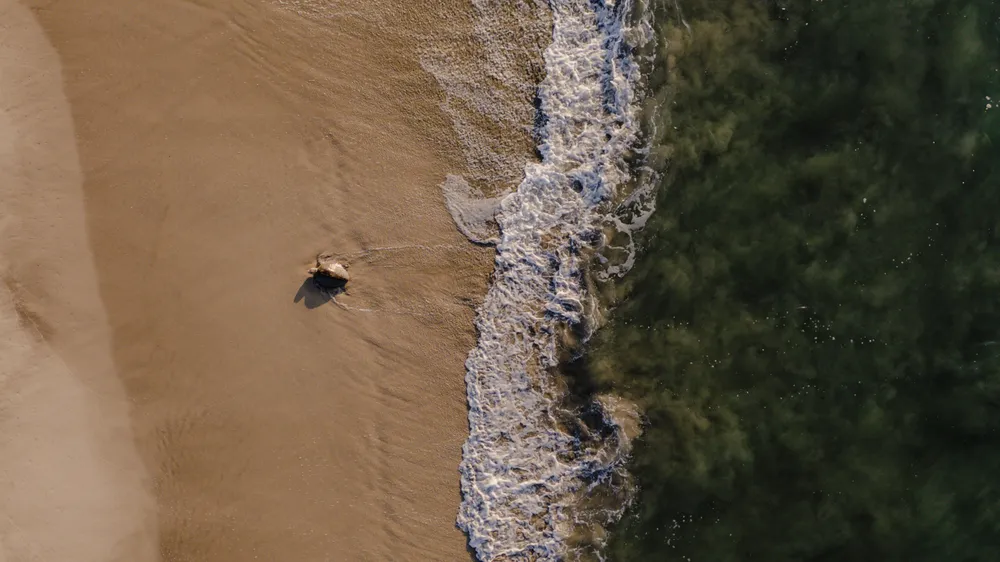
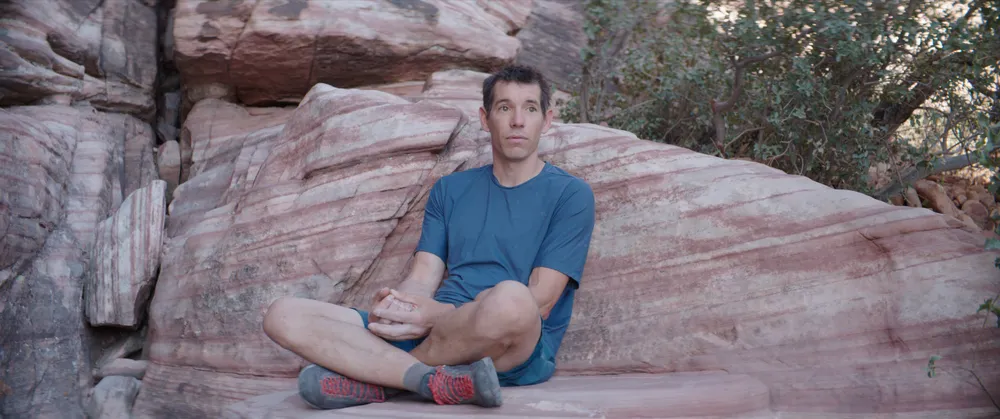
Argentinian-born filmmaker Santiago Burin des Roziers brings a poetic yet urgent conservation story to life in House of Fish, a documentary selected for the Blue Water Film Festival.
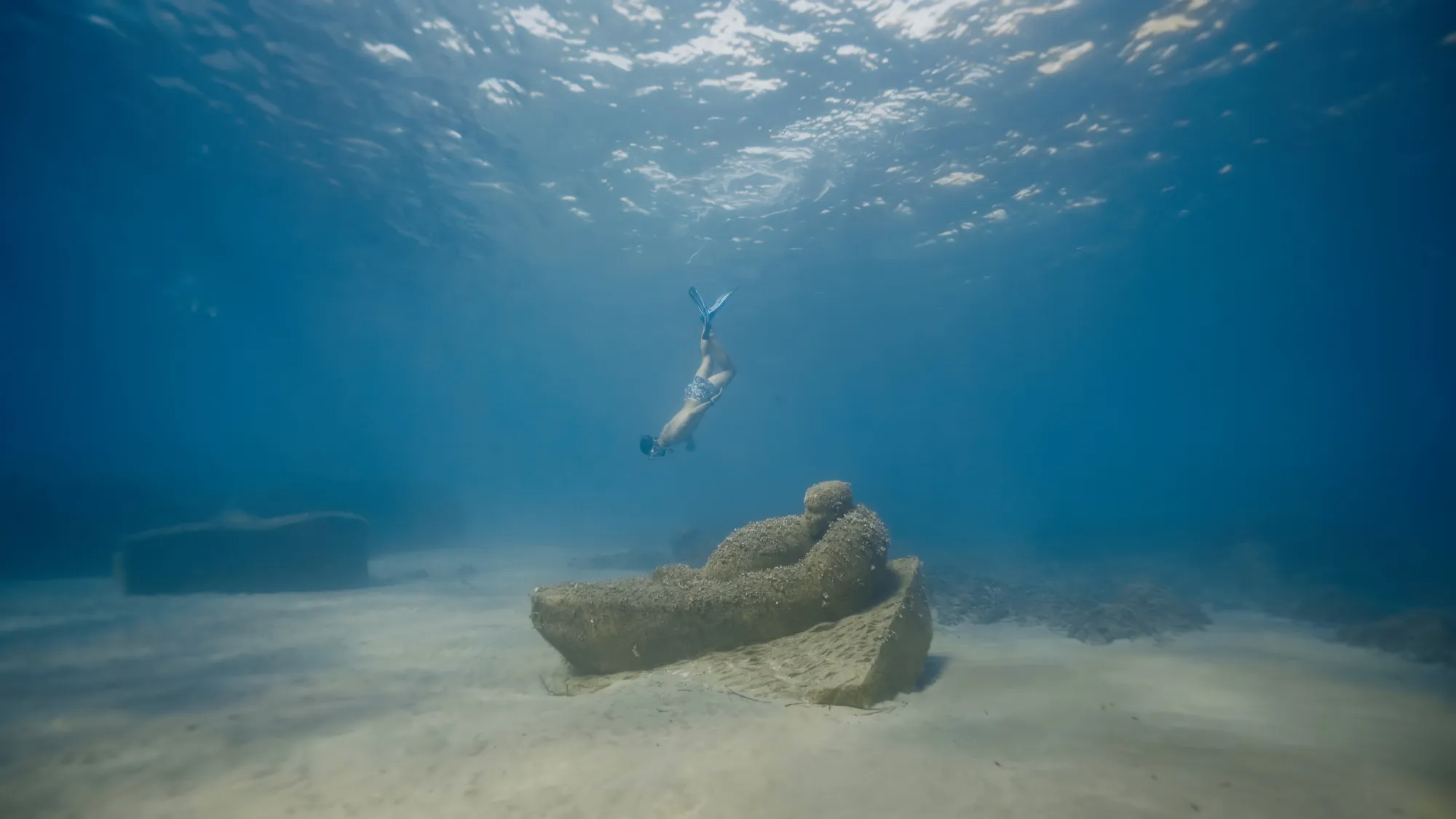
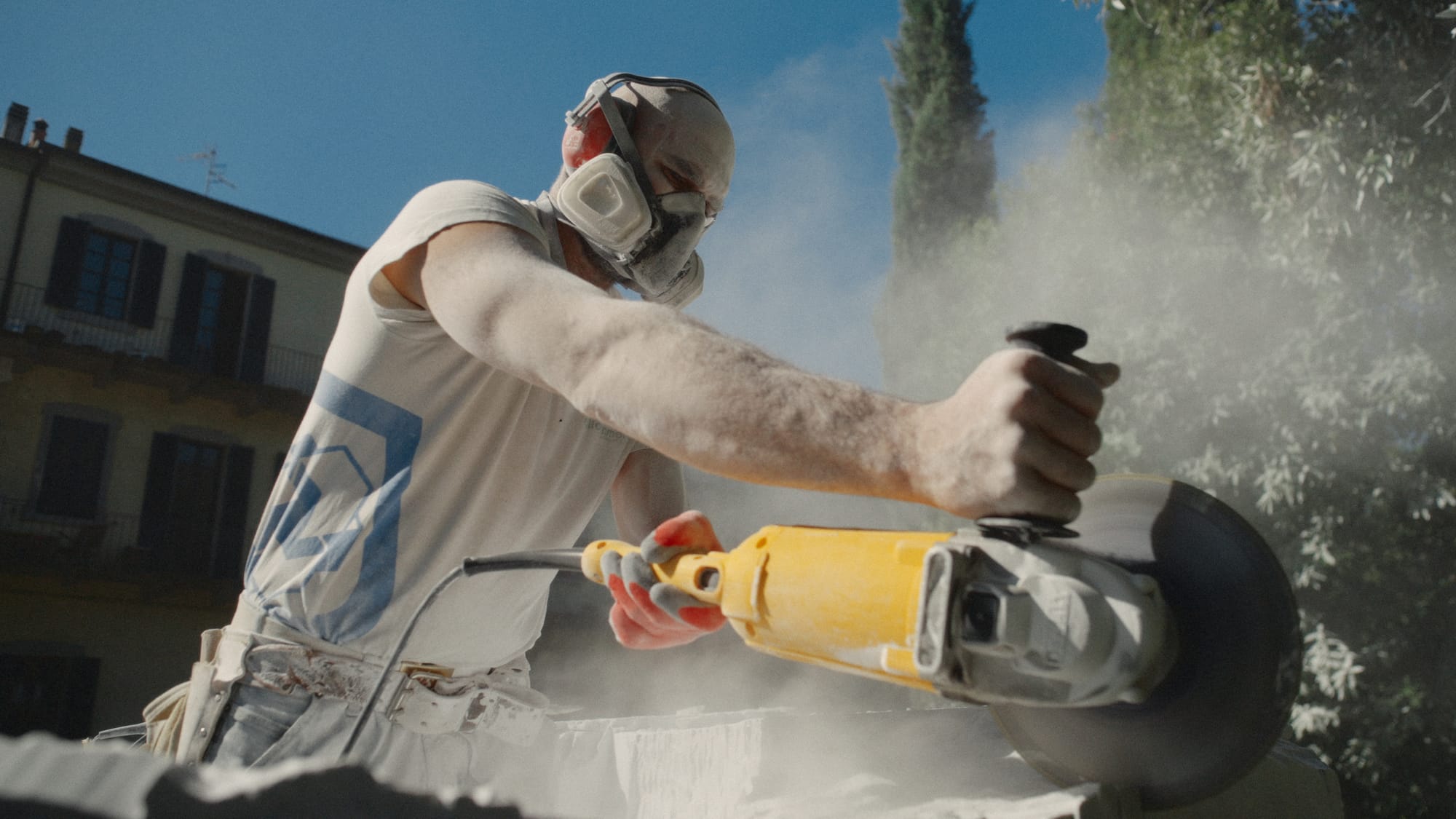
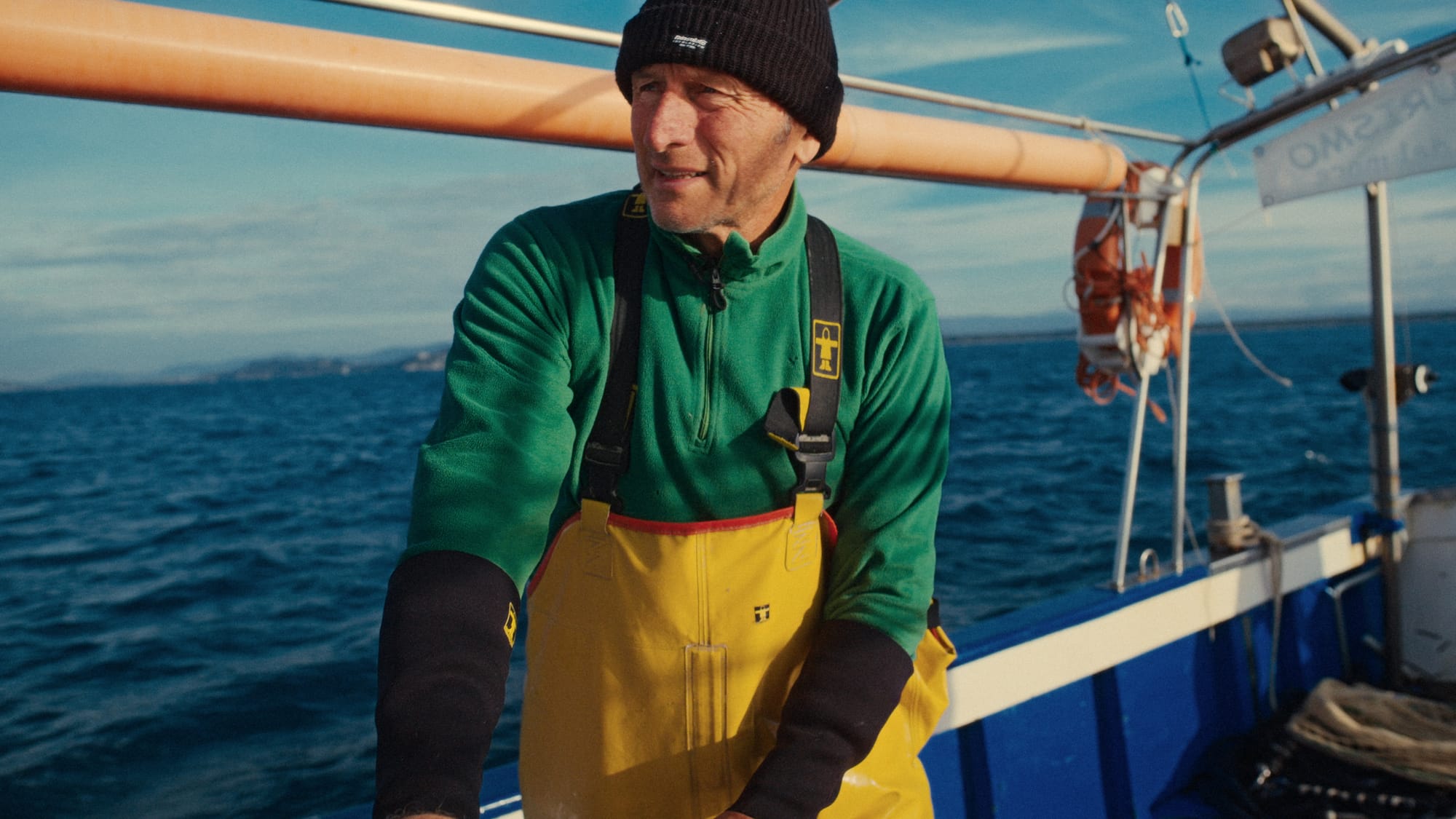
Centered on Paolo Fanciuli, a Tuscan fisherman whose underwater marble sculptures protect the sea from illegal trawling, the film combines breathtaking underwater cinematography with intimate storytelling.
Santiago, who also served as director of photography, worked closely with editor Filippo Mira and composer Thomas Cepeda to create this cinematic ode to the ocean.
Q&A Interview
What drew you to make this film? Why this story, and why now?
When I first came across Paolo's story I was captivated by his passion and dedication. I realised immediately I needed to tell his story. There were so many elements about it that made the story rich and current: the state of the ocean, the art, a passionate lead character and an urgent need for change. The story needed to be told now because the Ocean needs the world's attention right now before it's too late. We must act now.
What surprised you most about the filmmaking process this time—creatively or logistically? Was there a moment on set or in post that completely changed how you saw the story?
It was surprising to see that the trawling fishermen were willing to telling their stories openly. It goes to show that when you approach contributors honestly they'll be open in return. This is what I love about making documentaries: everyone wants to tell their story, it's the human nature.
Is there a moment in the film that feels the most you—something only you could have made?
I can't really say that only I could've done one thing or another. However, I am proud of the fact that the film feels authentic and that the contributors really opened up to me.
What was the hardest creative decision you made while making this film?
The hardest thing was to include (and ask for permission to do so) Pietro's death in the storyline. The death of a son is the hardest thing in the world for a person to deal with, so I was very aware that it would stir up a lot of emotions for Piergiorgio and his family. However, I am glad I did this as it's not only a very important part of the story but hopefully serves as a homage to him.
“When I first came across Paolo's story I was captivated by his passion and dedication.”
What do you hope audiences take away from your film?
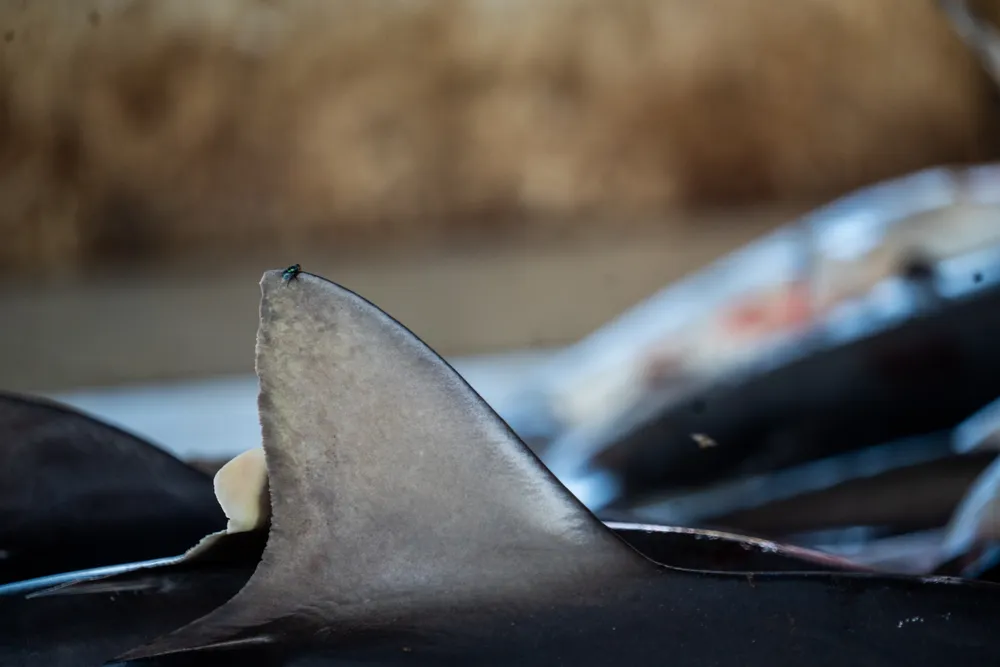
I hope that those who may not have fully understood the destructive impact of trawling can become part of the movement to bring it to an end. At a narrative level, I hope the film motivates audiences to take meaningful action in their own lives—to move beyond awareness and commit to the changes they believe are necessary.
How has this film shaped or shifted the kind of stories you want to tell next?
Making this film has strengthened my commitment to creating work that is not merely compelling to watch, but vital—films that serve an urgent purpose in protecting the environment.
What’s a tool, technique, or resource that really helped you during production?
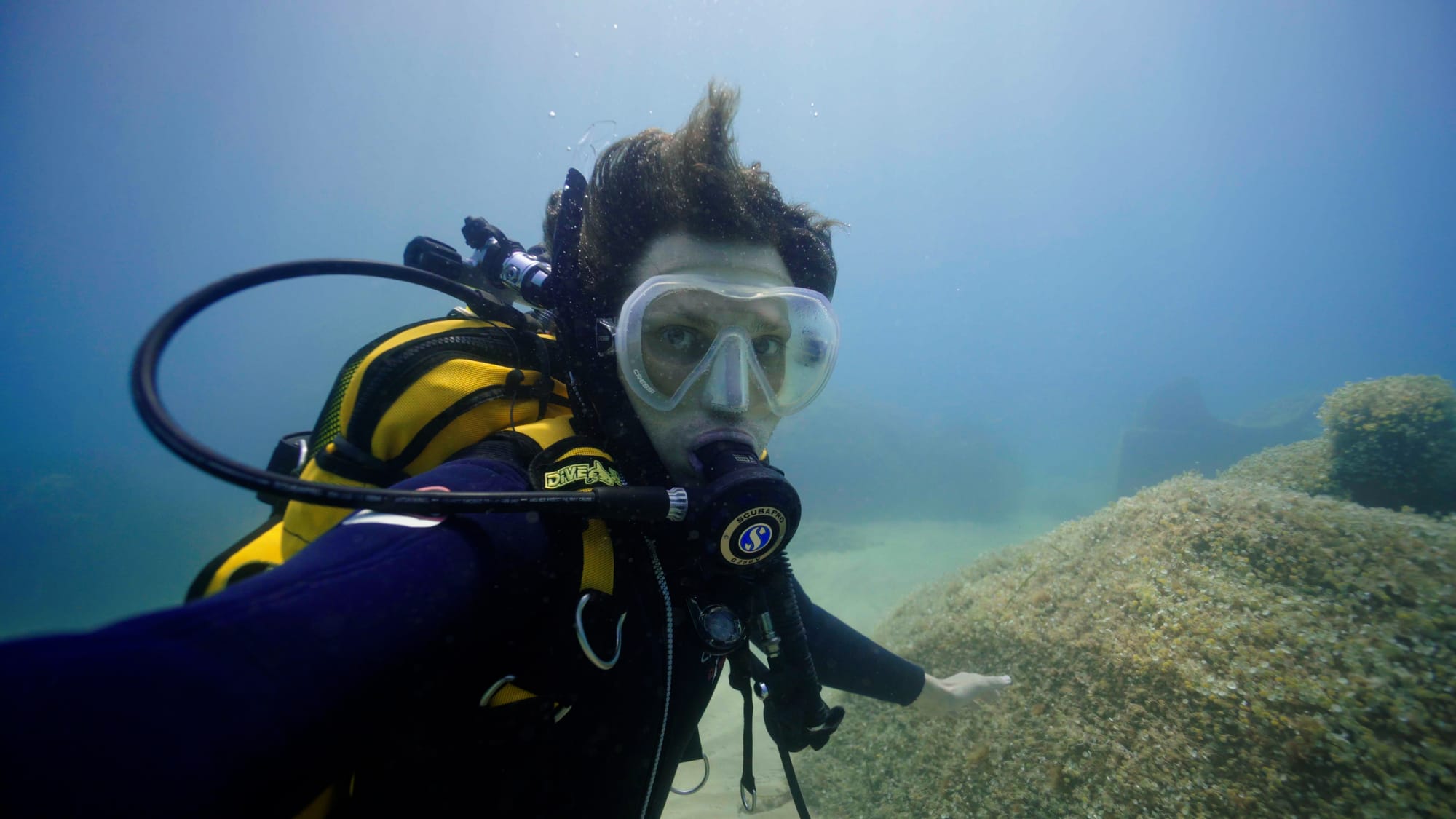
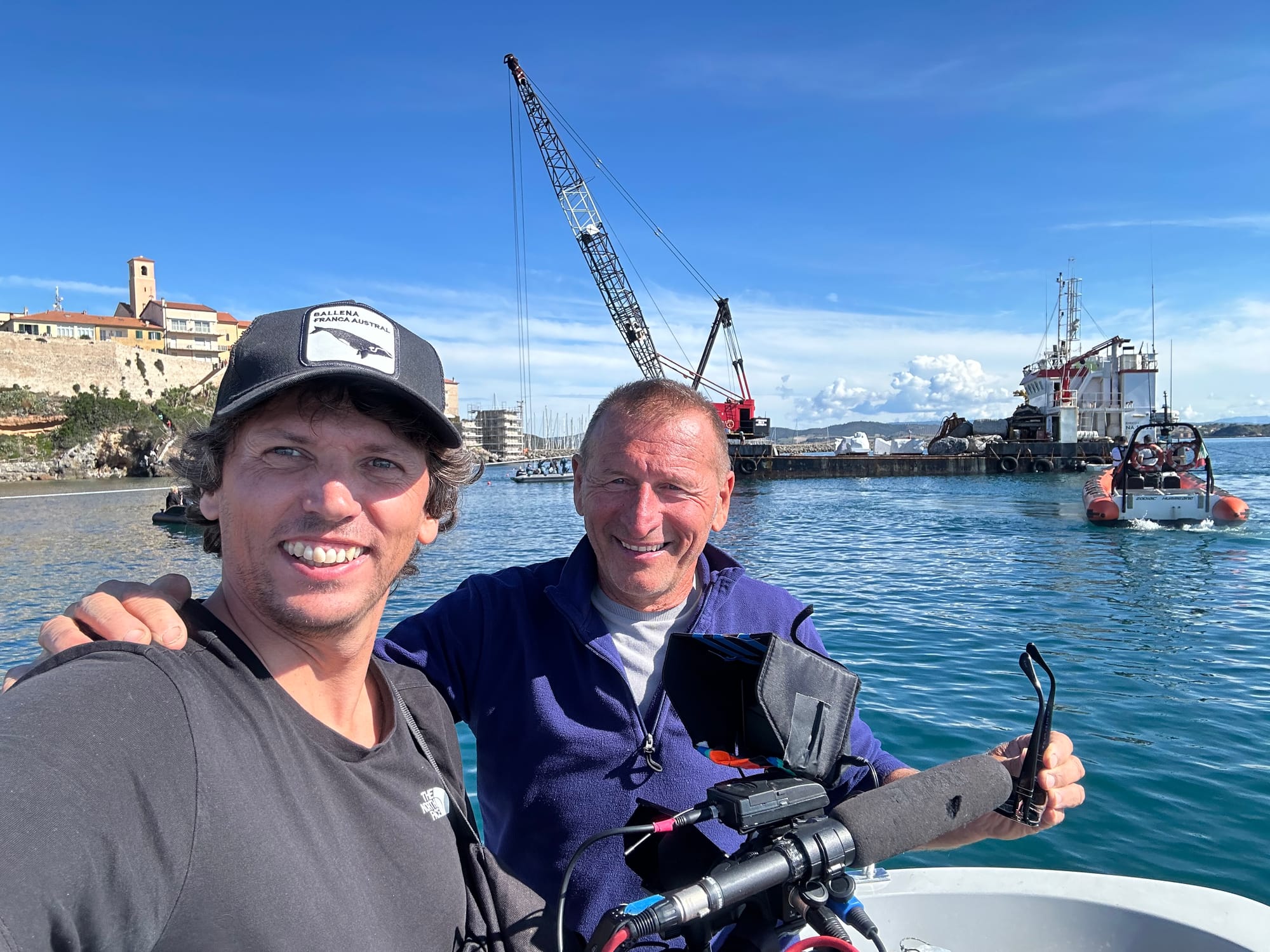
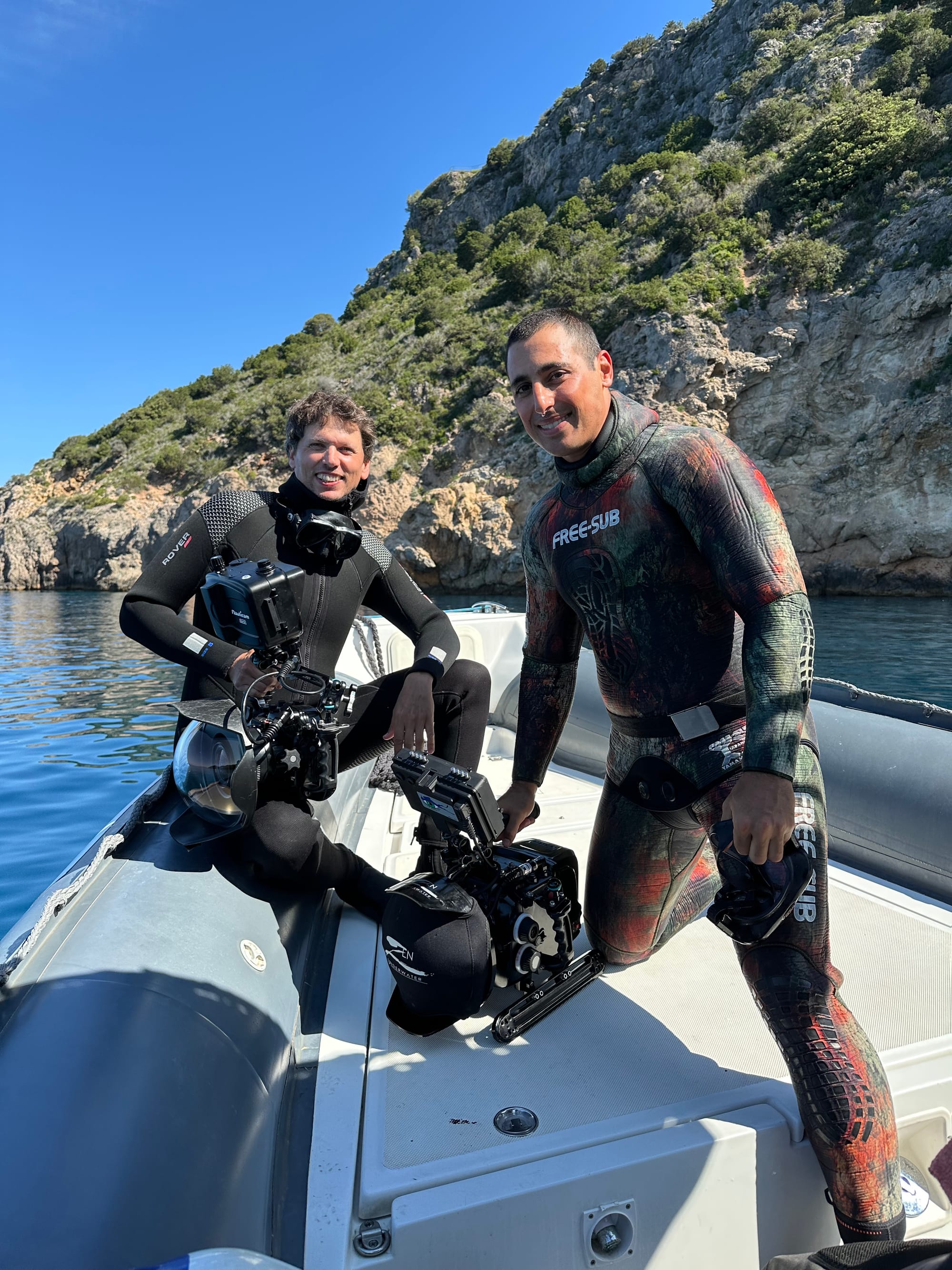
Being a film about the ocean, it was essential to film underwater, so working with an underwater housing was a no-brainer. At first I was doing this entirely on my own but at the later stage of the project I brought in Santiago Cabral, who is a master at his craft. Working alongside him underwater was a privilege and I learned so much.
“Resilience and self-belief are the defining assets of any independent filmmaker.”
Independent filmmakers often rewrite the rules out of necessity. What do you think is the greatest strength of independent filmmaking, and how did you lean into that on this project?
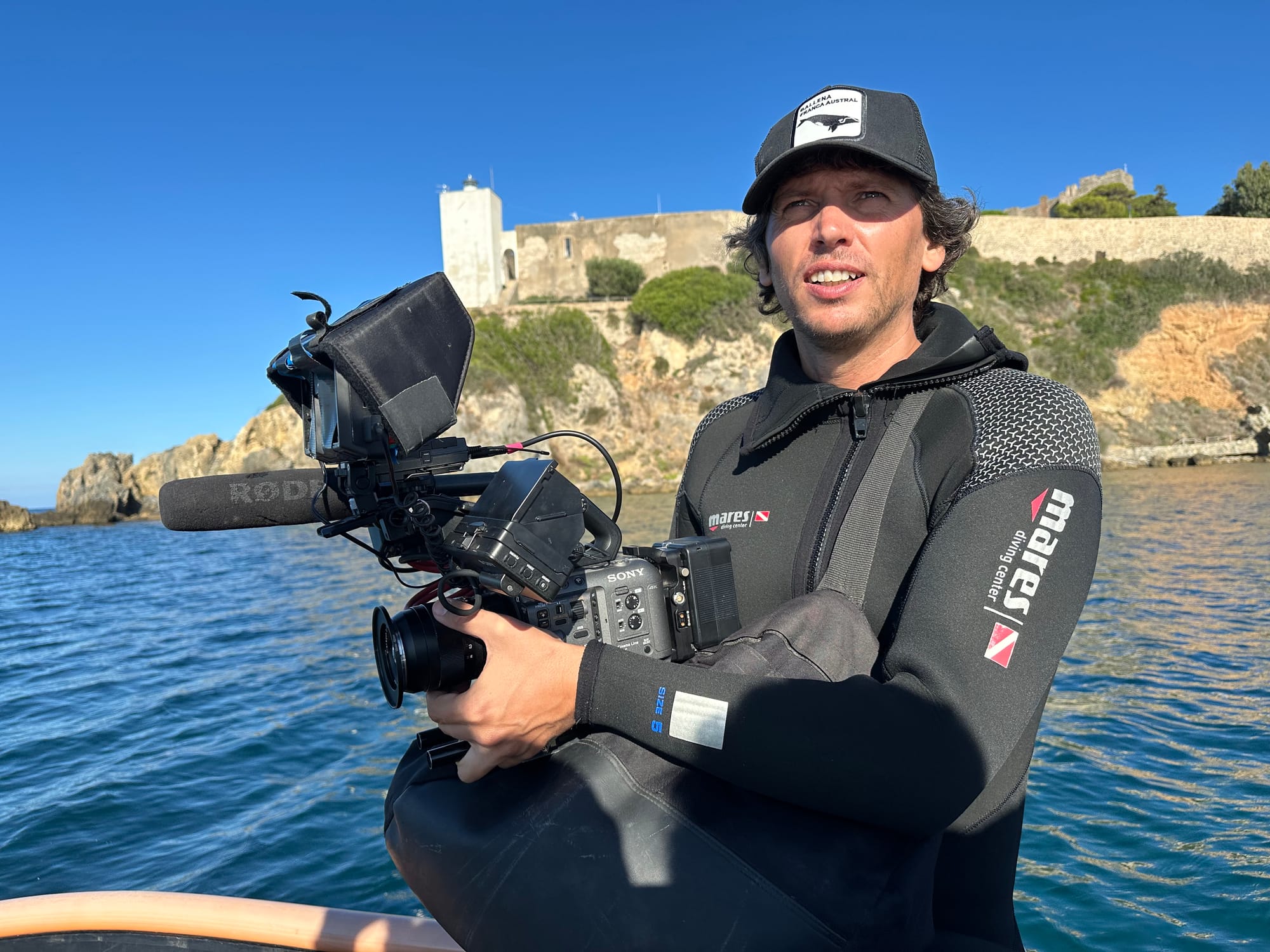
Resilience and self-belief are the defining assets of any independent filmmaker. When I first came across Paolo’s story—an artisanal fisherman in Tuscany—it seemed almost inaccessible, logistically and linguistically complex, and far beyond my immediate reach. Yet I felt compelled to pursue it. I contacted him and, in halting Italian, asked whether he would allow me to tell his story. His response was simple: come to Italy whenever you’re ready—I’ll be here. I’ll admit, I wasn’t entirely convinced he would be. But he was. I travelled alone. I had to learn the language, produce, direct, operate camera, fly the drone, and even dive with underwater equipment—entirely independently. I made three such trips before assembling a teaser strong enough to attract a production partner and financier, which ultimately came in the form of Luke Taylor and Peter Rive. That partnership enabled the next phase: collaborating with editor Pippo Mira, shaping the film’s structure, identifying narrative gaps, and planning a final shoot—this time with a crew. Throughout the process, there were inevitable periods of isolation and doubt. What carried the project forward was persistence and conviction. I had to believe in the film—but, more importantly, I had to believe in myself.
What does it mean to you to have your film selected for Blue Water Film Festival?
It's an absolute honour to have House of Fish selected at Blue Water Film Festival. It's truly humbling to have our film in such a prestigious festival alongside the work of so many talented filmmakers.
How do you hope being part of Blue Water Film Festival will shape the life of this film?
I hope the film reaches those in positions of influence—policymakers and industry leaders—who have the authority to shape decisions and drive meaningful reform around trawling and overfishing. Beyond that, I hope the film can reach a broader audience and inform people who are unaware of what is going on in our Oceans.
Where do you see this film going next?
The film will continue its festival run and we hope to bring it to a wider audience through a distribution deal.
“I hope that those who may not have fully understood the destructive impact of trawling can become part of the movement to bring it to an end.”
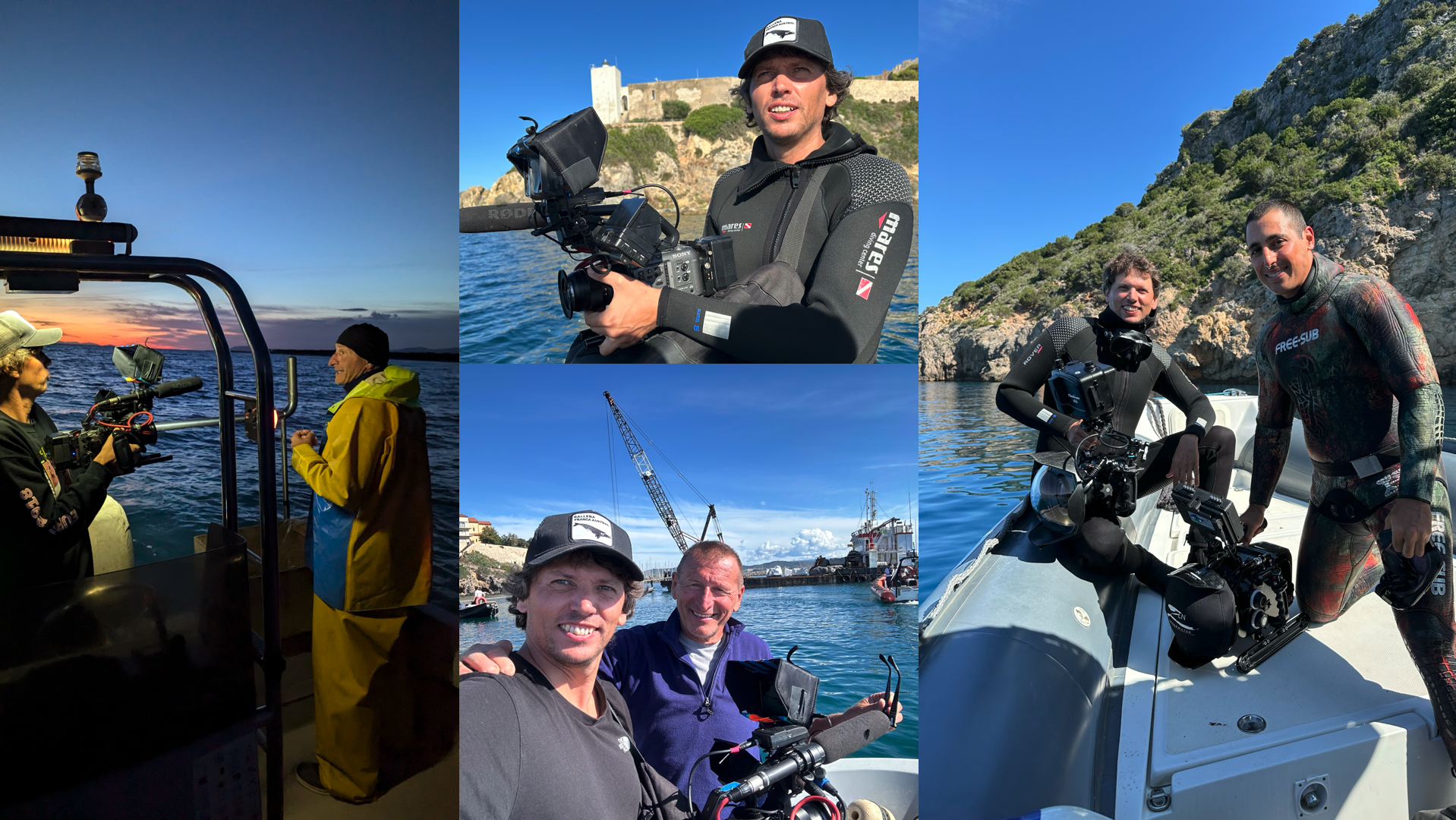
At the core of all my work is a desire to tell compelling stories, through an honest lens.
Cast & Crew
- Peter Rive — Executive Producer
- Luke Taylor — Producer
- Ward Trowman — Producer
- Stefan D’Bart — Producer
- Filippo Mira — Editor
- Thomas Cepeda — Music Composer
- Santiago Cabral — Underwater Cinematographer
- Vlad Jakovlev, Juan Pablo Rasore — Camera Operators
- James Pople — Associate Producer
- Company3 London — Colour Grading
- Steffan Perry — Colorist
- Massimiliano Santillo — Sound Recordist