Table of Contents
Three Key Takeaways
- The film spotlights Indigenous-led energy independence efforts rooted in the NoDAPL movement.
- Nicholas Mihm’s storytelling emphasizes emotional depth and real-world social impact.
- Independent filmmaking thrives on adaptability and learning new skills under resource constraints.
Nicholas Mihm, an Emmy-nominated director and producer, brings a powerful story of Indigenous resilience and innovation in his episode SAGE from the series How to Change the World.
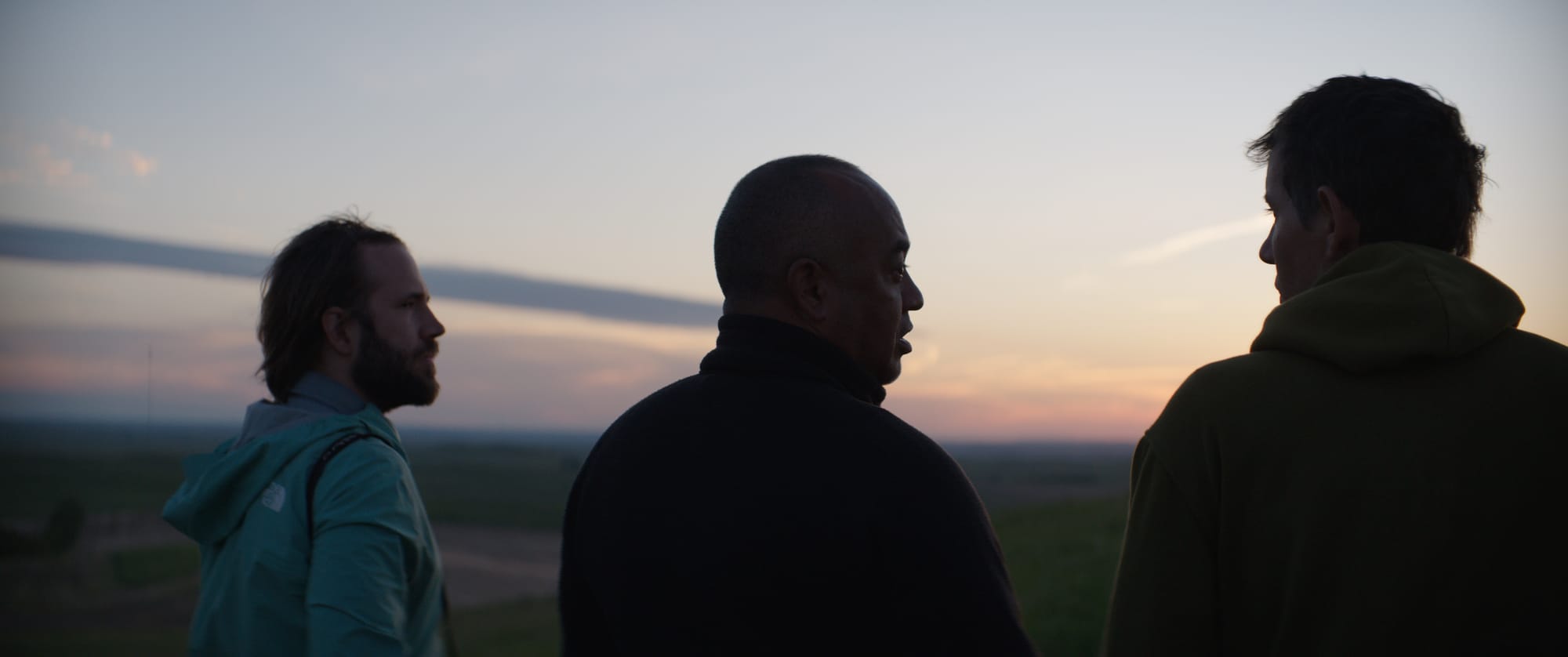
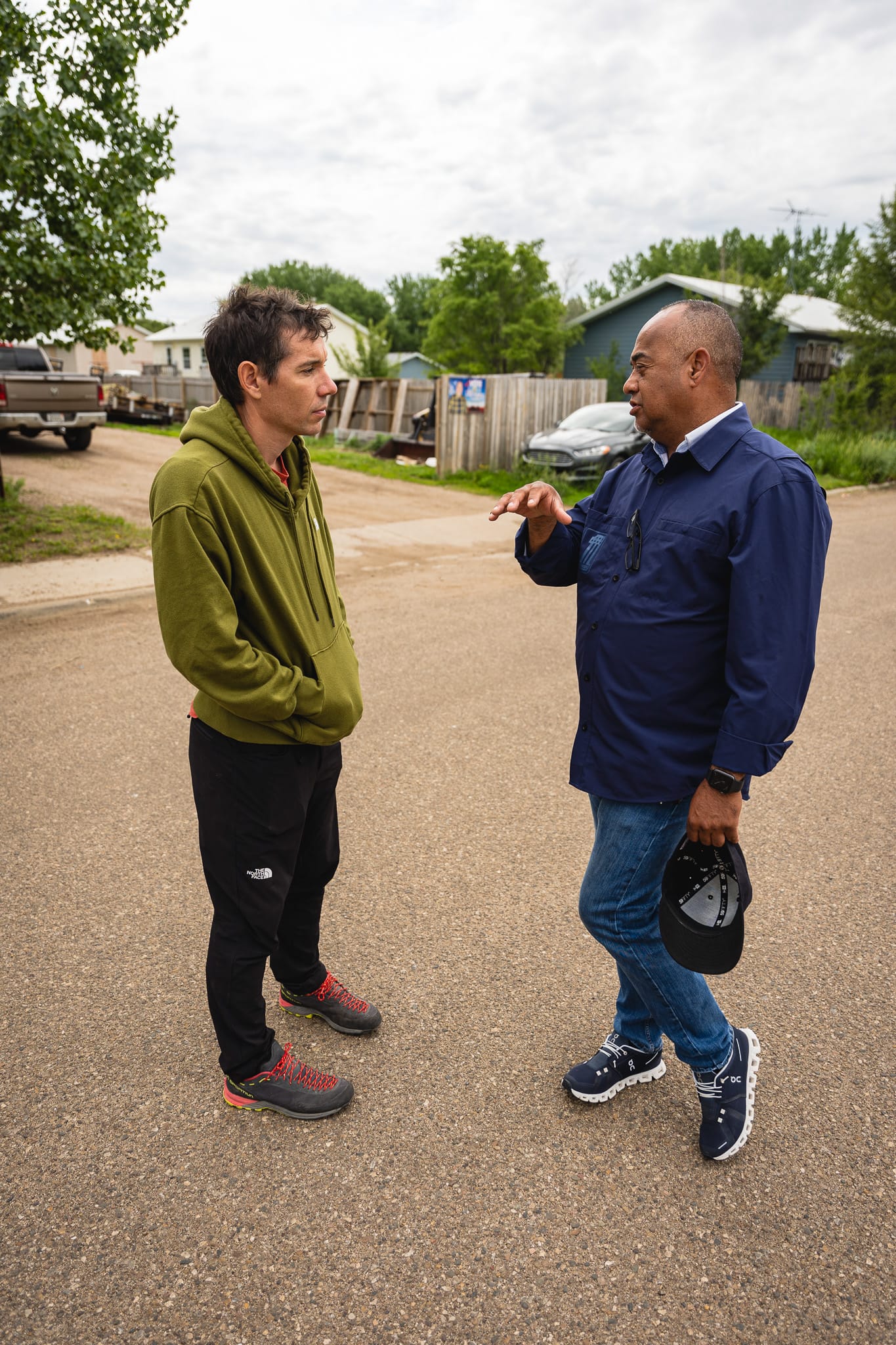
The episode centers on Joe McNeil Jr., CEO of the Standing Rock Sioux Tribe’s SAGE Development Authority, and professional rock climber and environmentalist Alex Honnold as they collaborate to bring renewable energy and economic opportunity to the Standing Rock Nation.
The project is a collaboration between World Within Studios, Religion of Sports, and other impact-driven creatives, now featured at the Blue Water Film Festival.
Q&A Interview
What drew you to make this film? Why this story, and why now?
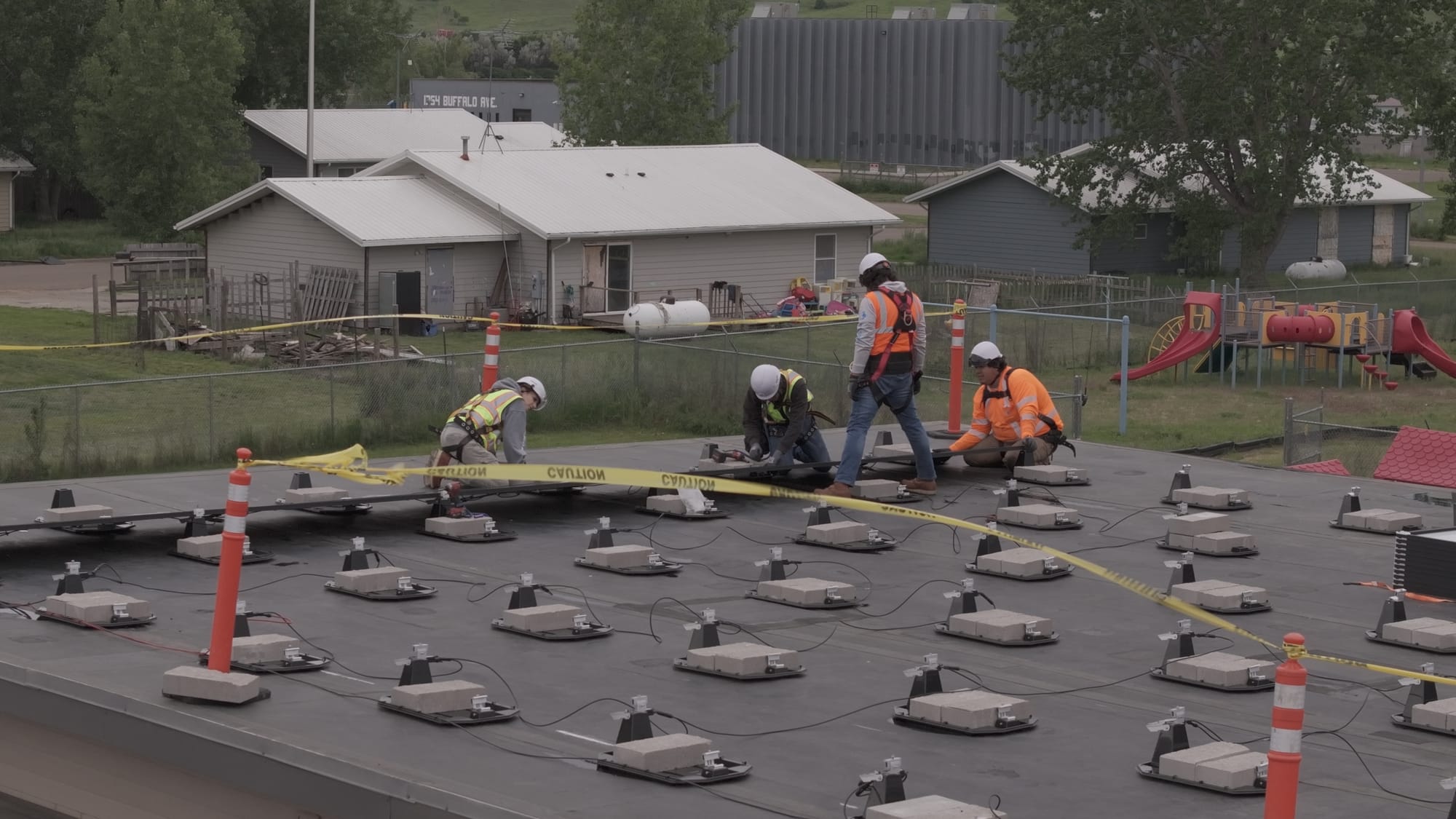
How to Change the World was produced by World Within Studios. The series is the flip-side of the founders/startup culture we've seen in WeCrashed, Super Pumped: The Battle for Uber and The Dropout. Our show shines a light on the positivity of entrepreneurship. As filmmakers, we're in the business of telling entertaining stories that empower. We believe that's what the world needs. Whether we're profiling a small brick and mortar beverage start-up or a Lakota founded green energy company that is bringing energy independence to the Standing Rock Nation, we filter the story of each company through the emotional life of a principal at the company. The series is unlike any other because the stories in each episode continue after the credits roll in the form of real world impact and fund raising for each individual non-profit related to each company.
What surprised you most about the filmmaking process this time—creatively or logistically? Was there a moment on set or in post that completely changed how you saw the story?
What surprised me most about the filmmaking process this time was the high stakes involved. For some, it might just be a television show, but for many of the communities we feature, these stories are a matter of life and death. The courage and perseverance of our subjects is truly inspiring. Take Joe McNeil and SAGE, for example; their long-term success could dramatically alter the economic future of the Standing Rock Nation. They are driving transformational change from within a community that has has too often faced significant injustice from the outside world.
Is there a moment in the film that feels the most you—something only you could have made?
In this episode, the way we edit archival footage has become a go-to technique for me on several documentary projects. The style and pacing not only provides context and information - but also injects feeling and energy into the story. I never want eyes to glaze over when watching our archival sequences. I want to move people. While it's not a skill that's exclusive to me, I take great pride in it.
What was the hardest creative decision you made while making this film?
In every edit, there are always beautiful moments that get left on the editing room floor.
"The courage and perseverance of our subjects is truly inspiring."
What do you hope audiences take away from your film?
I hope audiences realize that social impact doesn’t always have to come from non-profits or NGOs. These social entrepreneurs show that meaningful change can emerge from anywhere and take on many forms. While our series is titled How to Change the World, it doesn’t mean you have to tackle a massive global crisis, you can start by sparking change in your own community. Changing the world can mean providing education and economic opportunities in the South Side of Chicago to help reduce gun violence, or creating rooftop farms in Montreal to address food insecurity. Starting small can lead to much bigger things.
How has this film shaped or shifted the kind of stories you want to tell next?
As a filmmaker, my guiding principle has always been to address significant and pressing social issues through impactful stories that resonate on a personal level. Whether it's exposing corporate greed and environmental pollution through the eyes of a grieving mother, or telling the story of the Iranian Revolution through the experience of a an exiled politician, it is the depth of these characters that I'm drawn to. I am proud that each episode of How to Change the World embodies that ethos, and I can speak for myself and our team at World Within that we are committed on continuing down that path.
What’s a tool, technique, or resource that really helped you during production?
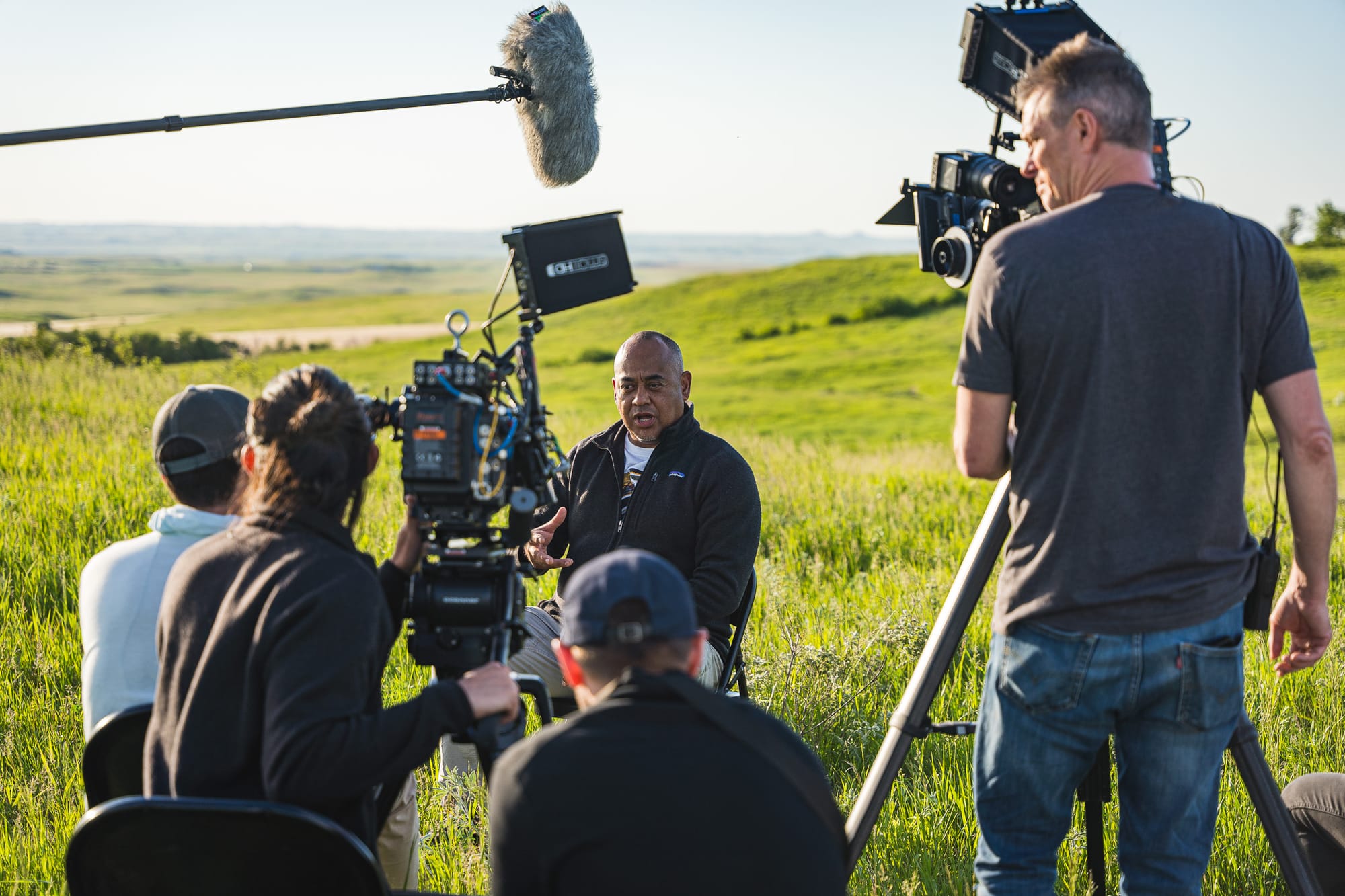
Though we didn't use it on every episode, the DJI 4D Cinema Camera opened up a lot of doors for our nimble team without sacrificing production value. That piece of equipment almost feels like a cheat code and I plan on using it a lot for future projects.
Independent filmmakers often rewrite the rules out of necessity. What do you think is the greatest strength of independent filmmaking, and how did you lean into that on this project?
When resources are limited and you can’t bring in the specialists, it’s never too late to learn a new skill and do it yourself.
"I never want eyes to glaze over when watching our archival sequences. I want to move people."
What does it mean to you to have your film selected for Blue Water Film Festival?
We are honored to have been invited to tell the story of these inspiring, and innovative communities!
How do you hope being part of Blue Water Film Festival will shape the life of this film?
I hope we can expand our network and create direct impact for the work that SAGE is doing for the Standing Rock Nation.
Where do you see this film going next?
We intend to screen our SAGE episode and the rest of our episodes to as many audiences in the impact space as possible. We then plan on bringing it to a wide audience through broader distribution.
"Social impact doesn’t always have to come from non-profits or NGOs. These social entrepreneurs show that meaningful change can emerge from anywhere."
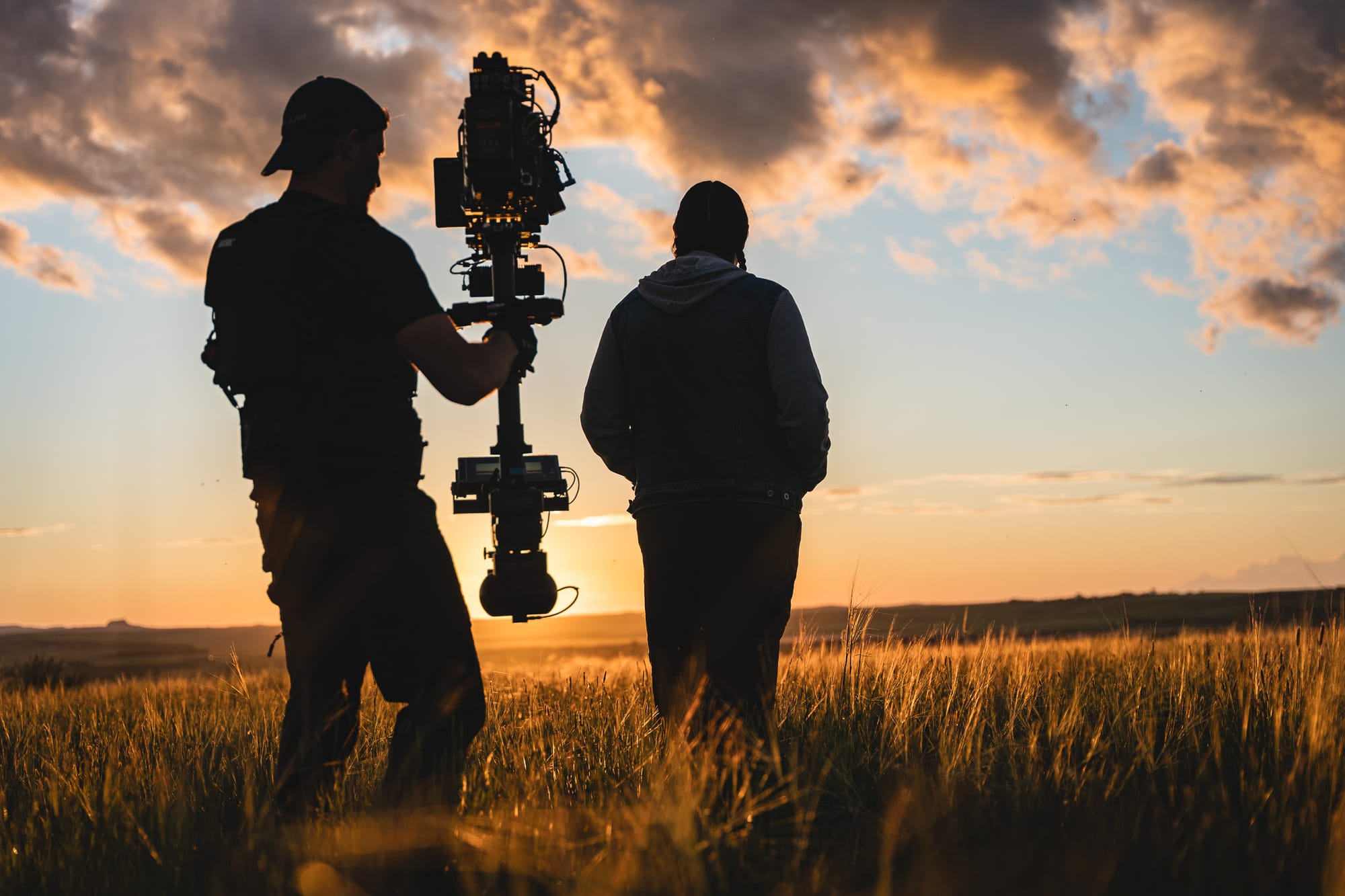
“At the core of all my work is a desire to learn and do better than I did the last time.”
Cast & Crew
- Joseph McNeil Jr — Enrolled citizen of the Standing Rock Sioux Tribe and founder/CEO of SAGE Development Authority, championing Indigenous economic growth and energy independence.
- Alex Honnold — Professional rock climber and founder of the Honnold Foundation, focusing on equitable renewable energy access.
- Dylan Mulick — Executive producer, co-creator, and showrunner with a background in sports documentaries and impactful storytelling.
- Rostam Zafari — Executive producer and co-creator, blending impact investing with storytelling.
Important Links
- SAGE Development Instagram
- Honnold Foundation Instagram
- World Within Instagram
- World Within Website
- Honnold Foundation Website
- SAGE Development Website
With How to Change the World | SAGE, Nicholas Mihm and his collaborators at World Within Studios have crafted more than a documentary episode—they have created a catalyst for change. The film not only elevates Indigenous voices and innovative entrepreneurship but also exemplifies how independent filmmaking can be a potent tool for social impact. As this project continues to reach audiences through festivals like Blue Water and beyond, its message resonates: transformation begins within communities empowered to reclaim their futures.
For Mihm, the journey is ongoing, driven by a commitment to learn, to improve, and to illuminate stories that matter. Through this work, he invites viewers to reconsider what it means to change the world—starting small, starting local, but always aiming high.