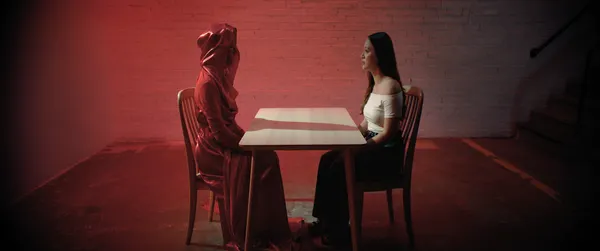
When you first get into filmmaking, the natural instinct is to focus on looks. We try to invest in the best camera, we work on developing LUTs, and we put hours into production design. All this effort on looks, however, can distract us from another important aspect of filmmaking: sound.
It makes sense that we would focus on appearances in this visual medium, but sound quality can make or break a film. Audiences are more likely to forgive a film's poor looks than it's poor sound quality.
Films such as Fritz Lang's M (which was among the first to use sound) use the few sound cues in the film as major plot points which reveal its villain.
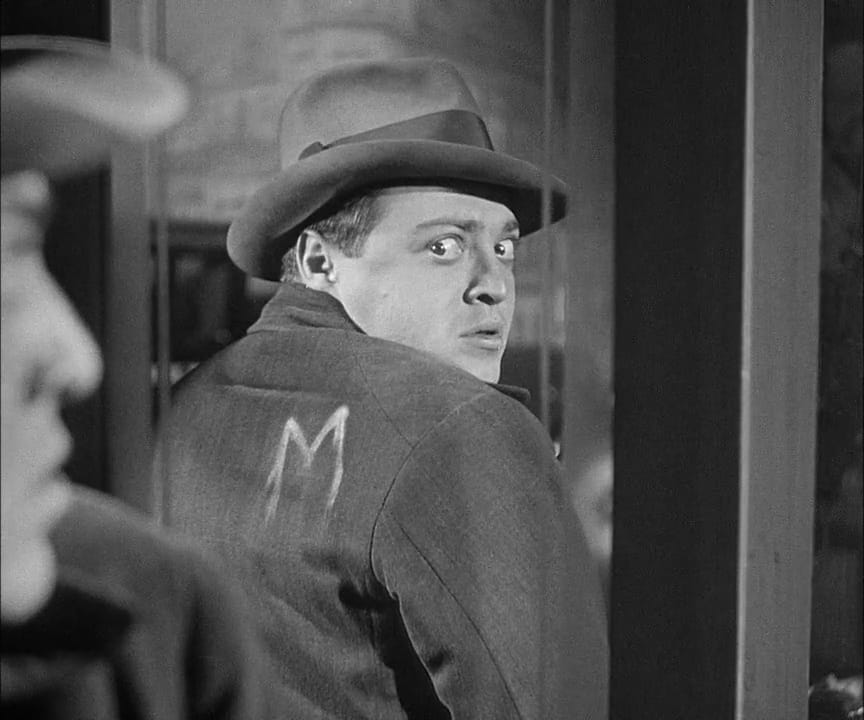
Sound should not simply be seen as an assistant to the image. There are some instances where it can be useful to make sound "the point".
So, as indie filmmakers, how can we endeavor to make sound "the point"?
First, we can make sure to listen to our sound guys when they tell us that something is off. The guy with the headphones and the long mic on the stick probably knows when you can't hear the lead actors.
We can also get creative with how we use sound. Using sounds that work against the image can be effective in some instances. Try using non-diegetic sounds.
There are three different styles of sound in film:
1) Realistic: this style is meant to imitate how sound is generally heard in real life. It's common in dramas and slice of life films like Do the Right Thing.
2) Hyper-realistic: this style is meant to create a hightened version of reality through excessive use of editing or creative foley. It is common in superhero films like Iron Man.
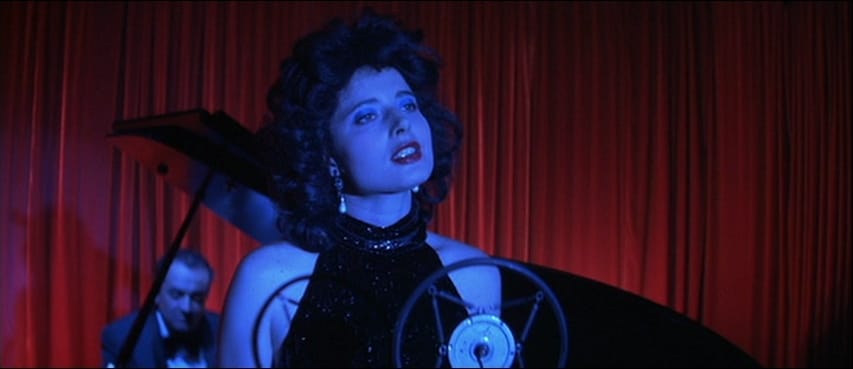
3) Surrealistic: this style is meant to go against what we would consider to be possible in real life. As surrealism is a staple in David Lynch's work, it can be found in many of his films such as Blue Velvet.
These styles aren't mutually exclusive, so knowing when to use them in your film can be helpful.
Of course, you'll want to make sure to dot all your "i"s and cross all your "t"s when it comes to sound, even if you don't have the best microphone or even a sound guy. Keep your ears open for air conditioning and passing planes.
Sound is heavily tied to continuity during production, so make sure that someone is keeping note of which sound recording goes with which take.

The work on sound doesn't end with production. There's a lot you can do during post production. If you have access to programs like Pro Tools, make sure you understand how to use them in order to take full advantage of these resources.
Post production is also a great time to focus on foley. Adding foley to your film can give it the extra pizzazz it needs.
Once you're ready to export, listen to your film on multiple devices. Various types of speakers may sound different, so it's important to test sound multiple times to make sure common devices don't have drastically different sound qualities.

Sound should be used as a tool to enhance the overall work of art. Sound, unlike image, can trick the viewer, as well as give them a sense of presence or authority over the viewer that image may not be able to do alone.
Remember: indie filmmakers don't have the same advantages and resources as big studios, so it's important to do everything you can to make your film top notch.
League of Filmmakers is a DBA of Cinematography for Actors Institute, a nonprofit organization recognized as tax-exempt under IRS 501(c)(3) and California R&TC 23701(d). Operating under this umbrella, League of Filmmakers exists to elevate and unite creators across all filmmaking disciplines through editorial coverage, industry resources, strategic partnerships, and professional opportunities that support independent creators at every stage of their careers.