
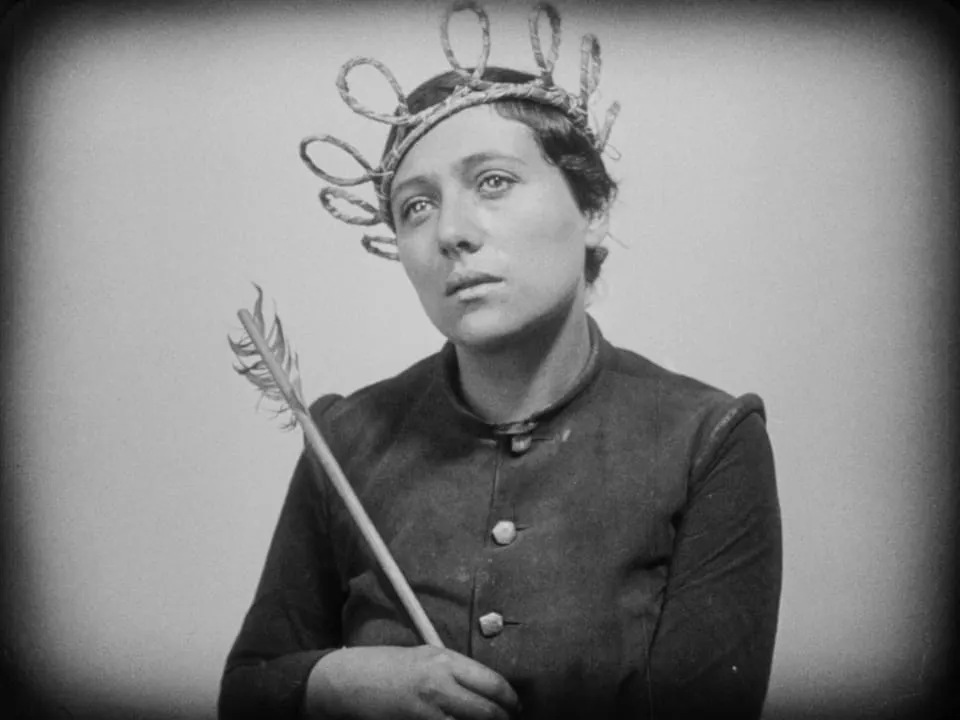
Introduction
If there's one form of art that has evolved the most out of any art form, it would probably be cinema. There is no denying that cinema today has inspired countless individuals around the world, but if there is one thing that I've learned over the years, it's that the present would be nothing without the past. While that may come across as a cliché statement, it's fascinating to discover just how the early days of cinema have shaped art in our modern world. There was a time when stories were silent, but that silence often spoke louder than words. With that in mind, it would be a complete understatement to say that the gradual shift towards audible dialogue was quite jarring for many, which resulted in some of cinema's most tragic downfalls and greatest achievements.
In order to fully capture and illustrate this crucial artistic transition, it is necessary to start from the beginning: the influence of silent cinema.
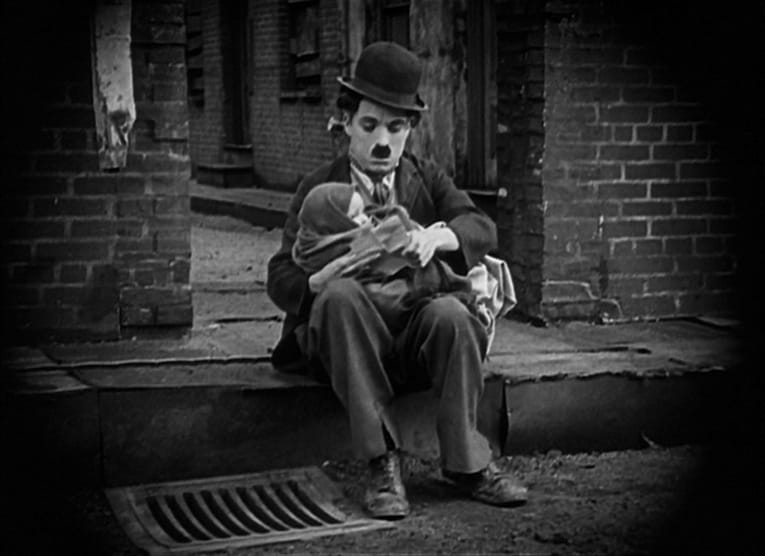
The Early Power of Story
With Edwin S. Porter (widely considered the first important American director) having invented film editing as we know it today, as shown in his influential short film The Great Train Robbery, the silent film standard involved intercut scenes, camera movements, and depicting separate yet simultaneous events. Soon enough, a rapid shift in cinema known as the Nickelodeon Boom (1905-1907) resulted in the expansion of the American film industry; films became longer and stars became recognizable. Some of the most popular faces in the industry during this time were Florence Lawrence (a.k.a. "The Biograph Girl"), who is widely considered to be the first American movie star, Theda Bara (AKA "The Vamp"), Charles Chaplin, and Mary Pickford – possibly the biggest female star of the 1920s. Eventually in 1910, film production moved to the West Coast in Los Angeles, due to inexpensive land and more reasonable weather conditions.
Global Silent Cinema
France, Italy, and Denmark were the three primary European countries that led the pre-WWI era in film production and distribution. Alice Guy from France is considered to be the first female director, Denmark was known for its excellent acting, and Italy was known for its sweeping epics with staggering production design.
Although these mentioned countries played a major role in the industry during this era, classical Hollywood cinema established the norms of silent film. As films became longer and more complex, film style had to evolve to maintain narrative clarity. Whereas early films strove for effects, character psychology became important. Staging in depth clarified spatial relationships, intertitles added narrative information, camera positions kept important action in the center of the frame, closer shots emphasized people or objects, acting became subtler with gestures and facial expressions signaling emotions, and as introduced by D.W. Griffith, the continuity system of editing made sure that each new shot connected with the last. Excluding Chaplin, the two other major silent clown figures that emerged around this time were Buster Keaton and Harold Lloyd, allowing silent cinema to be met with frequent laughter and joy. This global cinema also led to different styles of filmmaking, which is shown in one of my other articles, Why International Cinema is Important to Me.
In 1927, an unexpected transformation took place in the industry.
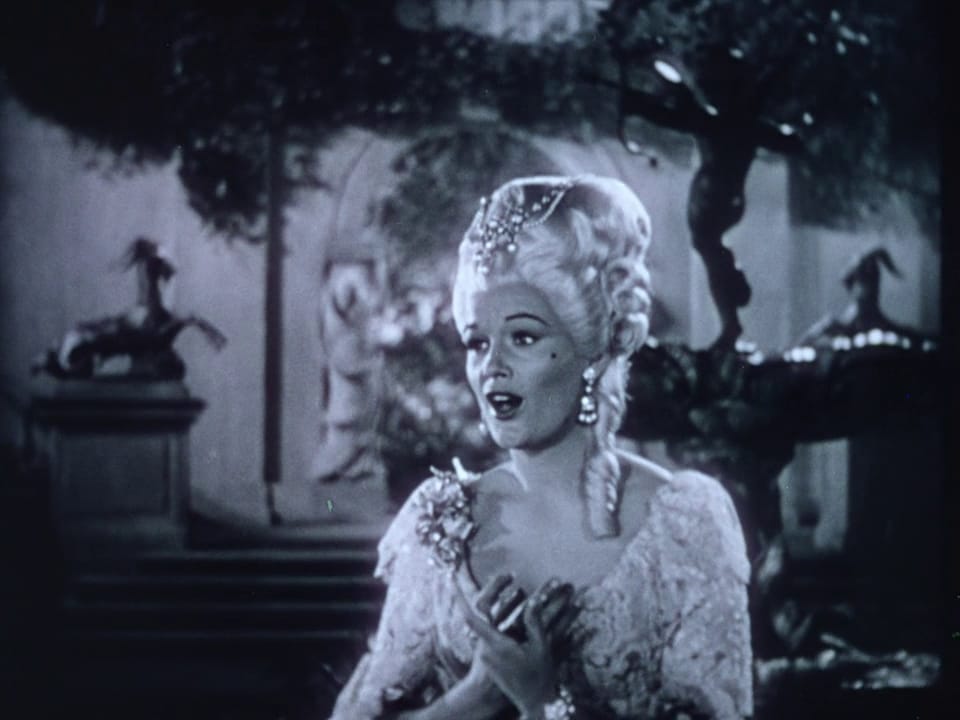
The End of the Silent Era
In the 1952 musical classic Singin' in the Rain, the awkward and controversial shift to sound in films is beautifully illustrated. Countless individuals believed film should remain silent, since they thought actual dialogue/sound effects would not translate well to the silver screen.
The Jazz Singer (1927) was credited with being the first film to popularize talkies, and it caused an immensely jarring reaction from audiences, in a mostly negative way. While some praised the ambitious experiment of implementing sound into a narrative, the overall consensus was that it was a bold and respectable failure for the industry. There were three main challenges with sound that hindered film from audience approval:
- Sound produced a language barrier that countries sought to overcome
- Many films became visually static as filmmakers tried to implement the new sound systems
- Movie stars’ careers were ruined
The last challenge especially resulted in tragedy for several actors/actresses. One of, if not the most popular silent film on-screen couples was John Gilbert and Greta Garbo. Garbo successfully transitioned to sound films during Hollywood's Golden Age, but Gilbert unfortunately experienced the opposite. Why is that? The answer can be found in the following clip from the 1930 drama Redemption:
John Gilbert in Redemption (1930) - YouTube
The reason why Gilbert's career declined significantly wasn't because of his acting – it was because of his voice. Audiences found his speaking voice too high-pitched and unattractive, and contradictory to his physical appearance. Because of this overwhelmingly negative response from filmgoers, Gilbert fell into a deep state of depression for years, heavy alcoholism, and died very young at the age of just 38.
Conclusion
For many years, silence was all that people thought cinema could be, and that has been demonstrated through influential auteurs and revolutionary techniques when it came to artistic visions. Although there were undoubtedly setbacks and difficulties in terms of a smooth transition to sound, this cinematic shift established that there's so much more to art than just visuals. It took some adjusting, especially for audiences, but in the end, the creative usage of sound was illustrated in the following styles of film:
- Musicals
- Gangster Films
- Horror Films
- Westerns
- Cartoons
- Comedies
Cinema has never been the same since this transition, but even today, silent cinema holds a special place in history — and that history is still being experienced in numerous forms.
League of Filmmakers is a DBA of Cinematography for Actors Institute, a nonprofit organization recognized as tax-exempt under IRS 501(c)(3) and California R&TC 23701(d). Operating under this umbrella, League of Filmmakers exists to elevate and unite creators across all filmmaking disciplines through editorial coverage, industry resources, strategic partnerships, and professional opportunities that support independent creators at every stage of their careers.


.jpg?bwg=1547467300&ref=leagueoffilmmakers.com)
.jpg?bwg=1547385152&ref=leagueoffilmmakers.com)