Music is as much a part of a film as acting, cinematography, writing, and the billion other things movies need to do to be successful. The score and soundtrack of a film are an integral factor to convey the feeling and tone of the movie. Music can elevate a sad moment to a devastating one. It can perfectly illustrate the turmoil inside a character's head. It can give a fight scene the certain zing it needs to stand out.
Scores are made with a composer hired onto the project. They work with the director to find the emotions that the music needs to hit. Soundtrack, on the other hand, is made of music that also includes vocals. Much of the time these will be licensed songs that weren't made expressly for the project. For example, John Williams' classic "Superman" theme is part of the score while The Teddybears and Iggy Pop's "Punkrocker" is part of the soundtrack. Films don’t have to choose one or the other it’s often a mix of both or even more often, just score. This distinction shows the difference between approaches to music in film.
All this begs the question, why would you go with licensed music instead of hand-crafting the sound yourself? What goes into an iconic needle drop moment? How do you land a needle drop?
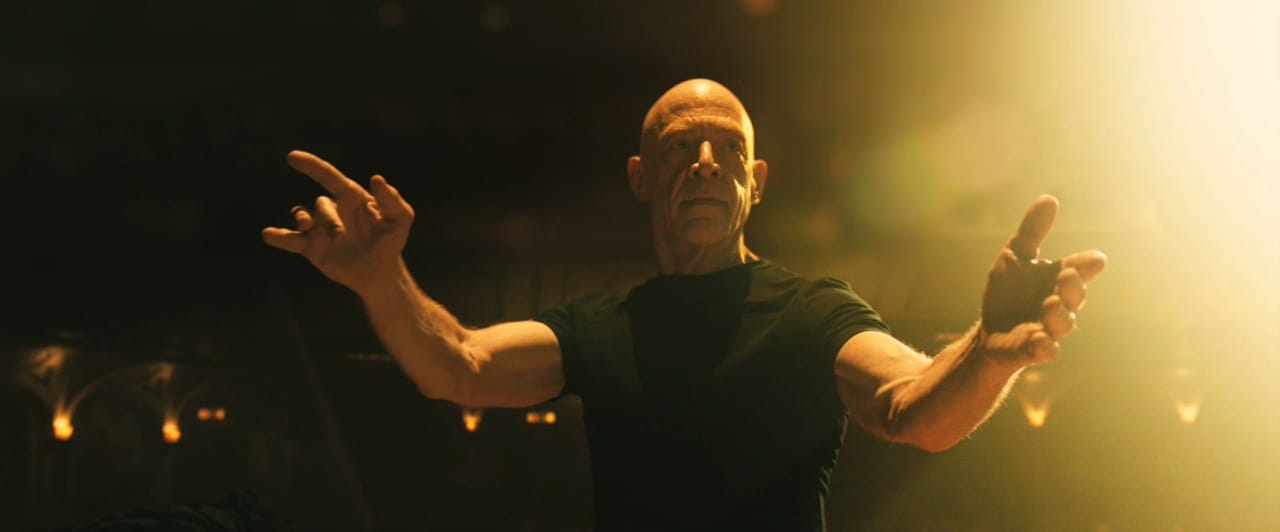
The choice between using score and soundtrack isn't made lightly. It comes down to what the movie is trying to accomplish. Chloé Zhao's Hamnet is a semi-historical story about William Shakespeare and Agnes Hathaway's grief after losing their son to the Black Plague and how their grief constructed Hamlet as we know it today. The composer, Max Richter, opted for orchestral and choral pieces to undercurrent the beautiful ache of the story. For Christopher Nolan's The Odyssey the composer, Ludwig Göransson, used ancient Greek instruments like the aulos and the lyre to match the time period the story was set.
The Shrek series is trying to be an "anti-disney" movie by subverting typical fairytale expectations. The series' inclusions of Smash Mouth's "All Star" and Lipps Inc.'s "Funkytown" are iconic moments in their own right because of how seamlessly they fit into the tone of the film. The Guardians of the Galaxy movies have many of their best moments set to classic 60s and 70s music because Peter Quill has a connection to his mother through those songs. It's not just insanely fun every time the characters are stylishly battling to Electric Light Orchestra; it's an expression of Peter's love for his mom.
You wouldn’t expect to see a pop song in Hamnet, just as you also wouldn’t expect to see a grand orchestra for something like Nirvana the Band the Show the Movie. You can’t just add any ol’ song because “Oh I think it’d be cool!” It CAN absolutely be cool, but it must also fit within the universe, tone, style, and intention of the film.
The challenge then becomes tailoring the moment to the song. You can’t just throw a song in any moment and assume it’ll get the kick. Other parts of the film need to work with the music. It might be odd if we chose a super energetic song and then had the camera static and not cut to any other shots, right? Just like any other aspect of filmmaking, the elements need to work together.
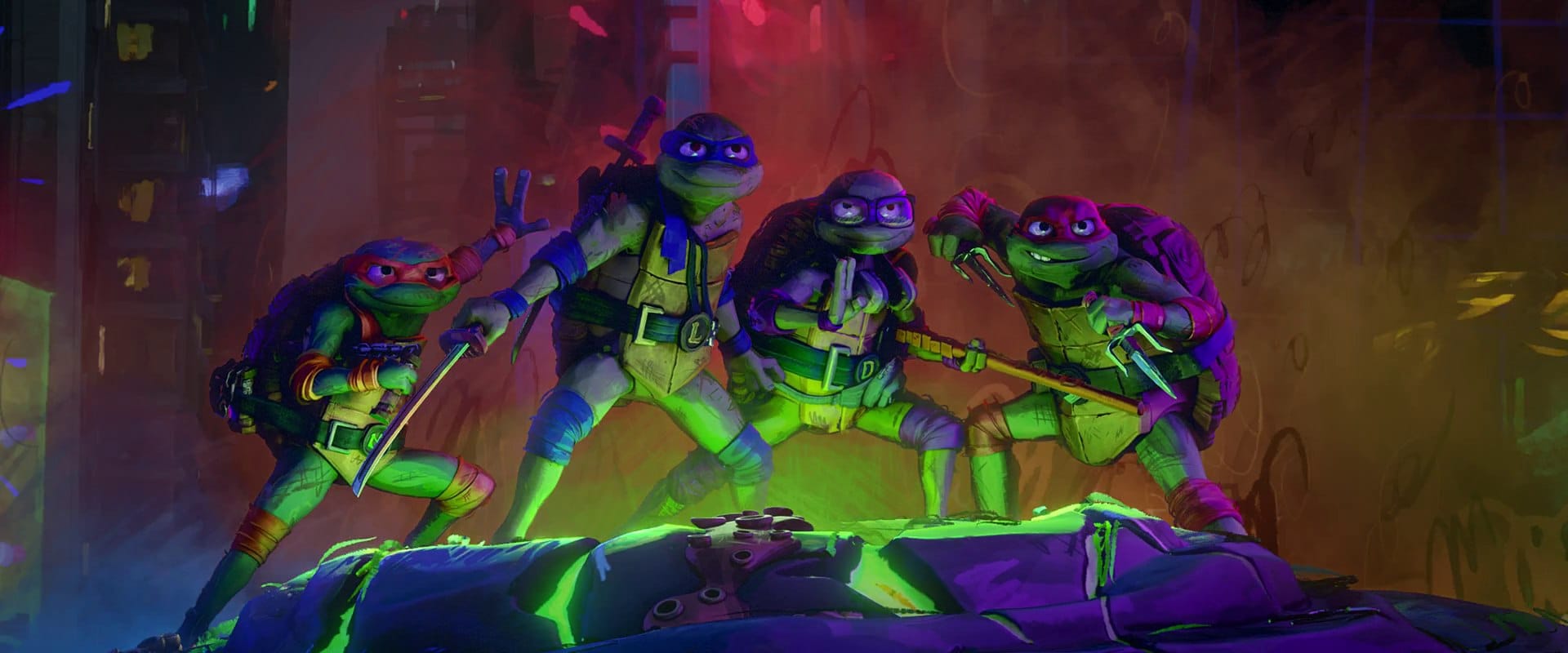
One of the best recent needle drops was in 2023’s TMNT: Mutant Mayhem with the song “No Diggity” by Blackstreet, Dr. Dre, and Queen Pen. The scene uses about a billion match cuts synced with music to display five separate times the turtles busted local gangs looking for information. It’s not a terribly emotionally significant section of the movie, but stylistically? It’s hard to find anything that feels just like it.
If we want to look at a recent “needle flop,” we could look at "The Middle" by Jimmy Eat World (Cover by Kelty Greye) in Supergirl. While there have been plenty of action scenes that opt for a more somber tone for their moment, it didn’t quite work in this case. The cover comes off as misplaced, while ironically if they had used the original song, it could have been a better fit. While James Gunn handpicked the song in editing, Craig Gillespie filmed the scene without a song in mind, which led to a mismanagement of the moment. If they had picked the song beforehand, they could’ve filmed around it and made it fit a little bit better. Instead, we ended up with an awkward scene that took me and others out of the world of the movie.
If you’re looking for the holy grail of needle drops, in my opinion, you can’t do much better than “What’s Up Danger” by Blackway and Black Caviar from Into the Spider-Verse. This song does something especially unique in the world of needle drops, and that’s merging the licensed song and score together. A huge part of Miles’ character is his music taste, and you can see its influence in his own art and in the ways he regulates his own emotions. Other Spider-characters, both in and outside the movie, are characterized by that sweeping orchestral score classically associated with superheroes. Miles’ arc is about becoming Spider-Man, but doing it his own way. When the orchestral score blends into the hip-hop sound, it symbolically represents Miles’ ability to achieve greatness within himself, instead of conforming to others’ expectations of what he should be. This arc is conveyed in many beautiful ways in the movie, but this excellent needle drop is what gives the scene the feeling of supreme self-actualization it deserves.
Needle drops and the play between score and soundtrack are part of the magic of film. The music department is doing the herculean work of guiding the emotion of a movie, TV show, video game, or musical. Next time you watch a movie, pay attention to the music and consider why it was chosen for the scenes it was. There’s always a thought behind the sound!