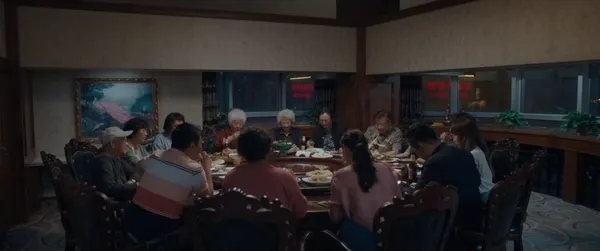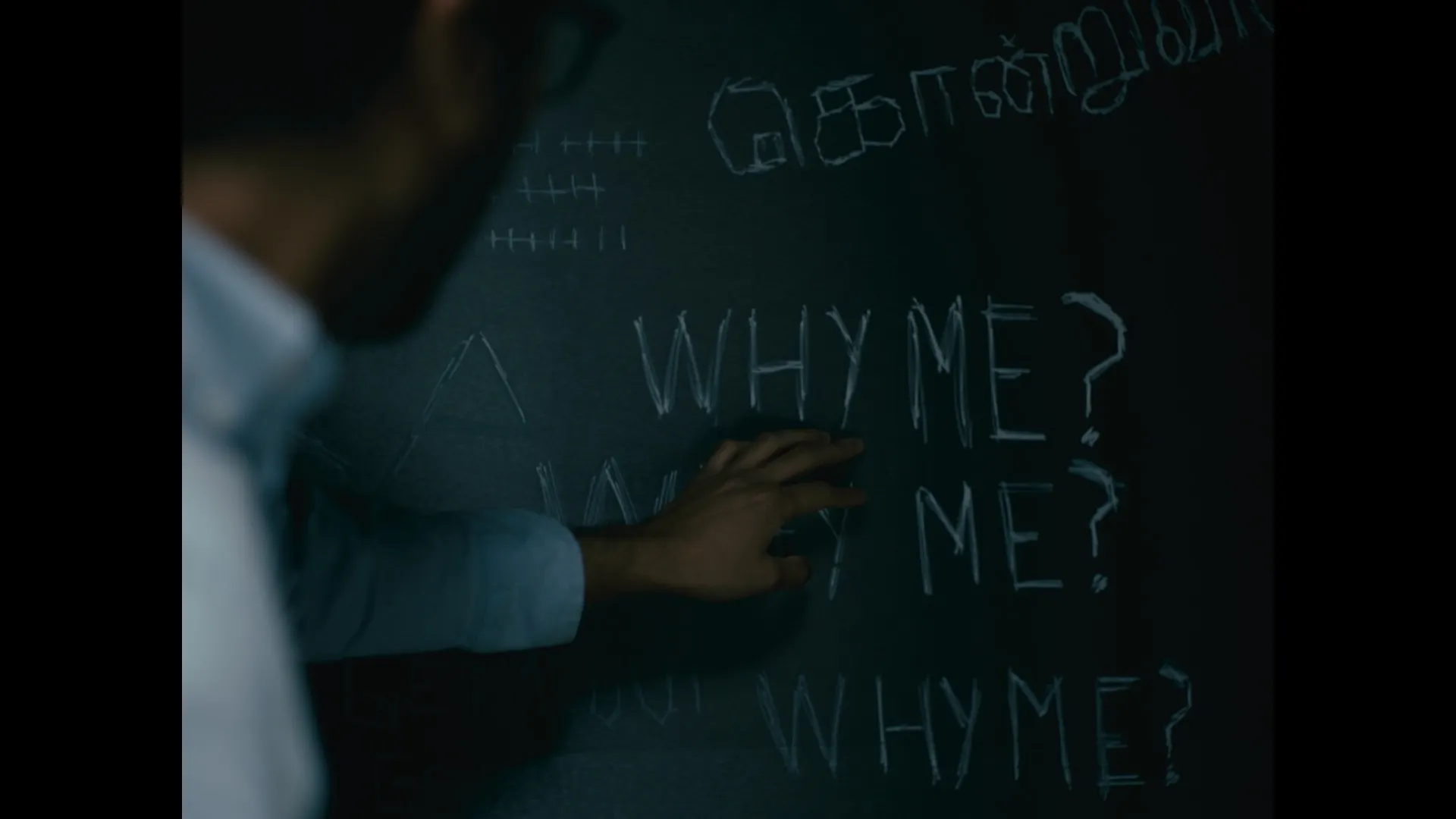
An Indian immigrant wakes inside a confined metal box. The walls are closing in. They will keep closing in unless he completes the work assigned to him. That's the whole machine of Indian in a Box — equal parts an Indian version of Saw and a racial satire akin to Get Out — and it runs on a premise so literal it becomes unbearable.
Director and co-writer Nishanth Ramasubramanian, an award-winning satirist whose credits include Phil Gunderson Teaches Screenwriting, built the short around a conviction he'd been circling for years: that Indian labor quietly sustains systems in the United States and other wealthy countries, and that the usual language for describing this is too abstract to feel. So he made it physical. The result premiered at Fantasia and arrives at FilmQuest near the end of an international festival run, with Ramasubramanian now in pre-production on his feature debut, the Indian tech thriller Money Mobile, produced by Silicon Valley and King of the Hill showrunner John Altschuler.
Key Takeaways
- The film began as an absurd comedy with a sharp punchline and darkened in production, once the box became a genuinely oppressive physical environment rather than an elaborate metaphor.
- Its central constraint — a built box that limited movement, camera placement, and production options — became the film's visual and dramatic engine rather than an obstacle.
- Ramasubramanian deliberately refuses to explain the metaphor, trusting audiences to connect the box to their own experiences with work and technology.
Below, he talks about invisible labor, the moment a joke stops being funny, and why horror turned out to be the right container for all of it.
Interview
What drew you to make this film, and why this story, why now?
I've always been interested in the ways that Indian labor is quietly exploited to sustain systems in the United States and other wealthy countries. With Indian in a Box, I wanted to take that idea and make it physical. Instead of discussing invisible labor abstractly, I wanted to place an Indian immigrant inside a literal box and ask what happens when a human being is treated as a disposable component of an automated system.
The film also came out of my own complicated relationship with being Indian in America. I spent much of my adolescence wanting to escape that identity, but my experiences in the United States eventually made me realize how fundamental India was to the way I understood the world. The film's horror comes from that cultural and economic tension, which felt especially timely as conversations about automation, outsourcing, and artificial intelligence became increasingly central to our lives.
What surprised you most about the filmmaking process, creatively or logistically?
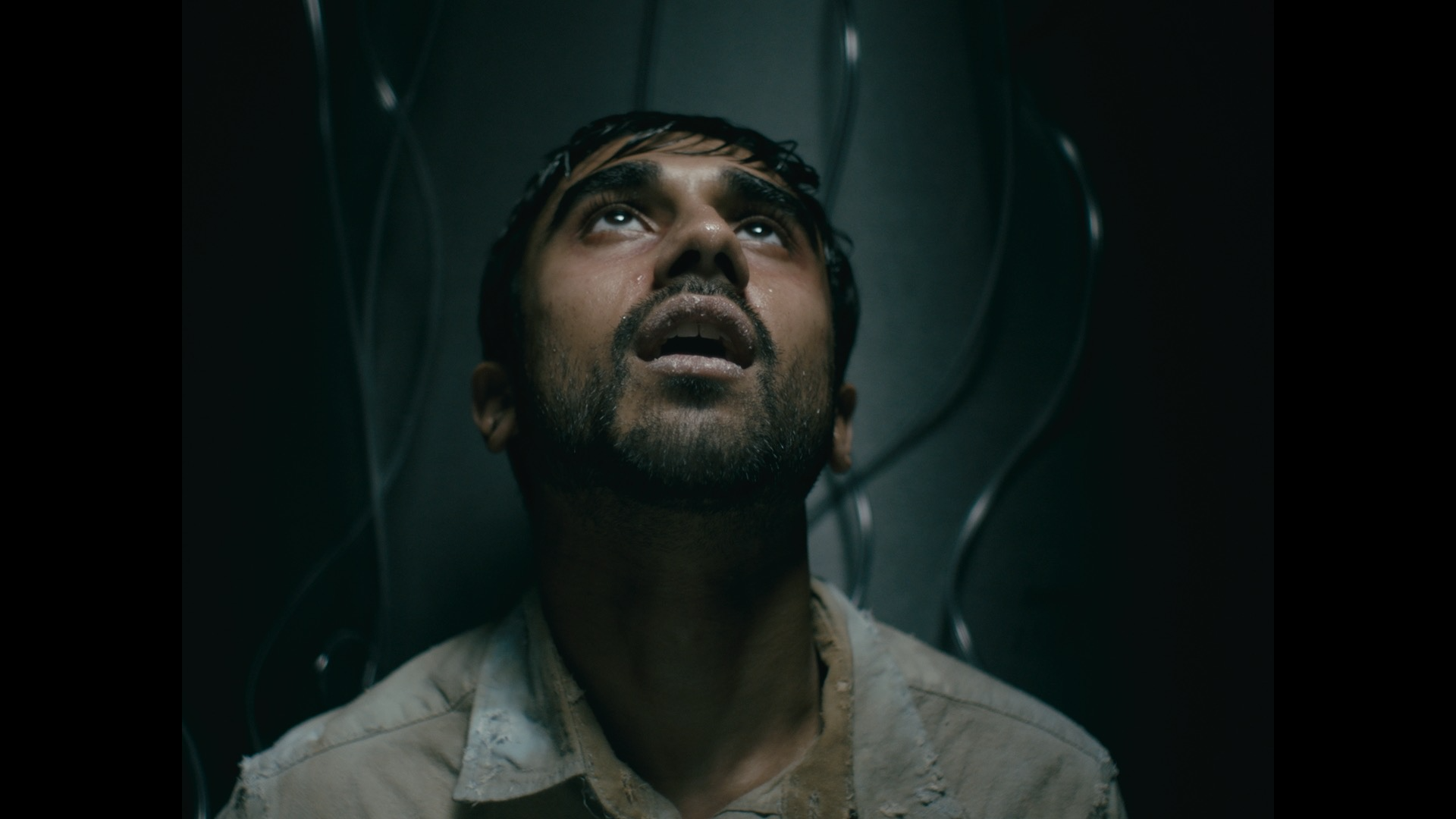
The biggest surprise was how quickly the film became more emotionally disturbing than I had initially expected. The idea began as a more straightforward absurd comedy with a sharp punchline. But once we developed the mechanics of the box and put Anish Chandak inside it, the story became much darker.
Anish gave such a committed and emotionally raw performance that the box stopped feeling like an elaborate metaphor and became a genuinely oppressive physical environment. I went into production thinking primarily about the satire. I came out realizing that the film was also about the psychological experience of being trapped inside a system that doesn't recognize your humanity.
What moment in the film feels most like you, or like something only you could have made?
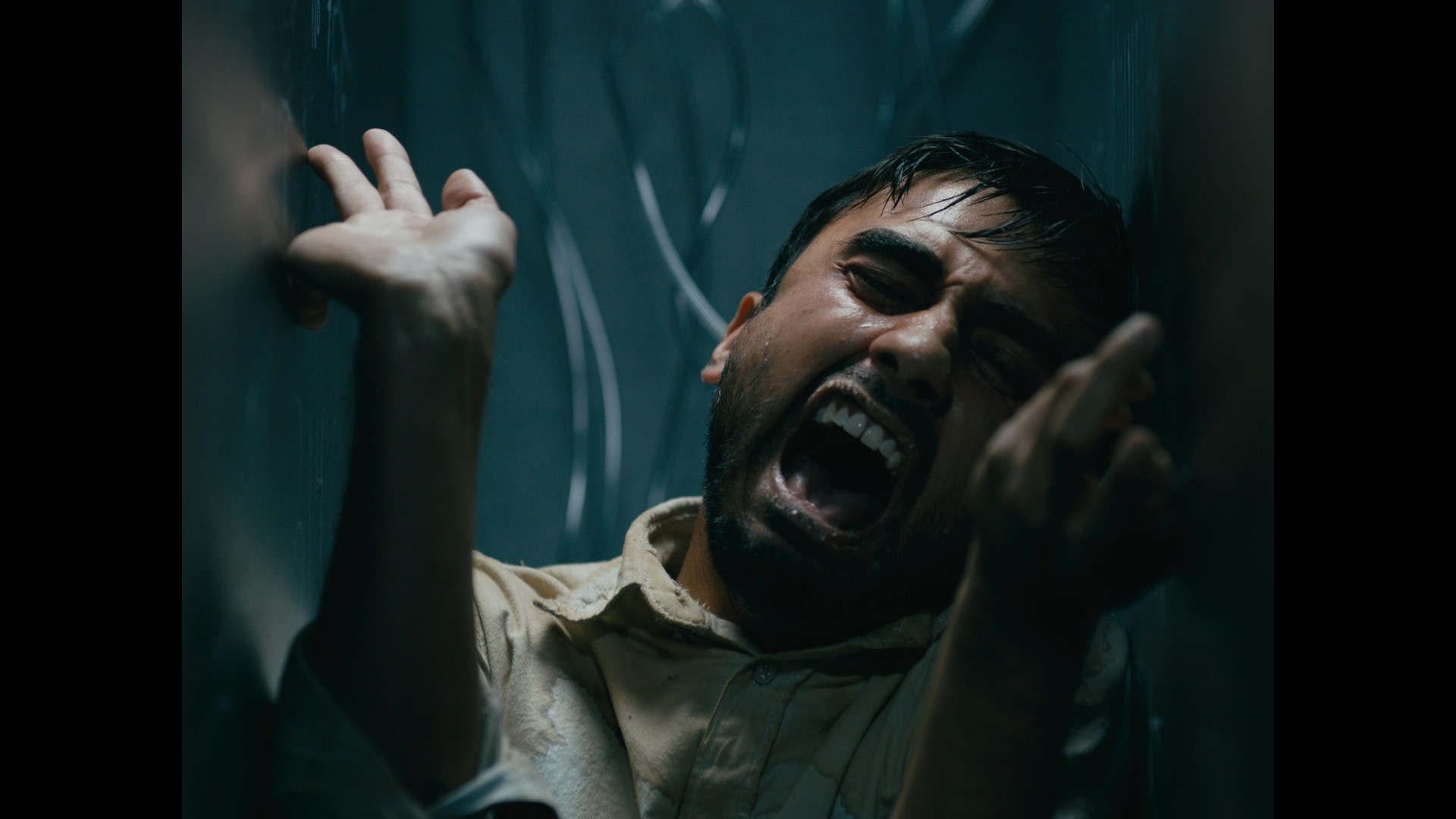
The film's combination of absurd comedy and genuine distress feels most like me. I'm interested in the moment a joke stops being funny because the underlying reality is too painful, and the audience wonders whether or not they should laugh.
I also think the film's specific cultural perspective is something I could only have made. It's more than just a horror story about confinement; it's about an Indian immigrant navigating a cruel, cold American system that promises opportunity.
What was the hardest creative decision you made while making the film?
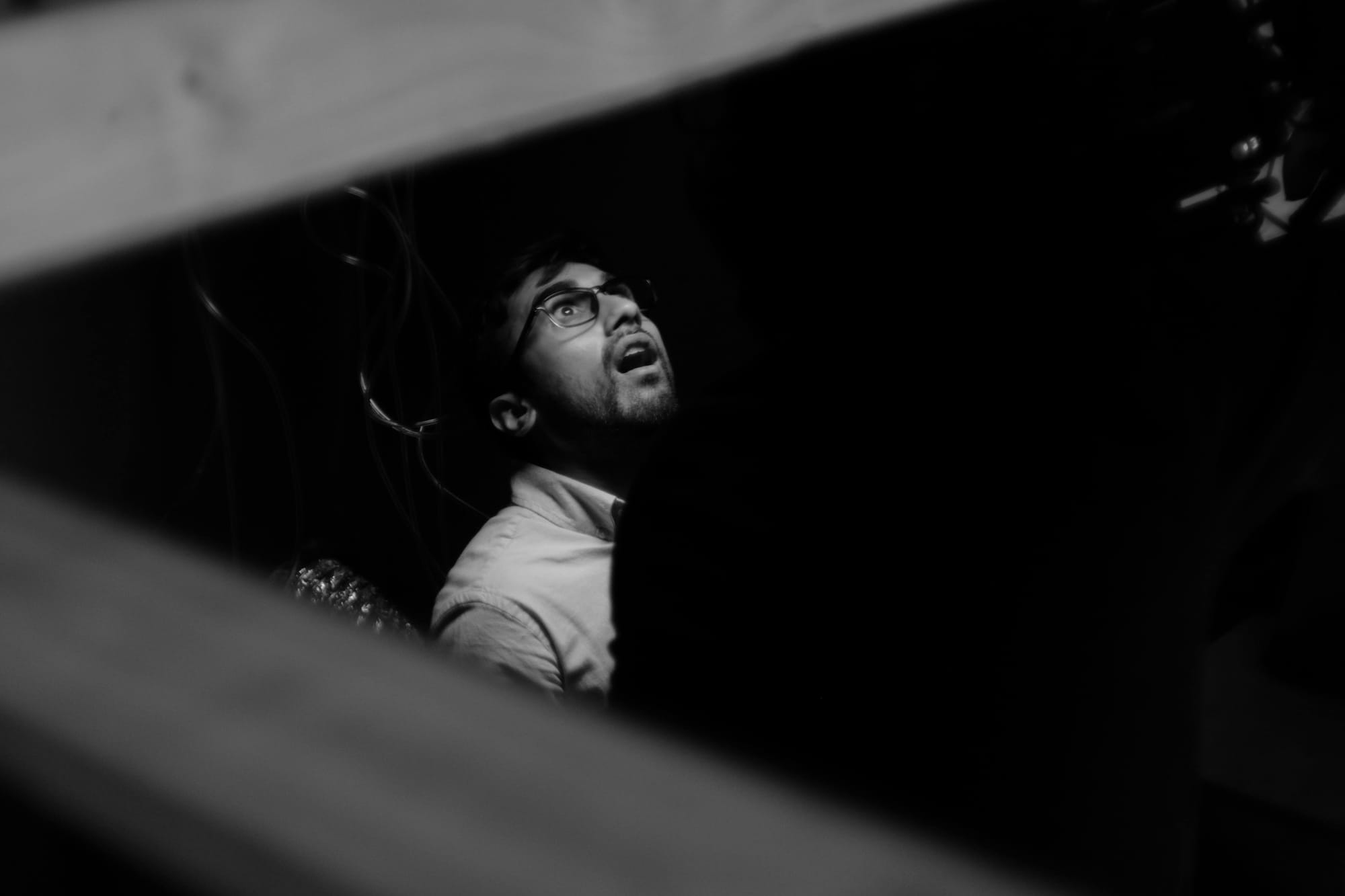
The hardest decision was deciding how much to explain. The metaphor has several possible interpretations, involving immigration, outsourced labor, automation, and the broader experience of being made invisible. I wanted those ideas to be present without turning the film into a lecture.
Ultimately, I chose to trust the audience. The story gives viewers enough information to understand the immediate situation, but it leaves room for them to connect the box metaphor to their own experiences with work and technology.
What tool, technique, resource, collaborator, or mindset shift helped most during production?
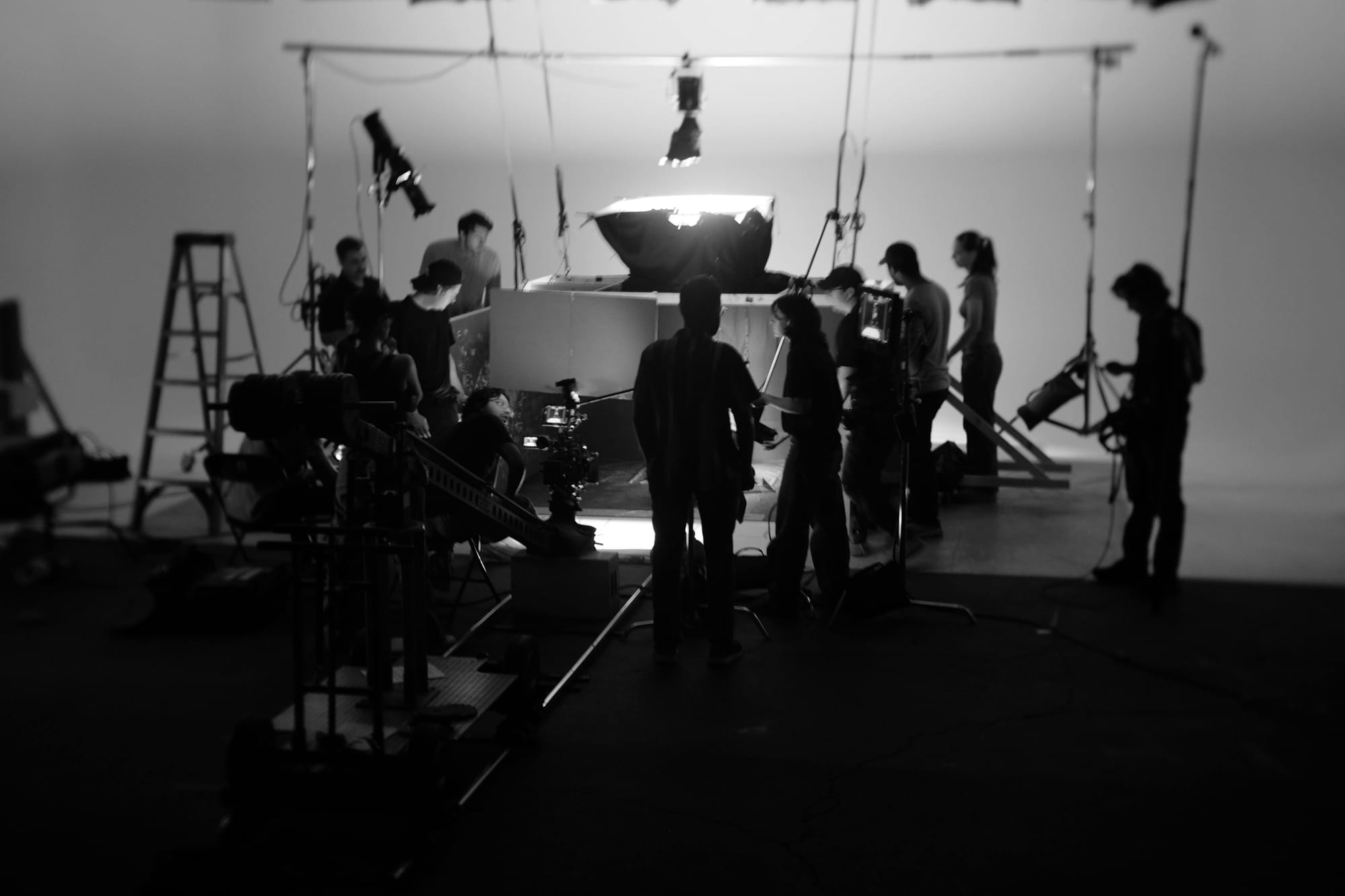
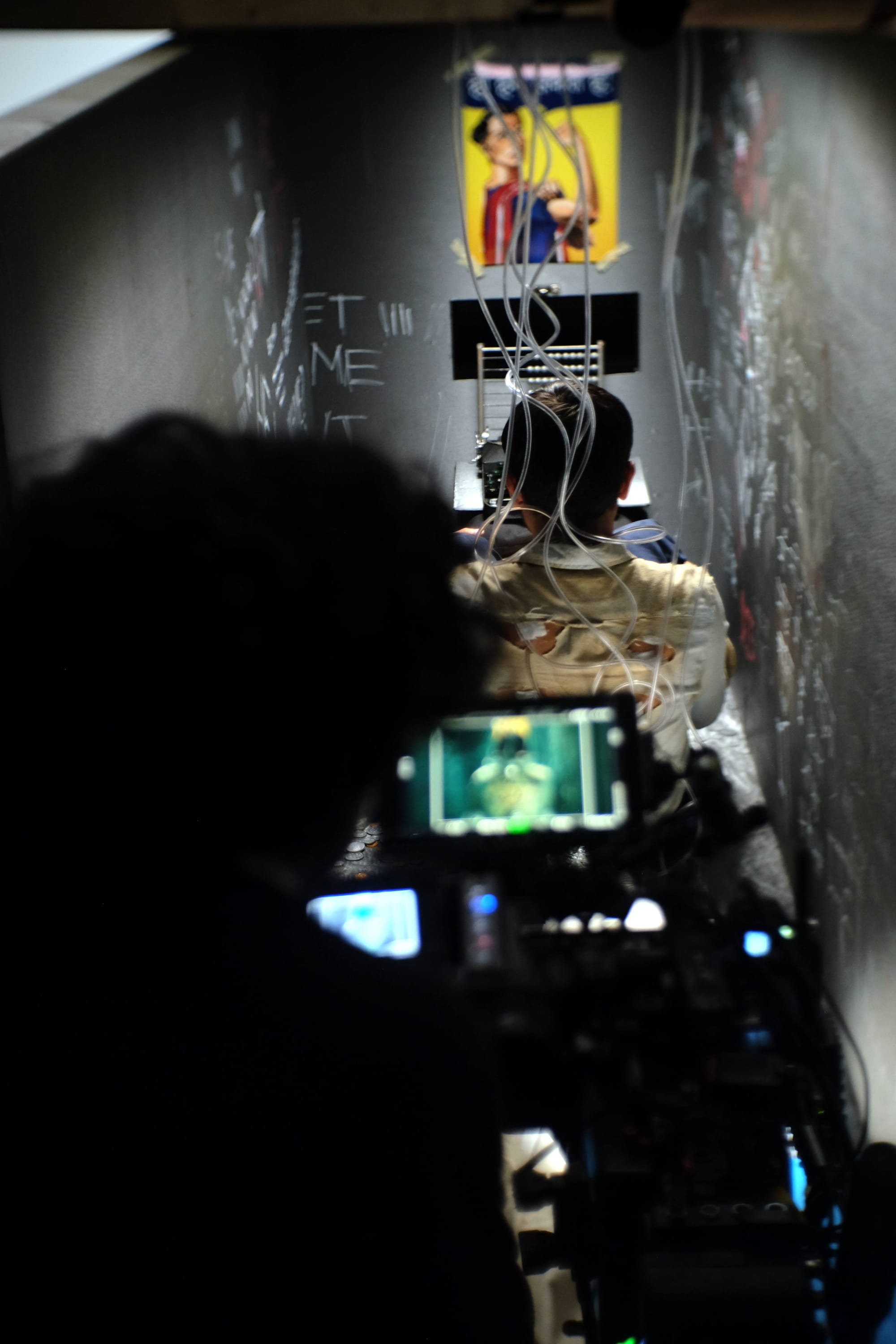
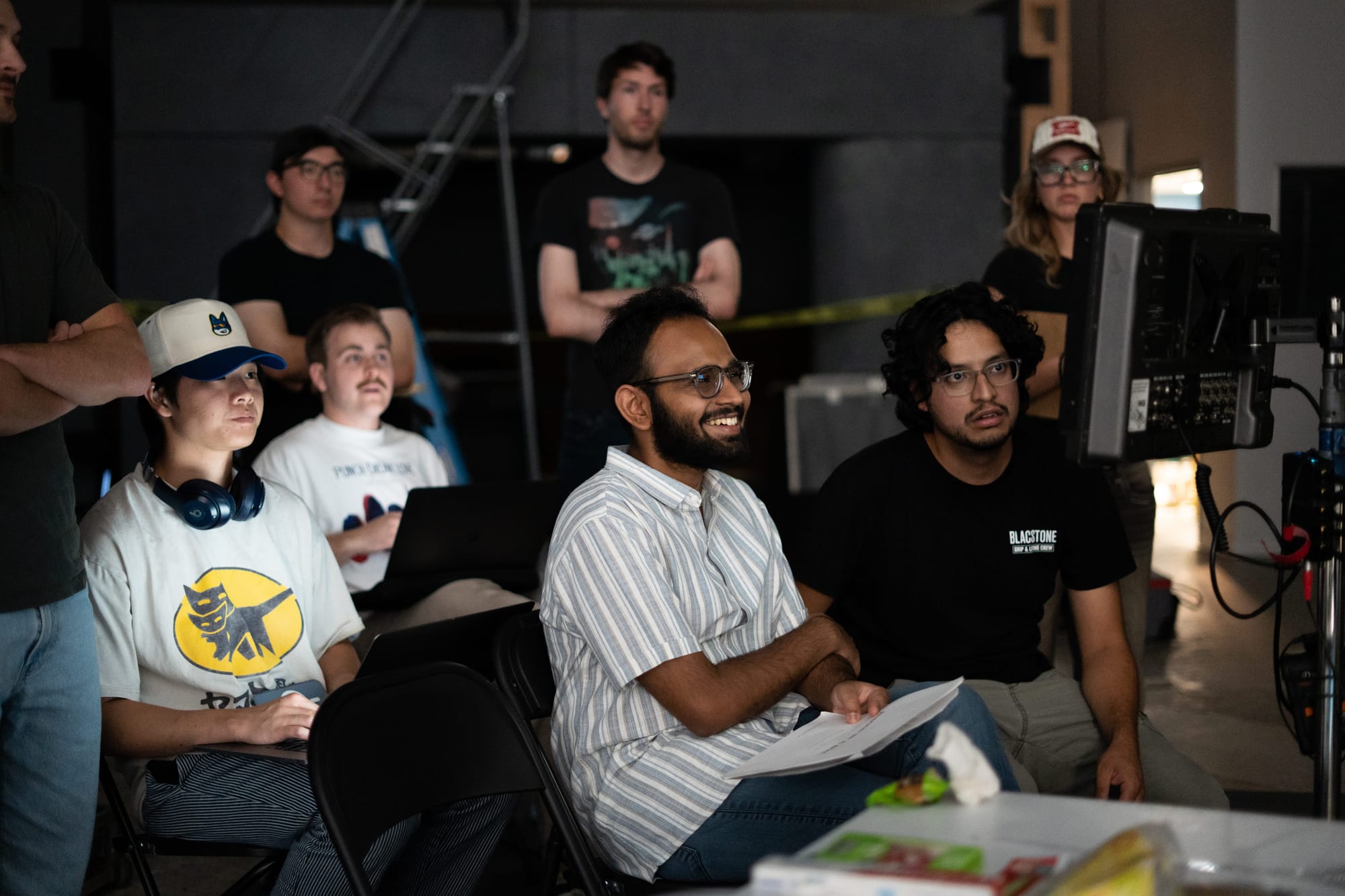
The biggest mindset shift was learning to treat our limitations as part of the film's language. The box set we had to build restricted our movement, our camera placement, and our production options, but those restrictions also created the claustrophobia the story needed.
The greatest strength of independent filmmaking is the freedom to pursue a very specific idea without sanding away the elements that make it unusual. A larger production might have tried to make the premise more familiar or more easily marketable. We were able to lean into its strangeness. The lesson I would share is that limitations can become creative advantages if you design the project around them. The box wasn't something we had to work around; rather, it became the film's central visual and dramatic engine.
How does your film fit within, or push the boundaries of, its genre or form?
The film uses the structure of a claustrophobic horror story, but the threat is not a conventional monster. The horror comes from an economic system that treats human beings as interchangeable labor.
It also pushes against the idea that a film has to choose between being funny and being frightening. The comedy makes the situation accessible, but it also makes the eventual horror more unsettling because the audience has been invited to laugh before realizing what's happening.
What does it mean to have your film selected for FilmQuest, and where do you see it going next?
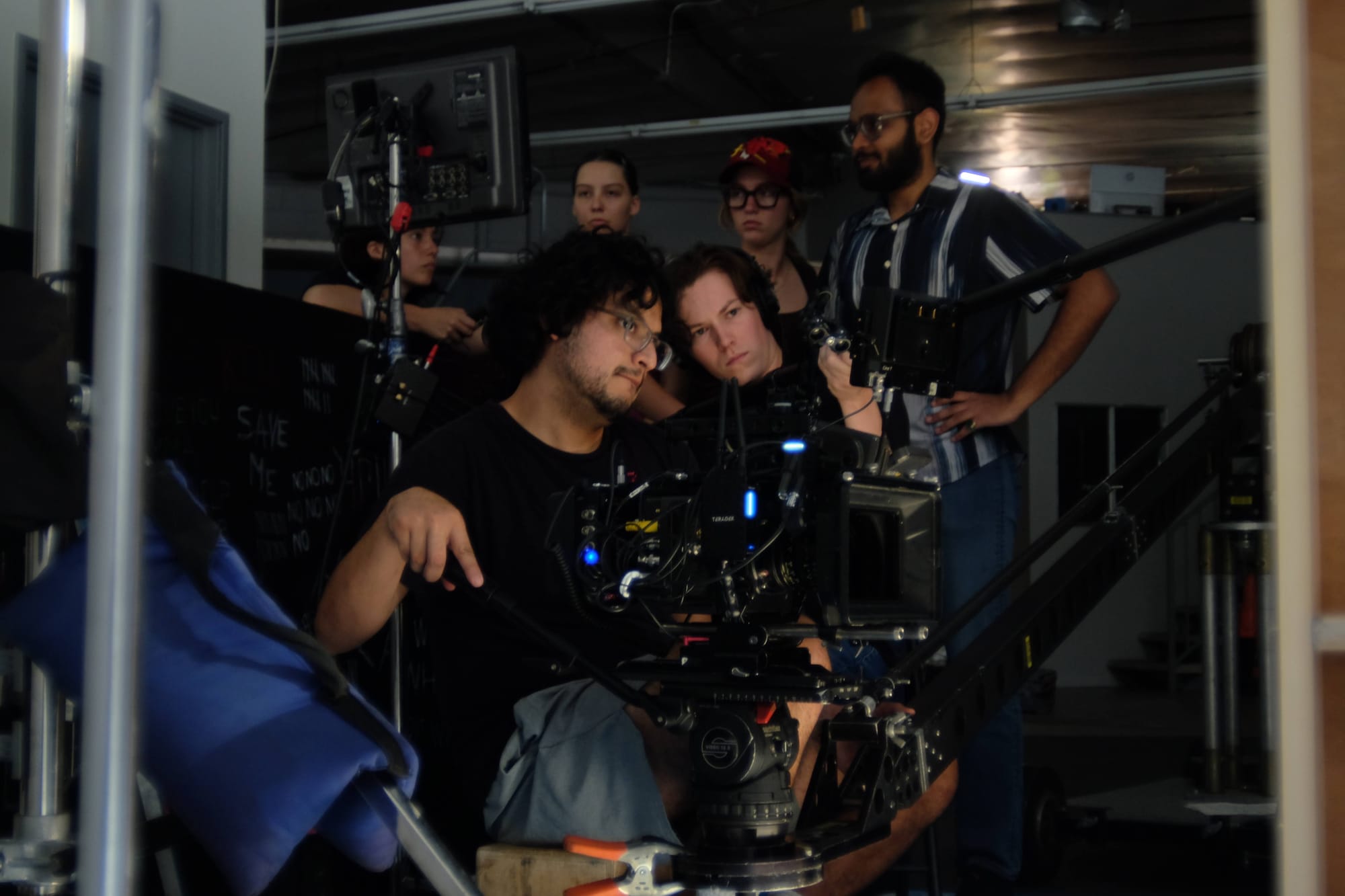
It means a great deal to have the film recognized by a festival with such a strong commitment to bold genre filmmaking. Indian in a Box was made from a very specific cultural and personal perspective, so it's especially meaningful when it connects with audiences beyond the community it depicts. FilmQuest gives the film another opportunity to reach people who are open to genre cinema that is entertaining while still engaging with larger social questions.
We're now at the tail end of our festival run, which began with our premiere at Fantasia last year. It's been incredibly rewarding to see the film travel internationally and connect with audiences in different contexts. I hope we can find the right distribution partner for it, ideally a genre platform like Shudder, so the film can reach viewers beyond the festival circuit.
Indian in a Box was my first real foray into horror, but it definitely won't be my last. I've become excited by the ability of horror, and genre filmmaking in a broader sense, to make abstract systems of power feel immediate, physical, and emotionally visceral. I want to keep using genre to explore the themes that matter to me, especially cultural identity, economic exploitation, and the ways people become invisible inside systems that claim to be efficient or humane. At the core of all my work is a desire to make satirical, political ideas accessible to a wide audience through strong genre filmmaking.
What do you hope audiences take away from this film?
I hope audiences become a little more curious about the invisible people behind the conveniences they use every day. It's easy to think of technology and globalization as abstract systems, but those systems depend on individual human beings with families and dreams.
I don't want the film to produce guilt as much as empathy. The systems being critiqued are larger than any individual consumer, but empathy is where meaningful reflection begins.
Main Cast & Crew
- Nishanth R. — Director and Co-Writer. An award-winning director and writer of satirical short films including Phil Gunderson Teaches Screenwriting and Indian in a Box. He is also a commercial director and content strategist for the independent production company Media RED. His feature directorial debut, the Indian tech thriller Money Mobile, is currently in pre-production with Silicon Valley and King of the Hill showrunner John Altschuler producing
- Nathan Xia — Producer and Co-Writer. nathanxia.com
- Jacob Staudenmaier — Producer
- Oscar Martinez — Director of Photography
- Jeanie Laybourn — Production Designer
- Anish Chandak — The Indian
- Luis Ochoa — Customer
Filmmaker Opportunities
💛 Fund your next project with fiscal sponsorship
Have a project in the works? As a 501(c)(3) nonprofit, the Cinematography for Actors Institute can accept tax-deductible donations on your film's behalf — a door-opener for grants, foundations, and supporters who want to back your work. We've serviced over 100 projects to date and helped route over $800,000 in funding to filmmakers. Explore fiscal sponsorship →
📬 Grant deadlines and festival opportunities, straight to your inbox
The CFA newsletter rounds up grants, festival calls, and community news for independent filmmakers — the kind of opportunities that are easy to miss and painful to miss. Join the newsletter →
🎬 Focus on the creative — we'll help with the logistics
Production Management, CFA's newest member program, launches this November: production insurance and workers' comp, payroll, film permits, gear rental coordination, SAG-AFTRA compliance, contract drafting, production consulting, and crew recommendations — handled by a team of working filmmakers, à la carte or all in, in partnership with Creative Access Group. It's waitlist-only until launch. Join the waitlist →
League of Filmmakers is published by our parent organization, the Cinematography for Actors Institute — a 501(c)(3) dedicated to education, community, and capital for underrepresented filmmakers and actors. Learn more about CFA →