Table of Contents
Three Key Takeaways
- John Hill’s film blends personal loss and pandemic-inspired themes with a distinctive genre storytelling approach.
- The collaborative sound design and music were unexpectedly pivotal in shaping the film’s immersive atmosphere.
- Independent filmmaking’s clarity of vision and solitude shaped the project, highlighting both its creative freedom and challenges.
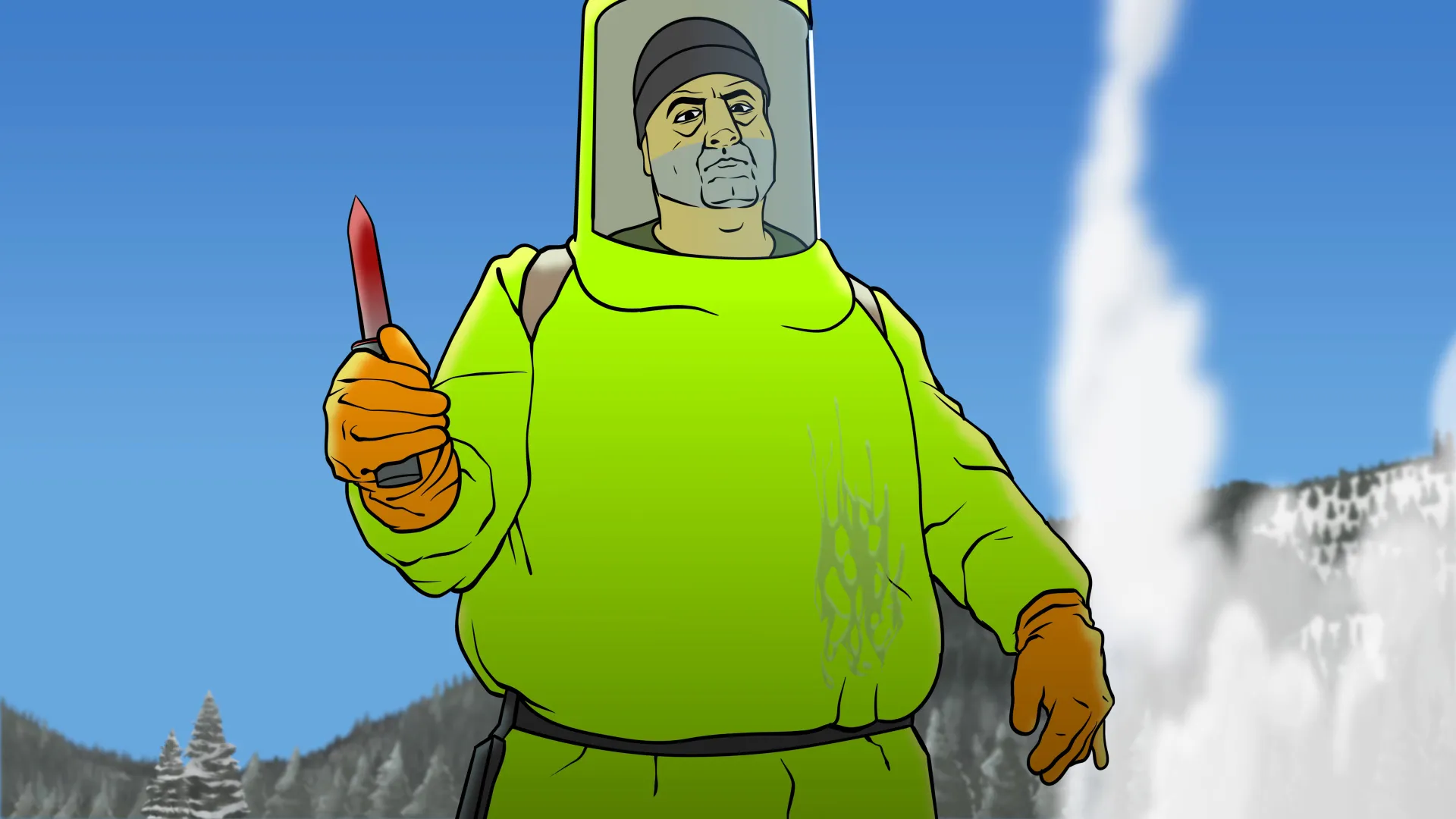
John Hill, an award-winning independent filmmaker and Assistant Professor of Animation at The University of South Alabama, brings his latest genre film, "Next Show in 90 Minutes," to FilmQuest 2025. The film, featuring sound design by Mike Horton and a score by composer Scott Ampleford, explores a unique narrative set in an iconic American landscape. Drawing from deeply personal inspiration and a backdrop of global upheaval, Hill’s work pushes genre storytelling in subtle yet profound ways.

What drew you to make this film? Why this story, and why now?
I had developed visuals for an unfinished graphic novel years ago that ended up being part of the inspiration for this film. The tone and narrative were very different, but that story started in the same location under similar circumstances. The inspiration for this film was a combination of the pandemic and my mother; her life and love of horror and zombie films, her early career in the National Park Service, and early death from esophageal cancer. I've been lucky, as the film has unfortunately aged into even more cultural appropriateness.
What surprised you most about the filmmaking process this time—creatively or logistically? Was there a moment on set or in post that completely changed how you saw the story?
"Completing the animation alone infused a lot of solitude into the experience and the film, and that was purposeful."
I was reluctant to add music, and was very worried about sound, so the surprise for me was how integral Scott and Mike's contributions feel to the final product. I can't imagine watching it without their work.
Is there a moment in the film that feels the most you—something only you could have made?
The ending. You'll just have to see it.

What was the hardest creative decision you made while making this film?
There were more narrative clues and story elements that I was happy to drop, but there were a couple of visual asides that had to be cut for time / scope that I really regretted cutting for time in the preproduction phase.
What do you hope audiences take away from your film?
I have secret hopes, but I do not share them. Part of this process, for me, is the surprise of what an audience thinks about it. I hope they take something away from it, even something negative.
How has this film shaped or shifted the kind of stories you want to tell next?
I definitely have plans for more genre related films, though not my next one. It has certainly boosted my confidence in my storytelling abilities.
What’s a tool, technique, or resource that really helped you during production?
Just being able to shoot reference on a cell phone. What a time to be alive, huh? I took my time and really streamlined my process. That actually gave me the time and ability to teach my wife to color some of the shots in Toon Boom Harmony. She colored a few hundred frames, and it really helped me push the film over the line.

Independent filmmakers often rewrite the rules out of necessity. What do you think is the greatest strength of independent filmmaking, and how did you lean into that on this project?
"Clarity of vision and lack of notes were the greatest assets for me on this film."
Not all independent productions are as small as this was, there was no one else to rely on for direction or input with the visuals. That was the point for me, but could definitely be a burden as well. If the film doesn't work, it's all on me. I think that's an experience every filmmaker should try once. I, however, would like to do more with a small team, going forward.
What does it mean to you to have your film selected for FilmQuest, one of the world’s top reviewed genre film festivals?
This was my first genre film, so figuring out the festival scene has been a learning opportunity for me. I've screened with several of the films in my category and those also nominated with me. Seeing them get into festivals I haven't or didn't even know to submit to has been very enlightening, so the acceptance and nomination at FilmQuest is very validating. It's nice to have some proof you can compete with the big boys.


FilmQuest celebrates the majesty and might of genre filmmaking across fantasy, horror, sci-fi, action, thriller, western, kung-fu, and beyond. How does your film fit within—or push the boundaries of—genre storytelling?
I believe my film celebrates horror and science fiction, but I'm not sure it celebrates it as cleanly. There are some specific decisions to not do what I think audiences and the textbooks would expect.
"I would never phrase it like I am pushing boundaries, but I love to hear from an audience member who notices the strong choices."
Where do you see this film going next?
Late this year or early next it'll complete out the festival run that began last fall. Then I suppose it'll be up on Youtube. Obviously, if distribution wants to come calling, I'm listening.
“At the core of all my work is a desire to have a good time."
Cast & Crew
- John Hill — Director; veteran of television and new media animation, award-winning independent filmmaker, Assistant Professor of Animation at The University of South Alabama.
- Mike Horton — Sound Design; professional Foley artist, board game designer, and chiptune musician based in Los Angeles.
- Scott Ampleford — Composer; award-winning composer from the North East of England, blending orchestral and electronic music styles.