Table of Contents
The Ghibli Feeling
Most can recognize a Studio Ghibli film before a character speaks. The animation style and fluid movement can bring to life a delicious plate of food, the earthly elements, and smaller rooms where candlelight illuminates every detail. It is in Joe Hisaishi’s music that a floating sense of wonder and magic comes to life on screen. Studio Ghibli films are remembered for their stories and their texture.
A Remake Announcement That Feels Familiar
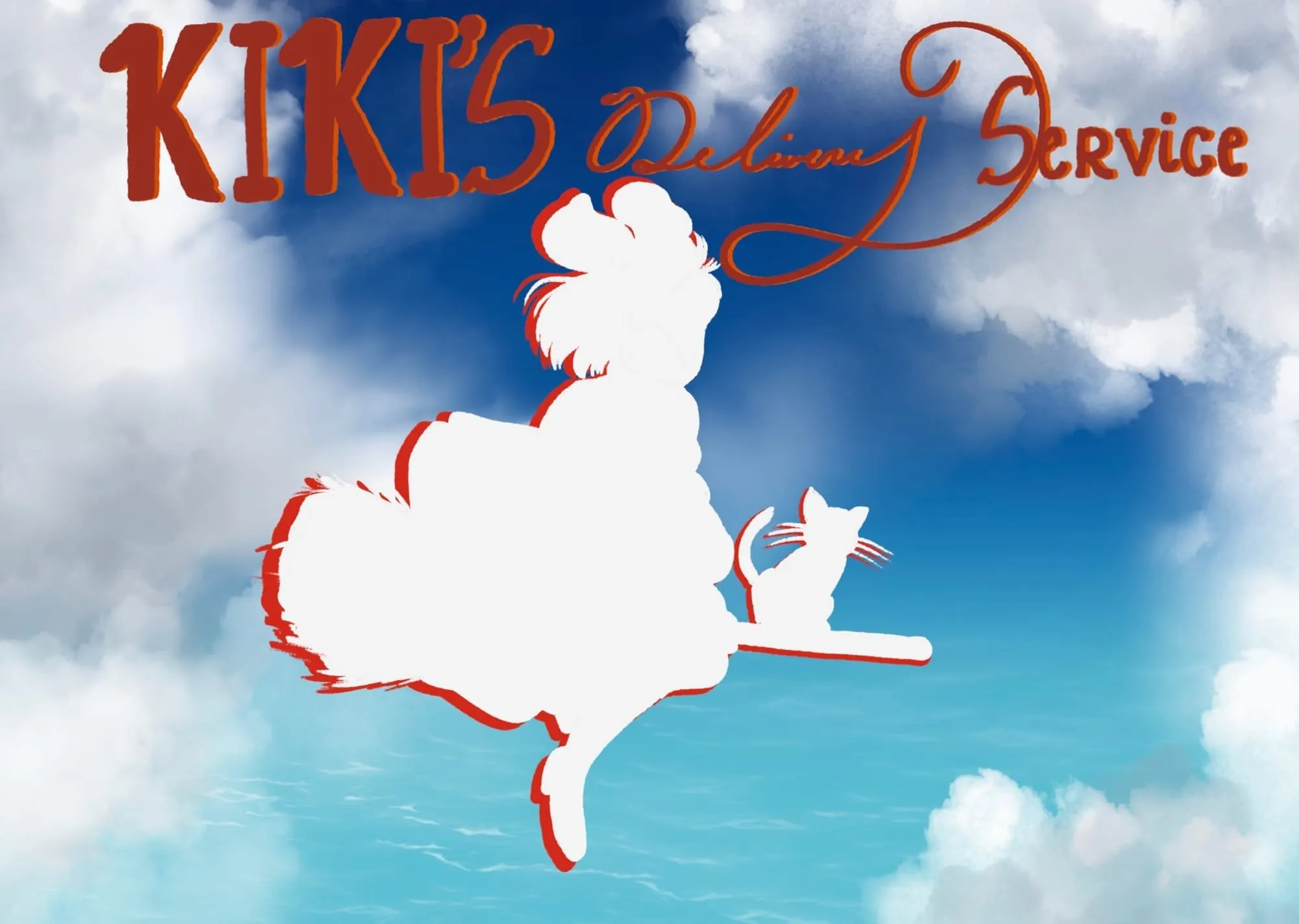
That is why the news of a live-action Kiki’s Delivery Service series feels less like a pleasant surprise and more like a predictable disappointment. Variety reported in June that BBC Studios’ Kids & Family, Wheel in Motion, and Kadokawa are developing a 10-episode live-action Kiki's Delivery Service series. The project is reportedly based on Eiko Kadono’s original novel series, which follows a 13-year-old witch who leaves home for a seaside town and begins a delivery service as part of her training.
Just Because You Can, Should You?
On paper, that sounds harmless. Kiki’s Delivery Service began as a book before Hayao Miyazaki turned it into the beloved 1989 Studio Ghibli film. A series could explore more of Kadono’s world, spend more time on Kiki’s growth, and introduce the story to younger viewers who may not have grown up with the animated film.
But the question is not whether the film can be adapted. The question is: why does it need to be adapted now, in this form, in an industry crowded with remakes, reboots, and live-action versions of animated classics?
When Animation is Treated Like a Rough Draft
The problem is not adaptation itself. Some adaptations expand a story while some challenge it. It can find a new language for an old idea. Still, too often these live-action remakes treat animation as a rough draft, as if a story becomes more serious or more valuable once it’s attached to real faces, sets, and computer-generated animals.

That mindset misunderstands what animation does.
“Kiki’s Delivery Service” works because the animation allows the impossible to feel ordinary. A girl flying on a broom over red rooftops does not need to be explained. A black cat can be sarcastic without becoming uncanny, while a seaside town can be a European dream essence without belonging to the real world. The softness of the film is not decoration; it is part of what makes the film powerful. Turning that world into live-action risks making the magic feel too literal. The last thing it needs is to become smaller.
An Industry Lacking Courage
Studios are increasingly dependent on recognizable intellectual property because familiarity feels softer than originality. A known title comes with a well-built audience, nostalgia, and online conversation. Even criticisms become a form of marketing. People may complain about another remake, but they are still talking about it. That does not automatically make every remake a cash grab, but it reveals the business logic behind them.
Streaming platforms like Disney+ or Max fight for attention—a beloved title is like insurance. Kiki’s Delivery Service is not just a story. It is a name people already know, search for, and connect with emotionally. The danger is that nostalgia becomes less of an artistic feeling and more of a business model. The industry does not need to keep proving that old stories can be resold; it needs to show that new stories can still be trusted.
Originality Still Works
Recent television series show that audiences will respond to fresh, specific storytelling. Beef, an original Netflix series about a road rage incident that spirals into a study of anger, class, and loneliness, became one of the most acclaimed shows of 2023. Abbott Elementary turned a public school workplace comedy into one of network television's strongest recent success stories. Even Shōgun, though adapted from a novel and previously made as a miniseries, succeeded because it felt artistically necessary, not a lazy copy. It had a point of view, a visual identity, and a reason to exist beyond name recognition. The best versions do not repeat what the audience already loves but find a new purpose.
The Trap of Remakes
Many live-action remakes struggled as they were trapped between imitation and reinvention. Change too little, and the new version feels pointless. Change too much, and the audience is left to wonder why the original was used at all. Disney’s remakes have repeatedly faced this problem, from The Lion King to Dumbo. The technology may be more advanced, but it weakens the emotional effect.
That should matter to anyone watching the new Kiki’s Delivery Service project take shape.
What Every Remake Should Answer
The series could be good. It could honor Kadono’s books and give Kiki room to grow across episodes. It could find its own individual language instead of chasing Studio Ghibli’s shadow. But it will have to answer every question a remake should face before it is made: what can this version do that the original could not?
If the answer is only a familiar title, that is not enough.
Leave the Magic Alone
Kiki’s Delivery Service is meaningful because it is already real, not 'cause it looks like our world, but because it understands what it feels like to grow up, lose confidence, and slowly find your way back to yourself. That is the magic studios keep trying to recreate and replicate. But magic can’t be manufactured. Sometimes, the most original thing the industry can do is leave a perfect film alone and make something new.