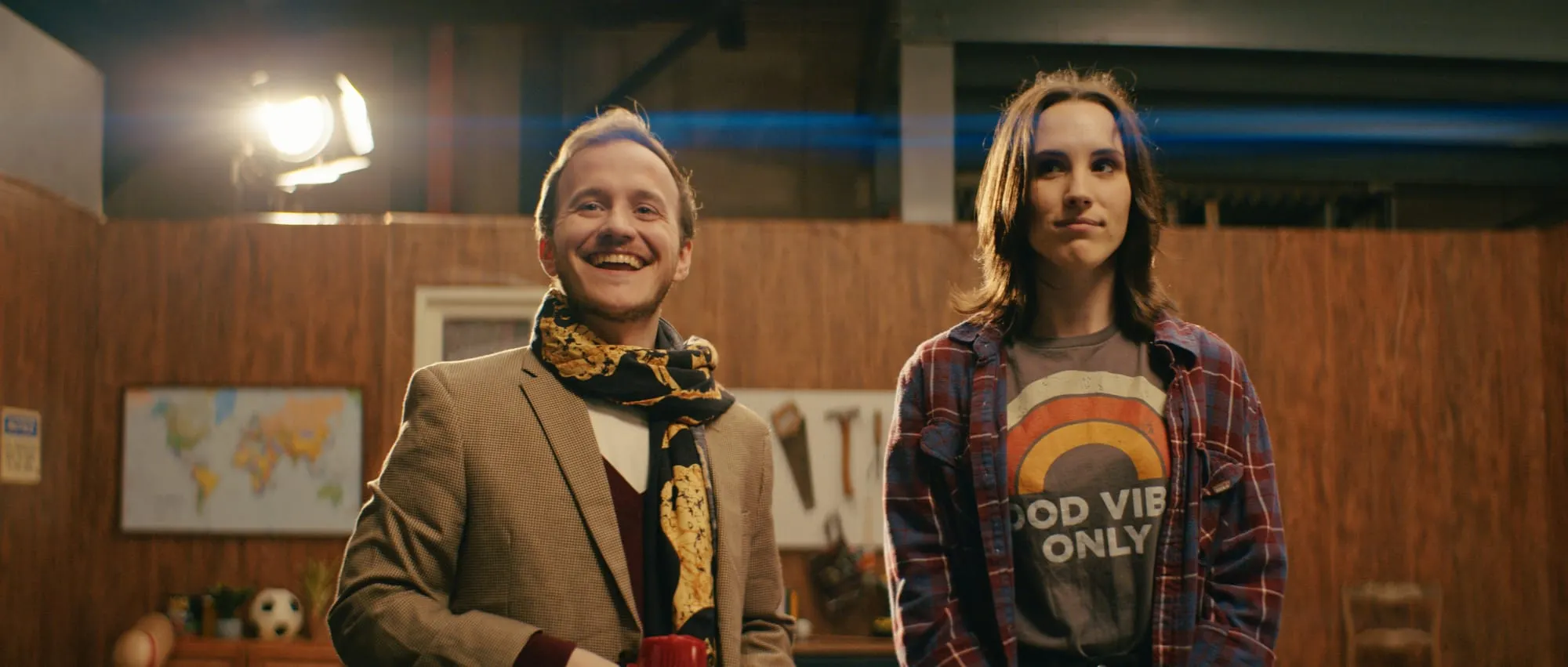
A group of ambitious film students summon a real demon to star in their movie, and survival quickly becomes the only scene left to shoot. That's the premise of Lights Camera Carnage, Logan Weisberg's senior thesis turned practical-effects showcase — a film he describes as "Evil Dead if it took place on a student film set."
What makes it more than a gag is what Weisberg smuggled in underneath the gore. Film school tends to push students toward the deep and self-serious; he went the other direction and made something designed to be as fun to watch as possible, then quietly loaded it with everything he actually knows about being an older sibling. The result is a slasher parody with an ensemble that earns its arcs, arriving at a moment when indie horror from young filmmakers has the industry's full attention.
Key Takeaways
- Weisberg shot the film in three days on a limited budget, stretching both to their absolute limits to land on-screen practical effects he'd been told weren't feasible.
- A single standout audition tape convinced him to go back into the script and rewrite a character's ending — the role had originally been written to die.
- He's developing Lights Camera Carnage as a feature, with room to restore the over-the-top effects he had to cut.
Weisberg spoke with us about writing five steps forward and three steps back, the addictive rhythm of genre filmmaking, and why entertainment comes first.
Interview
What drew you to make this film, and why this story, why now?
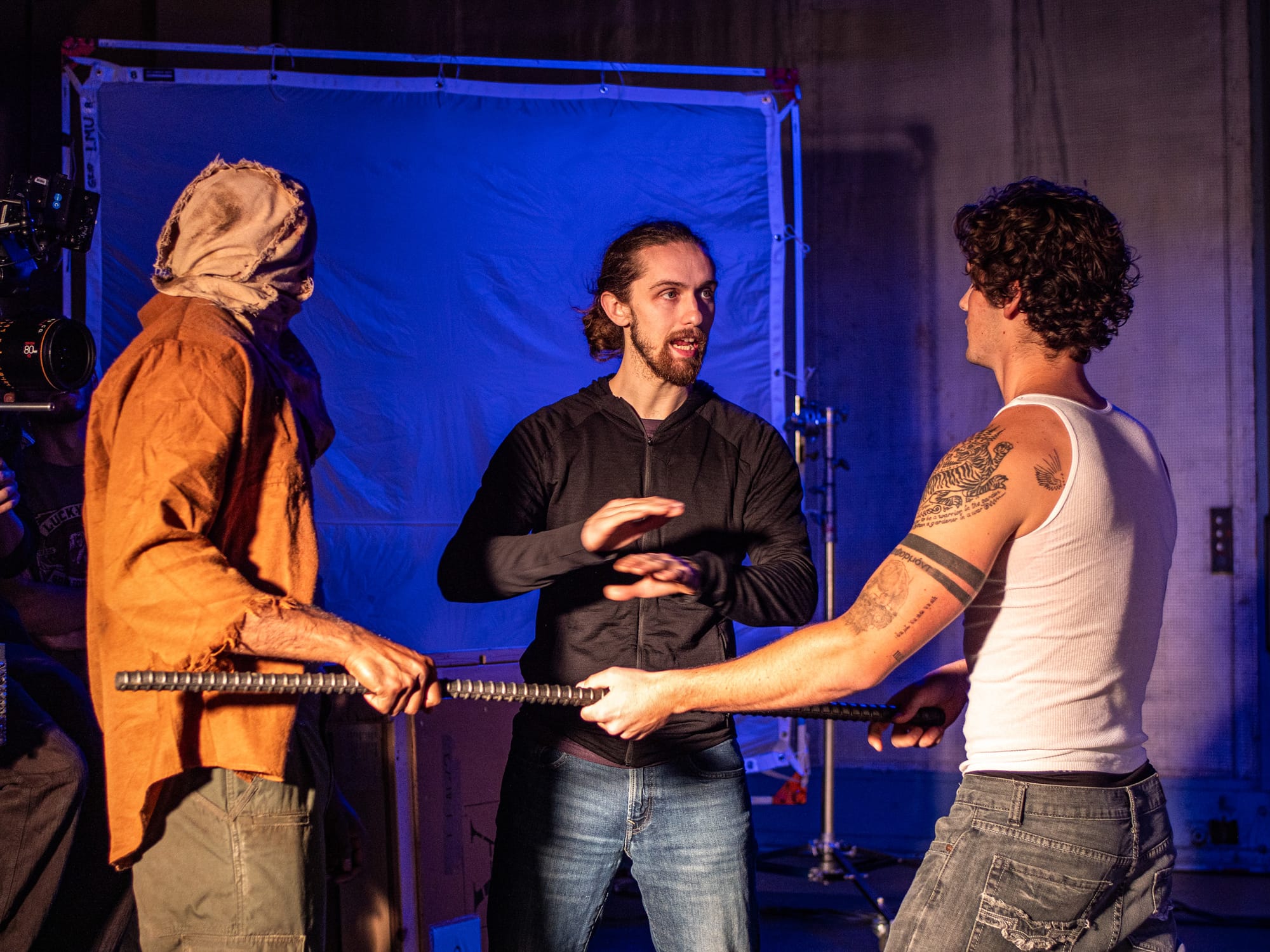
I made this film as my senior project at film school, where I had largely worked in the horror genre. In film school, there's a lot of pressure for your senior thesis to be really "deep" and self-serious, so I kinda decided to go in the opposite direction and make something that was designed to be as fun to watch as possible — while also parodying a lot of the experiences I'd had on student film sets.
You're often told to make the film you want to see, and it really felt like I was throwing all my favorite things in a cauldron (slapstick comedy, practical gore, sibling dynamics) and stirring them together. Coincidentally, it's coming out at a time when indie horror from young filmmakers is getting a lot of attention, so I think people will appreciate a film that's about exactly that: young people trying to make a horror movie.
What surprised you most about the filmmaking process, creatively or logistically, including any moment that changed how you saw the story?
I describe my writing process as "five steps forward, three steps back." Basically, I write until I realize the story isn't working, and then I backtrack to find out where it went wrong. So there were a lot of offshoots of this story that I had to clip.
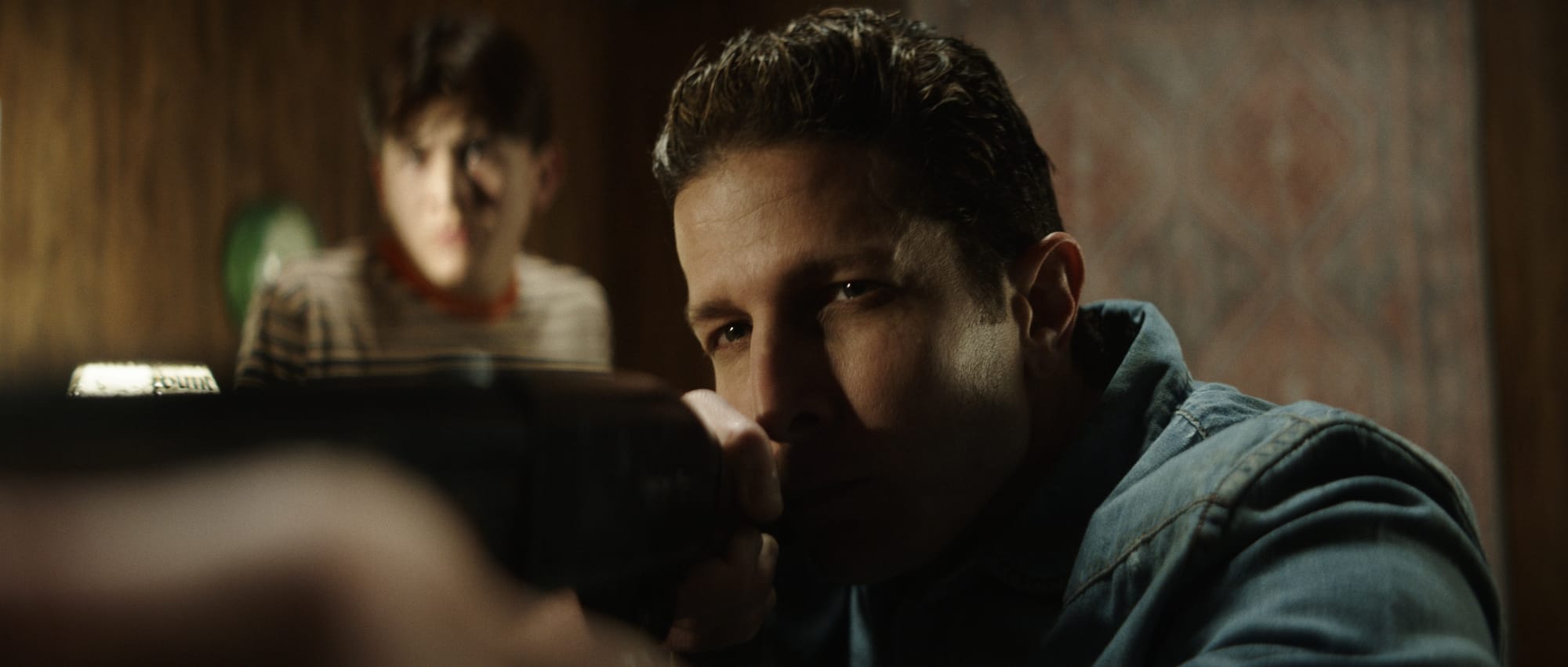
I wanted to make sure my characters came across very strongly, as this can often be a weakness in short films, so I was constantly revising their dialogue and actions — especially when the roles were cast and I could tailor them more personally to each actor. One character in the film was supposed to die, but then I got an audition tape for the part that was so strong and such a nuanced take that I immediately knew I had to go back to the script and rewrite that character's ending.
What moment in the film feels most like you, or like something only you could have made?
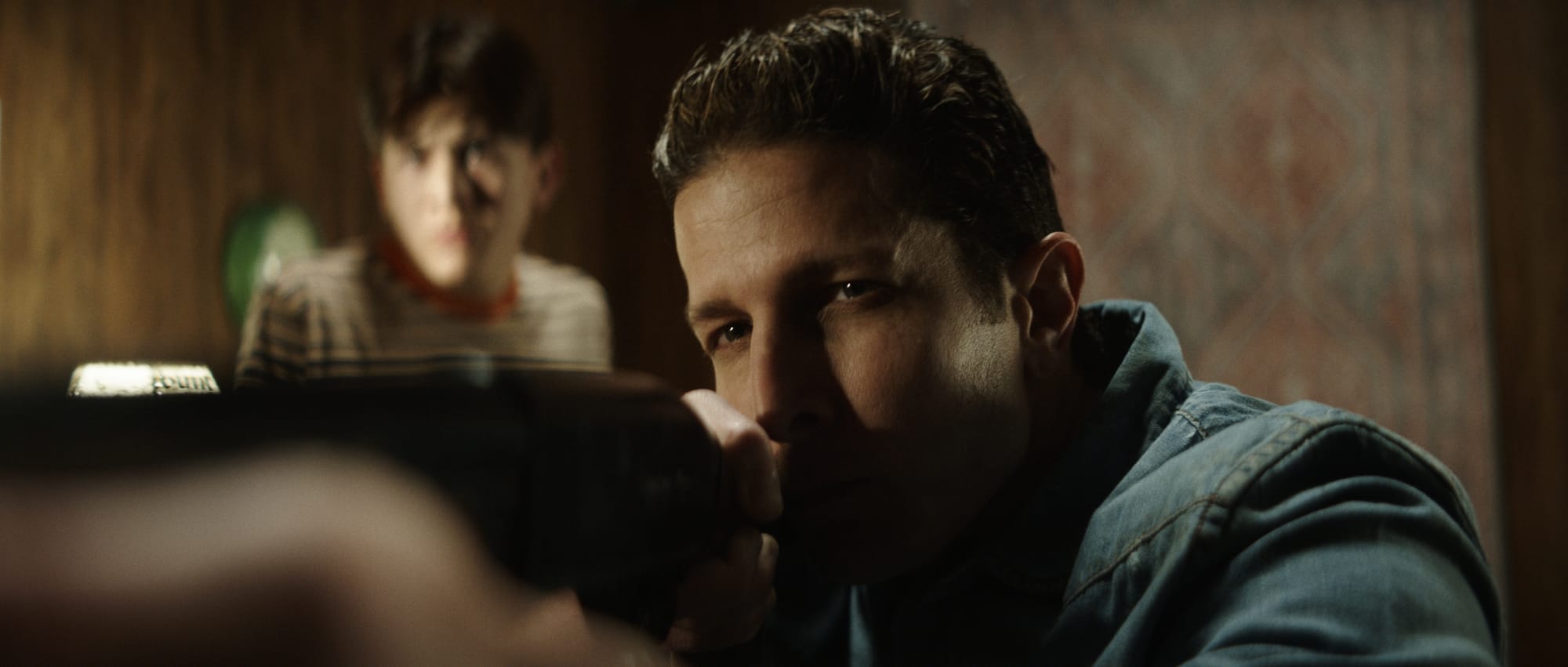
So much of who I am is defined by being an older sibling, so I was able to channel a lot of my own thoughts and feelings about that responsibility into the film, which I think gives the film its heart and makes it unique amongst similar slashers. I'm a sentimental sap when it comes to that kind of thing.
What was the hardest creative decision you made while making the film?
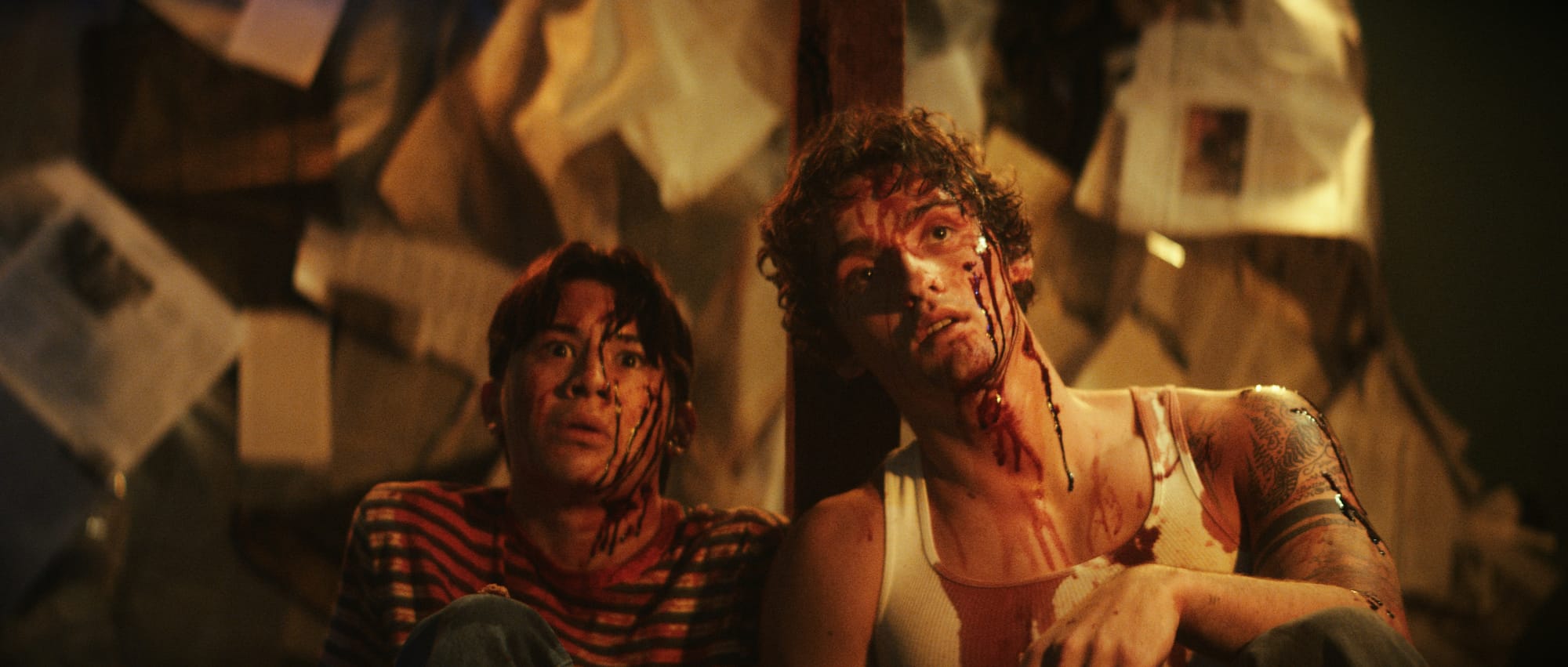
Cutting. It's always gonna be choosing what to cut out. You make a lot of cuts that actually improve the clarity of the story, and then you have to make some cuts that are purely for practicality. We had only three days to film this and a limited budget, and while both of those things were stretched to their absolute limits, there are moments I had to lose that I would love to bring back for the feature adaptation (fingers crossed). Mainly a lot of really over-the-top effects.
How does your film fit within, or push the boundaries of, its genre or form?
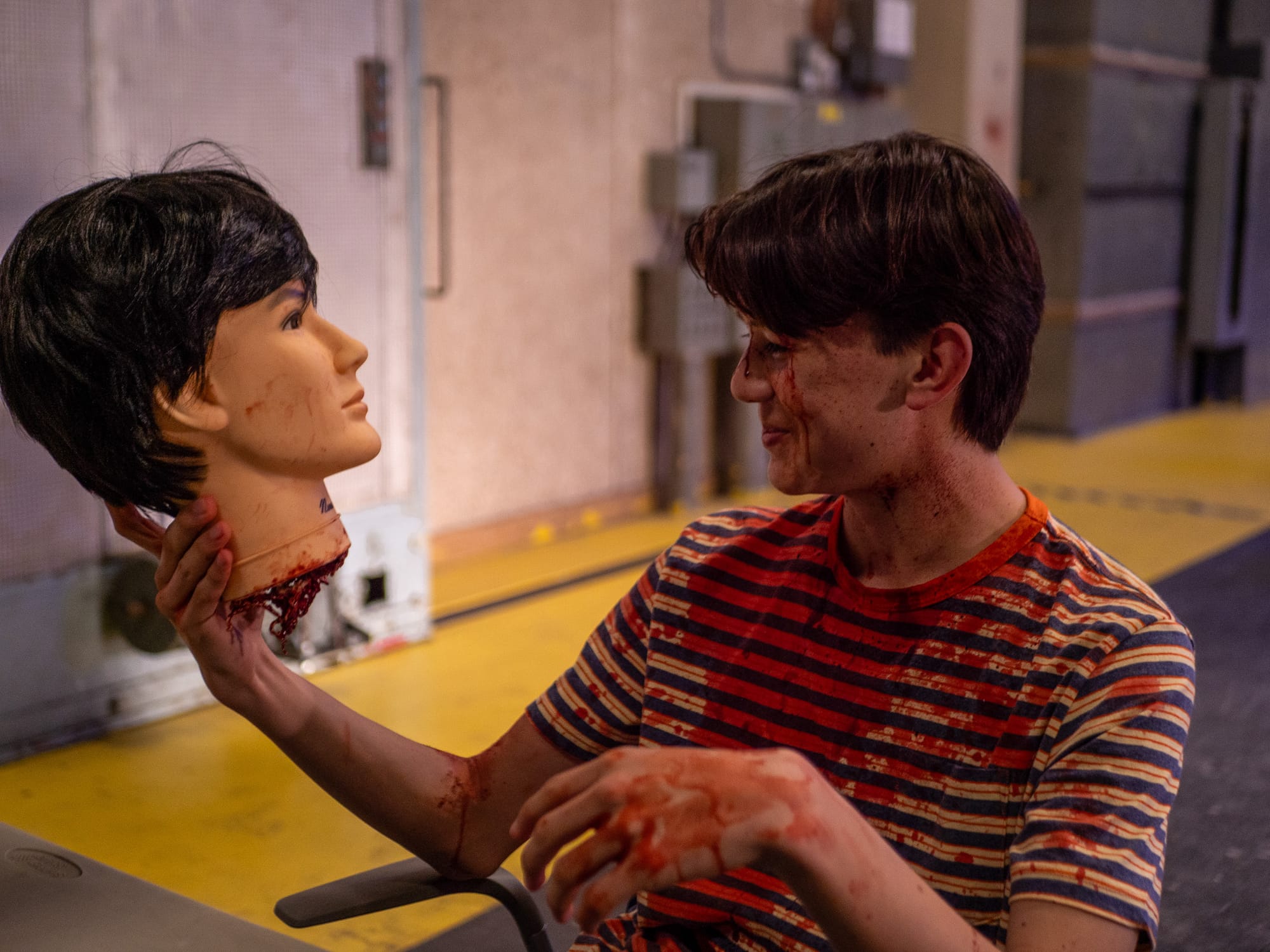
I love the horror genre, but I have a bone to pick with a lot of horror shorts. I'm tired of the slow buildup into the jumpscare monster reveal and hard cut to credits. Even in a short film, I wanted to make sure I gave audiences a full meal, so to speak. I think this film really pushes the boundaries in terms of practical effects that happen on-screen, complete character arcs across an ensemble cast, and just telling a fully complete story. It challenges the idea of what short form horror can look like.
What tool, technique, resource, collaborator, or mindset shift helped most during production?
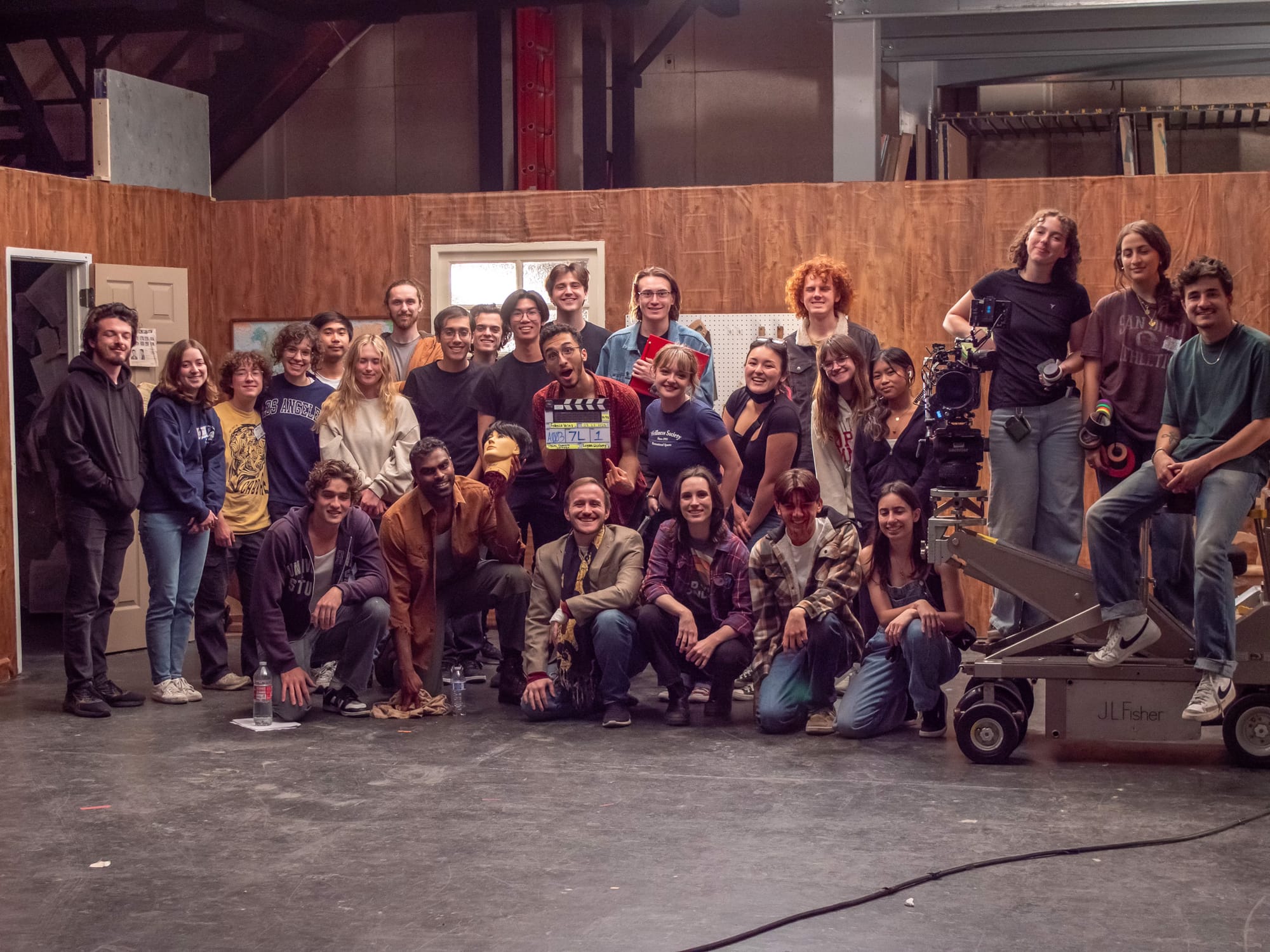
I really had to be my own hype man. As a director, you're responsible for so much. You're constantly faced with decisions and it can get overwhelming. I found it helpful to take the time to acknowledge that what I was attempting to do was really hard but also badass. Even when everything was going wrong, I'd put on a song and be like, "It's time to lock in." You gotta love the hustle and romanticize the struggle.
The greatest strength of independent filmmaking is the freedom of creativity. You will face constraints in every other area, but your creativity is limitless. And it's not just your creativity. By surrounding yourself with talented people and giving them the freedom to experiment and explore, it's gonna open so many doors you didn't even know were there. Give people the respect to try out their own ideas and you'll foster a rich environment of creativity.
How has this film shaped the kinds of stories you want to tell next, and what does FilmQuest mean for it?
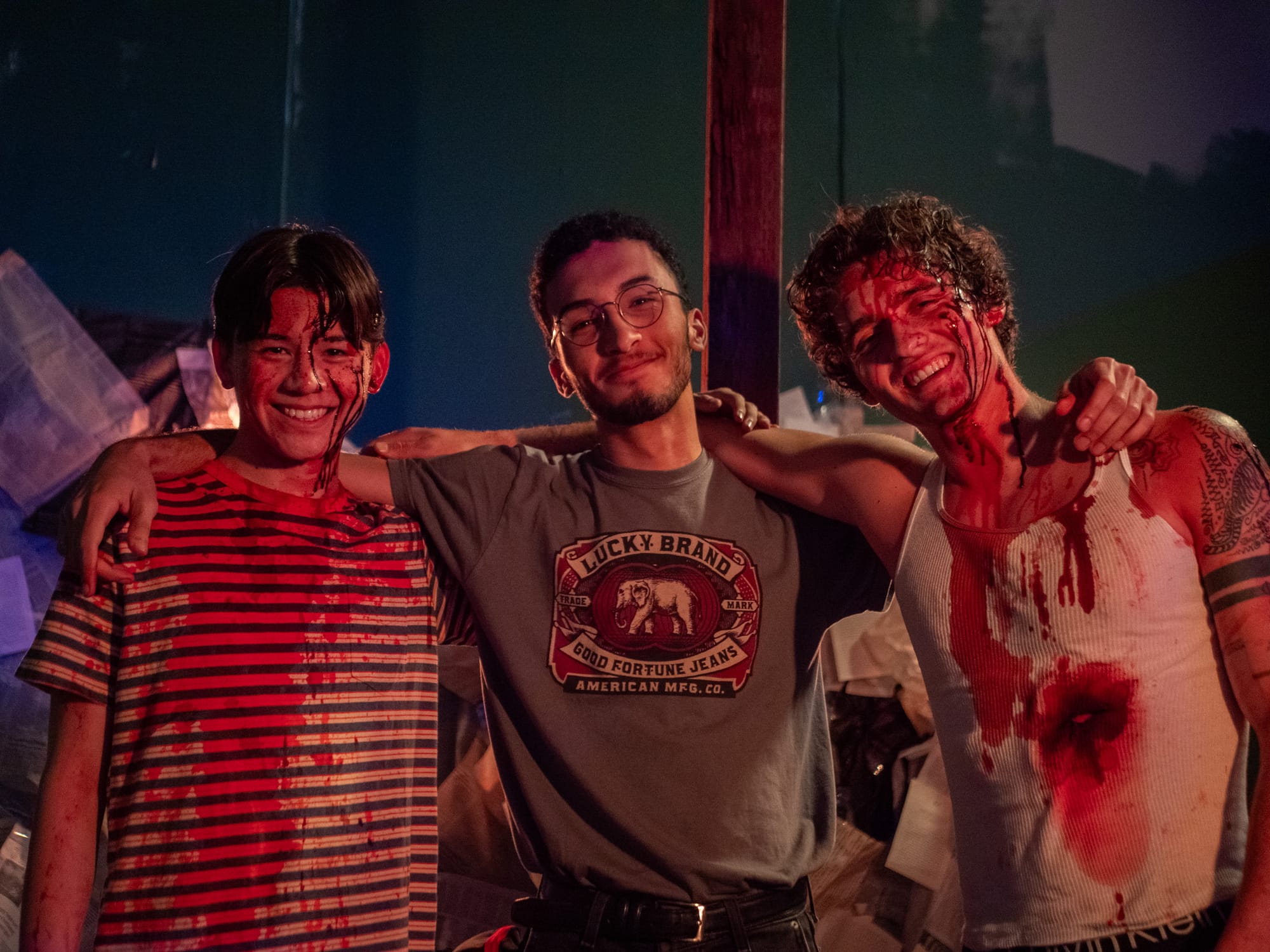
This film really cemented what I love about working on genre films. When you're able to create these really insane things in front of the camera, the fact that you're filming it almost becomes secondary. It feels a lot like recording skate tricks. Like you'll blow something up and then turn to the camera guy like, "Yo, did you get that?" It's an addictive feeling. I intend to continue exploring what's possible to achieve within genre filmmaking.
Getting into FilmQuest is validating. It means that you did right by all the incredible people who lent their talents to the film. It's also exciting because it means that you'll get to share something you think is really cool with a lot more people. FilmQuest especially attracts such an amazing pool of filmmakers, and I'm really looking forward to seeing what they bring to "show and tell" and making some great connections.
What do you hope audiences take away from this film, and where does it go next?
I hope this film inspires people, especially film students, to broaden their imagination for what's possible and to really shoot for whatever crazy ideas they have. I pulled off a lot of things in this film that I had been advised weren't feasible. It really is just a matter of finding the right people and getting creative. I believe the best way to improve and stand out as a filmmaker is to really take a big swing on each new project.
At the core of all my work is a desire to entertain. Everything's gotta come second to that for me. I really try not to be pretentious. As for next — Hollywood. Hopefully. In all seriousness, I am working to develop this film as a feature. The short has gotten a lot of positive attention, and I am really hopeful and excited to see where it goes. The short specifically will be online very soon, though.
Main Cast & Crew
- Drue Fourmont — Luke
- Brayden Hsu — Aidan
- Drew Paramore — Jonas
- Claire Rogan — Miranda
- Logan Weisberg — Director/Writer/Producer/Editor
- Collin Surbeck — Producer
- Federico Velez — Director of Photography
- Josephine Spanier — Production Designer
- Dylann Taylor — Composer
Filmmaker Opportunities
💛 Fund your next project with fiscal sponsorship
Have a project in the works? As a 501(c)(3) nonprofit, the Cinematography for Actors Institute can accept tax-deductible donations on your film's behalf — a door-opener for grants, foundations, and supporters who want to back your work. We've serviced over 100 projects to date and helped route over $800,000 in funding to filmmakers. Explore fiscal sponsorship →
📬 Grant deadlines and festival opportunities, straight to your inbox
The CFA newsletter rounds up grants, festival calls, and community news for independent filmmakers — the kind of opportunities that are easy to miss and painful to miss. Join the newsletter →
🎬 Focus on the creative — we'll help with the logistics
Production Management, CFA's newest member program, launches this November: production insurance and workers' comp, payroll, film permits, gear rental coordination, SAG-AFTRA compliance, contract drafting, production consulting, and crew recommendations — handled by a team of working filmmakers, à la carte or all in, in partnership with Creative Access Group. It's waitlist-only until launch. Join the waitlist →
League of Filmmakers is published by our parent organization, the Cinematography for Actors Institute — a 501(c)(3) dedicated to education, community, and capital for underrepresented filmmakers and actors. Learn more about CFA →