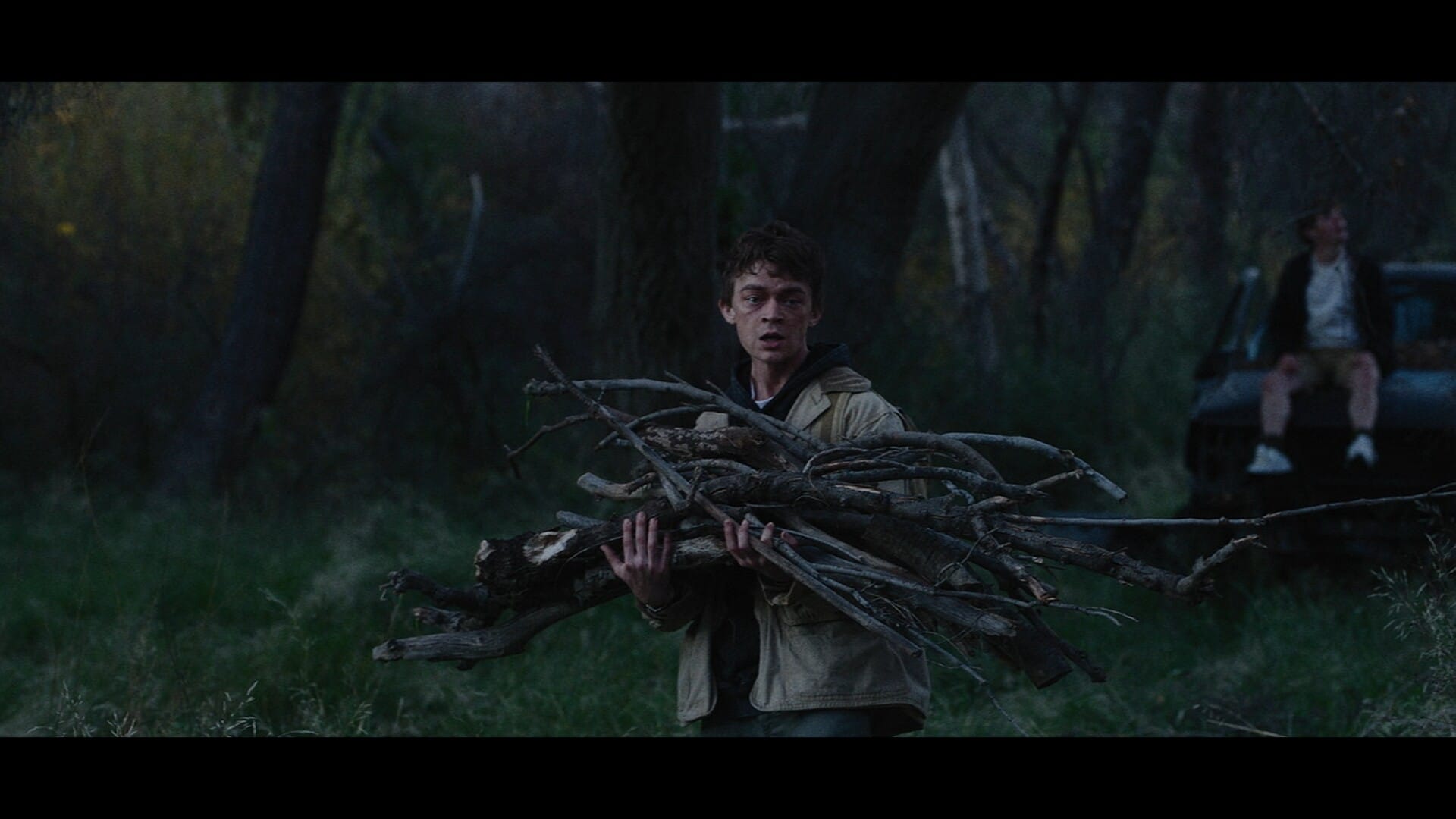
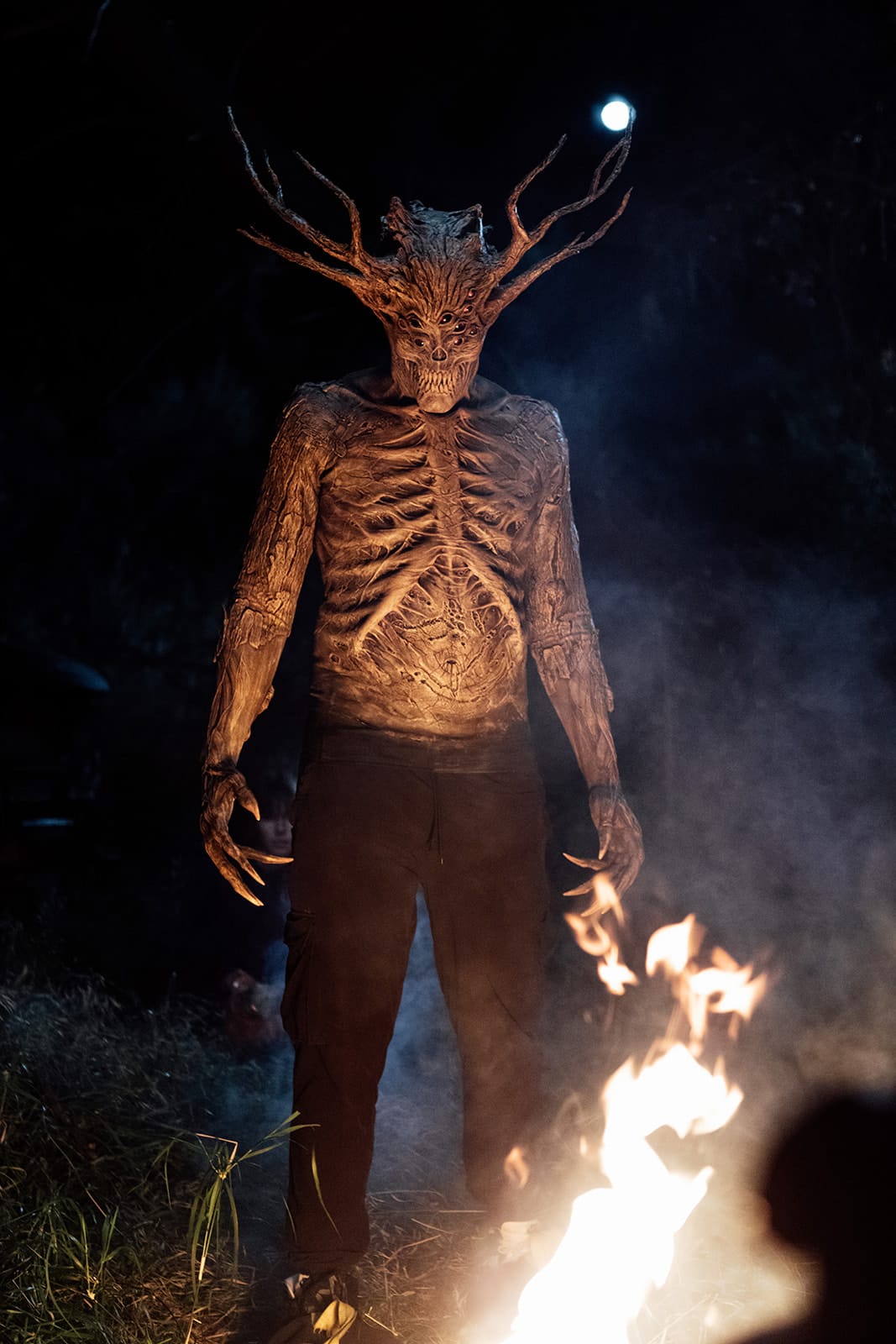
A teenager goes looking for his estranged brother at an abandoned RV park, only to find something else has taken his place. That's the engine of MILO, Ryan Ross's genre-shifting short, and it started somewhere far less ominous: a 2018 camping trip, a 2 a.m. trip to the restroom, and a friend who thought it would be funny to come scrambling out of the bushes on all fours.
The scream Ross let out that night woke the entire campsite. The idea stayed with him for years, and when it finally surfaced as a film, it had grown into something heavier than a prank — a story about two brothers, the friction between them, and the question of what could crack a relationship that badly. MILO plays FilmQuest fresh off a Screamfest run, with Leeds International Film Festival next on the calendar.
Key Takeaways
- MILO refuses to sit in one register, moving from eerie dystopia to family drama to thriller to horror, with a strained sibling relationship holding the center.
- A shot from inside a dead carcass on the roadside — cut from Day 1 for time — was salvaged in a 20-minute window on Day 2 through coordination between the DP, art department, and 1st AD.
- Storyboarding, drawn by a self-described abysmal artist, became the production's most valuable tool for blocking and camera placement.
Ross spoke with us about the prank that wouldn't leave him alone, the happy accident that sharpened his film's pivotal scene, and the feature adaptation now in the works.
Interview
What drew you to make this film, and why this story, why now?
It stemmed from a camping trip I did back in 2018 with my pal Ben. I was using the restroom facility at 2am in the morning and he decided to play a prank as I was exiting the restroom, scrambling out of the bushes on all fours as he ran up to me. I let out the loudest, bloodcurdling scream and woke up the entire campsite. That idea stayed with me, and eventually transformed into a story about a strained relationship between two brothers and what could lead to a fracture in such a relationship.
What surprised you most about the filmmaking process, creatively or logistically?
Coming from an editorial background, I knew what I wanted to cover shooting-wise in pre-production. While on set, we found a lot of new and exciting moments amongst difficult shooting challenges and change-ups in our schedule. It was a busy and extremely rewarding set.
What moment in the film feels most like you, or like something only you could have made?
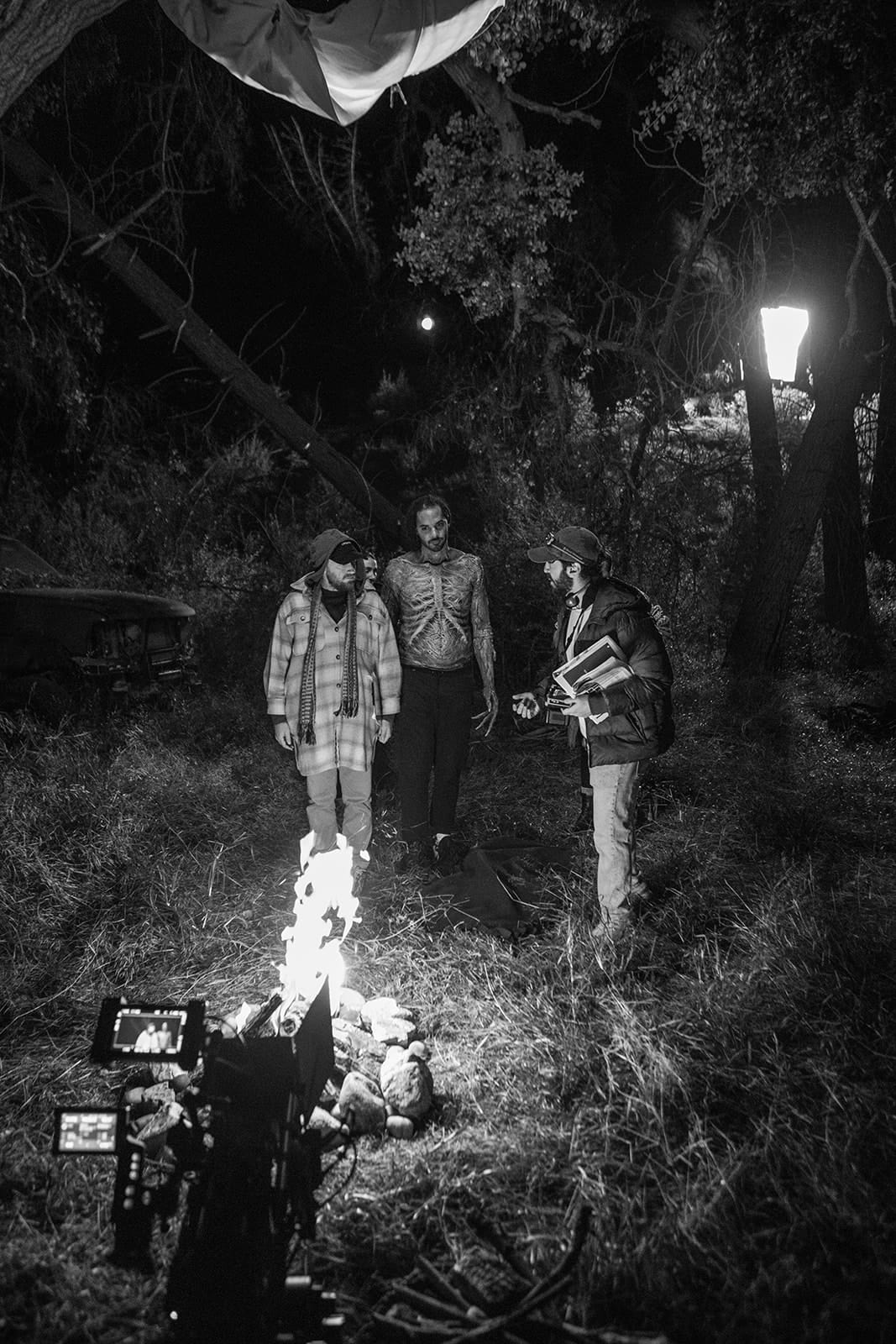
Doug, our DP, and I came up with an idea for a shot from the inside of a dead carcass on the side of the road. We originally had run out of time on Day 1, but we talked to the art department as well as our AD Kendall Foote about fitting it in a brief window on Day 2. We all sat down and figured out the best time to shoot it, and we managed to make that shot work in a 20 minute window. It came out fantastic — and bloody.
What was the hardest creative decision you made while making the film?
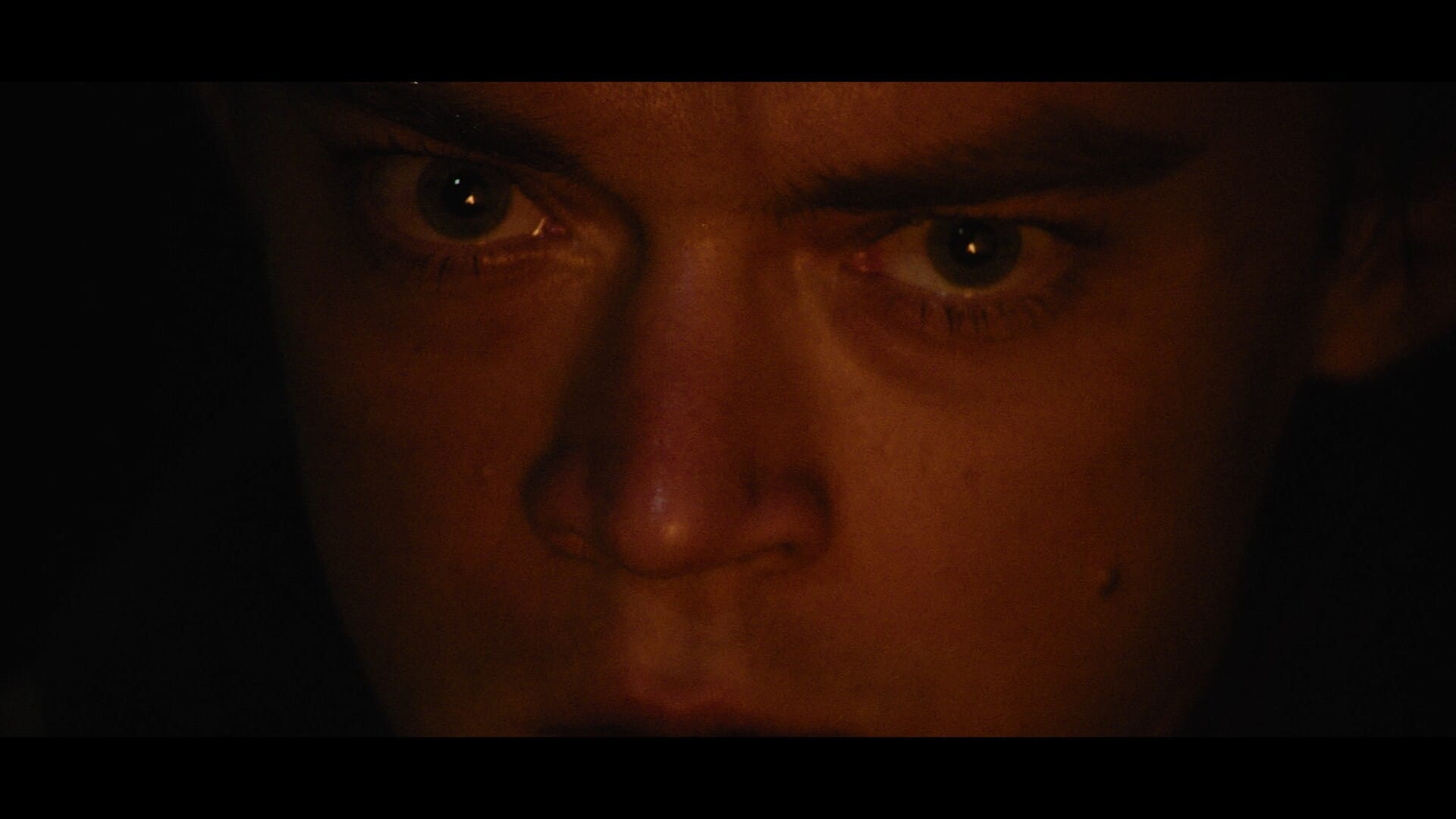
On our 2nd day of shooting, we did a split day, half day and half night. That's when we shot the pivotal scene of the film, when our titular character MILO confesses to what happened in the bathroom. Our great actor Sam Huntsman was screaming and yelling and lost his voice giving it his all. We had to cut down the coverage and duration of how long we were going to film that scene, since we needed him in a pivotal scene the 3rd day of filming. It worked in our favor as a happy accident in the edit, since his performance blew us away while cutting it.
What tool, technique, resource, collaborator, or mindset shift helped most during production?
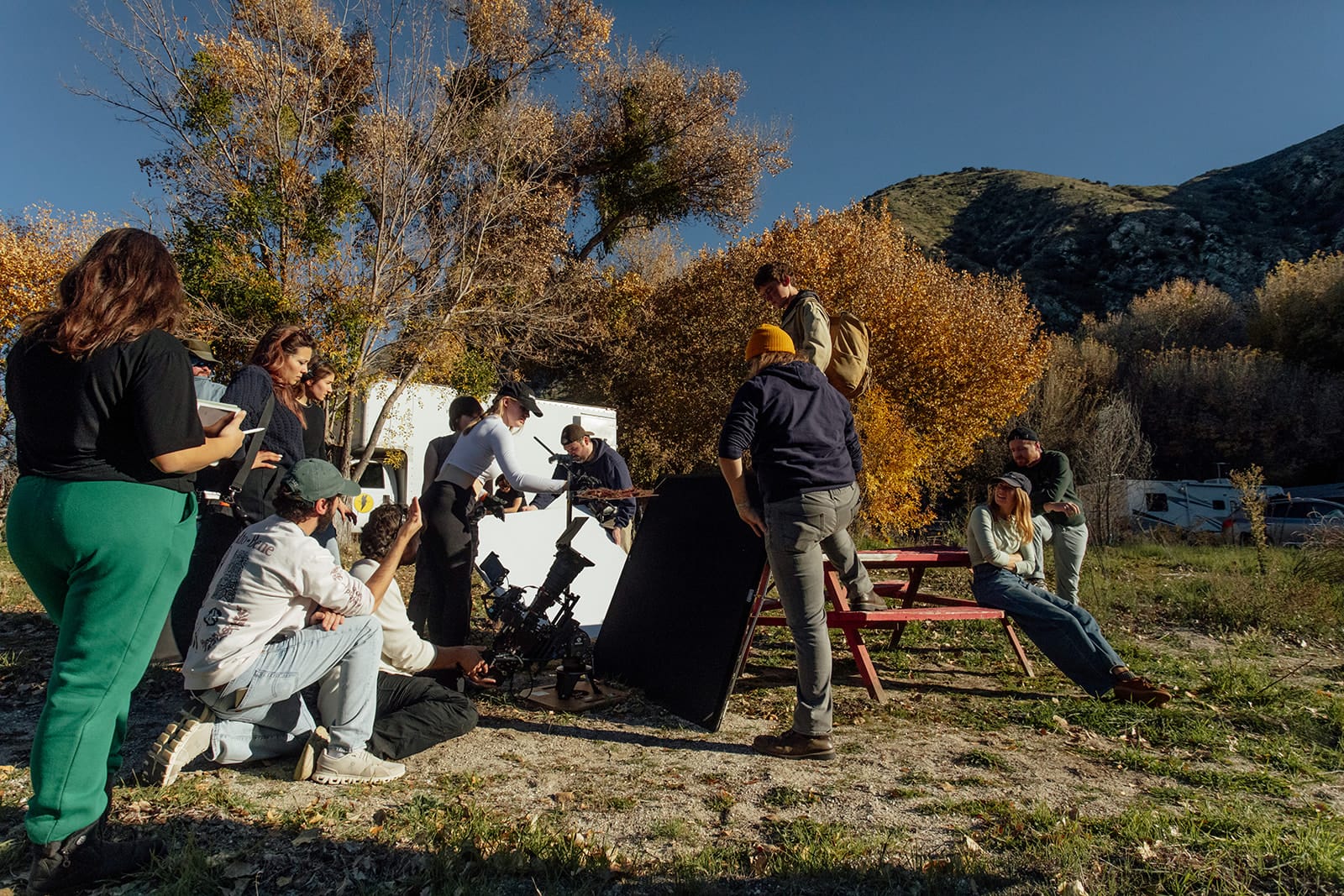
Honestly, storyboarding helped the most. I'm an absolutely abysmal artist when it comes to drawing. When I drew the storyboards for each shot and setup, it really helped me see the ideas in my head come to life and understand how blocking, camera placement, and everything else on set would happen. Really helpful in the end.
How does your film fit within, or push the boundaries of, its genre or form?
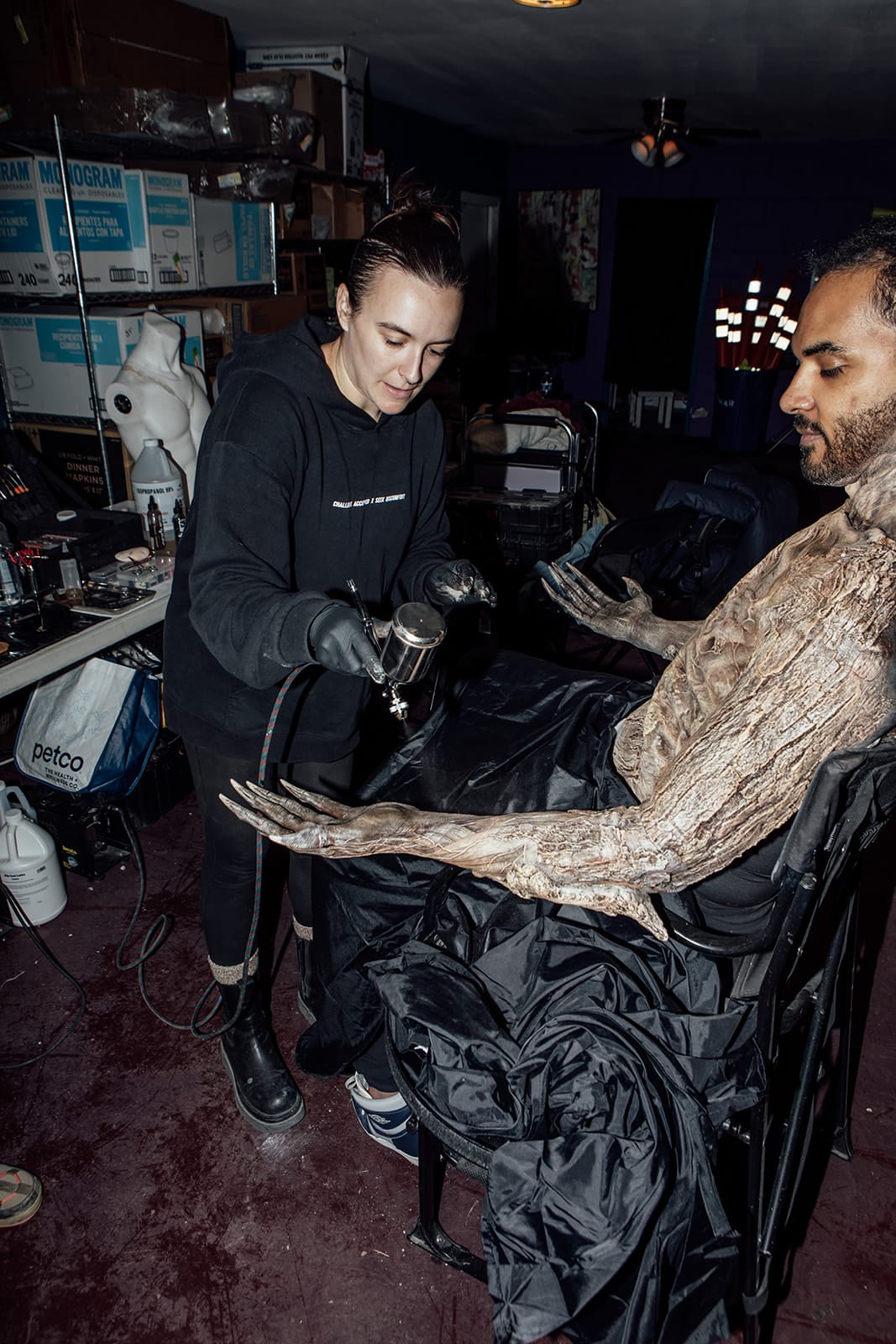
I love all sorts of genres. I treated MILO as its own thing entirely — the genre shifts from eerie dystopian to family drama to thriller to horror. MILO tackles a burdened relationship at the heart of the story.
What do you hope audiences take away from this film?
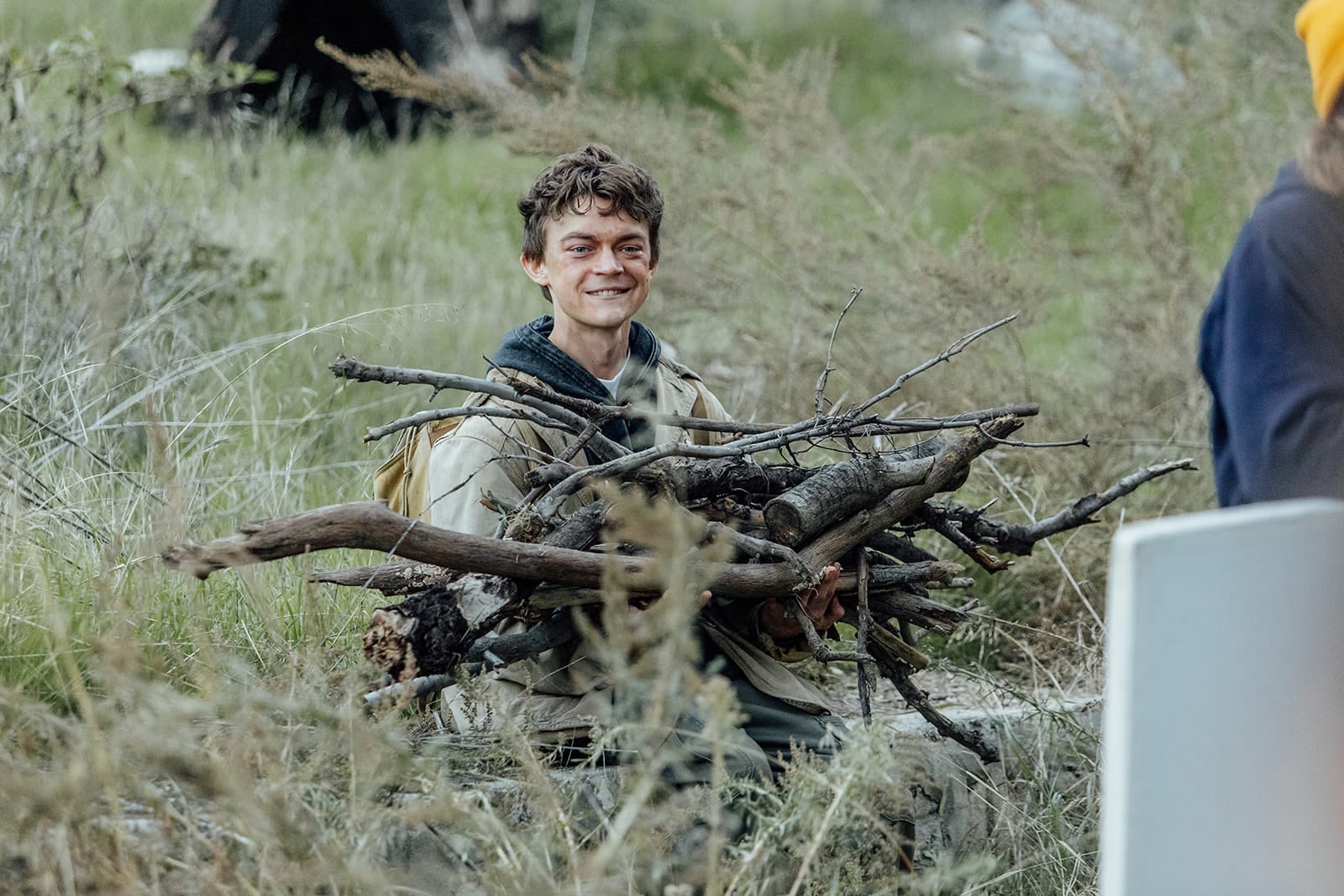
I hope they get scared, first off. I wanted to make a tense film based on a campfire ghost story that winds up being something else entirely. I'd love for audiences to want to know more about the brothers' relationship and their family dynamic, and what could have caused this friction. At the core of all my work is a desire to connect audiences with their deepest fears and help them overcome them.
What does it mean to have your film selected for FilmQuest, and where does the film go next?
I'm so honored to have my film playing at FilmQuest. It's such an exciting and unique genre festival, and one of the best festivals in the world to meet and be around other genre filmmakers. I'm taking MILO on the road to Leeds International Film Festival and other festivals as well. There will be a lot of LA screenings to come, as we just played Screamfest recently. I also want to direct more short films in the genre space as well as other bigger projects, and I'm planning a feature-length adaptation of MILO. I want to tell more stories about dysfunctional families, losing sense of religion, and distrust of the medical system.
Main Cast & Crew
- Samuel Huntsman as MILO
- Maddox Blackwell as KAI
- Ryan Ross — Writer/Director
- Laura Garcia — Producer
- Christian Jones — Producer
- Doug Porter — DP
- Kendall Foote — 1st AD
- Jose Chavez — Associate Producer
- Sasha Glasser — Practical Effects Artist
- Chelsea Delfino — Practical Effects Artist
Filmmaker Opportunities
💛 Fund your next project with fiscal sponsorship
Have a project in the works? As a 501(c)(3) nonprofit, the Cinematography for Actors Institute can accept tax-deductible donations on your film's behalf — a door-opener for grants, foundations, and supporters who want to back your work. We've serviced over 100 projects to date and helped route over $800,000 in funding to filmmakers. Explore fiscal sponsorship →
📬 Grant deadlines and festival opportunities, straight to your inbox
The CFA newsletter rounds up grants, festival calls, and community news for independent filmmakers — the kind of opportunities that are easy to miss and painful to miss. Join the newsletter →
🎬 Focus on the creative — we'll help with the logistics
Production Management, CFA's newest member program, launches this November: production insurance and workers' comp, payroll, film permits, gear rental coordination, SAG-AFTRA compliance, contract drafting, production consulting, and crew recommendations — handled by a team of working filmmakers, à la carte or all in, in partnership with Creative Access Group. It's waitlist-only until launch. Join the waitlist →
League of Filmmakers is published by our parent organization, the Cinematography for Actors Institute — a 501(c)(3) dedicated to education, community, and capital for underrepresented filmmakers and actors. Learn more about CFA →