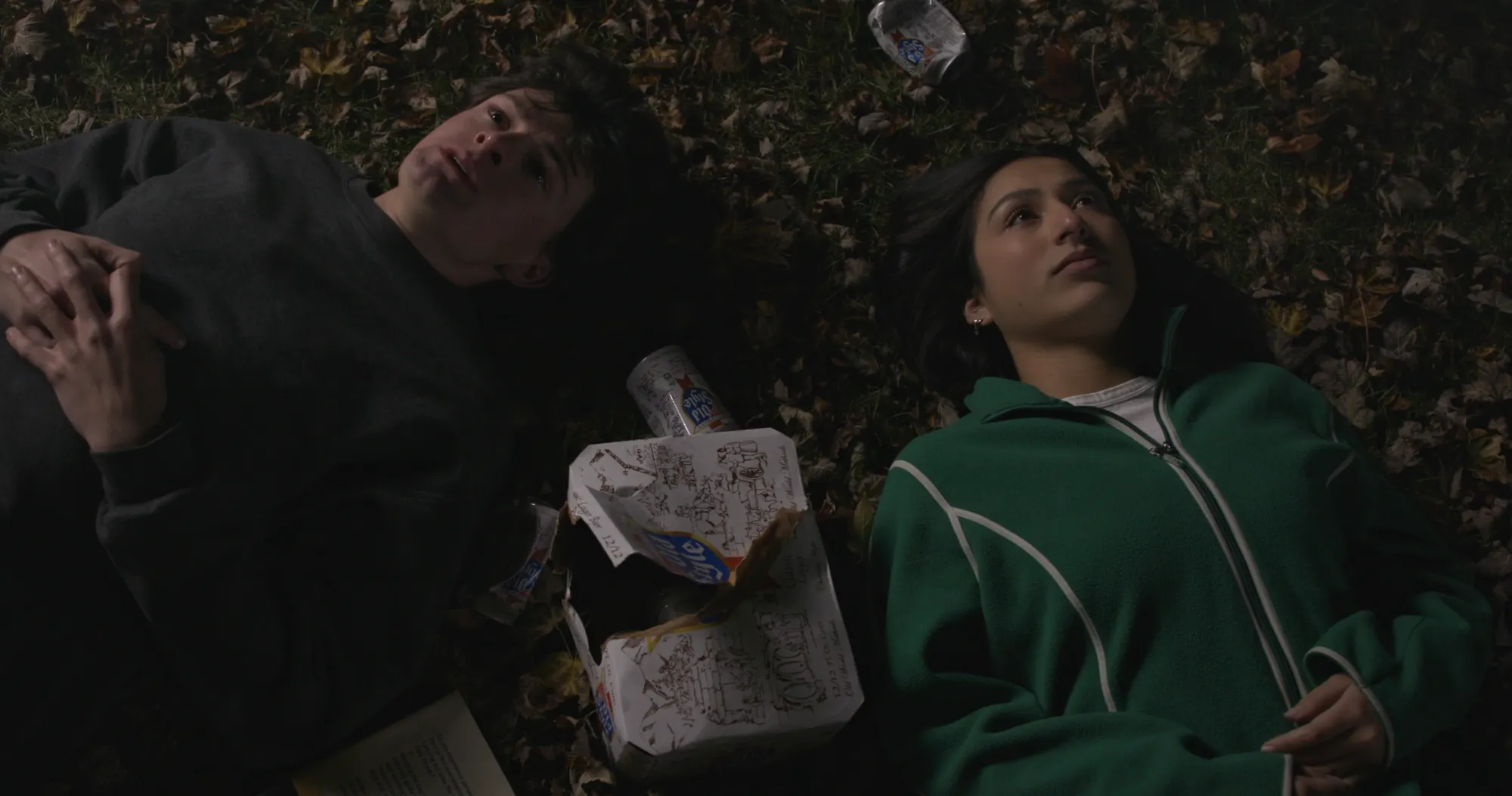
Gregory Falls is finally ready to maybe start to think about beginning to cope with his sister's untimely death. The only issue is, he can't figure out how. In Mind the Gap, writer-director-editor Brooke Scott builds a dramedy out of that stalling — a failed online confessional, a best friend who keeps showing up, a fish in a bowl — and lets her protagonist stumble into acceptance rather than arrive at it.
Scott wrote the film to face her own existentialist fears head-on, and the result is unusually candid about what it feels like to live inside an anxious mind. Selected for TRC Shorts Fest, a festival built around women and non-binary creators, Mind the Gap is dialogue-forward and deliberately unresolved, more a collection of conversations — often between a man and himself — than a tidy arc toward healing.
Key Takeaways
- Scott drew directly on her lifelong experience with OCD and intrusive thoughts, writing the film to put "all the jumbled thoughts rattling around in my head into words."
- The ending was rewritten five or six times as Scott searched for a tone between unrealistic optimism and outright despair.
- A student film with almost no budget, shot in off-campus housing with student actors — constraints that became creative freedom.
Scott spoke with us about paranoia, a difficult fish, and why she ignored the notes on her opening scene.
Interview
What drew you to make this film, and why this story, why now?
I am an extremely paranoid person. Despite my constant attempts to convince my friends, family, and myself otherwise, truthfully, I am scared of everything on this planet. The world is a walking hazard, yet somehow, we're all just blissfully living in it.
For a while, I was consumed by the idea of death. It's a worry most people have, but for me, it permeated every thought I had for an unhealthy period. I've struggled with OCD my entire life, and for some reason, my intrusive thoughts latched onto this fear. It was baffling to me that people could live day-to-day without constantly remembering that they could die at any second. It made me feel absolutely crazy. But I came to realize that most people have learned to just accept that thought as a reality of life and move on with their day.
I wrote this script to face my existentialist fears head-on and put all the jumbled thoughts rattling around in my head into words. While Greg's story is fictitious, the sentiments throughout the film are very much based on real relationships and experiences. We may never have answers for why the world works as it does, but maybe that's ok. The completion of this film shockingly didn't cure all of my mental health issues, and I'm probably just as anxious as I was before writing it, but at least I can tell my therapist I tried to work on it — and that's a massive win in my book.
What surprised you most about the filmmaking process, creatively or logistically?
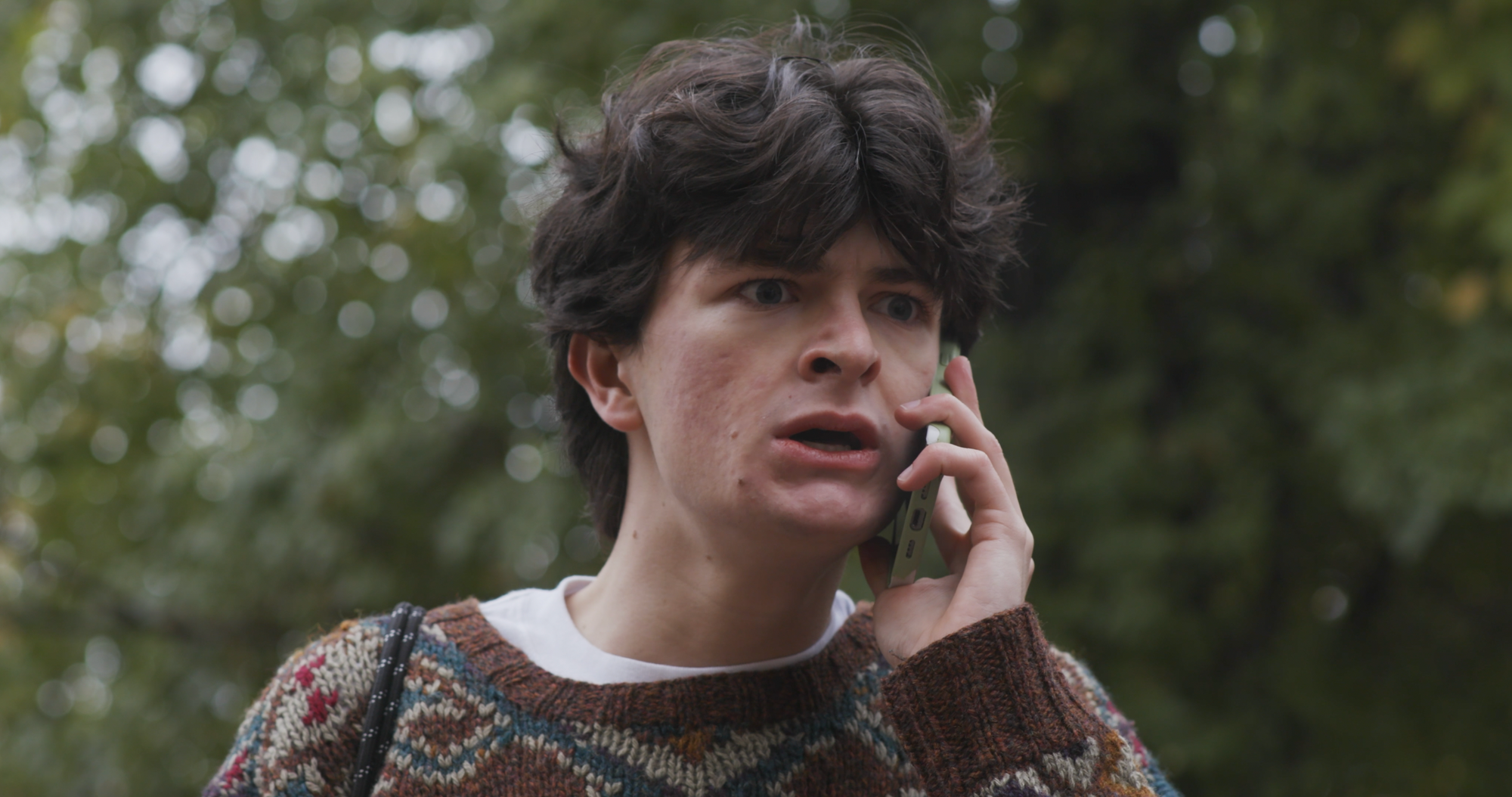
Filming with a fish is extremely difficult. I always assumed that the only issue I'd have with pets on set would be dogs or cats, but a fish was somehow worse. We had to do so many takes to get it to swim on the correct side of the bowl in frame, and making sure the fish was well cared for in between takes was much more stressful than I'd imagined. Ultimately, I think it was fitting that the fish complicated a lot of the filmmaking process. We had a plan; we tried to stick to it, but forces outside our control threw it into chaos, and we had to learn to adapt. That's life.
What moment in the film feels most like you, or like something only you could have made?
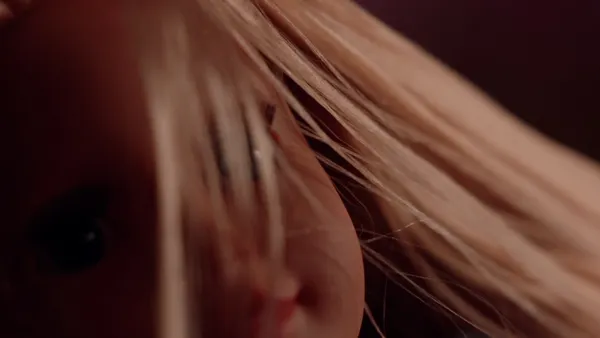
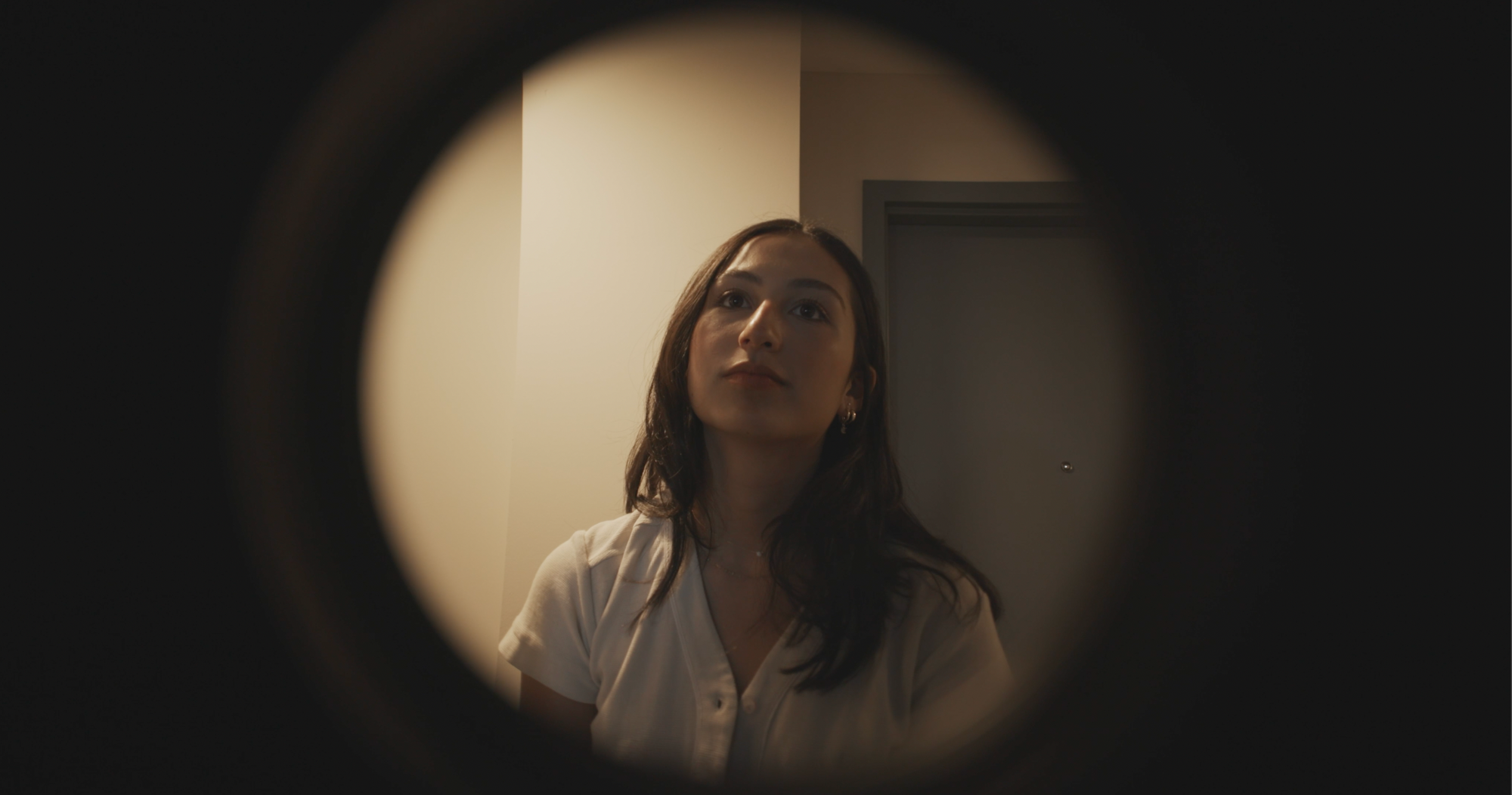
I think the opening scene. I remember showing it to my senior thesis class, and the reaction I got was mostly confusion. Some critiques I received were that people didn't relate to the scene because they thought it didn't seem realistic, but I didn't really take those critiques into account. I feel like if you've ever had intrusive thought patterns, you'll understand the scene perfectly; if you haven't, then the scene wasn't made for you, and that's ok.
What was the hardest creative decision you made while making the film?
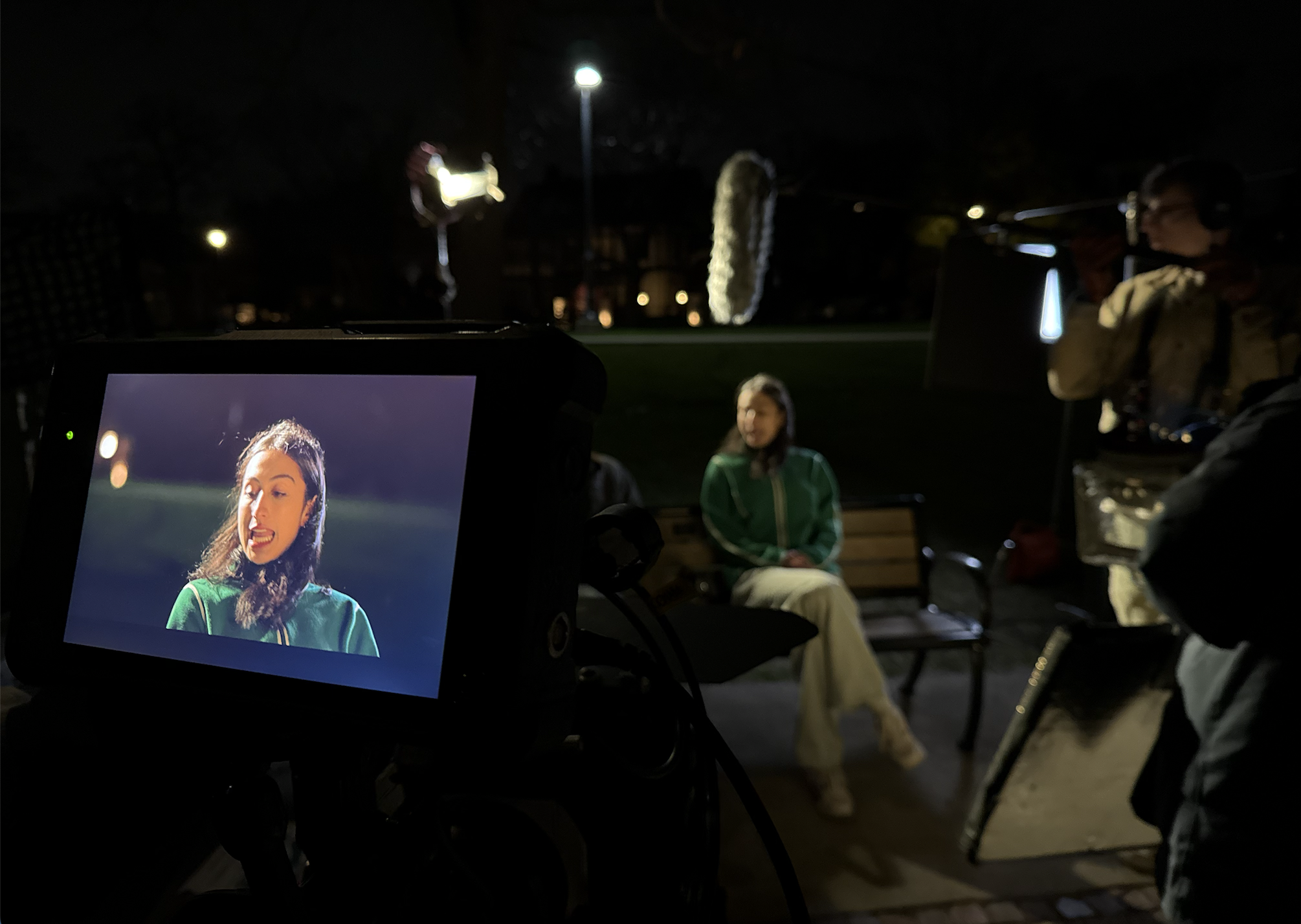
Deciding on the ending was definitely the hardest creative decision. I rewrote the ending five or six times, and I really struggled to decide what message I wanted the audience to take away from the film. The initial ending felt almost too futile, and while I liked it, I was worried it would send the message that life is meaningless, which wasn't my intention in making this film. Trying to toe the line between not having an unrealistically optimistic ending and one that felt deeply pessimistic was very difficult.
How does your film fit within, or push the boundaries of, its genre or form?
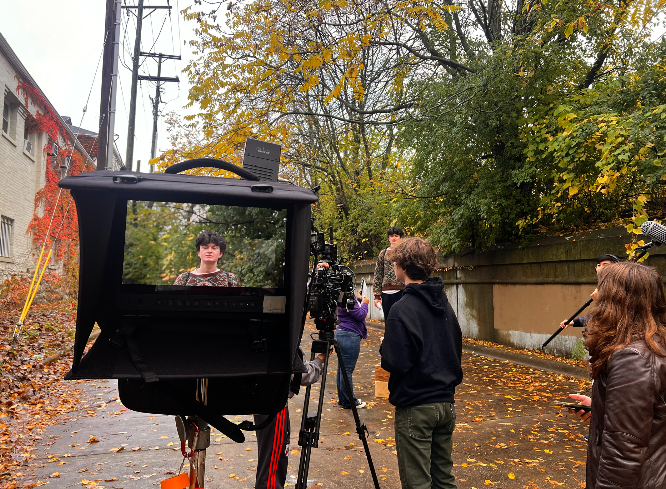
In terms of genre, I think it's a pretty standard dramedy, but I know my film is definitely more dialogue-heavy than traditional short films. It's more of a collection of conversations, often between the main character and himself.
What is the greatest strength of independent filmmaking, and what lesson would you share with others?
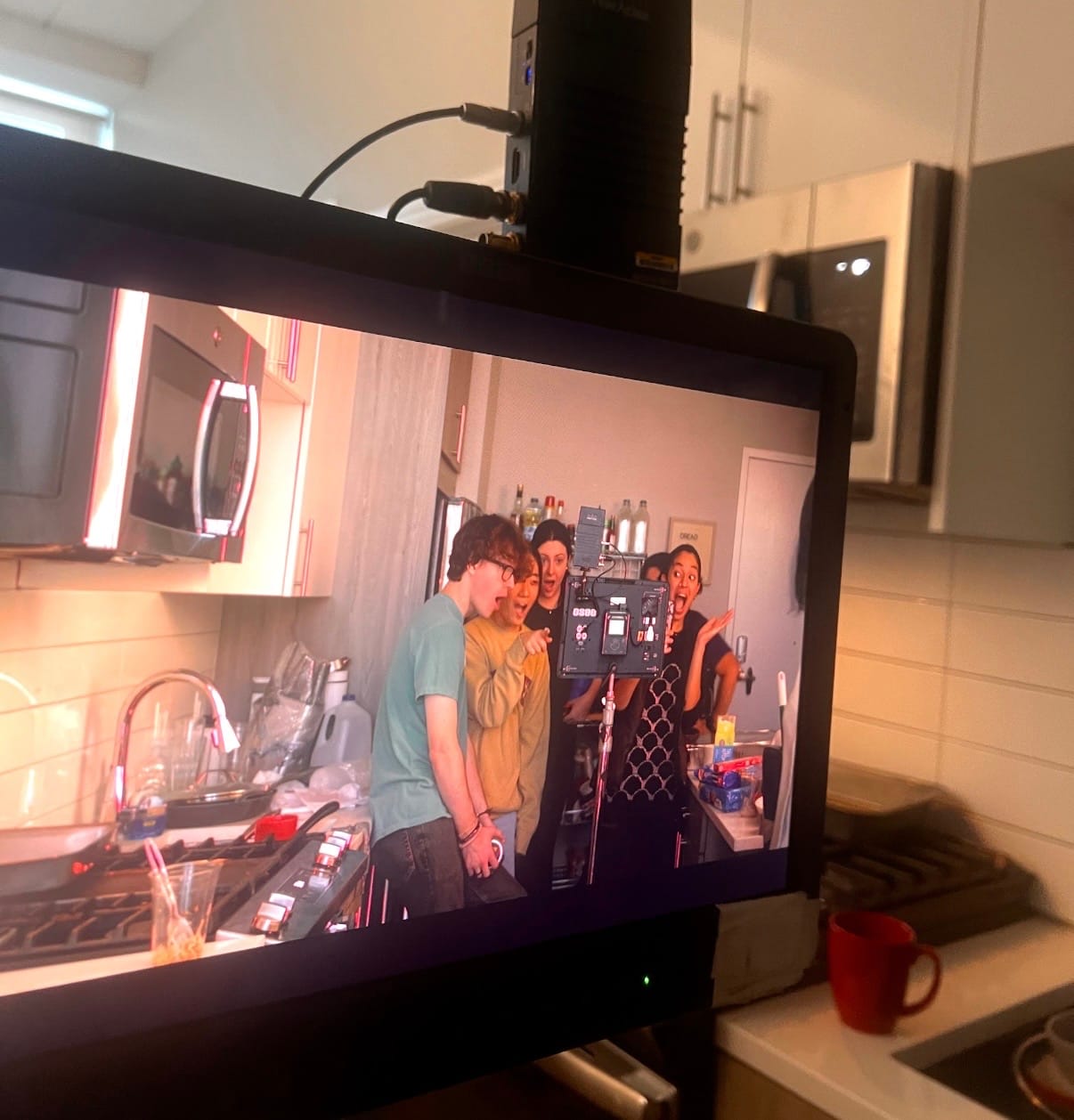
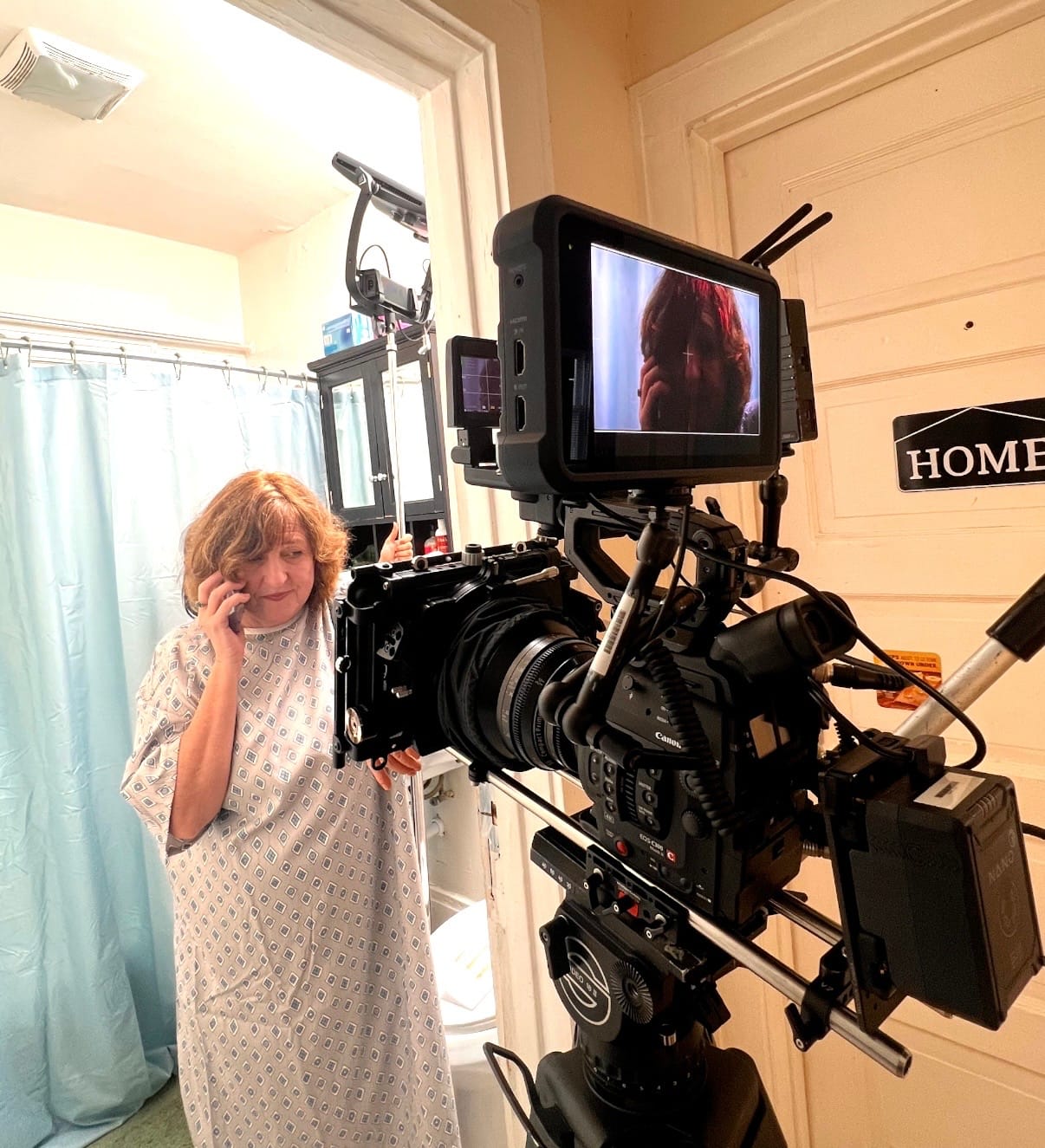
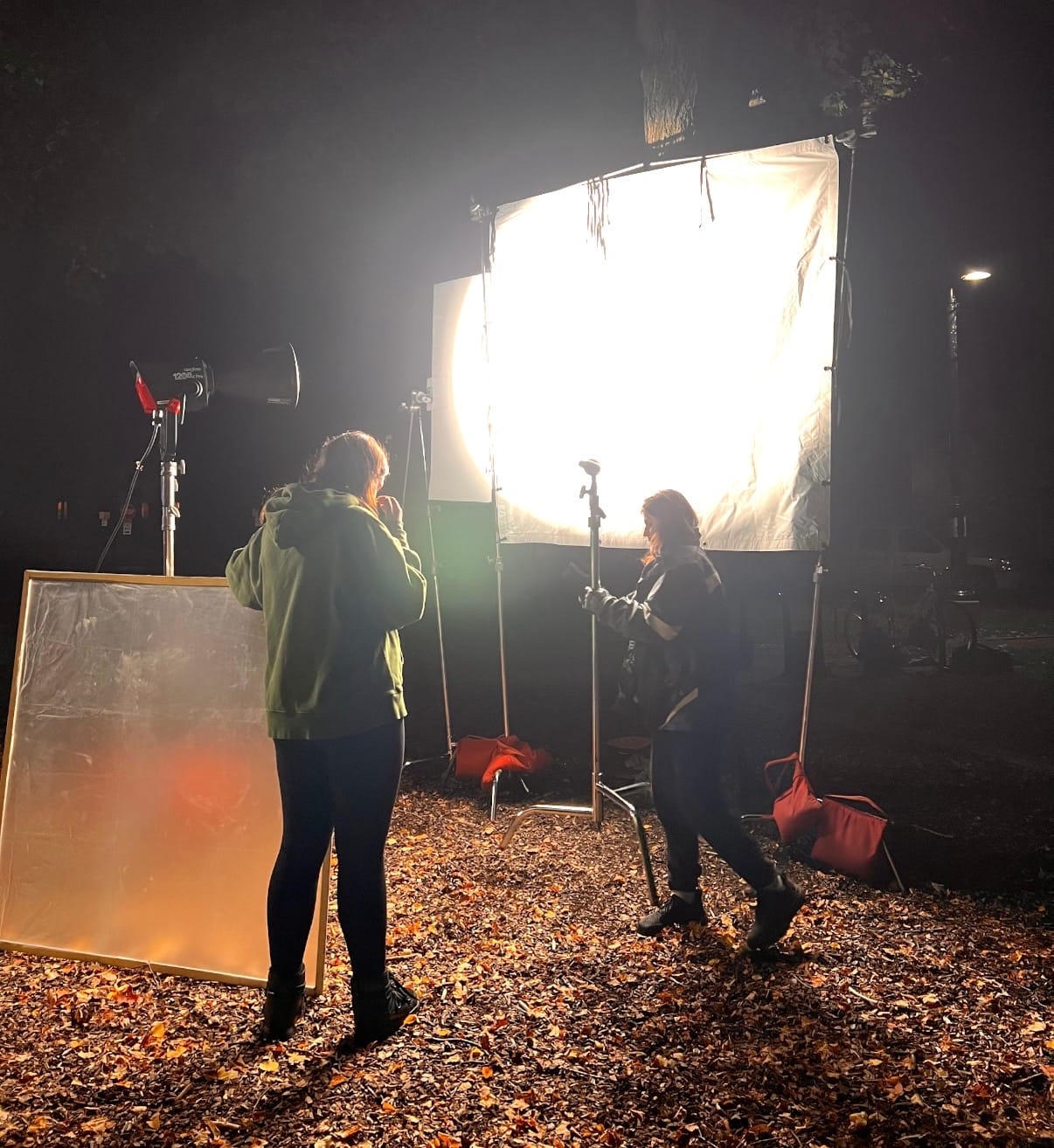
This was a student film, so our budget was practically nothing. We relied on student actors and filmed in off-campus housing, but that limitation actually gave us a lot of freedom. We were able to reshoot scenes as many times as we wanted, we made last-minute changes to the script, and I was able to work alongside people I know and trust.
Being an independent film also made the end product deeply personal. I oversaw every aspect of the production process, from brainstorming the initial script to adding in the final credits. It definitely wasn't an easy process. There were many nights I spent locked in an editing room reconsidering every decision that led me down this path, but in the end, I have a film that's a reflection of myself and everything I put into it.
What does it mean to have your film selected for The Reel Champions Shorts Fest, and where do you see the film going next?
I applied to this festival on a whim and honestly didn't expect to be selected, but I'm extremely honored and grateful to have been. I really appreciate this fest's emphasis on highlighting the work of women and non-binary creators. My work centers on highlighting underrepresented voices, so being part of a festival committed to that same goal is really inspiring. I'm incredibly excited to watch all the amazing work from the other creatives selected for this event.
As for what's next — straight to the Academy Awards. No, I'm kidding. Honestly, I'd love to just submit it to some more festivals and see what happens.
At the core of all her work, Scott says, is a desire to make one person in the audience feel like they've finally been represented on screen.
Main Cast & Crew
- Brooke Scott — Writer, Director, Editor
- Simone Spalding — Producer
- Brett Toban — Producer
- Jankhna Sura — Director of Photography
- Drew Slager — Greg Falls
- Mila Levitt — Shawn
Filmmaker Opportunities
💛 Fund your next project with fiscal sponsorship
Have a project in the works? As a 501(c)(3) nonprofit, the Cinematography for Actors Institute can accept tax-deductible donations on your film's behalf — a door-opener for grants, foundations, and supporters who want to back your work. We've serviced over 100 projects to date and helped route over $800,000 in funding to filmmakers. Explore fiscal sponsorship →
📬 Grant deadlines and festival opportunities, straight to your inbox
The CFA newsletter rounds up grants, festival calls, and community news for independent filmmakers — the kind of opportunities that are easy to miss and painful to miss. Join the newsletter →
🎬 Focus on the creative — we'll help with the logistics
Production Management, CFA's newest member program, launches this November: production insurance and workers' comp, payroll, film permits, gear rental coordination, SAG-AFTRA compliance, contract drafting, production consulting, and crew recommendations — handled by a team of working filmmakers, à la carte or all in, in partnership with Creative Access Group. It's waitlist-only until launch. Join the waitlist →
League of Filmmakers is published by our parent organization, the Cinematography for Actors Institute — a 501(c)(3) dedicated to education, community, and capital for underrepresented filmmakers and actors. Learn more about CFA →