Table of Contents
Three Key Takeaways
- Morgan Gruer’s Fire At Will draws from a deeply personal family experience, evolving into a universal exploration of sibling rivalry and the value of artists in family hierarchies.
- The film’s precision in chaotic family dynamics showcases Gruer’s unique directorial strengths, particularly in orchestrating complex overlapping dialogue and emotional tension.
- The selection of Fire At Will for Nòt Film Fest marks a significant milestone for Gruer, who plans to expand the short into a feature and continue exploring nuanced family stories.
Writer, director, and executive producer Morgan Gruer brings her Emmy® Award-winning storytelling craft to Fire At Will, a tightly wound family drama that premiered at Tribeca and won the Young Director Award at Cannes.
Produced by Sandra Tan of PROM Creative and shot by cinematographer Jared Levy, the film features a talented cast including Scott Cohen, Amy Stiller, and Lucas Zelnick.
Gruer’s personal connection to the story and her background in animation and design shape this emotionally charged, sharply humorous depiction of family tensions.

Q&A Interview
What drew you to make Fire At Will? Why this story, and why now?
Fire At Will was inspired by a real-life event when my parents gathered my siblings and I to solidify the family will, and decided to leave some of us (me) out of the will. The story felt pressing, relevant, and simply too good to pass up sharing with others.

What surprised you most about the filmmaking process this time—creatively or logistically? Was there a moment on set or in post that completely changed how you saw the story?
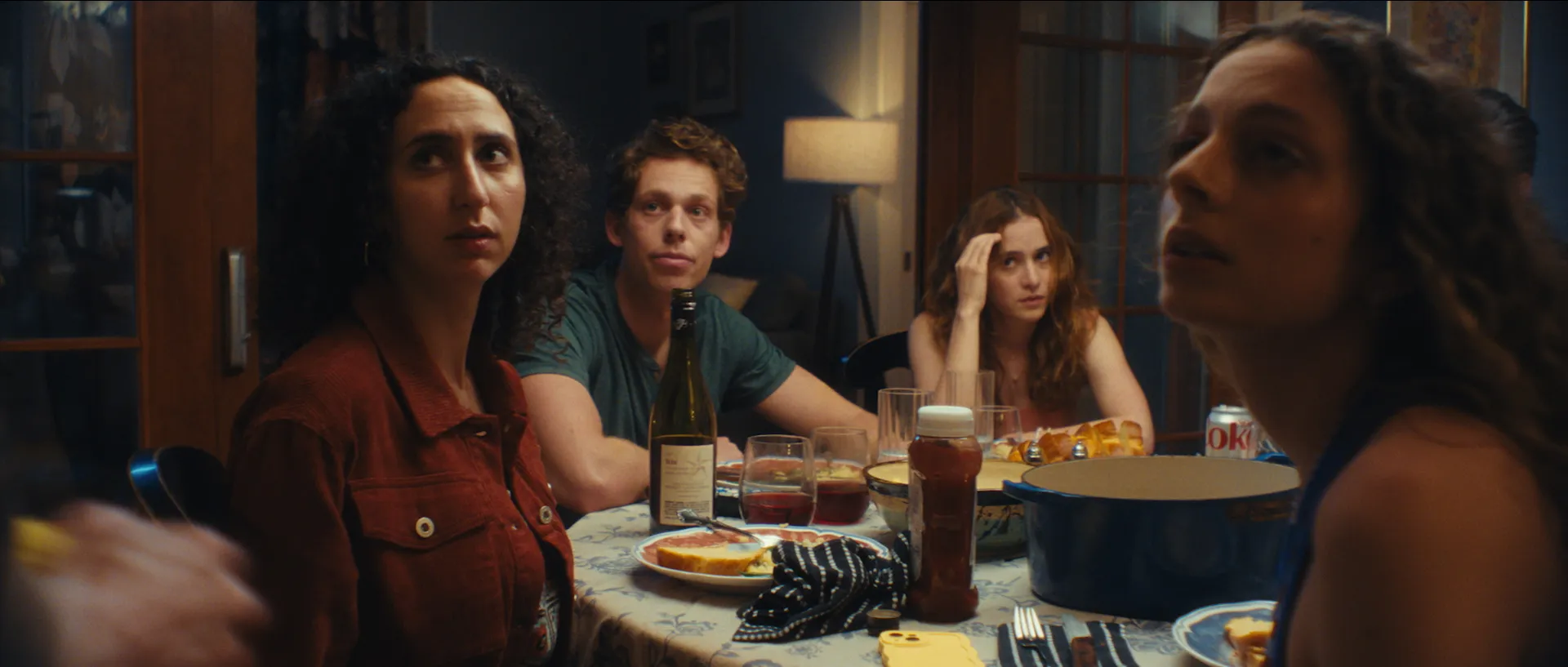
This was a deeply personal project—inspired by my family, cast with actors who resembled them, and shot in my childhood home. And yet, once we started rolling, the story evolved past my own family and became its own living, breathing thing. Watching a personal story break away from reality and develop its own life was so surprising yet rewarding.
Is there a moment in the film that feels the most you—something only you could have made?
Early in the film, the entire table is talking over one another, each character convinced their point is the most important. It’s a precisely choreographed chaos, like an orchestra of dysfunction, and it feels so specific to the family dynamic I grew up with. It’s my favorite kind of scene to direct; it requires deep precision but also embracing the mayhem, and the combination of those two is where I thrive.

What was the hardest creative decision you made while making this film?
It’s always hard to “kill your darlings.” The script was originally longer, with moments that I personally loved, but ultimately, we had to cut things down in order to keep the pacing tight and the tension simmering.
"Watching a personal story break away from reality and develop its own life was so surprising yet rewarding."
What do you hope audiences take away from your film?
The film is about sibling rivalry and family hierarchies, but at its core, it’s about the way artists are perceived and treated—when they are “successful” versus when they aren’t. I hope audiences walk away reflecting on who gets valued in a family and why.

How has this film shaped or shifted the kind of stories you want to tell next?
I love exploring family dynamics that feel both painfully real and a bit absurd—stories where you recognize your own family, but you’re also grateful that you are not at this dinner table. I aim to keep exploring family dynamics on larger and deeper scales.

What’s a tool, technique, or resource that really helped you during production?
Building a team of collaborators who are excellent in their craft and genuinely supportive and kind people was essential. On a project this personal, it was imperative to have a crew who could protect the specificity of the concept while bringing their own artistry to the table.
Independent filmmakers often rewrite the rules out of necessity. What do you think is the greatest strength of independent filmmaking, and how did you lean into that on this project?
Independent filmmakers know how to get things done with limited budget and resources. Limited finances and single locations often lead to creative choices born out of necessity. Small crews allow you to be agile and shift decisions without having to wait on approvals or permission. These elements really pushed us to dial into our one location and make it feel as lived in and dynamic as possible.
"It’s a precisely choreographed chaos, like an orchestra of dysfunction, and it feels so specific to the family dynamic I grew up with."

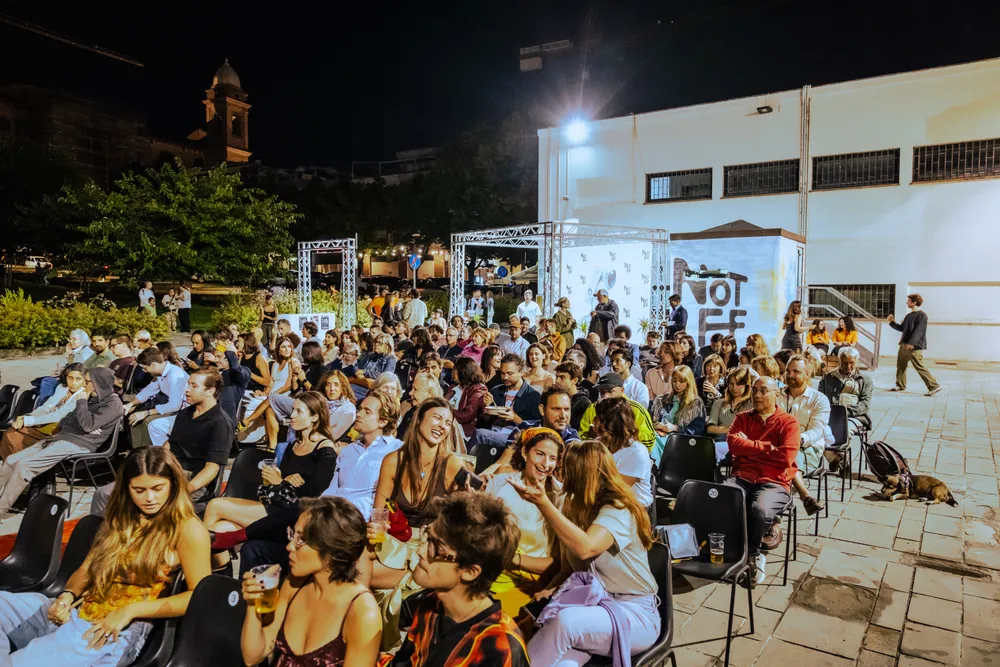
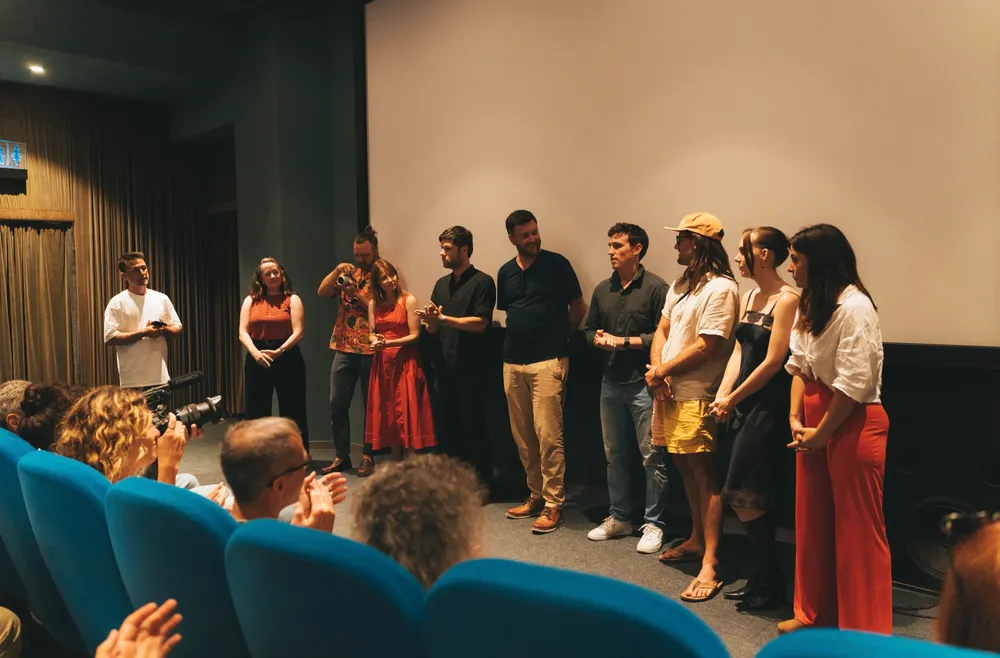
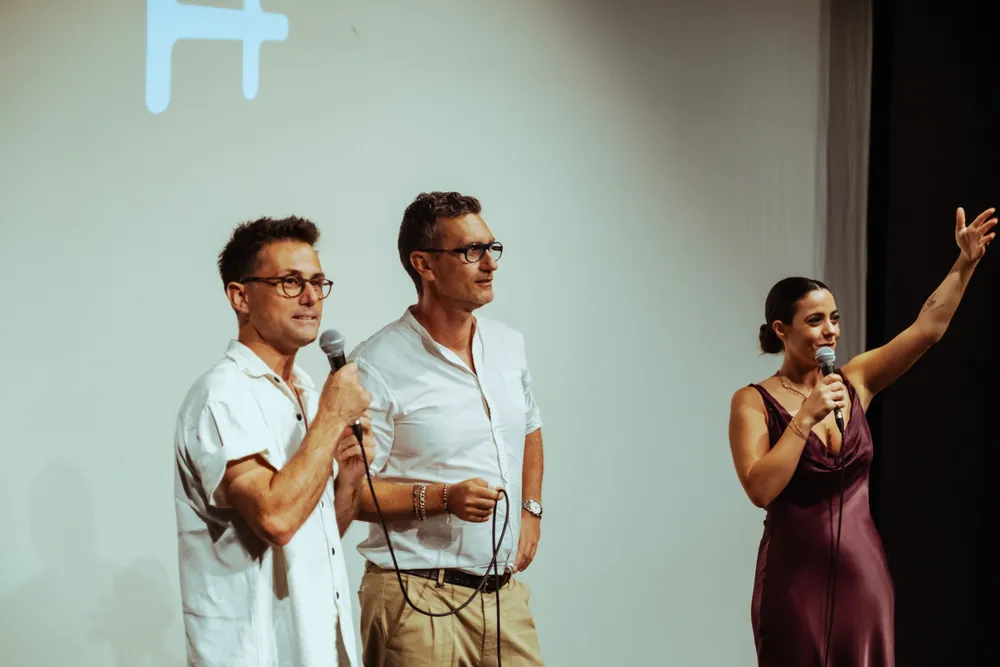
What does it mean to you to have your film selected for Nòt Film Fest?
I attended Nòt in 2022 for my short, Ghosted, where I won Best Director. Being recognized in that way was a turning point for me, and I'm so honored to bring Fire At Will back to Italy. I met some of my closest friends and collaborators at Nòt Film Fest previously, so I'm incredibly excited to meet other filmmakers and build community in its beautiful location.
How do you hope being part of Nòt Film Fest will shape the life of this film?
The Nòt FF audience is so supportive and engaged, that I'm just excited to be a part of such a strong community.

Where do you see this film going next?
We’ve had a full summer of festivals (Tribeca premiere, Young Director Award at Cannes, Indy Shorts, San Francisco Jewish Film Festival, HollyShorts), and now Nòt! But, the next big one is developing Fire At Will into a feature.
"At the core of all my work is a desire to capture the absurd and often contradictory ways family show love, especially when they are terrible at saying it out loud."

Cast & Crew
- Kyle Moriarty — Editor.
- Cast: Ellie Sachs, Julia DiCesare, Rebecca Gever.
- Production Company: PROM Creative
For more on Fire At Will, visit the film's website.