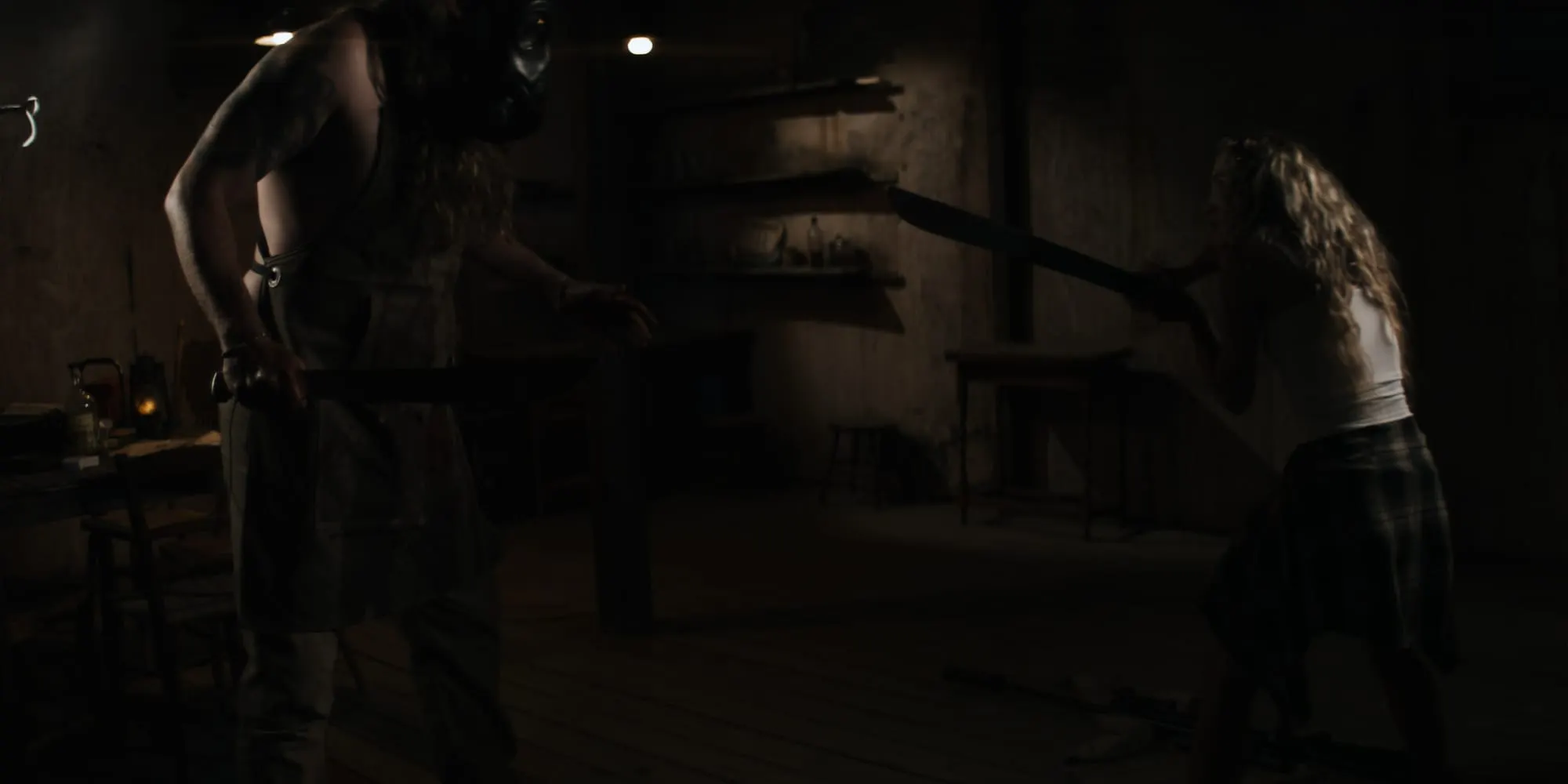
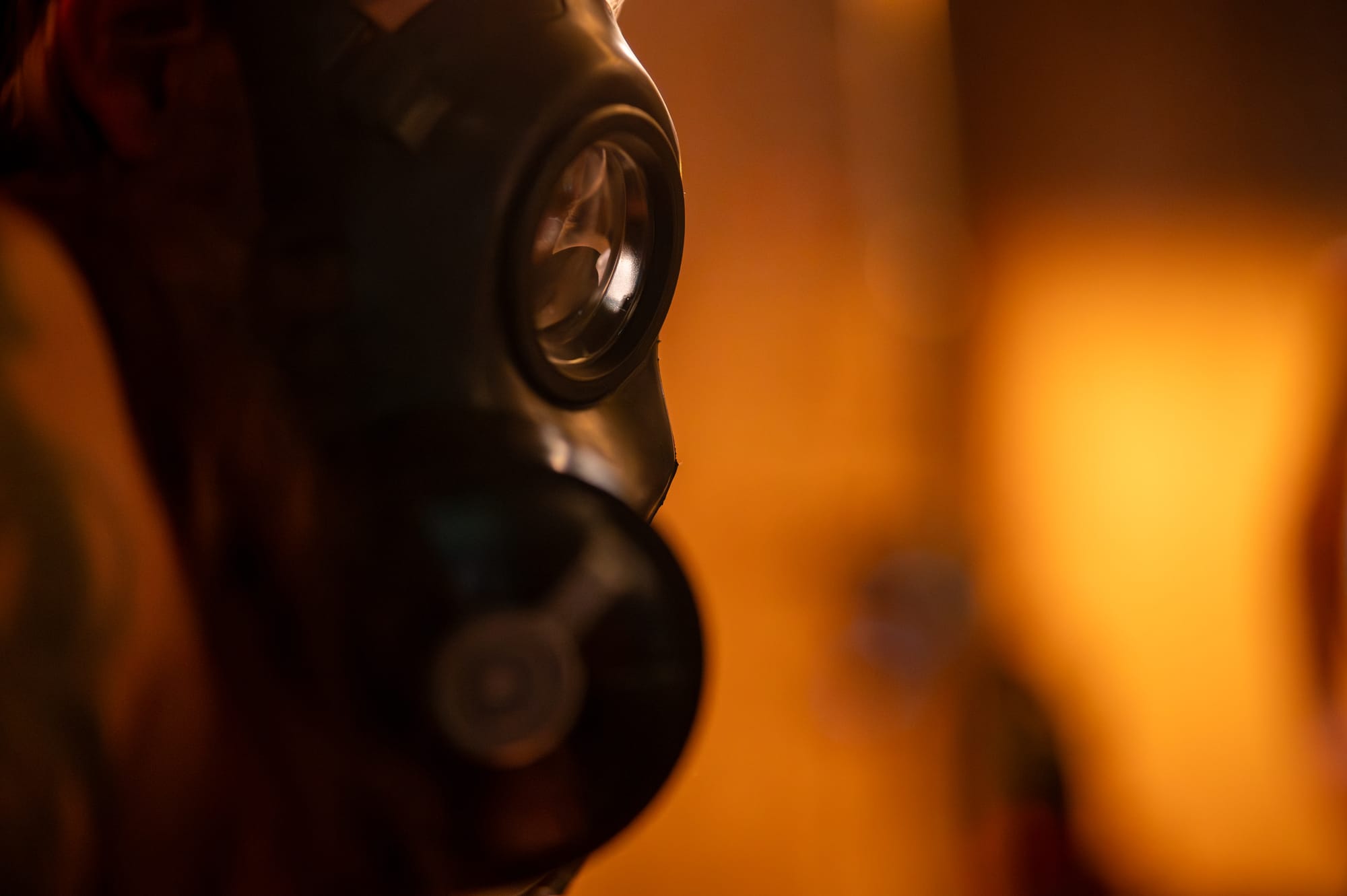
A woman flees a masked killer into a cabin in the woods. She is trapped, alone, and out of options except one: the tutorials. My Severed Arm, written and directed by Casey de Fremery, takes a premise that sounds like a joke and plays it with a straight face long enough to draw blood, then lets the laugh land anyway.
The idea began as a thought exercise about advertising — what happens when the ads follow us into our worst moments — and grew into something closer to a diagnosis. "I hope audiences come away thinking about the strange relationship we have with technology: how it can make us feel more capable and connected, but also how easily we can become dependent on it," de Fremery says. "I've always been fascinated by the tension between our desire to be self-sufficient and how often the things we turn to for support can get in the way of what we actually need." The film pursues that tension through horror and comedy at once, a merger de Fremery has been building toward across his earlier work.
Key Takeaways
- The film's central conceit — survival instruction delivered by hologram rather than by phone screen — was a late, expensive swap that unlocked the film's visual comedy.
- De Fremery deliberately rejected the horror structure that spends most of its runtime on setup, and reviewers have noticed they can't predict where the film is going.
- FilmQuest was his number one festival hope, and My Severed Arm is already being adapted into a feature script.
De Fremery spoke with us about murder cabins, VFX gambles, and the laugh that lands at every screening.
Interview
What drew you to make this film, and why this story, why now?
I honestly watch more YouTube than I do apps that I actually pay for, and you have to make peace with the amount of ads early on. However, the volume of ads and the aggressiveness in their tone has only increased, and I came up with a thought exercise: what would happen if you had to listen to ads as you were calling 911? If Detroit declared they were going bankrupt and were putting ads in front of calls to raise revenue, how would we react? I feel we'd have a few days of getting mad until we end up just making peace with it, and that concerned me.
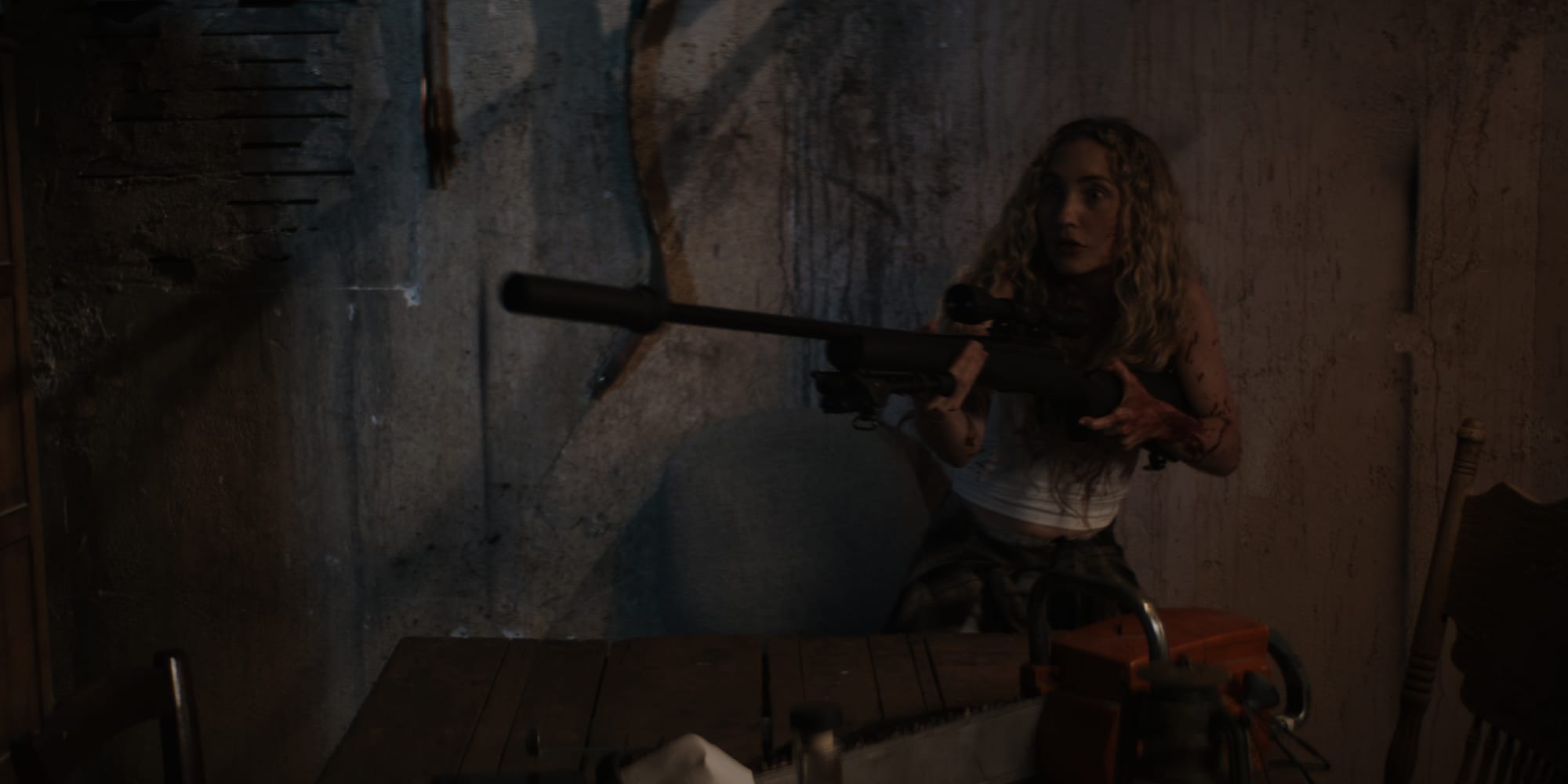
So I thought about if there was a story there, and the concept started to come to me quickly, starting with a woman being chased into a cabin in the woods and having to rely on unhelpful tutorials to defend herself. Once I came up with that, despite trying to get away from short films, I knew I had to pursue it because it got me excited.
What surprised you most about the filmmaking process, creatively or logistically?
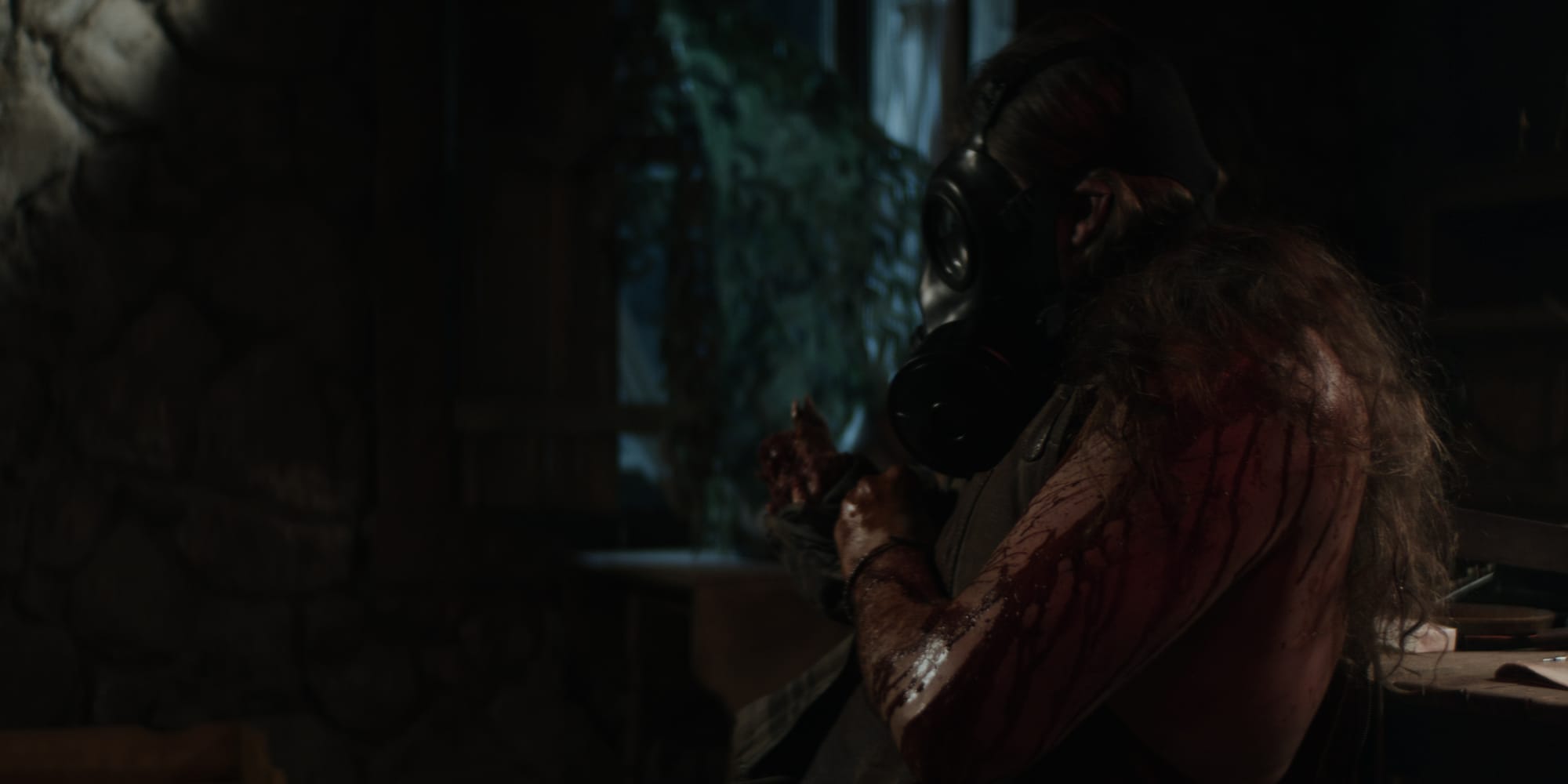
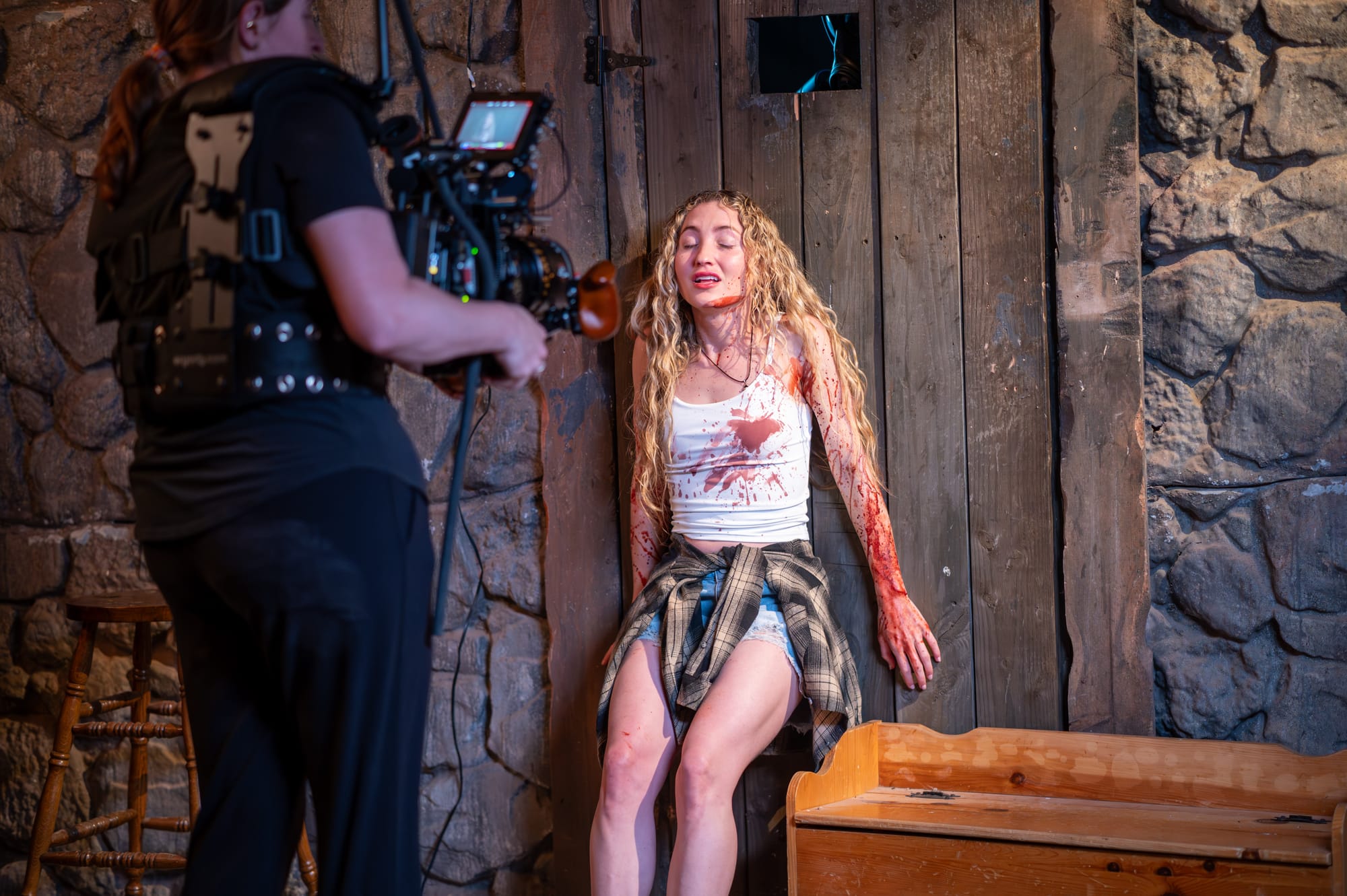
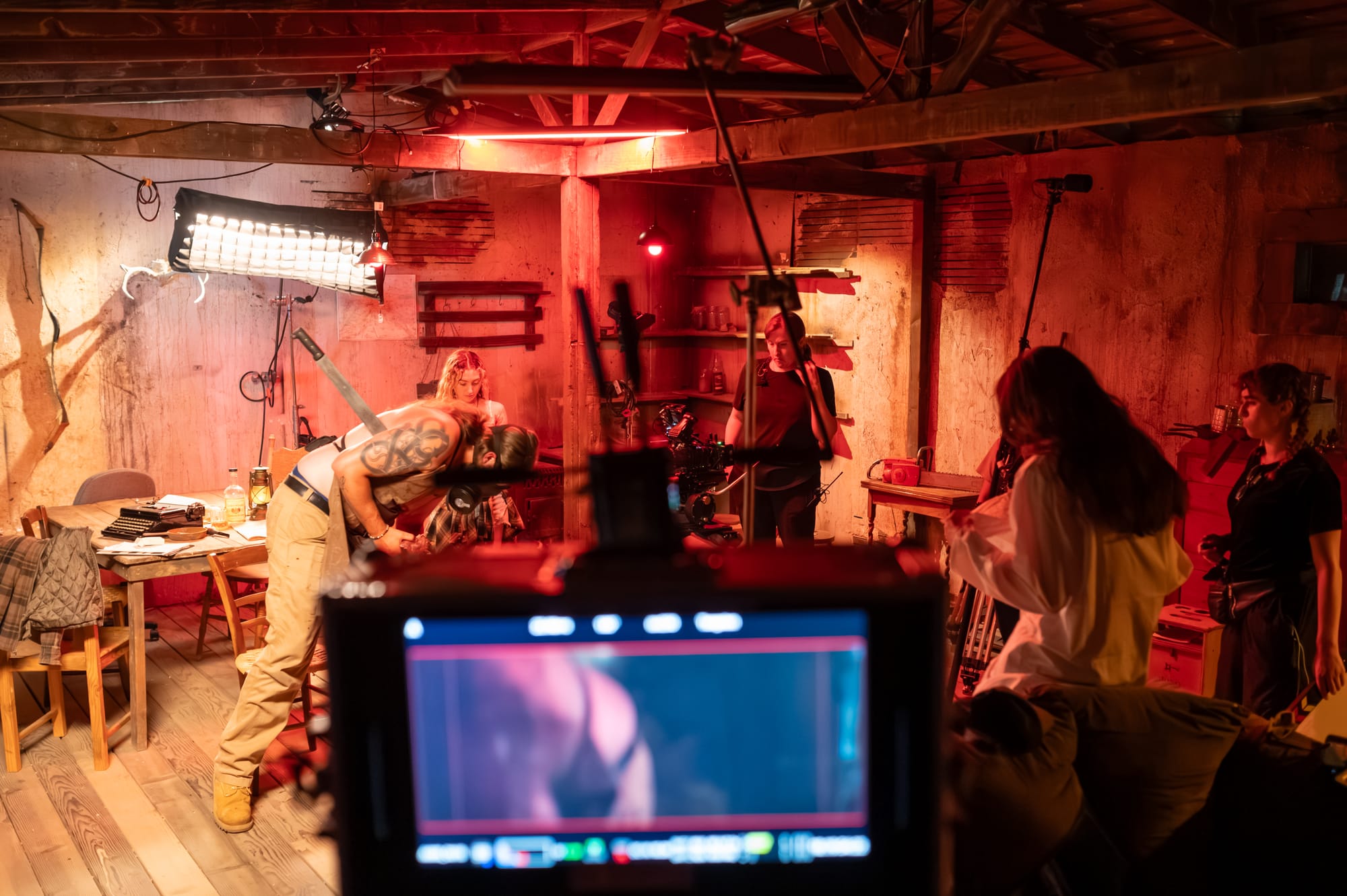
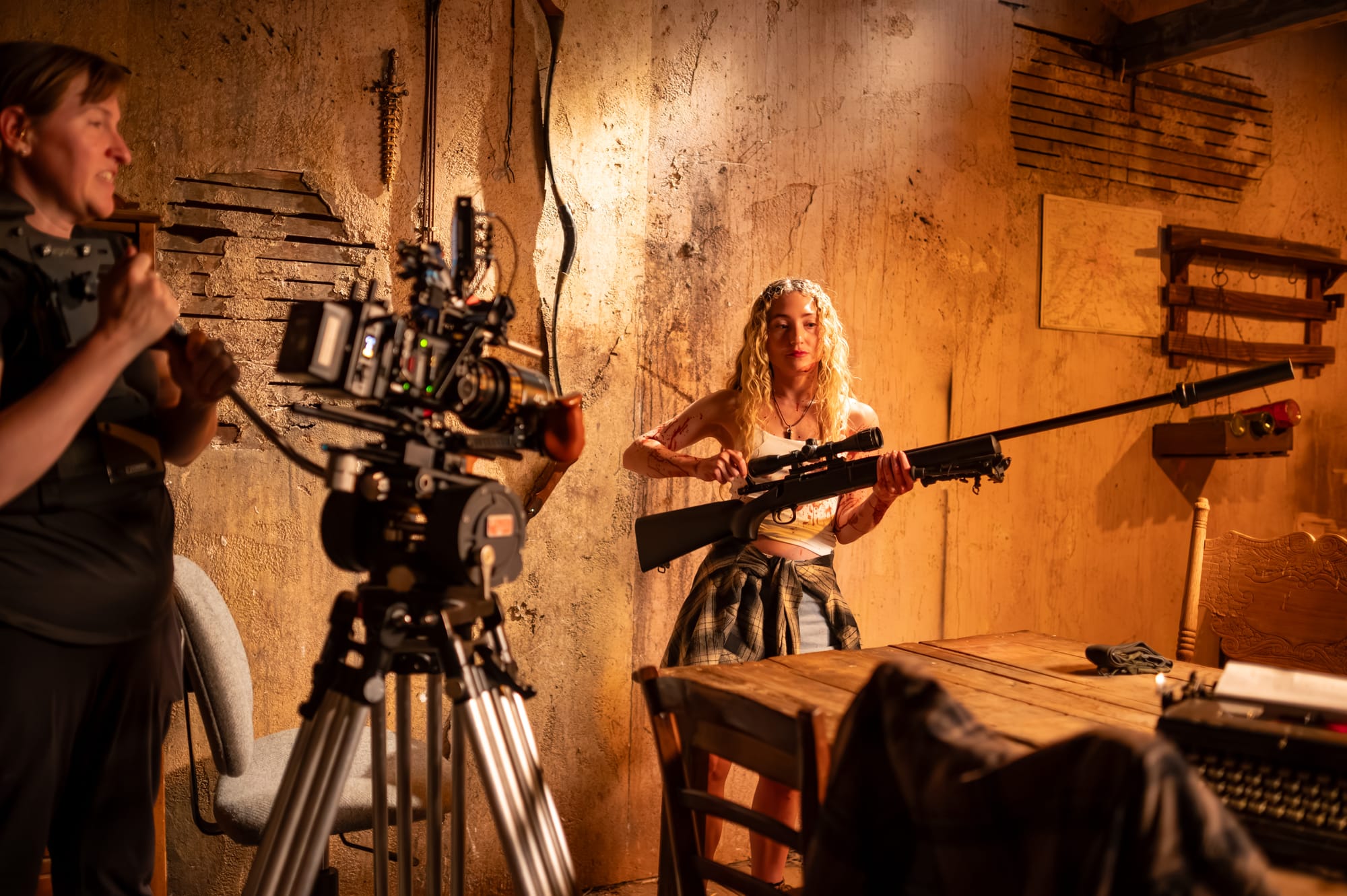
My biggest difficulty was really finding a location to film in. "Cabin in the middle of the woods" feels like something there should be a million of, especially in SoCal, but it's either locals who have a Home Depot tool shed in their backyard and call it a cabin, or ones a hundred miles away in Idyllwild or Lancaster. Not the closest, and even then, they tend to be modern and Apple Store-y, not the Evil Dead style that I wanted.
I was friends with the owner of SilverStrand Ranch and looked on their website on a whim, as I knew they'd have cool exteriors, but buried on their site was the cabin of my dreams. I location scouted it and it was just within the TMZ, so I knew I found my murder cabin.
What moment in the film feels most like you, or like something only you could have made?
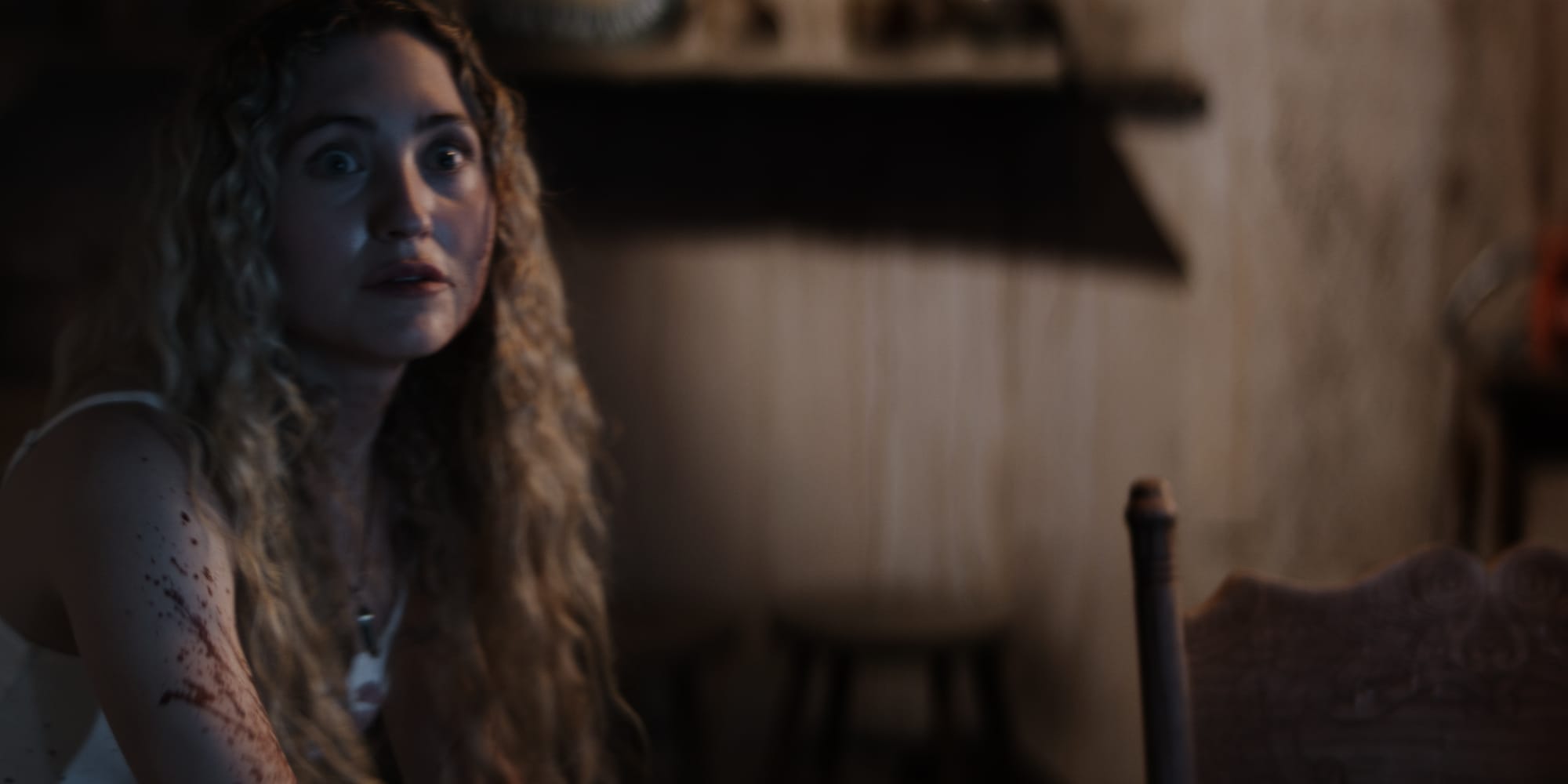
There's a moment I won't spoil that occurs in the middle of the movie, but it's a break from the action that I don't think almost anyone would've thought of, and it routinely delivers the biggest laugh at every screening I've gone to. It draws on my experience editing commercials and hits the exact beat I wanted.
What was the hardest creative decision you made while making the film?
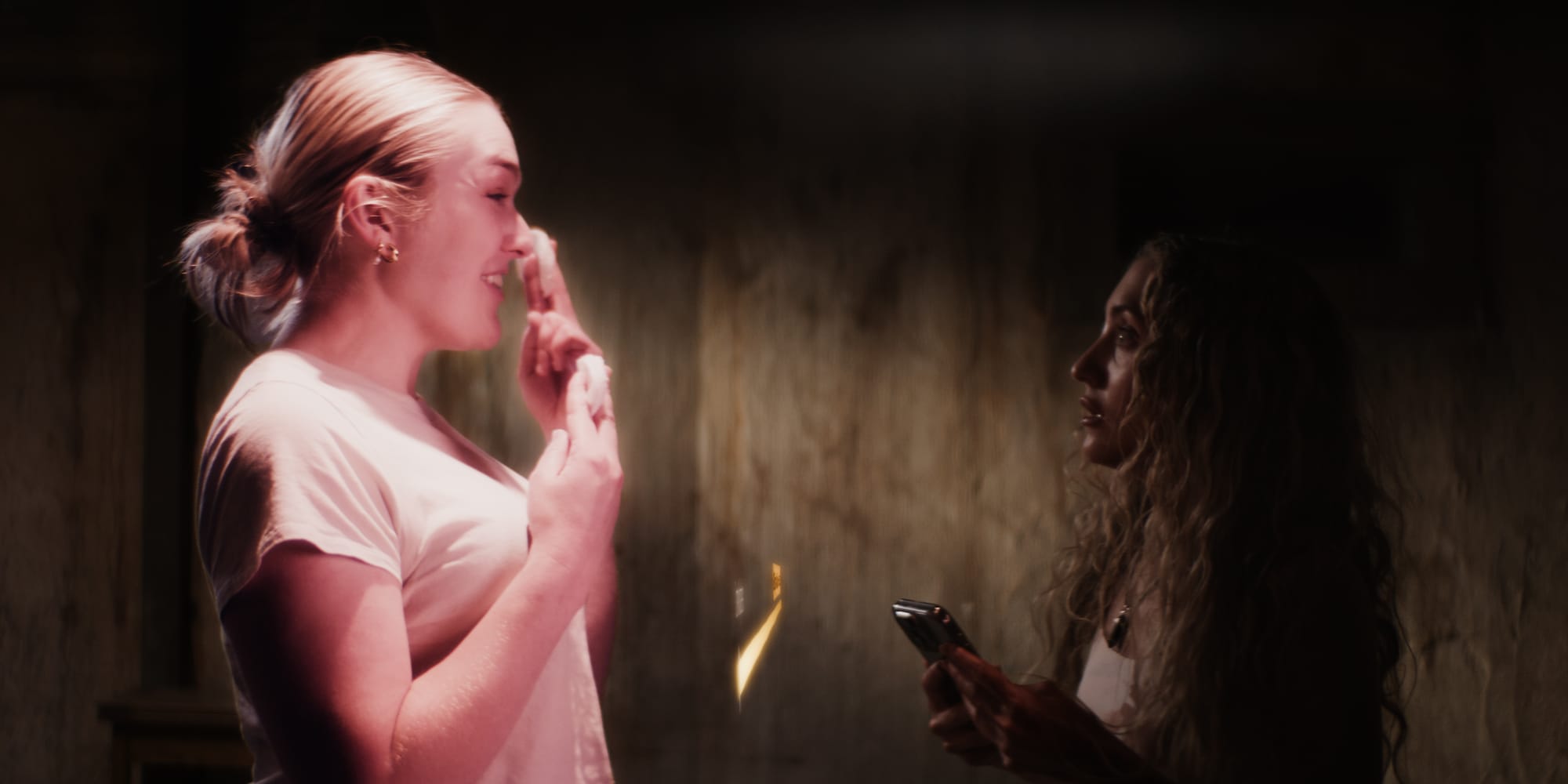
The hardest decision was regarding the hologram effects in the film. In the original script, the character would routinely watch YouTube videos for help surviving, and it was realistic — we'd see the phone, maybe cut to the setting it was filmed in. However, we started thinking bigger, and I didn't want my lead actress to be staring at a phone for ninety percent of the movie, so I came up with an idea to make the YouTube videos be projected as holograms.
It was an idea I had that I feel is plausible five minutes into the future, and something I think YouTubers would glom onto quickly, so every YouTube show is physically represented in the cabin. This allowed her to interact with them — they don't interact back — and opened up the possibilities for gags and visual comedy tremendously. It involved some VFX R&D and expenses I hadn't planned for, but it elevated the film for me.
How does your film fit within, or push the boundaries of, its genre or form?
This is something I think the audience would be a better judge of, but I was delighted that several reviews pointed out how they had no idea what direction the film was going to go in and it kept them on their toes. There's a certain style of horror script pacing and structure that I tried to avoid, where many spend about eighty-five percent of their time on setup and the thrills we want to see only happen right at the end. I structured my film very differently and think people have really picked up on it.
How has this film shaped or shifted the kinds of stories you want to tell next?
It's felt more like a culmination of the different tones I've played with in my career coming to a head. I made more comedic shorts and started finding my comedic voice early on, and managed to merge it with my horror instincts as I got older. Anyone who's seen my earlier work can see what led to this movie's existence, so the future of what's next is exciting. This isn't the only tone I'll be pursuing, as I'm always looking to evolve, but it instilled a confidence in me to keep pushing and know that I'm on the right track. At the core of all my work is a desire to lead to the next project — and be able to feed the dozen stray cats that depend on me.
What does it mean to have your film selected for FilmQuest, and where do you see the film going next?
FilmQuest was my number one hope and aspiration for the festivals I submitted to, and I was floored when I got in. I had some optimism that I might, but the film festival waiting process is very cerebral and has you chasing vague tea leaves that will only drive you nuts. Every alum I've ever talked to from FilmQuest has sung nothing but praises for it — that it's the one festival you should definitely make a trip out of if you can — and I was stoked to go.
I have film festivals I'm waiting on for the next few months, and it'll eventually head to YouTube, where I hope the momentum that has built for it transfers through to a bigger audience. There is a feature film script I've been writing that adapts it into a full-length story but has definitely been going in its own direction. I'd love to have this be just the beginning.
Main Cast & Crew
- Olivia Rose Prince — Cast
- Ryan Romine — Cast
- Julia Linger — Cast
- Jacob Dalton — Cast
- Claire Rice — Cast
- Casey de Fremery — Writer/Director
- Lexi Giovagnoli — Producer
- Kate Ketcham — Cinematographer
- Daniel Kautz — Gaffer
- Erik Herrera — Production Designer
- Holly Mazmanian — Makeup FX
- Ceiri Torjusson — Music
Filmmaker Opportunities
💛 Fund your next project with fiscal sponsorship
Have a project in the works? As a 501(c)(3) nonprofit, the Cinematography for Actors Institute can accept tax-deductible donations on your film's behalf — a door-opener for grants, foundations, and supporters who want to back your work. We've serviced over 100 projects to date and helped route over $800,000 in funding to filmmakers. Explore fiscal sponsorship →
📬 Grant deadlines and festival opportunities, straight to your inbox
The CFA newsletter rounds up grants, festival calls, and community news for independent filmmakers — the kind of opportunities that are easy to miss and painful to miss. Join the newsletter →
🎬 Focus on the creative — we'll help with the logistics
Production Management, CFA's newest member program, launches this November: production insurance and workers' comp, payroll, film permits, gear rental coordination, SAG-AFTRA compliance, contract drafting, production consulting, and crew recommendations — handled by a team of working filmmakers, à la carte or all in, in partnership with Creative Access Group. It's waitlist-only until launch. Join the waitlist →
League of Filmmakers is published by our parent organization, the Cinematography for Actors Institute — a 501(c)(3) dedicated to education, community, and capital for underrepresented filmmakers and actors. Learn more about CFA →